
Good Neighbors 10.22.26
The hardwood forests of Preston County, West Virginia, are thick enough to make you forget which way is up. Thankfully, an endless supply of creeks, runs, seeps, and bogs help orient the mind. Water gurgles out of the ground everywhere, most of it in a hurry to go downhill.
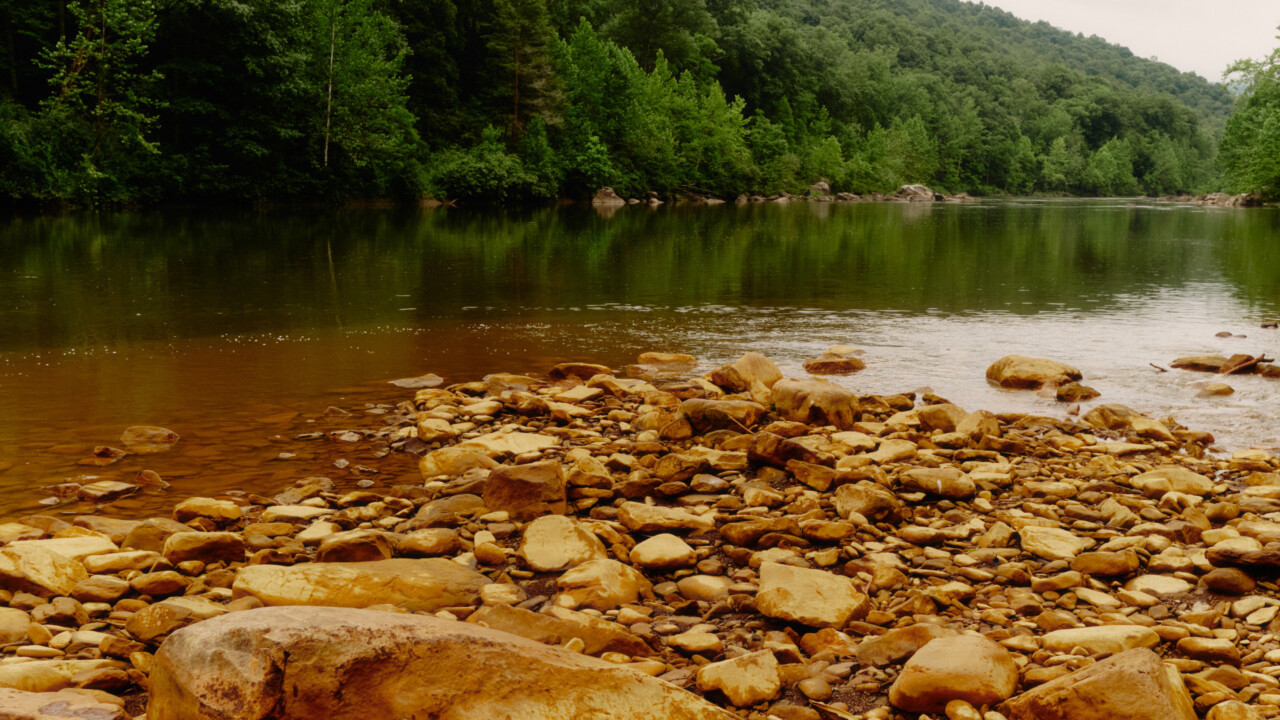
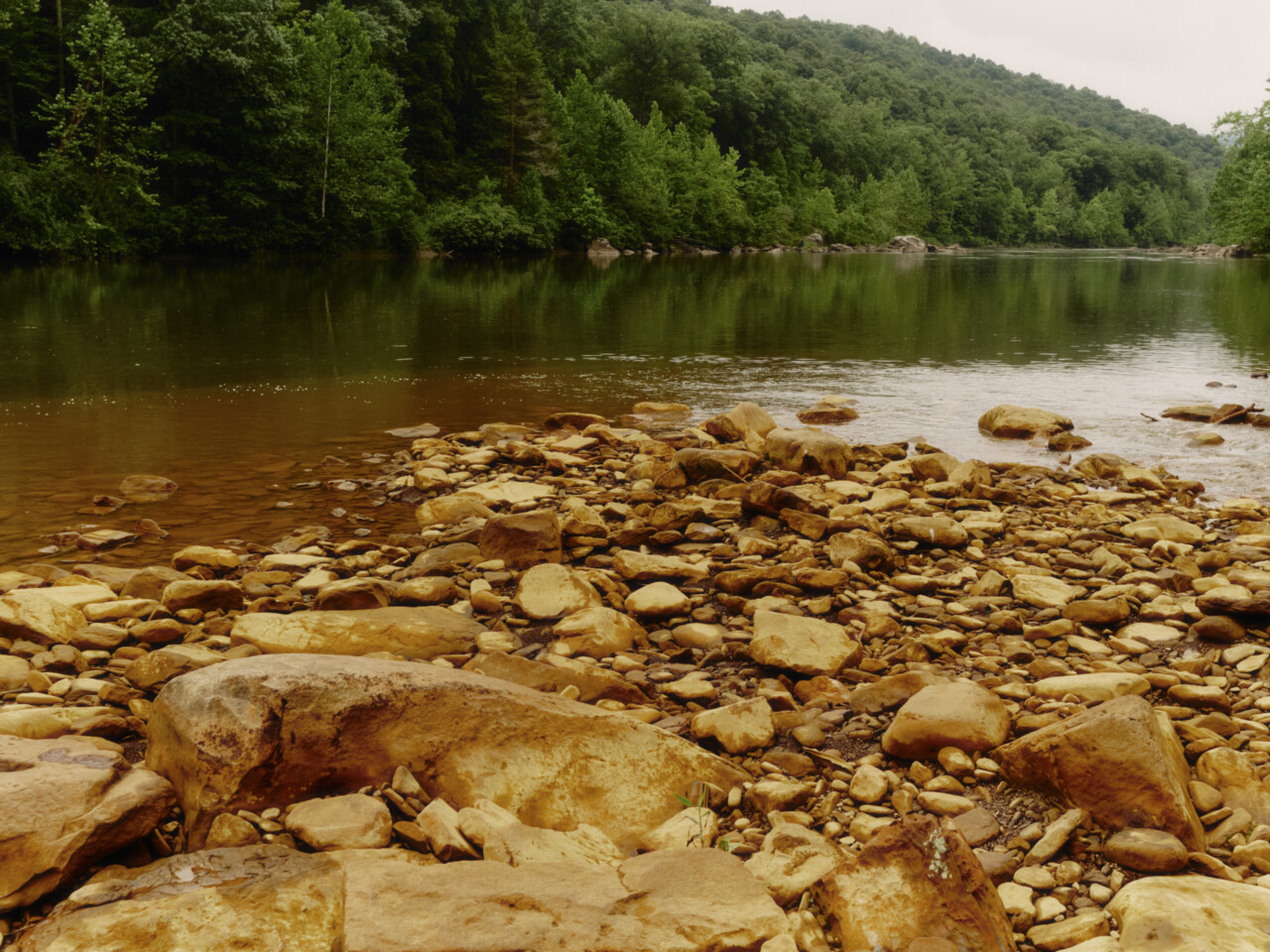
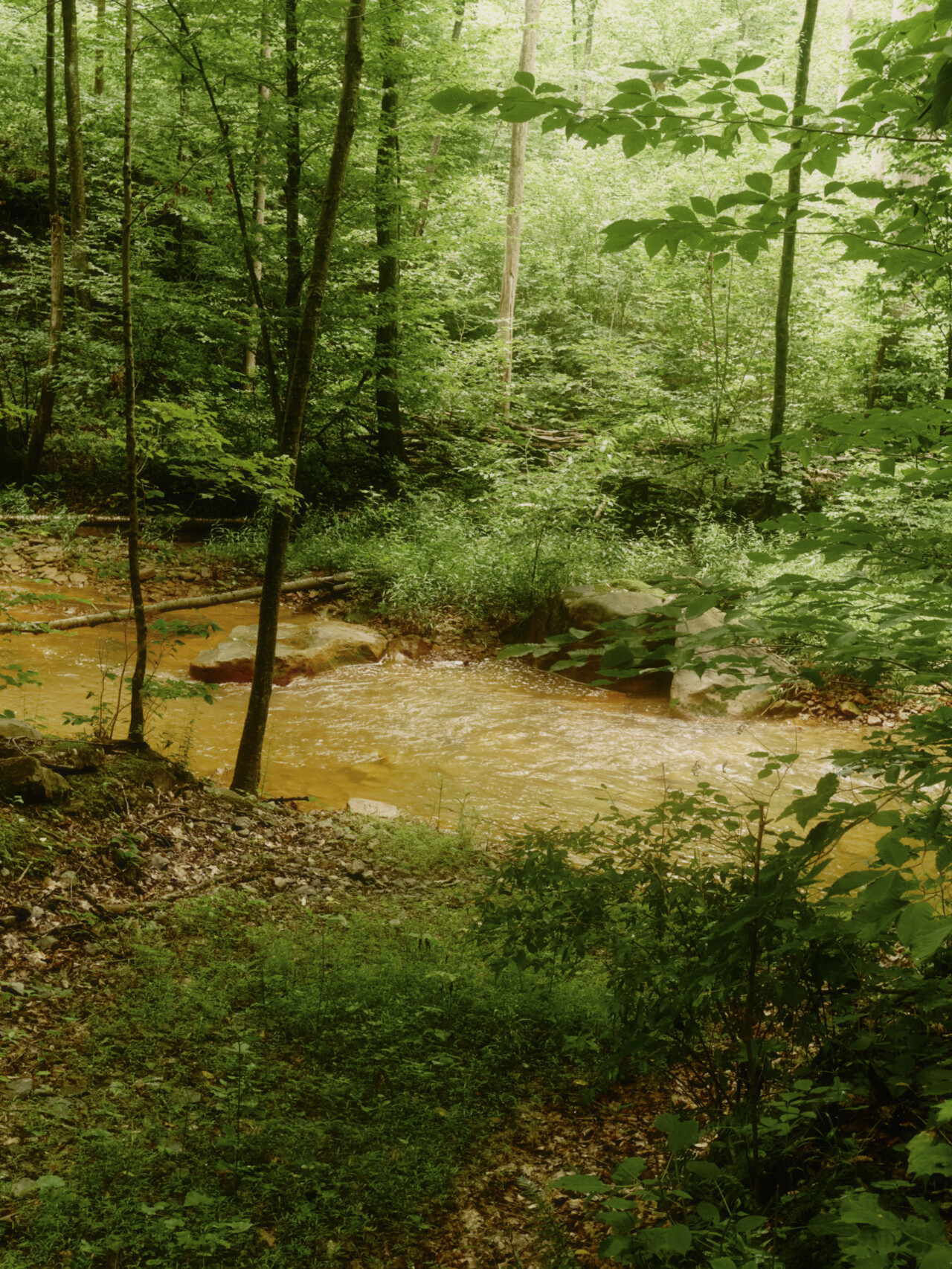
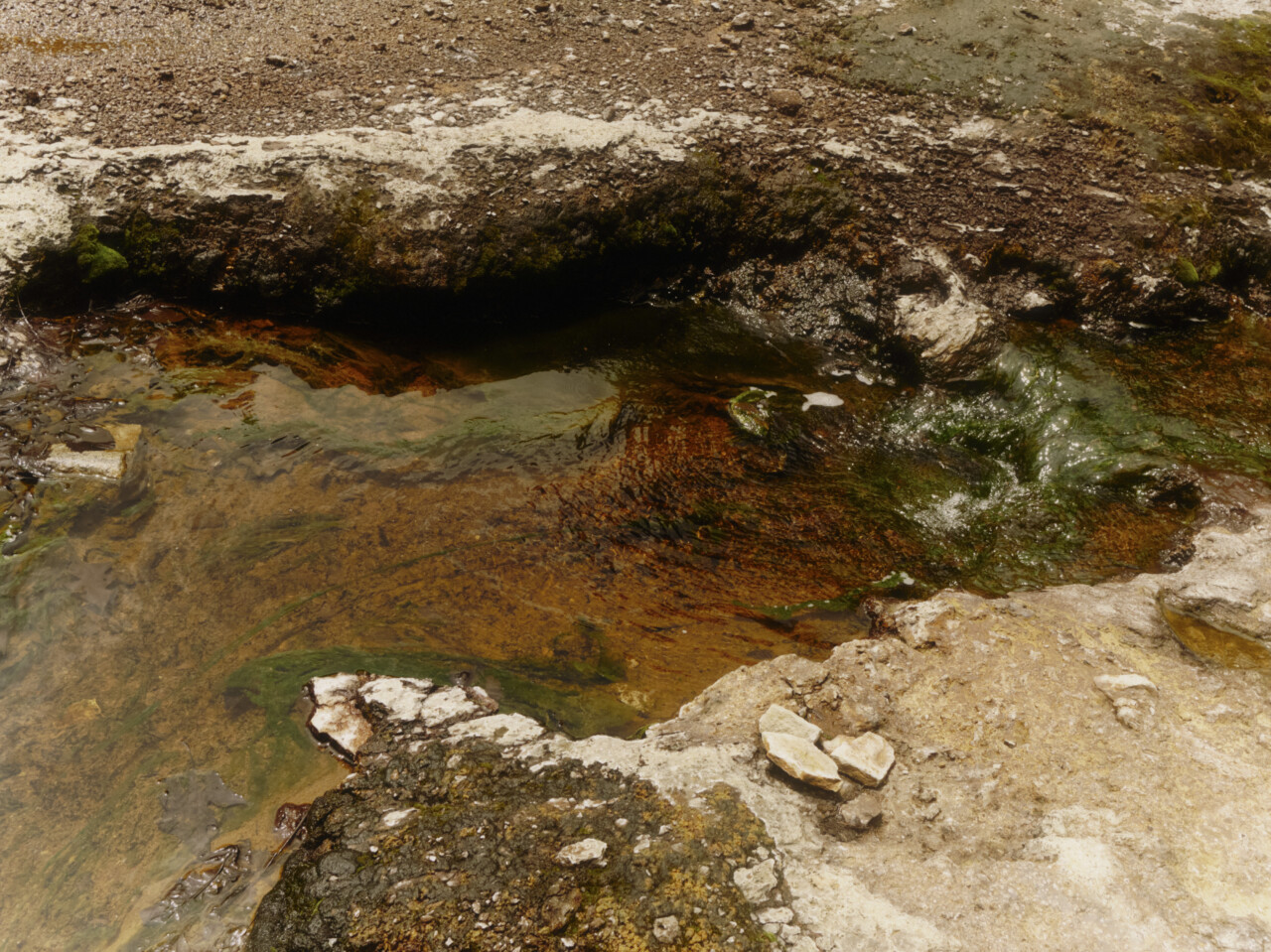
As we approach a clearing, what Amanda Pitzer refers to as the “Scab,” more sunlight pours through the canopy. We cross Lick Run for the second time. A small tributary of the 78-mile Cheat River, the streambed of Lick Run is the color of Nacho Cheese Doritos. Crossing it should be slippery, except the excessive iron and aluminum buildup coating the rocks prevents anything slick from growing on them.
“This is the only thing that will live in this water,” Pitzer says as she plunges her hand into an eddy in the stream and extracts long pulls of green, free-floating algae from the surface. “This water historically has a pH of 3 or lower, and it is hundreds of orders of magnitude beyond water quality standards. Right here.”
A portion of the water in Lick Run spills from the Scab, a lifeless expanse of mineral buildup and coal waste roughly the size of a pickleball court. Water trickles in deep rivulets across this miniature Mars-scape, emerging from within a small, densely forested mountain that mining companies emptied of coal decades ago.
All of this—the orange creekbed, the chartreuse slime on the water’s surface, the crusty, eerily dead clearing—is acid mine drainage, one of the coal mining industry’s most enduring and expensive fingerprints on the Appalachian landscape, to an extreme. I consider this as I stand shin-deep in the water. While it doesn’t pose a current threat to the skin on my legs, whitewater guides in the area recall the days when the whole Cheat River set your mucous membranes aflame and they carried eyewash kits in their boats.


The Cheat River watershed has come a long way in the last 30 years. Much of this makeover is thanks to Friends of the Cheat, an award-winning environmental nonprofit headed by Pitzer and staffed by a small team of river ecology and recreation professionals. FOC is based in Kingwood, the seat of Preston County and home to around 2,900 people, most of whom come from families who made multi-generational livings in coal mining.
By the 1950s, many of these families began warning their kids away from the river. Acid mine drainage had killed off the bulk of the Cheat’s aquatic ecosystem: Bugs, fish, and birds disappeared, and the water stank. Coal mining wasn’t the only meddlesome influence in the Cheat’s relationship with its people. Preston County resident Karen Thorn shares how her great-grandparents’ farm has spent 100 years at the bottom of Cheat Lake after being inundated by the installation of a hydroelectric dam in 1925. Later that same decade, a hide tannery on the upper Cheat dumped enough toxic waste into the river to trigger a massive fish kill and ruin a key food source for many residents.
Then, in 1985, as coal mining neared a bust, severe storms brought massive flooding to the Cheat River. A cascade of bridges and dams directed the debris-laden water toward the small towns along its banks, leaving behind a trail of mud, destruction, and the death of 38 West Virginians. In Rowlesburg, the water crested at more than 39 feet. If people hadn’t previously feared the river—polluted, surging, maybe even vengeful—they sure did after.
And yet the Cheat was the first commercially rafted river in all of West Virginia, starting as early as 1968. People traveled from all over to paddle the Cheat Canyon rapids. One local and FOC co-founder even invented a new paddling sport on the Cheat, called “squirt boating.” (It’s super popular in Japan.)
Today, water treatment facilities dot the Cheat River drainage, monuments to decades of collaboration between FOC, area landowners, mining companies, the West Virginia Department of Environmental Protection, and the federal government. Anglers haul fish out of remediated creeks that, unlike Lick Run, sustain healthy aquatic ecosystems once again. Ornately painted rafting buses, Subarus, and lifted pickup trucks with kayaks in their beds soar down Highway 72, a National Scenic Byway that runs parallel to the river. FOC is working on an 8-mile rail-trail along the corridor in partnership with the Army National Guard, which operates a base nearby. In 2022, FOC completed a trailhead for the rail trail atop a former coal preparation plant. It serves as an outdoor community center, boasting safe river access, a large parking lot, a sturdy pavilion, bathrooms, water bottle fill stations, and open green space for outdoor events.
Herein lies the irony of the Cheat River. It’s one of those places where industry and environment were forced into coexistence by circumstances of geology, hydrology, and boom-bust capitalism—forces that have historically tested the wills of those who live there.
“Some of these towns have truly never recovered,” Pitzer says. “The decline of coal mining, plus the flood, was essentially a one-two punch for the economy of this area and the livelihood of the working class. But then American Rivers designated the Cheat one of the United States’ most endangered rivers in 1995, and that attention provided us with a great opportunity.”
Today, Preston County is overwhelmingly conservative. Its median household income is 26% lower than the national average, and the ratio of its population living below the poverty line is 45% higher than the national average. Outsiders might assume environmental issues don’t reach the dinner table in places like this one.
And yet, everyone I meet seems to rejoice over how the Cheat has come back to life.

When 9-year-old Cody Gamble pulled a tiger trout out of the formerly polluted Muddy Creek over Father’s Day weekend, his father, Carl, marched him into the FOC office to express his gratitude, dragging the bucket of fish in tow.
“When I was his age, all these little streams going into the river were orange,” Carl says, gesturing across the river corridor and wrinkling his nose. “I was scared to get in the water. My dad was a miner, and he said if it was orange or smelled funny, to stay out of it. But now I’d go in a heartbeat.”
The fourth-generation Preston County resident, truck driver, and avid hunter and angler signals to his son, who sits next to him at a picnic table at the trailhead.
“I don’t want him to just be a tech kid,” Carl says. “I want him outside. And I wanted to thank the folks at FOC for making it possible for his generation to enjoy the water and wildlife. It’s just amazing the job they have done.”
When asked if coming from a generational coal-mining family complicates how he feels about the Cheat’s polluted past, Gamble shrugs.
“I don’t like the way [the mining companies] did things,” he says. “But I’m glad that the government and states have stepped in and made them do better. I’m very glad.”
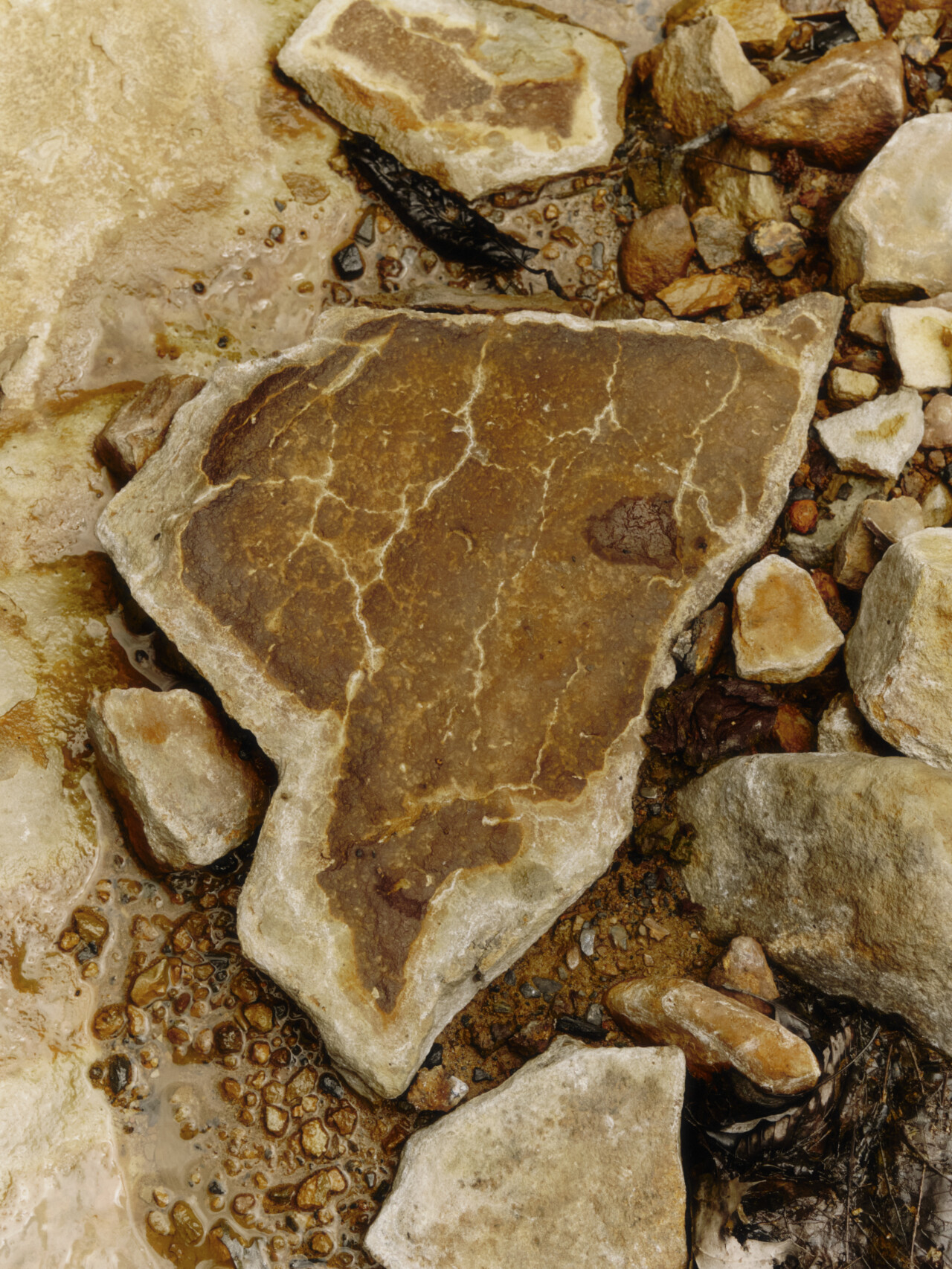

Muddy Creek is a meaningful place for FOC. The organization was founded in 1994 after a matrix of abandoned coal mines started spewing orange sludge into its waters.
“The three mines are all underground, and they’re all 500 acres each,” says Randy Robinson, an FOC co-founder. “The owner of T&T Mining decided to pipe [the acid mine drainage sludge] underground from one mine to another, and thought nobody would ever know. But we got a lot of rain that spring and the side of the mountain blew out.”
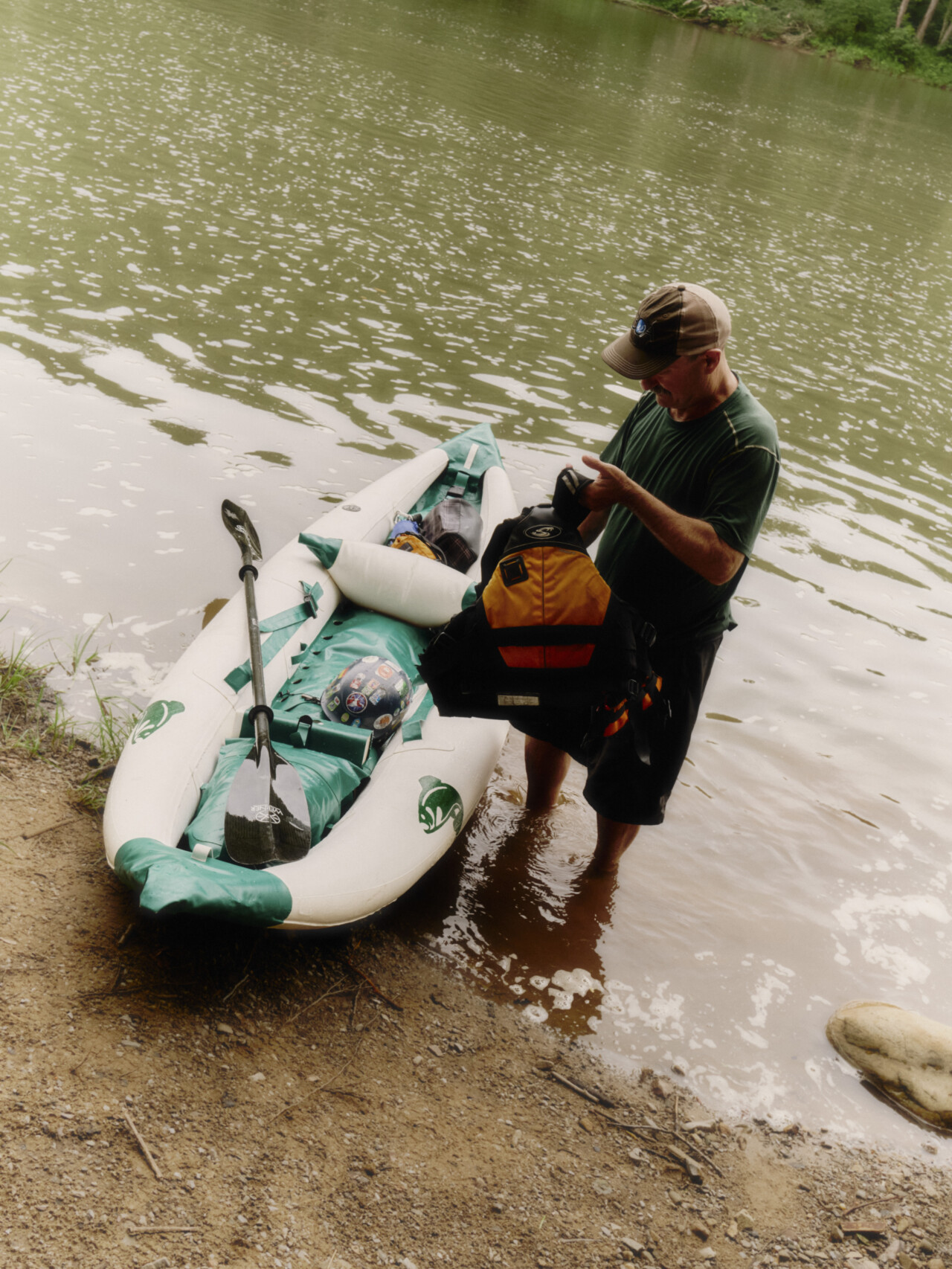
On his way home from a day of guiding river trips, Robinson stopped by Muddy Creek to witness the incident. He carries a camera in a waterproof box in his kayak, which he used to capture apocalyptic footage of the orange mud falling multiple stories through the air and landing in Muddy Creek. Before long, the whole Cheat River ran orange.
“This wasn’t anything new,” Robinson says. “The Cheat was already badly polluted, and everyone knew it. I shot the video on a whim and didn’t think much of it until a few weeks later, when I got a call from the environmental crimes division of the FBI.”

Robinson’s footage aided a federal investigation into T&T Mining’s shoddy—and ultimately illegal—cleanup job. Three years later, T&T President Paul Thomas pled guilty in U.S. District Court to violating the Clean Water Act. He was sentenced to six months of home detention, five years of probation, and was ordered to pay almost $500,000 in fines, back civil penalties, and recurring cleanup costs. The company folded in 2001, according to records kept by the West Virginia Secretary of State.
What spelled the end of T&T also catalyzed the formation of FOC.
“[The blowout] was the impetus,” Robinson says. “Boaters and river guides got together and thought, what can we do? We’re kind of David and Goliath. But we ended up getting a piece of land, where FOC has a campground now, and decided we’d throw a party.”
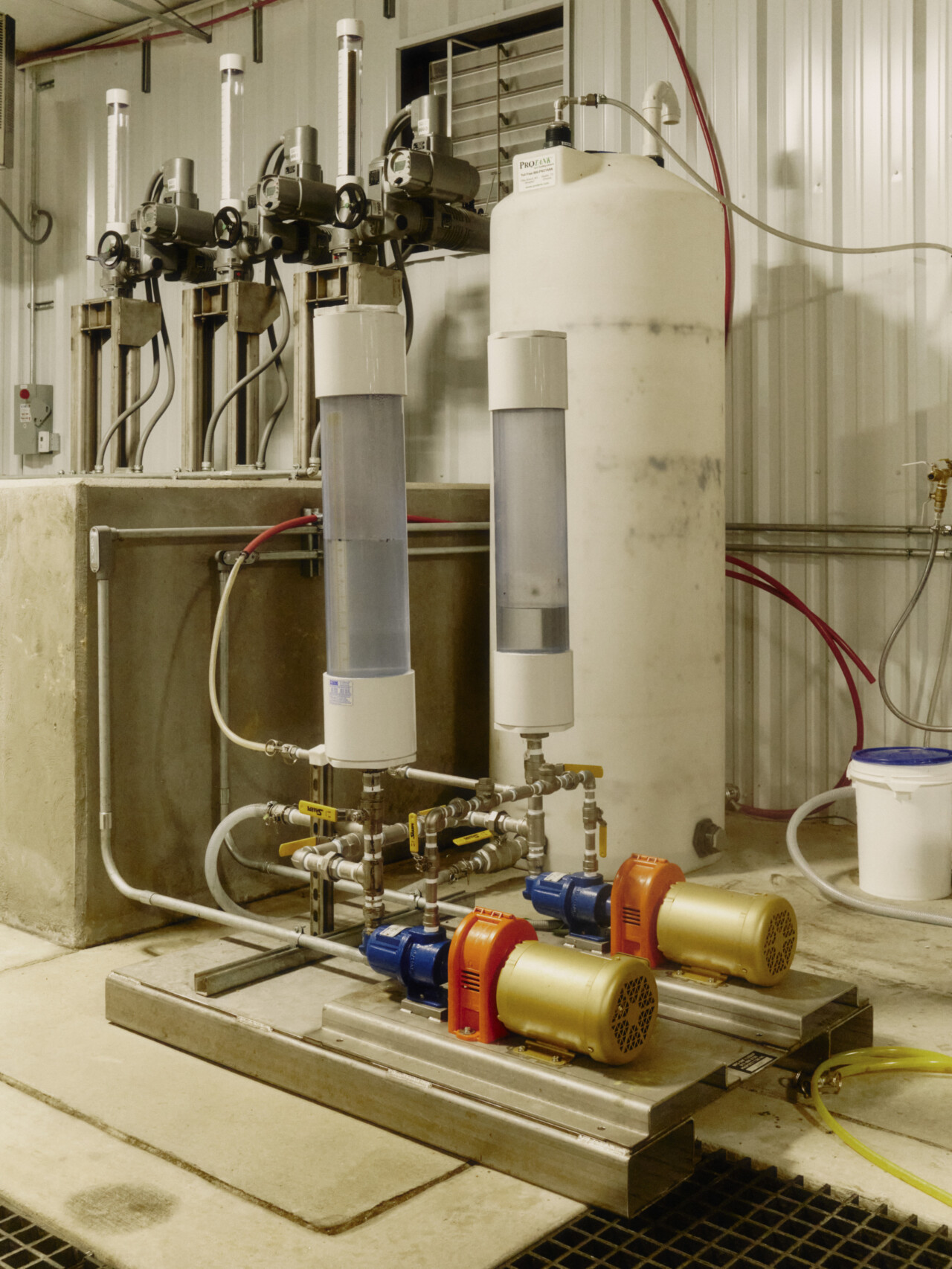
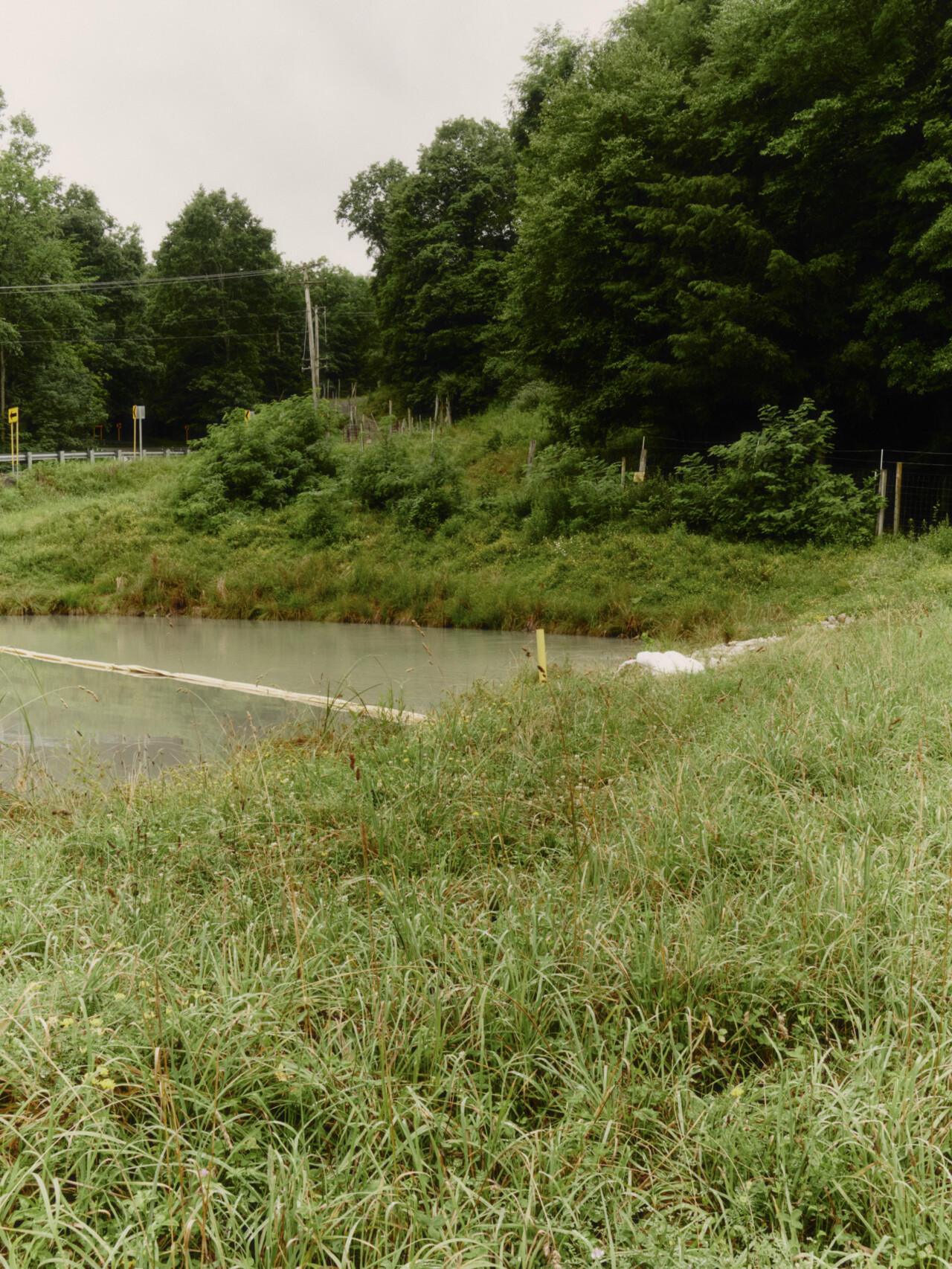
In nearby Mount Storm, I get a front-row seat to what it actually takes to clean up acid mine drainage. Lance Lin, the executive director of West Virginia University’s Rare Earth Elements Initiative, shows us two pools of water. One is full of raw, pre-remediation AMD, the electric oranges and greens of which resemble Lick Run on steroids. The other is full of post-remediation water treated to meet the state’s standards for discharge. While passing between the dirty and clean pools, a facility balances the water’s pH and extracts the bulk of the minerals—including a number of rare earth elements.
This is the potential win-win-win that Lin and others in the AMD remediation world are looking for: Clean up AMD pollution, return the treated water to the watershed, and find an end use for as much of the leftover material as possible.
“We use rare earth elements in everyday life,” Lin says. He holds up his cell phone to demonstrate his point. “Raw AMD is rich in heavy rare earths. Those heavies are mission-critical elements.”
As the raw acid mine drainageAMD works its way through the facility, the rare earths are extracted in a solid form that Lin and his staff refer to as “preconcentrate.” These elements include dysprosium and neodymium-praseodymium, both essential ingredients in the industrial-grade magnets used in aviation and clean energy technology; and terbium and yttrium, which are used in LED and fluorescent lighting. The facility also extracts light rare earth elements, neodymium and praseodymium.
The Department of Energy has been a major funder of this initiative since its inception in 2016. So have the Department of Defense and the state of West Virginia. Now, the initiative has launched a for-profit startup called Mission Critical Minerals that aims to become a profitable upstream producer of raw rare earth elements extracted from “legacy environmental liabilities” like AMD. Downstream users might work in the aerospace, medical imaging, electric vehicle, or consumer electronics sectors.
Outside the facility, Lin holds up a glass beaker of heavy rare earth concentrate. It looks like pulverized graham crackers.
“This is more than 95 percent purity of rare earth elements,” Lin says. “For some people, that’s a dollar sign.”
“They called it the Cheat because it cheated people out of their lives. But it gave a lot of people livelihoods.”
Just beyond where we stand, the treated water from the facility pours from the retaining pool down the hillside, eventually reaching the Stony River. The Stony feeds into the South Branch Potomac River, which enters the Atlantic Ocean through Maryland’s Chesapeake Bay. Over the ridge, the Lick Run Scab keeps gurgling. After entering the Cheat, that water will eventually reach the Monongahela River, then the Ohio River. Hundreds of miles later, it will enter the Mississippi, and eventually, the Gulf of Mexico.
What started as two sources of AMD pollution with just 26 miles separating them will end up almost 1,000 miles apart. Such is the geographic reach of West Virginia’s water—and the continued fight to clean it up.
Back in Preston County, Friends of the Cheat Associate Director Owen Mulkeen pulls into the FOC campground, the farm property that Robinson and the other co-founders bought at auction for roughly $19,000.
“This is like a prized possession of Friends of the Cheat,” Mulkeen says, looking out across the verdant property with its river frontage. Save for a few walkers with their dogs, the campground is empty. But across an open field, a covered bandstand painted with large flowers signals a hotspot for raucous outdoor fun.
That little party that Robinson and his pals threw in 1995 eventually became the Cheat River Festival, the annual fundraiser bash for FOC run by staff and volunteers that today brings in around 3,000 people over three days. Mulkeen rattles off the laundry list of events: two nights of live music and dancing, a downriver kayak race through Cheat Canyon, a 5K on the rail trail, vendors, and more.
“It’s sort of the start of summer,” he says. “Everyone’s ready to bust off the crust from winter, get out the boats, and go play.”
Joyful gatherings seem to be one of FOC’s strong suits. Back at the trailhead, I snack on a burger and chat with locals during an evening of live music under the pavilion. Boaters haul kayaks out of the river just in time to catch “Appalachian Soul Man” Aristotle Jones singing classics by Otis Redding, the Rolling Stones, and of course, John Denver. Upon the conclusion of “Country Roads,” Jones and his band get a standing ovation from the crowd. Half of the attendees wear tie-dye and river sandals. The other half dons some combination of camouflage, denim, and the American flag.

Ron Thorn represents the latter group with his overalls, weathered ballcap, and plaid shirt.
“They called it the Cheat because it cheated people out of their lives. But it gave a lot of people livelihoods,” he declares over the strum of Jones’ amplified guitar. When asked whether the cleanup effort has improved the quality of life for the community, the lifelong Preston County resident is effusive.
“Oh my God, yes,” he says. “I’ve been clear up the headwaters and down to the confluence with the [Monongahela] River. There’s a lot of history. Iron works, timber, coal: The Cheat River transported all of it. All the timber for Chicago came out of West Virginia and [floated] down the Cheat. It got polluted by mine runoff, and you couldn’t even swim in it. It’d burn your eyes.”
His tone shifts.
“But now I fish a lot in the Cheat, and you see people swimming all over. I love this river, and I’ve been from one end to the other. I really have.”
By now, Jones has fired up a lilting rendition of “Lean on Me” by Bill Withers. Lyrics about being friends and needing help and carrying on seem to resonate with the crowd. People nod their heads and sing along from the comfort of their chairs.
The music drowns out the rush of the river, even though it’s just downhill from where everyone sits. But between songs, if you listen close enough, you can almost hear it roar, reminding everyone it’s still there.
Join our membership community. Support our work, receive a complimentary subscription to Atmos Magazine, and more.
Redeeming a River in Kingwood, West Virginia