Good Neighbors 10.08.26
“It would go right about … there.”
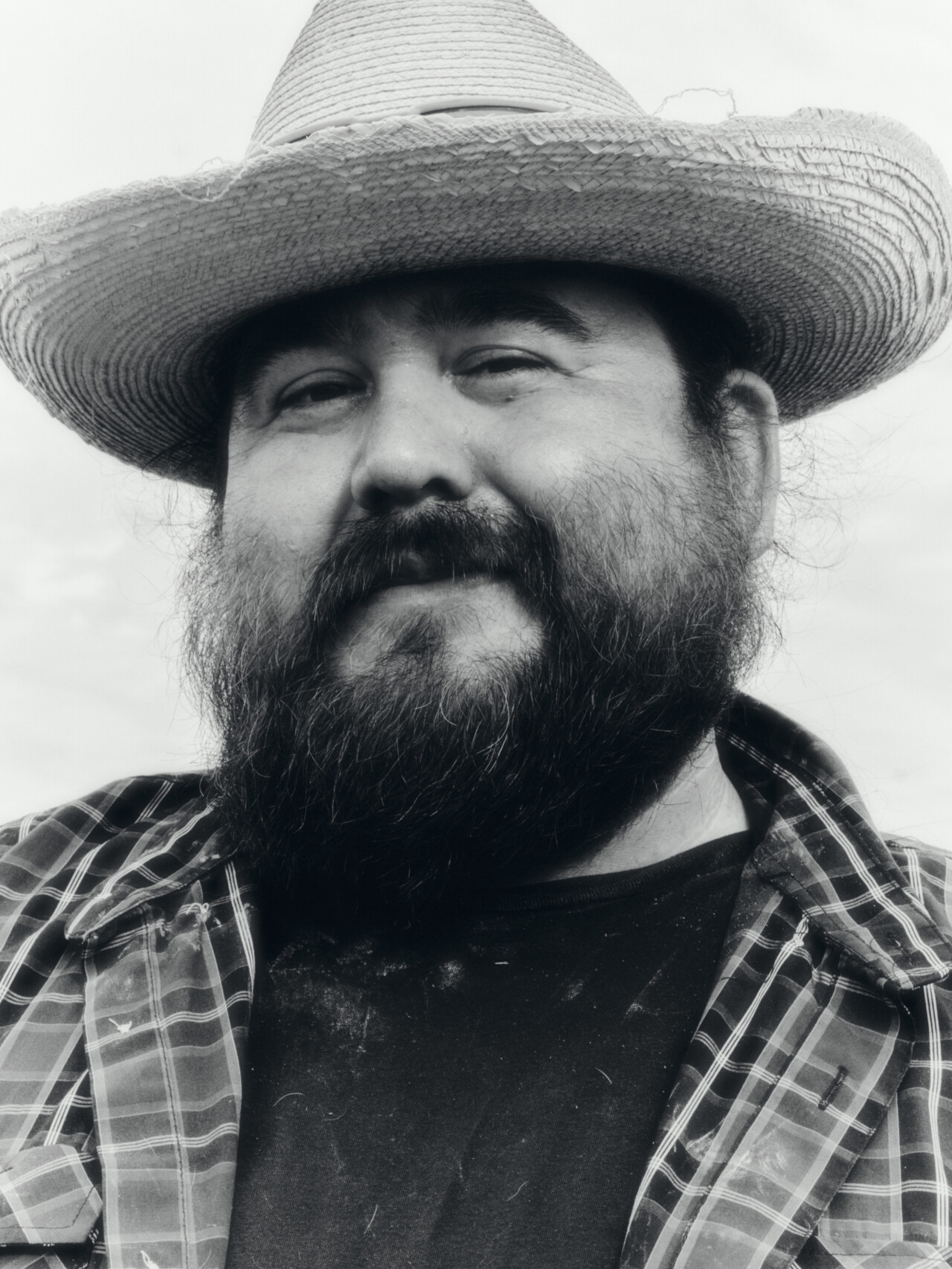
Joaquin Peña nods under a straw hat, motioning to a piece of pipe sticking out of his land roughly 100 feet from the banks of the Rio Grande. Leggy sunflowers bob in the wind against a mountainous backdrop that resembles an old Western movie set. Two dogs named after characters from The Sopranos sprint ahead of us, tumbling over irrigation pipes that line Peña’s alfalfa fields in Redford, Texas.
“That is, if they do what they say they’re going to do.”
When the Trump administration’s desire to build a physical border wall through the Big Bend region of West Texas comes up in conversation, everyone around here starts talking about “them.” “Their” plans, “their” motives, and maybe most importantly, how “they” are failing to do “their” due diligence. Who exactly “they” are is vague: the Department of Homeland Security, Customs and Border Protection, federal contractors, Trump himself, whoever is responsible for the laydown yards full of steel and razor wire that recently popped up out of nowhere.
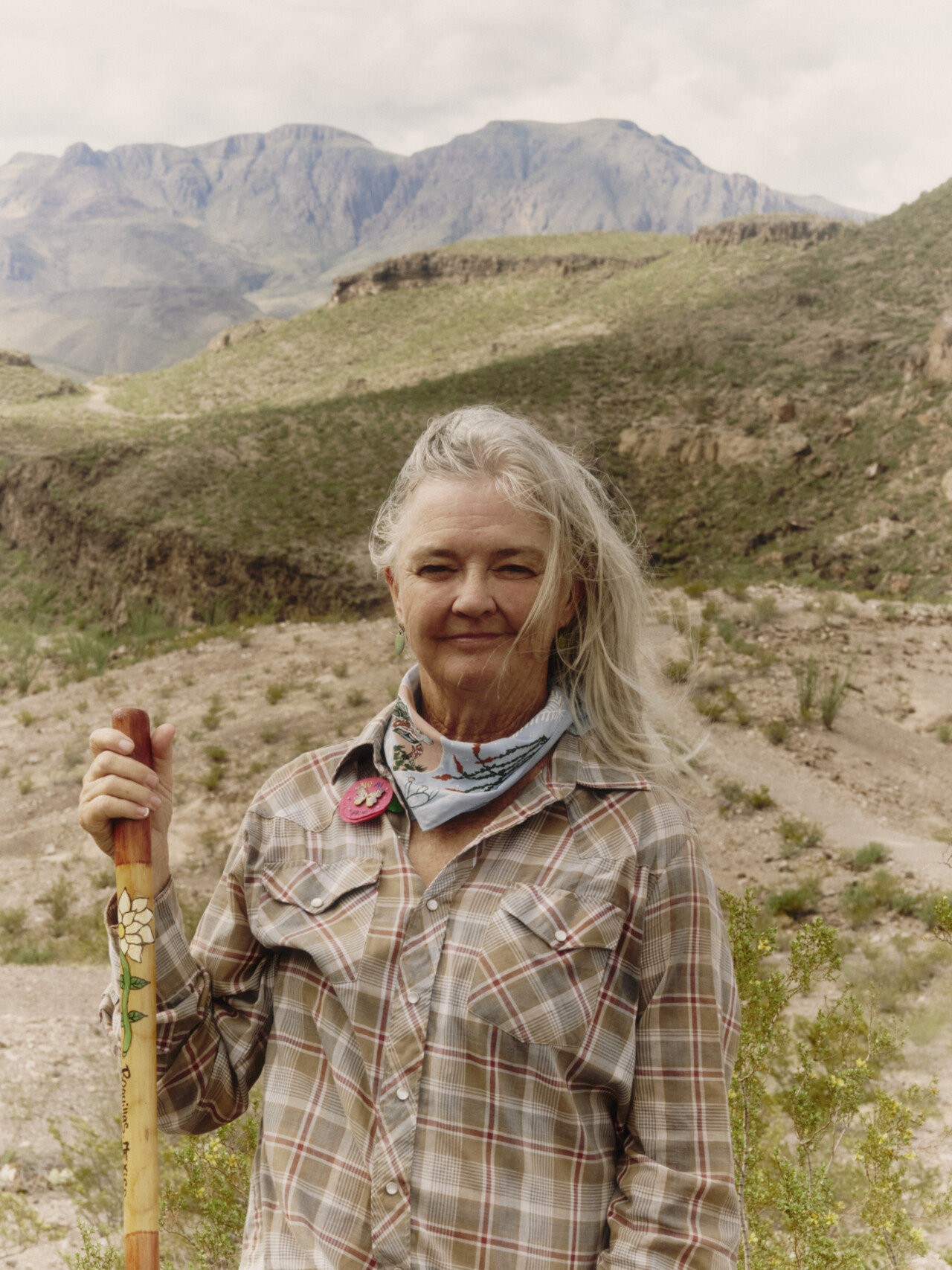
But what “they” intend to do—and when “they” intend to do it—is even less clear. Locals have long relied on a CBP information page for intel on the feds’ plans, which change frequently. Otherwise, information has moved effectively through a grassroots network that is at once small and unfathomably spread out, from the Big Bend National Park gateway town of Terlingua, west through the Big Bend Ranch State Park region near Peña’s property, all the way to El Paso.
When CBP began road construction in the park in early August, people flooded social media with footage of the construction. On August 17, CBP announced they were temporarily halting the construction. A federal judge extended the halt through September 15, then CBP extended it through September 30. On October 2, federal judge Kathleen Cordone issued an order in El Paso halting any continued construction throughout the entire Big Bend sector.
Of all the CBP sectors along the southern border, the Big Bend sector is the largest. It covers over 135,000 square miles of Texas and Oklahoma and 510 linear miles of border, over a quarter of its total length from California to the Gulf Coast. And yet, in 2025, it accounted for just 3,096 of the 443,671 recorded encounters between CBP and migrants crossing the southern border illegally—or 0.7%.
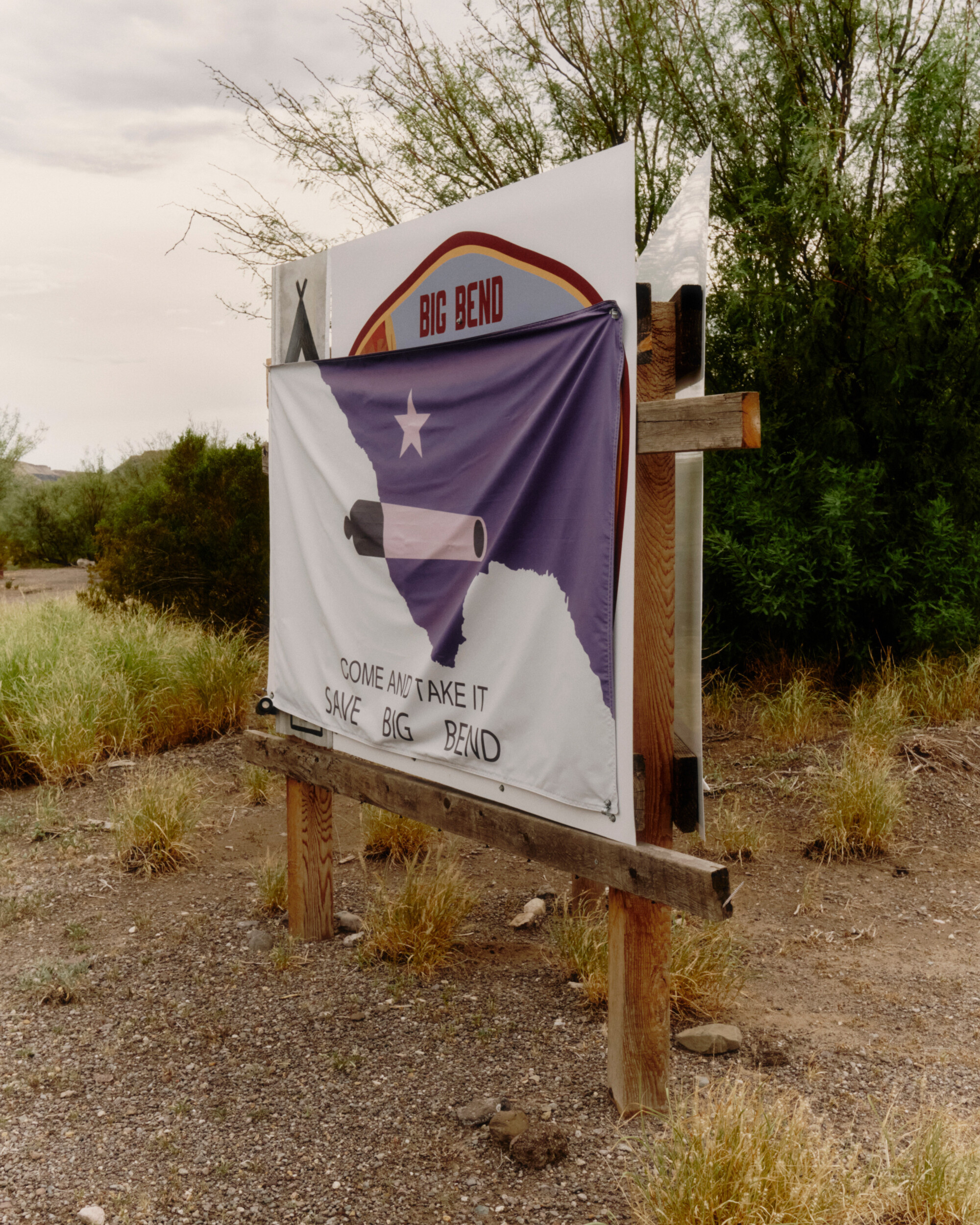
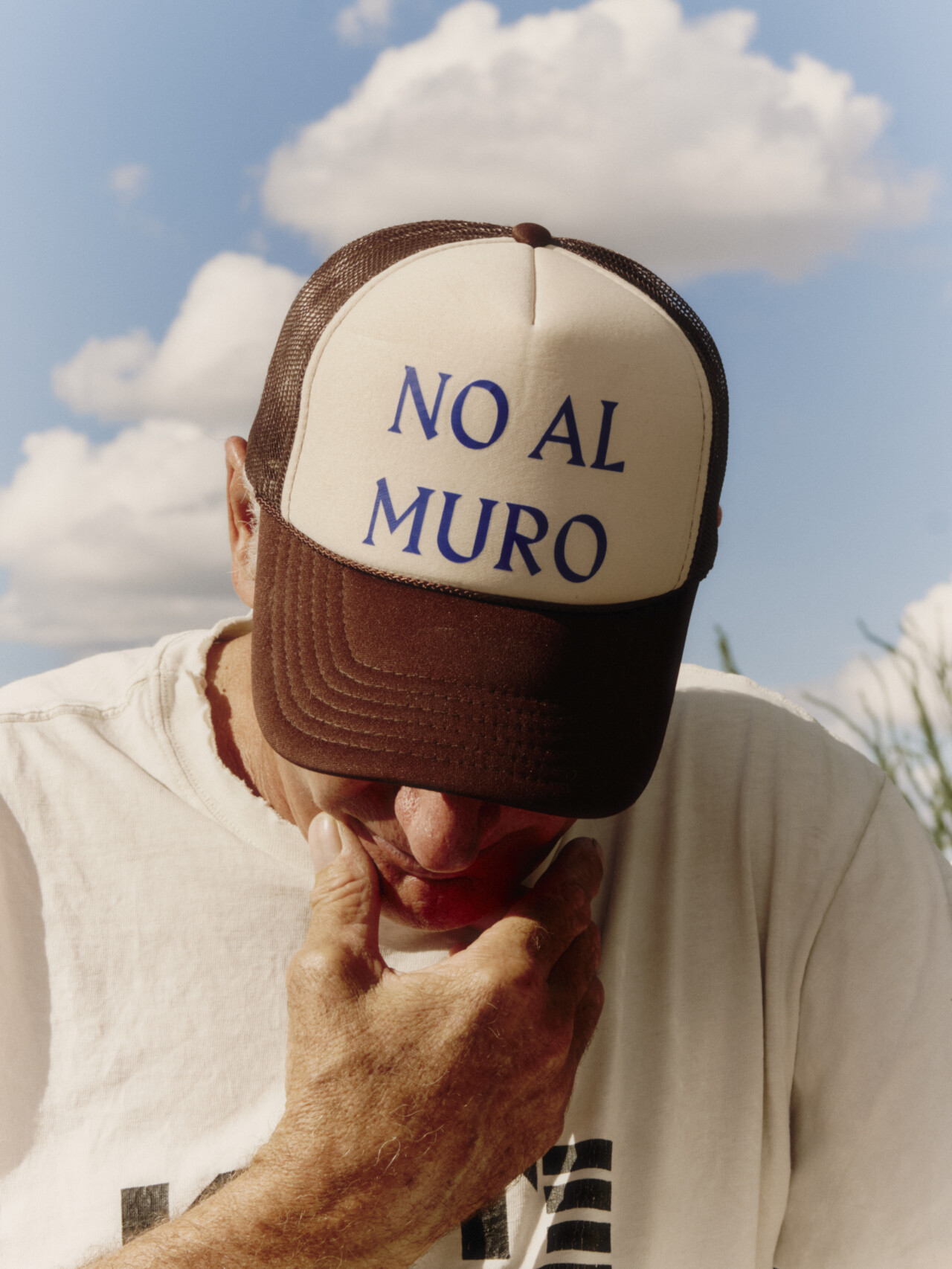
Due to the sparse nature of the region, groups like No Big Bend Wall have been working overtime to organize a local response. NBBW burst onto the scene in February and has since built up a coalition of concerned landowners and residents. They’ve held meetings in border towns up and down the Big Bend corridor, refreshing these landowners on their private property rights in the face of eminent domain letters, requests to sign contracts, and outright trespass. They rally in more liberal strongholds like Austin and Marfa while simultaneously giving a platform to a coalition of mostly conservative-leaning sheriffs in border-region counties who argue a physical barrier would make their jobs harder, not easier. “No Al Muro” signs, hats, shirts, and bumper stickers decorate the Rio Grande corridor from Hudspeth County to the eastern end of Big Bend National Park.
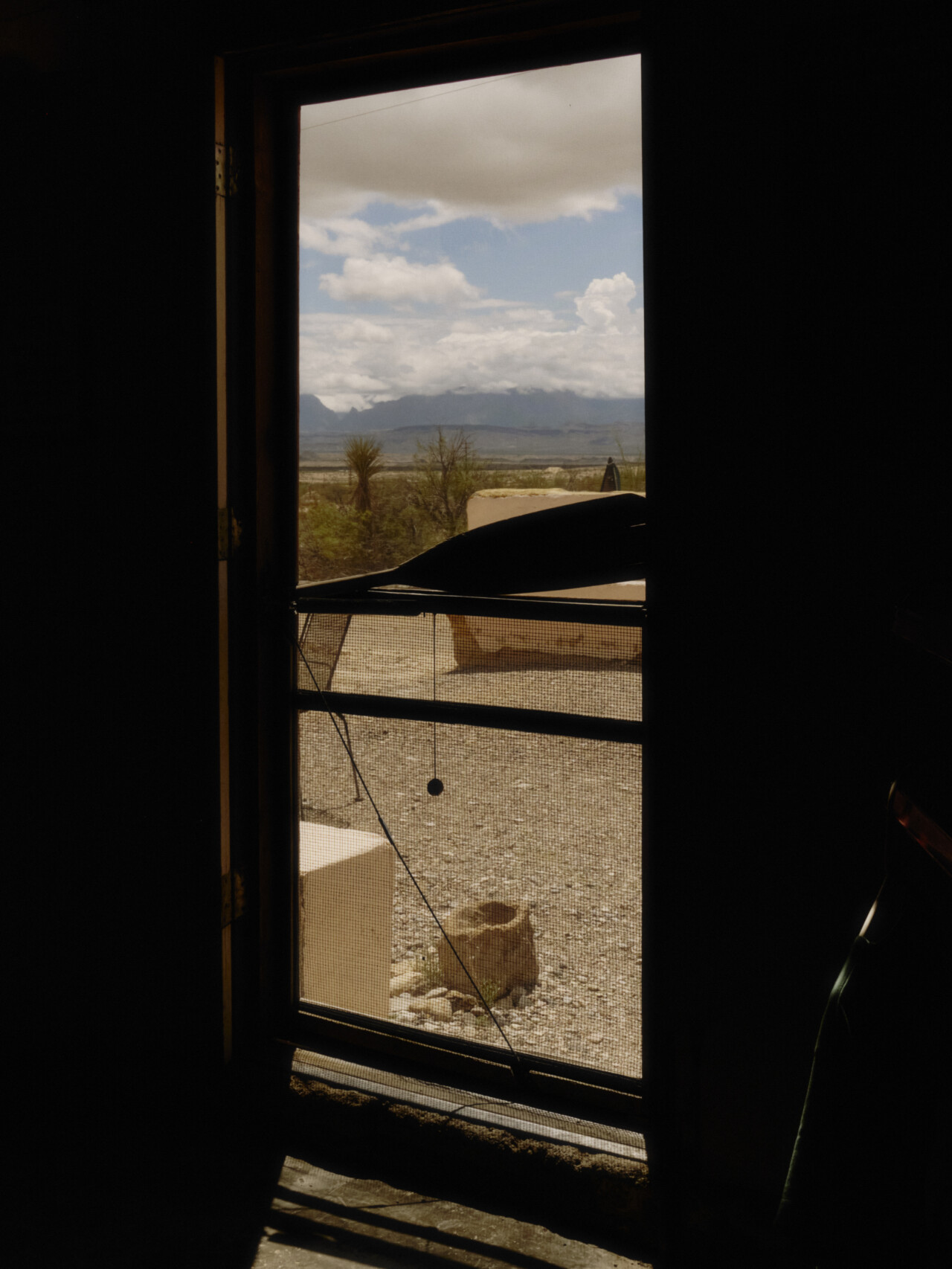
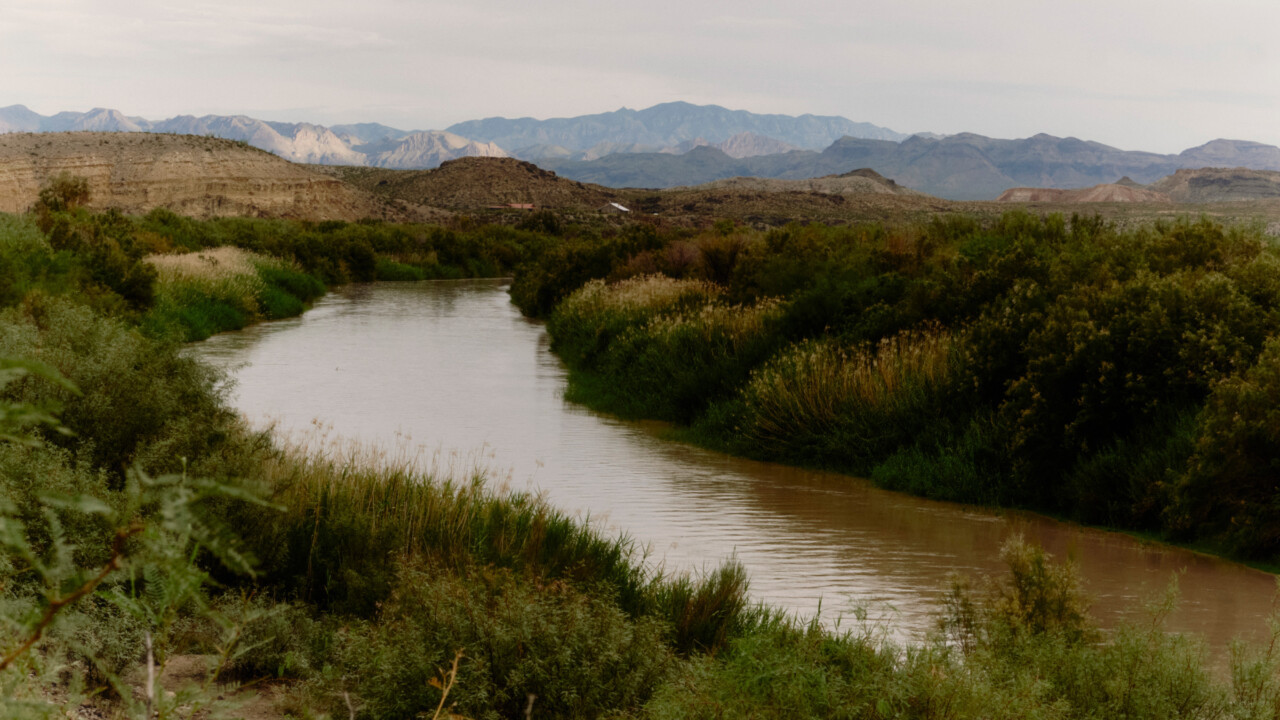
Peña, a member of the NBBW landowner coalition, is one of many Texas farmers who consider the Rio Grande both a crucial source of irrigation water and a reedy demarcation between his land and that of his neighbors to the south. If it weren’t for the small patch of river visible from where we walk across his land, it would be nearly impossible to determine where Texas turns into Mexico. That’s because both sides of the Rio Grande look exactly the same: cultivated in some places, wild and scrubby in others, and more than a little inhospitable to most humans everywhere.
Peña remembers not liking the family land as a kid, largely due to its remote nature.
“They used to bring us out here to work on the farm and pick up hay,” he recalls. “I always thought it was difficult to be out here. I was like, ‘This sucks, there are no stores, I’m the only kid …’ then you get older, and you start wanting to be away from so many people.”
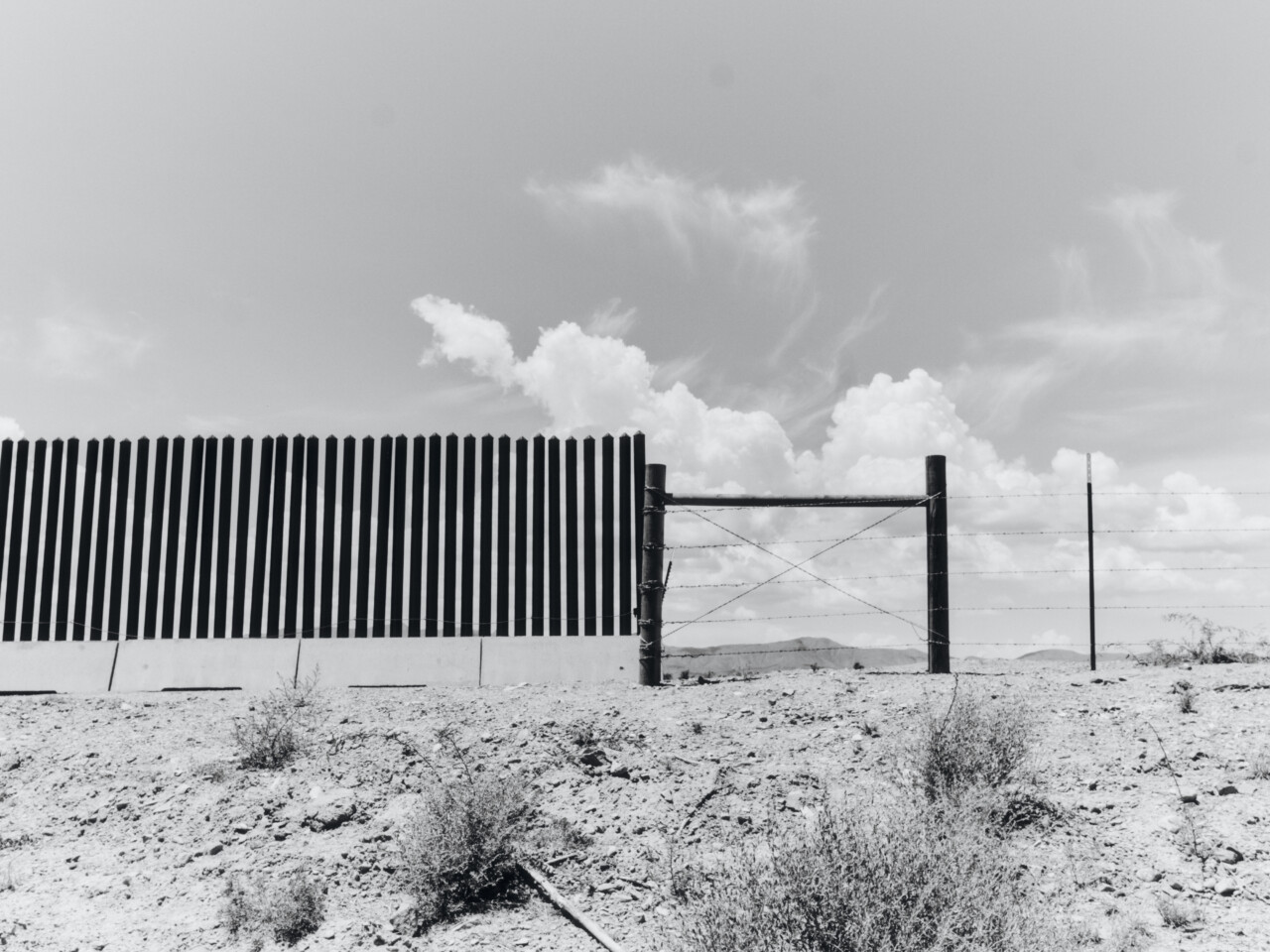
That’s the draw of Big Bend for those who call it home. What this rugged country lacks in creature comforts, it more than makes up for with its visceral feast for the senses. So on May 11, when the Trump administration awarded $1.7 billion to federal contractors for steel wall construction, parking barricades, roads, cameras and other surveillance technology, public condemnation was swift.
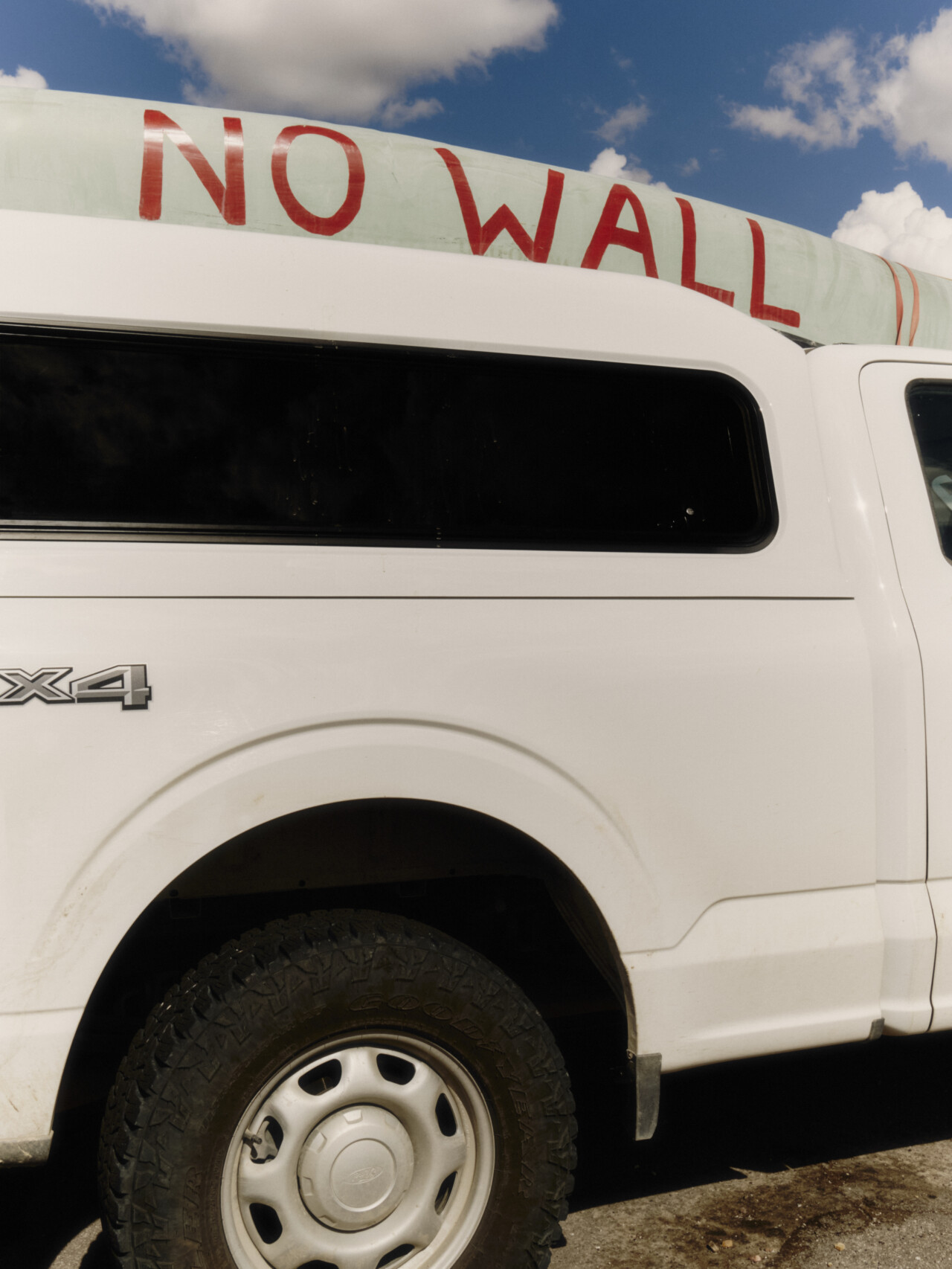
“No one in law enforcement would ever think this would be a good idea,” says retired Big Bend National Park law enforcement officer Michael Ryan. After 20 years working alongside CBP and county sheriffs on border security in the park, he now stands near the park’s West entrance in the shadow of his white Ford pickup truck. A large canoe mounted on the roof says “NO AL MURO” on the side in duct tape.
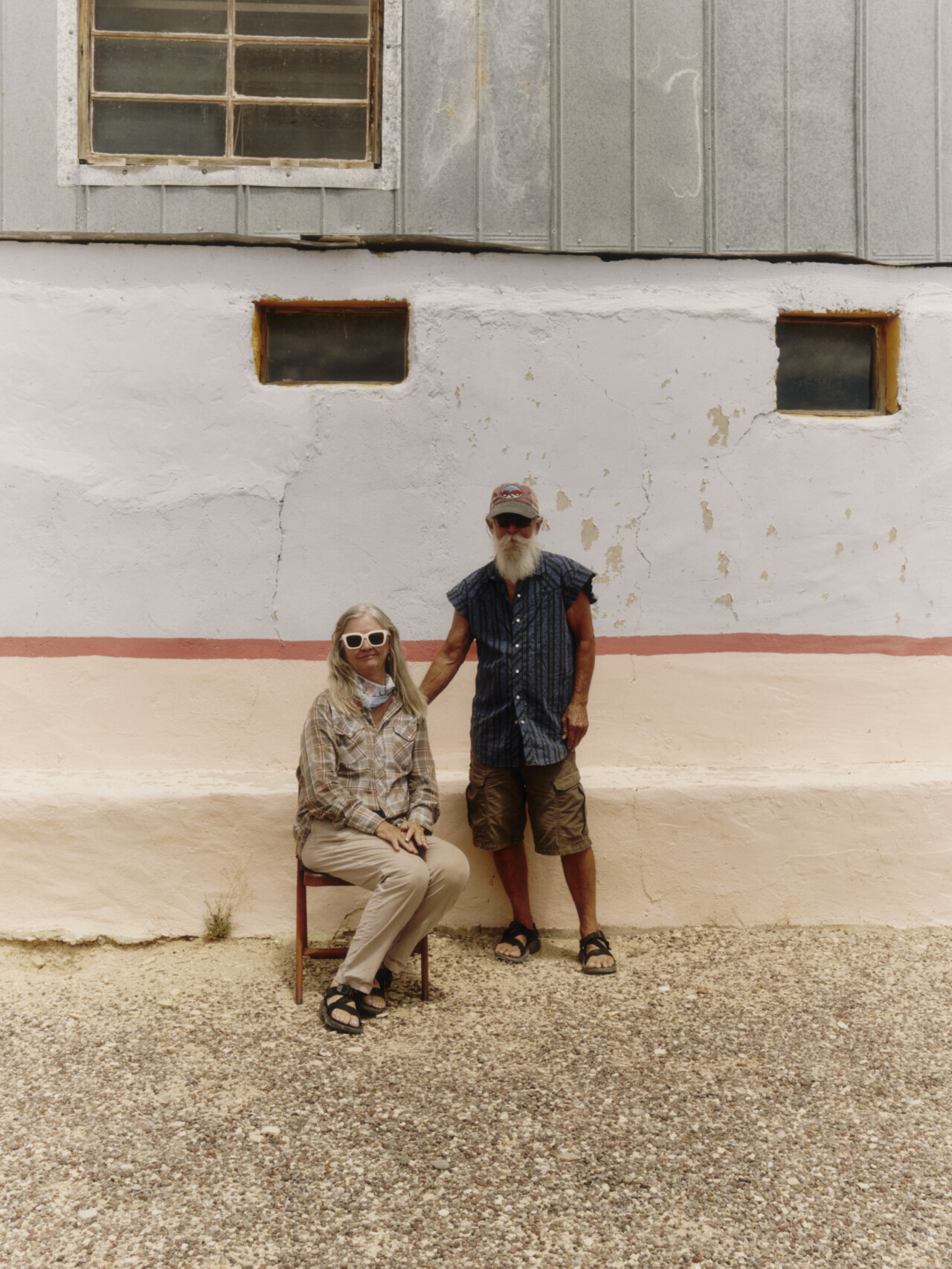
“I’ve always been supportive of other people and their attention to these issues, but this is different. It’s a bigger fight. It’s about the river, it’s about the overreach, the lack of transparency.”
“Unfortunately, I’m not actually retired, because now I have to deal with this shit,” he continues. “I don’t like meetings; I don’t like doing any of this. But it’s important. This is where my family and I live. My son is 23 years old, he works here doing environmental surveys, and he likes boating, and I want him to have the same opportunities in Big Bend without a stupid wall.”
He points out a spot on the CBP construction map where a line signifying a patrol road cuts across a sudden change in elevation. That spot is part of the Mariscal Mountain complex. The road follows the same route as a popular hiking trail that, at one point, climbs 750 feet over .8 miles and boasts a 30% to 54% grade in some spots.
“It’s hard to imagine a road right here,” he says. “They would have to just blast [the mountain]. Blast it, blast it, blast it. And why? You can’t cross [the border] here anyway. There are 1,000-plus-foot cliffs on either side. If they had any idea what this country looked like, and the crossing history, it just wouldn’t make any sense.”
Crystal Allbright, a river rafting guide and owner of Desert Sports in Terlingua, recalls a week when a proposed stretch of concrete barriers that would block river access near the park went from 17 miles long, down to two miles, then back up to 17 miles again. Wading through this uncertainty has brought her closer to other coalition members, especially those she might not have engaged with otherwise.
“I’ve met so many people who I knew about but had never met, and now we’re working together,” Allbright says. “I hate to affiliate, although I lean towards Democrat. I was doing a bunch of printing, like bumper stickers and stuff, and one of my friends said, ‘Hey, will you make a ‘Republicans Against the Wall’ sticker? And can I have 10 for my family?’ and I said, ‘Sure!’ So my political acuity has gone way up.”
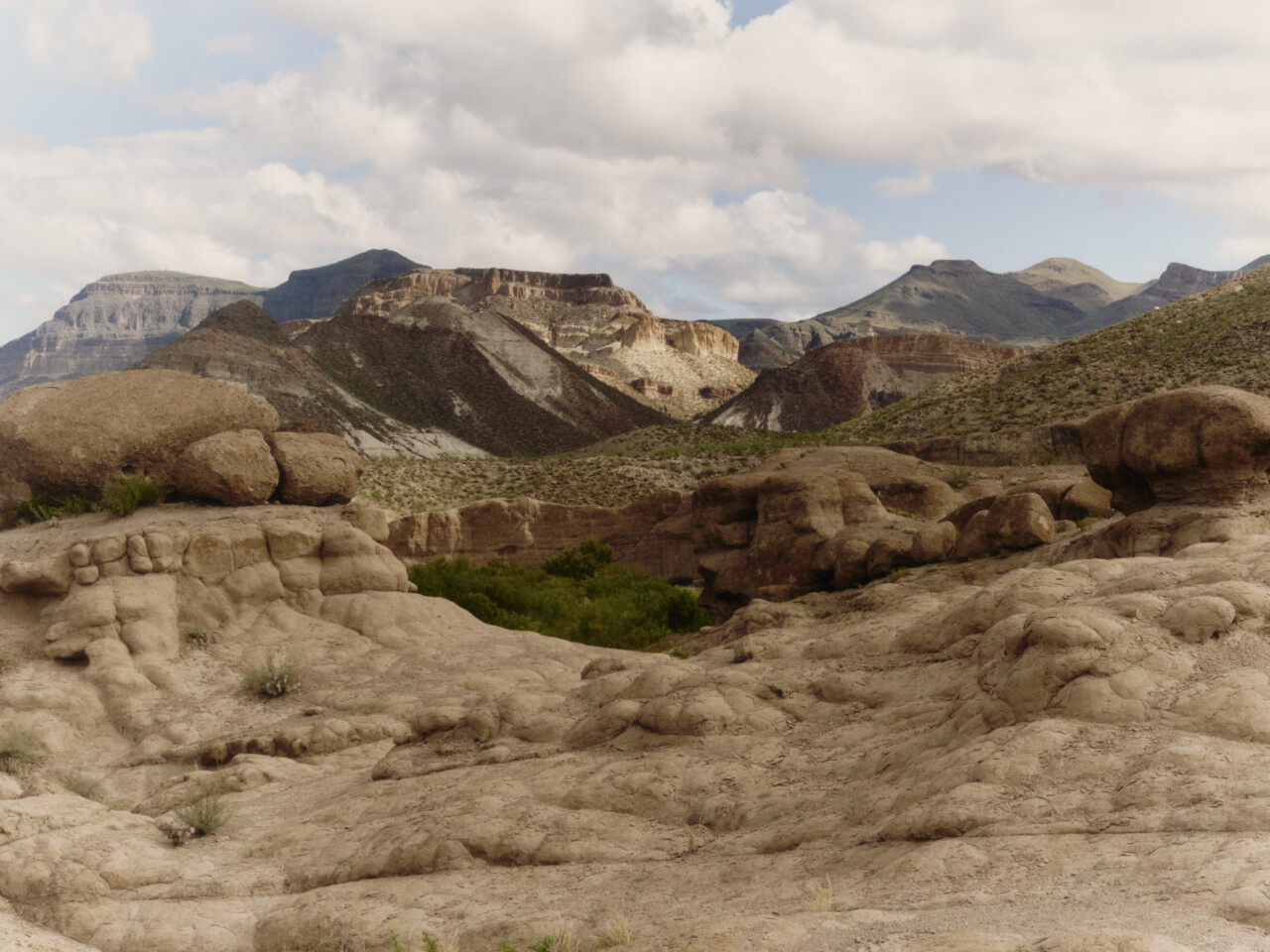
We follow Allbright down to the river through a meandering wash of spindly ocotillo, cactus, and towering hoodoos in Big Bend Ranch State Park. Situated 20 miles west of the national park, the state park is a hair smaller than every other Texas state park combined. Its claims to fame include showing up in Fandango and Boyhood, and having the steepest paved highway in all of Texas. (At a 15% grade, it’s roughly a third as steep as the proposed patrol road across the Mariscal Mountain in some spots.)
“This is the first time I’ve really gotten involved,” Allbright says. “I’ve always been supportive of other people and their attention to [these issues], but this is different. It’s a bigger fight. It’s about the river, it’s about the overreach, the lack of transparency … I think the government needs to pay more attention to rural communities, and the people who live and survive here.”
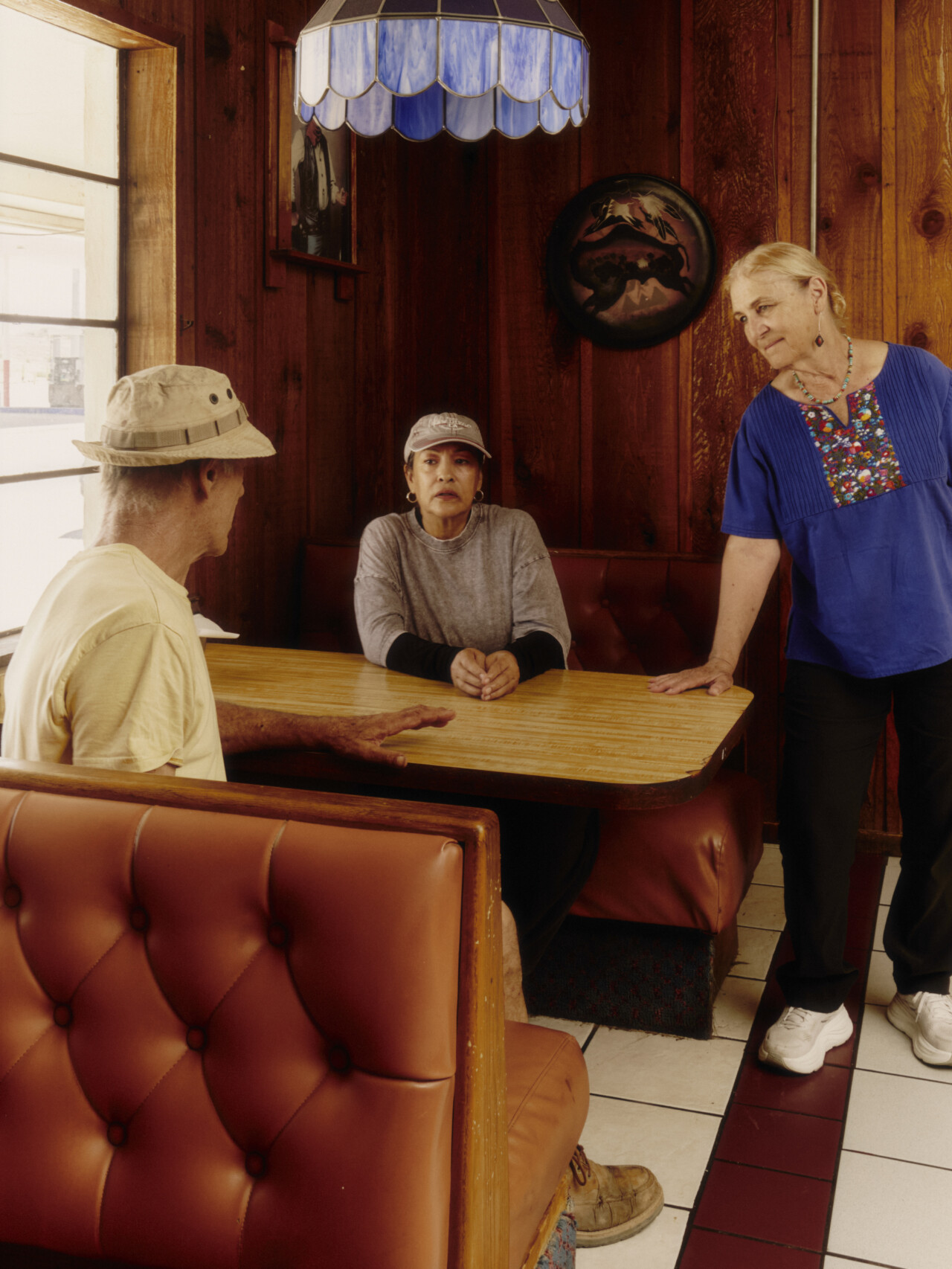
Some 150 miles northwest in Hudspeth County, we meet ranch owner Katie Lopez and her sister-in-law, Lillian Ortega. They gather with seasoned environmental activist Bill Addington at a roadside gas station, store, and Mexican restaurant in Fort Hancock. The trio discuss the laydown yards full of steel bollards and other construction materials, the explosion in truck traffic along what used to be a calm ranch road, and recent tense encounters with CBP officers and contractors in the area.
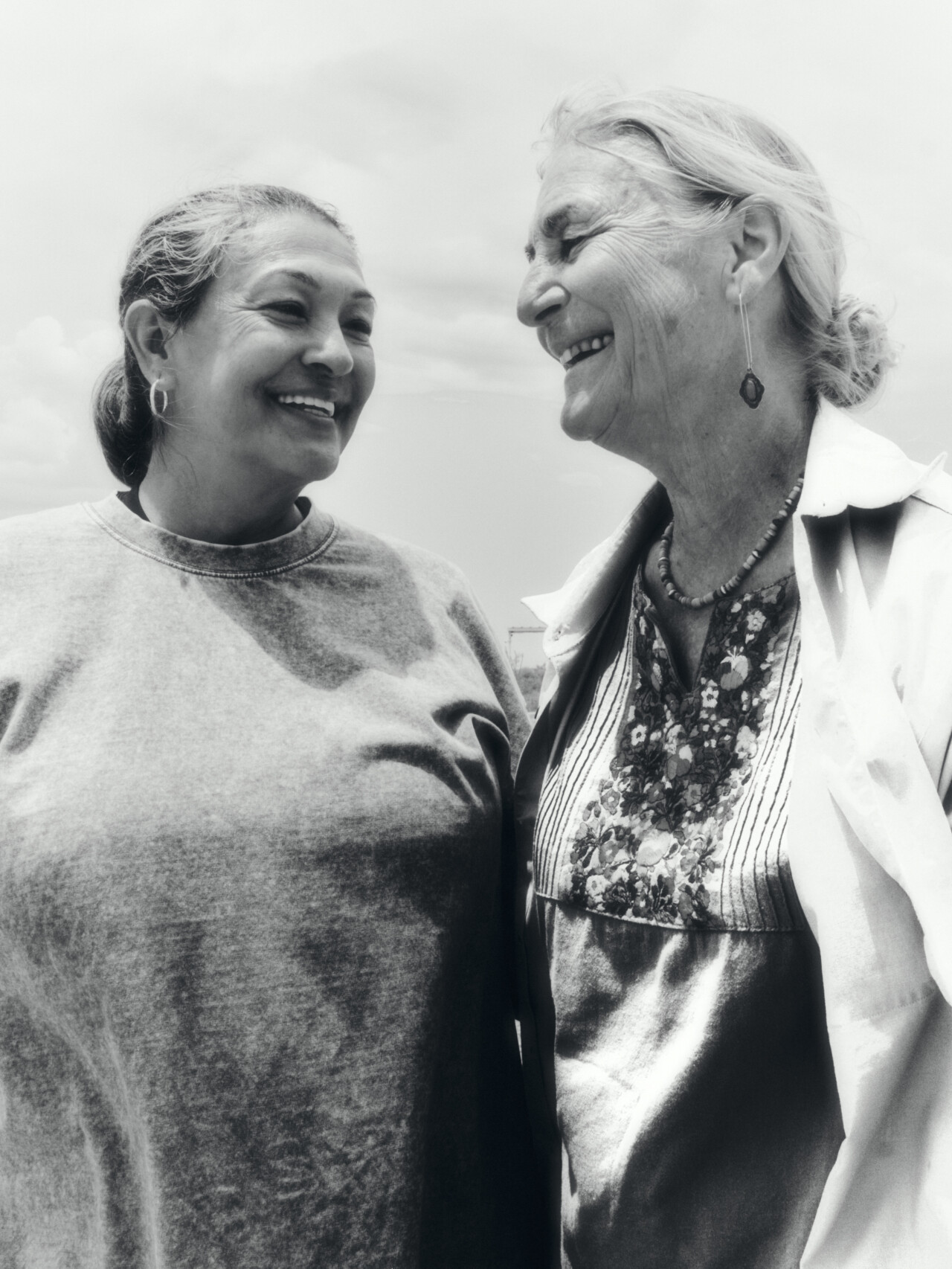
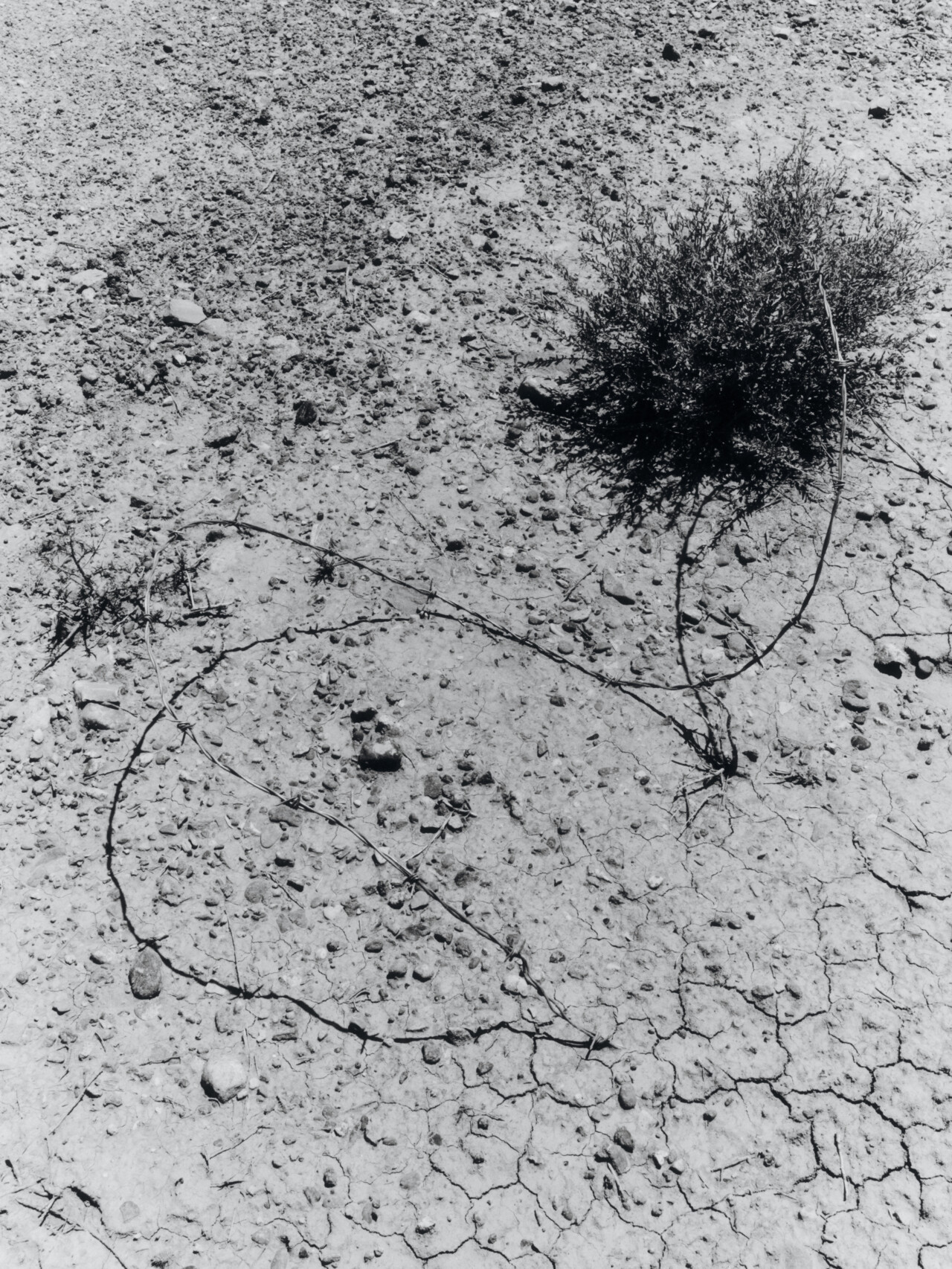
“It’s so isolated,” Ortega says. “The only reason I know is because of the trucks and the noise. We saw all the big machines, then we drove a little farther, and we saw all the material. They think we’re not going to notice, and then—boom—it’s going to be up.”
Lopez and her husband, Manuel, bought the 600-plus-acre property 26 years ago. Each works 40 hours a week at an El Paso doctor’s office—Manuel as a nephrologist and Katie as an office administrator—but they travel to the ranch nearly every weekend. Ortega, Manuel’s sister, lives on the ranch full-time, tending a small herd of livestock and watching over the property.
“We called this the ‘no rules place,’” Lopez says. “We would take off the seatbelts and drive down the road. We used to bring our niece out here, and we’d build fires and cook meat, and we had horses.”
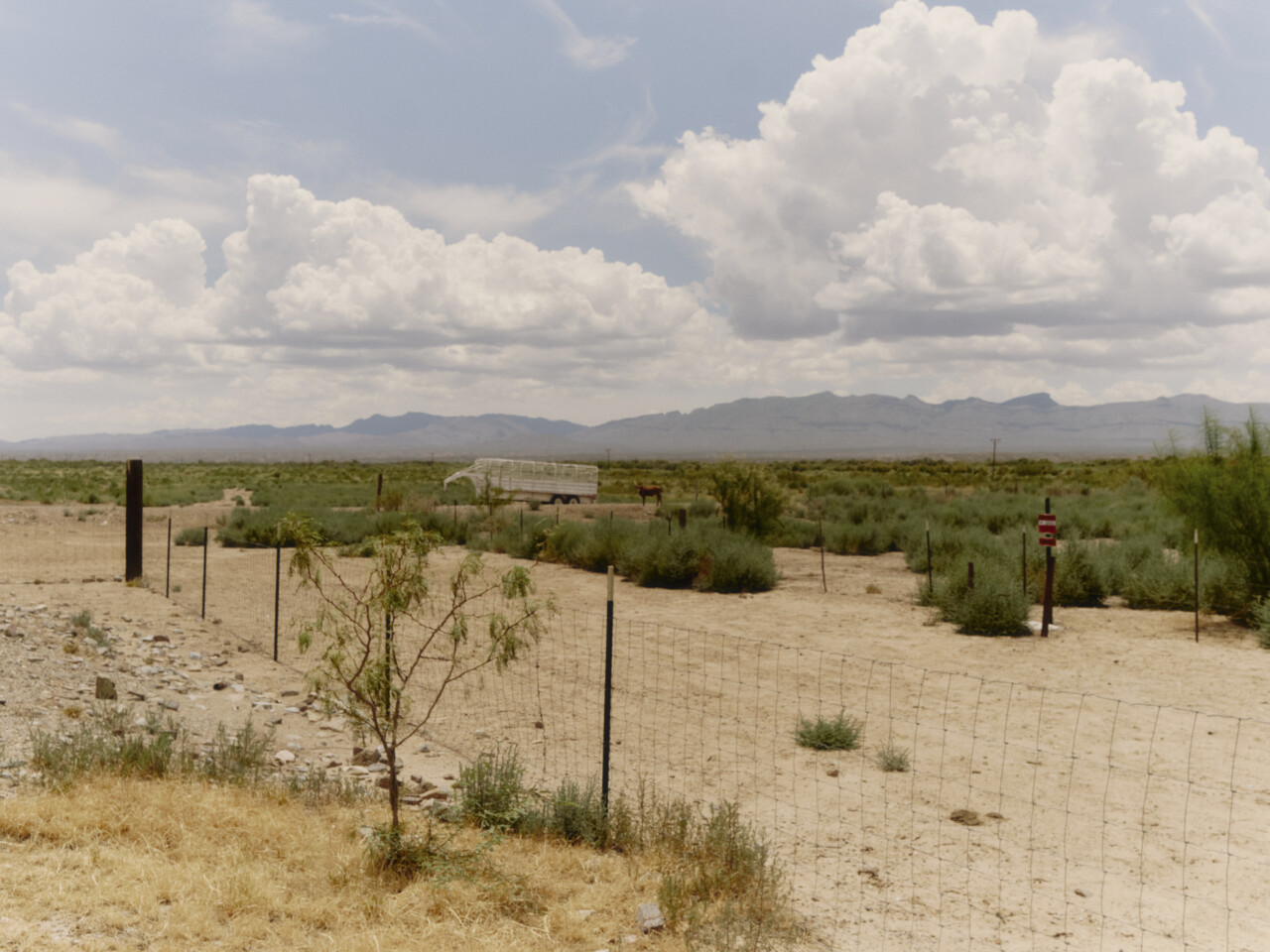
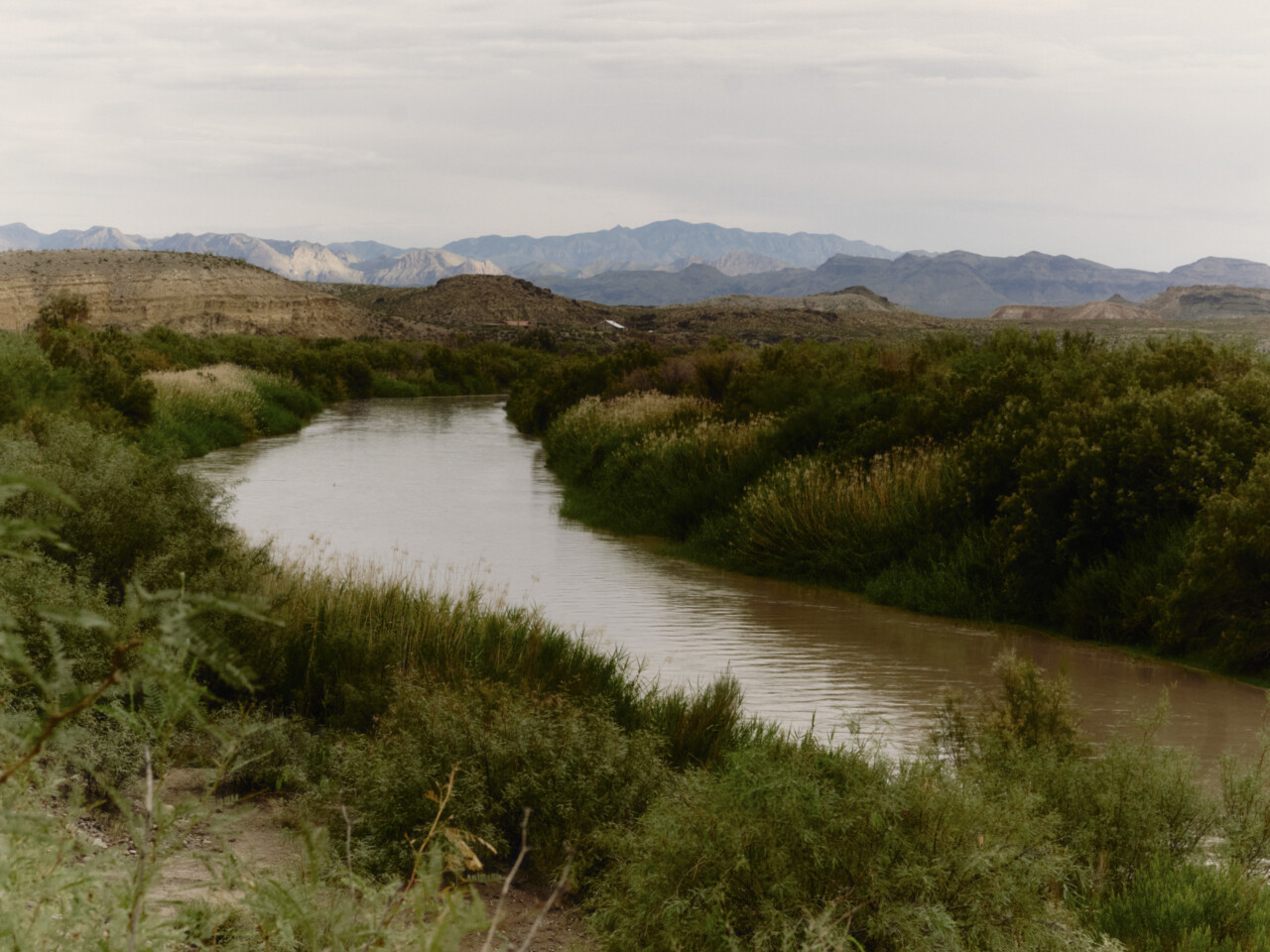
When I met them in July, the Lopezes and Ortega had yet to receive any communication from the federal government regarding border wall construction in the area. But their land abuts a publicly accessible patrol road that runs parallel to the Rio Grande corridor. It’s at the intersection of this patrol road and a private road that belongs to the Lopezes that we encounter a CBP truck with two young men who look dressed for the National Guard. One approaches our shiny rental Chevy Equinox—still parked on the Lopez road—in a helmet and tactical vest, clutching his service rifle to his chest. He asks where we came from. When we tell him we’re with the Lopezes, he turns on his heel and returns to the patrol truck without a word.
Ortega, who identifies as a Democrat, explains that she always drives around with a .22 rifle in the truck. It makes her feel safer.
“If they’re just doing their job patrolling, more power to you. That’s great,” Ortega says. “But I really don’t like feeling invaded. They’re taking away privacy and solitude.”
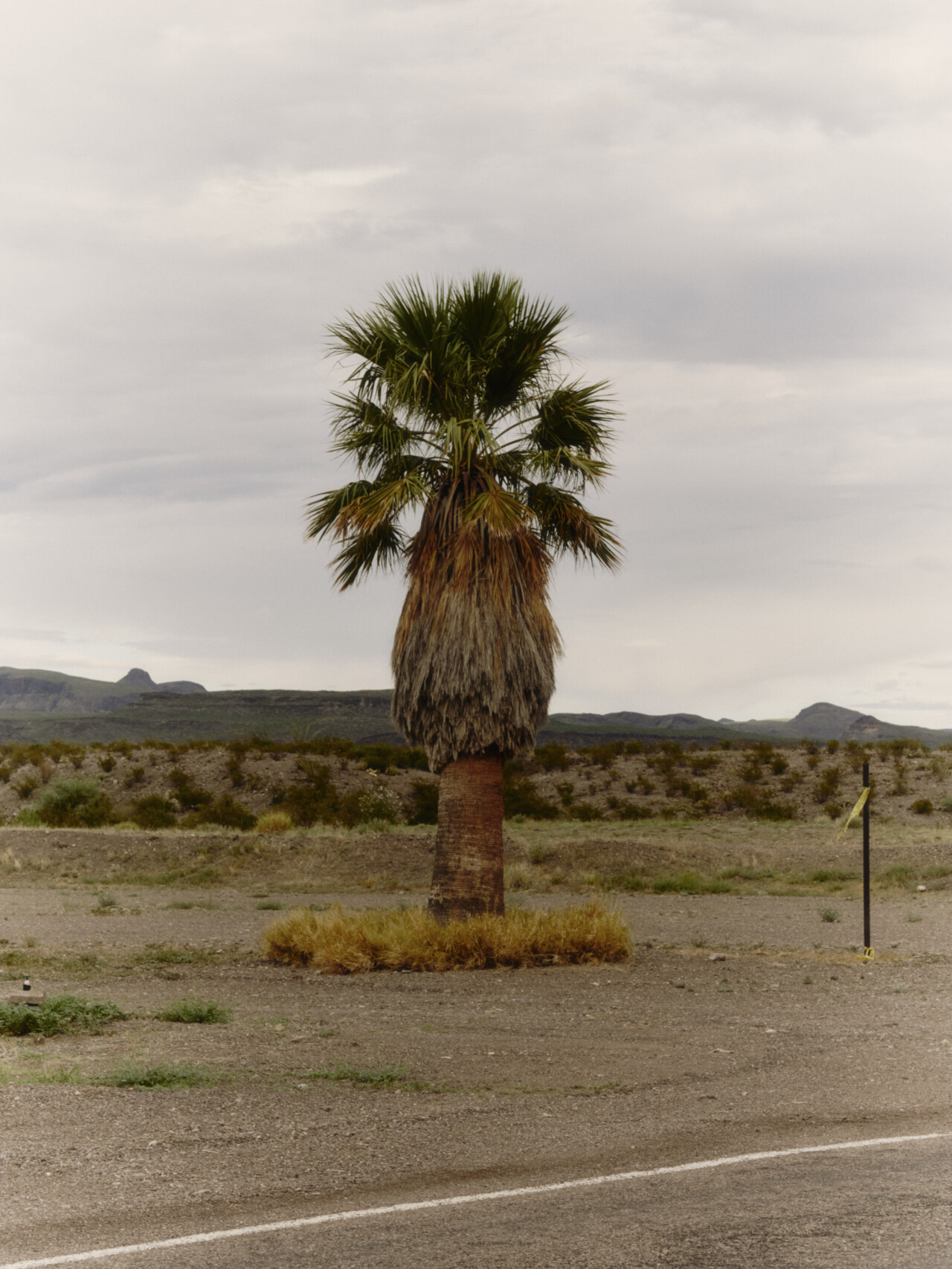
“That’s the draw of Big Bend for those who call it home. What this rugged country lacks in creature comforts, it more than makes up for with its visceral feast for the senses.”
Addington, a third-generation resident of nearby Sierra Blanca, agrees. He’s no stranger to defending Hudspeth County from large, environmentally catastrophic public works projects. Over the last 40-plus years, he’s organized against everything from poorly sited nuclear waste disposal and sewage treatment facilities to open-pit rare earth mines and data centers.
“The people who live in the greater Big Bend region are connected to the land,” Addington says. “True Texans have a great need and love for the land. When you’re connected to the land, and you love it, you’re going to want to protect it. That goes across partisan lines … so this is not a partisan issue. It may be on social media, but that’s just an attempt to divide us.”
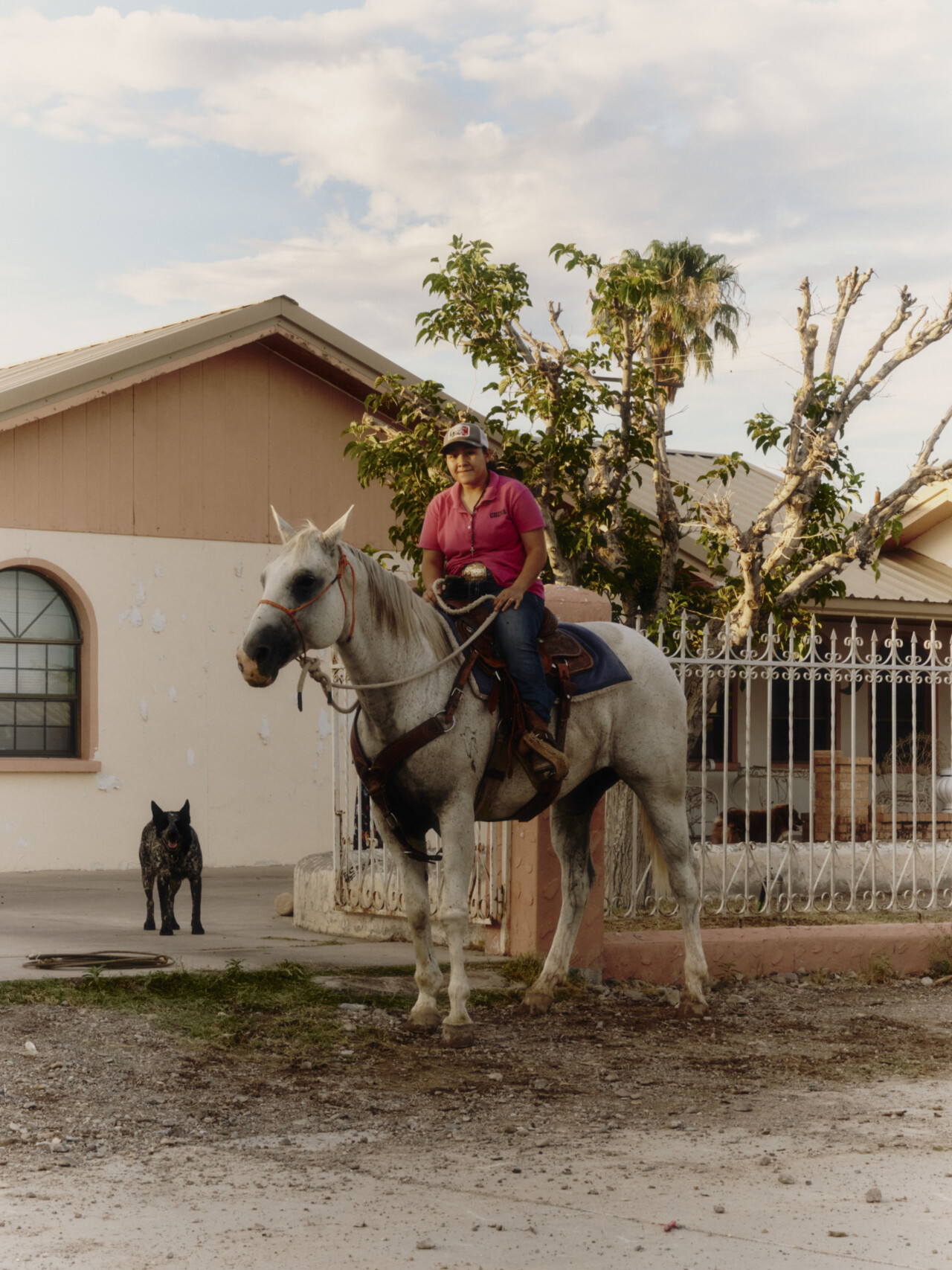
To this outsider, the Big Bend region comes across as one big small town, where plenty of residents still warm to the idea of a border wall. But many don’t, particularly those with loved ones on both sides of the border. Back in Presidio, we meet Evelyn Renteria, a 20-year-old U.S. Marine and horsewoman. She stands in front of her family’s home, untacking her horse named Morra.
“It’s something that most of us here are kind of against,” Renteria says. She shows us a video from an afternoon ride with her father, a horse trainer who has lived and worked on both sides of the border all his life. In the video, they traverse the watercolor desert, looking for a type of cactus fruit called pitayas.
“People have a different perspective if they’re not from here,” she continues. “They’re not familiar with what goes on. Most of the families here have family down in Mexico, too. Why do this?”
Join our membership community. Support our work, receive a complimentary subscription to Atmos Magazine, and more.
The Big Small Town Holding the Borderline