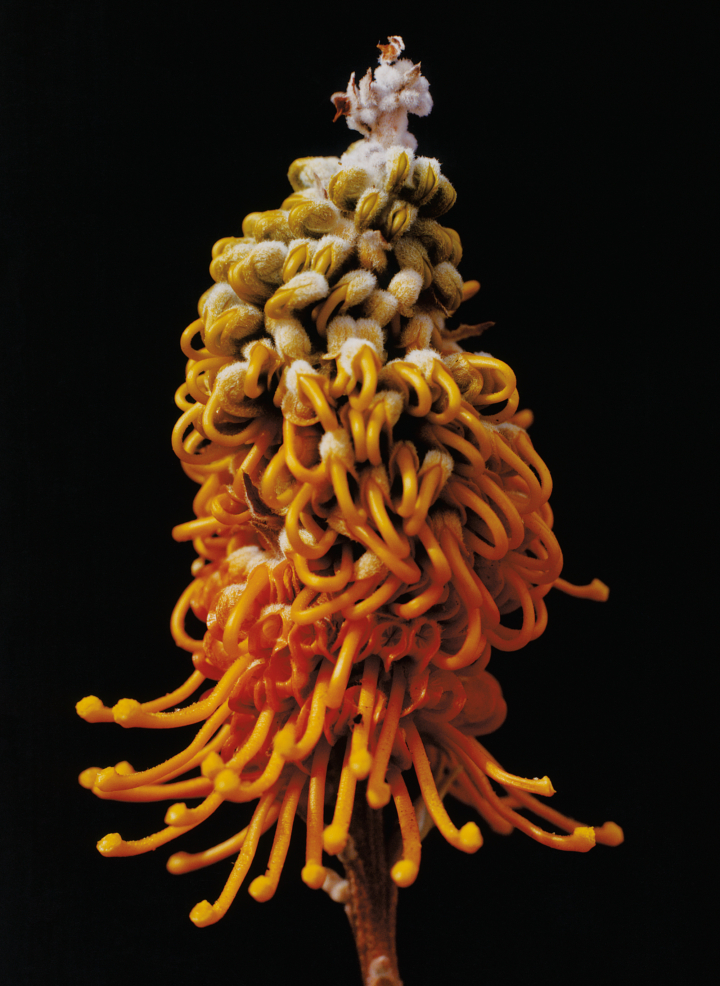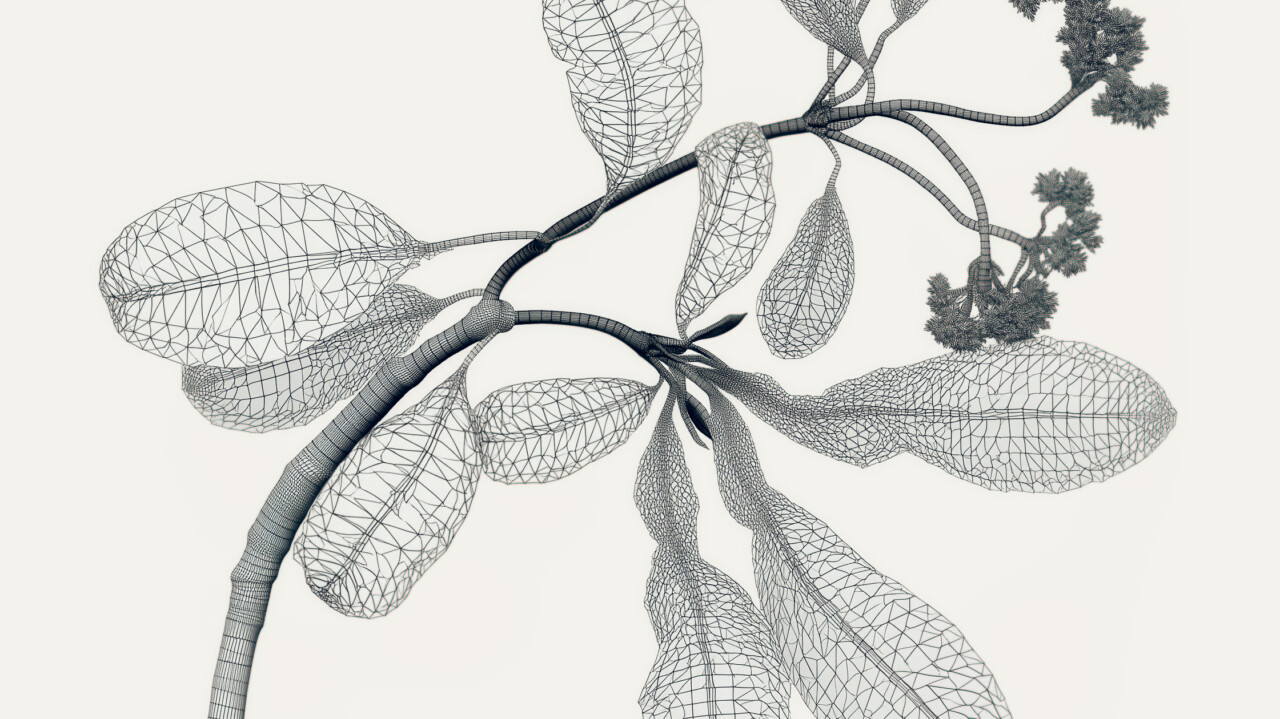
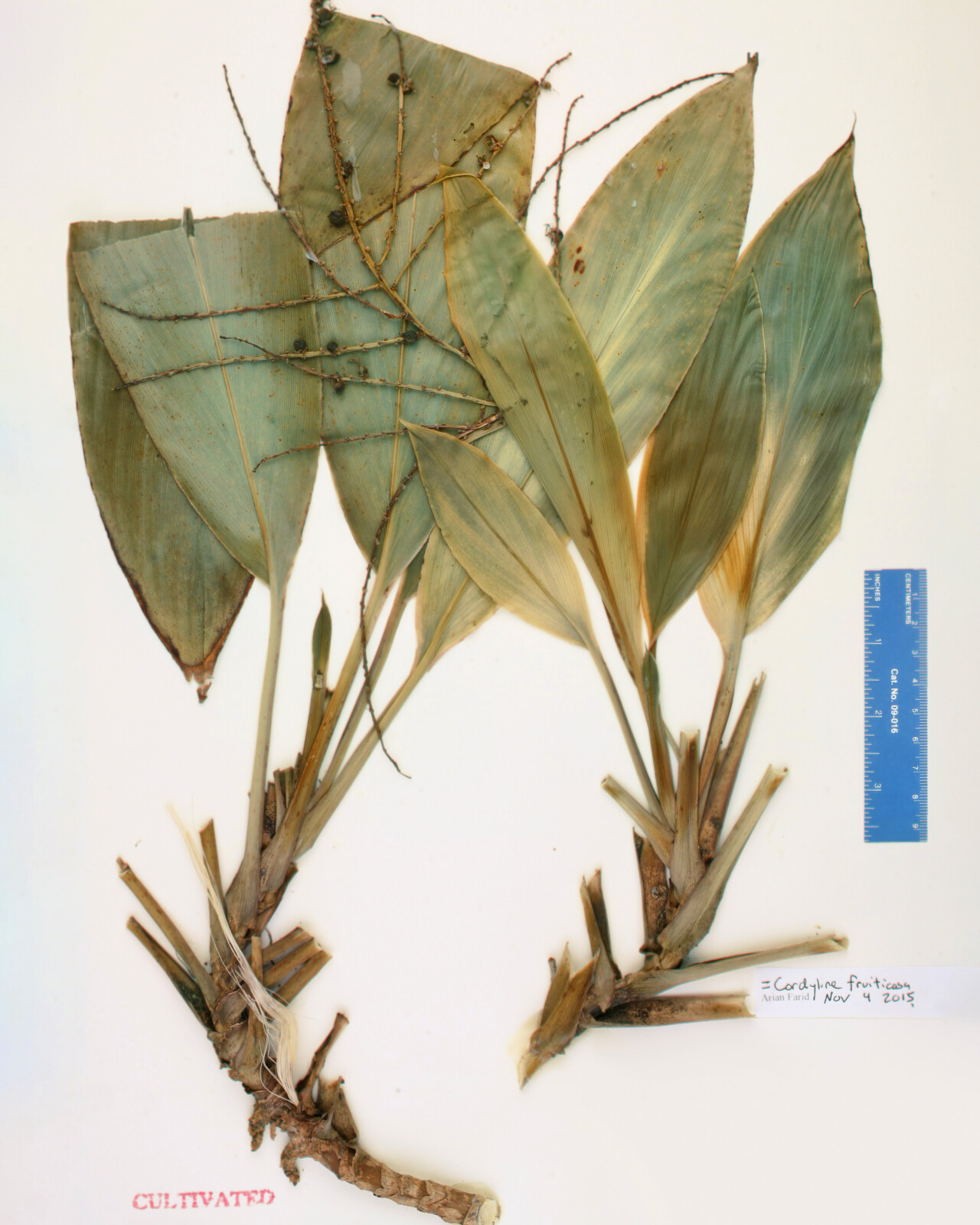
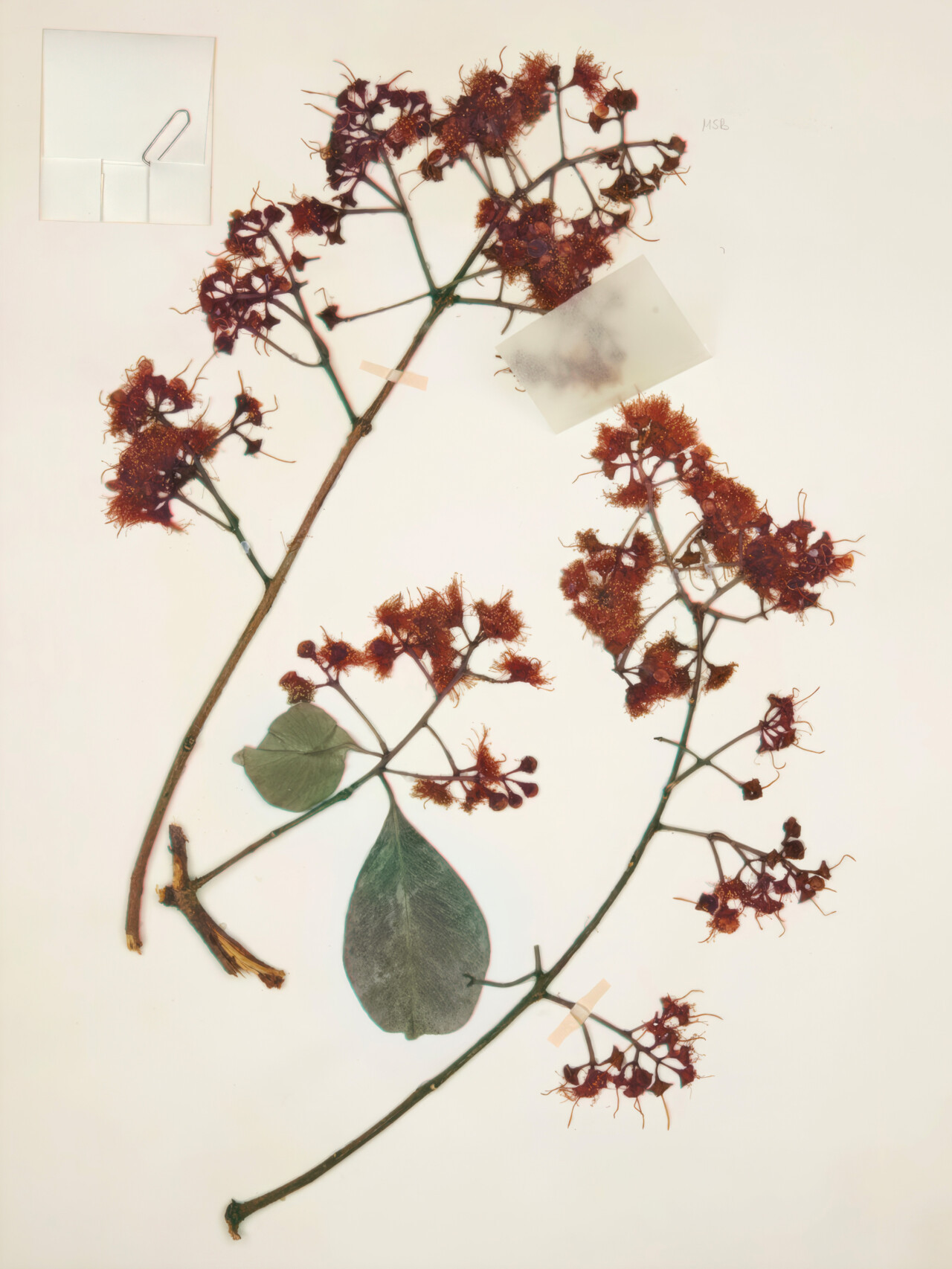
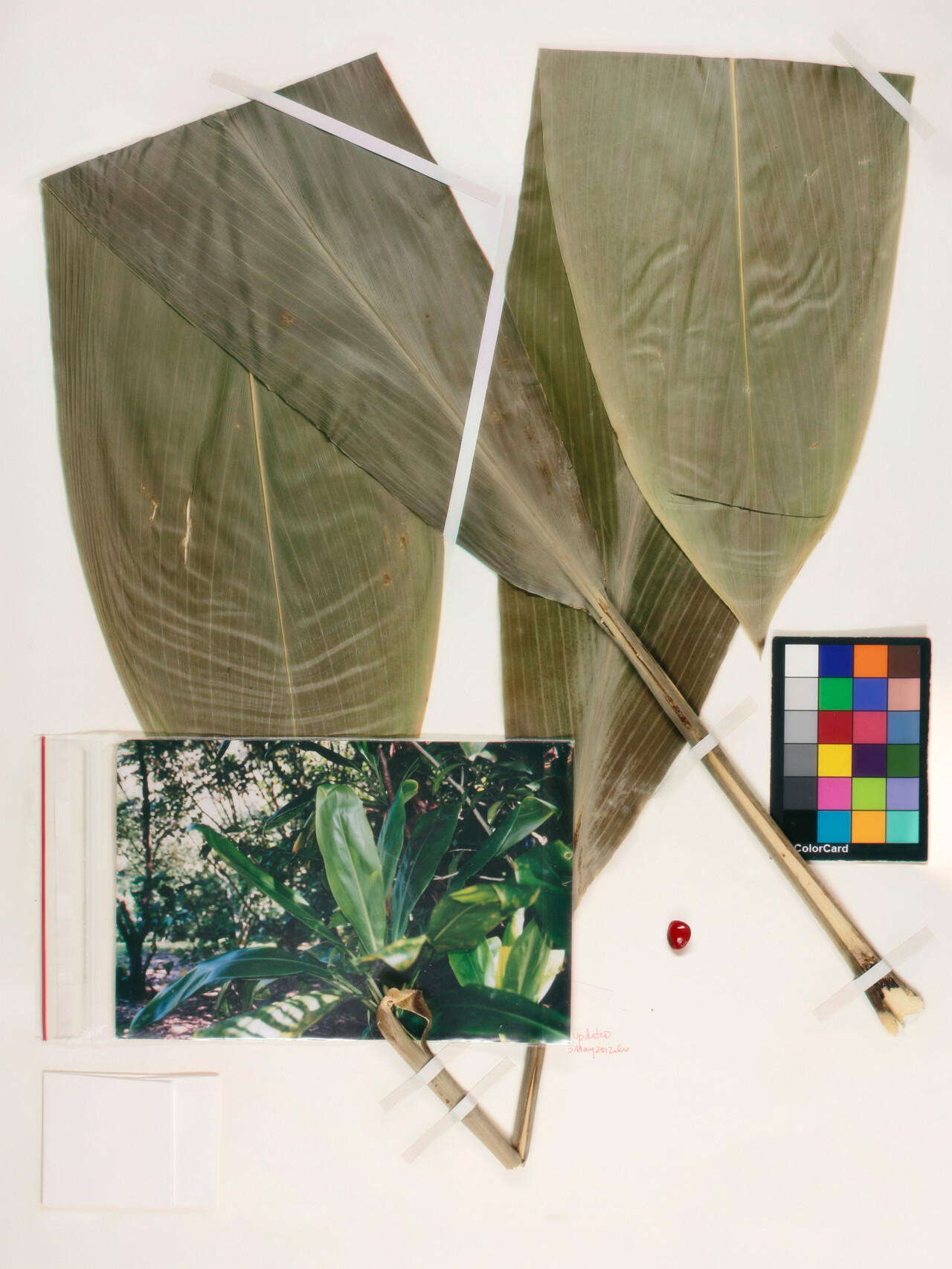
Cordyline fruticosa
Words by Victoria Uwemedimo
Images by Studio Vegete and Alex Valentina
In a small room in the University of Lagos’ Department of Botany in Nigeria, wooden cabinets stretch from floor to ceiling. Botanist Dr. George Nodza opens one and carefully pulls out a pile of folders filled with dried plant specimens. One contains Chloris pilosa Schumach, known in Hausa as kafar gauraka, or crane’s foot.
The grass, grazed by cattle and invoked by Yoruba incantations intended to enhance memory, was collected in 2011 in the Sambisa Forest, a vast semi-arid woodland where African bush elephants once roamed in healthy numbers. Nodza and his colleagues chuckle as they recall sleeping in the bush during that field trip.
They were lucky to collect the specimen when they did. Today, the region is largely inaccessible, overrun by the jihadist militant group Boko Haram, which uses the forest as a hideout. Even if Nodza’s team had the funding and manpower, returning to collect more specimens would be extremely difficult.
The archive of preserved plants, known as a herbarium, is something like a dictionary of Nigeria’s flora. But preserving that knowledge for the future requires another critical step: digitization. Each specimen must be photographed, its identifying information transcribed, and the record uploaded online.
This preserves information that could otherwise disappear if physical specimens are damaged or destroyed. And it turns local collections into tools for biodiversity research, climate projections, and conservation planning around the world. When scientists can access botanical records across borders, they can better understand changes in plant life—and make more informed decisions about how to better protect plants from extinction.
But global digital botanical records are often deeply uneven.
A June 2026 report from the Royal Botanic Gardens, Kew, found that fewer than 16% of the world’s approximately 400 million herbarium specimens have been digitized—the majority being in the Global North. That leaves major gaps in the data scientists use to understand biodiversity, particularly across tropical ecosystems. The disparity is especially significant in Africa, which has accounted for just 6% of newly registered herbaria since 2016, compared with 18% in Southeast Asia and 17% in Central and South America.
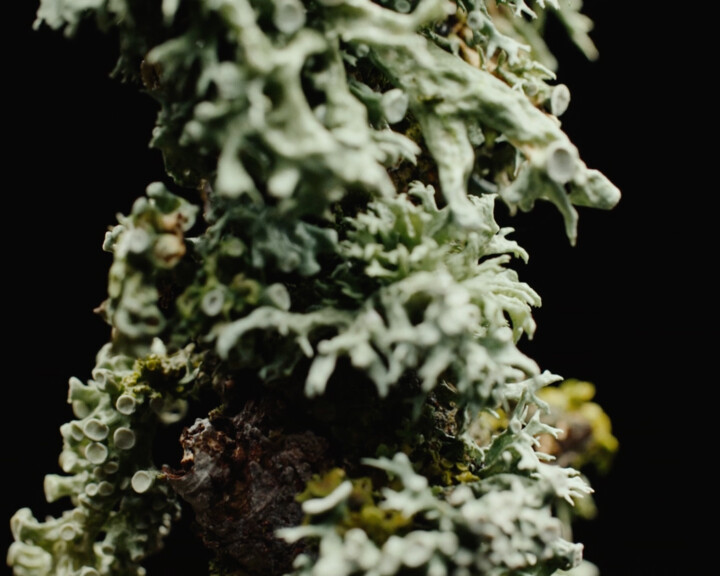
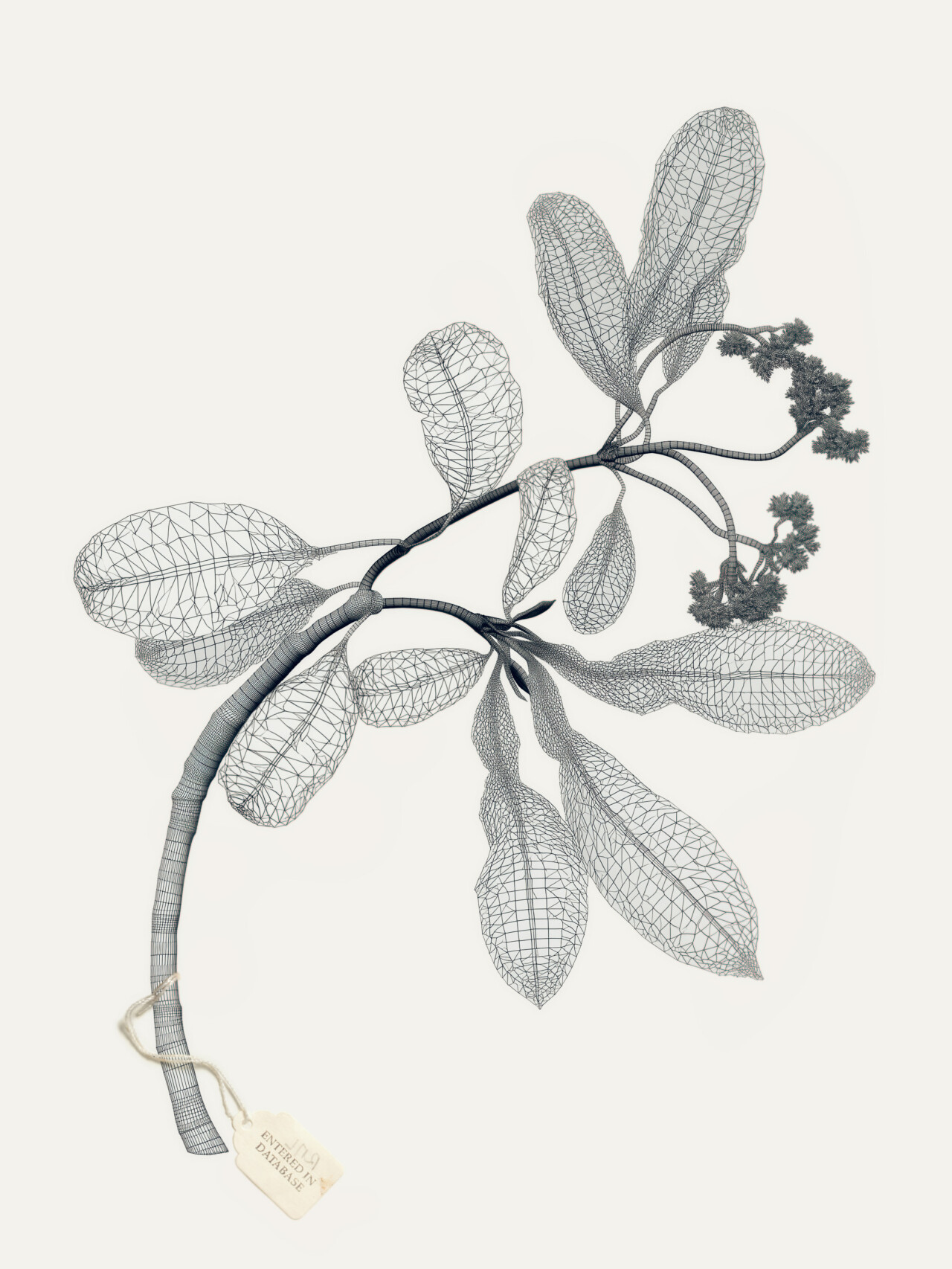
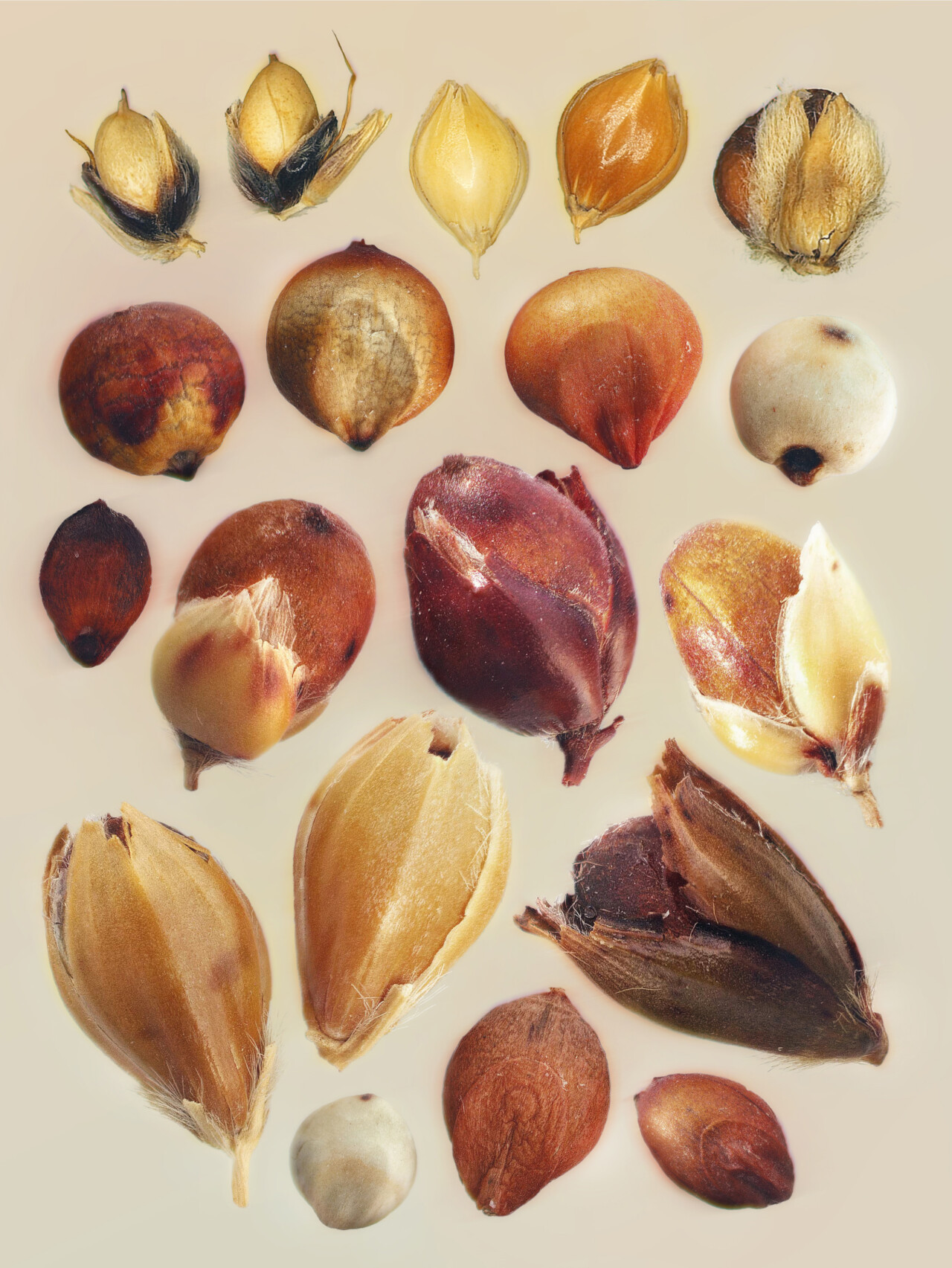
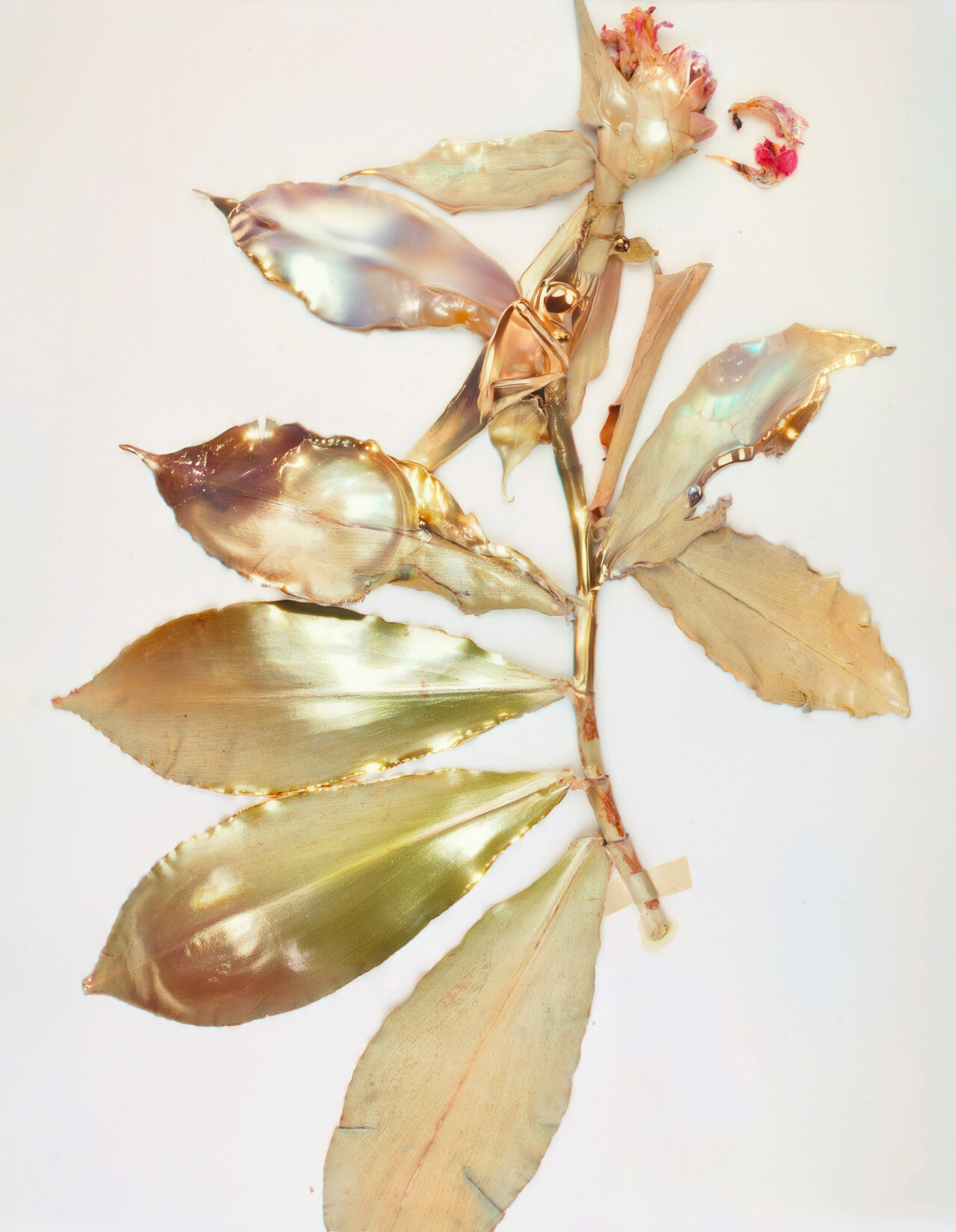
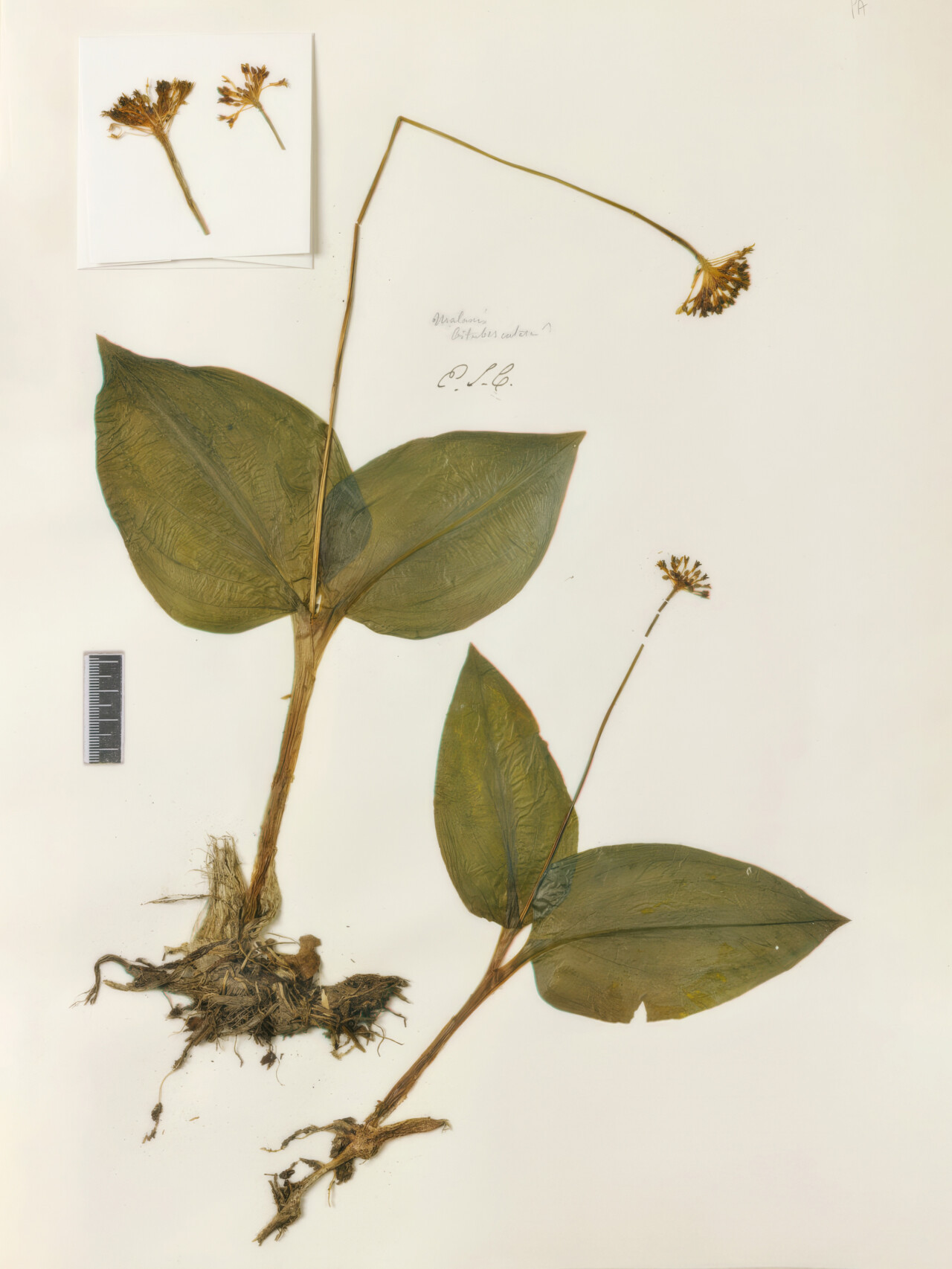
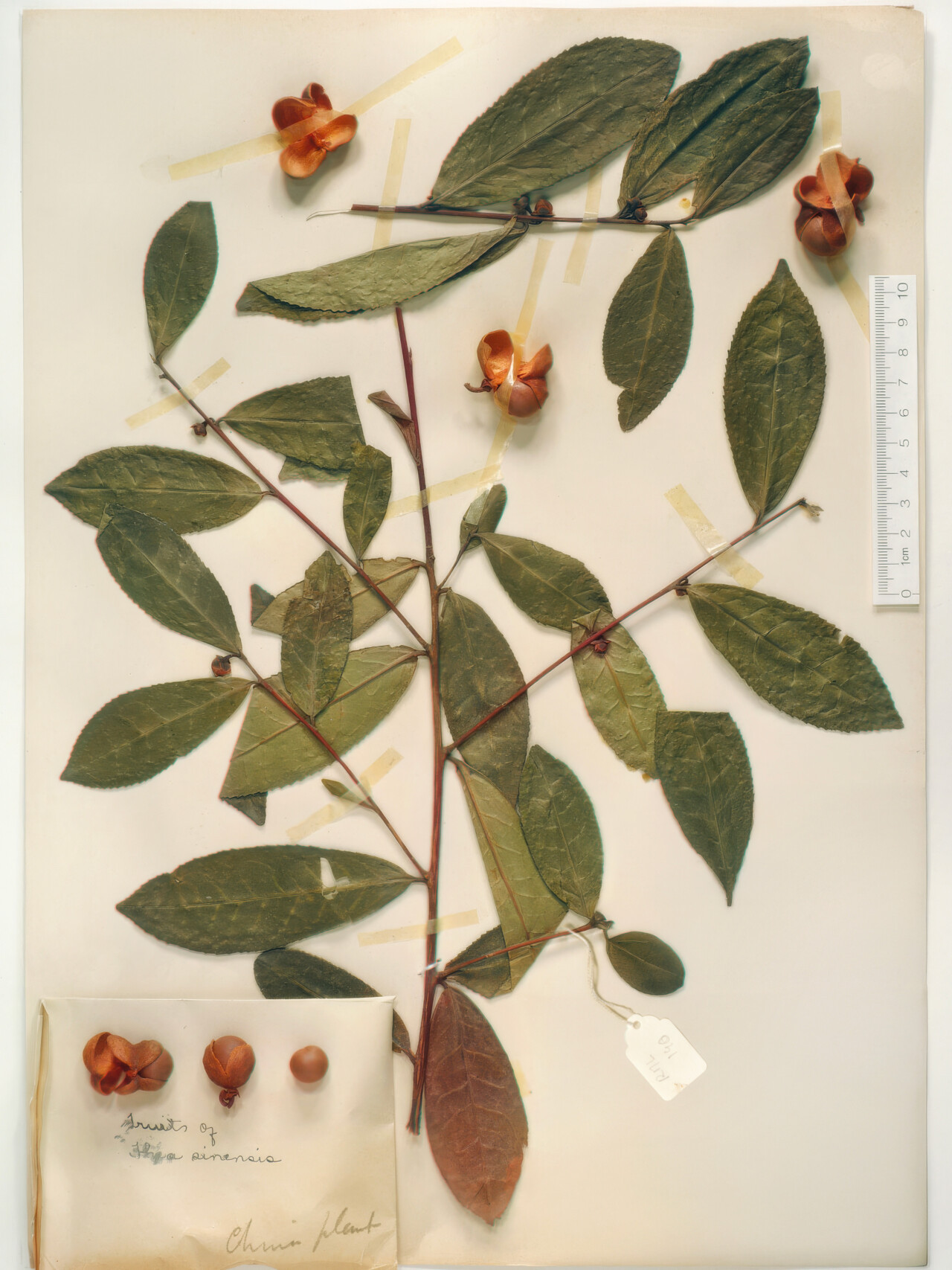
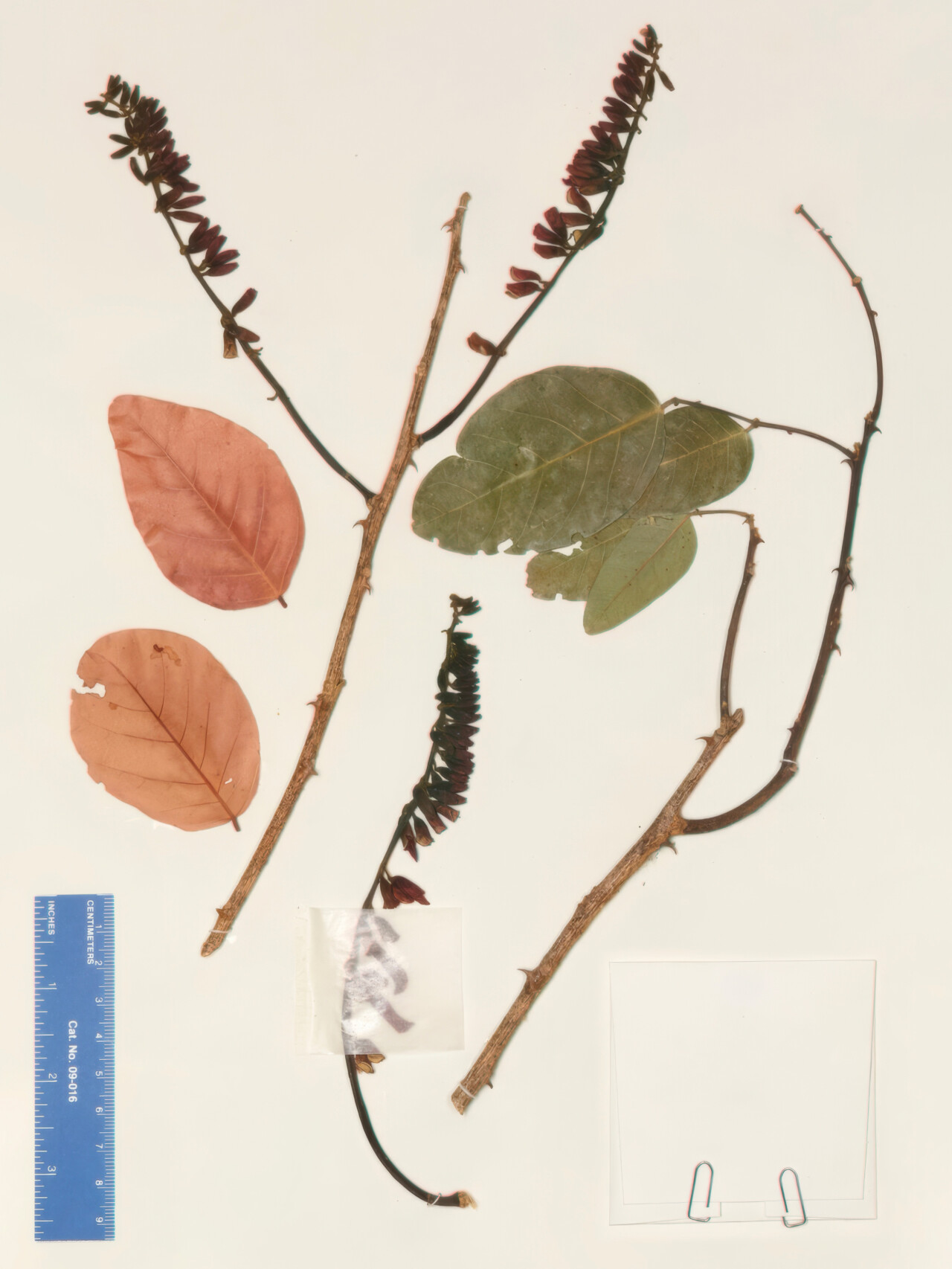
Scientists are slowly working to close that gap, digitizing collections across biodiversity hotspots including Madagascar, Brazil, and Nigeria, where an estimated 90% of the country’s herbaria remain undigitized. Among the plants digitized are Cordyline fruticosa, a glossy-leaved tropical shrub native to the western Pacific and long used for food, medicine, and ceremony; Cochlospermum tinctorium, a West African shrub whose bright yellow flowers often emerge after bushfires; Camellia sinensis, the evergreen plant whose leaves are harvested to make green, black, and oolong tea; and Malaxis, a far-ranging genus of orchids found across much of the world.
At the University of Lagos, a 2021 project digitally archived all 20,000 specimens in its collection and uploaded them to the Global Biodiversity Information Facility database. But specimens collected since the project’s completion now sit undigitized in a university building without reliable electricity, let alone climate control, leaving them vulnerable to mold, pests, and perhaps the greatest threat of all: fire.
In 2014, a blaze broke out down the hall from the herbarium. The flames didn’t reach the room where plant specimens are kept, but thick smoke seeped through cracks in the cabinets, coating much of the collection in soot. Nodza points to the smoke-stained Chloris pilosa sample. Had the fire reached the sample before it was digitized, an important botanical record might have disappeared. That specimen is now safely documented online; Nodza and his team worry about others that are not.
Each specimen is a record in time. Its label can show where and when a species was collected, while the plant itself preserves evidence of its form and reproductive state. Together, those records help scientists track shifts in species’ ranges, compare changes across decades, and understand how plants are responding to a changing climate.
That information can be critical to conservation, where decisions often begin with a deceptively simple question: What lives where? Dr. Stuart Pimm, a conservation ecologist at Duke University and founder of the nonprofit Saving Nature, works with local organizations to identify ecologically vulnerable areas, purchase land, and restore native vegetation.
“The obvious question is, where do we do that?” Pimm asked. “And for that, we need to know what species are there. We can’t buy everything. We have to set priorities, and that’s where understanding the patterns of biodiversity [is] so incredibly important.”
Digitizing these collections can have consequences far beyond the herbarium, shaping which species and landscapes receive protection. In Sierra Leone, for example, which has one of the highest proportions of likely threatened plant species in Africa, the national herbarium and local universities are working with Kew to identify Tropical Important Plant Areas using data from plant specimens. The effort could bring some of the country’s endemic plants onto the IUCN Red List for the first time, strengthening the case for their protection. Sierra Leone is also home to globally significant wild coffee species and other rare plants. Among them is Keetia magassoubiana Cheek, a threatened evergreen rainforest climber that researchers recognized as a distinct species only after comparing it with specimens held in the herbarium, according to a 2024 study.
Herbarium collections do more than document where plants have been found. They also give botanists a historical reference point for identifying what they encounter in the field. Saving Nature, for example, has been working along the western Andean ridges of Colombia to identify and protect rare or potentially undiscovered orchid species. “How do we know that they’re new orchids? Because we compare those specimens with specimens in herbaria,” Pimm said.
Herbaria can also reveal how plants are responding to a changing climate. Dr. Daniel Zhigila, a botanist at Gombe State University in northern Nigeria, points to shifts in flowering times as an important indicator of how species are responding to fluctuating temperatures and seasons. “Let’s say you want to project the trajectory of the vulnerability of plant species,” said Zhigila. “Then the best place to consult is [the] herbarium.”
Digitization can also help restore access to knowledge that was removed during colonial rule. Many plant specimens collected by European explorers remain in large, well-funded herbaria in Europe or the United States. Making those collections available online does not return the physical specimens, but it can give researchers in the countries where they originated greater access to their own botanical history.
Still, digitization does not necessarily resolve questions of ownership and control. A specimen may be visible online from the country where it was collected while its physical form—and decisions about how its data is cataloged, shared, or reused—remain with an institution elsewhere. For some botanists, that makes digital access an important step toward restoring knowledge, but not a substitute for broader conversations about who should steward it.
Historical collections can only tell scientists so much. To understand how ecosystems are changing now, herbaria must also be continually updated. In Madagascar, botanist Landy Rajaovelona and her team at Royal Botanic Gardens, Kew Madagascar, have digitized tens of thousands of specimens—still only about 8% of the island’s collections. But Rajaovelona stresses that “digitization cannot work separately without fieldwork.”
Madagascar is famous for its orchids, around 90% of which are found nowhere else in the world. Yet Rajaovelona said that most orchid specimens in the country’s herbaria are more than 50 years old. Without new field collections, the record risks becoming a picture of the past rather than a reliable guide to the country’s present-day flora.
“When scientists can access botanical records across borders, they can better understand changes in plant life—and make more informed decisions about how to better protect plants from extinction.”
Zhigila has encountered that problem first-hand. Prunus africana, a forest canopy tree prized for its reported medicinal properties, including the treatment of prostate enlargement, was until recently recorded in Kew’s collections as occurring in Cameroon and Togo, but not in Nigeria, which lies between them. Then Zhigila encountered the tree during fieldwork on Nigeria’s Mambilla Plateau near the Cameroon border. In fact, he said, 38% of the specimens he collected there were not recorded in international databases as occurring in Nigeria.
Beyond the value to scientists and conservation, digitized collections could also help improve public knowledge of native plants. Eze Tochukwu, a doctoral student who helps maintain the University of Lagos’ herbarium, argues that institutions should make their digital collections available through local platforms, where members of the public may be more likely to encounter them than on specialized international databases used predominantly by scientists. “Having the digital collection on the [university] website is like bringing the knowledge directly to laypeople,” he said.
For scientists themselves, especially those working far from major research institutions, online access can eliminate formidable barriers. Without digital plant libraries, Zhigila may have to travel to large herbaria in Lagos or Ibadan to examine particular specimens, facing days of difficult travel on potholed roads and through insecure regions or finding money for expensive domestic flights. “But if it is online,” said Zhigila, “I can sit in my office and access [that] information.” Digital collections also let botany students study specimens year-round, he added, rather than waiting for a plant to appear in the wild during the right season.
But for all its benefits, photographing individual specimens, digitally recording all the information associated with them, and cataloging them is labor-intensive and painstaking, particularly for under-resourced and understaffed herbaria in the Global South.
That’s why researchers increasingly turn to artificial intelligence to accelerate the process, said Saving Nature’s Executive Director Erin Willigan. Willigan saw what that could look like while volunteering with the American Museum of Natural History in New York City. Staff members and volunteers had been manually transcribing specimen labels from the museum’s bee collection and doubted AI could accurately decipher faded handwritten notes.
The results surprised them. Where they had been processing around 20 specimens an hour, AI-assisted transcription increased that figure to roughly 600. “It was able to really liberate the heavy lifting of getting the data into the database,” Willigan said. To be safe, the team ensured that humans reviewed the machine’s work, using any errors they found to fine-tune the instructions given to the machine. Their study on the process showed that the automated transcriptions were 96.85% accurate, compared with 93.34% accuracy for the human transcriptions.
But AI can only accelerate work where collections already exist. It cannot fill gaps created when scientists lack the money, access, or security to conduct fieldwork, Zhigila said. Nor is the technology necessarily affordable for the institutions that need it most. And funding remains a major barrier for many countries in the Global South. Where government support is limited, local scientists often depend on international institutions. The University of Lagos’ digitization project, for example, was funded by the European Union.
Brazil offers a different model. For the past decade, the federally funded, open-access digital herbarium REFLORA has recruited local botanists and biodiversity specialists to catalog the country’s vast flora and digitize collections. Without initiatives like REFLORA, millions of botanical specimens would remain tucked inside cabinets, vulnerable to fire, insects, humidity, and time. For scientists unable to physically access them, they are effectively invisible—ghosts of the grasslands, mountains, and rainforests they once inhabited.
Nodza and his colleagues are relieved that Chloris pilosa and thousands of other plants collected across Nigeria’s unique ecosystems now have digital records. They hope to eventually do the same for every specimen that has arrived since.
Digitization alone cannot protect a plant in the wild. But by preserving the knowledge of where species have lived, when they flowered, and how their ranges have changed, it can give scientists and conservationists a clearer picture of what is disappearing—and what they still have a chance to save.
Join our membership community. Support our work, receive a complimentary subscription to Atmos Magazine, and more.
Africa’s Ghost Plants: Why Scientists Are Digitizing Centuries of Botanical History