Words by Azita Ardakani
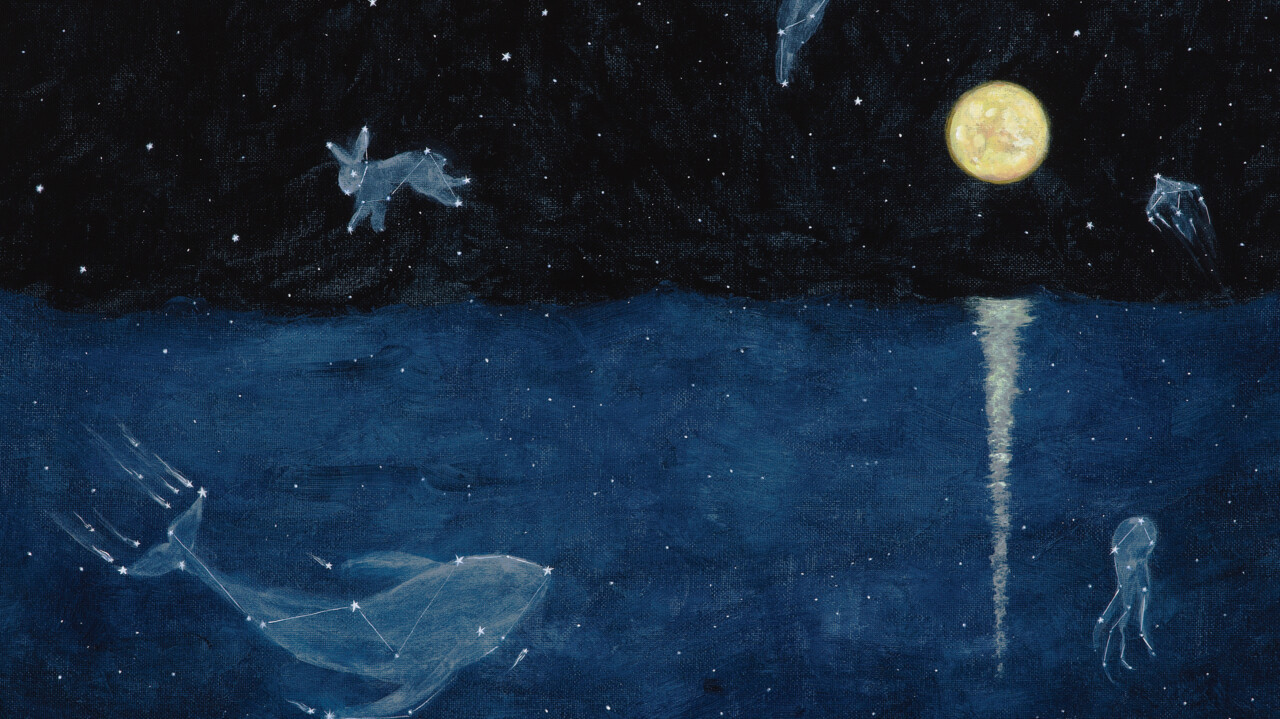
Artwork by Rebecca Rebouché
A child can remain absorbed by a snail crossing a path long after an adult has decided there is nothing more to see.
Children are ground-sized. They notice the delicate instruments of the snail’s face, the silver trail gathering behind it, the improbable house it carries on its back. For a few minutes, the scale of the world reorganizes itself around this small, glistening life.
The adult may have already moved on.
We often speak about wonder as though it were a charming feature of childhood, something beautiful but ultimately impractical that maturity will eventually replace. To grow up, in this telling, is to become more efficient with our attention. We learn which things deserve notice and which can safely become scenery.
But perhaps the disappearance of wonder is not maturity. Perhaps it is a form of estrangement. That estrangement is what led me to write Ocean of Stars.
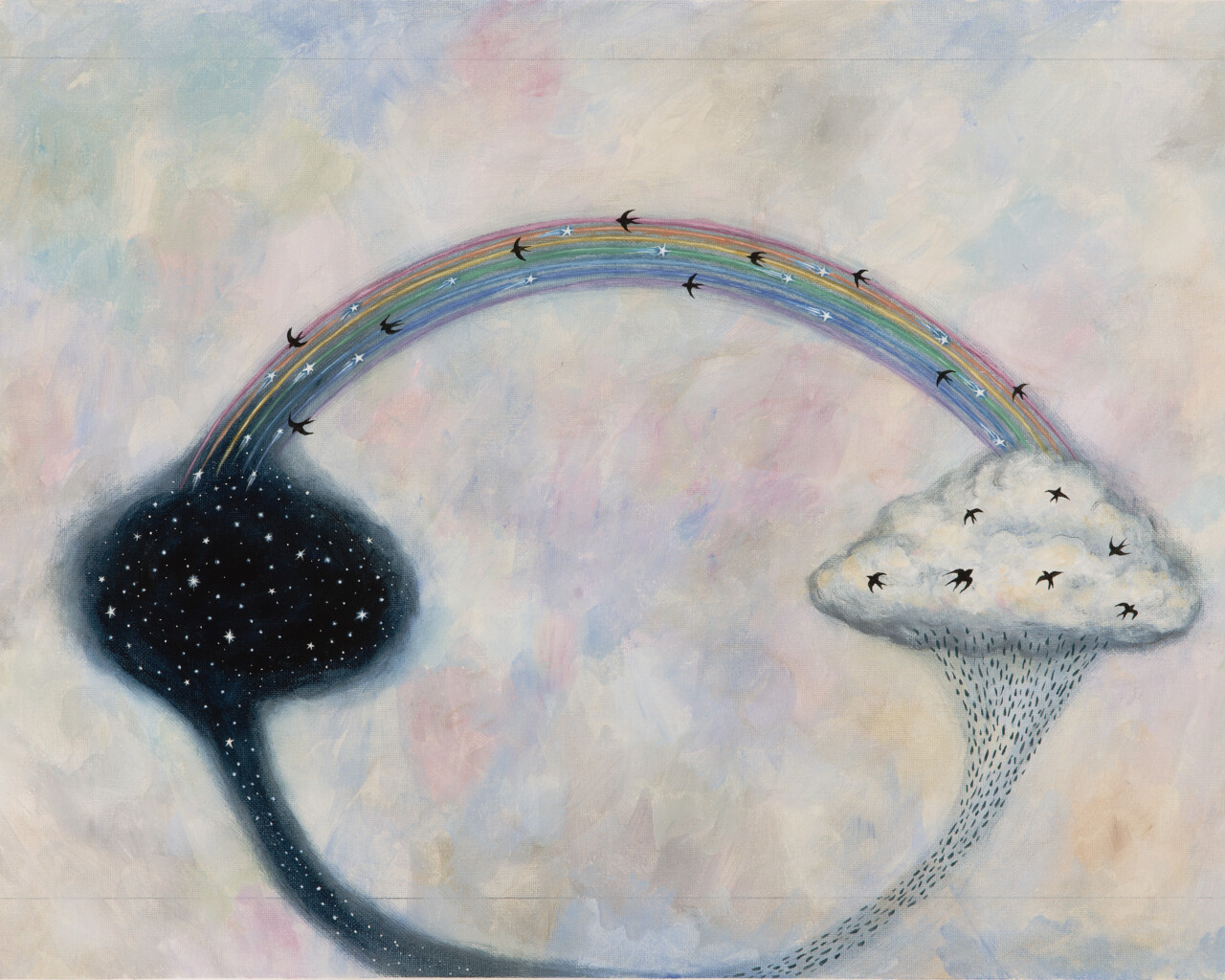
The living world has not become less astonishing. Water still moves continuously between ocean, cloud, root, blood, and breath. Trees exchange information beneath the ground. Migrating animals cross distances they were never taught to navigate. The elements inside our bodies were forged in events that occurred before Earth existed.
What changes is our capacity to perceive any of this.
Modern life trains attention toward urgency, utility, and measurable value. A forest becomes acreage. A river becomes supply. Time becomes output. Even our bodies are treated as instruments expected to perform continuously, largely indifferent to darkness, season, exhaustion or grief.
When the world is understood primarily through usefulness, aliveness begins to disappear from view. We may know more facts while feeling less relationship.
“I hope a child closes the book sensing that they are neither the center of the universe nor a meaningless speck within it: They are a particular expression of an ancient, ongoing creativity.”
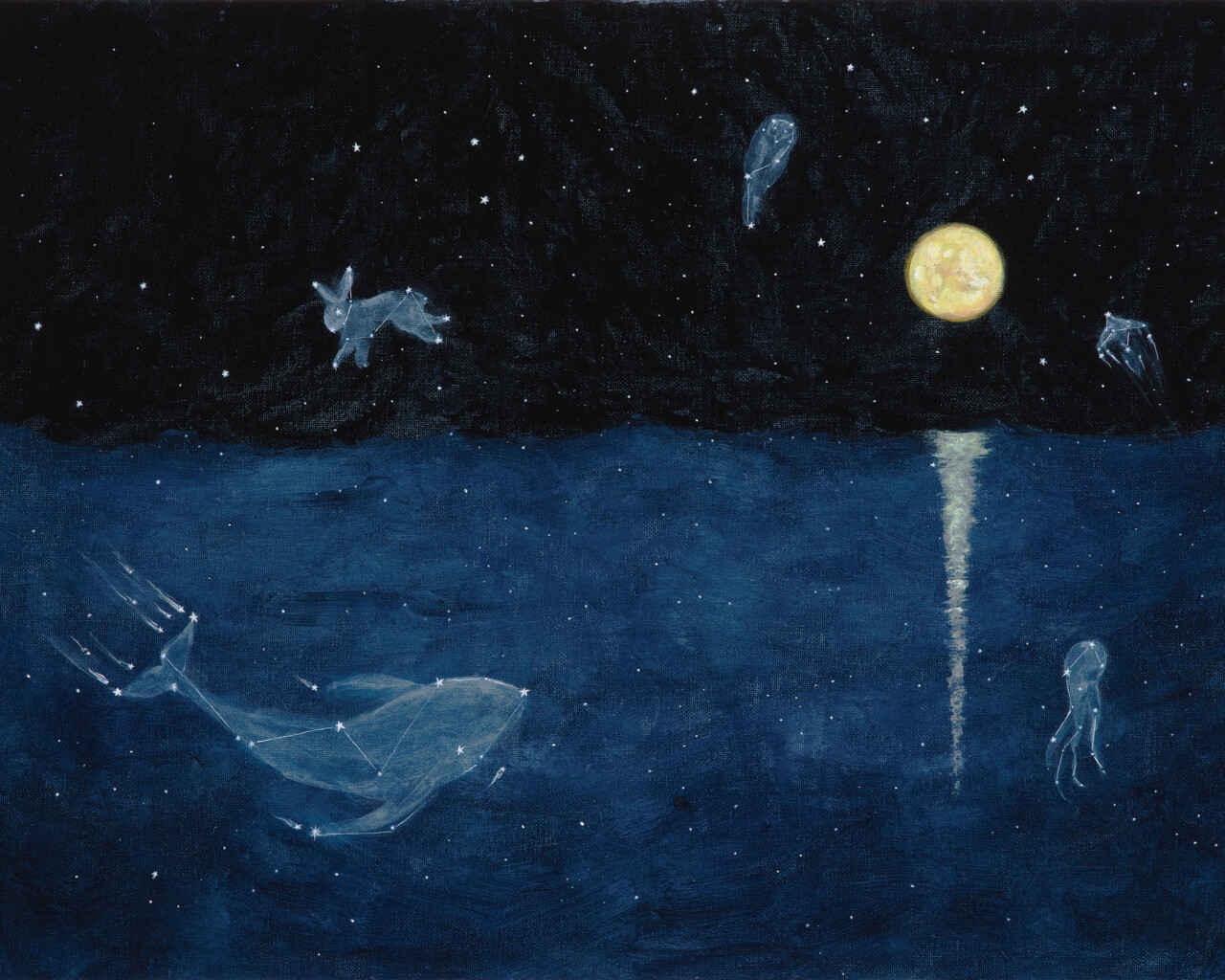
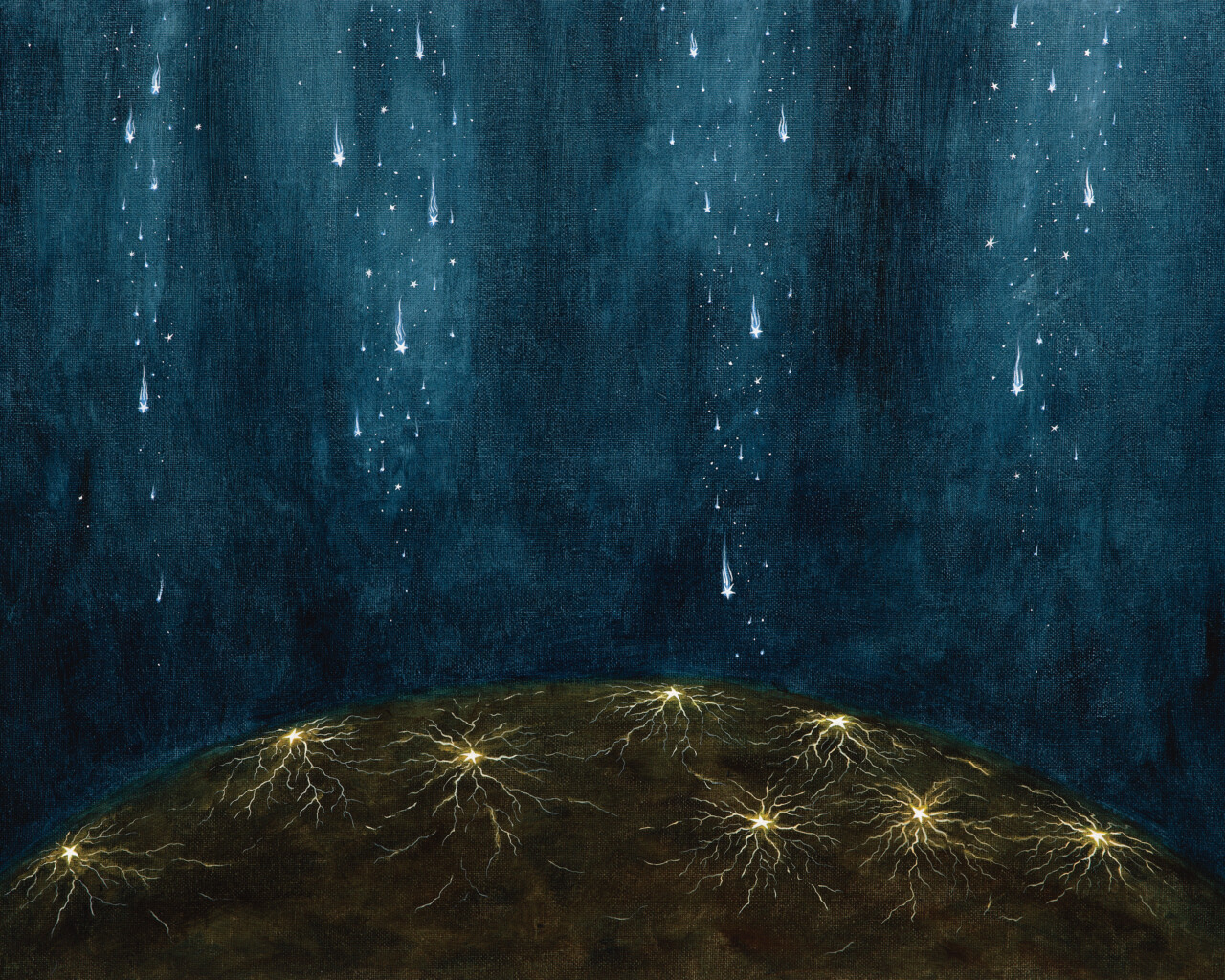
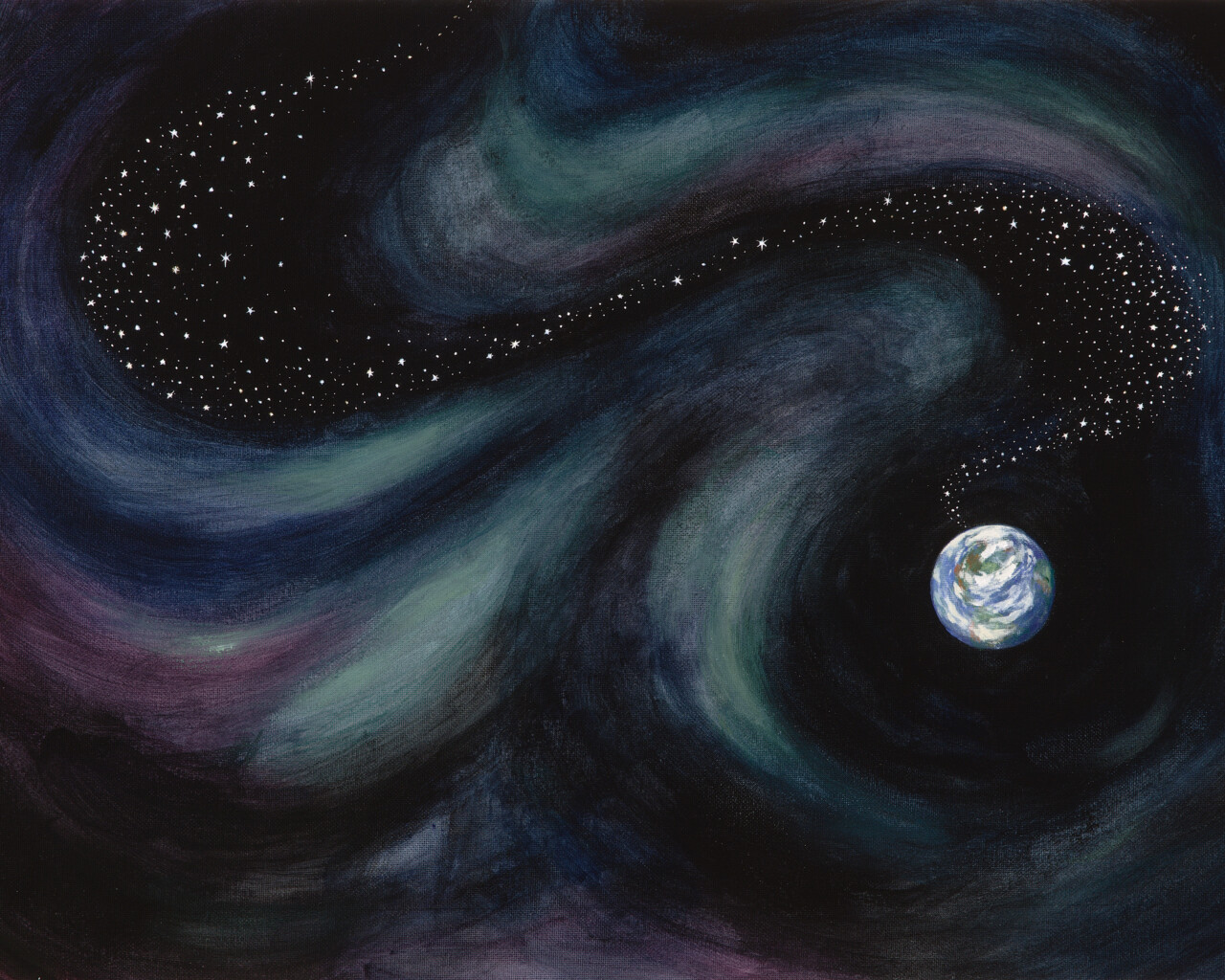
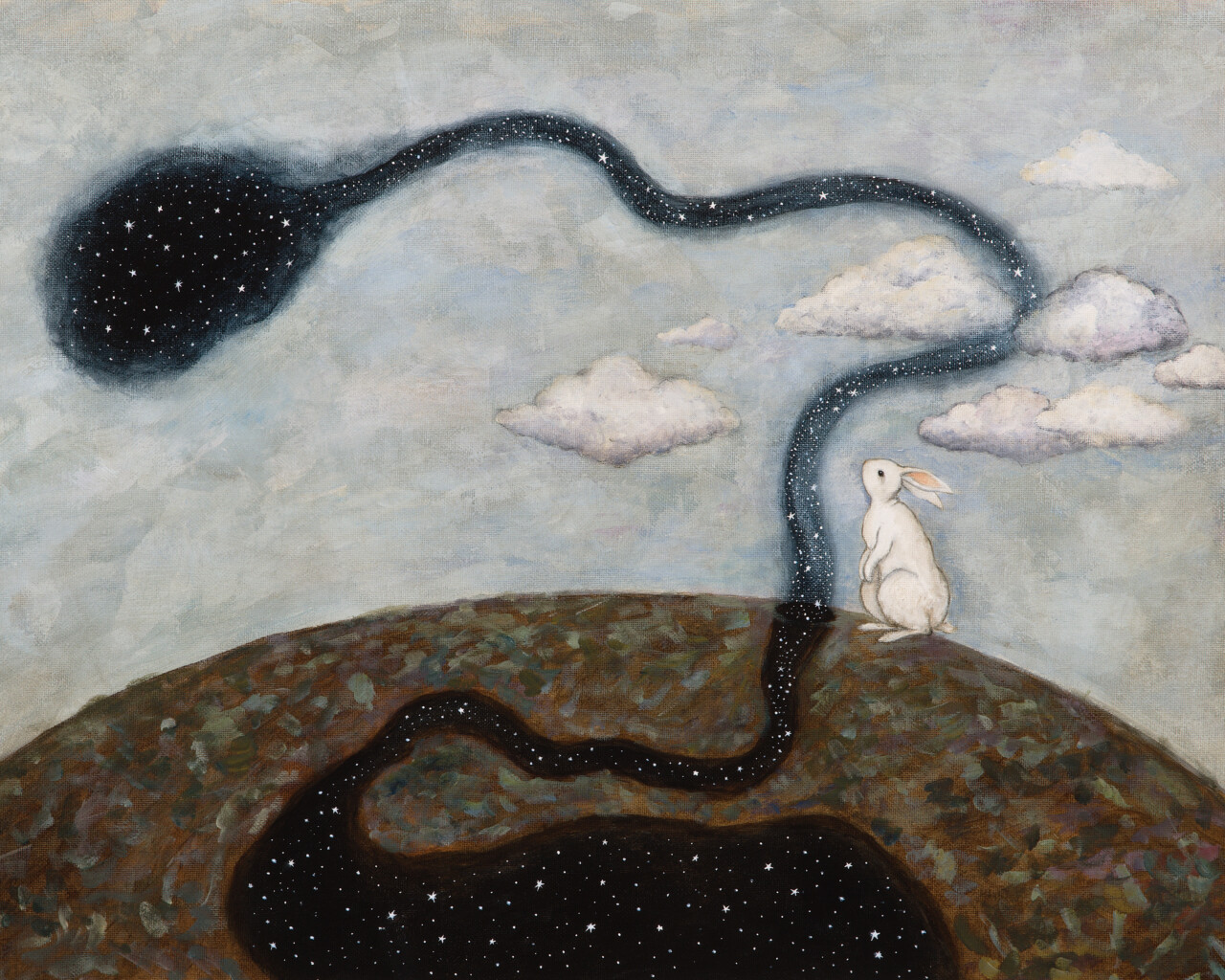
With Ocean of Stars, I wanted to offer another orientation. This incredibly short story follows the movement from the earliest matter into stars, water, land, plants, animals, and eventually, us. It is a creation story, but not one in which humanity stands apart at the conclusion. The Earthbound arrives as a continuation of everything that came before.
This distinction matters. Many of the stories a culture tells place the human being at the center of existence, surrounded by a world of objects. Yet the deeper story revealed by science and careful attention is one of participation. We are made through innumerable relationships: cellular, ancestral, atmospheric, ecological. Life does not assemble itself in isolation.
Children seem to understand this intuitively. They form loyalties with trees. They speak to insects. They make kingdoms from stones and civilizations beneath tables. Their play does not observe the world from a distance; it enters into collaboration with it. A branch is not only a branch. It can become a bridge, a tool, or a doorway into another reality.
This is more than imagination imposed upon inert matter. It is a way of remaining receptive to possibility. Play loosens the rigid categories through which adults often organize the world. It asks what else something might become. Life itself proceeds through a similar experimentation, producing variation, adaptation, improbable forms, and relationships no single participant could have designed.
Wonder begins in that openness, interrupting certainty long enough for the world to become vivid again.
This does not mean looking away from ecological devastation or using beauty to soften the truth of what is being lost. Wonder without grief can become sentimentality. But grief without wonder can leave us only with despair.
To experience the more-than-human world as intimate, intelligent, and alive is to feel loss differently. What we love is no longer an abstract “environment” located somewhere beyond daily life. It is the source of our food, imagination, language, bodies, and breath. Attention becomes a form of relationship, and relationship carries obligation, because it looks back at us.
Perhaps this is one reason children’s stories matter so much. Long before a child can understand climate models or extinction rates, a story can help shape what kind of world they believe they inhabit. Is it a warehouse of materials? A stage built for human ambition? Or is it a vast community of lives, histories, and forces to which they already belong?
I do not want Ocean of Stars to resolve the mystery of existence for a child. I hope it enlarges the mystery while also making it feel hospitable. I hope a child closes the book sensing that they are neither the center of the universe nor a meaningless speck within it: They are a particular expression of an ancient, ongoing creativity.
And perhaps the adult reading beside them might remember something, too.
The world never stopped being extraordinary. We only became practiced at passing it by.
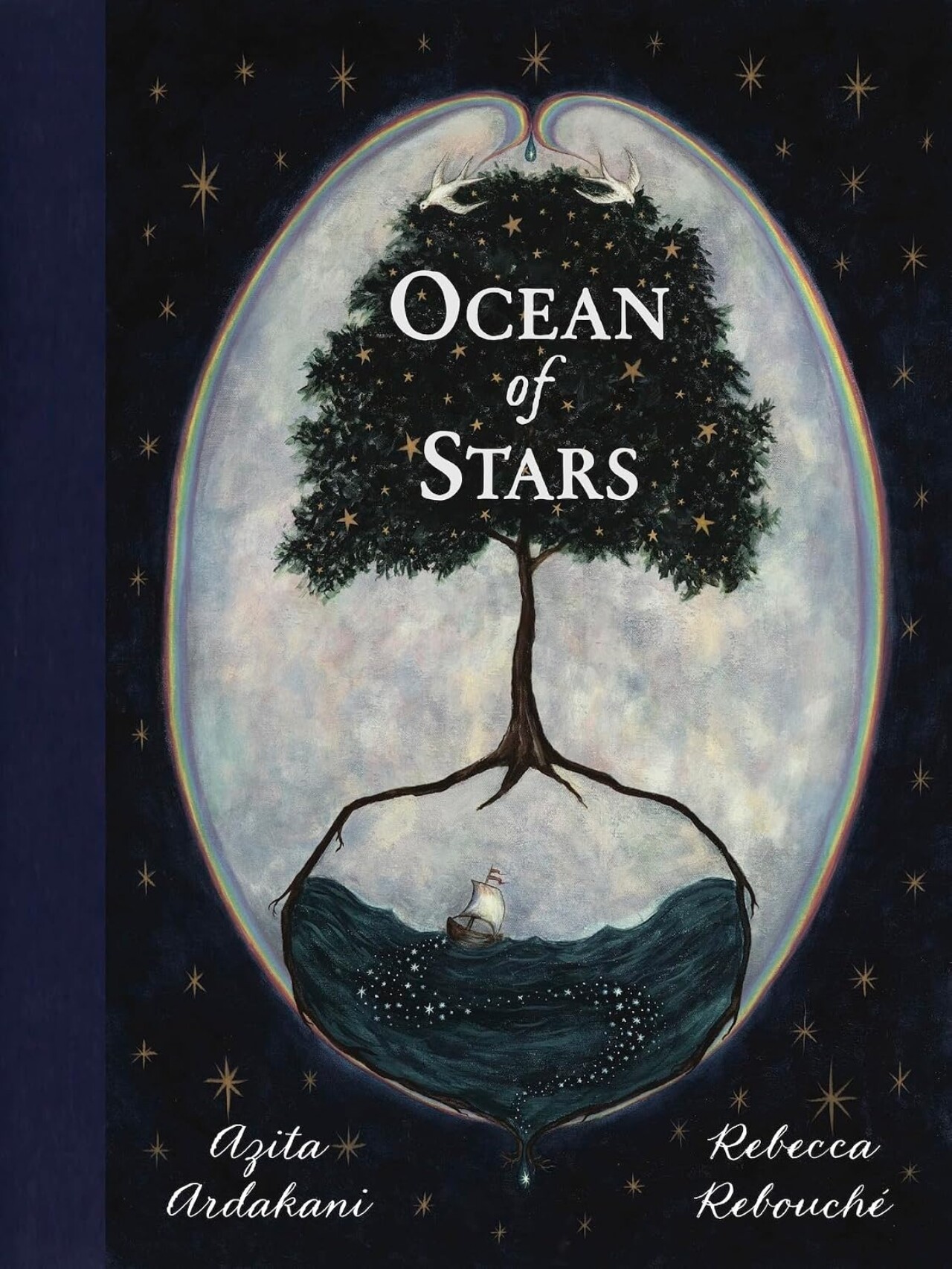
Ocean of Stars is available September 29, 2026, from Enchanted Lion Books.
Join our membership community. Support our work, receive a complimentary subscription to Atmos Magazine, and more.
Ocean of Stars: A Cosmic Origin Story for Young Readers