

words by atmos
PHOTOGRAPHS BY CLAUDIA REVIDAT, ELENA SIRETANU, WASIM MALIK
Regeneration is among the more enviable functions of the natural world: the resprouting of limbs and leaves, the slow healing of damaged ecosystems, the act of creating something new from what already exists. That idea has long been embraced across the climate world, particularly in fashion, where the casual discarding of clothing and textiles has an outsized impact on the very materials, ecosystems, and communities that create them.
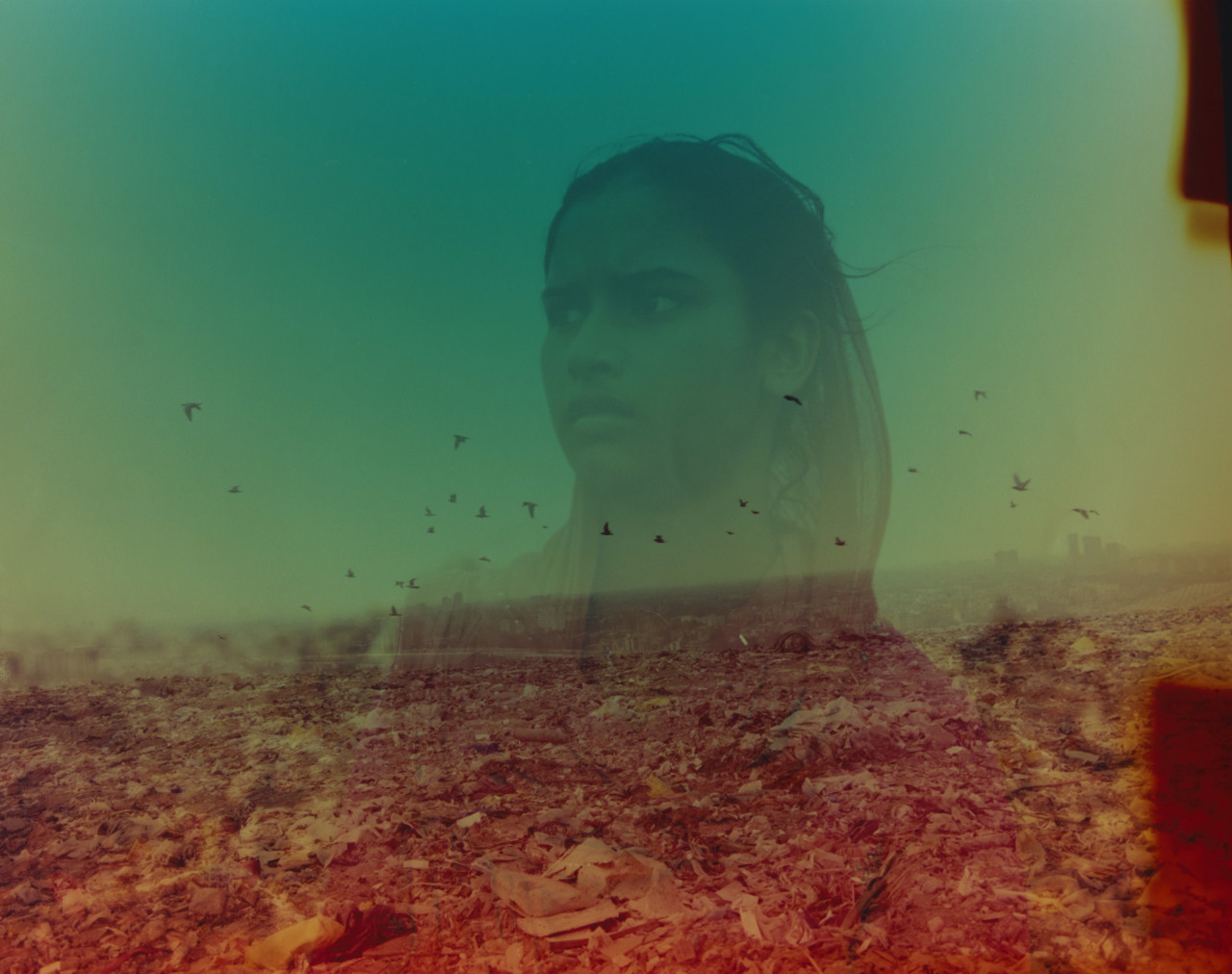
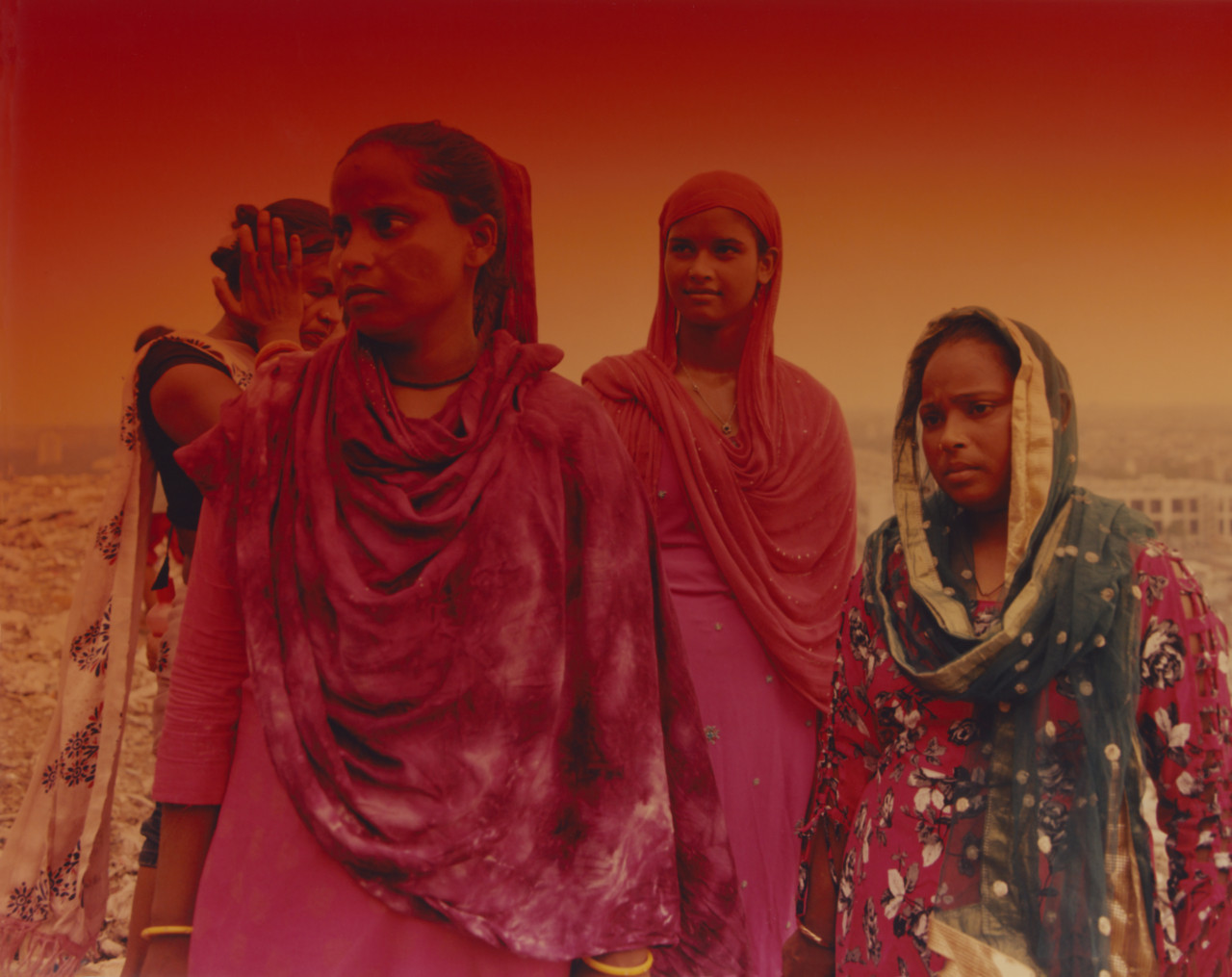
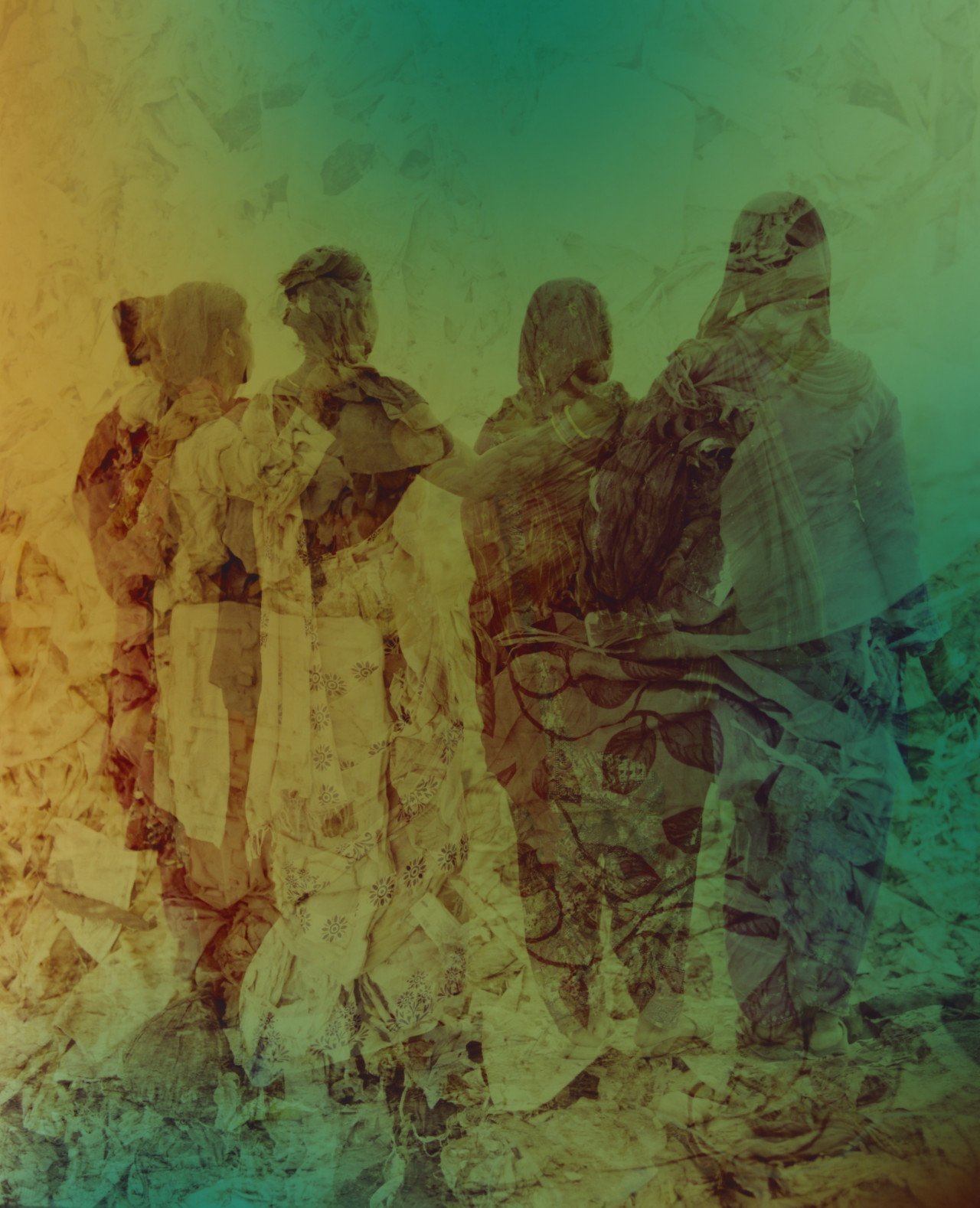
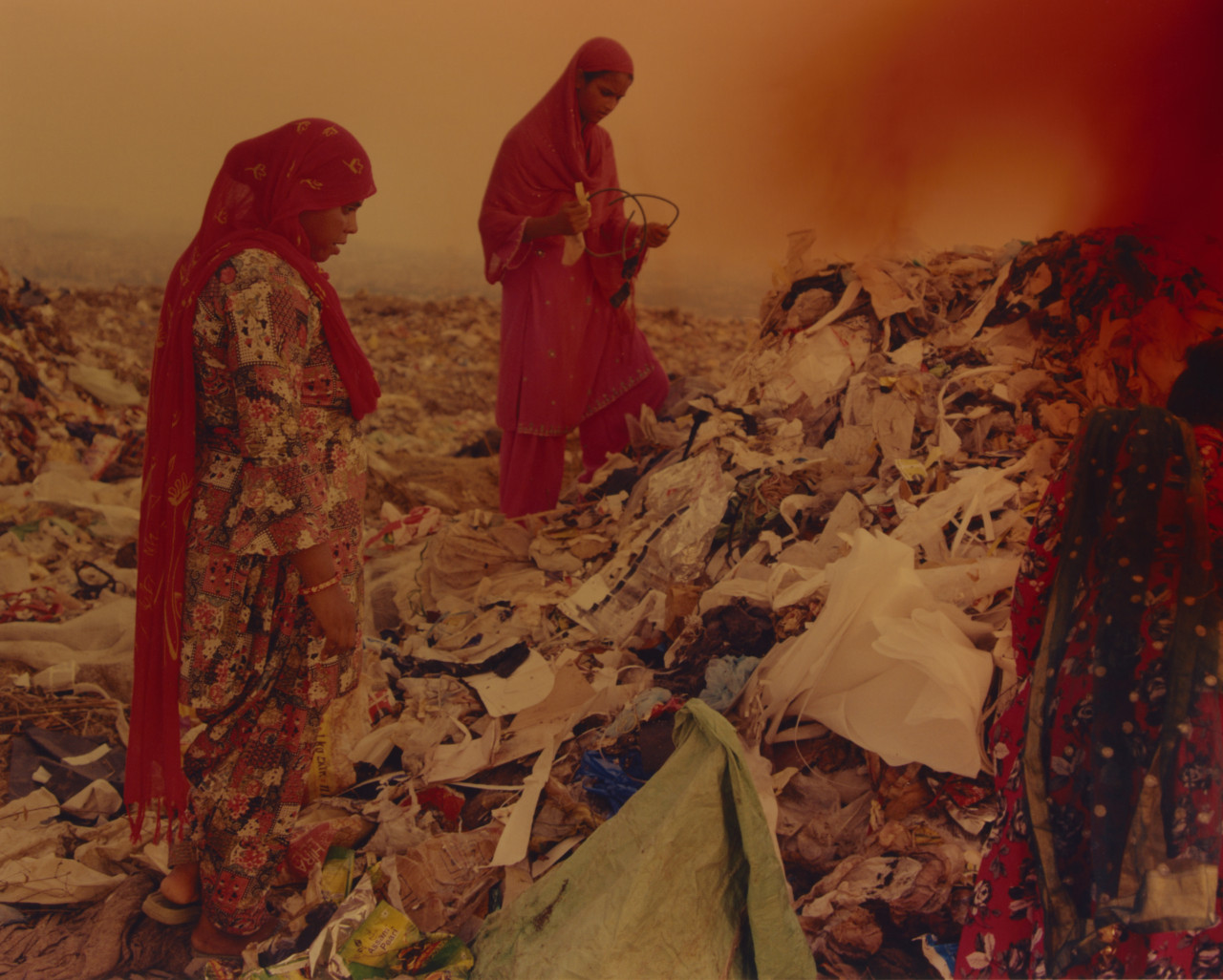
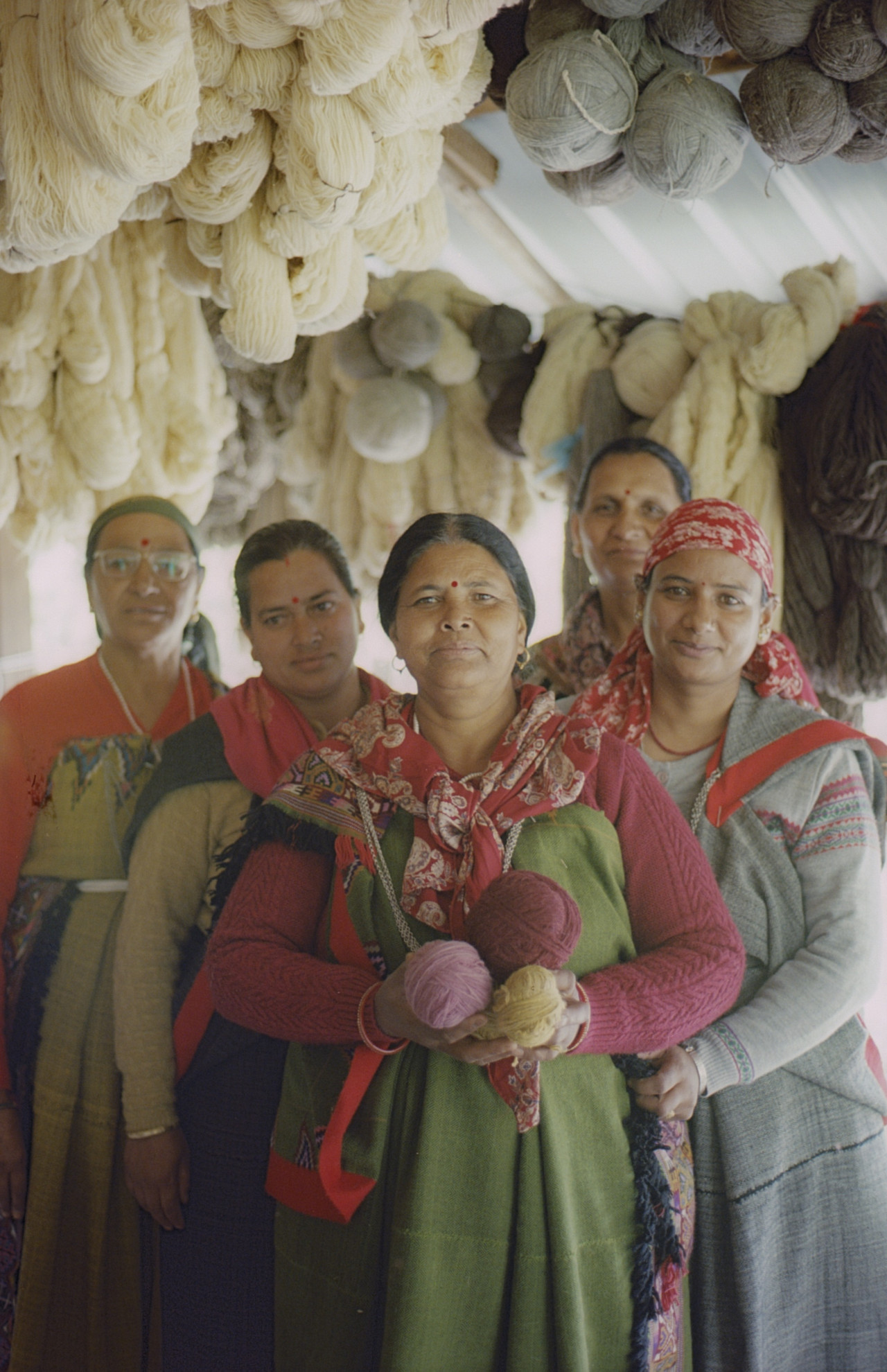
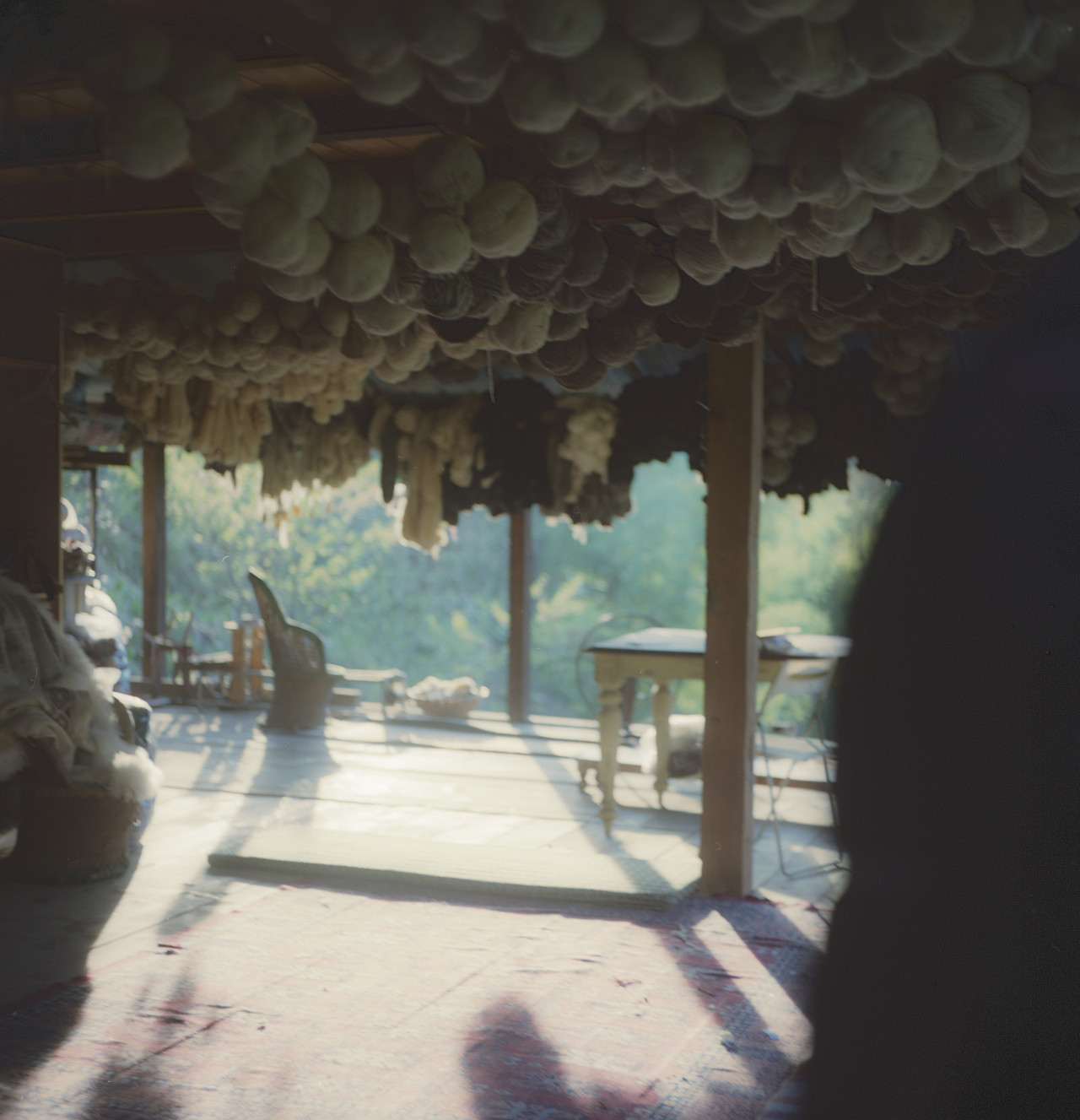
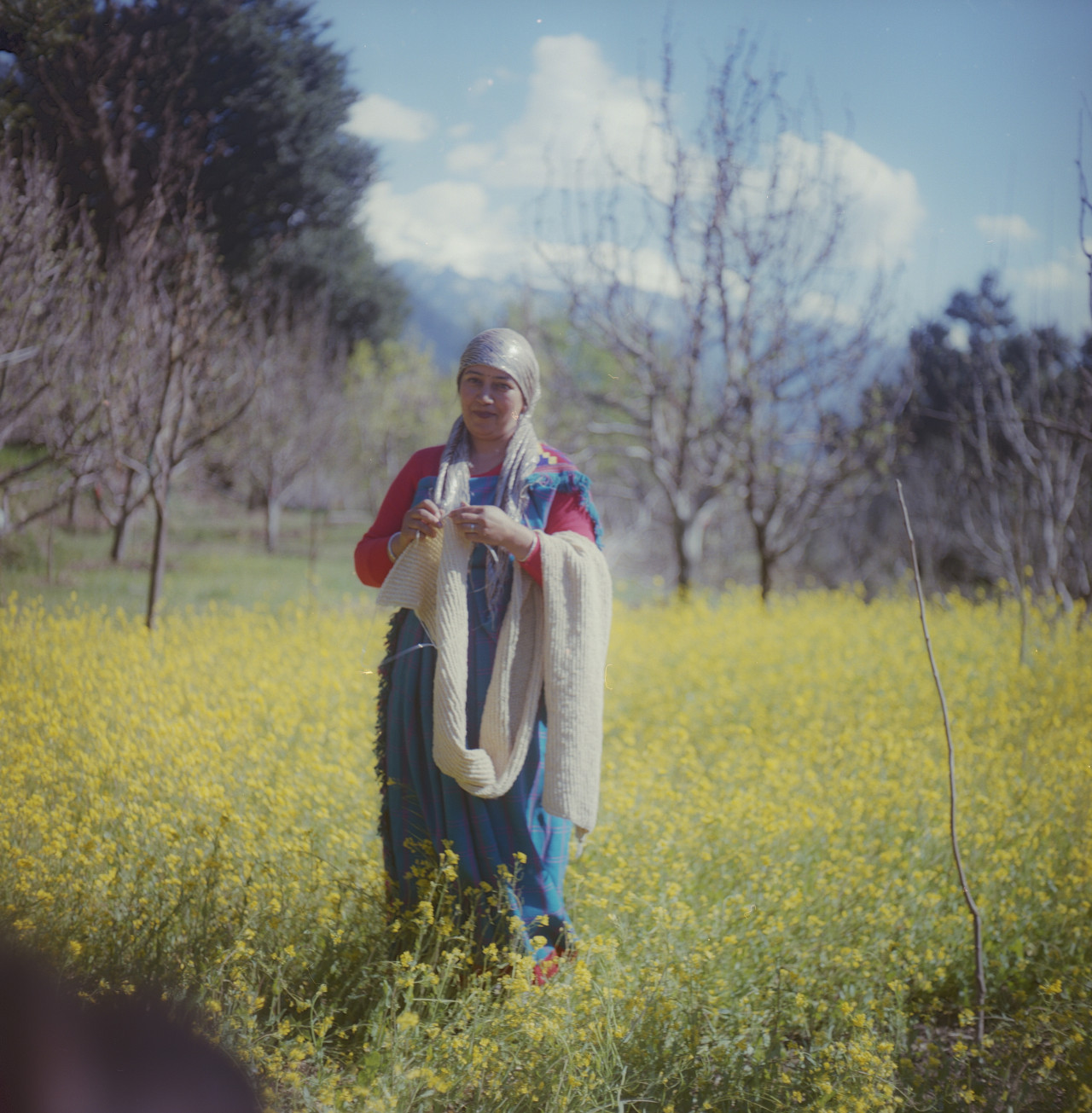
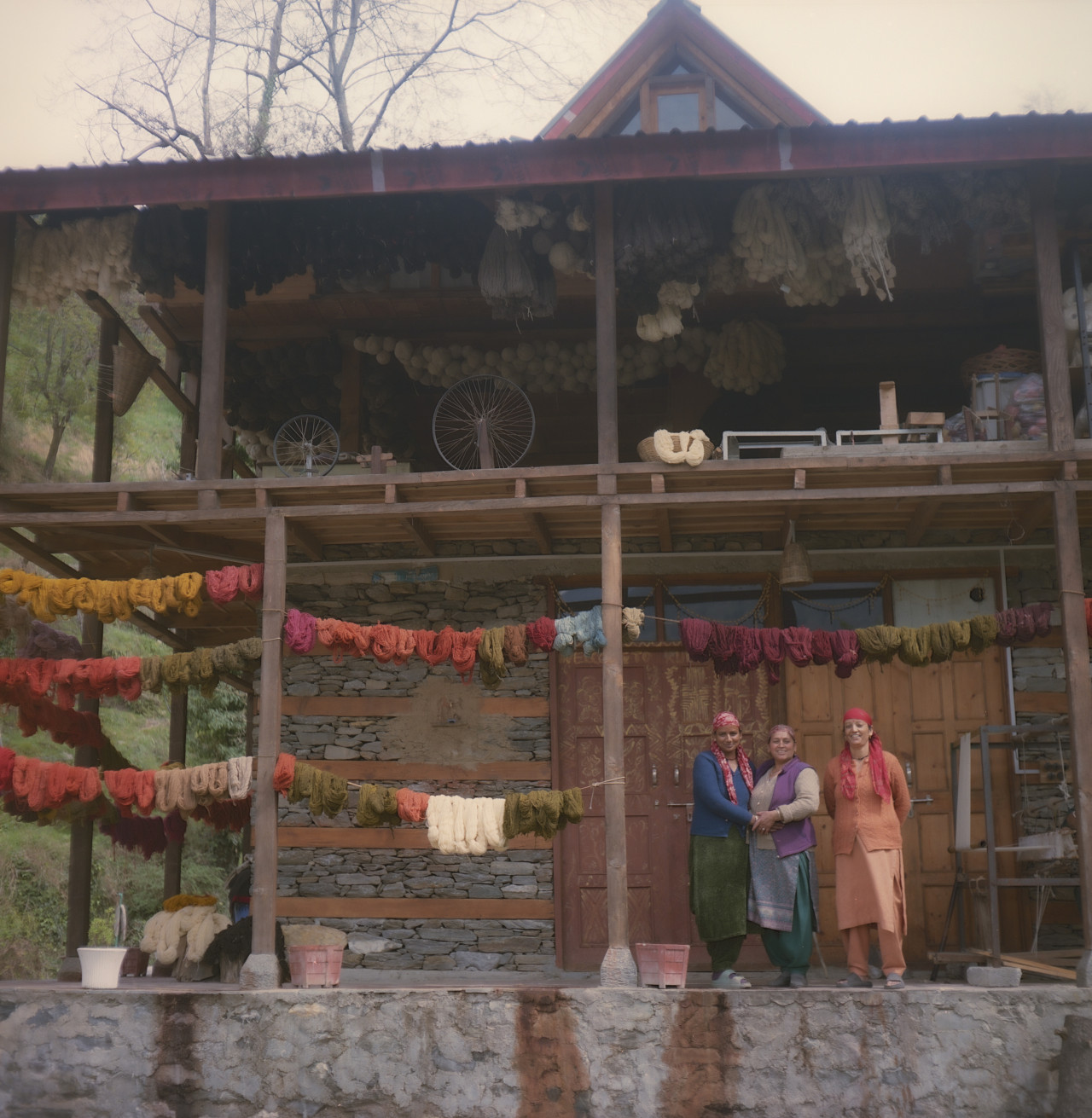
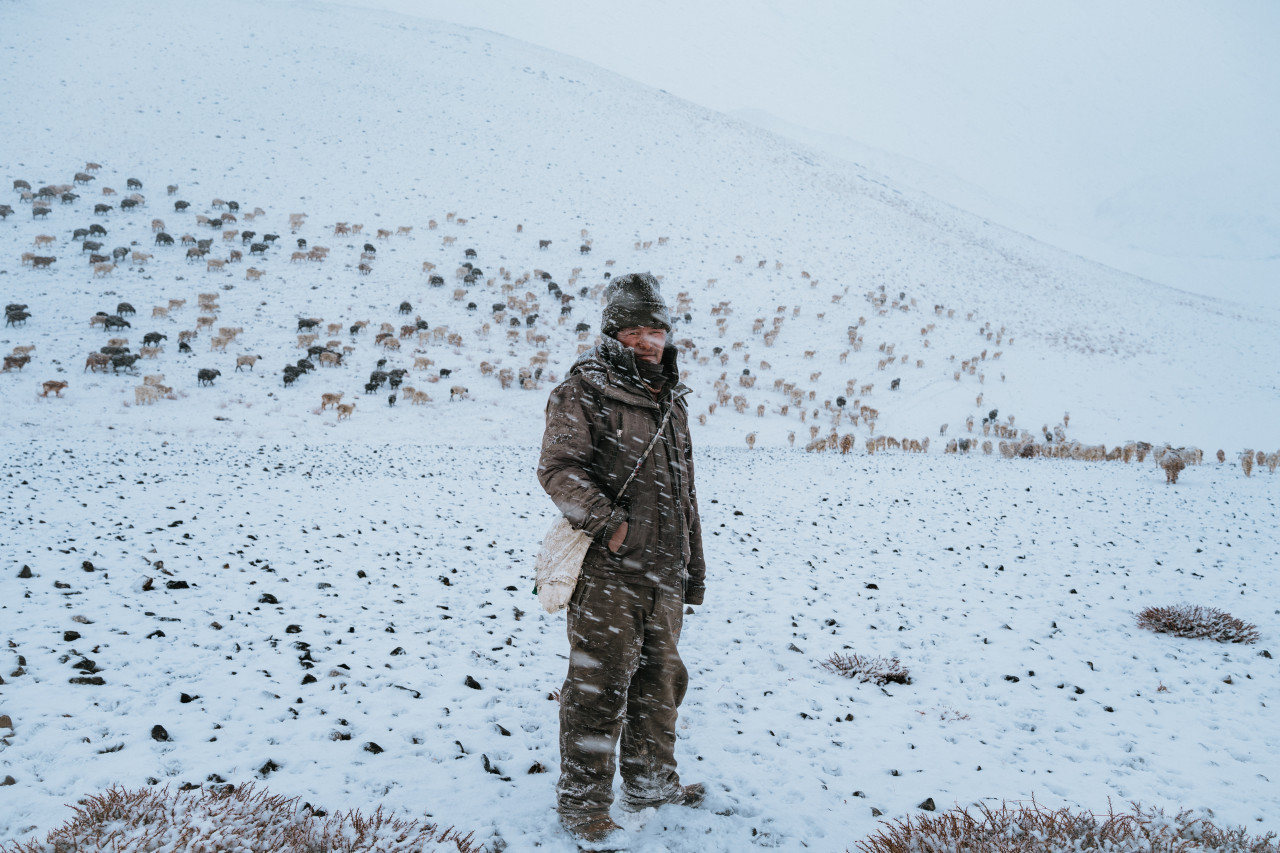
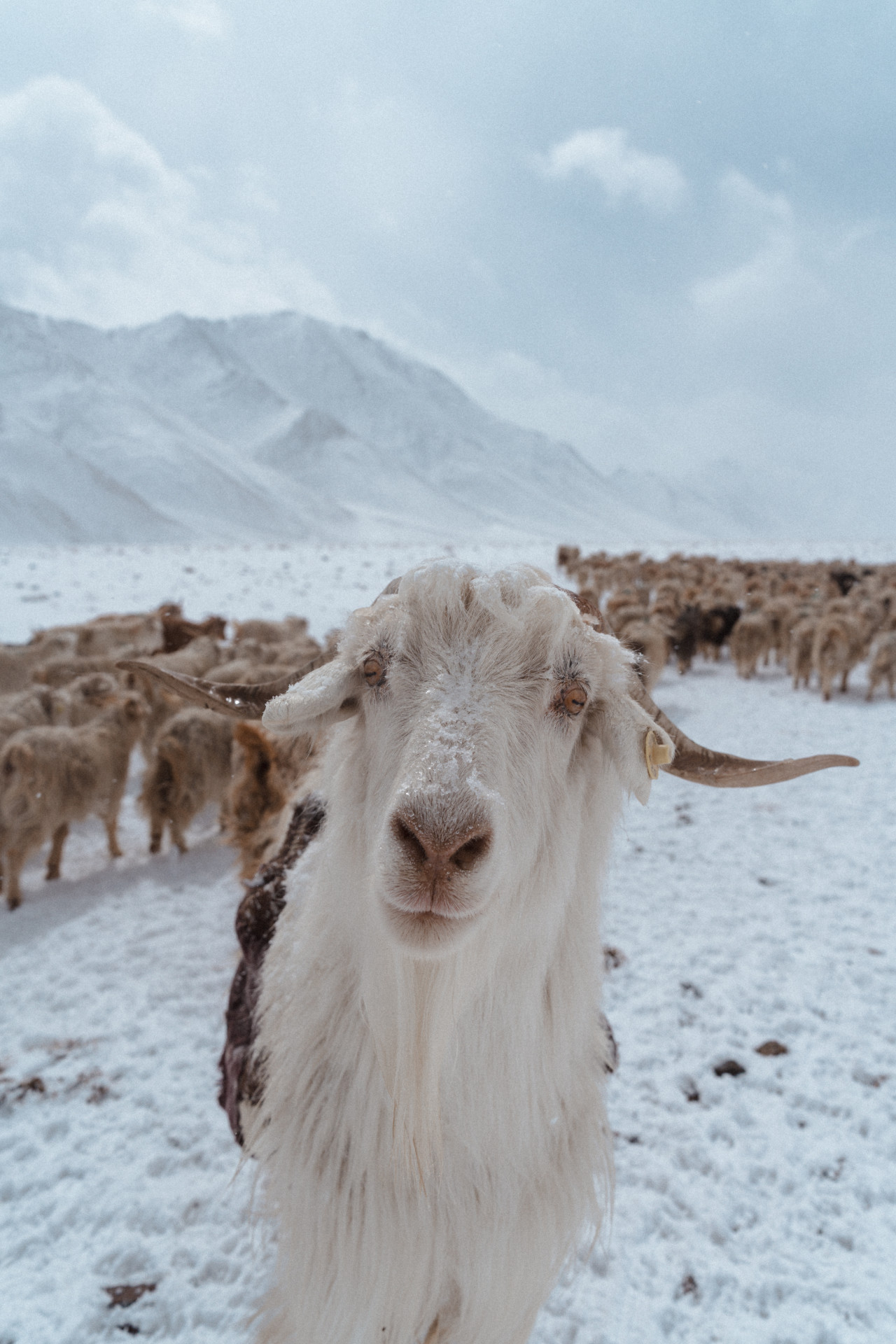
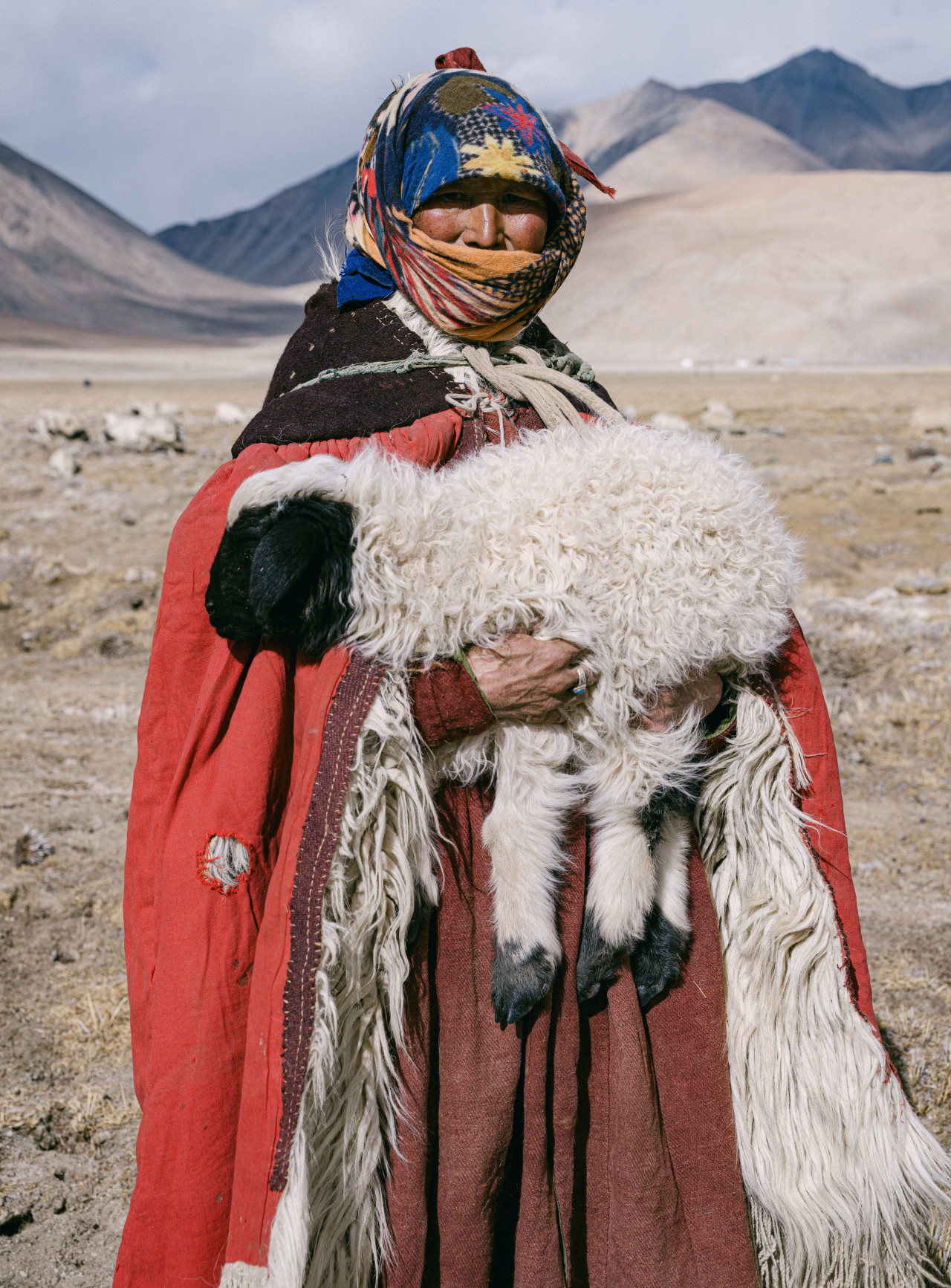
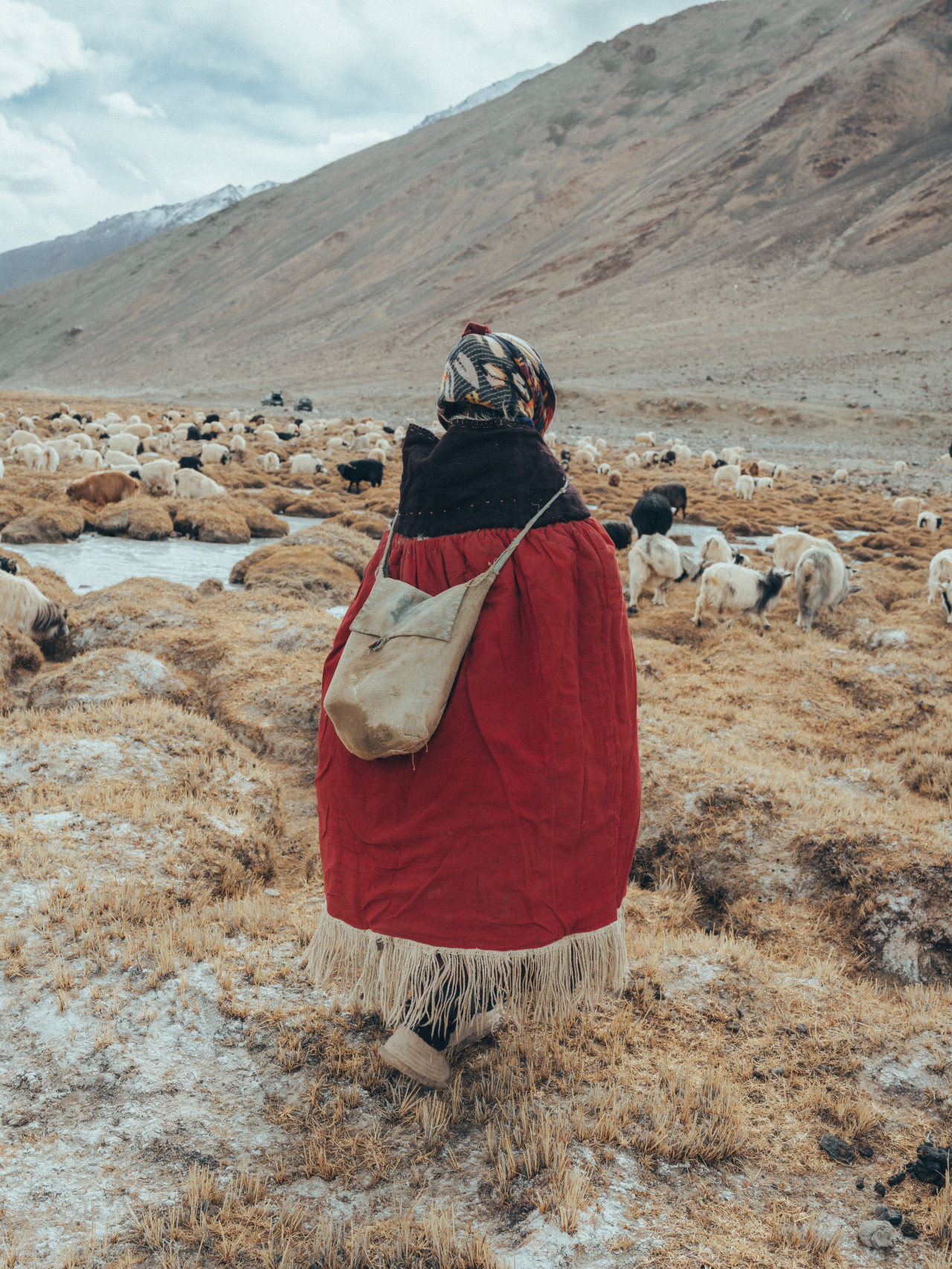
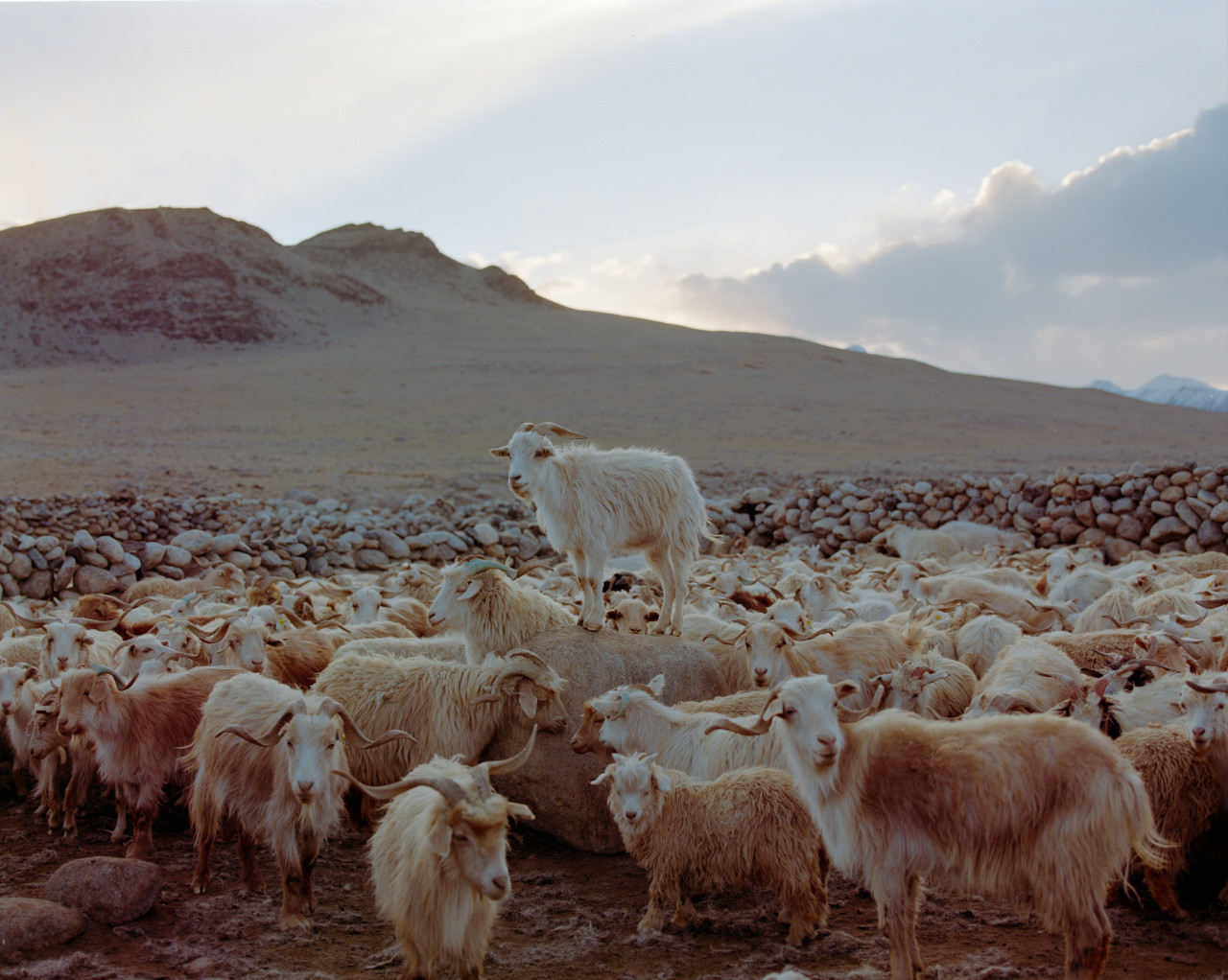
Textile Exchange’s Fashion Regenerated competition, in partnership with Atmos, explores this concept through visual storytelling, highlighting the many ways regeneration can take shape. French photographer Claudia Revidat documents the human and environmental toll of fashion’s waste at Delhi’s Ghazipur landfill, where women recover discarded textiles and other materials. Moldovan-born visual storyteller Elena Siretanu travels to the Himalayan village of Naggar to follow the women of Kullvi Whims, a community-rooted enterprise rebuilding a local textile economy around traditional wool-working skills. Photographer and filmmaker Wasim Malik, who is from Ladakh, captures the spirit of Changthang, showcasing the Changpa nomads, whose generations-old pastoral practices and close relationship with their Pashmina goats connect fiber production to the landscape.
“I believe photography has the power not only to bear witness, but also to create empathy and encourage new ways of seeing,” said first-place winner Claudia Revidat.
For the competition, photographers spanning the globe were implored to return to where garments begin and where they end, documenting what is possible and what is already underway in the regenerative fashion space.
The winning projects by Revidat, runner-up Siretanu, and runner-up Malik offer visual evidence not only of the challenges and possibilities of fashion regeneration, but also of the ecosystems, material systems, and communities behind the clothes and textiles we use. Together, their work asks us to look beyond the finished garment and consider the people, places, and processes that shape its life.
“These women are not defined by the waste around them, but by their ability to find dignity, purpose, and value where the rest of the world sees only abandonment.”
—Claudia Revidat, French photographer and film director
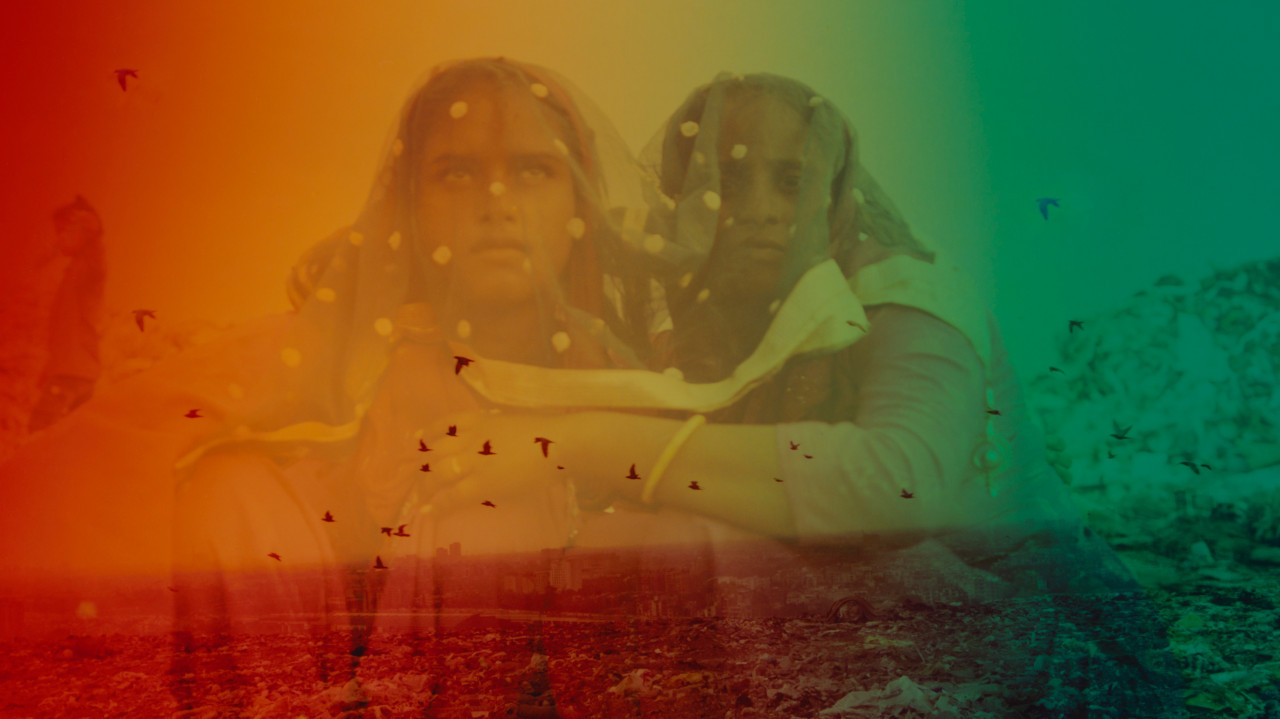
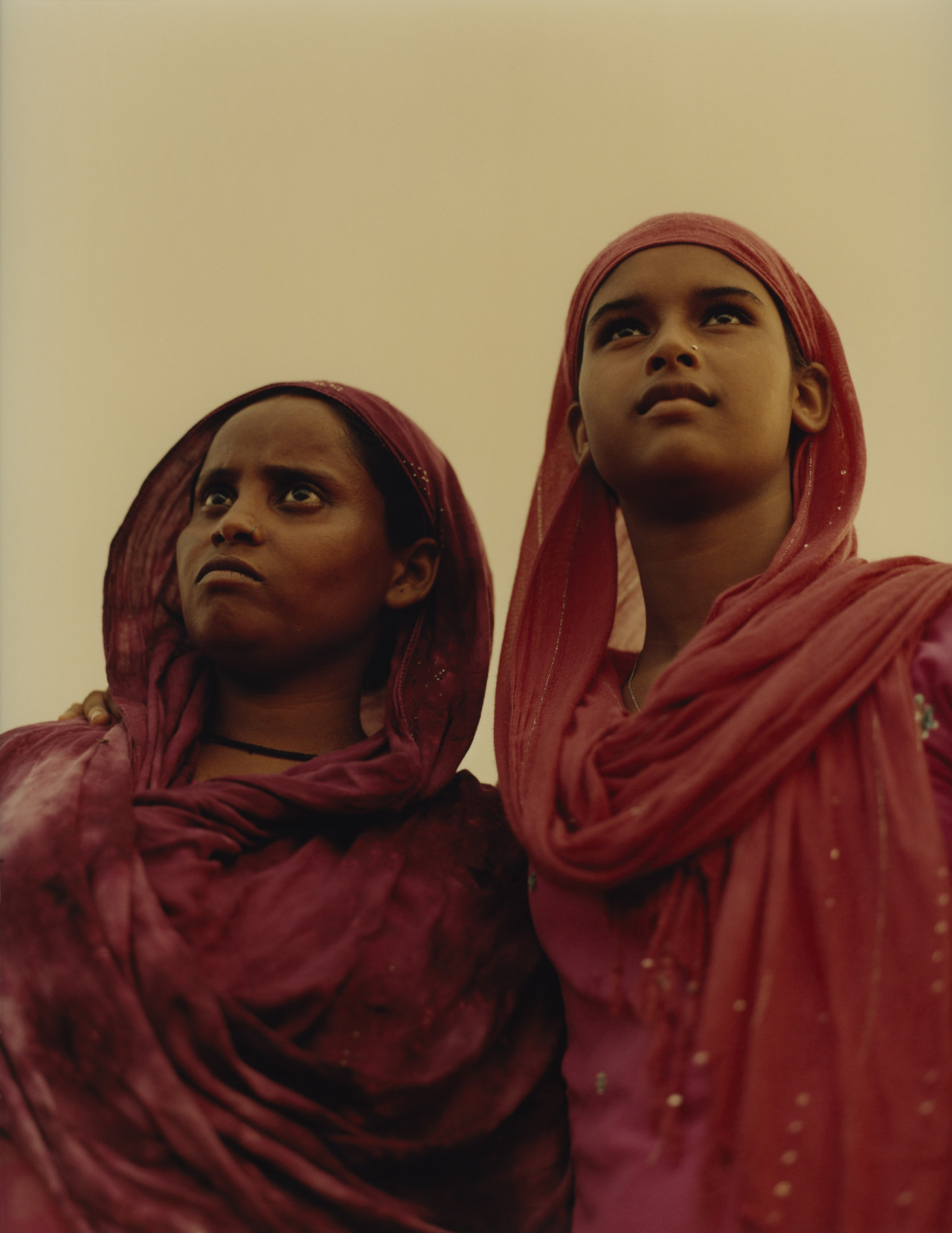
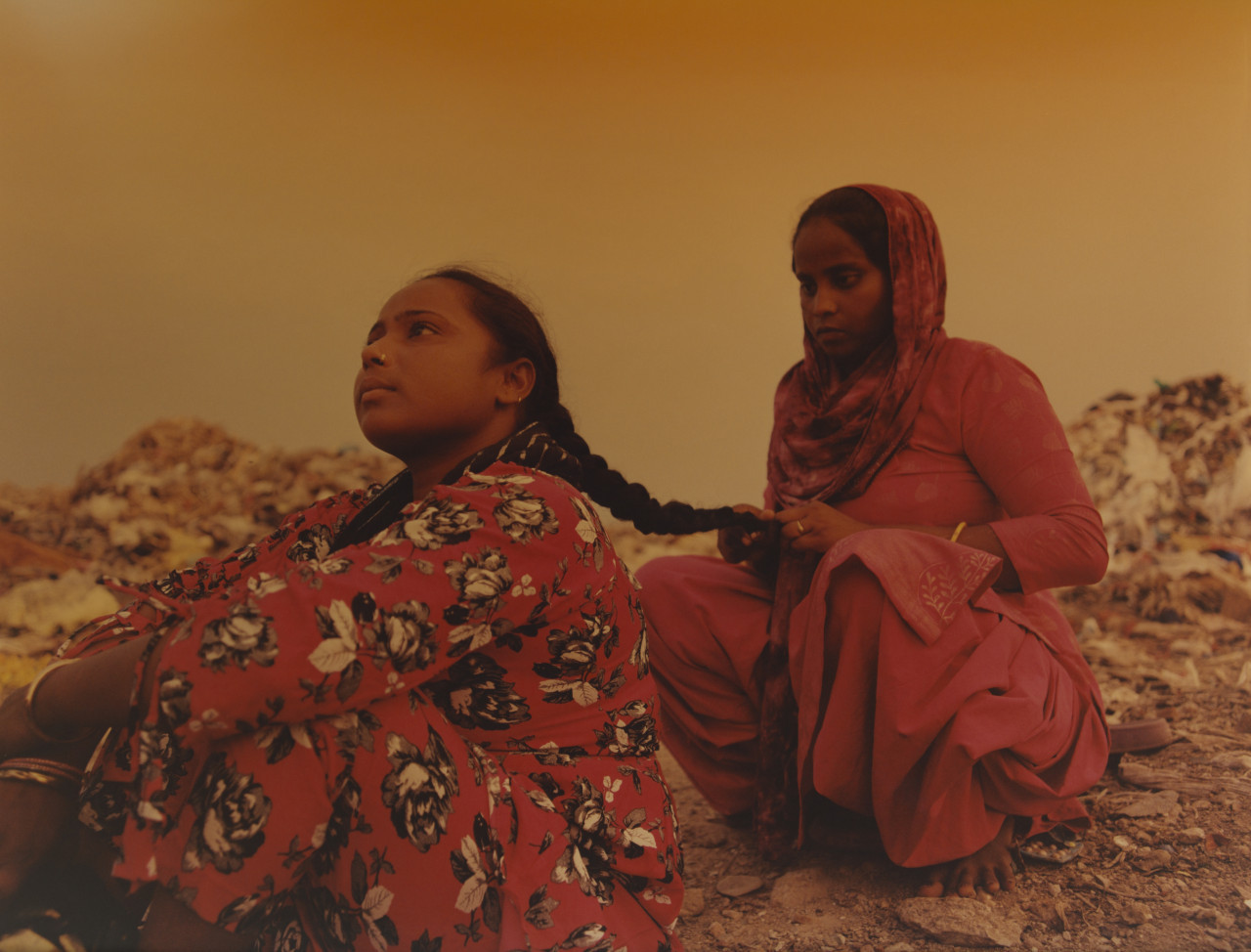
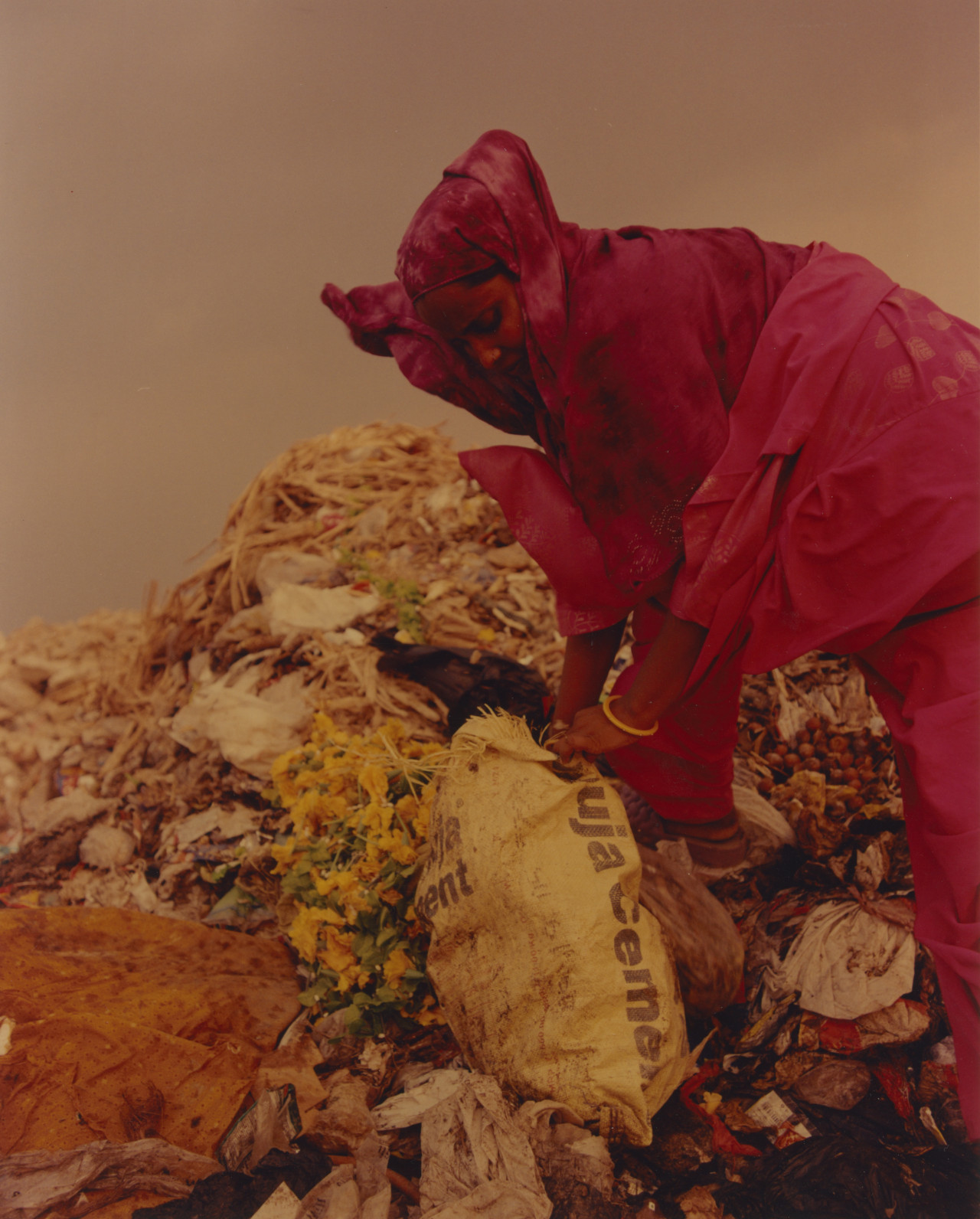
In her first-place project, Revidat documents the outskirts of Delhi, where the open-air landfill Ghazipur rises more than 330 feet into the sky. Among mountains of plastic waste lie the forgotten remnants of our global consumption: countless discarded garments and textile fibers. Here, women work amid suffocating heat, toxic fumes, and fires fueled by methane trapped beneath the waste, sorting through heaps of discarded materials in search of plastic, textiles, and anything else that can be salvaged.
Their labor keeps valuable materials in circulation, but it unfolds within a system that comes at an enormous environmental and human cost. Toxic leachate seeps into the soil and groundwater, methane fires send hazardous smoke into the atmosphere, and fine particles compromise the air breathed by nearby communities. The women who recover what others have thrown away are left to face the consequences of a culture of consumption they work against each day.
Rather than offering Ghazipur as an example of regeneration, this project confronts the very conditions that make it necessary. Revidat asks us to consider what happens to the materials we discard and the people who live among them, revealing the lasting consequences of an economy built around producing, consuming, and throwing away. After reflection comes a deeper understanding of regeneration—one that includes restoring landscapes, protecting communities, and recognizing the invisible labor of those who extend the life of what we choose to throw away.
“This story changed the way I understood regeneration. I came to see it not as a single environmental intervention, but as the rebuilding of relationships between people, materials, place, and economic life.”
—Elena Siretanu, Moldovan-born visual storyteller and documentary photographer
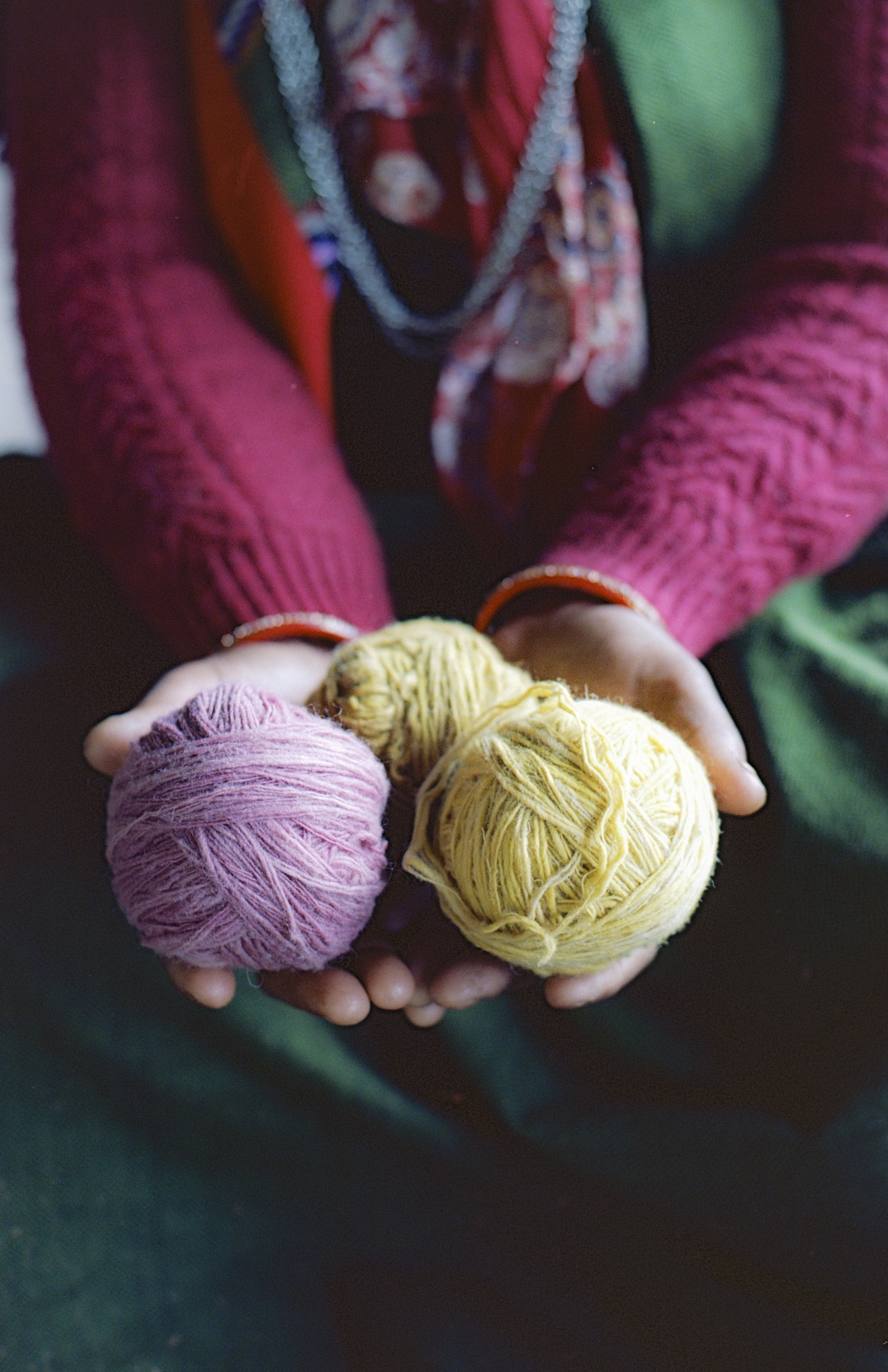
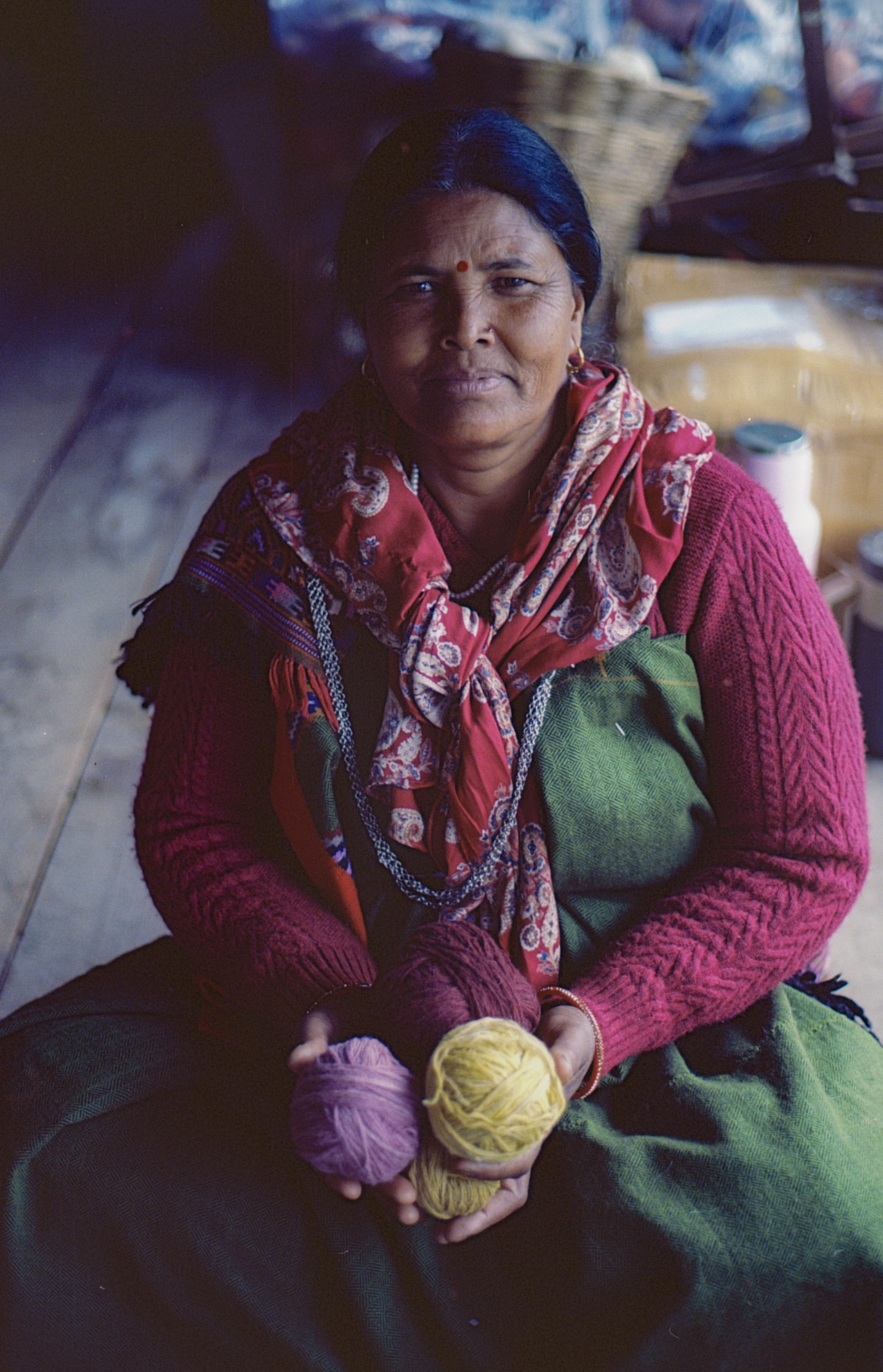
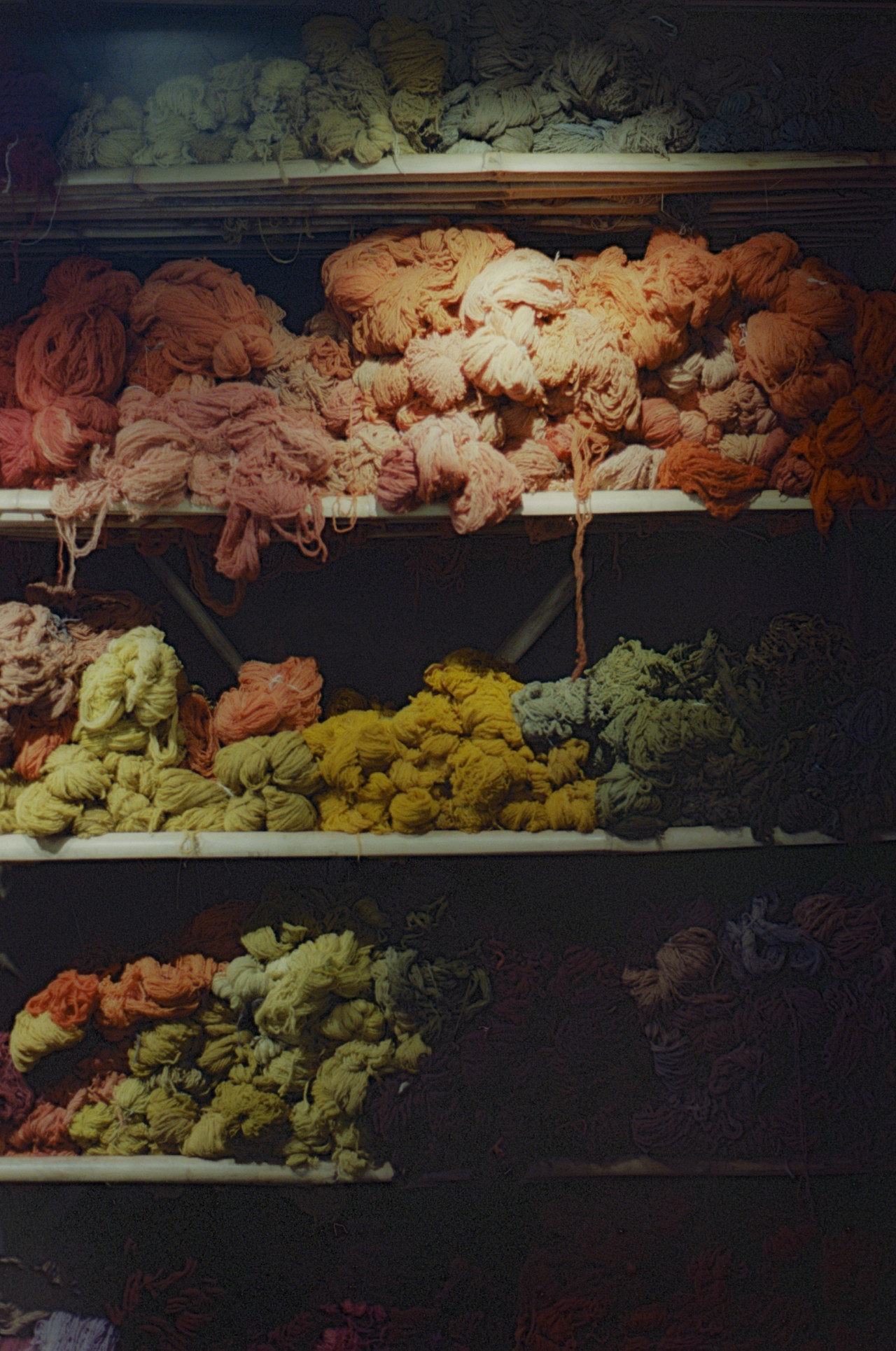
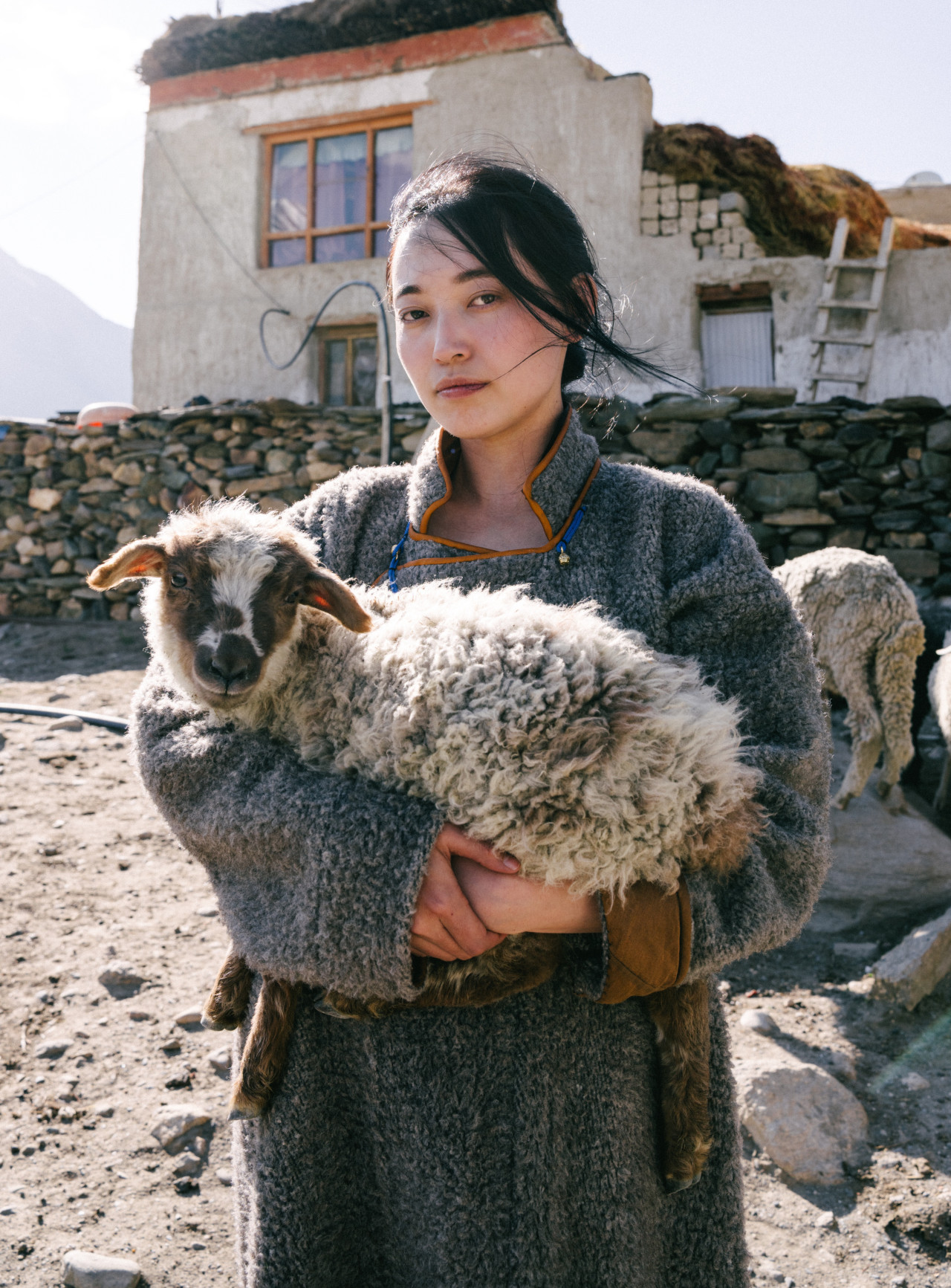
The Threads That Hold the Mountains by Elena Siretanu is a photographic project that follows the women of Kullvi Whims. What began with a single sewing machine and a small group of women in the Himalayan village of Naggar has now become a community-rooted social enterprise, with a wide network of artisans handling the washing, drying, spinning, dyeing, knitting, weaving and sewing of wool. Women from the surrounding community can now earn their own income, strengthen their independence, and give renewed economic relevance to skills long practiced within their homes and families.
For this project, Siretanu spent several days with the women, observing and photographing the material journey from raw Himalayan wool to finished textile. The images, she says, follow the patient tactile stages of production: handling and preparing the fiber, spinning it into yarn, creating color from plants, working at the loom, knitting, sewing, and sharing knowledge across generations.
Regeneration, in this story, is not a single technique or a finished result. Rather, it is the gradual repair of relationships—between fiber and landscape, craft and livelihood, inherited knowledge and contemporary markets. The women leading this work are rebuilding a local textile chain around materials and skills that already belong to the region. As a result, they are not presented simply as beneficiaries of an initiative, but as skilled producers whose largely unseen knowledge is recognized as expertise.
“I hope my work encourages viewers to pause, connect with the subject, and appreciate the stories held within ordinary and extraordinary moments.”
—Wasim Malik, Ladakhi photographer and filmmaker
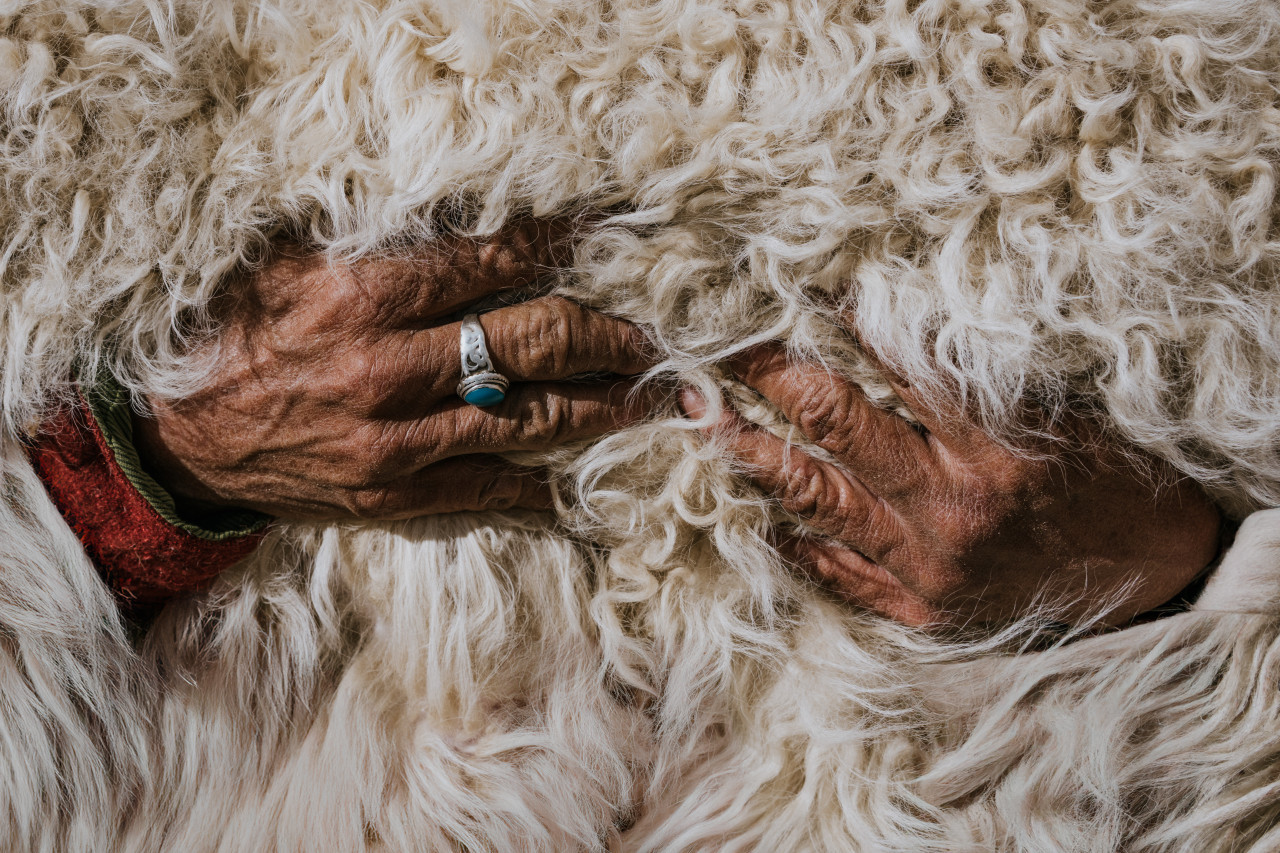
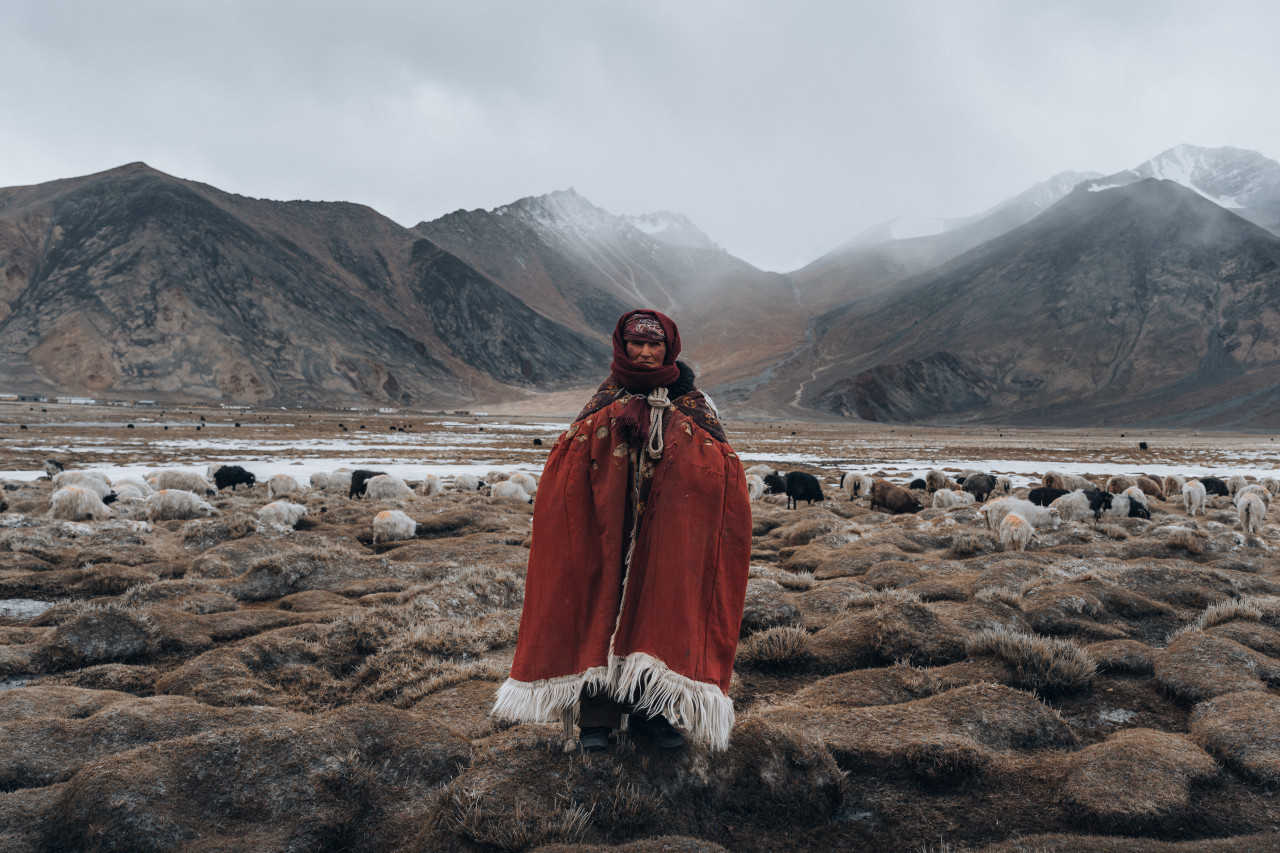
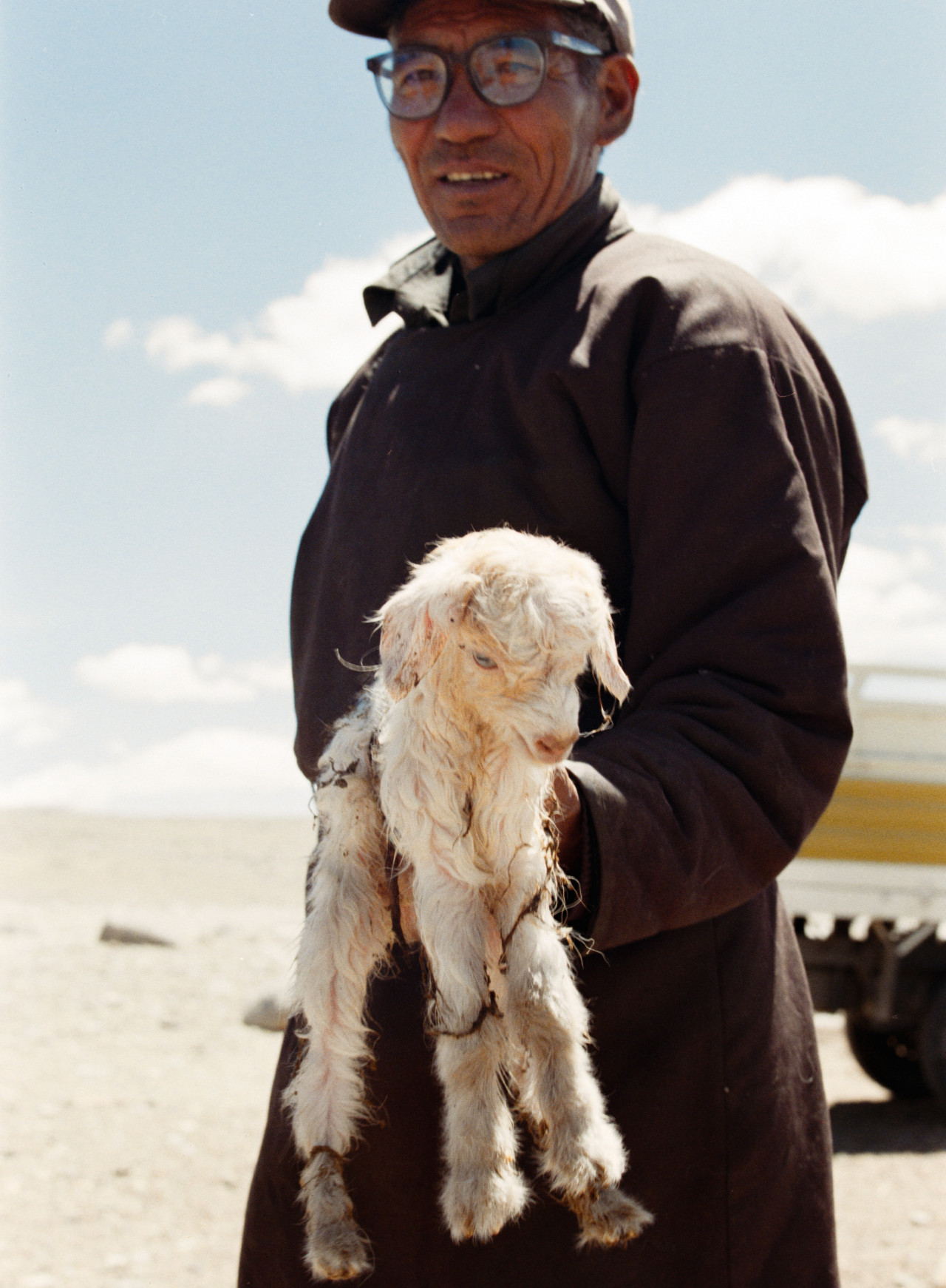
In Changthang, Ladakh, runner-up Wasim Malik displays the lives of the Changpa, a nomadic pastoral community living on the high-altitude Himalayan plateau. The photographs follow the rhythms of herding, from guiding flocks across snow-covered grasslands to tending newborn goats and gathering livestock at the end of the day. The Changpa maintain a longstanding relationship with the land and the animals that sustain their livelihoods.
This project reveals regeneration at its source: the landscapes and living beings our textiles and clothes often come from. By witnessing the community’s traditional textile practices, we can trace the journey of materials such as pashmina from the fine undercoat of Changthangi goats to the handmade fabrics produced through generations of knowledge and craftsmanship. Images of women weaving on handlooms, hands preparing raw wool, and the tools used to process the fiber show the labor and care behind these traditions. Together, the photographs offer a glimpse into a way of life sustained by seasonal migration, close ties to livestock, and cultural practices passed down over time.
Textile Exchange is a nonprofit supporting the fashion, apparel, and textile industries in sourcing raw materials and fibers from preferred production systems.
Join our membership community. Support our work, receive a complimentary subscription to Atmos Magazine, and more.
Meet the Winners of Textile Exchange’s ‘Fashion Regenerated’ Photography Competition