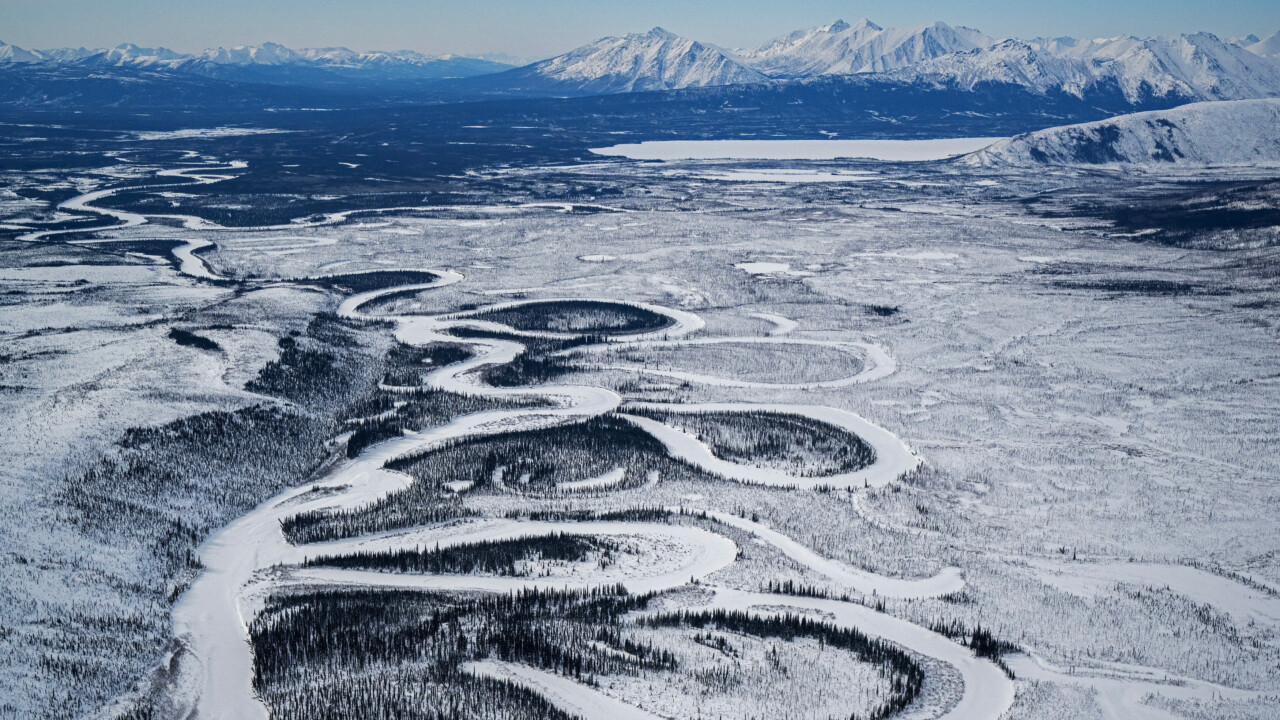
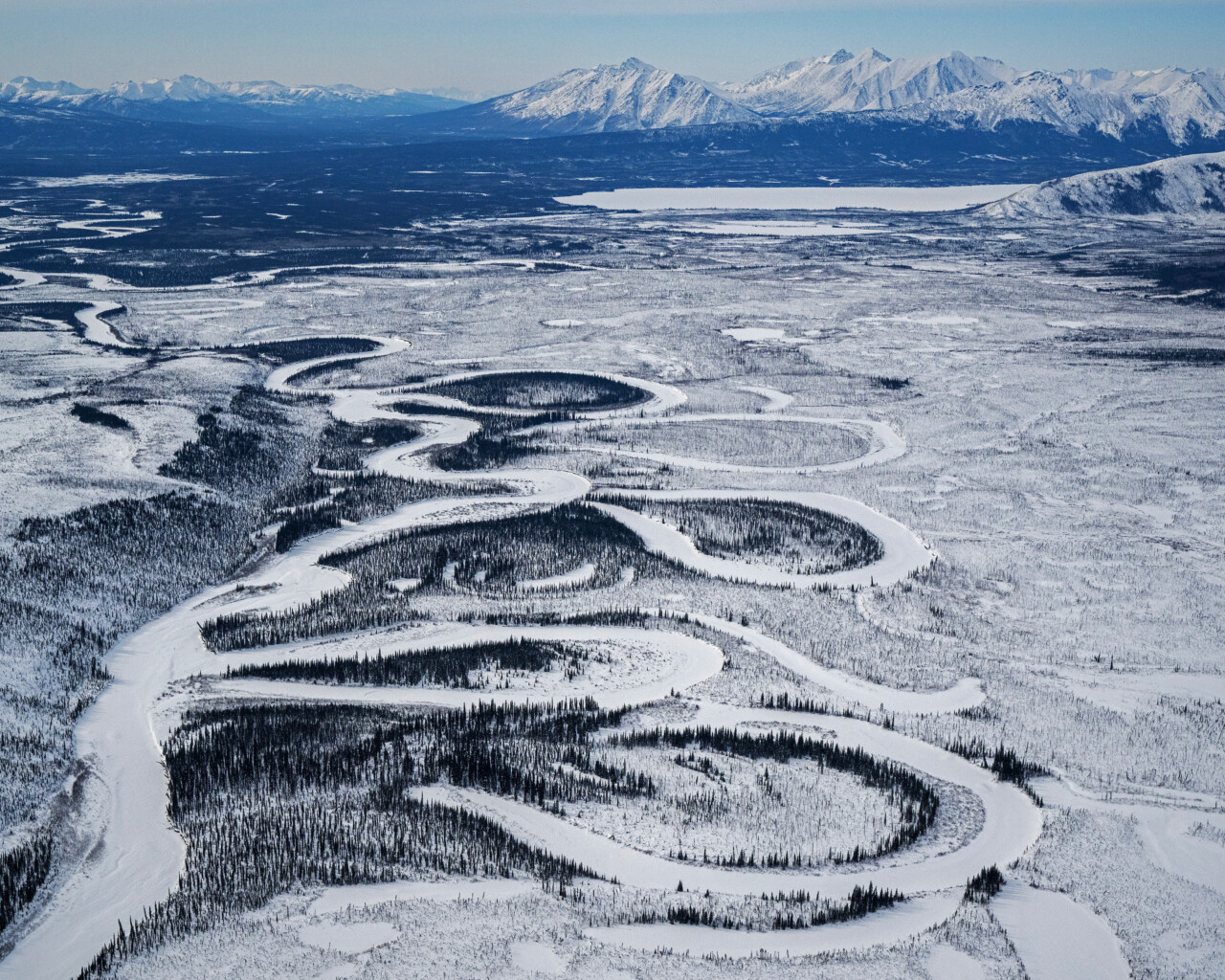
The Malamute Fork of the Alatna River is typical of the wild rivers the Ambler Road would slice through. The 211-mile industrial haul road would cut across the headwaters of 11 major rivers with some 48 bridges and 3,000 culverts.
Words by Lynda V. Mapes
photographs by Amy Gulick
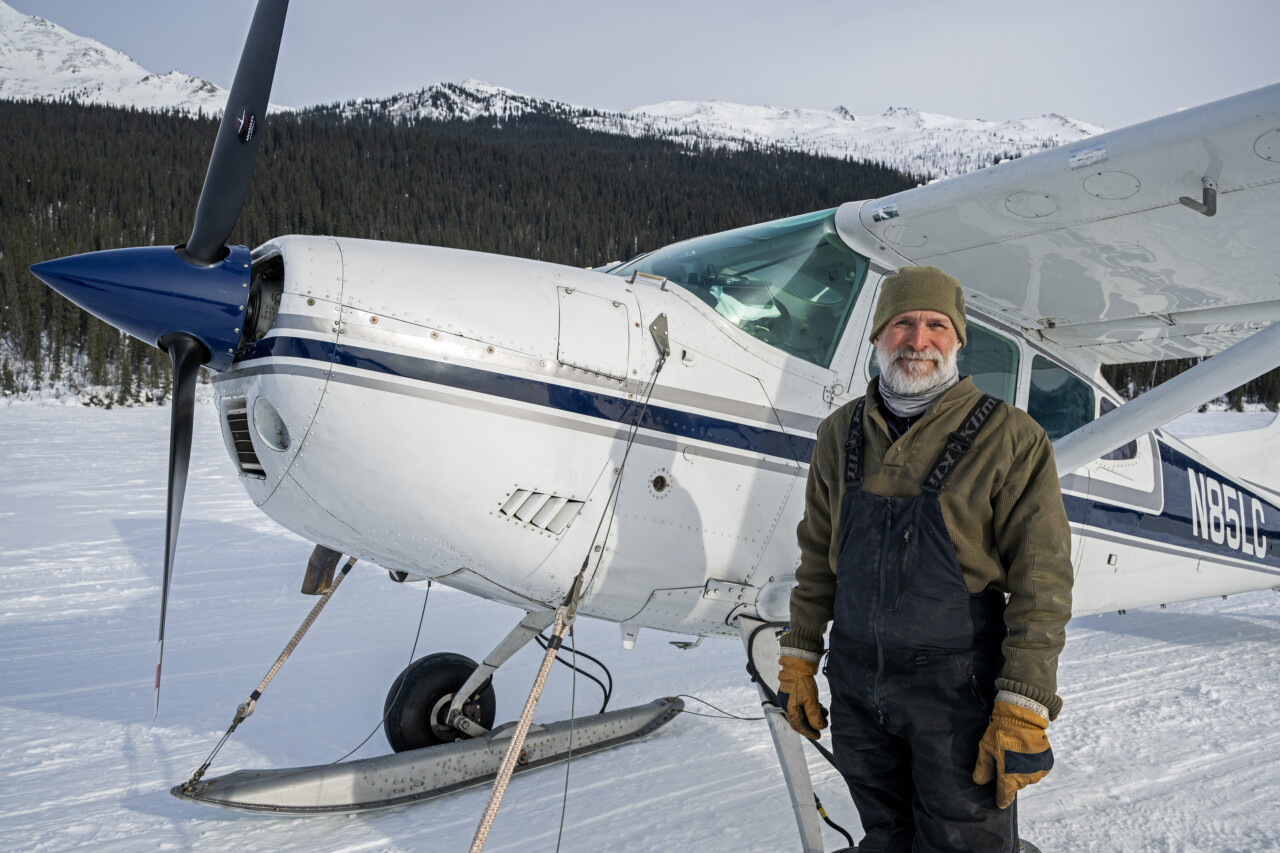
From the windows of our bush plane, there is not a straight line in sight. Rivers, never dammed or straightened, twine through remote mountain passes. There are moose down there. Wolverines. Wolves. And the birthplaces of salmon, their eggs waiting to hatch in spring. This is America’s Arctic in Alaska, still wild and largely intact.
But a road changes everything.
The Ambler Road Project, proposed by an Alaskan state development agency and backed by the Trump administration, would create a 211-mile-long industrial haul road across the headwaters of 11 major rivers, with some 48 bridges and 3,000 culverts. It would cross 26 miles of one of the nation’s largest national parks and some of its most important caribou migration routes, opening access to mining claims for copper, silver, gold, lead, zinc, and other minerals in the remote Brooks Range.
The project has national and international implications. Building the road and transporting ore by truck and ship would bring new emissions and industrial activity into one of the largest intact landscapes on Earth. It has also become a test of the country’s ability to balance tribal sovereignty, environmental protection, and subsistence lifeways against a push to accelerate critical-mineral development in the name of energy security.
President Donald Trump has called the road a priority in his effort to “unlock Alaska’s mineral potential.” The federal government has also committed nearly $36 million for a 10% stake in Trilogy Metals, a Canadian company seeking access to mining claims through a joint venture with Australia’s South32 Limited.
Environmental groups have sued the Trump administration over its decision to reissue permits for the road, which was rejected under the Biden administration. They have also objected to the federal government simultaneously holding a stake in Trilogy and overseeing environmental permits connected to its projects. “These permits are not just unlawful; they reveal decision-making that smacks of conflicts of interest and risks taxpayer money on a speculative investment,” said Aaron Mintzes, deputy policy director with Earthworks, one of the plaintiffs in the suit.
The federal investment more than tripled Trilogy’s stock price overnight. But Alaskans—especially Alaska Native communities that depend on the land—say they would bear the risks: pollution, threats to their food sources, and lasting consequences for future generations if the road and the mining it is meant to enable go forward. At least 88 federally recognized tribes have passed resolutions opposing the project.
For thousands of years, the relative isolation of communities around the Brooks Range has helped protect their animals, their waterways, and their culture. The road and the mines it could serve put that at risk.
“This has been discussed as a road to a mine, but it is so much more—really it is the transformation of an entire region. You are opening a wild country, roadless and remote forever. And once it starts, it will never stop,” said our pilot, Dirk Nickisch, as he banked the plane north across the Alatna River.
He cut the speed and dropped the plane onto frozen Lake Iniakuk. I tumbled out, clumsy in layers of coats and boots against the 24-below-zero cold. Around us stretched a silent snow-swept Arctic landscape. The haul road would pass just a few miles away.
John Gaedeke’s parents built a log cabin on Lake Iniakuk while on their honeymoon, 60 miles north of the Arctic Circle. Today, Gaedeke and his partner run the cabin as a seasonal, fly-in-only lodge, far off the grid.
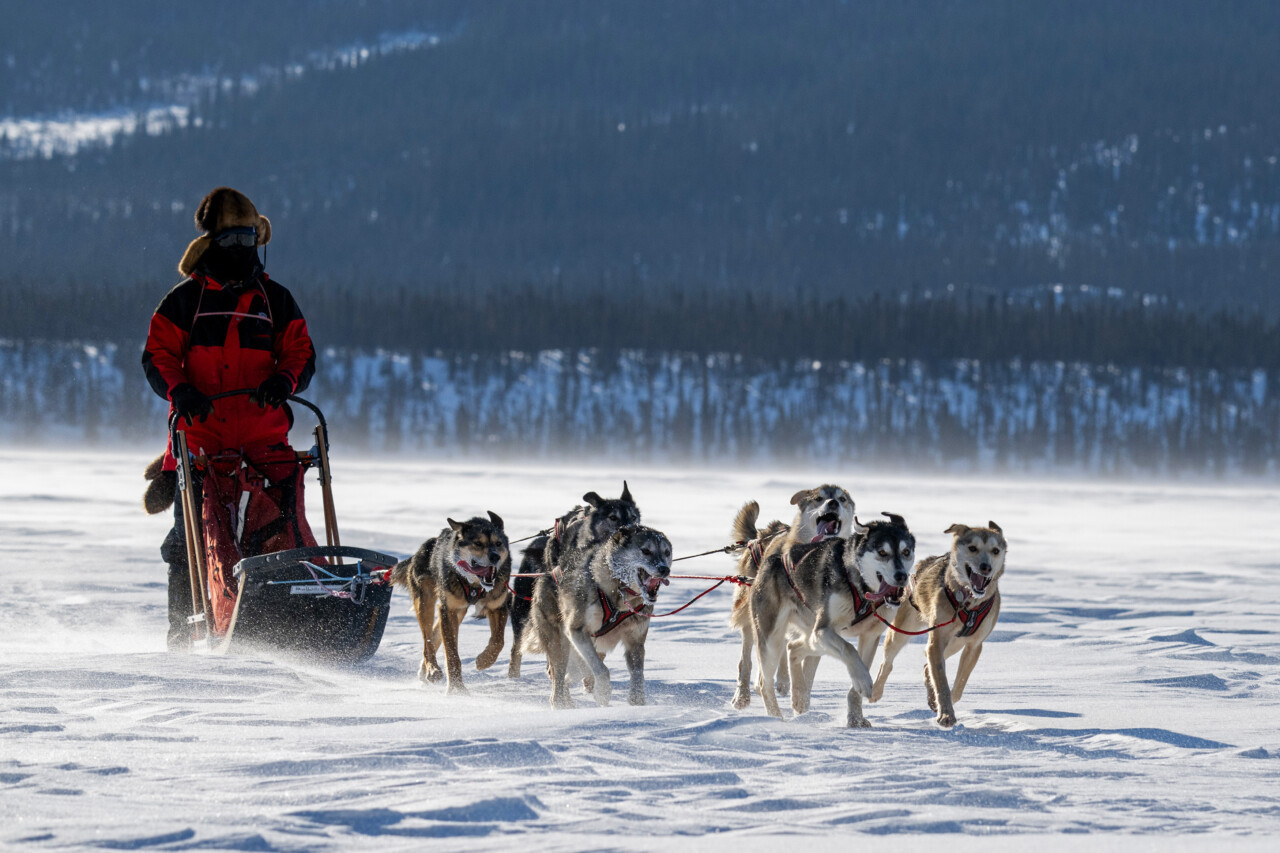
With temperatures still in the negative 20s, we headed into the bright day, snow smoking over the frozen lake. Gaedeke threw a cup of hot water from my thermos into the air. It instantly plumed into steam. We planned to travel by dog sled toward the route of the proposed haul road. The sled dogs barked with mad glee from atop their dog house as we approached, as if to say, “Pick me! Pick me!” Within minutes, musher Jonah Bacon had a team harnessed for each of us, and with a start we were off.
Sparkling spindrift sifted from dark spruce rising to sharp alpine points against the cobalt sky. The shush-shush of the sled runners, the panting dogs, and the ravens’ commentary on my amateur dog-sledding were the only sounds. John pointed past a curve of trees toward the Alatna River. “There,” he said. “It would be right there.”
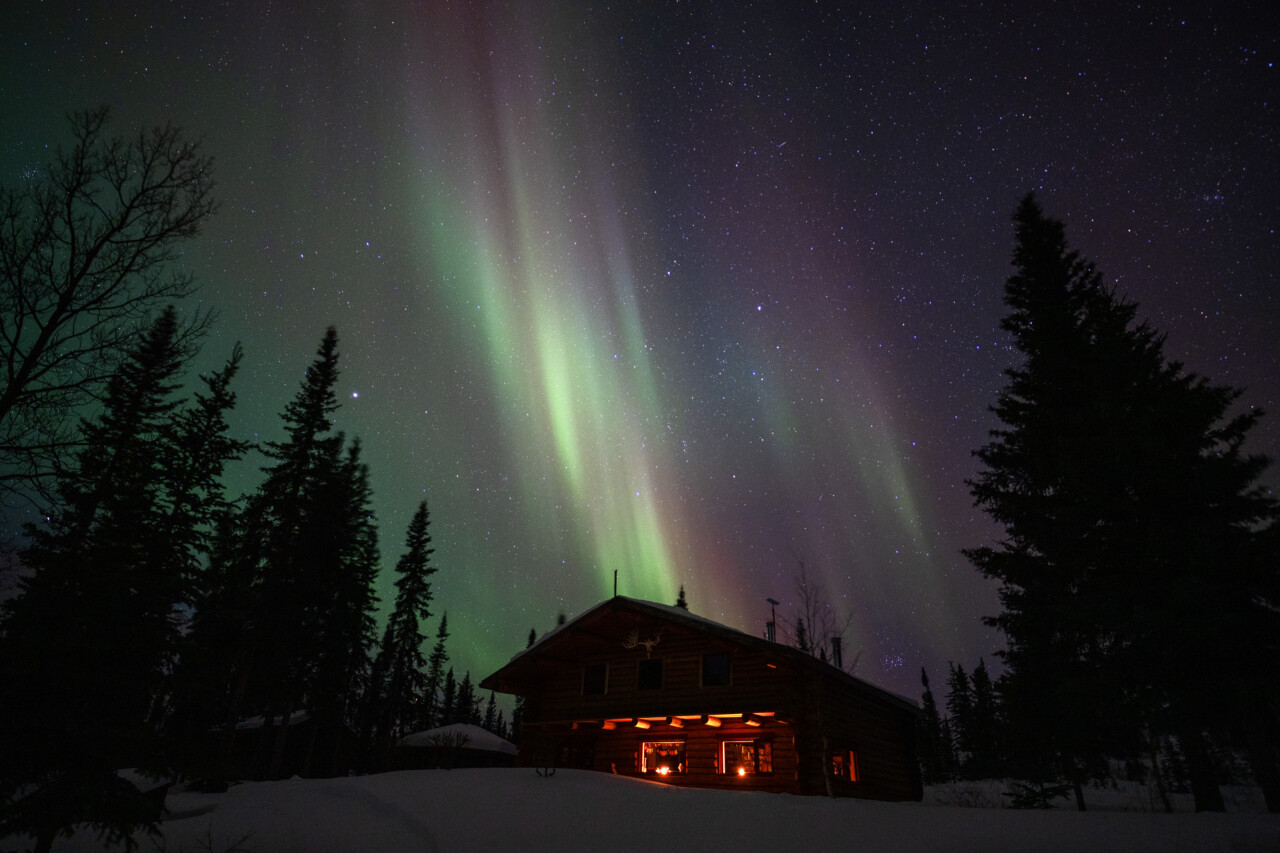
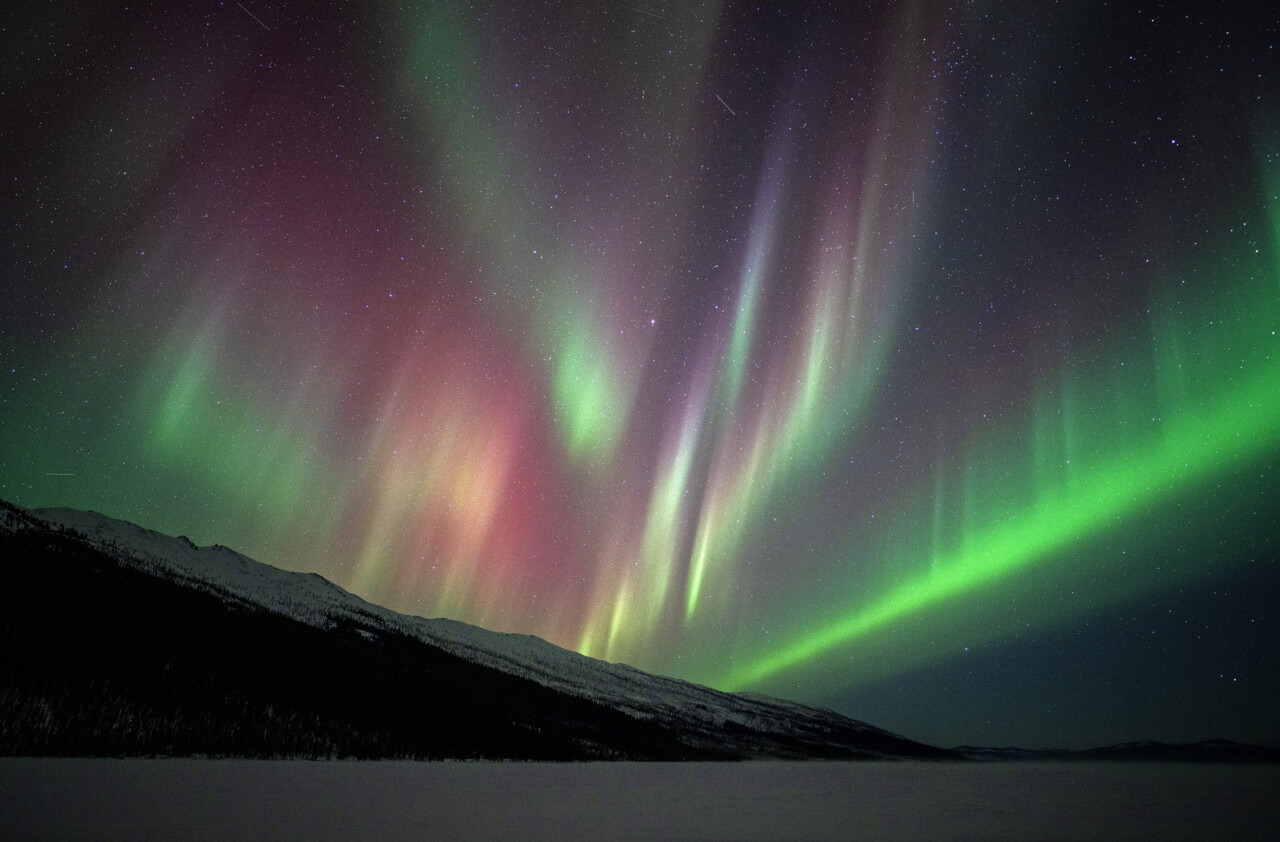
That night, the aurora borealis wheeled violet and green across a velvety black sky burning with stars. People come from all over the world to see the natural wonder of the Northern Lights in roadless places like this, Gaedeke said, where true darkness still exists. As for the people who live here, frozen rivers and temporary ice roads are often the only roads they want.
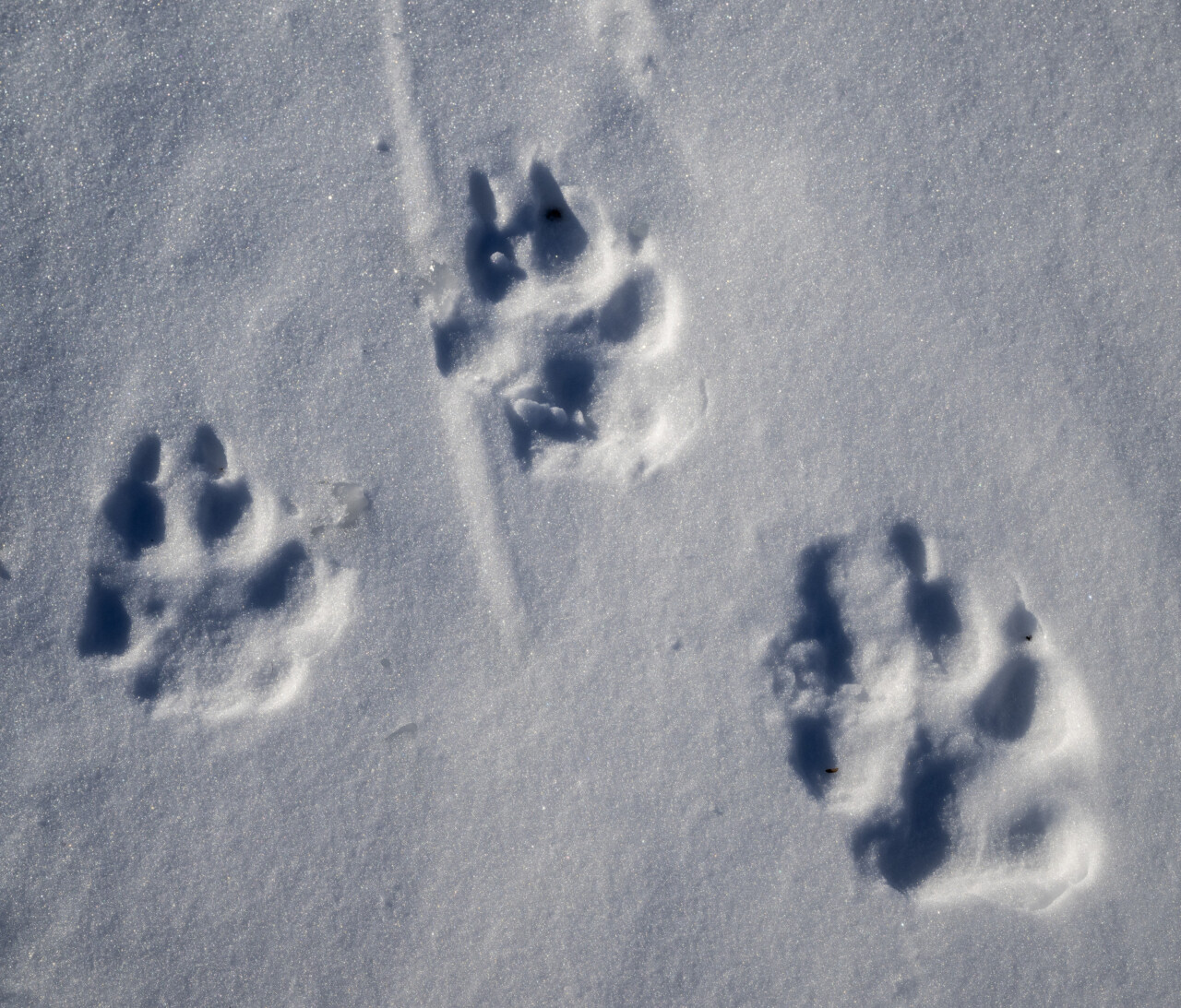
Tommy Shanahan, second chief for the federally recognized tribe of Evansville Village, bent low over the semi-truck’s massive tires, tightening chains fitted with cleats sharp as a wolf’s fang. Second chief of the Evansville tribal community, Shanahan spent much of his career as a long-haul trucker on the Dalton Highway. But this project is a different kind of road.
Each winter, Shanahan and Evansville ice road master Alan Manns use a bulldozer to pack down snow and fill stream crossings, creating a 26-mile seasonal route from Evansville to the Dalton Highway. Manns constantly patches and tends the road, which remains open for only two or three months. It is the community’s sole road connection to the outside world—and its only practical way to bring in loads too large to arrive by plane.
On a morning in March, Shanahan hauled 60,000 pounds of cement for a new building for the community. He traveled back and forth on the ice road most winter days, hauling whatever the tribe might need for the year before the coming spring sun made the road impassable. Overnight temperatures during colder months freeze the road nearly as hard as pavement, so by morning it can carry even the heaviest loads. For Shanahan and many others in Evansville, it is the only kind of road they want. But the community—one of the smallest tribes in Alaska, with about 243 members—is now confronting some of the world’s largest mining companies, along with the federal government, over a project they fear could permanently alter the land and waters they depend on.
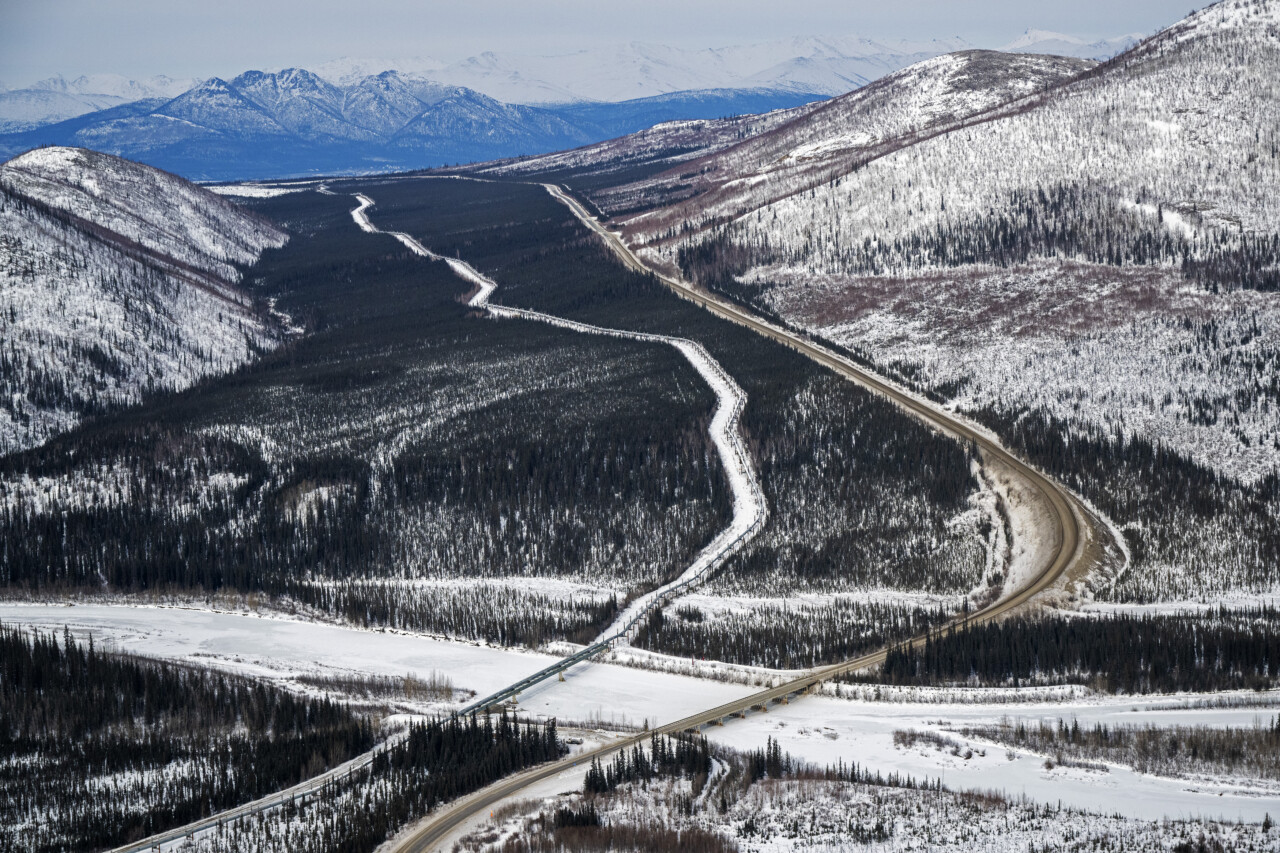
Shanahan is skeptical of assurances that the Ambler Road would remain closed to the public. He heard the same promise about the Dalton Highway, which was built to reach the oil fields at Prudhoe Bay and eventually opened to public traffic, bringing outsiders—including poachers—into previously hard-to-reach country.
And after years driving the Dalton, he is equally skeptical of assurances that spills and crashes can be contained. “All we need is one catastrophe,” said Shanahan, the semi purring in the background as the Arctic sunrise ripened to an apricot glow. “I ran wreckers for quite a few years up on the Dalton; I’ve seen fuel tankers upside down, I’ve seen what happens when it all goes south. What a mess.”
He added: “All it takes is one wheel off the road and you got a tanker in the river. And when that fuel hits that water, there is no containing it.”
“This has been discussed as a road to a mine, but it is so much more—really it is the transformation of an entire region. You are opening a wild country, roadless and remote forever. And once it starts, it will never stop.”
At the heart of much of the Native opposition to the Ambler Road is food.
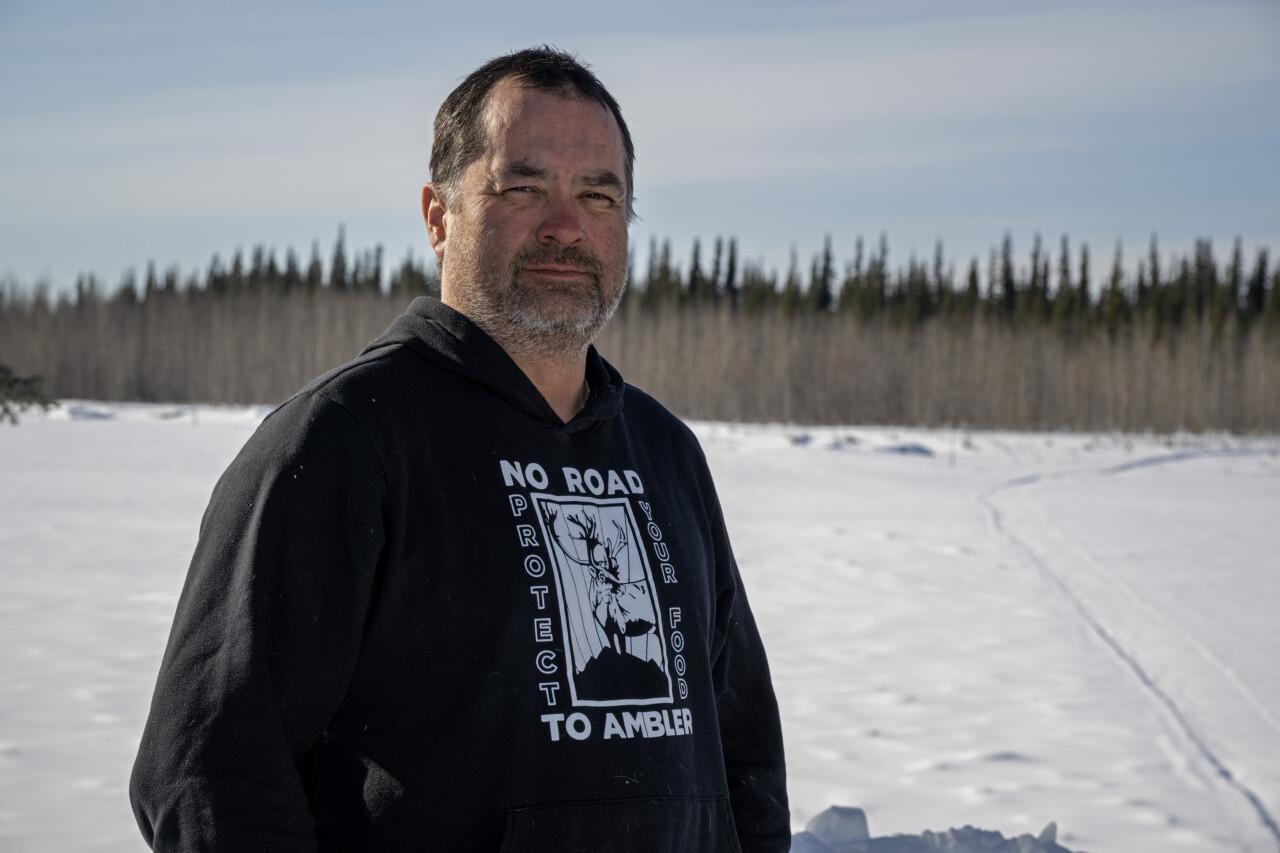
Frank Thompson, first chief of the Evansville Tribal Council, received nearly unanimous support for a strongly-worded resolution against the road at a regional chiefs’ conference last March. “These are our homes and our villages, that is what we should be protecting,” Thompson said at the gathering. “I am not trying to take jobs away but there are other ways we have to be thinking of versus tearing up our land.”
He also questioned who would ultimately benefit from the development. Among the companies involved is South32 Limited, a global mining company facing a class-action lawsuit in Africa brought by the Southern African Catholic Bishops Conference on behalf of miners with black lung disease. “Who are we doing business with,” Thompson said. “And if it is going to be mined, American boys and girls should be mining it, not foreign companies taking the money and the ore someplace else, and what are we left with. Trashed land. Maybe some jobs for a little while.”
On September 18, the United States Army Corps of Engineers announced that it was fast-tracking the environmental review of the first mine proposed in the district that the Ambler Road would serve. Ambler Metals, the partnership formed by Trilogy and South32, has proposed an open-pit mine spanning 1,727 acres and filling 121 acres of wetlands, ponds, and streams. Copper, zinc, and lead concentrates would be trucked along the Ambler Road to Alaska’s coast, then shipped elsewhere for smelting.
The public had until November 2 to comment on the proposal, which would include an open pit mine, ore-processing facilities, waste rock and tailings infrastructure, roads, and airstrips. And it could be only the first of several mines eventually served by the haul road.
The threat is much bigger than a single road, according to Thompson. “Imagine a rust belt, from Chicago to Columbus, Ohio,” he said. “This would be industrialization of the Brook’s Range,” which is one of the country’s last great intact landscapes, stewarded and relied upon by Native communities for countless generations.
Thompson is already watching the landscape change under climate change. Permafrost is melting, releasing metals that have turned some Arctic streambeds orange. Salmon runs have declined. Caribou that once appeared just across the river from the village are now rarely seen there. More winter precipitation is falling as rain rather than snow, Thompson said. When it freezes, ice can prevent caribou from pawing through to reach the lichen they need for winter food. “And the ice cuts into their legs and affects their movement,” Thompson said.
Evansville would be among the communities most affected if the road is built and mining expands, Thompson said. “It is going to be tough to see this whole area mined up under the assumption of critical minerals: ‘We need it for national security,’” he said. “Well, there are other places. We don’t want to wish a mine like that on anybody, but there are other areas that cause a lot less harm and impact to the environment.”
Then he put the stakes in simpler terms, saying. “I get 90% of what I eat from the land.” Many people in the Native communities opposing the road do, too.
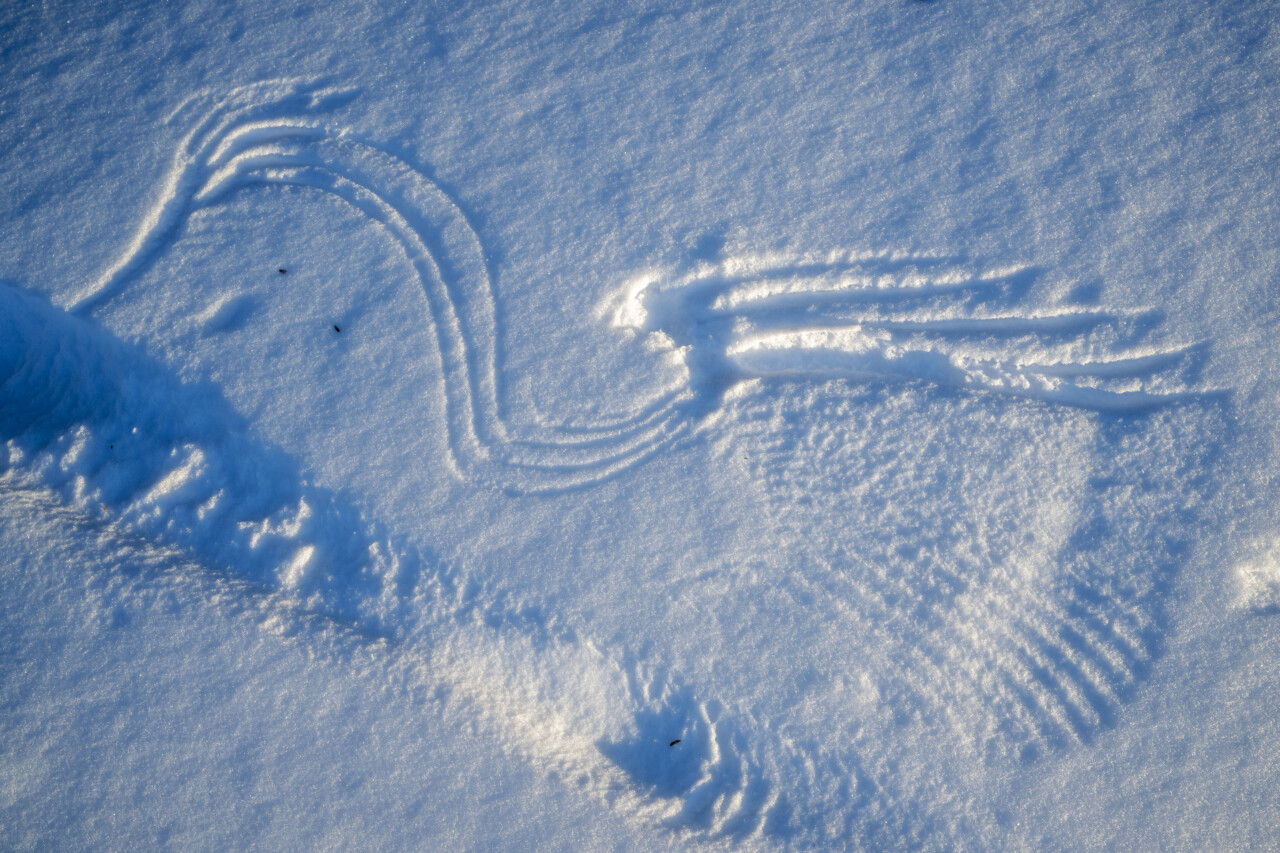
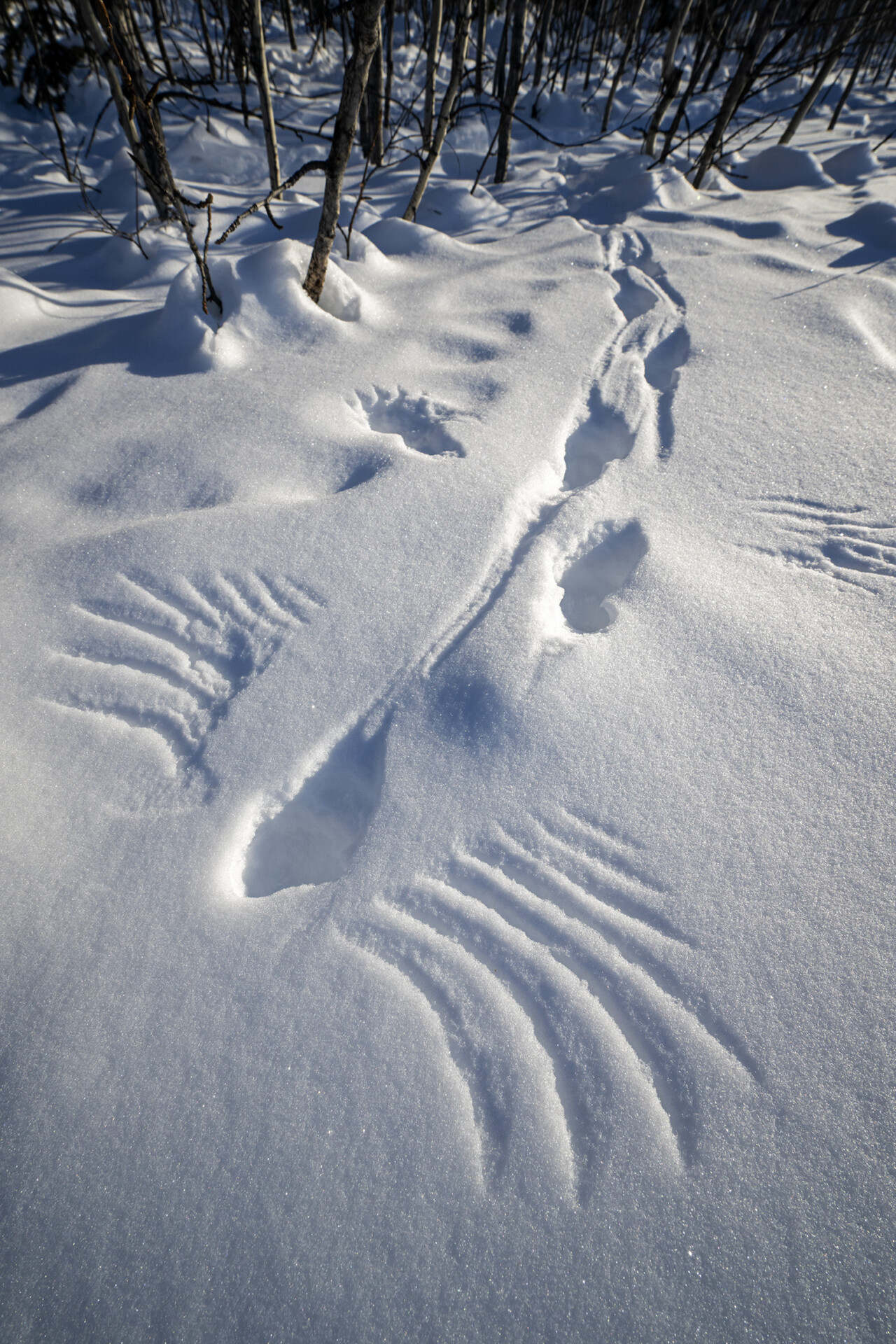
Later that week, Naomi Costello, a longtime Evansville tribal administrator and now Tribal Council secretary and treasurer, walked with me to the Koyukuk River, our boots squeaking against the dry snow. Ptarmigan wingbeats had left soft impressions beneath the spruce, whose long blue shadows stretched across the late-afternoon light. Costello settled onto a memorial bench for her parents beside the river. Nearby is her brother’s moose camp. Her ancestors have lived, hunted, and fished across this landscape for generations, and she wants her grandchildren—and their grandchildren—to know and love it as she has.
Costello is unconvinced that jobs from the road and mines would compensate for what might be lost. The Arctic environment is fragile, she said, and an east-west industrial road would cut across the region’s great north-south rivers like a knife slicing the fingers off a hand. She said she also often thinks about less tangible things: the quiet, the peace of this place, its continuance into another generation. “Why can’t they just leave this for the future?”
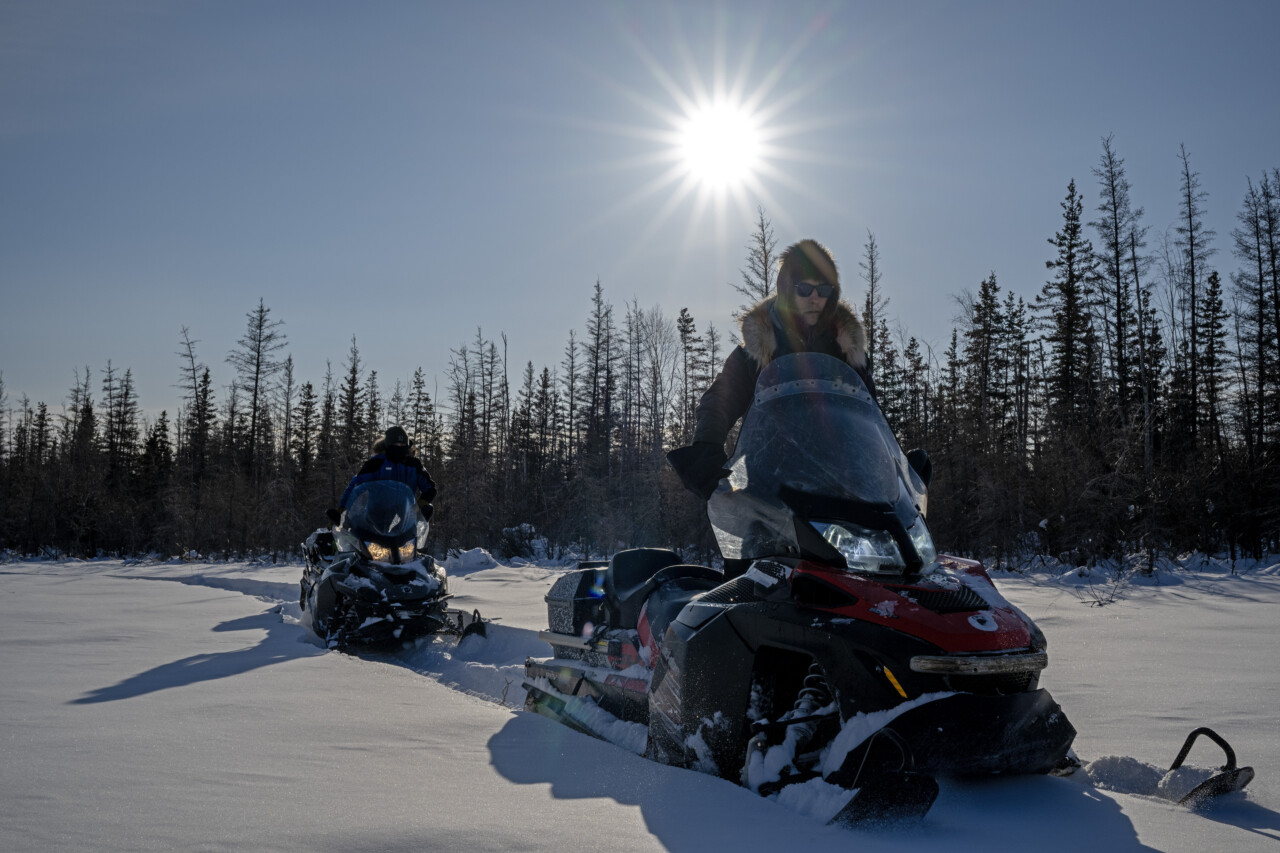
Mile after glittering mile, Ricko DeWilde speeds by snowmobile across 50 miles of frozen country outside Huslia, an Athabaskan village in the Alaskan interior.
He grew up in the bush here, one of 14 children raised in a cabin with no electricity or indoor plumbing. Their mattresses were canvas bags filled with moose hair. Water buckets froze overnight in a cabin insulated only by moss between logs. They ate what they could gather from the land. “We were hungry a lot,” DeWilde recalled.
Those hardships taught him how to survive—and to love a place that generations of Native people have tended like a garden. That stewardship may be invisible to outsiders, who see the abundance of game around Huslia as luck. DeWilde sees it differently: He credits generations of careful tending, particularly of the moose that feed so many in the community.
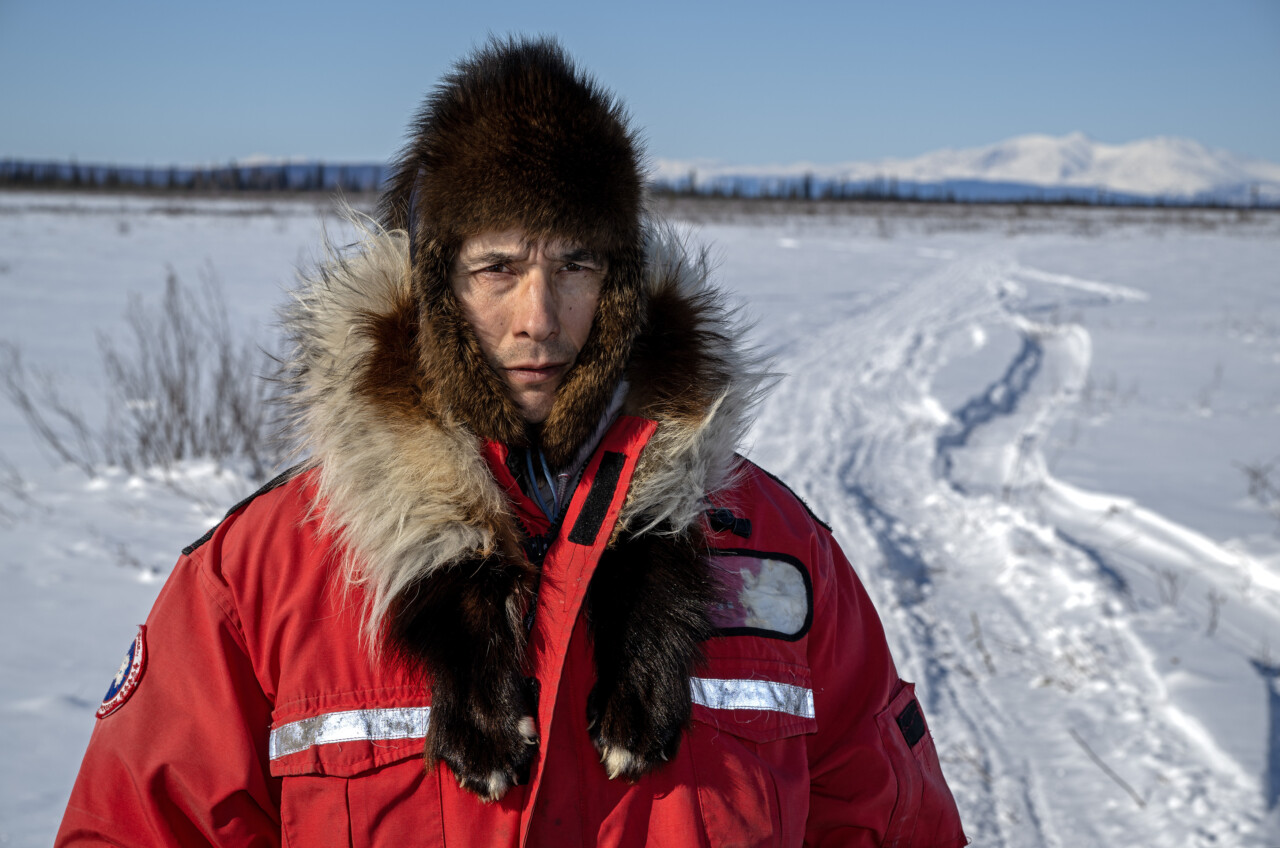
DeWilde slowed his snow machine beside a trap cabled to a tree. He was in luck. “Big Chief,” he said softly, lifting out a wolverine. Frozen solid, its tongue was white with frost. The animal’s rich brown-and-tan pelt could bring badly needed cash or become a prized gift at a potlatch; DeWilde had not yet decided. What he knew instinctively was that he would bring Big Chief—as the wolverine is known in his culture for its strength and prowess—home quickly, prepare its coat with respect, feed it ceremonially with a chunk of moose fat, and burn the body.
“The state our world is in, we don’t need another road, we don’t need another industrial development plan that is meant to benefit a few millionaires. If we could just safeguard at least a few of these places, stand strong in that, then maybe we have a chance in whatever our future holds.”
Knowing the seasons and rhythms of this landscape is second nature to DeWilde. His livelihood, and much of his sense of self, have come from this land. He has been fighting the Ambler Road since it was proposed during the first Trump administration. “We have a different way of understanding, way deeper understanding of our ecosystem, from bugs to bears,” DeWilde said. “That is why people like me are in fear of that road. Because we know what it jeopardizes, and we know how it disrupts the balance.”
Something larger is at stake, too, he said. “It’s a vast, untouched wilderness; that is the spirit of America right there.”
Jazmyn Vent, who was raised by her grandmother in Huslia, emphasized that Native communities on the front lines of this fight have something to teach a nation confronting both industrial development and climate change. The answer, she said, is to care for the intact landscapes that remain.
“It is very rare to find an intact ecosystem anywhere in the world now,” Vent said. “The state our world is in, we don’t need another road, we don’t need another industrial development plan that is meant to benefit a few millionaires … If we could just safeguard at least a few of these places, stand strong in that, then maybe we have a chance in whatever our future holds.”
Join our membership community. Support our work, receive a complimentary subscription to Atmos Magazine, and more.
Native Nations Fight the 211-Mile Road That Could Transform Alaska’s Arctic