Good Neighbors Edition 2, 09.24.26
The first thing I notice about Cameron, Louisiana, is that all the RV parks are full.
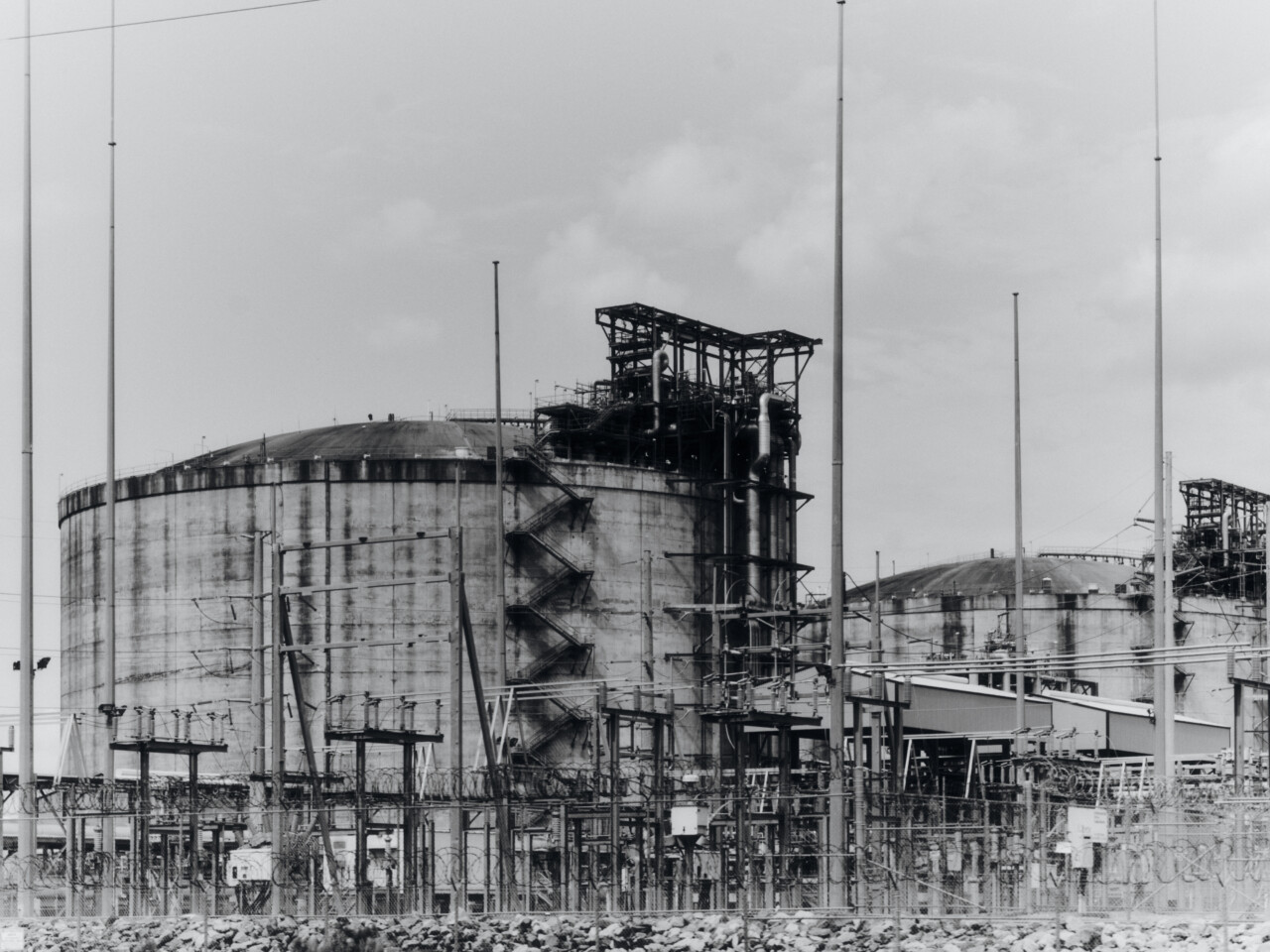
Venture Global, a Virginia-based liquefied natural gas developer valued at around $36 billion, broke ground on a new multi-phase LNG plant in Cameron in August of 2019. Today, the first part of the plant—Calcasieu Pass 1, or CP1—is fully operational, cooling methane to -260 degrees Fahrenheit and preparing it for transport through the TransCameron Pipeline, a subterranean straw 24 miles long and 42 inches in diameter that undercuts the Louisiana Gulf Coast. The construction of CP2 is currently underway.
To get through multiple construction phases, Venture Global needed thousands of temporary workers, which is why the town is overflowing with camper trailers and trucks with out-of-state license plates.
Put simply, these plants are enormous. Venture Global has a permit from the Department of Energy to export more than 640 billion cubic feet of LNG per year, or 1.75 billion cubic feet per day, from the Calcasieu Pass facilities to free trade agreement and non-FTA nations alike. CP1 covers 432 acres of land, or more than 327 football fields, plus a mile of coastline. It has two berths for conventional LNG carrier ships, which can haul 185,000 cubic meters of LNG at a time and stretch nearly 1,000 feet long. CP2 is slated to be more than 2.5 times the size of CP1.
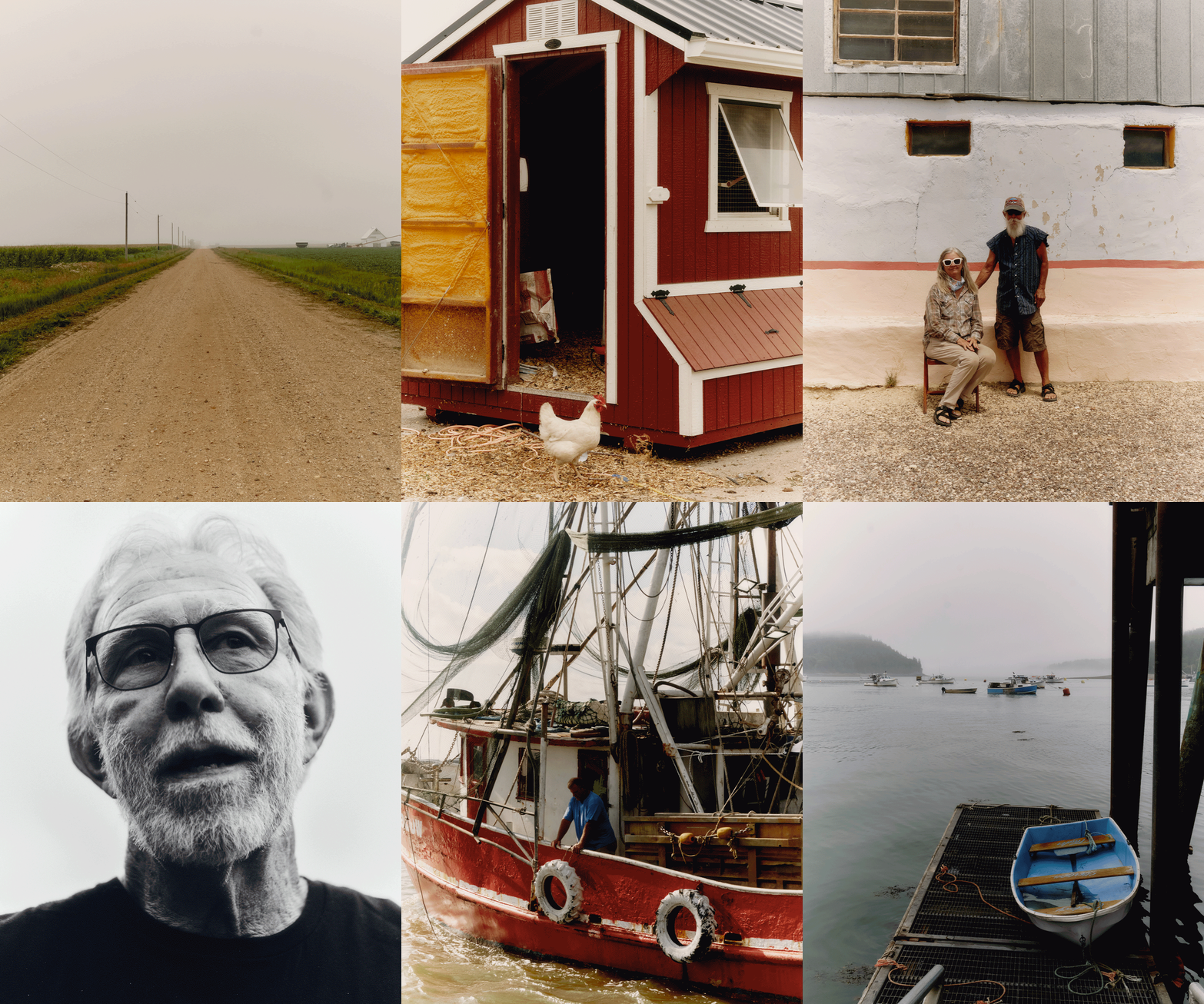
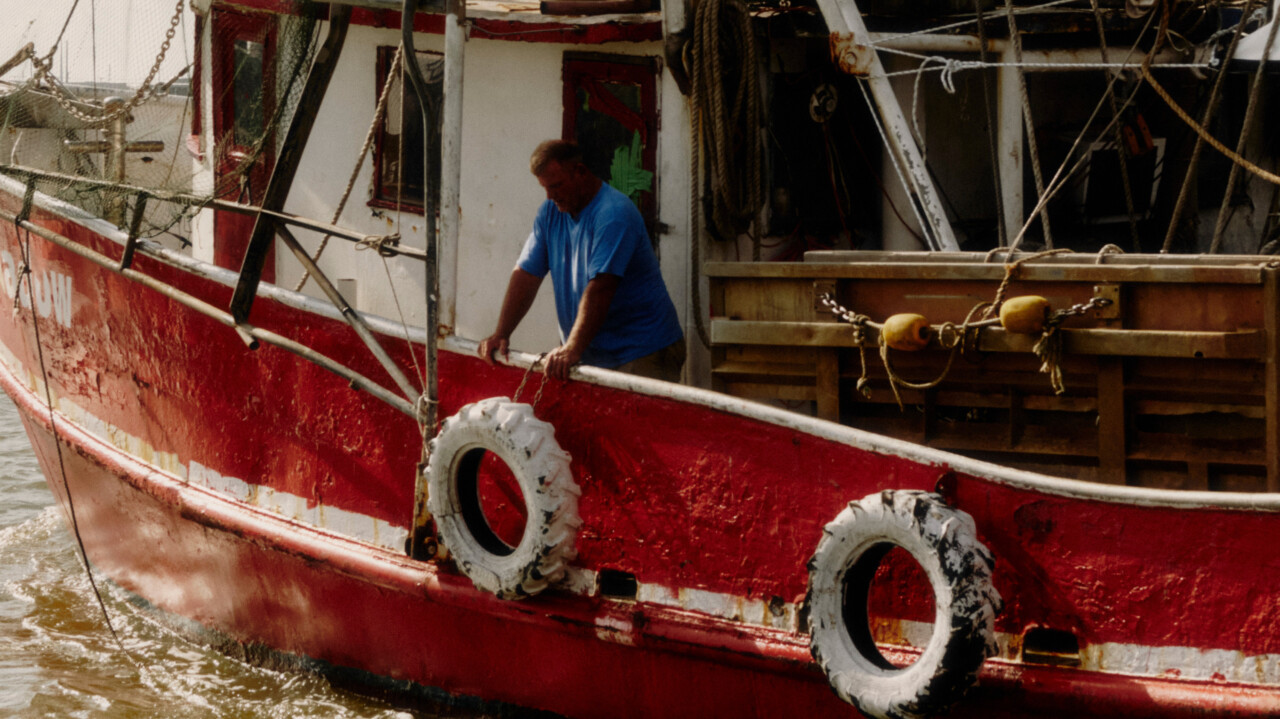
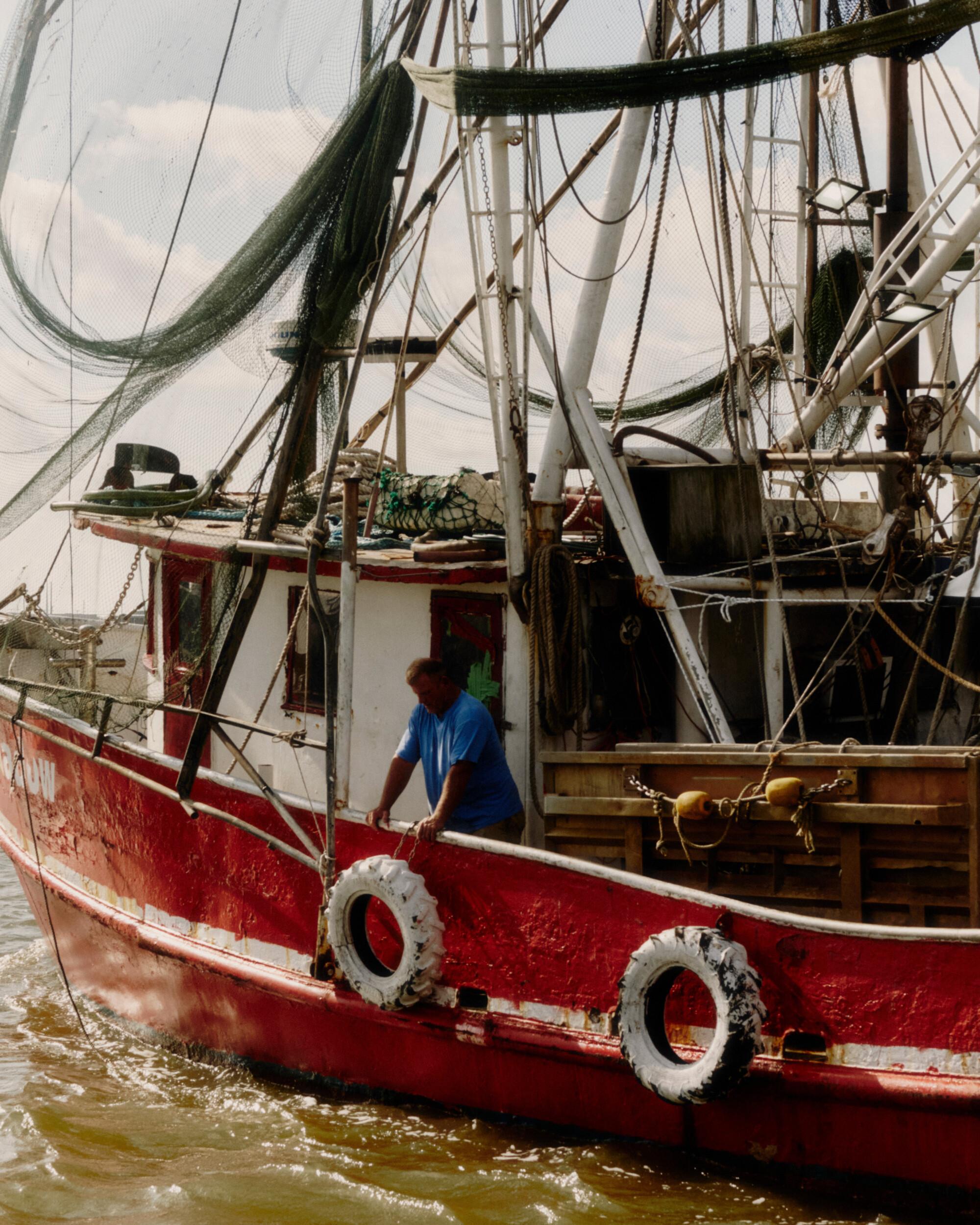
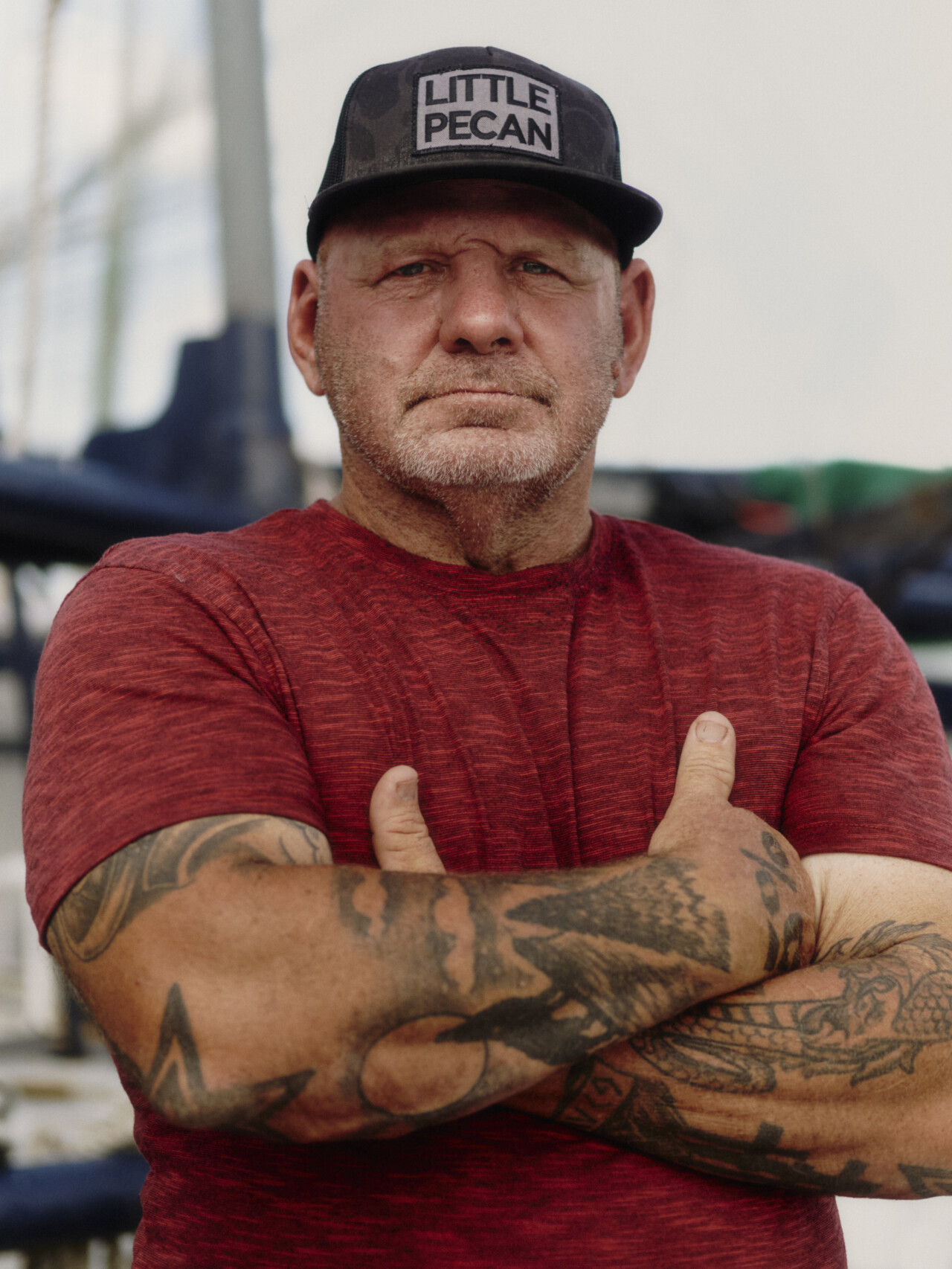
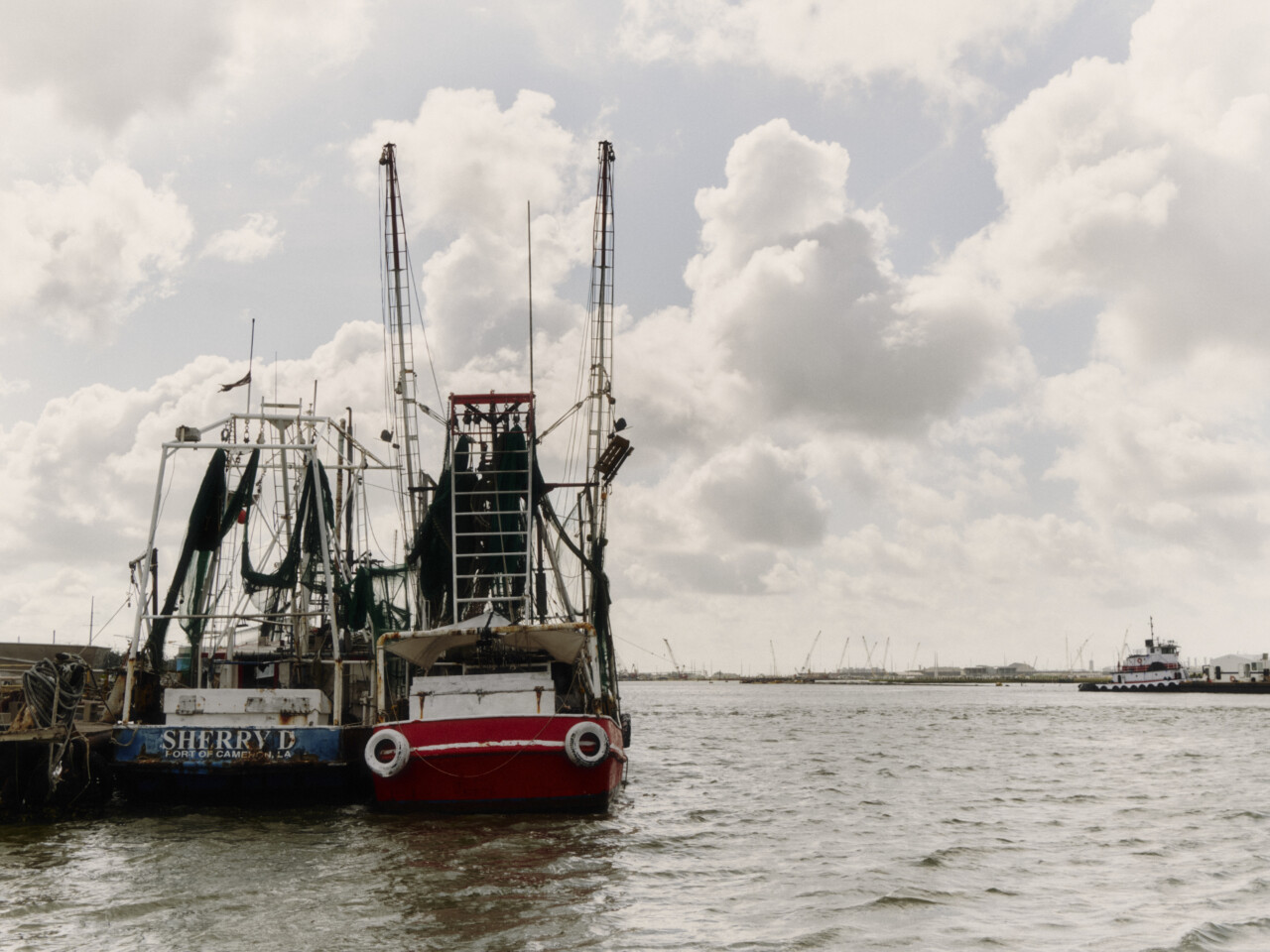
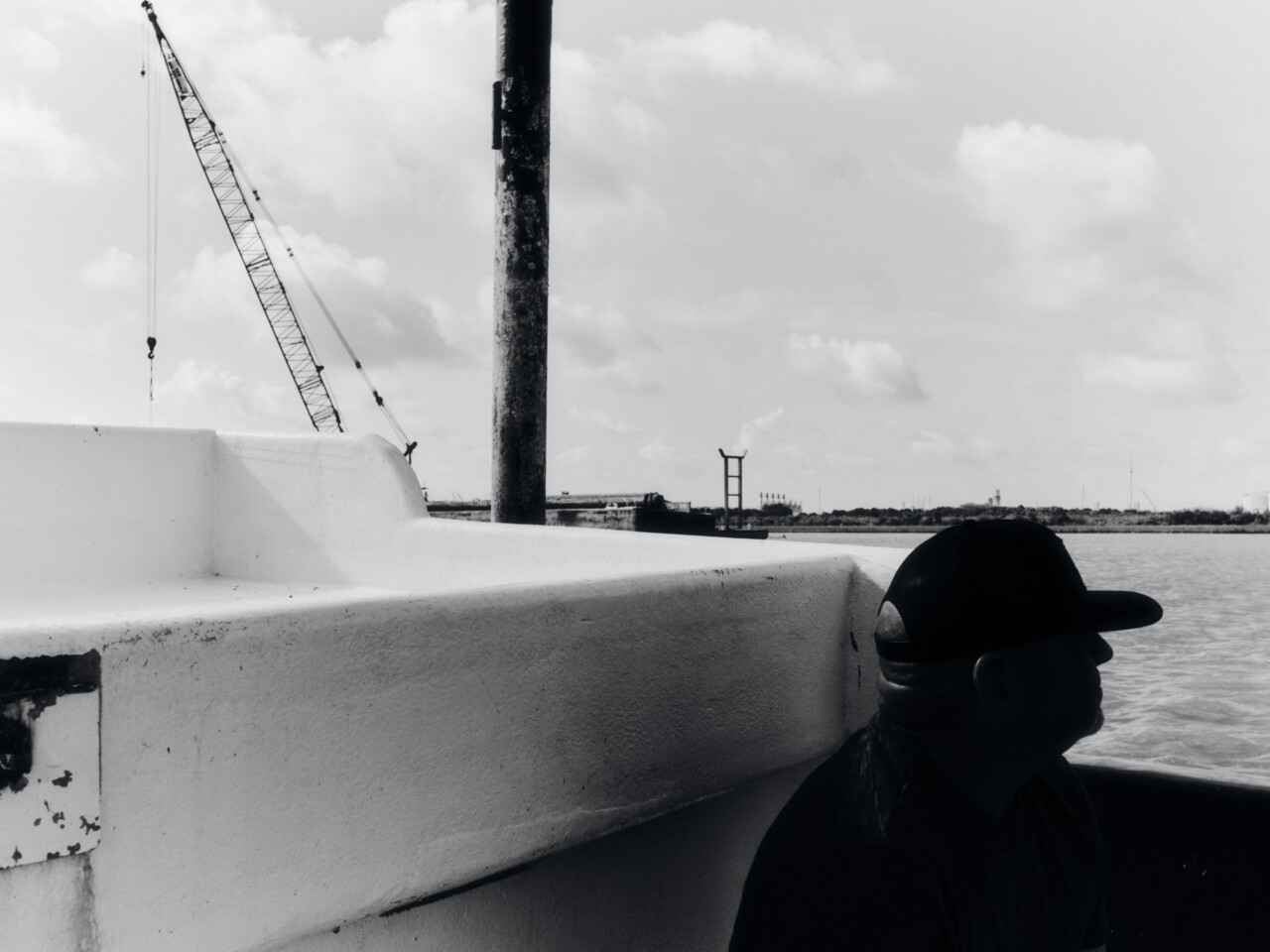
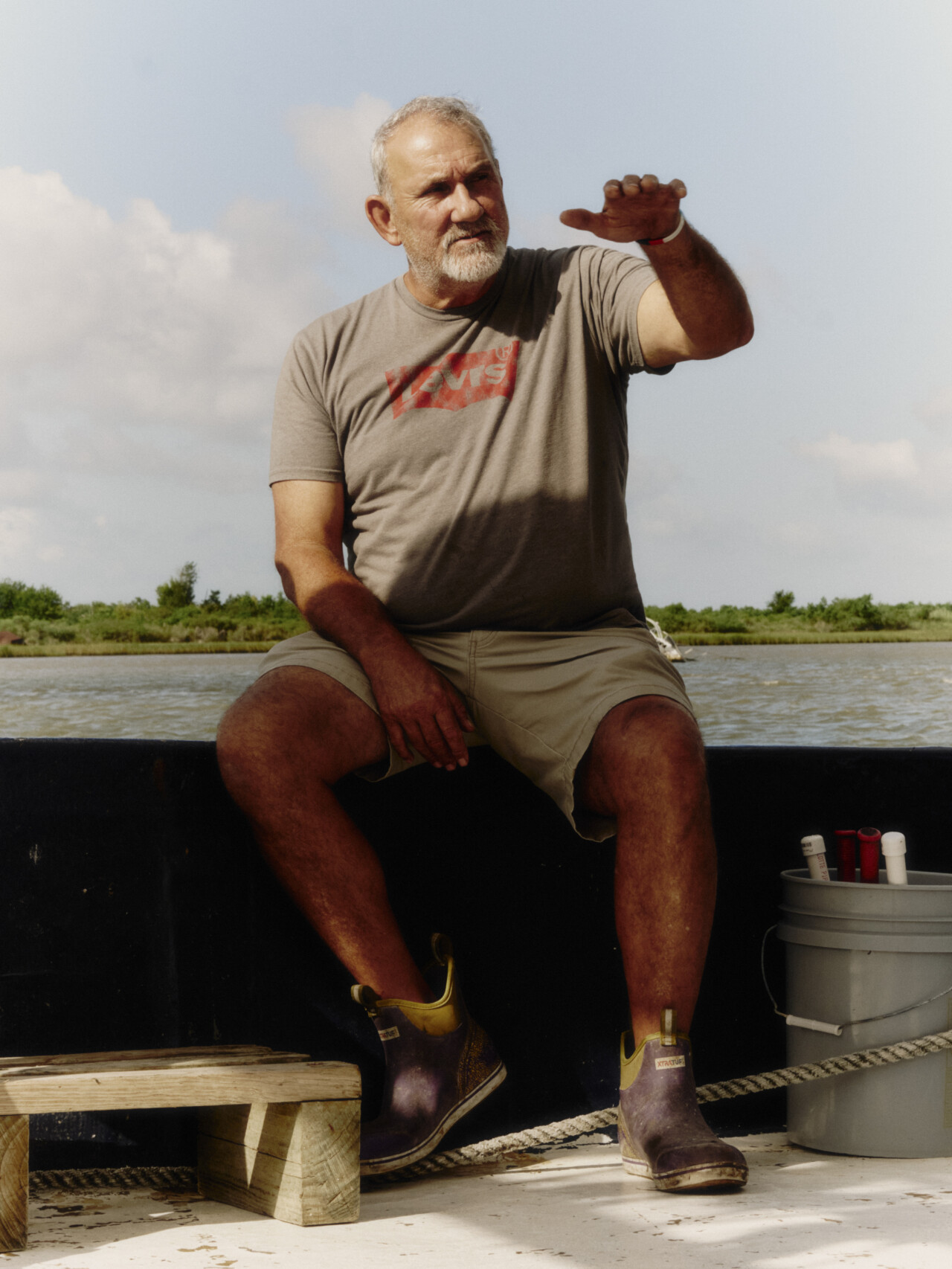
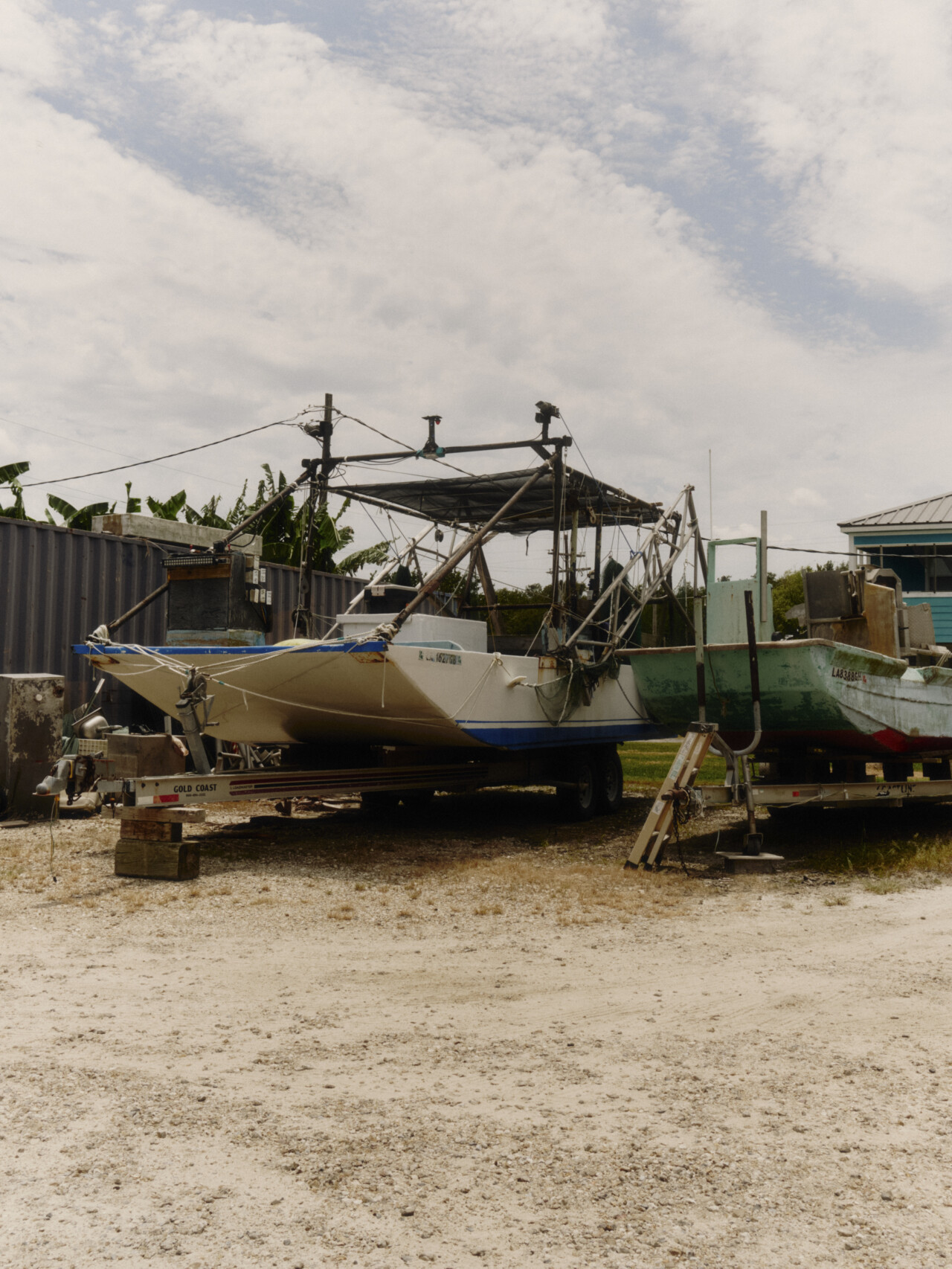
I take this all in while sitting next to Brian DeBarge and Anthony “Tad” Theriot on Theriot’s 65-foot shrimp boat. We’re docked in the Gulf of Mexico, near the Calcasieu Ship Channel on the edge of Cameron, looking out over a horizon riddled with construction cranes and mountains of dirt. Dust dims the whole scene. A rusty barge that seems as big as a Boeing 747 floats by, dangling a long, clumsy chunk of pipeline from chains while a team of fluorescent-clad workers in welding masks run around the ship’s deck. The wake picks up.
“I just don’t know how much these people think we can take,” DeBarge says, watching the ship pass.
LNG burns cleaner than coal, positioning it as something of a golden child that rakes in money for the American energy industry while checking boxes for emission- reduction goals in the European Union. But back home in Cameron Parish, life has become hellish for DeBarge, Theriot, and their friend Philip Dyson, who shows up a little later. All three are multi-generational commercial fishermen who watched the LNG boom stomp out the shrimp-rich estuaries and oyster beds of coastal Louisiana over the last few years. All three have spent ample time sharing their stories with the media—stories of financial ruin, polluted and heavily trafficked waterways, family members injured in traffic accidents and sickened by cement dust, and looming fear for the future. All three still lack hope that anything’s going to change.
They aren’t alone. Many shrimpers in LNG boom communities used to make six-figure salaries and put their kids through college. Now, they struggle to afford healthcare and buy groceries on credit. Insurance has become a nice-to-have, while gas is an increasingly pricey necessity; not only has the price per gallon gone up, but fishermen must travel farther to find productive waters from which to make decent catches. More than 50% of the Cameron population has picked up and moved away since 2000 due to a dizzying combination of economic troubles, increasingly extreme weather, and a newly unrecognizable landscape.
DeBarge shakes his head, eyes still glued to the horizon. He mutters that a normal person would have lost it by now. When I ask DeBarge what that makes him, he laughs.
“Well, I think I’m getting a little more normal every day.”
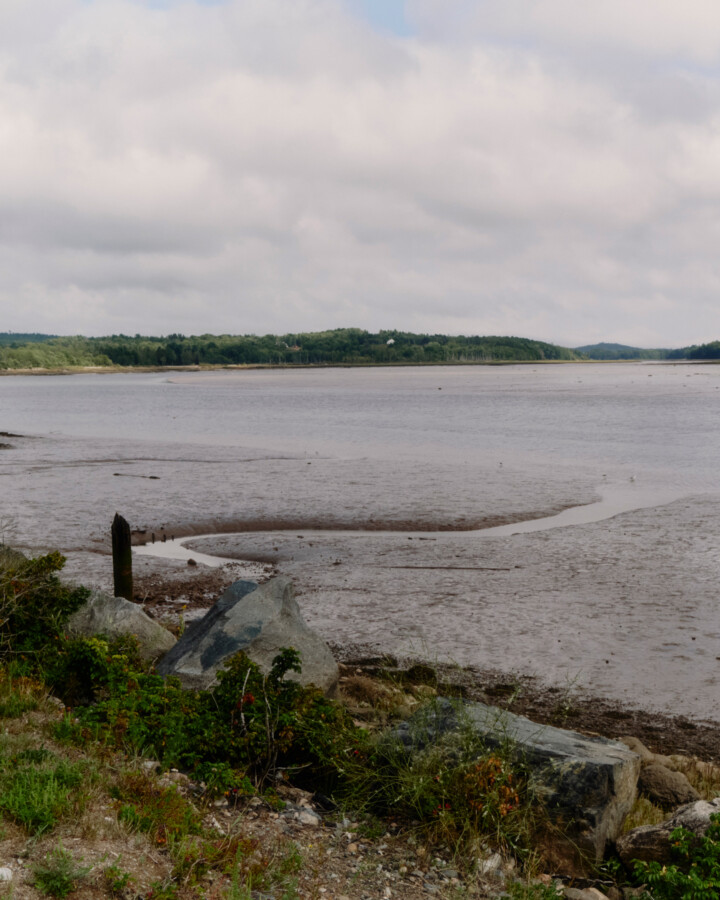
Cameron Parish didn’t become a fishing paradise by accident. It’s hard to tell where the town ends and the water begins; any solid ground seems to just barely float above the surface of the Gulf of Mexico. I find myself holding my breath while driving on the one road in and out of Cameron. The shoulder separating the pavement from the surrounding marsh is thin, as if the whole strip of asphalt is one loud sneeze away from sinking into the deep.
For the parish’s 1,313 square miles of land, it also contains 619 square miles of water.
Within its boundaries, three rivers empty into the Gulf of Mexico: the Sabine, the Calcasieu, and the Mermentau. It’s also home to three national wildlife refuges and one state refuge, all of which provide habitat for some 400 species of birds every year.
Throughout the parish, saltwater from the Gulf and nutrient-rich freshwater from inland Louisiana intermingle. These saltwater and brackish coastal marshes provide crucial habitat for various species of shrimp, crabs, oysters, menhaden, and larger fish, like sea trout and redfish.
In 1960, the port of Cameron landed 205 million pounds of fish, including 5.5 million pounds of shrimp and 198 million pounds of menhaden, a small fish used for supplements, bait, animal feed, and fertilizer. By 1978, Cameron was the top port in the nation, landing 606 million pounds—45% more than the nation’s second most productive port. In 1984, Cameron hauled in 679 million pounds.
Since those peak times, issues of overharvesting, bycatching, and controversial gillnetting practices have triggered strife between the commercial fishing industry, recreational anglers, environmental advocacy organizations, and the government. But these stakeholders more recently have started to look more like contemporaries than enemies.
“If you need a tire changed, you’re going to a tire man. If you’re putting out a fire, you’re gonna get a firefighter. You ain’t gonna call a doctor. If you want to know something about a shrimp, you gotta ask a shrimper that’s been doing this their whole life.”
While many commercial fishermen would hardly consider themselves environmentalists, their reliance on a faltering ecosystem to feed their families has yielded a fierce sense of duty to fight for the estuary’s well-being.
“We know the estuary better than anyone,” Theriot says. “You have no idea what the moon does to the water. You don’t know what the tides are going to do … but that’s how we work.”
The fishermen of Cameron argue that they’ve been left out of any and all conversations about the future of the coastline. While they often have opportunities to testify in Cameron Parish Police Jury meetings, they don’t feel anything they’ve said has made much of a difference.
“Do they take advice from shrimpers? No,” Theriot says. “Why, I don’t know. If you need a tire changed, you’re going to a tire man. If you’re putting out a fire, you’re gonna get a firefighter. You ain’t gonna call a doctor. If you want to know something about a shrimp, you gotta ask a shrimper that’s been doing this their whole life.”
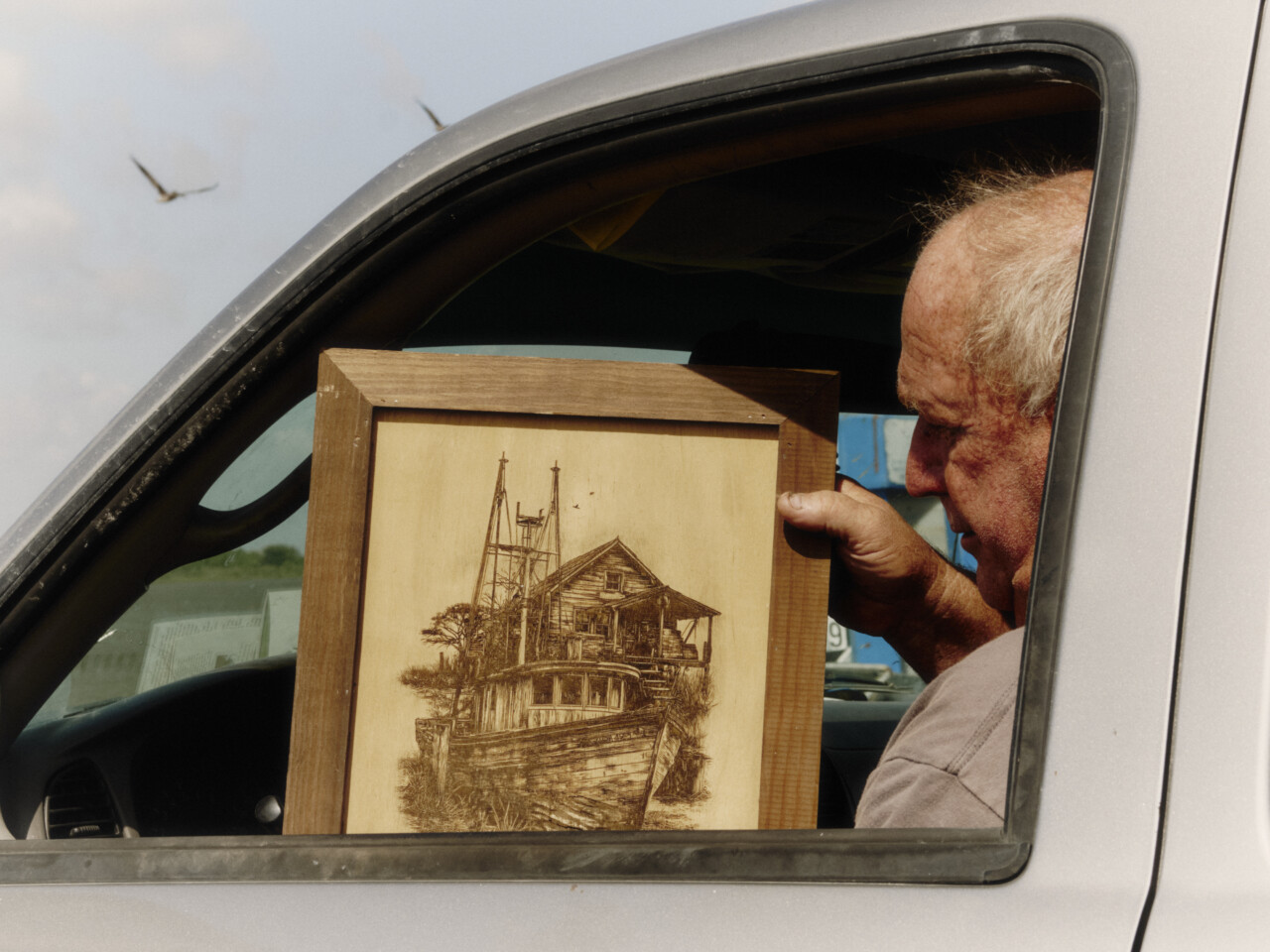
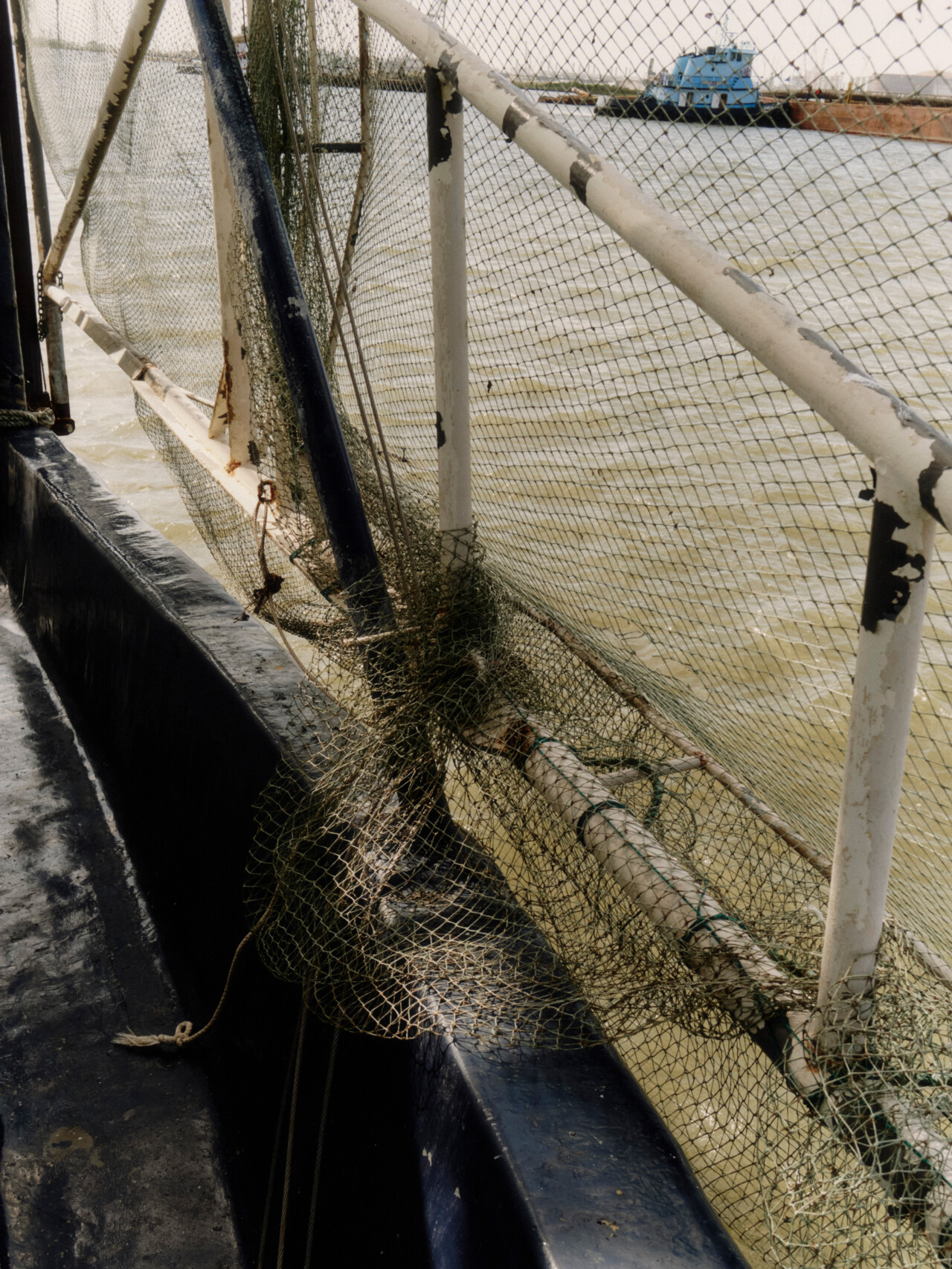
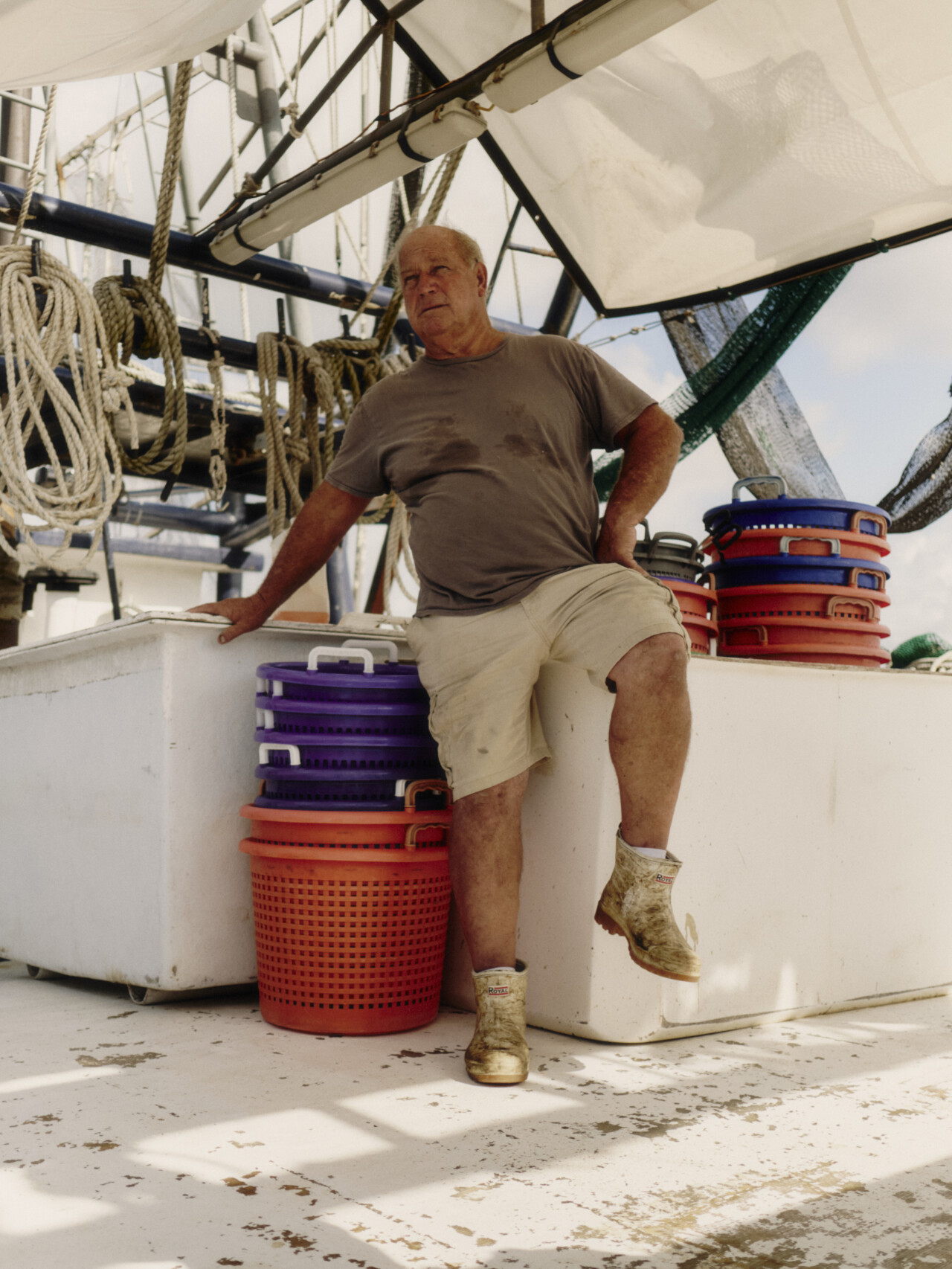
Shrimping isn’t exactly a predictable livelihood. Shrimpers might only get a few hours to haul in a catch before the shrimp disappear back into the mud. This emergence could happen at any time of day, and shrimpers stay out until the catching slows. The spring shrimp season runs roughly May to July; the fall season August through December. Many shrimpers in Cameron tend to go to the same place, which already makes for crowded fishing conditions in an extremely delicate biosphere. But lately, Theriot says, giant barges have made things worse.
“It seems like as soon as you get there, [the barges] start moving around,” he says. “Every hour you lose shrimping, it means a lot.”
Few understand what barge traffic does to shrimp quite like Eddie LeJuine, who sold his first shrimp at the age of 10 after throwing his cast net off his dad’s boat. Fifty-three years of shrimping later, LeJuine has developed an intimate familiarity with the tendencies and inner workings of this small crustacean, a species that many would overlook as just another insignificant marine bug. He speaks of their needs and behaviors gently, and with reverence; when they flourish, he does, too.
“The shrimp like to hang on the contour of the ship channel,” LeJuine explains. “But when that [barge] goes by, it pulls all that water away, and their security is gone. So the first thing they do is bury in the mud, so they’re hidden and protected.”
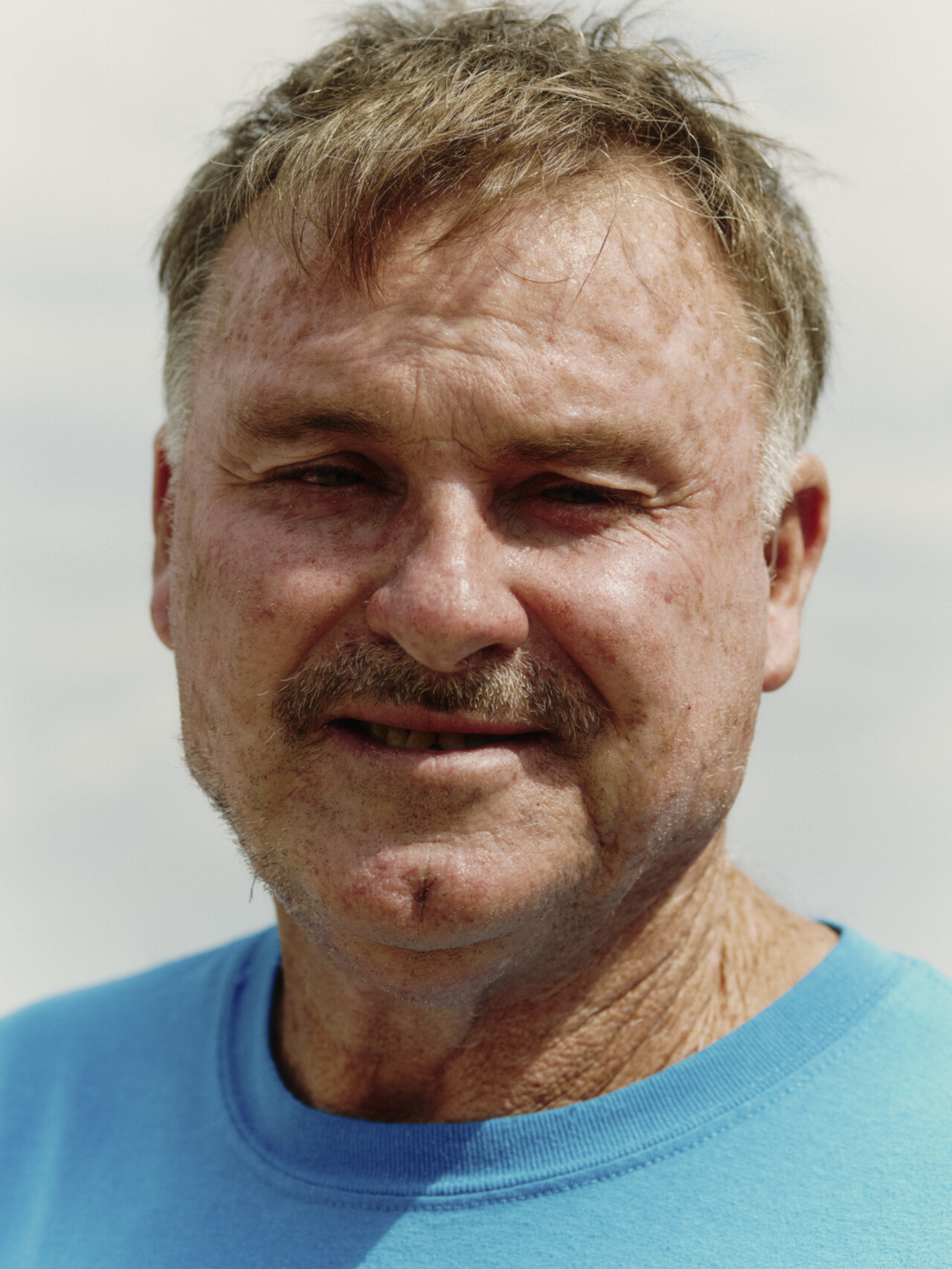
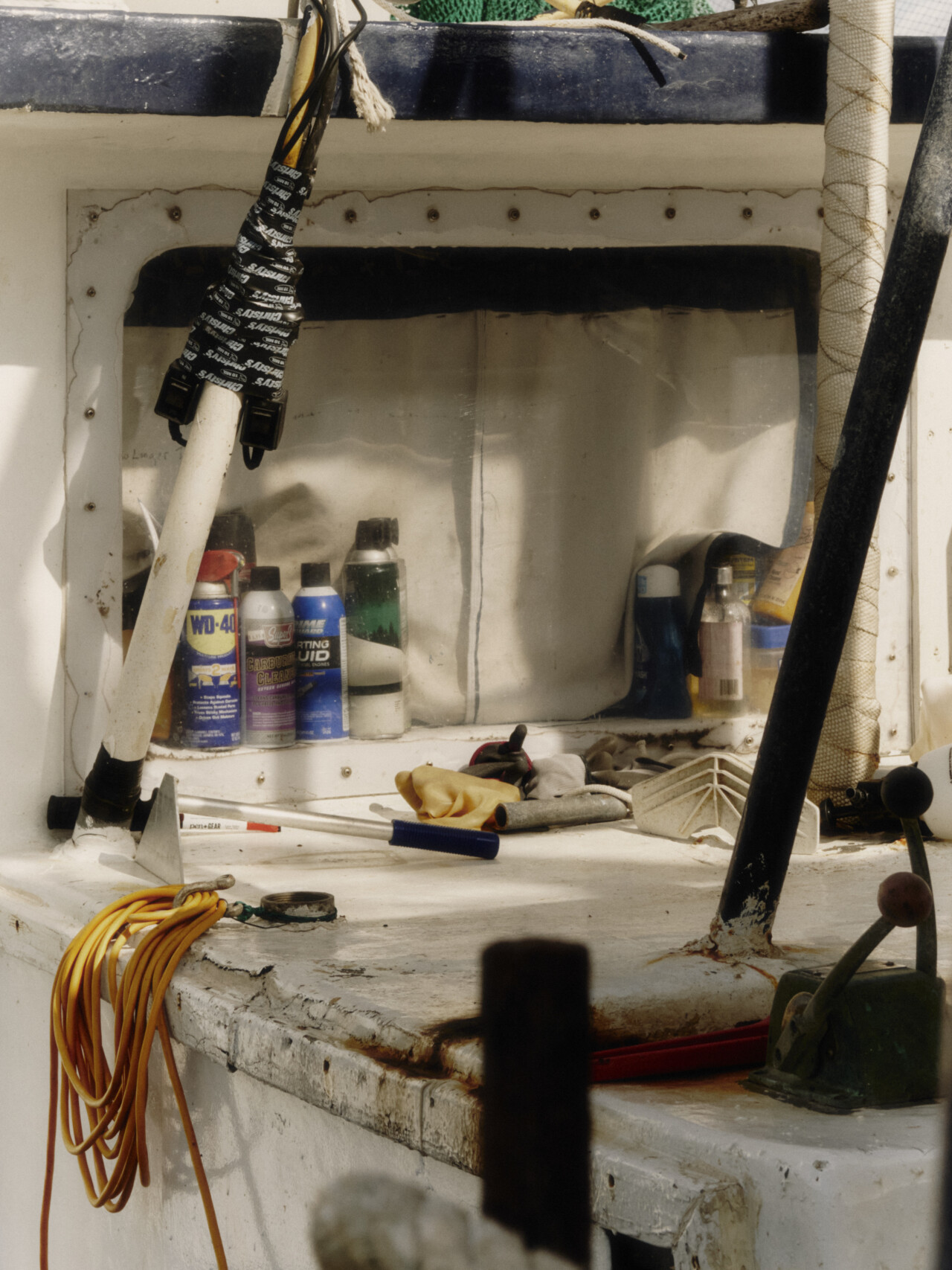
LeJuine shrimps from a 27-foot boat that he built from scratch, right down to hand-pouring polymer to form the hull. On a normal day of shrimping in a 50-foot canal, he estimates he can catch 10 pounds per throw of his cast net.
“But that [barge] comes through there, and next thing I know, I can’t even catch one or two shrimp,” he says. “They bury that fast.”
The barge traffic isn’t the only problem for Cameron fishermen. On August 4, 2025, a dredge spill associated with the construction of CP2 sent upwards of 18,000 cubic yards of mud and other material into Calcasieu Lake, a brackish lake just up the ship channel from the Gulf. The sludge settled across floating oyster parks, shrimp habitat, and costly fishing equipment, racking up millions of dollars in damage and lost profit. More problems followed. On December 17, a containment berm breached, allowing “colored effluent water” to escape. On January 16, 2026, a hole punched through a slurry line, releasing more dredged material. The same thing happened again that Valentine’s Day.
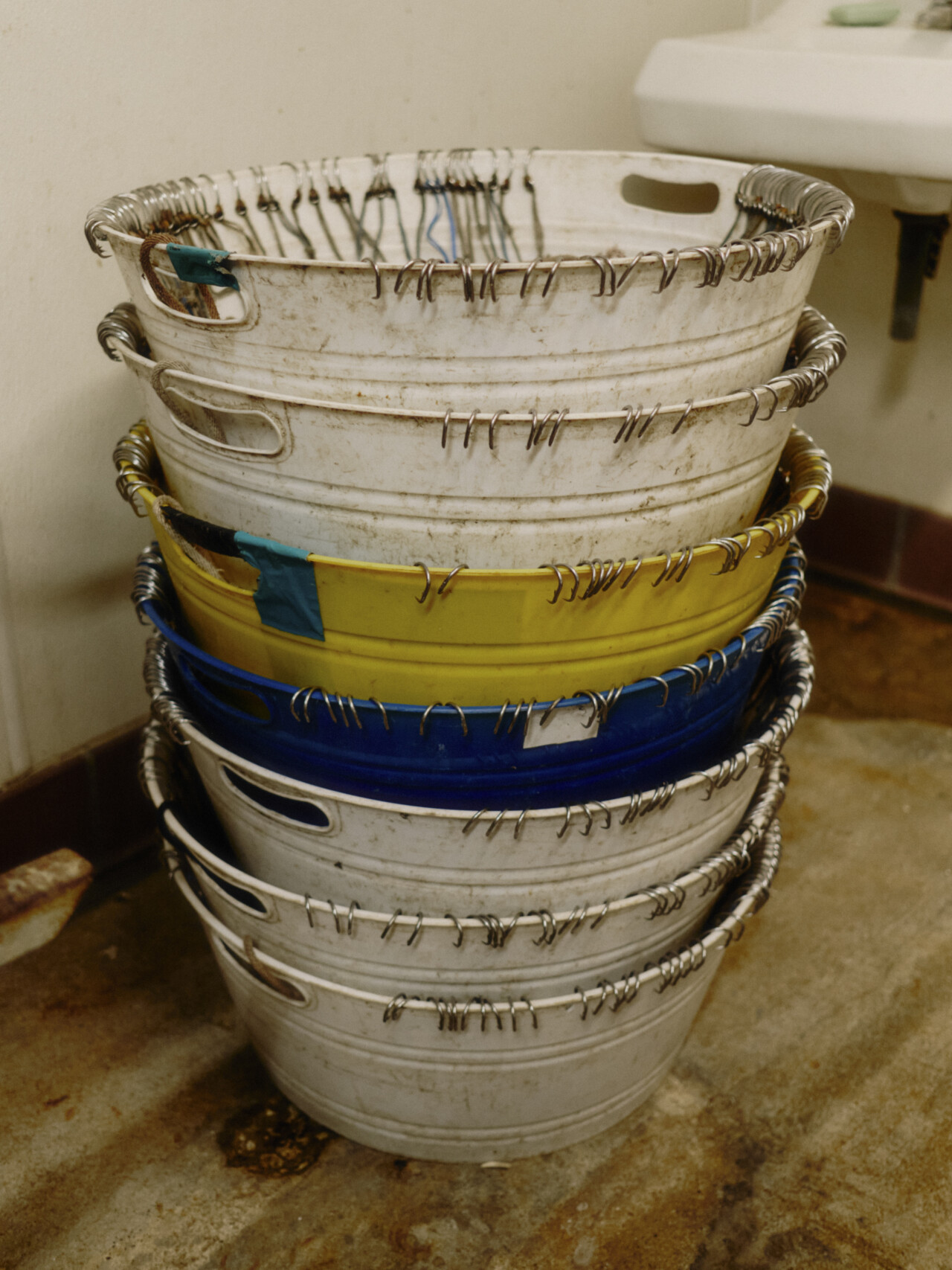
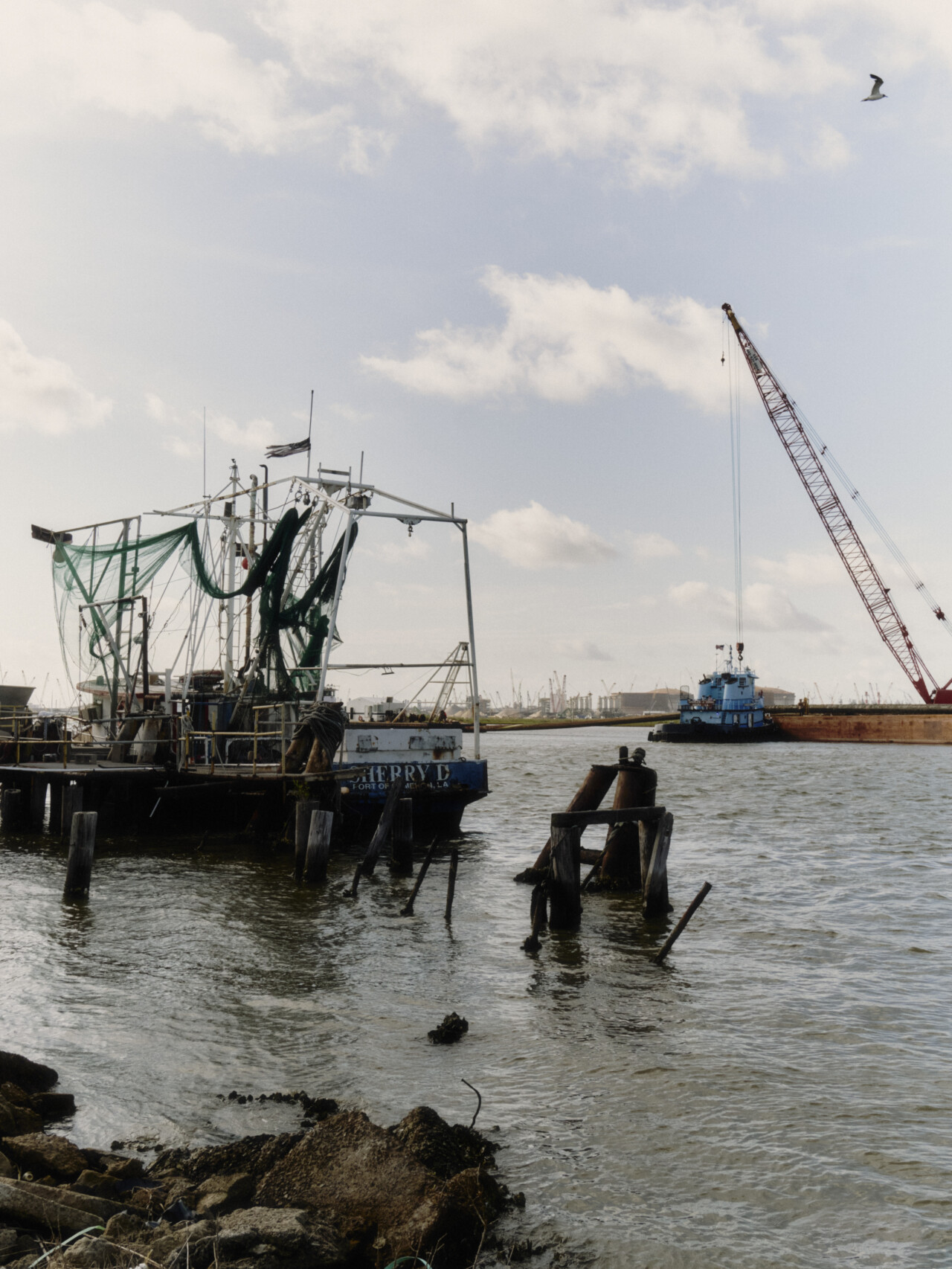
All these events are documented in a lawsuit that a group of 20 plaintiffs —including Theriot and the LeJuines—filed on July 30, 2026, suing Venture Global, the Cameron Parish Port, Harbor and Terminal District, and two contractors working on the project for damages. It’s the third lawsuit to be filed against Venture Global since construction of CP2 began.
Representatives from Venture Global did not reply to phone calls and emails requesting comment on how Cameron’s community and commercial fishing industry have been impacted by the company’s facilities.
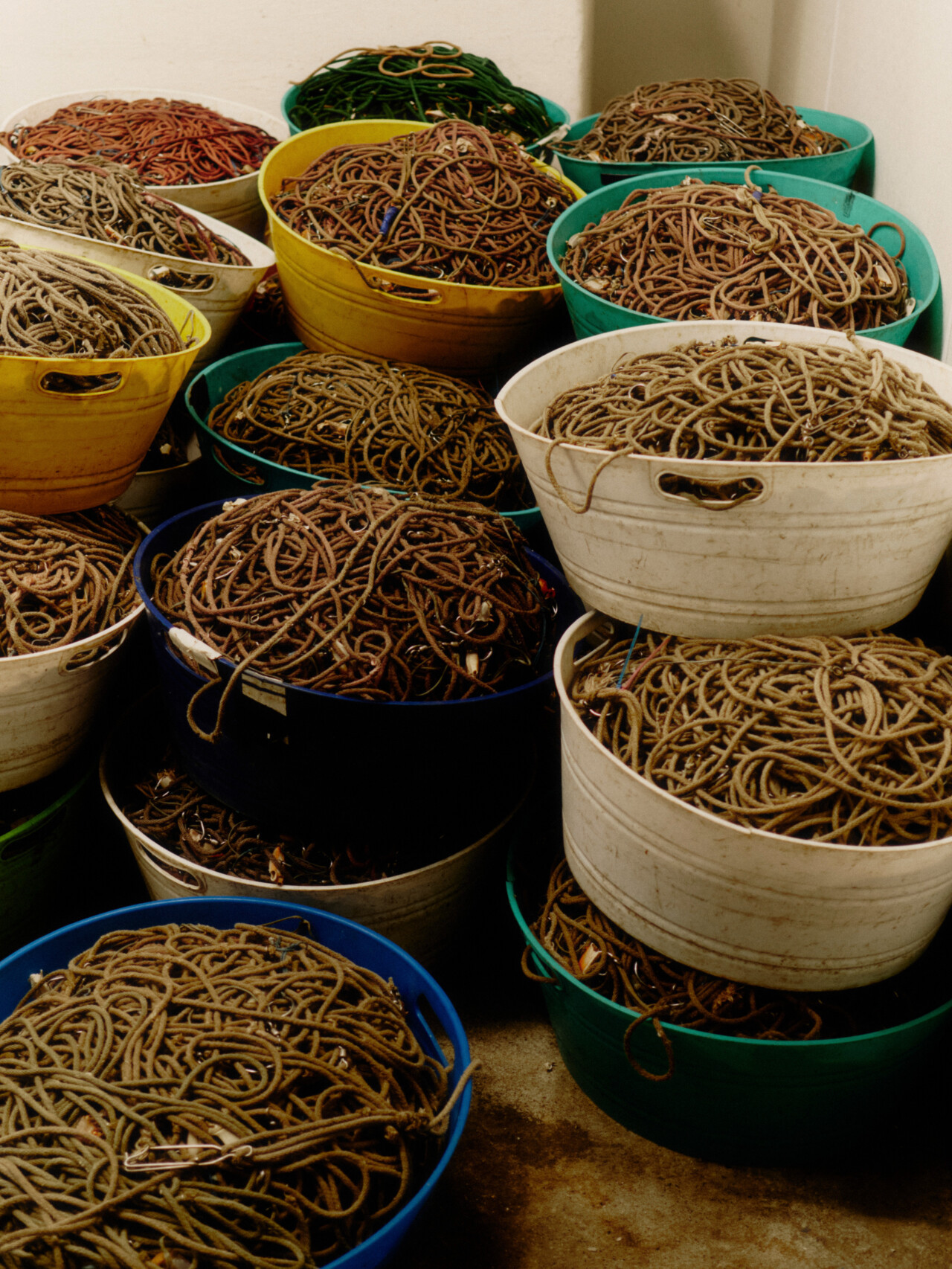
LeJuine recalls being out in a different boat before daylight the morning of the dredge spill. In addition to shrimp, he also fishes for black drum on trotlines, or extra-long braided lines with hundreds of baited hooks dangling from “leaders.” On the morning of the spill, LeJuine noticed a strange, silty texture in the water, even though he couldn’t actually see what was around him at the time.
“Then, come daylight, I knew something was definitely wrong,” he says. He recalls pulling in his trotlines to find dead fish smothered in the mud. “They suffocated, because all they were getting down there was mud. They weren’t getting any water and oxygen.”
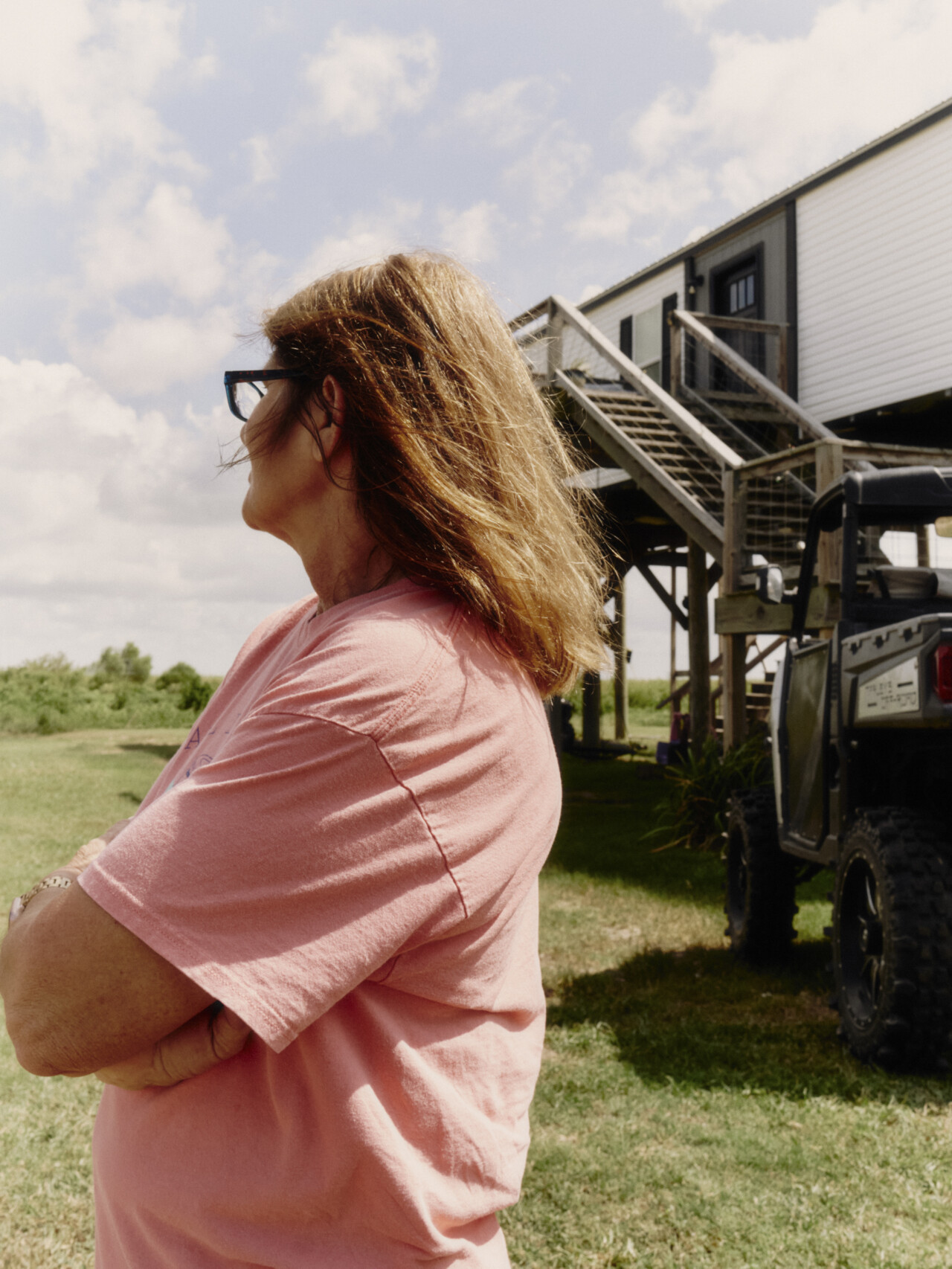
LeJuine is one of those people who can do pretty much anything himself, and do it well. He offers us peanuts and okra from his backyard garden. His trotlining boat boasts a homemade contraption that strips the fish from the hooks, which he welded together with his own two hands. After ascending the steps to his stilted home in nearby Hackberry, we gather in a kitchen full of his handmade cabinetry, built from cedar wood he gathered after Hurricane Ike ripped through the region in 2008.
Michelle LeJuine, Eddie’s wife, points out all the other parts of the house that Eddie has hand-built for her over the years: a master half-bathroom, a large stone fireplace, a hutch in the dining room, tiled countertops. A photo from their wedding glistens in a frame in the living room: Eddie, sporting a wide grin, standing in a white tuxedo.
But some parts of life seem increasingly out of the LeJuines’ hands. Last year was the first they went without home insurance, the rates for which exploded after a series of extreme weather events over the years. Michelle says the grand total would have ended up in the ballpark of $22,000.
“We just can’t afford that,” Michelle says, standing over the sink peeling a bag of shrimp that Theriot gave them. Over the course of our visit, the cozy kitchen with its fridge full of magnets starts to smell like a Michelin-star restaurant as she prepares for a large family dinner, whipping up shrimp étouffée, fried fish, potato salad, and pork chops with gravy for those who don’t eat seafood.
She turns from the sink and points at Eddie.
“I’ve been with him for 37 going on 38 years, and we have always had insurance,” she says. “This year, we could have paid for insurance, but then we were gonna get the electricity cut off and we weren’t going to eat. The scale has to balance out, and we need to eat and have electricity.”
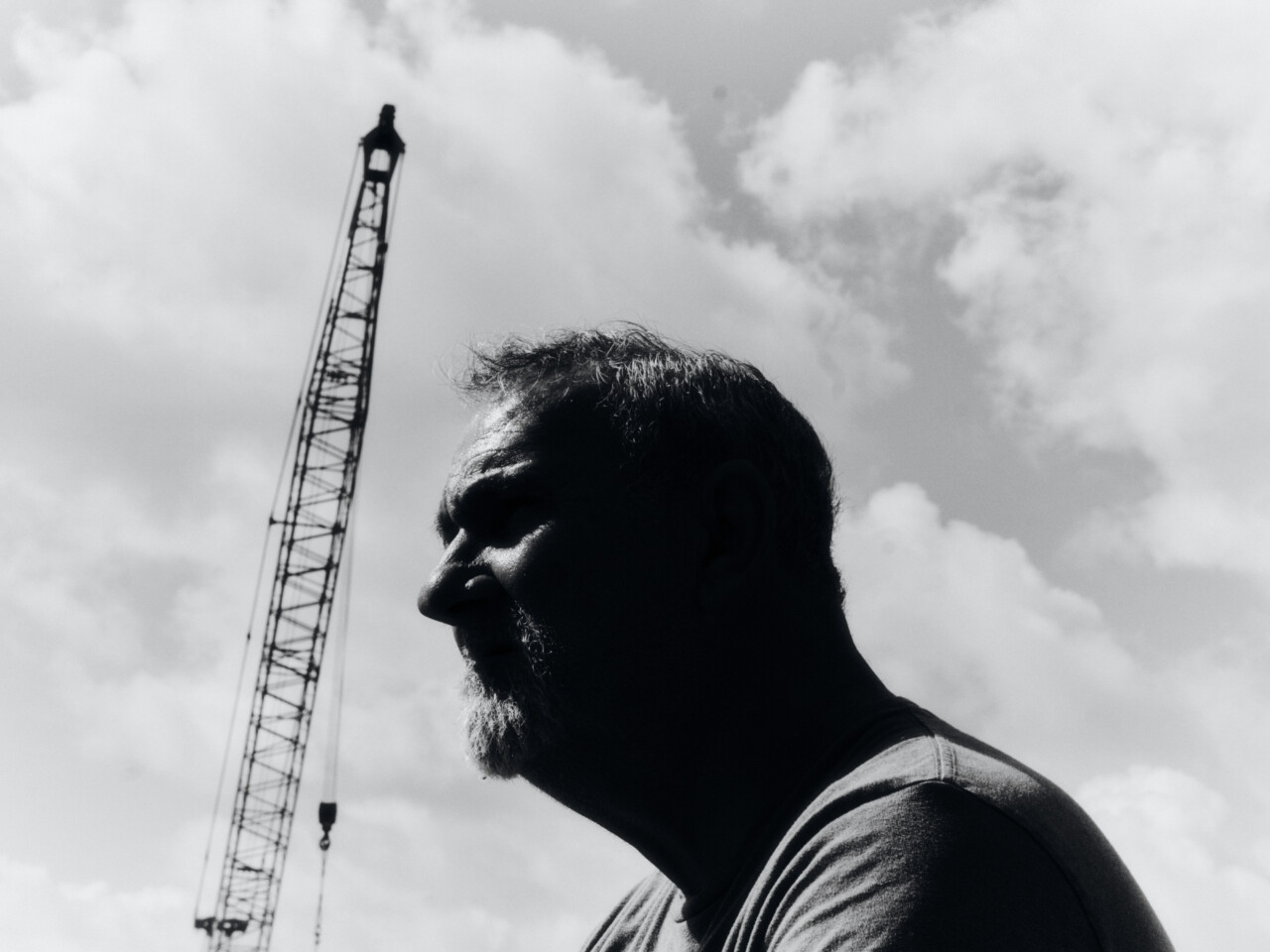
As if the financial hardships weren’t bad enough, Cameron Parish residents also find themselves fighting for a reasonable quality of life in their hometown. Traffic has become so severe that Brian DeBarge now leaves his house an hour and a half earlier to get to his boat on time.
“Hell, they took all our damn time away from us,” he says, standing in front of his own stilted house. He has to speak up to be heard over the sounds of heavy machinery, which come from a construction crew working on plant-related infrastructure just over their property line. Julie, Brian’s wife, pulls into their driveway.
But the traffic has taken more than their time. It has also taken some lives and risked others. DeBarge’s daughter-in-law, Kellie, ended up in the hospital for weeks after getting run off the road by a construction vehicle, sustaining multiple severe injuries. Her husband Brandon, Brian and Julie’s son, has become a local legend for his impassioned testimony about the plants at Cameron Parish Police Jury meetings. He started going after his own young son had a bathroom accident on the school bus, which sat in traffic for almost an hour. But things intensified after Kellie was hurt.
“This LNG plant about took everything from me,” Brandon says while testifying at a Police Jury meeting, gripping the podium to steel himself. “It took my livelihood, my town, and it about took my wife from me the other day when one of their truck drivers ran [her] off the road and about killed her. That’s why I wasn’t here at the last meeting, raising these concerns … because I was in the hospital for about 17 days while she was fighting.”
Brandon isn’t in Cameron during our visit. Instead, he’s 100 miles offshore on a redfish boat, one of the more reliable ways to make money off commercial fishing these days.
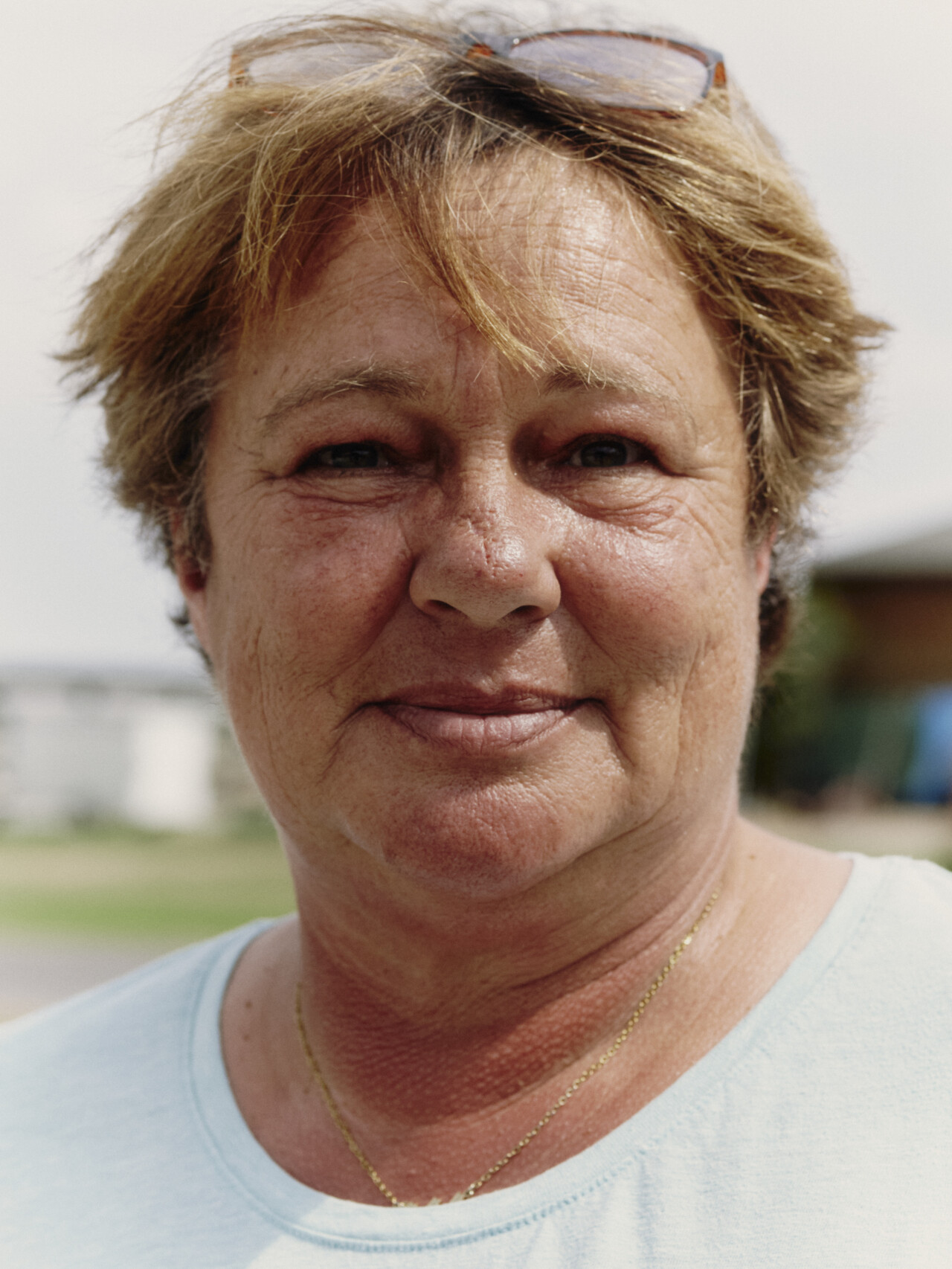
“It’s very emotional watching your son get up there, with his heart on his sleeve, pouring out,” Julie says. “He’s the quietest one of my three children. But he’s found his voice, and I’ll tell you, he’s using it—not just for him, but for his town. I’m very proud of him.”
It’s hard to find glimmers of hope in Cameron Parish. But through it all, grassroots organization For a Better Bayou has organized tirelessly on behalf of the community, showing up at public meetings and keeping residents informed. Theriot and DeBarge speak highly of the organization, including founder James Hiatt, who recently hosted members of German parliament in Cameron to show them where the bulk of their imported LNG was coming from. The organization was even featured in an award-winning documentary about oil and gas pollution with environmental activist Jane Fonda.
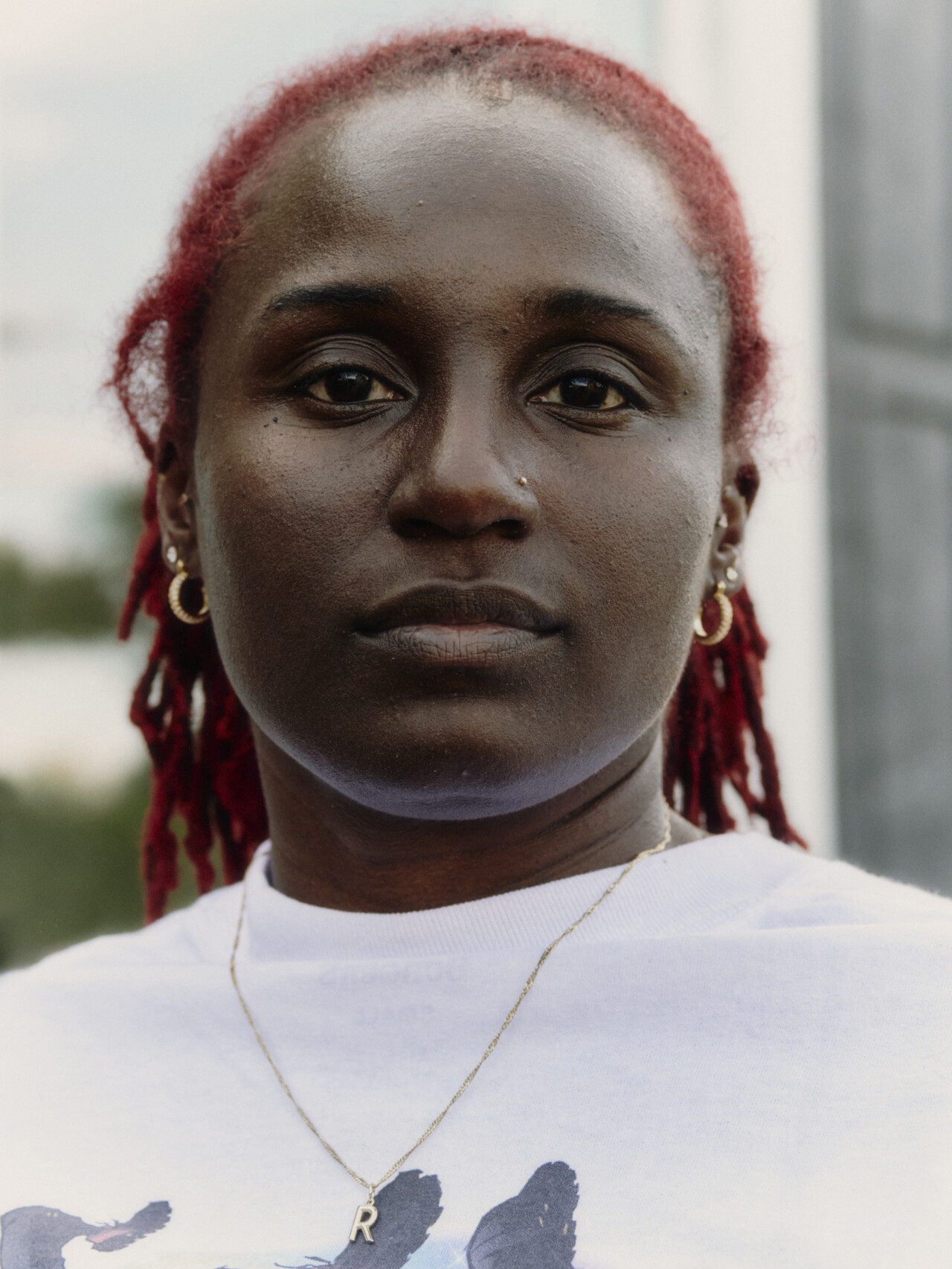
For Renee Carthan, FABB’s community organizer, the work is personal. She recalls fishing and crabbing in Cameron Parish with her family as a young girl.
“It was not uncommon for us to load up in the Expedition with the boat attached to the back and go out and spend hours, all day on the weekend, fishing and crabbing and having a good time,” Carthan says. “Bonding with family, learning what I would call survival skills and being so close to those natural resources that are also life-sustaining, was really cool.”
A day in Carthan’s life with FABB can take some unique twists and turns, she says. A calendar full of meetings with scientists or other conservation groups might get derailed by a call from a fisherman about a weird color in the water, or oysters coated in dredged mud, or a last-minute permit hearing that demands testimony on behalf of working fishermen.
It also means delivering a lot of bad news.
“It’s very hard to sit across the table from people who are bringing you their concerns … and you need to explain to them that they need to start thinking about other ways to feed their family because their oyster season is probably gone,” Carthan says. “Or they’ve been to hearing after hearing after hearing, and the governing body isn’t responding to them, and sometimes when they do respond, it’s not the response they hoped for. It’s a lot.”
Being an advocate for the community of Cameron often means that Carthan is the only woman of color on the boat or in the room, which can take a toll of its own.
“Cameron was never a truly diverse community, but there were a lot more people of color and women than there are now,” she says. “As a Black woman, going into this community now and not presenting the same, there are some barriers and roadblocks. I care about that community, and I want what’s best for them, but sometimes they’re not as open and receiving of me as I would like. So that’s another layer of weight.”
FABB is based about an hour north of Cameron in Lake Charles, the seat of Calcasieu Parish and home to some 83,000 people. Even though Lake Charles feels more like a small city, Carthan says its connection to the fishing culture in Cameron Parish is deep and vital.
“Everyone from this area fishes and shrimps and crabs in Cameron,” Carthan says. “Every neighborhood has a shrimp man and a fish man to call. They come up once or twice a week from Cameron, and you’re like, ‘Hey, I’m making gumbo, I need five pounds of shrimp,’ and they’ll pull up at your house with an ice chest.”
“We all have these intense emotional connections to this environment, and those relationships are very much a staple in this community,” she adds. “We don’t want to see that go away.”
In the next edition of Good Neighbors, we travel up the Mississippi River to rural Iowa, where a trio of corn and soybean farmers is sounding the alarm over a crisis of water quality and public health.
Join our membership community. Support our work, receive a complimentary subscription to Atmos Magazine, and more.
The Louisiana Fishermen Refusing To Go Down With the Ship