





Words by Lauren Cochrane
photographs by David William Baum
Anyone who has paid even passing attention to fashion’s environmental impact knows it makes for grim reading. The industry is widely believed to be the world’s second-most polluting industry, after oil and gas. But with revenue for online shopping alone predicted to reach $957 billion in 2026, it is also a ship that is difficult to turn around, propelled by a system that prioritizes growth and profit. How, then, can fashion make tangible change?
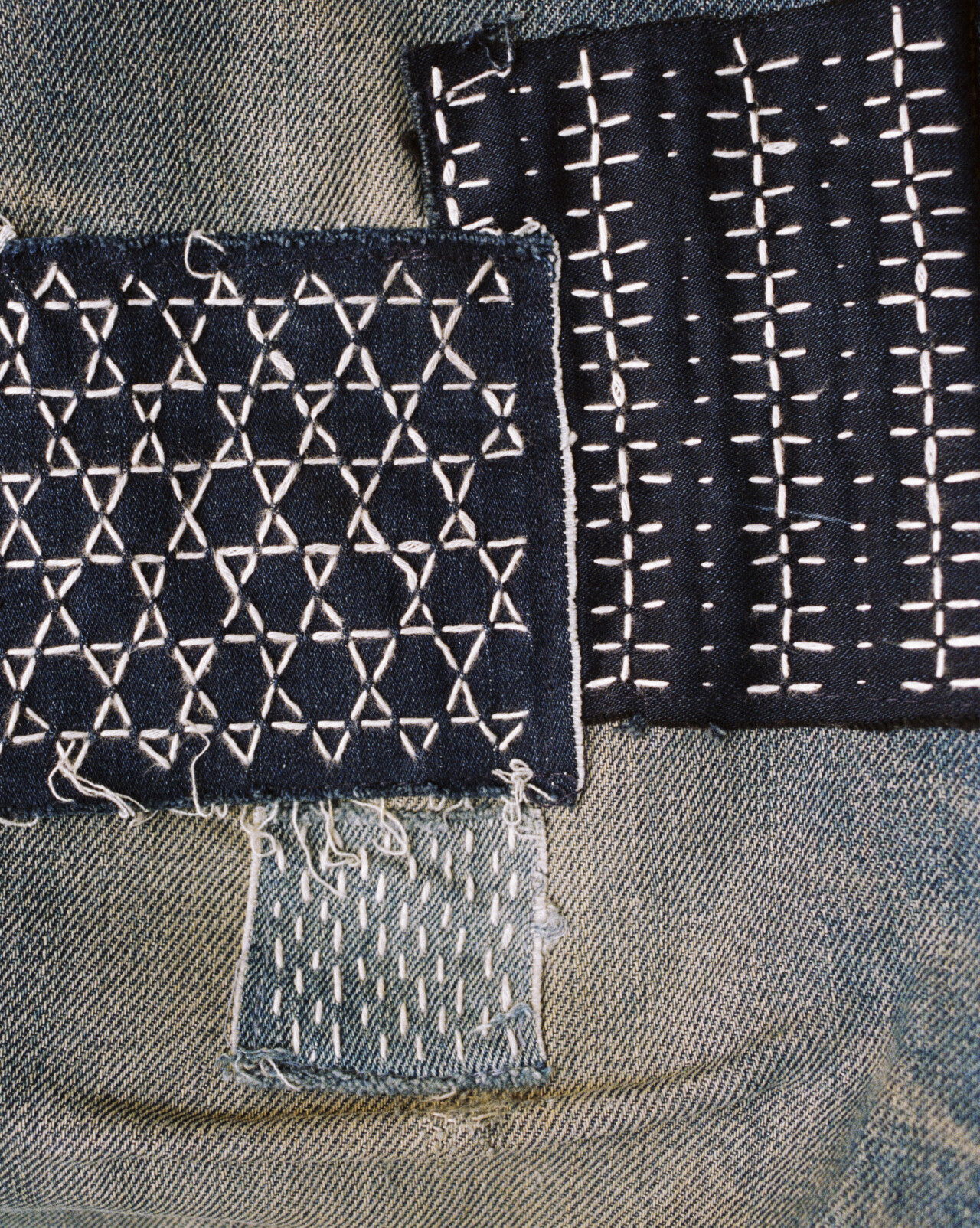
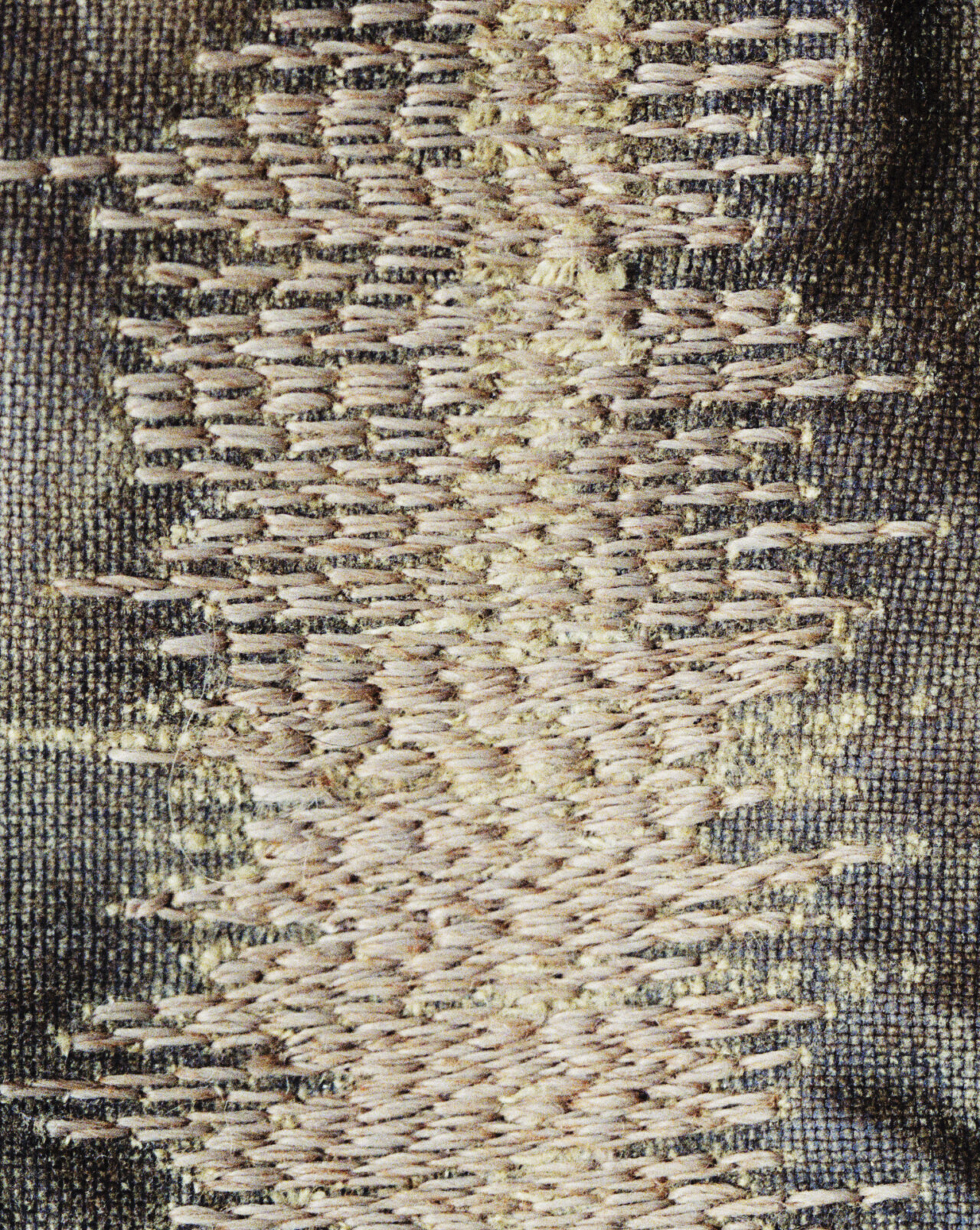
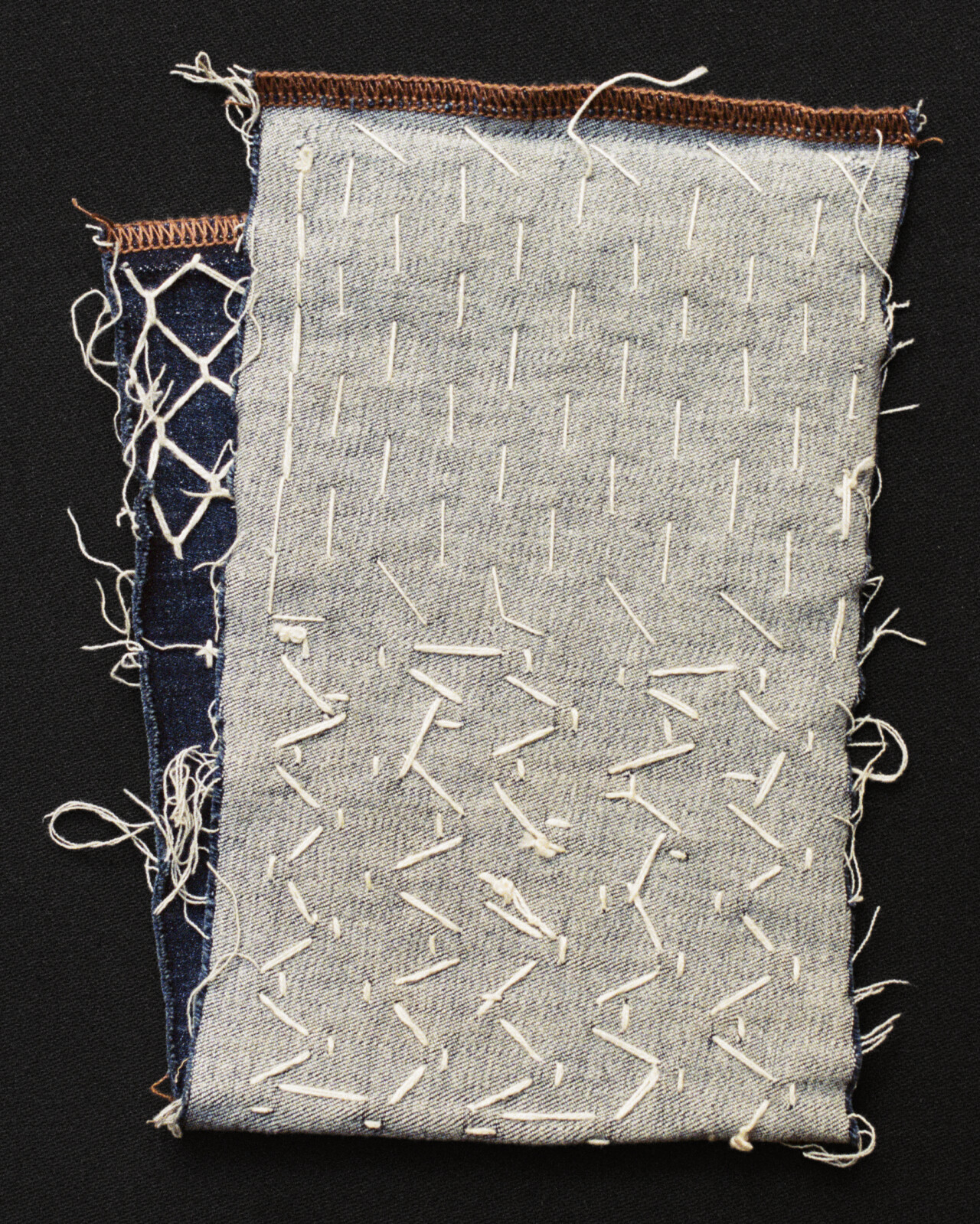
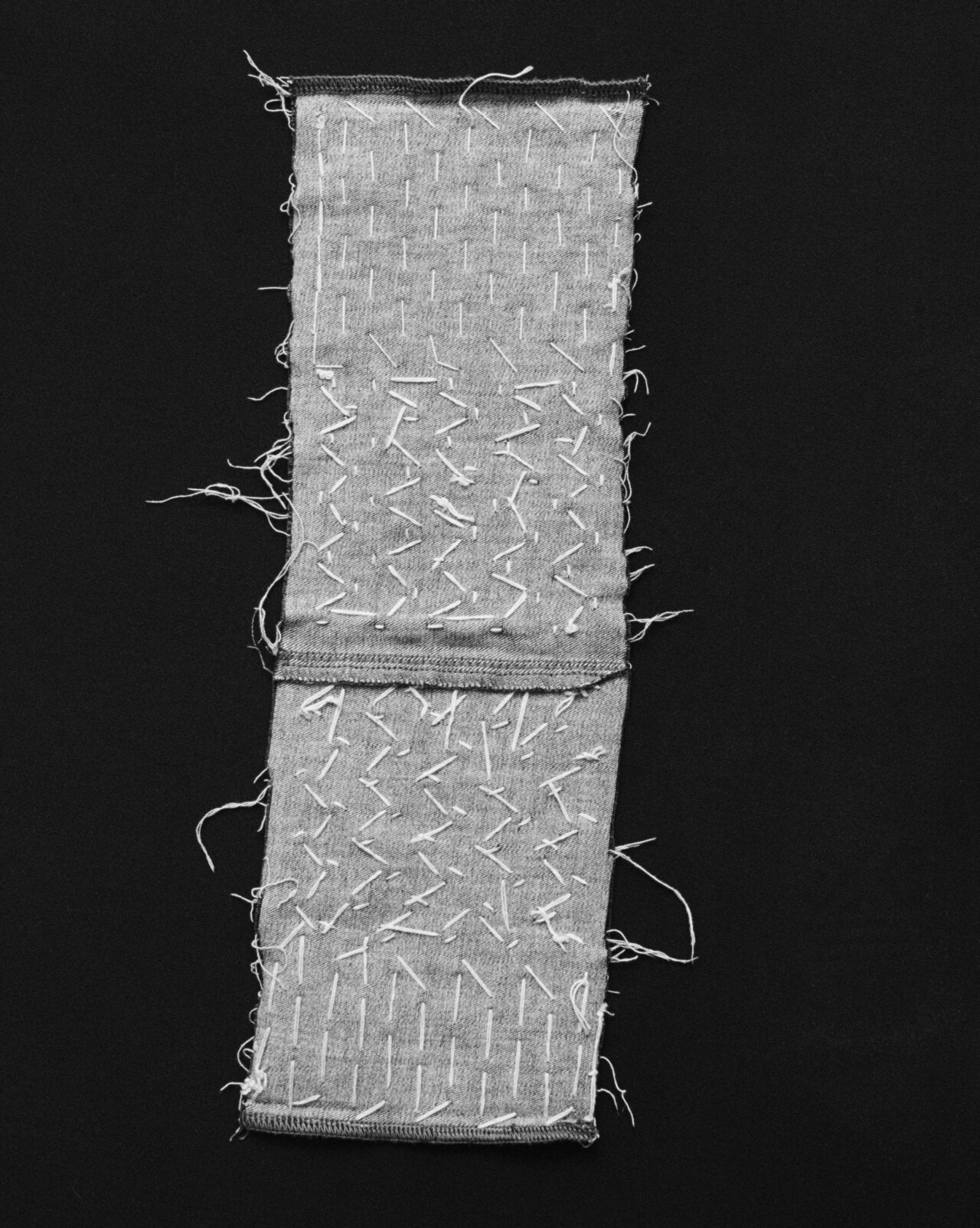
Activists often focus on the four ‘r’s: recycling, renting, reselling, and repair. All four aim to keep clothes and materials in circulation, but repair challenges the assumption that a damaged garment has reached the end of its life. Rather than remaking a garment or passing it to a new owner, it extends the life of something already in use. That shift places greater value on maintenance and opens up the possibility of an industry built not only on selling more clothes, but on helping people keep and wear them longer.
Repairing clothes is not new. Before cheap, disposable fashion became widespread, mending was a routine part of clothing care. Over the past decade, however, repair has re-emerged as a formal service offered by luxury department stores, high-street chains, and neighborhood cafés. An estimated 4,000 repair groups now operate worldwide, carrying out more than 190,000 repairs a year, according to a report from 2024 by Open Repair, while startups including Sojo, Save Your Wardrobe, and The Seam have raised more than $5 million in disclosed funding to make repairs easier to access and scale. Brands now offer a variety of services, such as free mending or paid alterations, for their products as a way of testing whether helping customers keep their clothes longer can build loyalty even when it replaces a new sale.
WRAP, the nonprofit focused on circular living, in 2025 developed a methodology to show brands how circular business models, including resale and repair, could work commercially for brands. The organization drew on a survey of more than 700 people who used repair services to examine the “displacement rate”: how often repairing an item displaced the purchase of a new one. The rate was 82.2%, meaning repaired items replaced more than four out of five potential new purchases.
Sarah Key, a senior research analyst at WRAP, emphasizes this is just the beginning, as repair has yet to become as convenient as resale. “With resale, you can really easily hop on your phone, buy something secondhand really quickly, whereas repair at the moment isn’t quite at the same scale,” she said. The interest is there, however. “Consumers are becoming much more aware of repair,” added textile specialist Sarah Robbins. “We’ve got the cost of living crisis, environmental concerns in general.”
Consider the growth of repair cafés. Often run by volunteers, these community projects repair everything from toasters to T-shirts, reflecting a broader shift away from a throwaway culture. Sally Kent works with the popular Nunhead Repair Cafe in southeast London, which began in 2022. She said the number of repairs has risen steadily each year. In 2025, it was 13% higher than in 2024, with clothing and textiles accounting for around half of the work. The people who come through the doors also suggest a changing approach to fashion. “The majority of people that come are mindful about what they’re wearing,” she said. “They’ve not brought something from a fast fashion brand, because it’s ripped after the second wear. They are bringing in items that have longevity.”
The rise of repair cafés coincides with the development of new legislation intended to strengthen consumers’ right to repair. In 2024, the European Union adopted rules requiring manufacturers to provide repair services within a certain time frame. Much of the legislation addresses the built-in obsolescence of electronics and mechanical products, but it could eventually have implications for clothing, too.
Robbins described the legislation as “a piece of the puzzle.” “We need policy, we need consumer awareness to raise, we need retailers to be offering repair, to be normalizing it, and making it more accessible,” she said. “You need all those factors together.”
Repair cafes are often run by volunteers; Nunhead has a GoFundMe to help it continue operating. But repair is increasingly being brought in-house by brands, too. These include labels that have long placed environmental responsibility at the center of their identities, such as Patagonia, Toast, and Finisterre; high street mainstays like Levi’s and Marks & Spencer; and luxury retailers like Selfridges in London. If repair cafes can be dismissed as niche, its adoption by mainstream fashion businesses suggests that it could begin to change the industry from within.
Representatives of these brands tend to stress the popularity of repair and its potential. Patagonia has more experience than most: The company said it has repaired clothing since 1976, and opened its repair centre in Reno, Nevada, in 1998. It now employs 100 people. The number of Patagonia garments repaired worldwide rose from around 120,000 in 2023 to nearly 175,000 items in 2025, according to the company.
“Over the years, we’ve learned that the items with the lowest environmental impacts are the ones we already own,” said Gin Ando, a Patagonia spokesperson. “Keeping our products in play for as long as possible is the most responsible thing we can do and significantly reduces the impact any one product has over the course of its life. Repair plays a big part in that.”
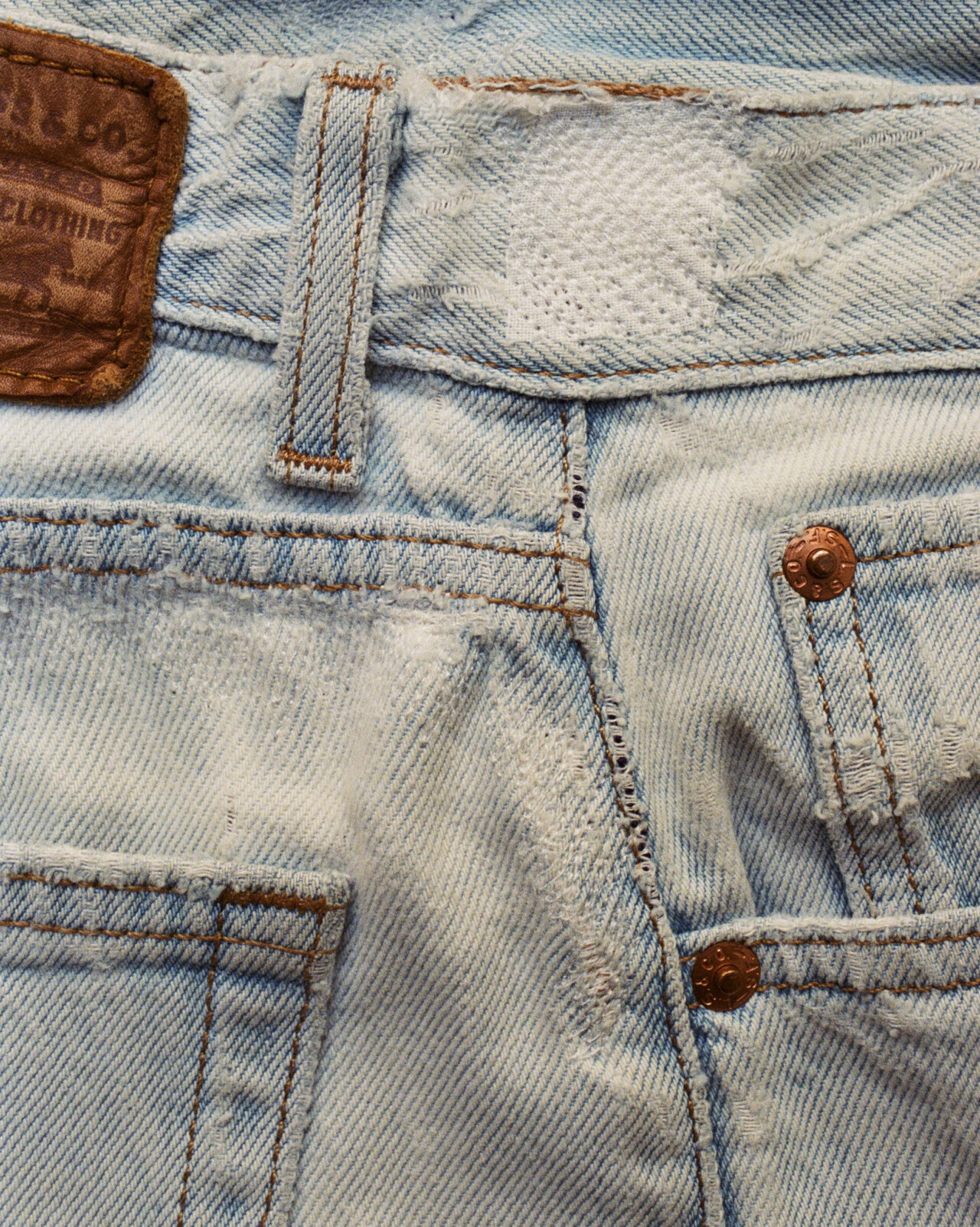
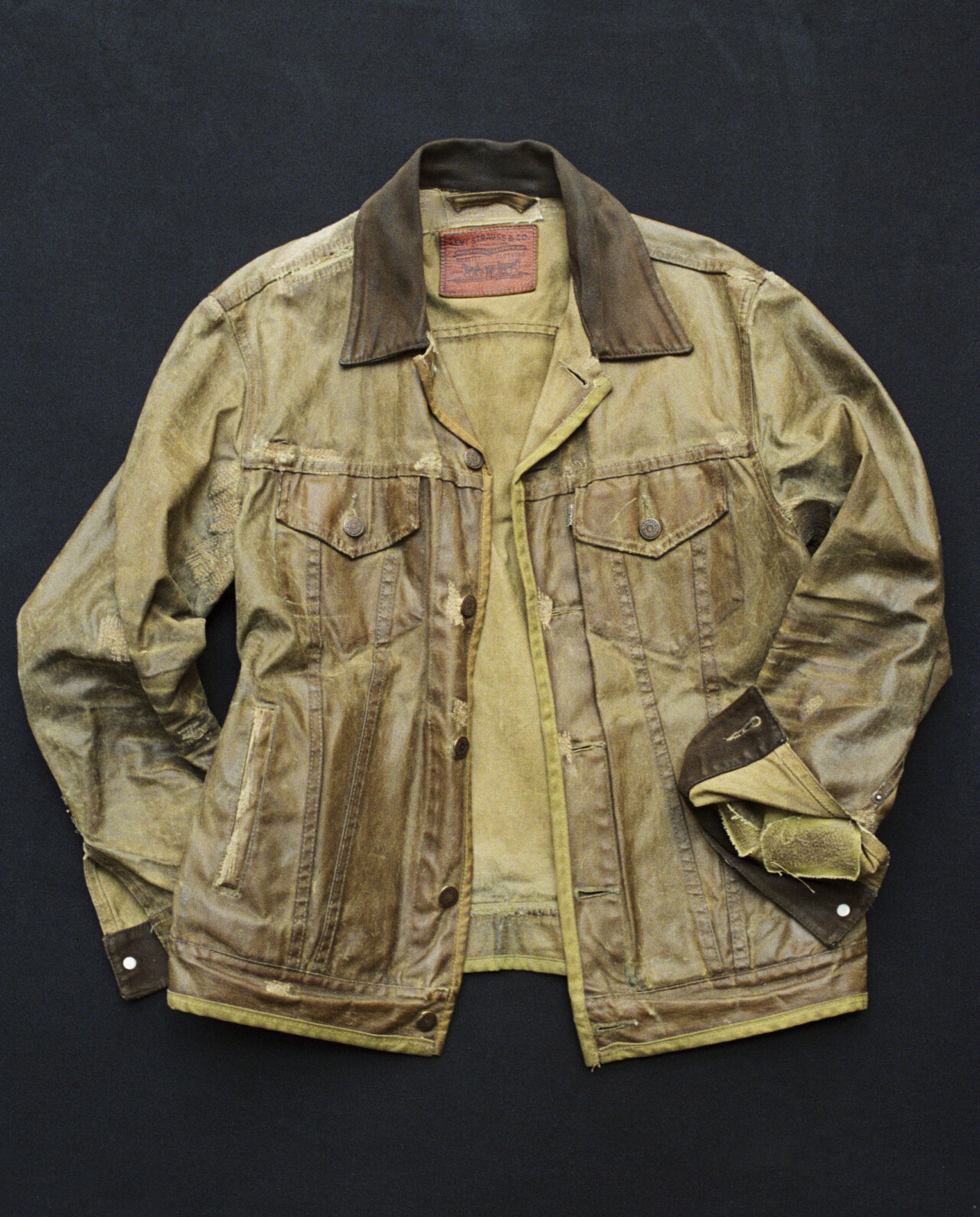
Levi’s opened its first Tailor Shops, where customers can have jeans repaired or altered, in 2010, expanding across Europe and the United States. Selfridges introduced repair services in its stores in 2020 as part of a broader circularity program, with the goal of having resale, repair, rental or refill account for nearly half of its transactions by 2030. In 2025, repair represented 12% of its circular revenue.
Meanwhile, British high street brand Toast began offering repairs in stores in 2019, again part of a wider move to CBMs. To date, the fashion label said over 12,000 items have been repaired. “It creates that sense of trust and loyalty, because you feel as though you can be part of something that’s trying to do something greater than just produce more things,” said Madeleine Michell, Toast’s social conscience communications manager. “We want to create an experience and a brand that people feel connected to.”
But there is an elephant in the room. Repair advances fashion’s sustainability goals precisely by slowing consumption, extending the life of garments and reducing the need for replacement. But that logic also runs against an industry whose revenues still depend on selling more products. As repair expands, it raises a harder question about whether brands can support practices that reduce demand for new clothes, particularly when companies such as Toast and Patagonia provide the service free and absorb the cost themselves. “I personally think it’s wonderful that brands are taking a little bit more responsibility,” said Kent. “But I also question as a business, how does it make sense?”
The brands most invested in repair tend to present it as part of a broader mission. “It might be devastating to a company whose sole purpose is to maximize profits,” said Patagonia’s Ando. “As a company that’s in business to save our home planet, we are obligated to invest in repair and resale and find all ways to decrease the environmental footprint made from running our business.” Others, including Selfridges, Levi’s, and Finisterre, charge for repairs, an approach that may make it easier to incorporate the service into a profit-driven business model.
Repair can also deepen the relationship between a brand and its customers because it is a continuing service rather than a one-off transaction. “We don’t see it as losing out on the potential sales,” Michell said. “It’s the investment in the customer and investment in the community, so that they feel like they can trust what it is that we do.” The value, in other words, lies in keeping customers close, even when they are buying less. “For us, success doesn’t have to be measured in pure commercial terms to be commercially valuable,” said a spokesperson for Levi’s. “Its wider impact on brand equity, customer loyalty, more conscious consumerism, and product longevity is also a source of long-term value.”
“It’s essential that we see our existing clothes as our responsibility, so repairing them when they break or altering them when they no longer fit is of the utmost importance.”
But not everyone is convinced that repair programs run by major brands amount to meaningful change. Fair fashion campaigner Venetia La Manna is the UK representative for The Or Foundation’s Speak Volumes campaign, which urges brands to disclose how many items they produce each year. “I find repair programmes from extractive Big Fashion brands violent because these very brands wouldn’t exist without extracting the labor of garment workers who they routinely underpay,” she said. “And these same brands refuse to tell us how many items they produce annually.”
WRAP, however, is eager to help brands introduce repair into their businesses. Its position is that giving more sustainable solutions time to take root in fashion may require playing the long game. Research from WRAP suggests customers who use a brand’s repair services are more likely to buy from it again because the service builds trust, according to Key.
WRAP believes the industry needs to travel further down this road before it can know whether repair provides a viable alternative to fashion as it currently operates. “What we want to see across the UK market is revenue from circular business models growing over time and replacing some of the revenue brands currently derive from new sales,” Key said. “We want to show that brands can generate revenue from these models and make them a viable part of their business alongside selling new products.”
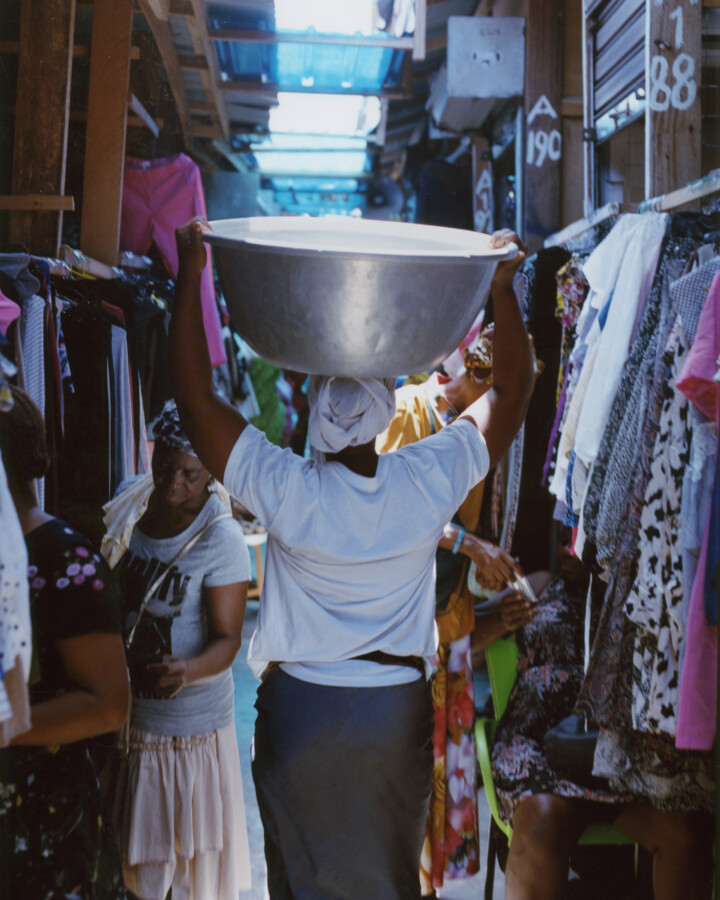
Before the rise of fast fashion, of course, repairing clothes was simply part of how people managed their wardrobes; the practice remains a necessity, or at least commonplace, in many parts of the world—including large swaths of the U.S.—where money is tighter, closets are less full, or one’s clothes are more valued. La Manna is keen to stress that the wider fashion industry could take its lead from communities in the Global South. “We just need to look to and take our lead from communities like Kantamanto in Ghana who provide a model of true circularity in action,” she said. That circularity, however, comes at a cost, from the physical toll on kayayei—women who carry heavy clothing bales through the market—to the mountains of clothing waste the market absorbs. “The local resale community is made up of 30,000 independent retailers, upcyclers, and repairers. They manage to resell, repurpose, and recirculate an estimated 25 million items each month.”
Individuals have less influence over fashion’s global footprint than the companies that produce clothing, but there is still value in adopting a repair-first approach. “It’s essential that we see our existing clothes as our responsibility, so repairing them when they break or altering them when they no longer fit is of the utmost importance,” said La Manna. “For me, that looks like supporting my local tailor, and I’ve also joined my local repair cafe where I learn to repair with my community.”
The community value of repair has practical consequences. Repair cafés teach people how to extend the life of their clothes, while growing popularity signals demand for alternatives to disposable fashion. That shift in public attitudes has also helped build support for broader right-to-repair legislation, including in the United States, where eight states have right-to-repair laws on the books and legislators this year introduced more than 50 right-to-repair laws in at least 22 states.
The good news is that interest in repair appears to be growing. Nearly 3 in 5 people in the U.K. say they are open to using a clothing-repair service, according to WRAP, while 67% of U.S. consumers say they are willing to pay more for well-made items that last longer. The renewed popularity of so-called “grandma hobbies,” including sewing, may help close that gap. The New York Times reported that Pinterest searches for beginner sewing projects had risen fourfold over the previous year, driven largely by people under 34. Toast and Levi’s have also introduced programs that teach customers to repair their own clothes.
The social side of repair may be its greatest strength. “We’re about community spirit, where repair is not just about saving money and reducing waste; it is about sharing skills,” Kent said. “These things can be super straightforward, but they’re quite daunting if you’ve never picked up a needle and thread before.” Starting small may be one way to make a real difference—even if it’s only one button at a time.
Set design Lauren Walkup
Join our membership community. Support our work, receive a complimentary subscription to Atmos Magazine, and more.
The Right To Repair Your Wardrobe