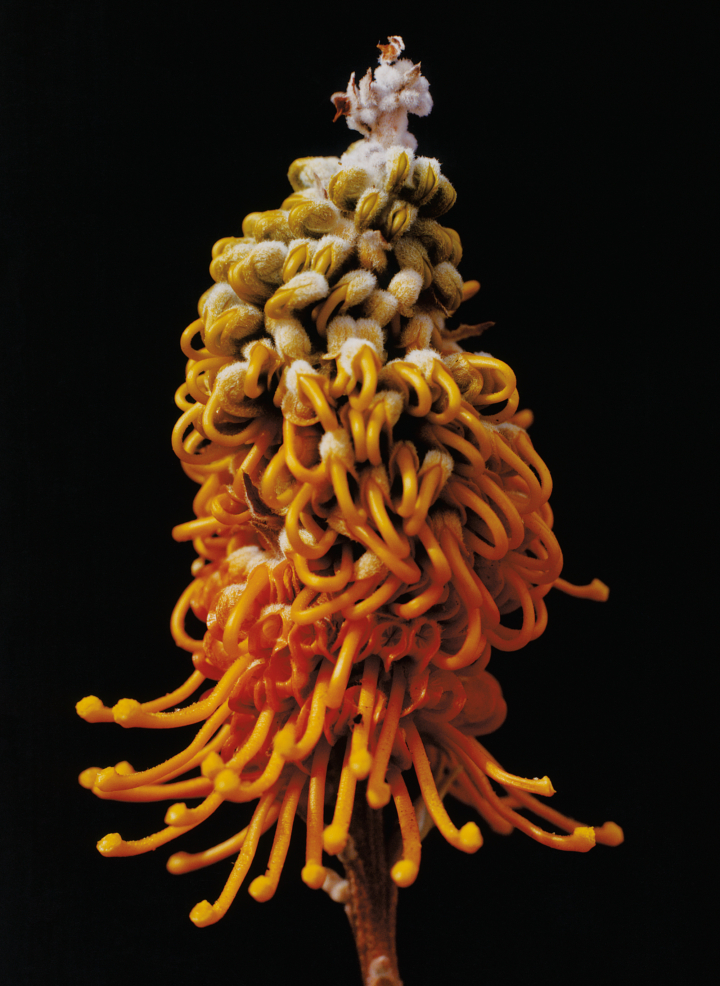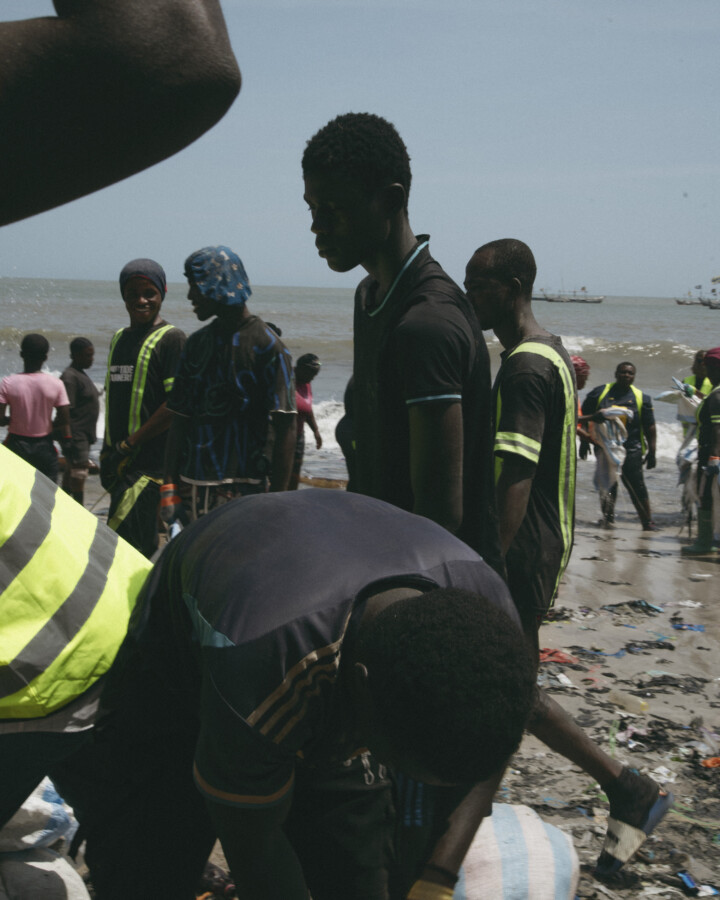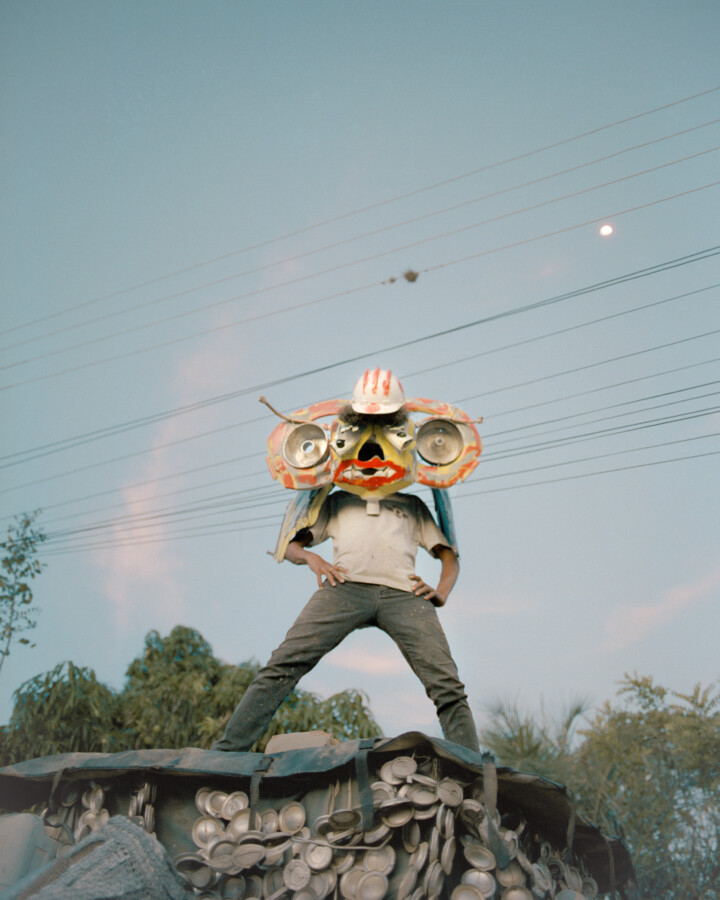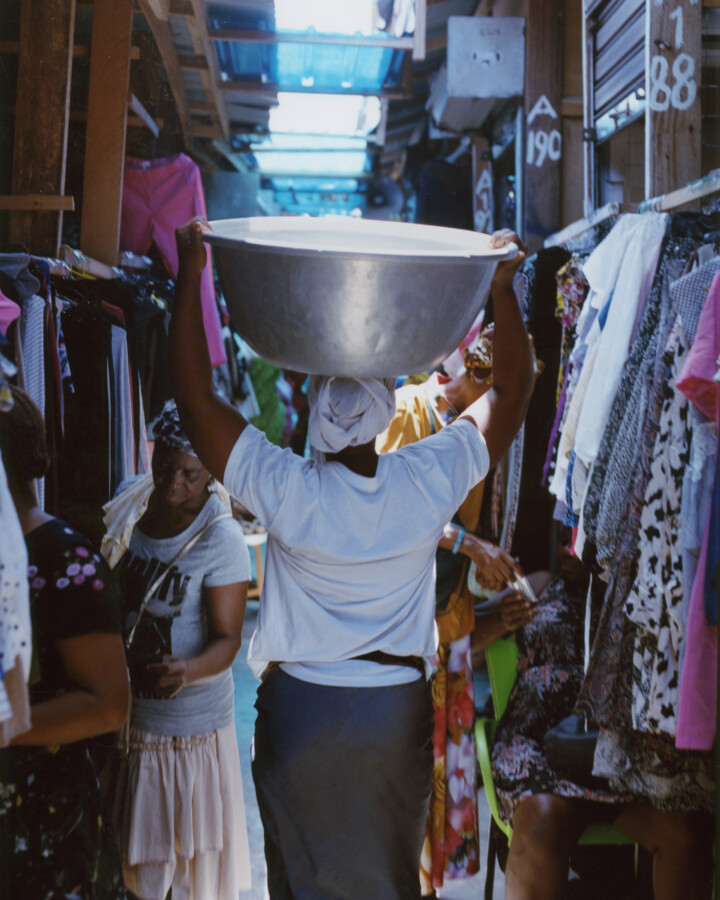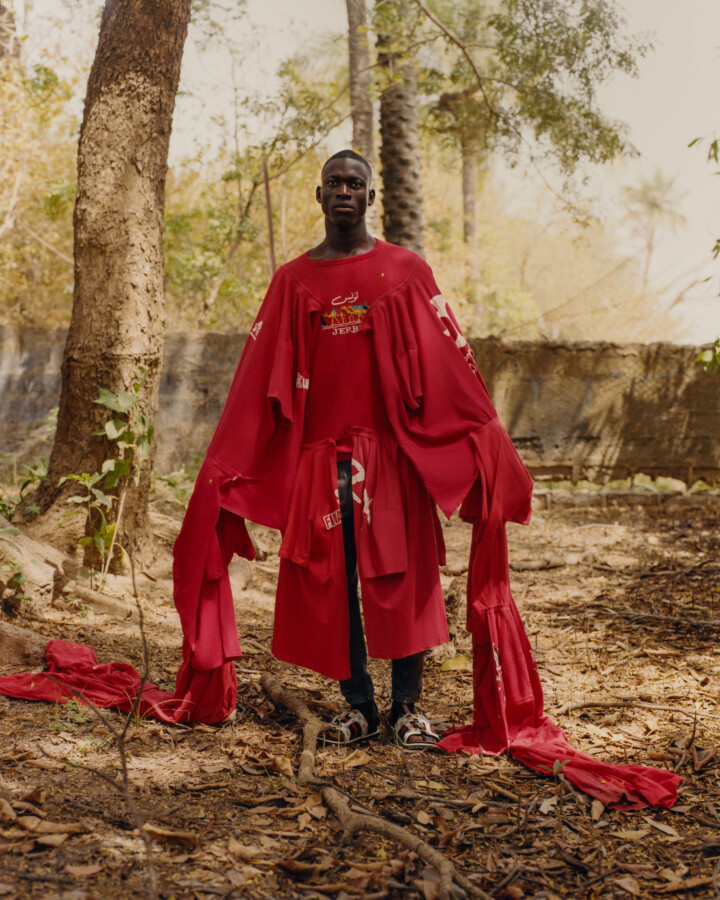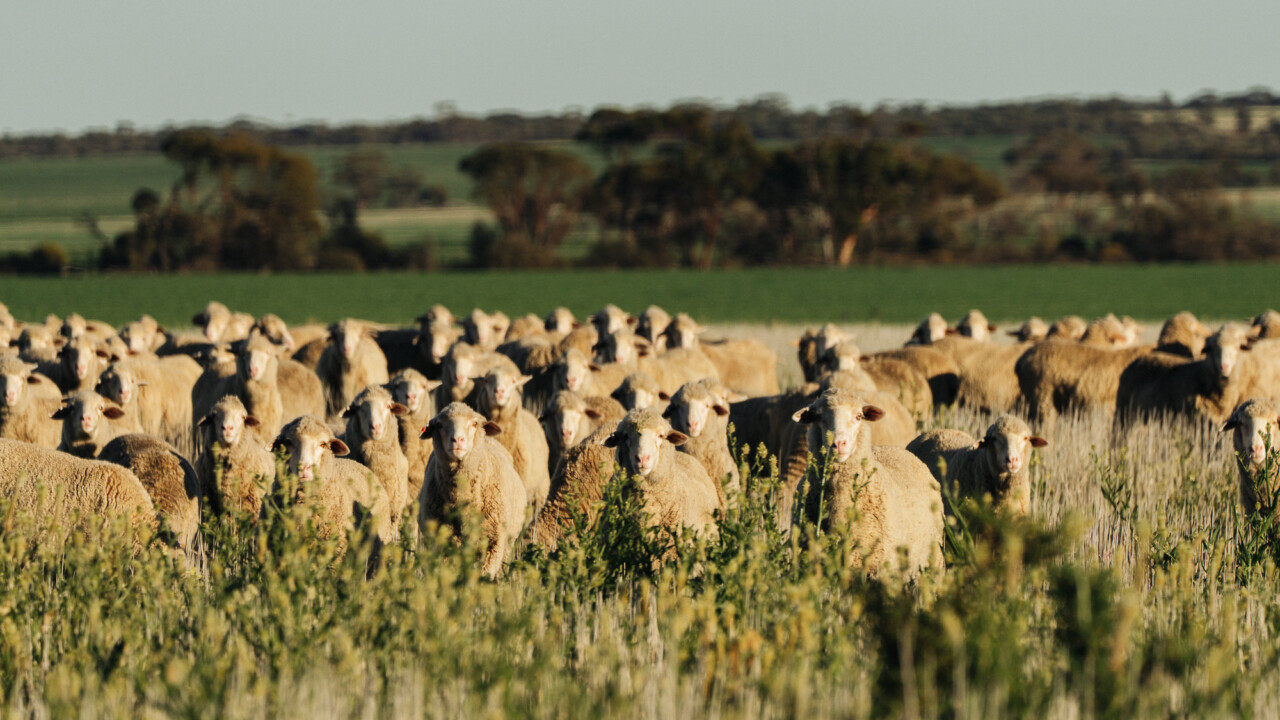
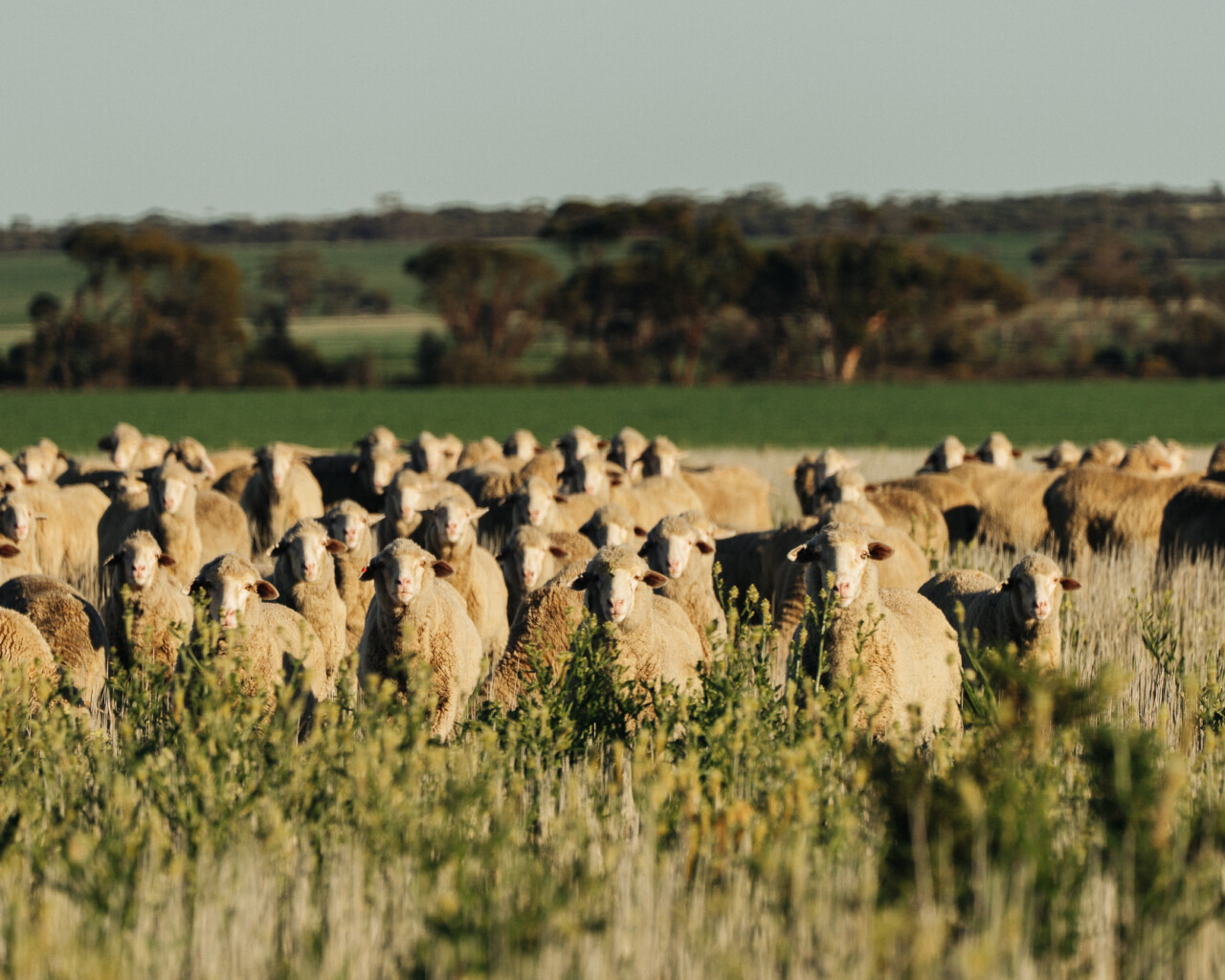
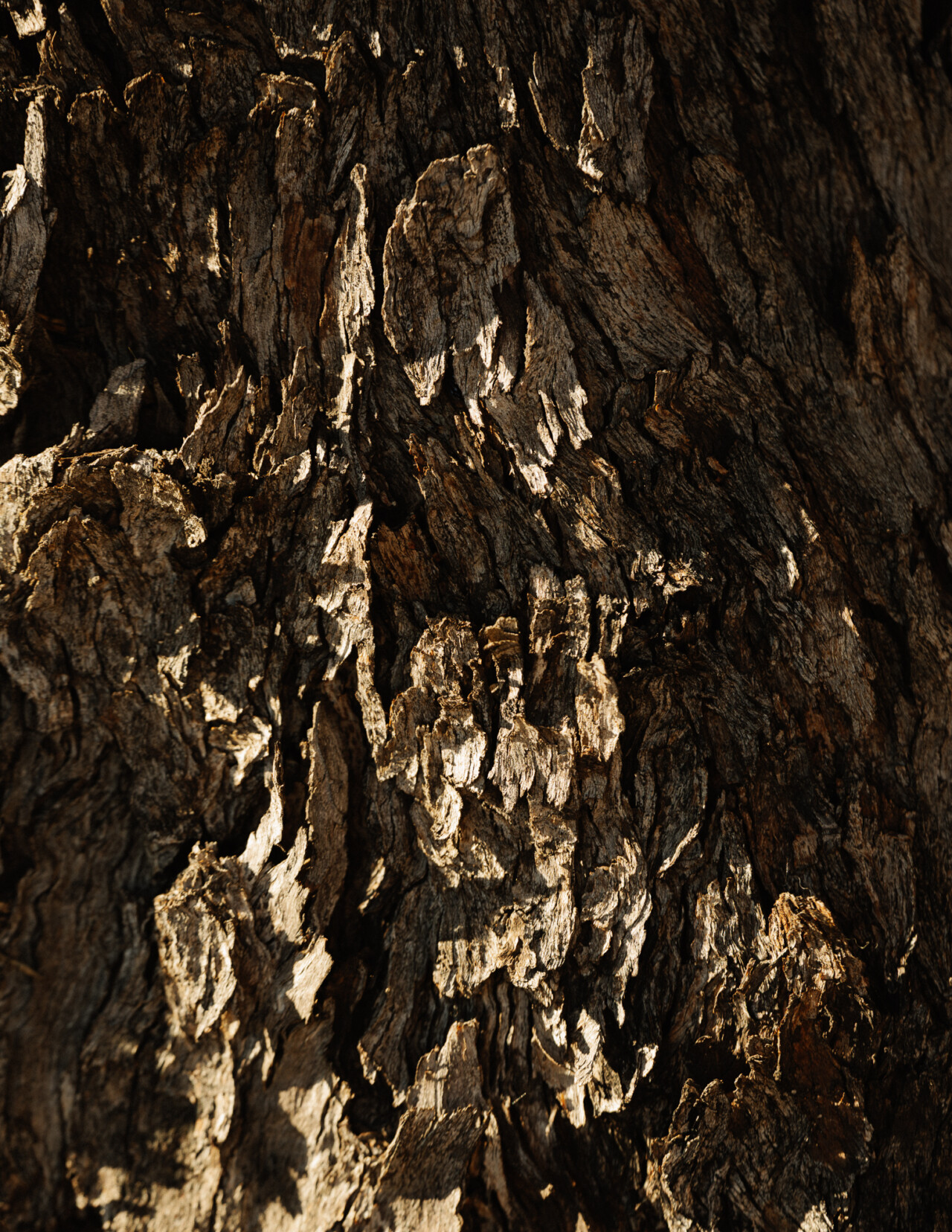






Photographs by Tristan McKenzie
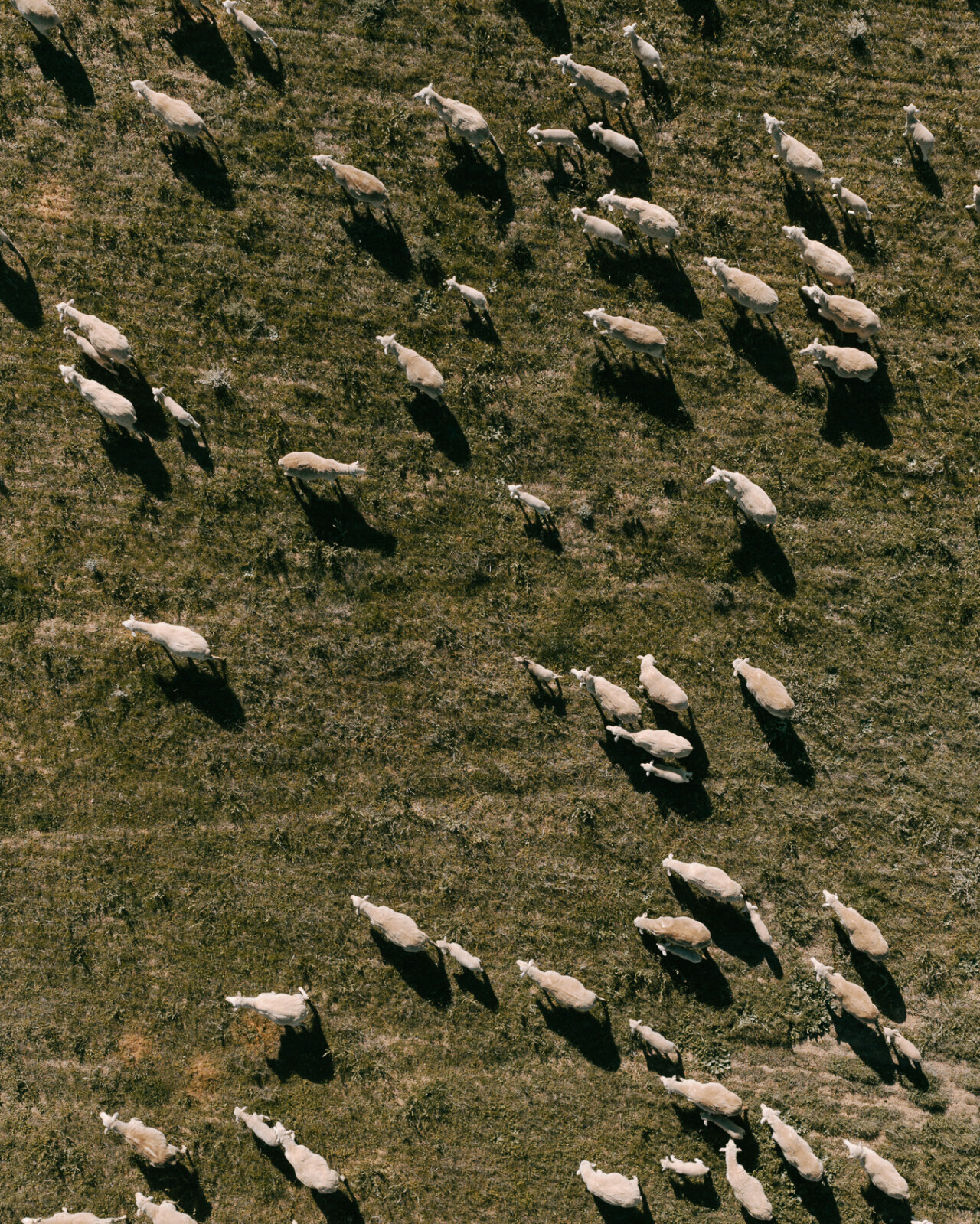
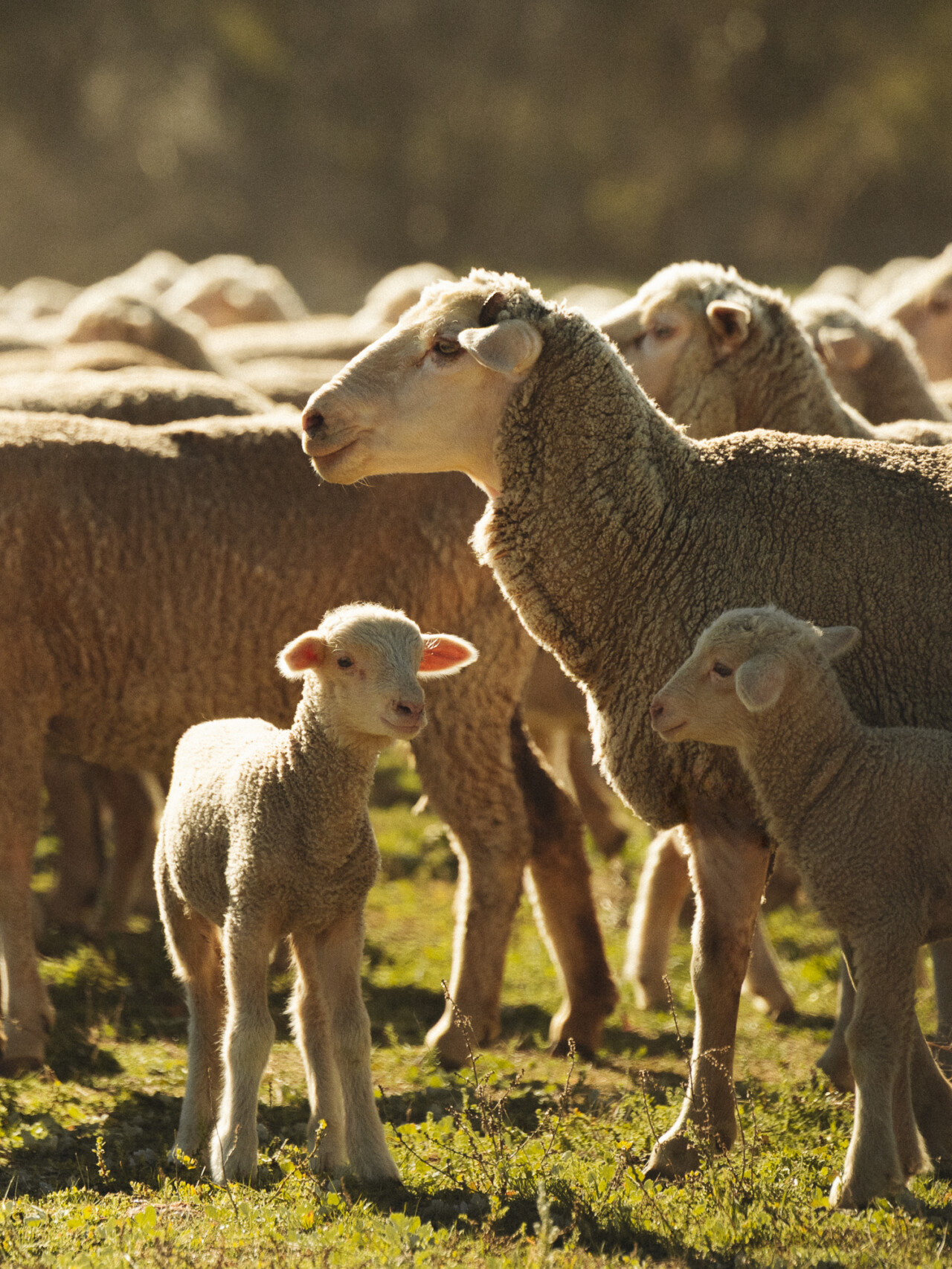
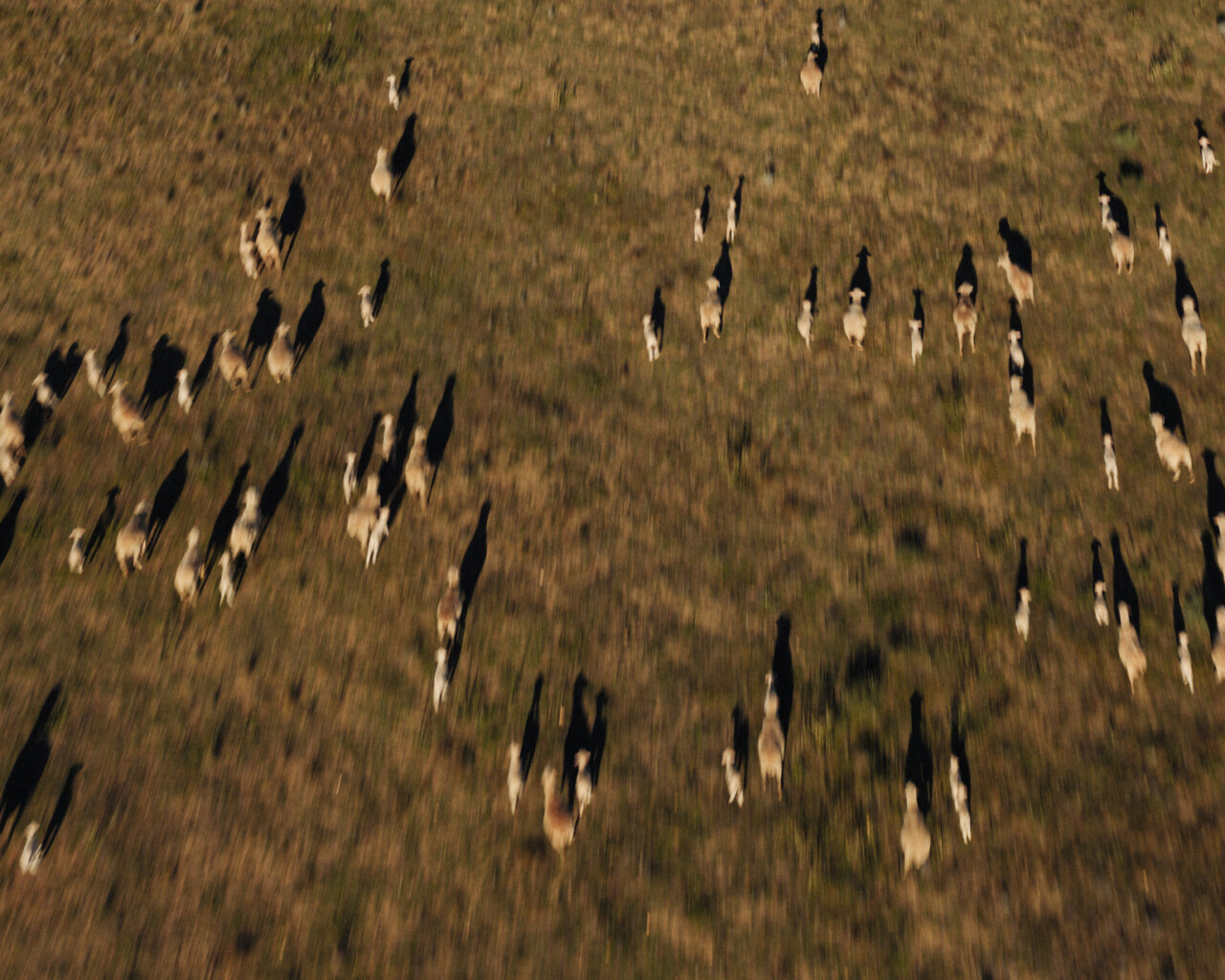
High in the Andes mountains, a puma looks down upon the Patagonia plateau, eyeing a large herd of woolly sheep moving in lockstep. The threat of attack distresses the rancher below. These sheep are his livelihood, their thick wool destined to enter a supply chain before becoming a warm sweater hanging on a clothing rack with a hefty price tag. But the puma’s presence is actually a good sign for the farm: Its return to the landscape signals a healthy ecosystem.
“There are indicator species that you can see at different stages of ecosystem repair,” said Bronwyn Botha, regenerative agriculture and biodiversity strategist for Textile Exchange, a nonprofit supporting the fashion, apparel, and textile industries in sourcing raw materials and fibers from preferred production systems. “If you’ve got one of those predators, like a puma, it might be annoying for your wool production, but it can also be a great sign that things are doing well.”
The puma isn’t just a symbol of ecological recovery. It is also part of the same ecological system where clothing often begins. Long before our clothes reach our closets, their raw materials exist in landscapes such as these. Conventional raw material production, however, has often resulted in farms and forests with damaged soil and a decimated chain of living organisms that create the conditions for the clothes we wear to be possible in the first place. A growing fashion movement pushes back against these extractive models and challenges us to work in tandem with natural systems, rather than against them.
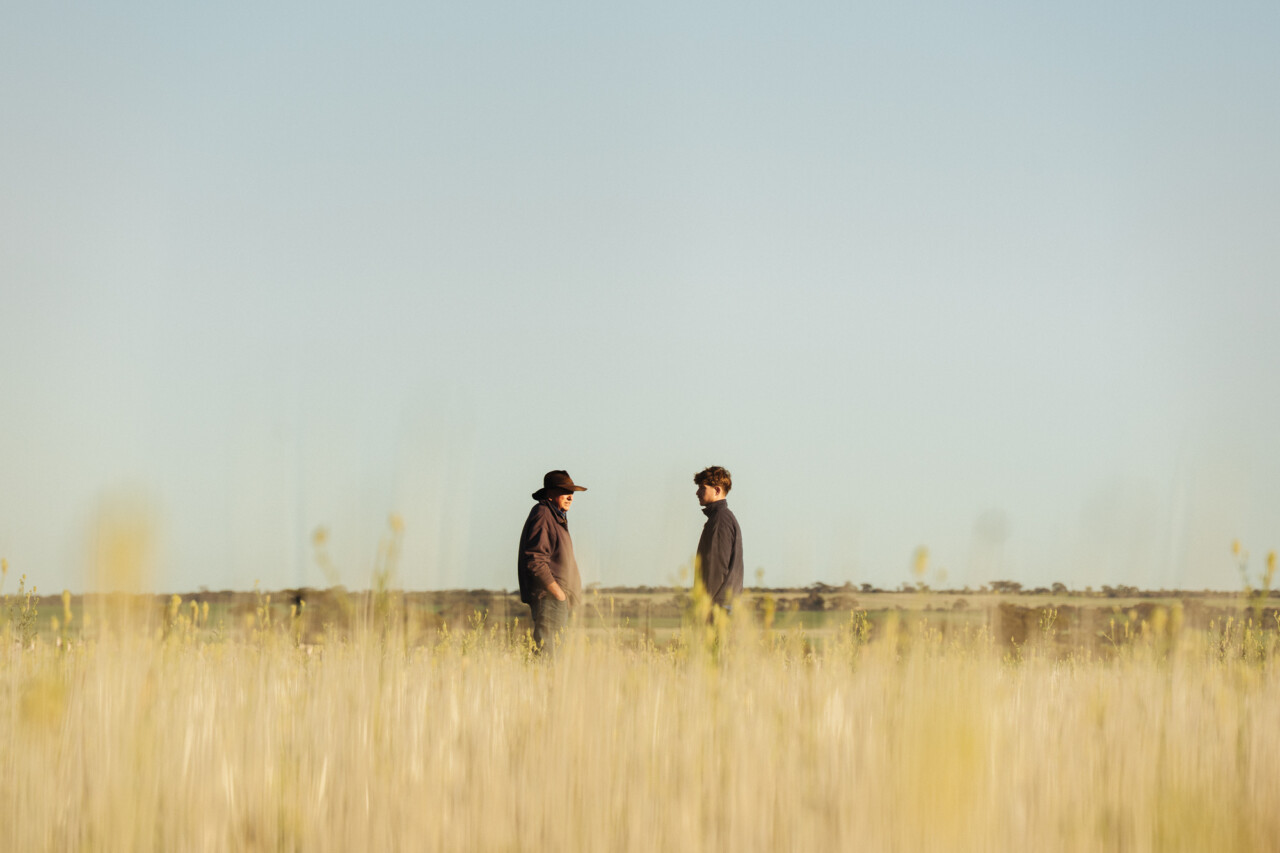
“As soon as you start working in unity with the biggest workforce on this planet, which is under our feet—that’s the micro life in the soil—and actually start to get them to work for you, [there is a significant] difference that can happen,” said regenerative farmer Ian Haggerty of Natural Intelligence Farming.
Regeneration in fashion asks: Instead of taking from the Earth, what if we could give something back? While conversations around sustainability in fashion have become increasingly prominent throughout the industry, the concept of regeneration takes it a step further. The focus shifts from simply sustaining ecosystems to actively restoring them through practices that include reducing synthetic inputs, planting cover crops, grazing management, and making space for wildlife.
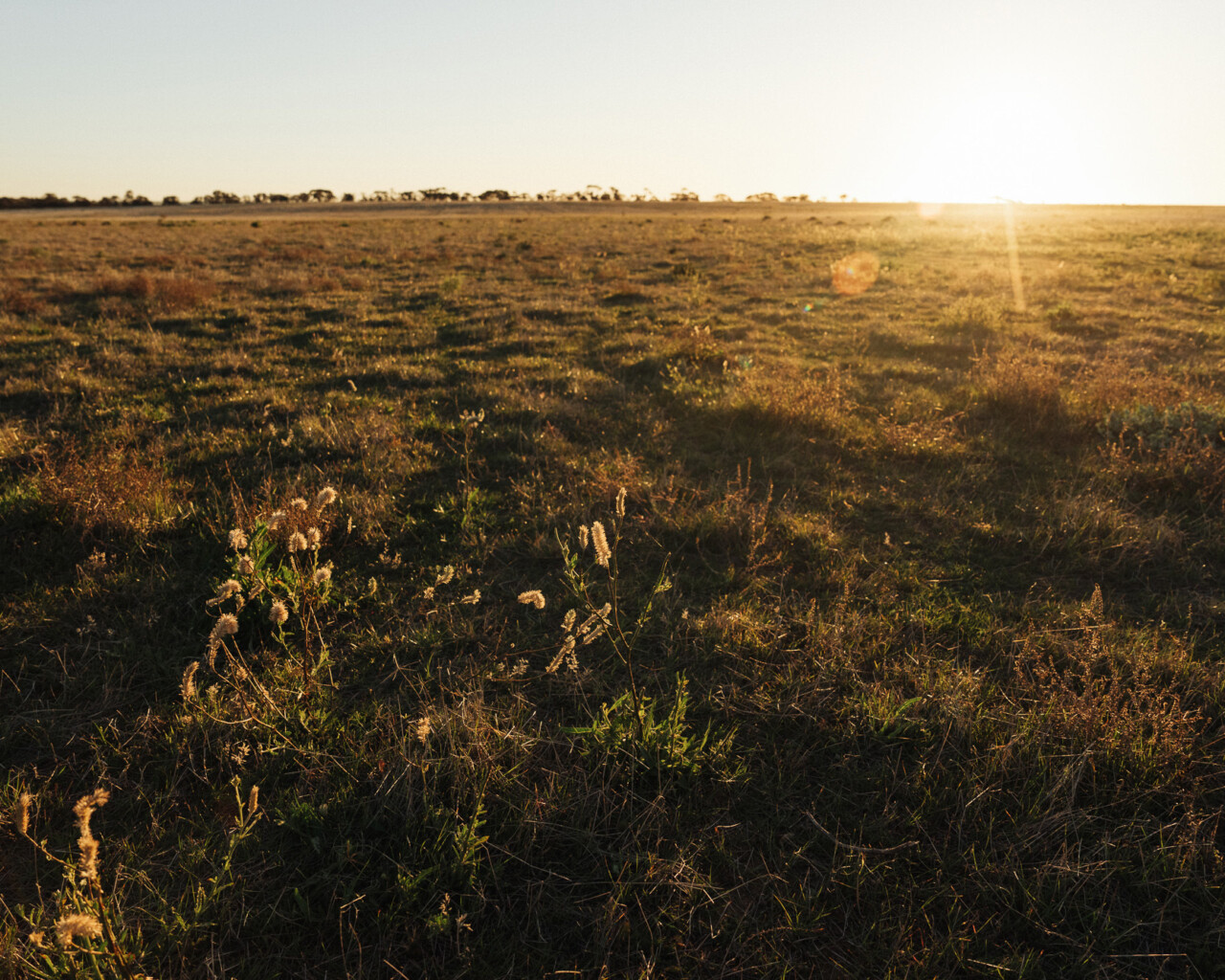
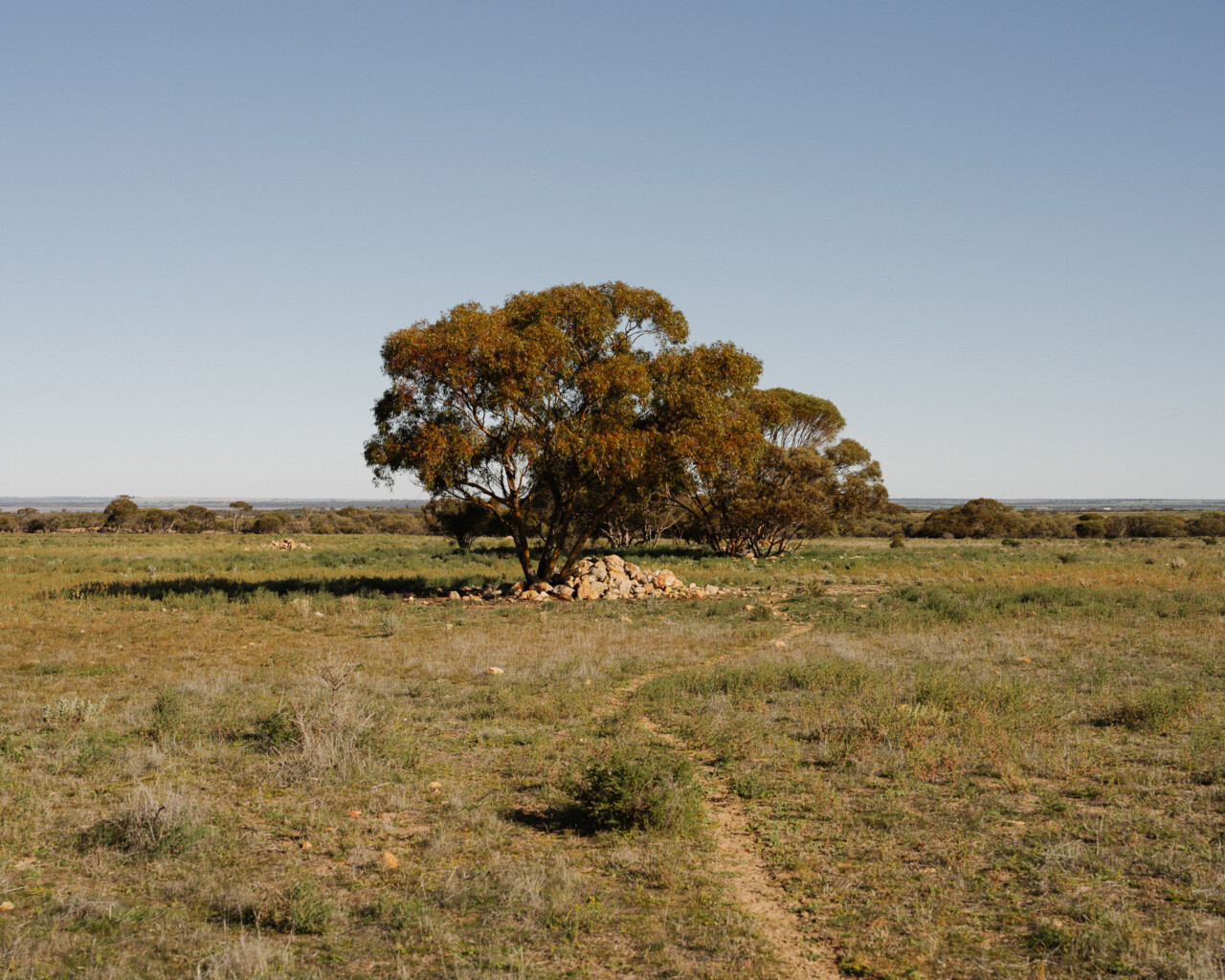
The first signs of regeneration in motion begin with changes in the soil. Nature and ecosystems operate under a principle of cyclic succession, says Botha. This means that every time the condition of soil positively shifts, it creates the environment for another set of species to come to life. This begins with whom Botha describes as the pioneer species: those pesky weeds that thrive in poor conditions: “They can handle some of the worst conditions. They come and photosynthesize, starting that carbon process.” Then comes the secondary species: microbes that replenish the first couple of centimeters of soil and dung beetles that penetrate even deeper. As conditions improve, apex predators like the puma show up.
Regenerative agriculture is hardly a new concept, but it has been a new conversation within the fashion industry. Still, to truly understand regeneration, Botha says, we must first recognize how deeply connected to nature Indigenous peoples have been and continue to be.
“You can’t be considering and managing for nature if you’re not understanding your part in it,” she said.
This severance between humanity and the natural world is why so many consumers don’t connect the fact that their clothing even came from an ecosystem. Whether it was a cotton crop, animal fiber, or fossil fuel, everything we wear derives from the Earth and requires human labor.
“Clothing doesn’t just magically enter a store,” said Beth Jensen, Textile Exchange’s chief impact officer. “There are so many different steps involved in the process.”
If the fashion industry can work more in alignment with the natural systems required to grow materials like cotton and wool, Jensen explained, there’s an opportunity to have a positive impact on people and the planet by building soil carbon and resilient livelihoods for workers and communities.
Regenerative agriculture, however, is just one solution within a broader view of circularity. In natural systems, resources are continually reused and returned to the Earth rather than treated as waste. For Jensen, the goal is to replicate this model across the fashion system. That means supporting natural solutions like regenerative agriculture alongside technical innovations such as textile-to-textile recycling, which helps give existing materials a new life.
These efforts are meant to ultimately lead to a fashion industry that supports climate, nature, people, and animals. Examples of this kind of reciprocal relationship between fashion and nature exist across the world; perhaps making it more widely visible could inspire decisions that benefit ecosystems, communities, and the future of fashion alike. For Textile Exchange, that’s where the power of visual storytelling comes in.
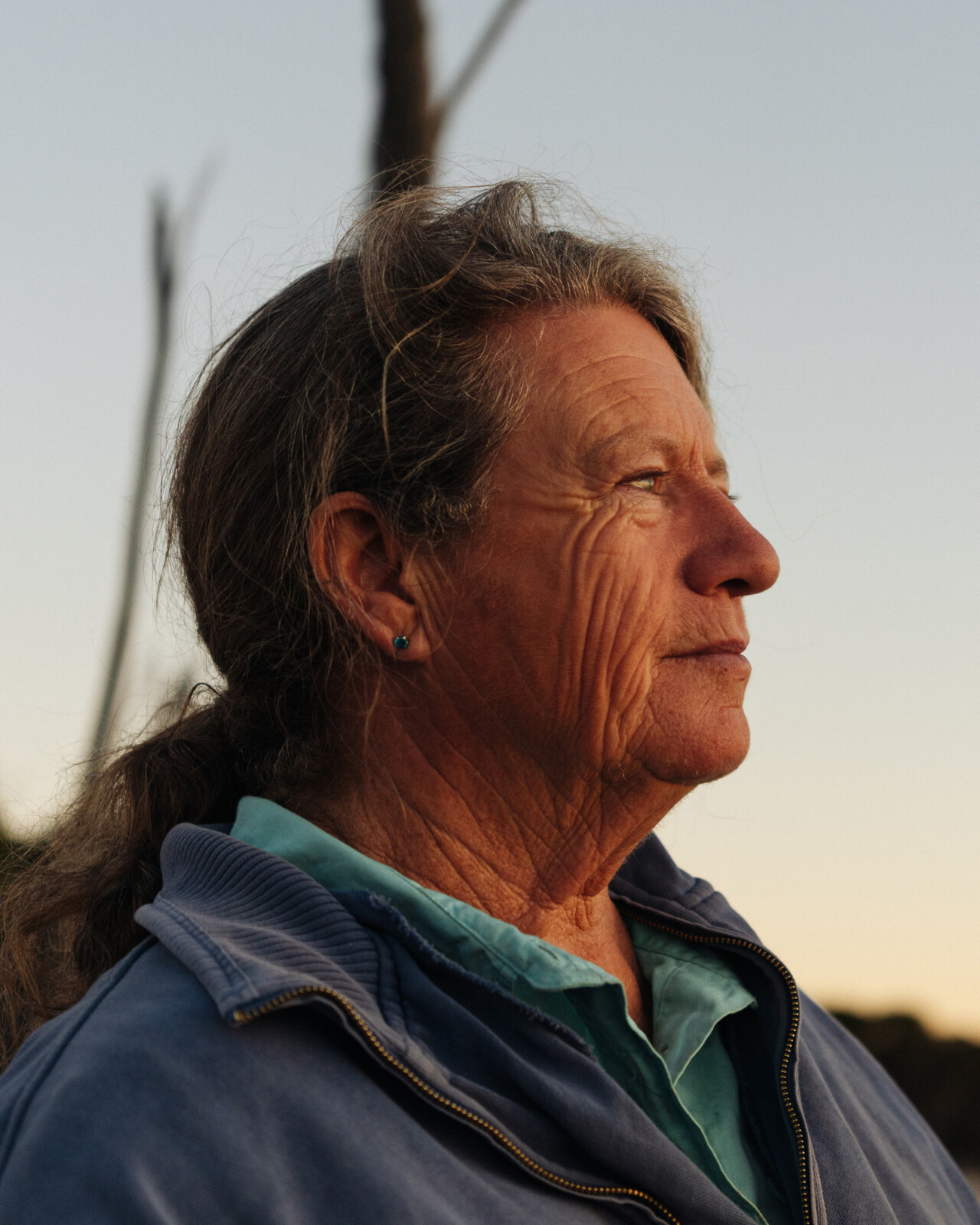
“A photo, a recognition of someone who is doing this work on the ground, is so much more powerful than just the data alone,” said Jensen. “We really feel strongly at Textile Exchange that it’s important to recognize and evidence those who are leading the way in this idea of regeneration and uplift those stories.”
As part of our Fashion Regenerated competition, Textile Exchange asks photographers to return to where the garment first begins, documenting what is possible and what is already underway in the regenerative fashion space. That doesn’t mean just capturing the successes, but also how ecosystems and material systems evolve over time, the local knowledge they depend on, and the communities behind the clothes and textiles we use every day without considering their origins. In making these stories visible, photography reminds us of the real people and systems behind it all.
If you have a story to tell, learn more about the Fashion Regenerated competition and how to enter here.
Join our membership community. Support our work, receive a complimentary subscription to Atmos Magazine, and more.
The Ecosystems Woven Into Our Clothes