Good Neighbors 10.15.26
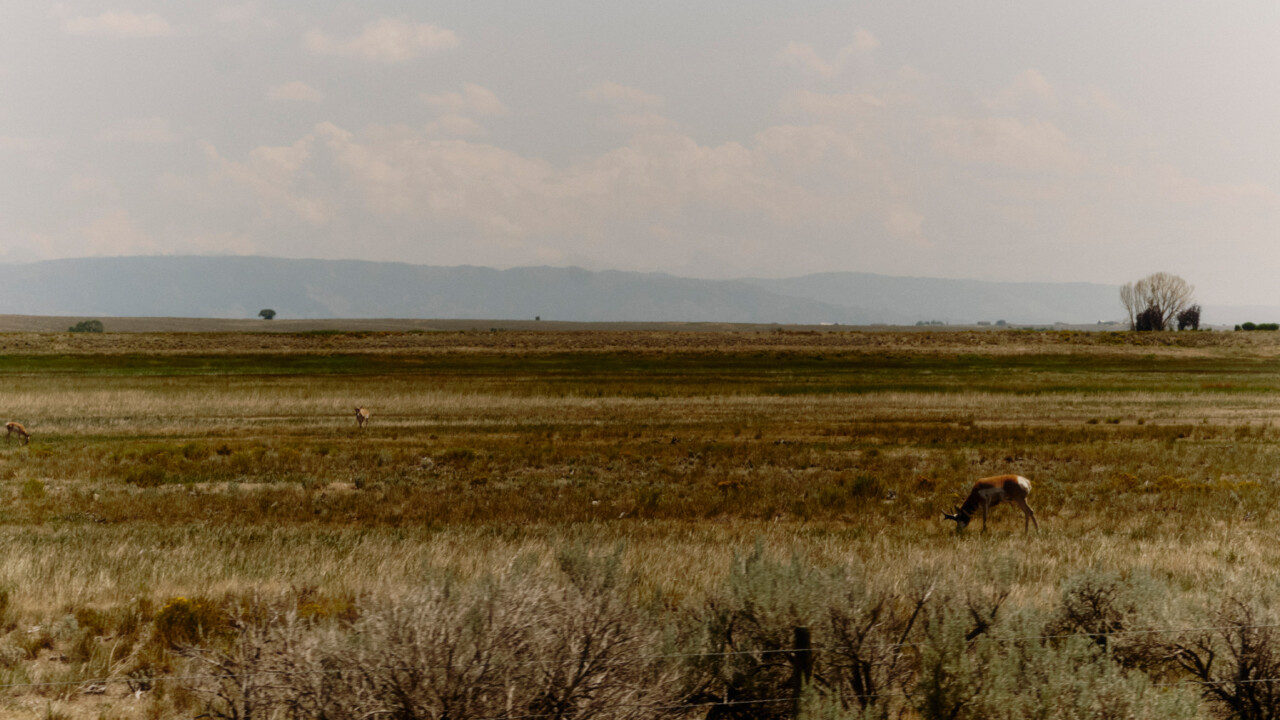
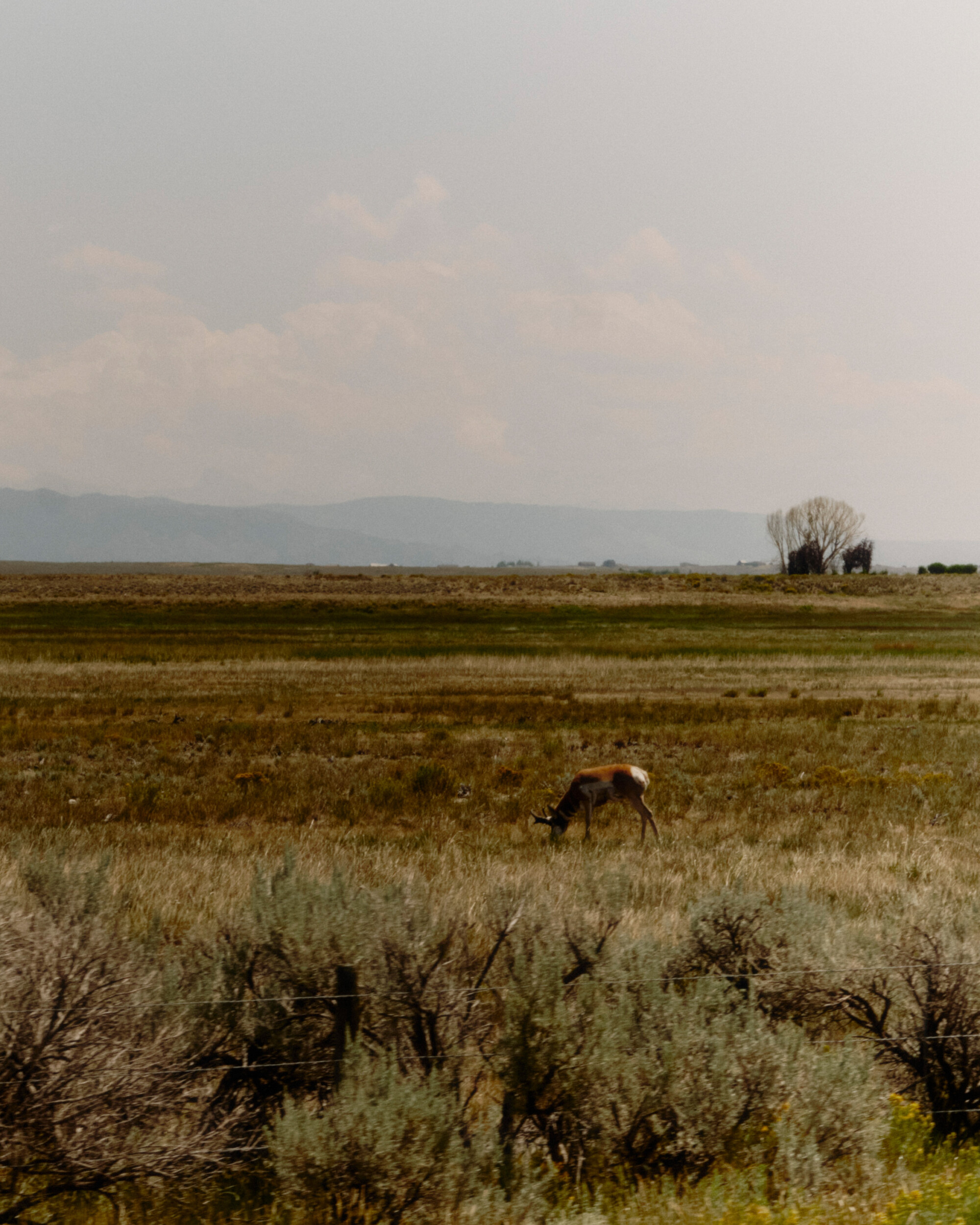
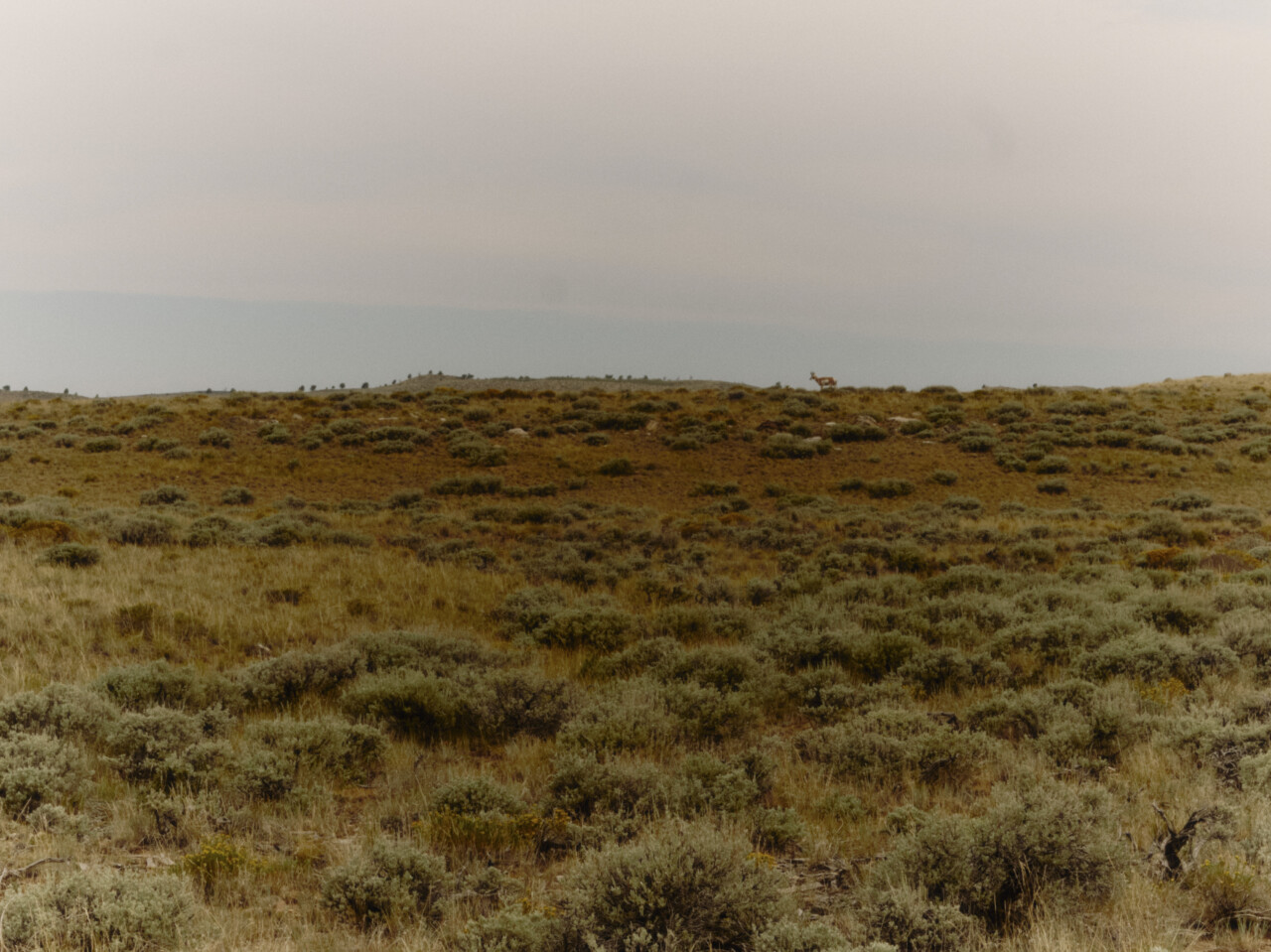
From 300 yards away, a pronghorn at a standstill doesn’t look like a pronghorn at all.
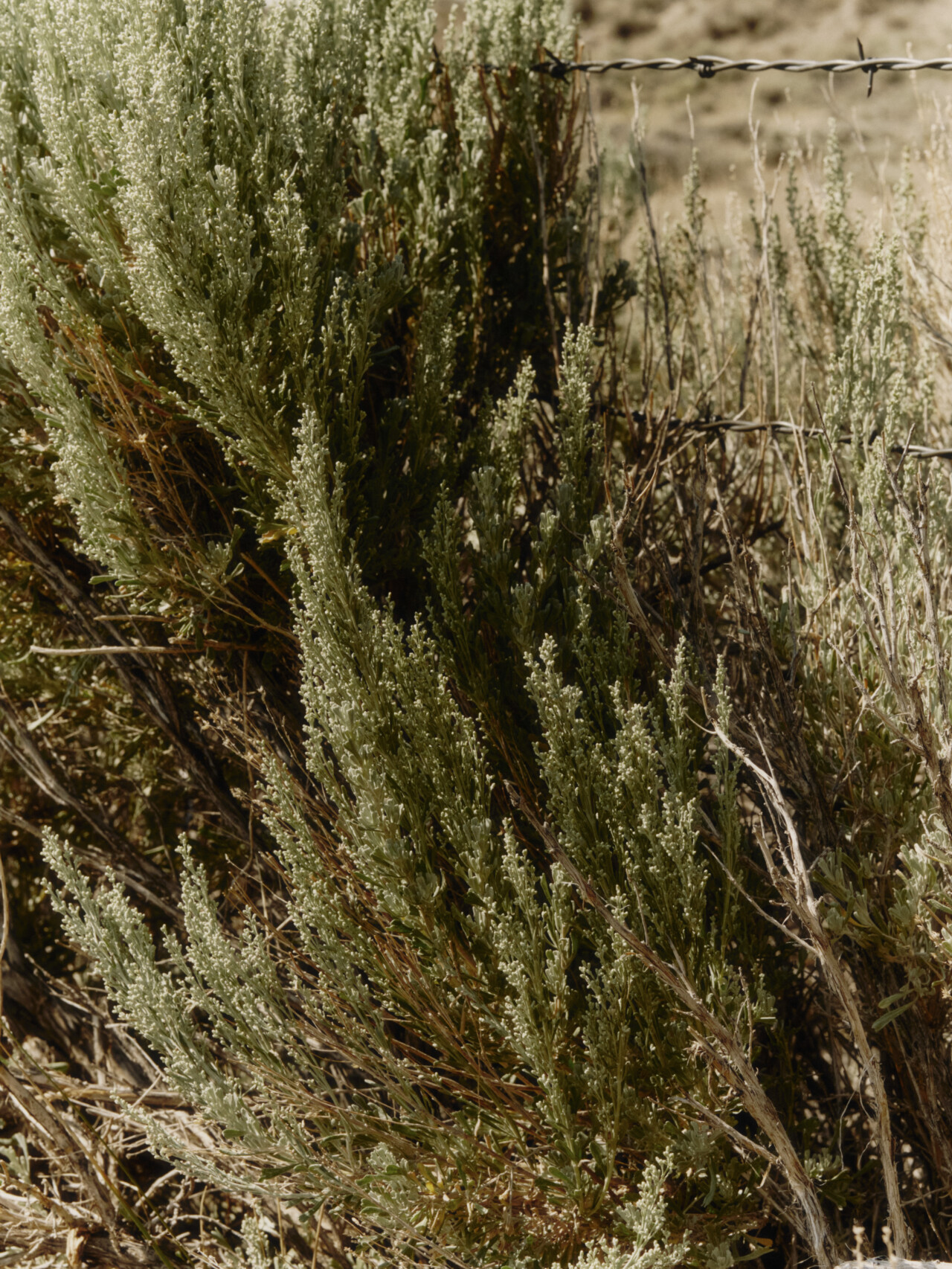
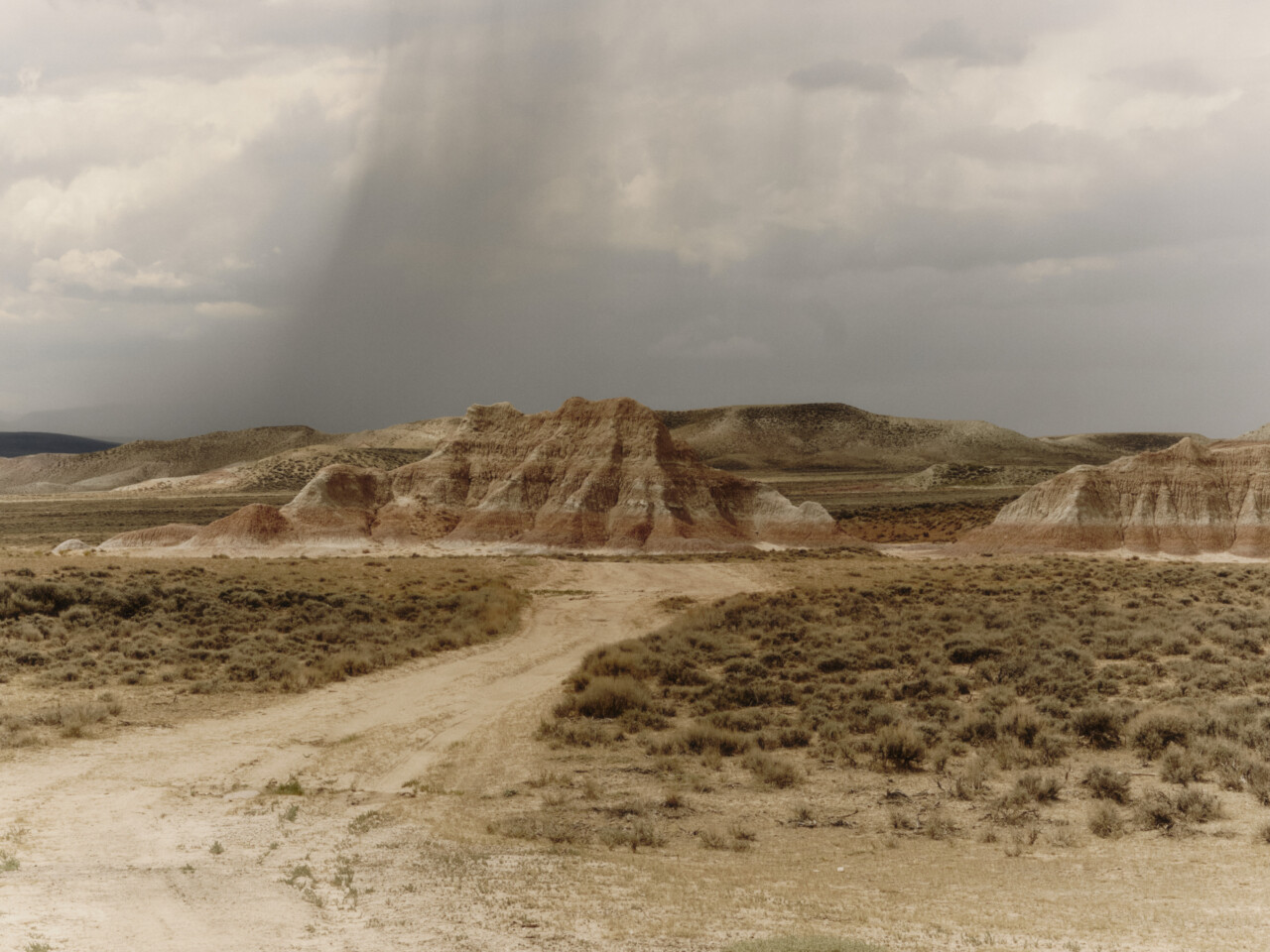
The animal blends in with the surrounding dehydrated grasses, sagebrush, and sunbleached rocks, staples of the western Wyoming landscape amid a droughty July. Accordingly, I’m proud to point out a distant buck from the passenger seat of Jill Randall’s pickup truck.
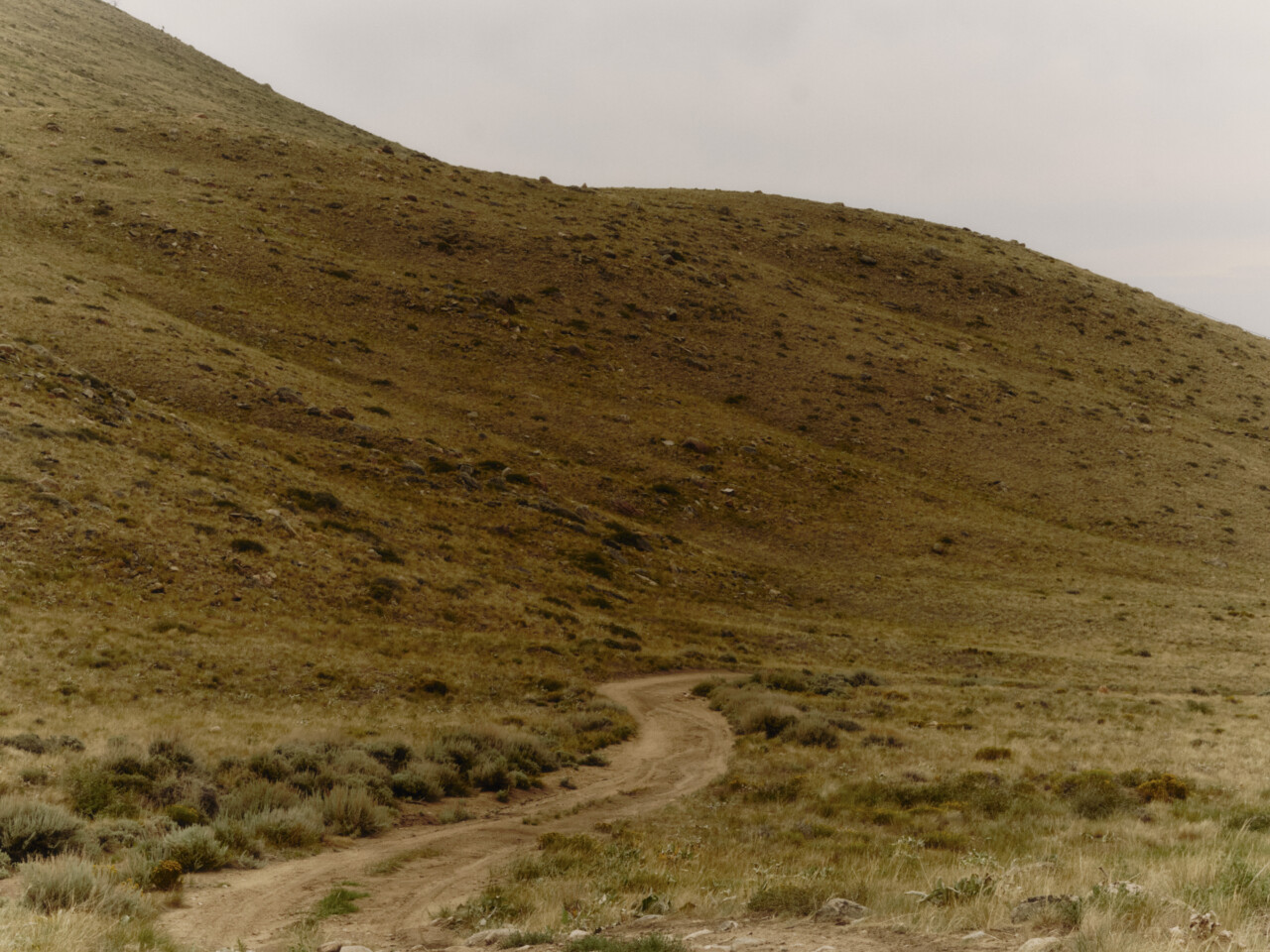
“Oh yeah, good spot.” Randall slows the truck, watches the buck for a moment, then continues down a rudimentary two-track road that supposedly leads to a small reservoir.
“I don’t know how much water it has,” Randall warns. “This year has been really tough. We had a very, very mild winter. Like, the most mild winter I’ve ever experienced living in Wyoming.”
Despite the harrowing conditions, more pronghorn materialize in the distance. Then a few more. Not much of the Sublette herd is nearby at this time of year, Randall explains. But then a bachelor group of eight or nine bucks bolts in front of the truck as we leave state land and enter a parcel owned by the Forest Service. It occurs to me that, for a herd of tens of thousands of animals, “not much” could still mean a few hundred.
Often mislabeled as antelope, the pronghorn’s closest relatives are actually the giraffe and okapi. The American pronghorn is the fastest land mammal in North America and the entire Western Hemisphere, reaching top speeds of 60 mph and using 320-degree vision to spot predators from much farther away than predators can spot them. Their best shot at survival is to anticipate death from a seemingly impossible distance, and then outrun it as it closes in. That makes the sagebrush basins sprawling between Wyoming’s eight major mountain ranges some of the most prime pronghorn habitat on Earth.

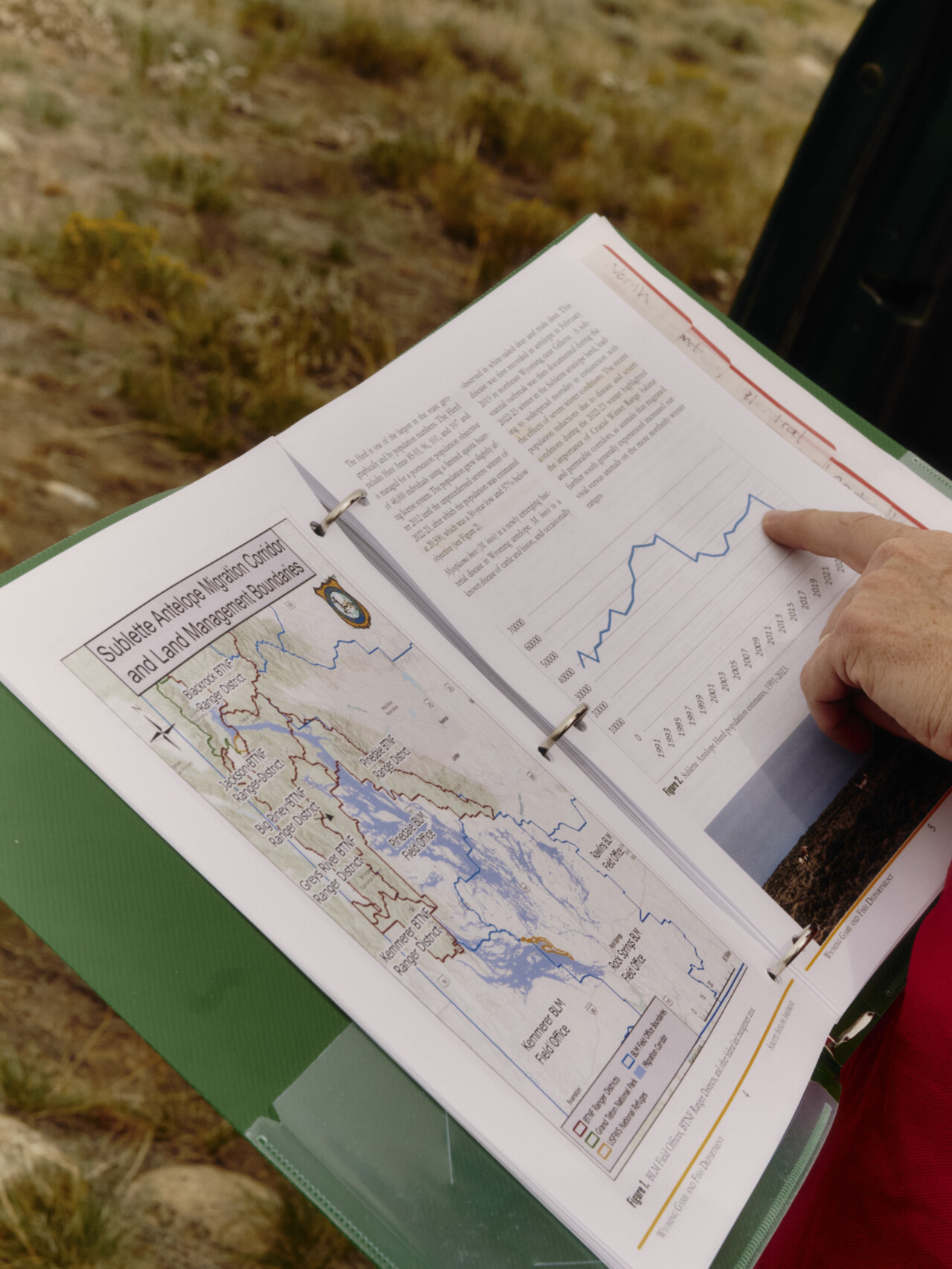
We’re out in the middle of it with Randall, the big game migration coordinator for the Wyoming Game and Fish Department. She wears a red polo shirt with the agency’s logo stitched on the left chest, which matches the logo on the doors of the agency’s pickup truck. That logo features one animal and one animal only. (Hint: it’s not an elk.)
“We have more pronghorn than any other state in the nation, or anywhere in the world,” Randall says. “We are the stronghold. I think a lot of people in Wyoming take pronghorn for granted.”
The Sublette herd travels 160 miles every six months between Grand Teton National Park and the southwestern part of the state. The “Path of the Pronghorn,” as the corridor is called, is one of the longest mammal migrations in the world. It has also been the subject of a piping-hot debate for decades. Wildlife professionals, conservationists, and animal rights groups have long wanted to see the corridor protected from development, while opportunities abound for oil and gas leasing on public lands. Most other people fall somewhere in the middle, wishing the ecosystem and the economy could thrive side by side.
In 2020, Wyoming Gov. Mark Gordon signed an executive order prioritizing the protection of mule deer and pronghorn migratory corridors, including the Path of the Pronghorn. Wildlife biologists have spent the bulk of the 21st century mapping the corridor, relying on data from GPS collars strapped to the necks of a few hundred “speed goats,” as pronghorn are lovingly called across the West.
The Forest Service designated the northern 45 miles of the corridor in May 2008. But until recently, the rest of the public land within the corridor remained largely unprotected. In 2025, Gordon convened a working group of wildlife conservationists, hunters, oil and gas representatives, ranchers, county commissioners, and motorized recreation enthusiasts to determine which approach to a designation would best balance everyone’s needs. The working group met monthly, starting in February of this year. They listened to presentations from state and federal agencies on everything from basic pronghorn biology to wildlife-vehicle collisions to plant ecology. They released draft recommendations during their last meeting in May, and on June 26, Gordon formally designated eight sections of the corridor.
Prioritizing pronghorn over development in certain areas is controversial in the Cowboy State. Energy is Wyoming’s biggest economic driver. Recreation and tourism come in second. Agriculture comes in third. All three interests, plus others, compete over use of the same public land these pronghorn have been migrating over for thousands of years.
“[The designation] is nimble and flexible enough to be supported widely and still protect the most important parts of the corridor,” Randall explains. “Oil and gas is huge in this basin, so the idea is to use the data to understand where the most important places are, the high-use corridors, the bottlenecks, the stopovers, and ask the companies to keep their disturbance out of the most important habitat. We’re trying to strike that balance.”

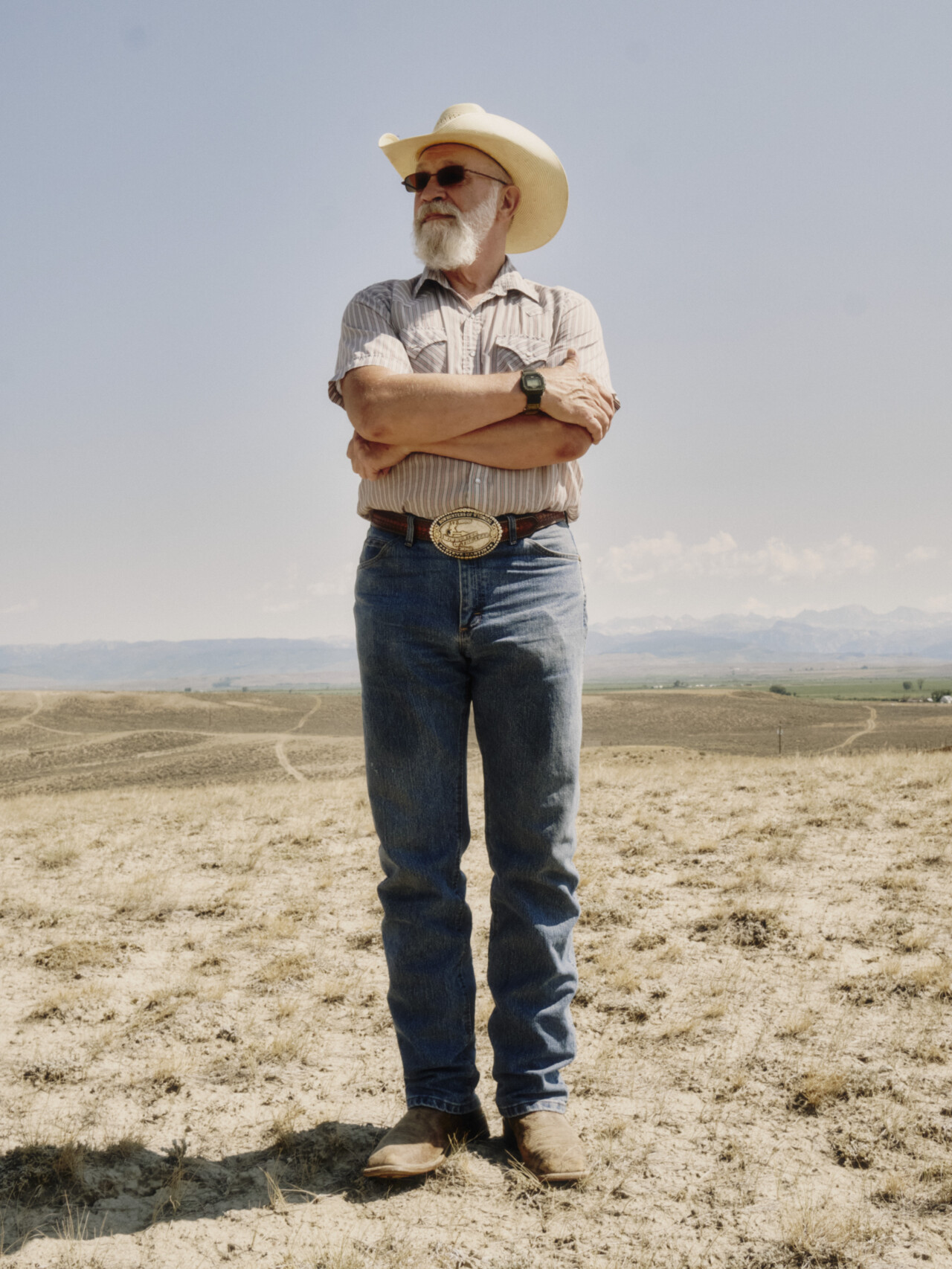
If there’s one person who embodies Wyoming’s interests in energy extraction and wildlife conservation, it’s Steve Martin, a retired oil and gas safety officer and obsessive bowhunter from Rock Springs. He’s also the Wyoming director of the North American Pronghorn Foundation, a new conservation nonprofit dedicated to advocacy for the species.
“A lot of folks are on one side of the fence or the other,” Martin says. “They either say we need to ‘drill, baby, drill,’ or we need to kick all the oil and gas permittees, all the ag producers, off the land. But we can all coexist.”
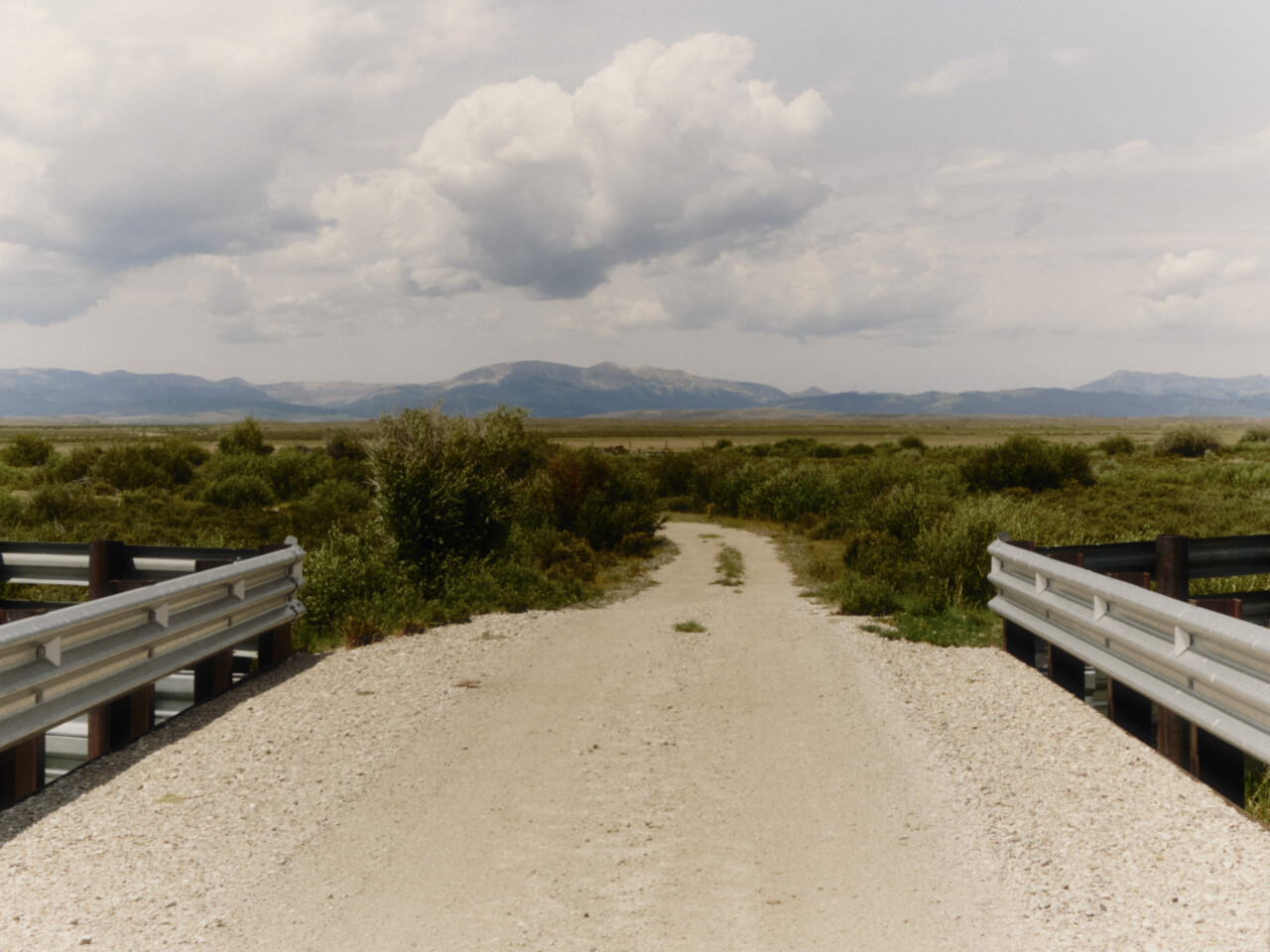
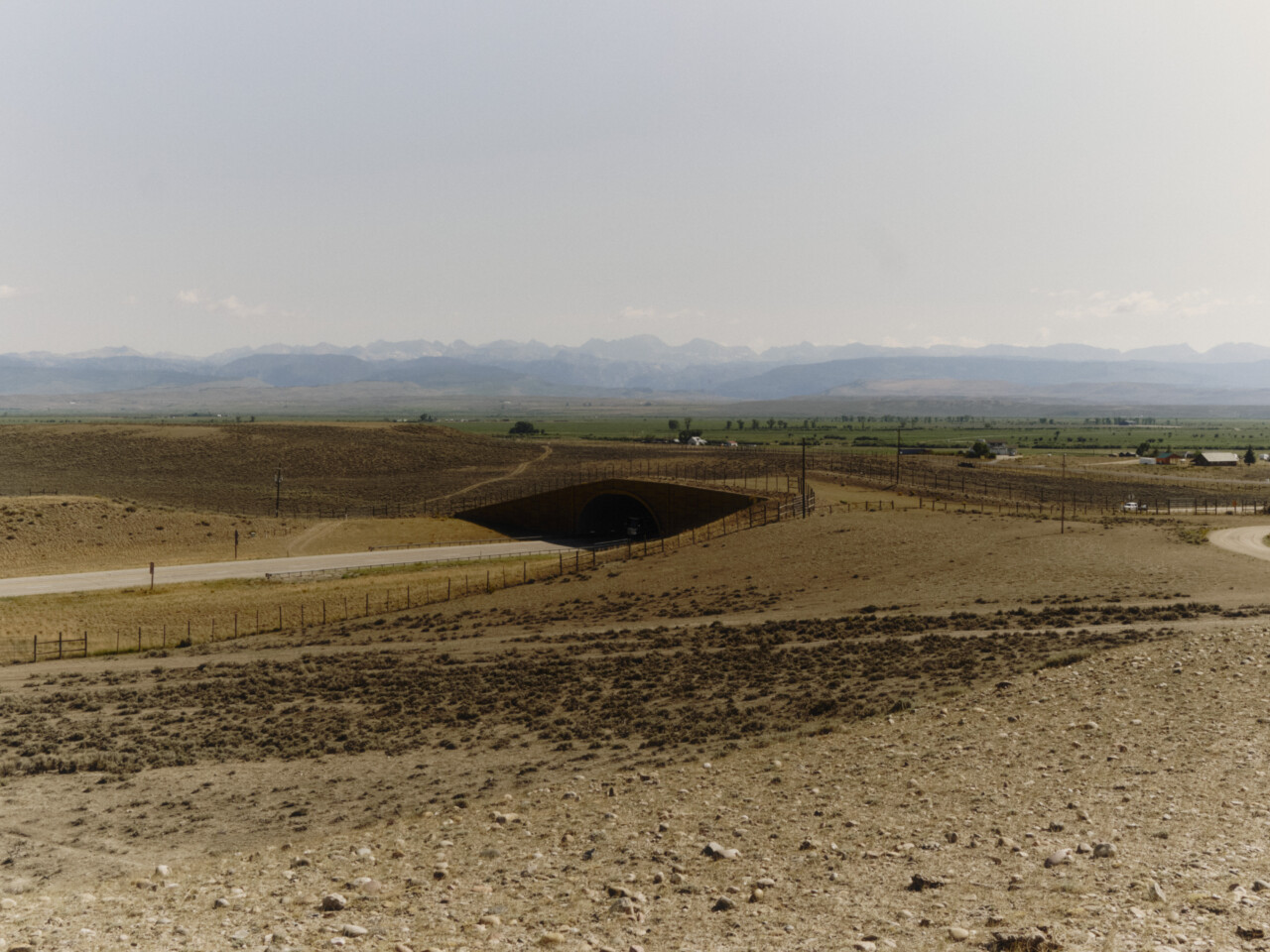
I sit with Martin, 68, outside Pinedale at Trapper’s Point, a shadeless overlook that peers down on a large bridge spanning Highway 191. But instead of asphalt, the bridge is covered in dirt. Tall fences funnel pronghorn, deer, elk, and other wildlife up onto the wildlife crossing and away from the busy highway below.
“Before this overpass was put in, the devastation for animals attempting to get from one habitat to the next to survive was incredible,” Martin says, noting that highway mortality for wildlife has gone down by 80% in this one spot.
The speed limit here is 65 mph, although most cars travel faster. Collisions can be deadly for humans and animals at those speeds. Even if drivers don’t strike the animal, they might swerve or brake abruptly and cause multi-vehicle accidents. When encountering wildlife on a road like Highway 191, with one lane going in each direction and two yellow lines in between, the best practice is to honk, brake responsibly, and prepare to strike the animal. Swerving is the worst thing to do—especially in the winter.
Highway 191 is a good example of a “bottleneck,” or pinch point, in the corridor. Bottlenecks force migrating pronghorn to crowd together while crossing high-stress areas. Some of these bottlenecks are natural, such as where the corridor cuts between mountains or spans bodies of water. But others—such as where the corridor crosses dangerous roads, fencelines, or vast expanses of development—are manmade. Twelve such bottlenecks on public lands were protected in the designation process.
For Martin, getting involved in pronghorn conservation was always a no-brainer. They’re his favorite animal to hunt, eat, talk about, advocate for, and watch lovingly from far away. He prefers to hunt pronghorn with a bow, which involves closing the distance between himself and the animal to 40 yards or less. This is an immensely challenging task for an animal who will barely tolerate 200 yards of distance from humans.
“If hunters want to be able to hunt in the future, we have to preserve what we have,” Martin says. He wears a Wyoming Bowhunter of the Year belt buckle that looks like something straight out of a rodeo arena.
“There was a time when we could boast there were more pronghorn in Wyoming than citizens. That is not the case today.”
Long ago, an estimated 30-40 million pronghorn roamed North America. Overharvesting and habitat loss in the late 19th and early 20th centuries sent the population into a nosedive, falling to just 2,000 animals by 1906. Strict management of infrastructure and fencing, hunting, and habitat and rangeland helped pronghorn numbers in Wyoming rebound to a record-high 600,000 in 1984. Today, that number hovers around 330,000. Part of the issue is habitat loss: The U.S. loses roughly 1 million acres of sagebrush every year to invasive cheatgrass encroachment, wildfire, and development. On top of that, the 2022-2023 winter broke records in western Wyoming. Cold temperatures and snowfall carried into the spring, zapping healthy, mature animals of their fat reserves. Pronghorn starved by the thousands. The Sublette herd lost half its population, their carcasses littering fencelines and roadside ditches where they got stuck traveling to find food.
Deer and elk are great jumpers. They frequently clear a standard, five-strand barbed wire fence from a standstill with ease. But pronghorn are different. They would rather scoot underneath the lowest strand of barbed wire than jump over the highest one. A move toward wildlife-friendly fencing—with the lowest strand strung higher for the scooters and the top strand strung lower for the jumpers—has swept across the West recently. It’s particularly enchanting for ranchers who use cost-share programs through various state and federal agencies to prioritize habitat stewardship on their lands.
Contrary to popular belief, ranchers across the West are some of the best partners wildlife has today, as far as protecting habitat goes. To own land in the West is to decide what to do with it, and in a time when everyone wants their subdivided slice of the Yellowstone lifestyle, residential development has become commonplace.
“There was a time when we could boast there were more pronghorn in Wyoming than citizens. That is not the case today.”
But ranchers can instead put their lands under conservation easements with land trusts, conservation organizations, or state agencies that prevent development for multiple decades, if not in perpetuity. Conservation easements rose in popularity through the second half of the 20th century, after the IRS established a rule in 1964 that a landowner would get a charitable income tax deduction for entering land into such an agreement. Today, landowners can get paid to maintain or restore wetlands, sagebrush, or other native ecosystems. Ranchers can use targeted, rotational grazing practices for their livestock that help native plant species retain water and store carbon, in some cases mimicking how bison grazed and moved across the landscape before settler colonialism eradicated the roving herds by the mid-19th century.
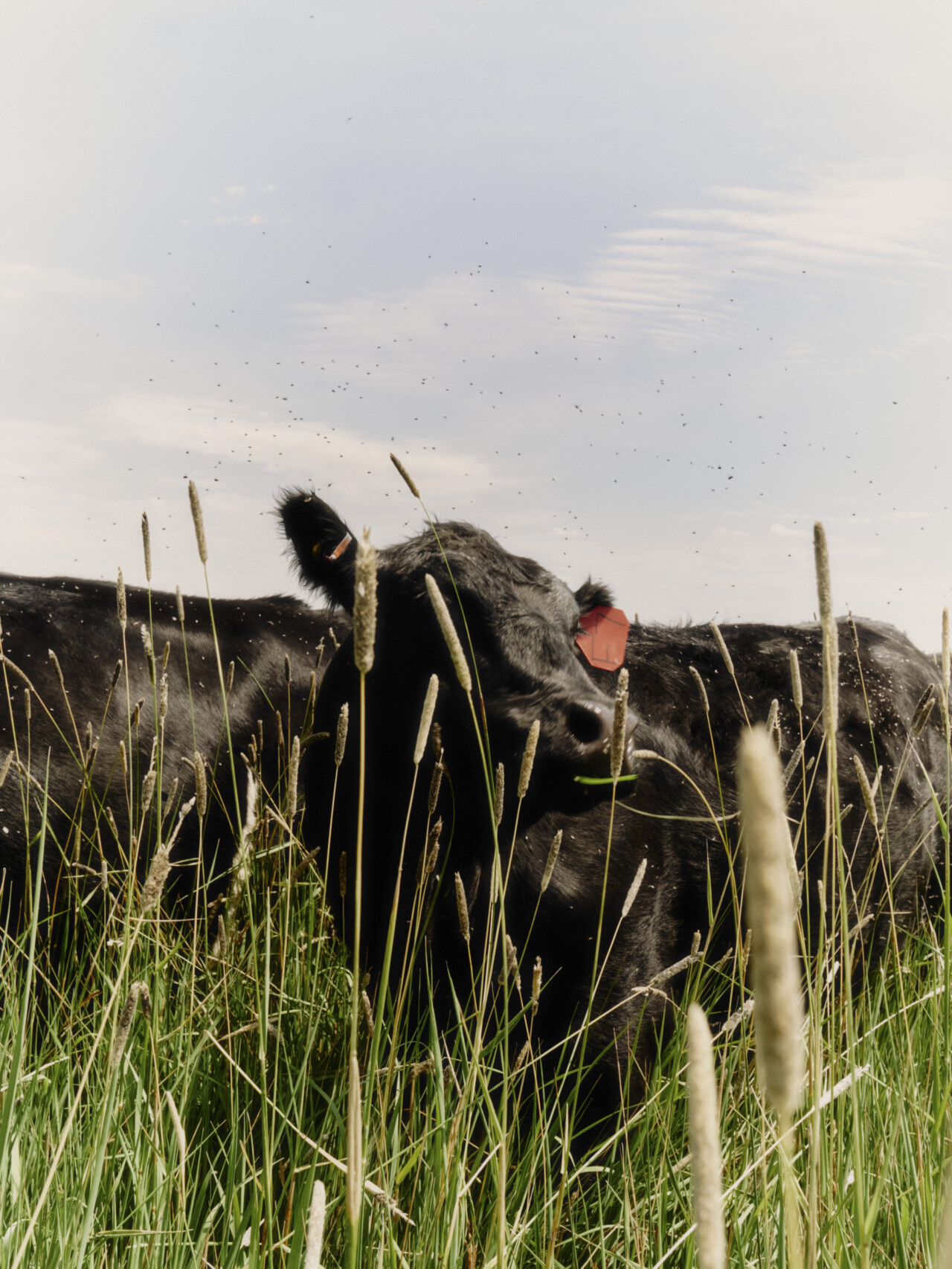
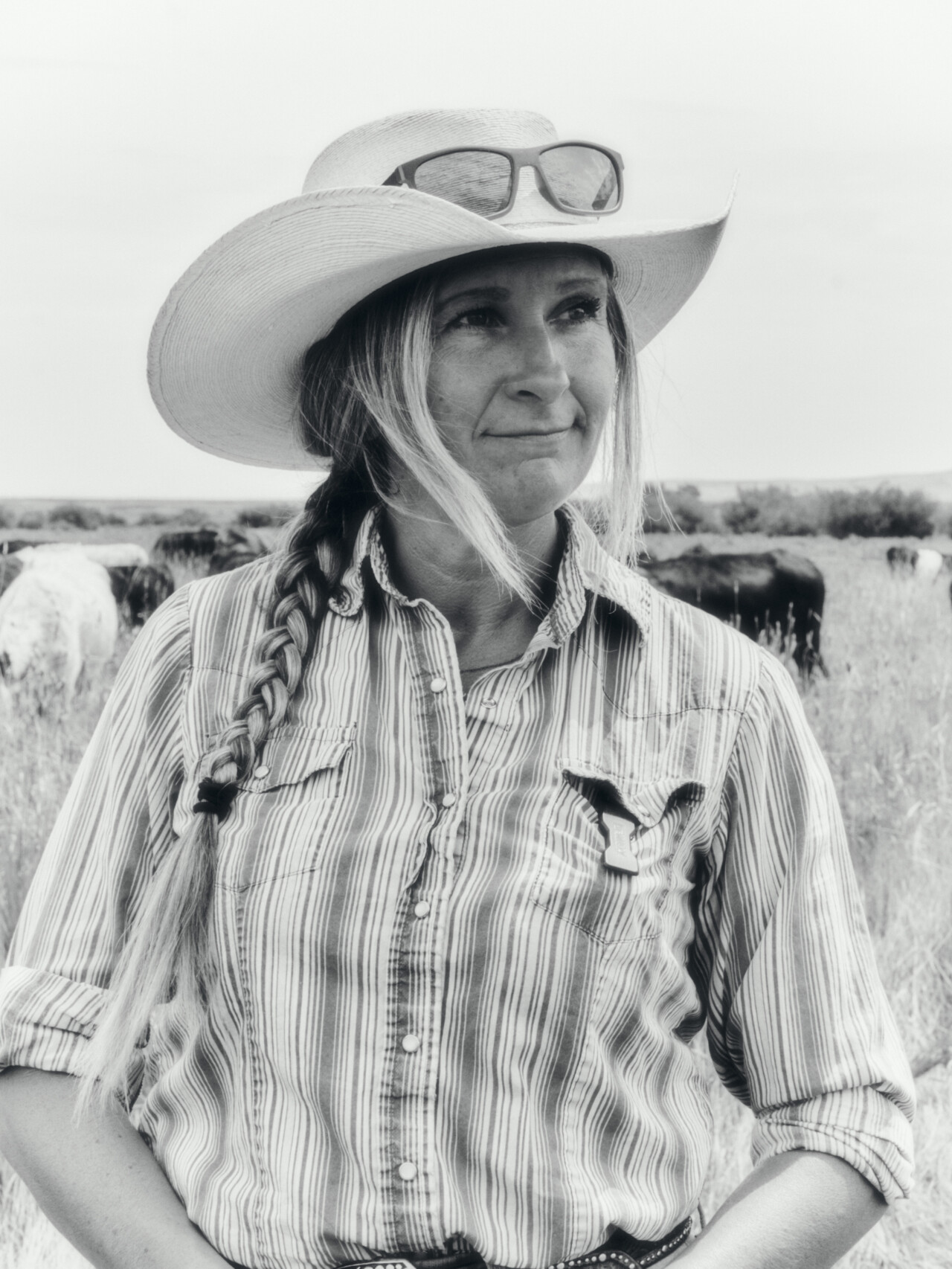
On the western side of the migratory corridor, rancher and biologist Sonja Rife stomps a thin strand of electrified fence down to the ground with her lilac rubber boot, encouraging me to drive her side-by-side across it. Her ranch manager, Michelle Fournier, follows behind us in another side-by-side.
“This pasture we’re entering is around 700 acres,” she yells over the congruent moans of the four-stroke engines. “We started cutting it in halves and quarters and saw an improvement in the grazing.”
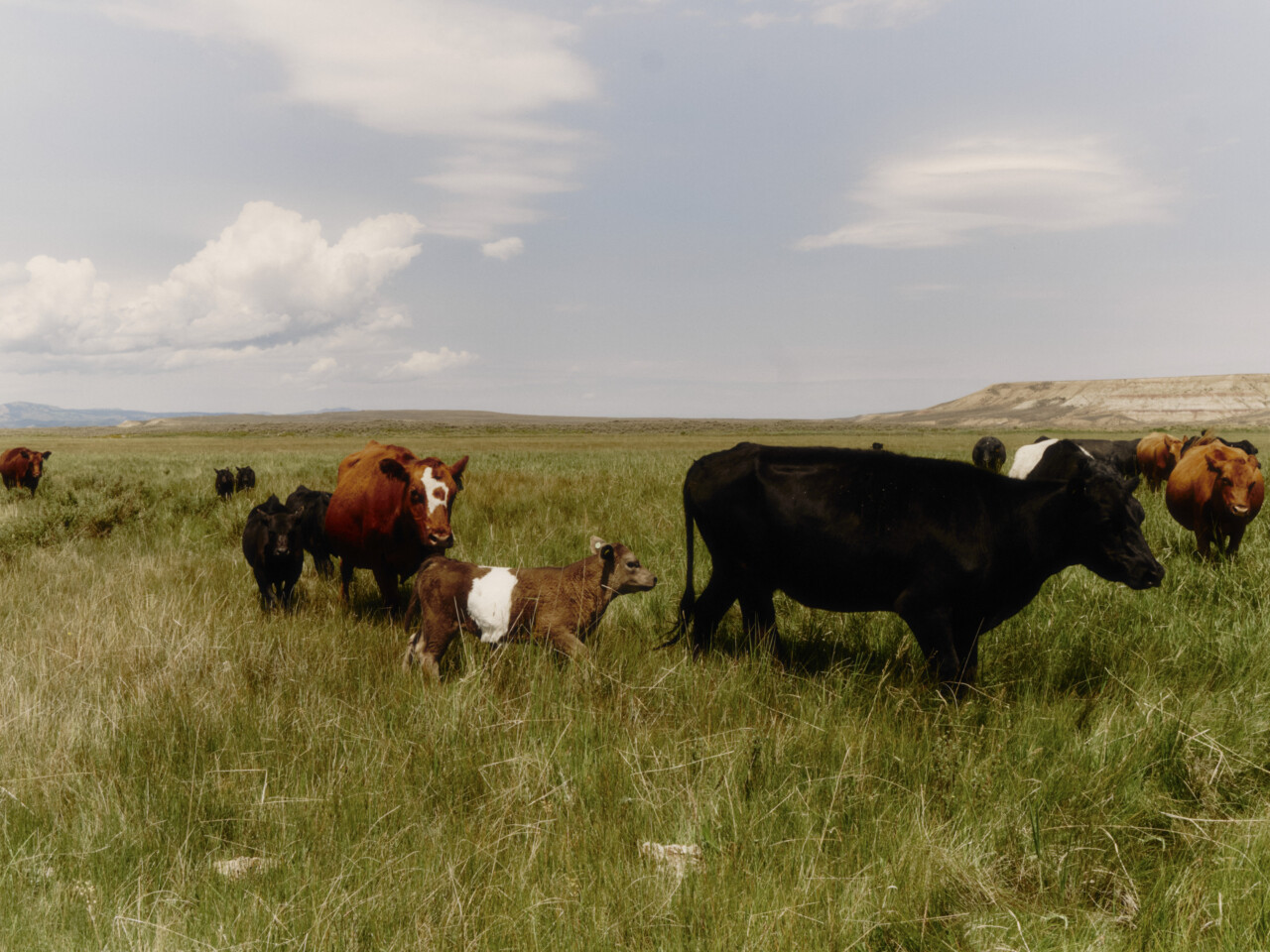
Rife’s fencing is supposed to be flexible. It’s a single strand of thin paracord with a hot wire running through it. To change the shapes of the pastures, she and Fournier pull up a few posts and move the fence around by hand, frequently reestablishing the perimeter around a surprisingly docile herd of cattle.
Rife and her husband, Jason, both have multiple advanced science degrees, Sonja in biology and Jason in chemistry. Jason’s grandparents ranched in West Texas, so when his employer tried to turn him from a professor into an administrator, he asked Sonja if she’d be interested in ranching instead. Once reassured that she’d get her own horse, the couple bought a high desert ranch property in 2013 and built the Killpecker Creek Cattle Company from the dirt up.
“We bought the place lock, stock, and barrel, including some grazing leases from neighboring ranches that were grazing on here, and started learning,” Rife says. “By year two or three, we started taking a more critical look and applying more scientific thought and research to the way the land was being used.”
The ranch, which sits 7,300 feet above sea level and gets 100 frost-free days a year (and not even contiguous ones, Rife points out), is protected under a conservation easement with the Jackson Valley Land Trust. It’s also located within the Path of the Pronghorn. The corridor designation does not impact the actions landowners may take on their private lands, which is why voluntary conservation easements are such a big deal for the corridor.

Rife chalks up the abundance of birds on the property, from large raptors and migratory waterfowl to small songbirds, to the native plant species that have re-emerged from the seed bank in the soil, massaged back into abundance by Rife’s biology-informed choices. Fournier recalls a few close calls with moose in the area while moving cows, another sign of a healthy ecosystem. Rife’s target number of plant species for a patch roughly the size of a hula hoop is eight. She tallies three species of wildflowers, some grasses, clovers, vetches, and dandelions, to name a few, noting proudly that “nature hates a monoculture.”
So do pronghorn. Many of the species Rife rattles off are seasonal speed goat favorites, especially vetch, asters, and clovers. They visit accordingly.
“We see groups of pronghorn several times a week,” she says. “I love them. I think they’re so neat.”
As we leave the ranch, storm clouds collect over the distant, craggy mountain ranges, the ones that draw the bulk of the public’s attention. I’m preoccupied by a low, flat ridgeline that rises 200 feet above the ranch, the beige hillsides covered in sagebrush and scrubby bunchgrasses.
I imagine a group of pronghorn barreling across the top, silhouetted against a sky that feels close enough to touch, leaving death in the dust.
Join our membership community. Support our work, receive a complimentary subscription to Atmos Magazine, and more.
Where Speed Goats Cross the High Sage Seas