words by Willow Defebaugh
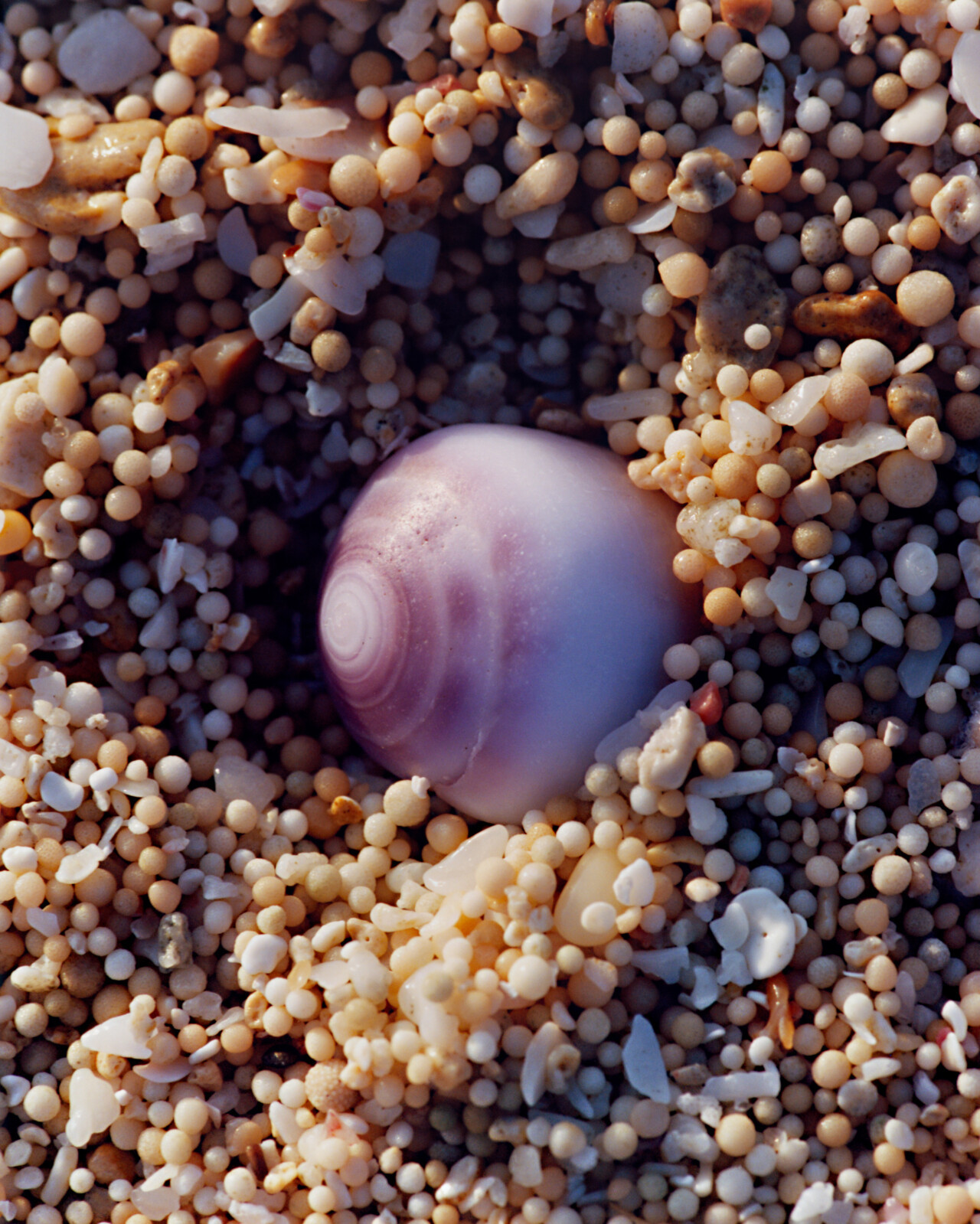
photograph by jacques brun
“One can choose to go back toward safety or forward toward growth. Growth must be chosen again and again; fear must be overcome again and again.”
—Abraham Maslow
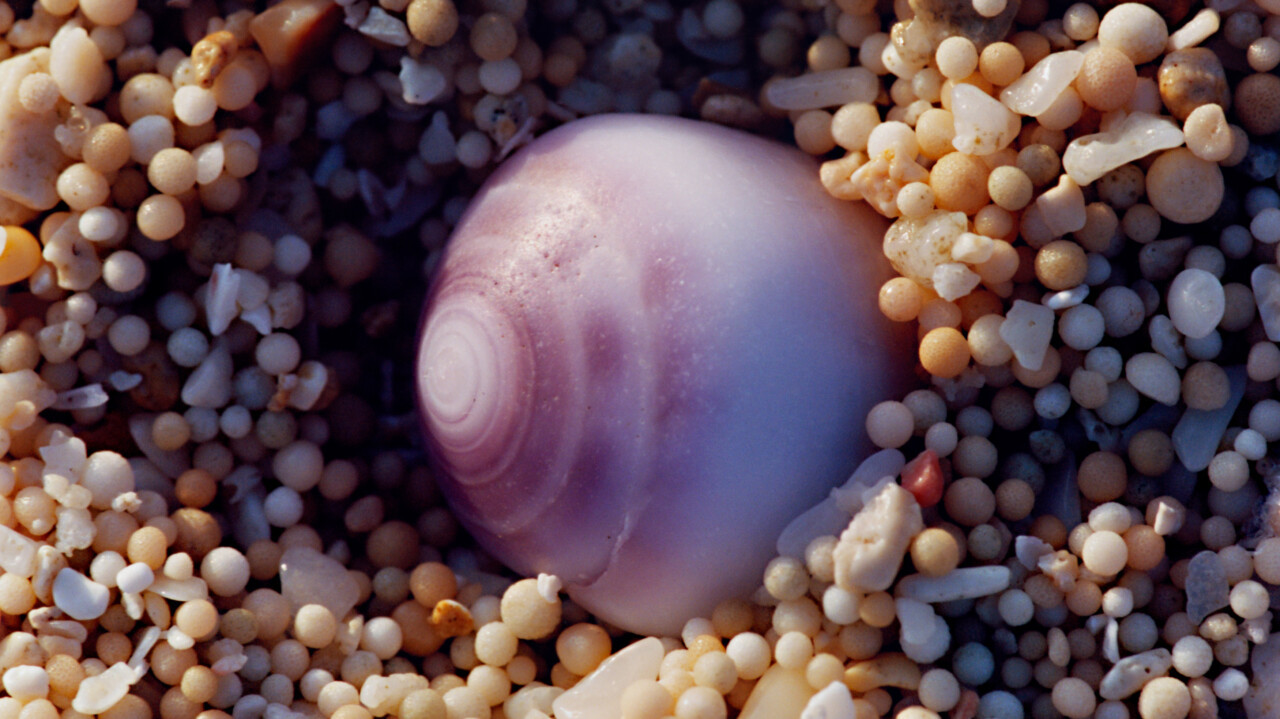
I often marvel at the strange and sometimes straining invitation I have before me, of attempting to put words to a world that is in a process of change. And equally often, I find myself in wonder of that same world: all the teachers it contains, both big and small. Skittering along sandy shores and ocean floors is a creature of constant change who carries more than a shell on its back, whose existence is wrapped up in the spirals of growth, and knows all too well what we stand to gain—and lose—when we leave our comfort zones: hermit crabs.
There are over 800 species of hermit crabs, but the most important thing to know is that their names are misnomers for two reasons. Firstly, they aren’t true crabs: They don’t grow an exoskeleton that encases their whole body. They have a hard exterior on the front, but they have soft tails with hooks that they use to procure another kind of protection: the spiral shells of snails, often whelks and periwinkles. As hermit crabs grow larger, they must seek out new shells that better fit their expanded selves.
The process by which many hermit crabs obtain their new shells speaks to the other way in which these creatures are misunderstood. Despite being called hermits, they are actually quite social and can live in colonies of more than 100 in the wild. When a new shell appears, they have been observed to line up from biggest to smallest, and pass the new home along to see who it fits best. Then, they will pass used shells down the line as they adopt from their neighbors: a clear example of how growth can be both sustainable and communal.
Of course, this process is not without risk. Growth rarely is. To change shells, hermit crabs must make themselves vulnerable. And like many sea creatures, they fall prey to pollution, mistaking plastic bottles for potential homes that they then get stuck in. A 2020 study published in the Journal of Hazardous Materials found 570,000 hermit crabs die this way every year on just two small tropical islands. Adding to their vulnerability is the fact that when they die, these crabs release a pheromone that tells others a new shell is available—drawing more to their deaths.
In the human world, we are tempted with all kinds of dangerous trappings of what growth means. Clever marketing constantly convinces us that we need what’s new and next. We must disentangle our definitions from the one that capitalism offers: growth as meaning more. Hermit crabs remind us that growth is as much about what we’re giving away as it is about what we’re getting. It can look like the expansiveness of learning to live with less. It can look like letting go of all our efforting, and relaxing into what’s handed to us, the wisdom of what’s worn and true. And it’s not always visible; sometimes the most profound processes of growth are the ones we can’t articulate, that we can only live into.
Growth is a spiraling process that often remains elusive while we are in the midst of it. What if we took our discomfort as simply a sign that some aspect of our present way of being might no longer fit? As Alice Walker puts it in Living by the Word: “Some periods of our growth are so confusing that we don’t even recognize that growth is happening. We may feel hostile or angry or weepy or hysterical, or we may feel depressed. It would never occur to us, unless we stumbled on a book or a person who explained to us, that we were in fact in the process of change, of actually becoming larger, spiritually, than we were before.”
Perhaps hermit isn’t such a misnomer for these animals: They do possess wisdom. After all, so much of life resides in learning to recognize when we have outgrown our shells and having the courage to crawl outside our husks of habit, however comforting they may be. To trust that the quiet moments of unease are as much a part of it as the heroic leaps, which will inevitably involve trying on different fits, allowing ourselves to be messy and exposed. To know that we don’t have to go it alone, that we are all in a process of change at different stages and scales. To remember that fear will always keep us in small spaces, but we are made to grow.
Editor’s Note: This newsletter was originally published in 2023. The version above was edited and adapted for The Overview book.
Join our membership community. Support our work, receive a complimentary subscription to Atmos Magazine, and more.
What Hermit Crabs Teach Us About Sustainable Growth