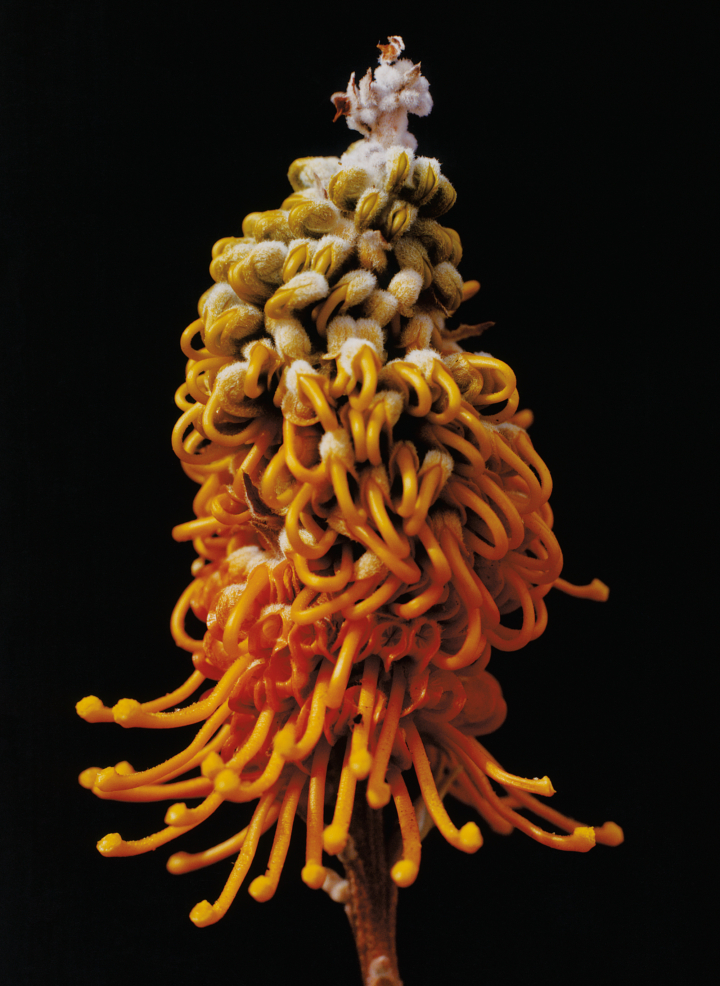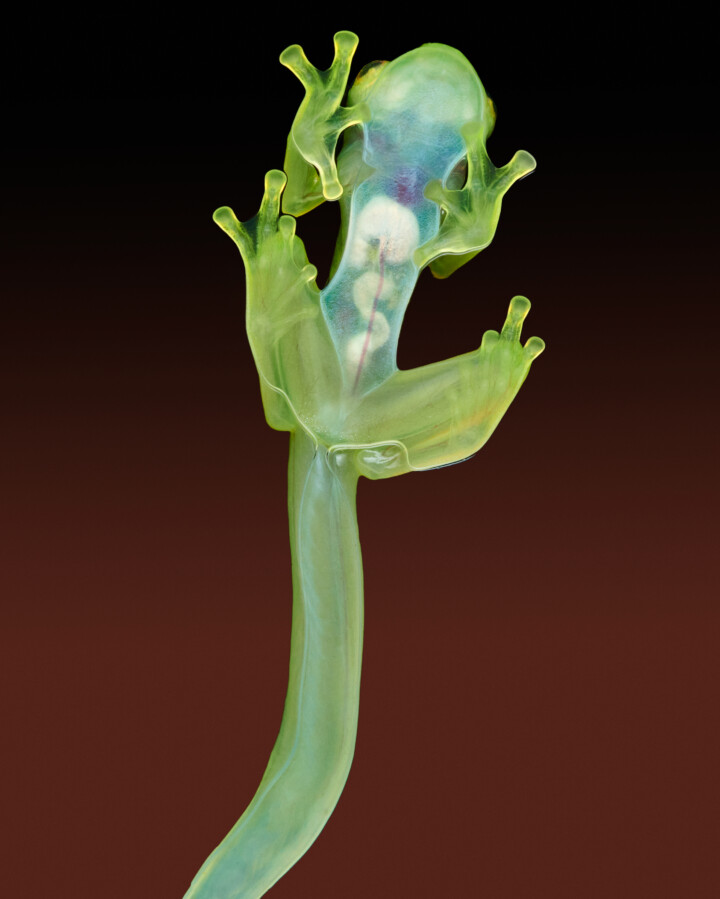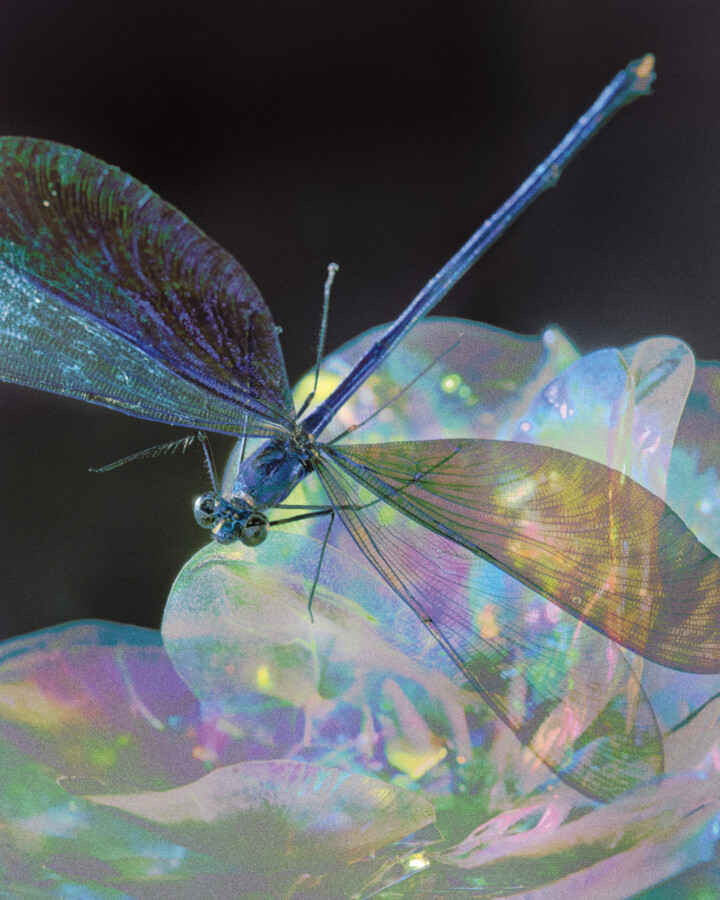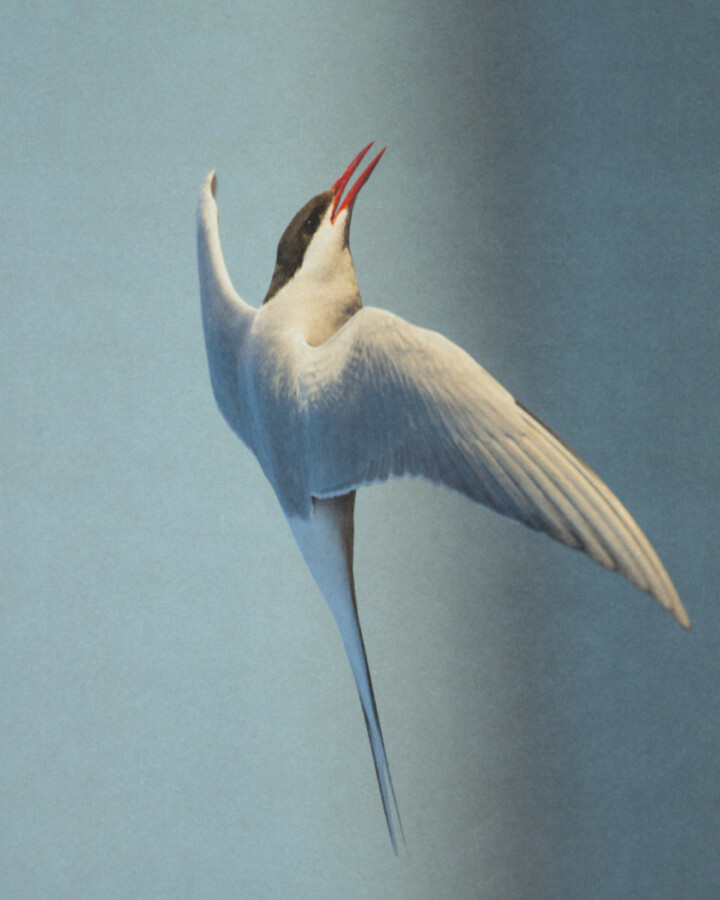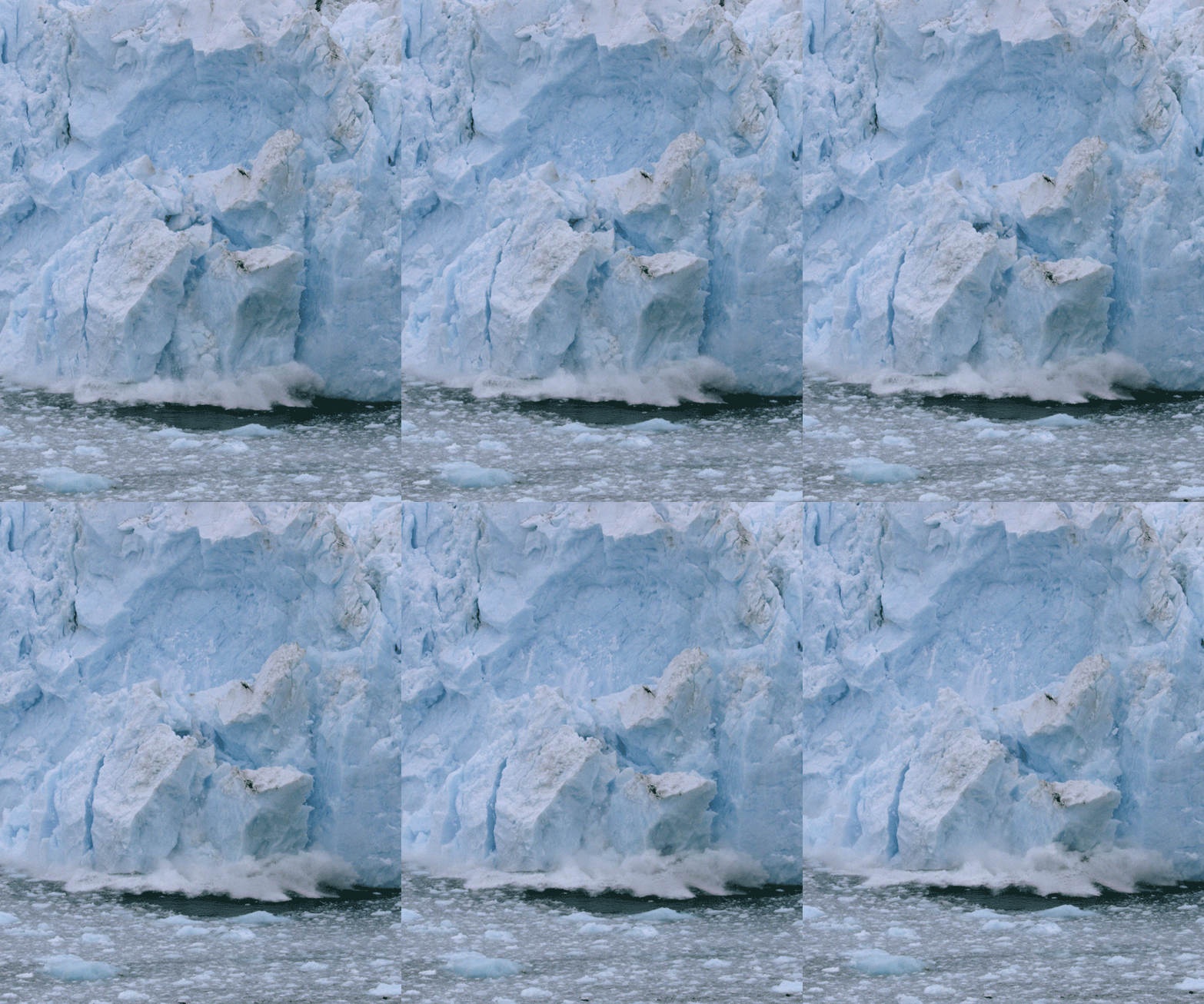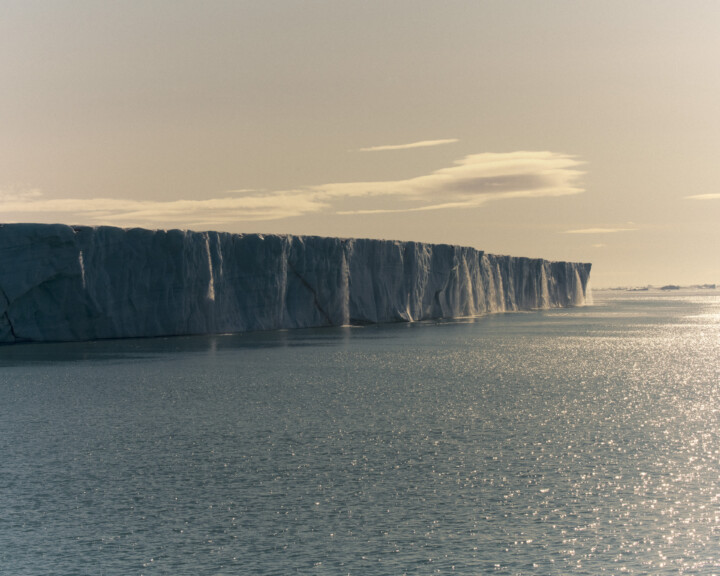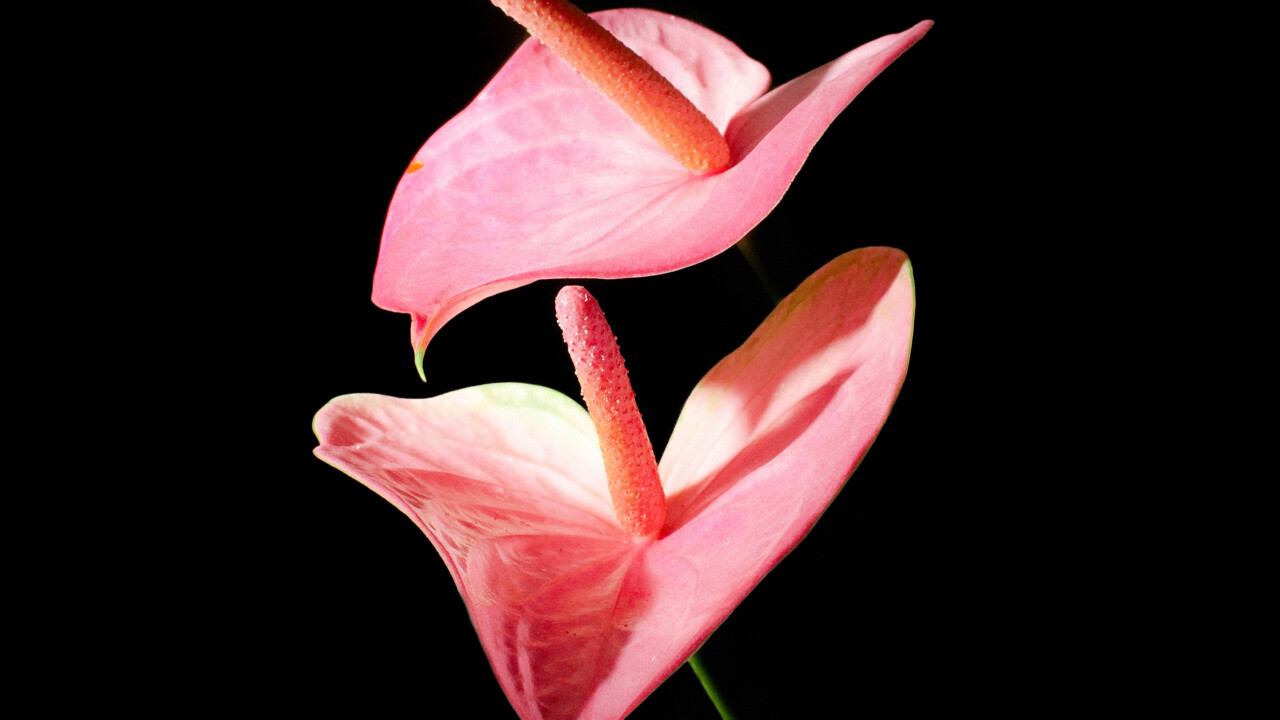
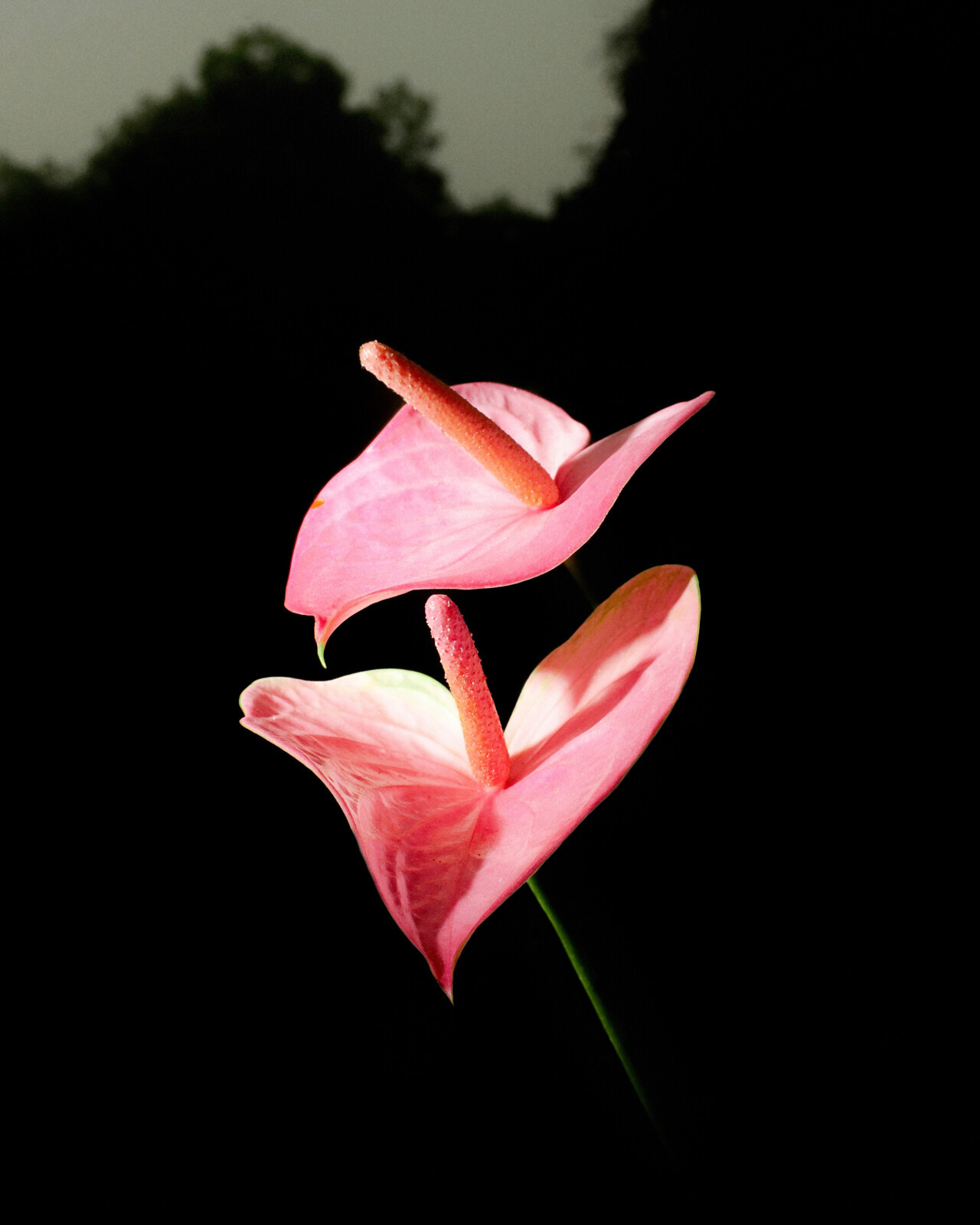
Photograph by Tonje Thilesen / Connected Archives
words by willow defebaugh
“Active Hope is a readiness to discover the strengths
in ourselves and in others;
a readiness to discover the reasons for hope
and the occasions for love.”
—Joanna Macy
Few words feel as readily dissected and contested today as hope. Within the narrow context of environmentalism—a strange word in and of itself that we have given to the idea that we should steward the sphere of life we call nature—the question of whether or not we have hope can be a dreaded one. In the wider realm of culture, it seems at best unfashionable, and at worst a signal that one is uninformed or unsympathetic to the suffering that plagues our world.
For many years, I deflected hope. I remember giving a talk once in which I was inevitably asked about it, and I dismissed it as irrelevant. If you see a loved one in danger, you don’t hope you can help them and act depending on the feasibility of the outcome; you do what you can to help them. Therefore, I argued, love is the more worthy focus of our attention. Remind people that they love the Earth, and they will be moved to act on its behalf. Who needs hope?
The trouble with that logic, I have come to realize, is that hope and love are not so easily disentangled. We are animals hardwired by evolution to avoid pain. To open one’s heart to love is the ultimate gesture of hope, one predicated on the possibility that we will not be hurt, that the object of our loving and longing will not be lost—despite the fact that somewhere in the grottos of the mind, we know that there is nothing we will not lose in time. So it is to be alive.
In my time attempting to dodge hope, I clung to my dog-eared copy of the Buddhist Pema Chödrön’s When Things Fall Apart. In it, she warns of the dangers of hope, how it is a means of abandoning the present rather than accepting it—of assuming that there is a better possible version of this moment, when moments are all we have. She relates to hope as being a twin to despair, making life into a roller coaster between the two. Peace is found in stepping off the ride.
I will concede that this way of being has its merits, namely a more tranquil existence. But what is the line across which tranquility turns to numbing? And is it possible to love without hope? We are living in a time in which many people are afraid to fully feel their love for this world, because they are afraid of losing it—afraid to hope that the story might end in anything other than the fire and brimstone we see in our feeds and on the news. But that isn’t the whole story.
In The Beginning Comes After the End, Rebecca Solnit shows that when we widen our view, we see that incredible progress has been made in the last 50 years. At the turn of the 21st century, the idea that we would have a scalable alternative to fossil fuels was outside the scope of our imagination; in 2025, the world produced more electricity from renewables than coal for the first time. This is one of many examples; we are seeing real blows, yet there is still evidence for hope.
The caterpillar that spins its own cocoon, the fledgling that dares to fall before flying, the seed that germinates in the darkened dirt: Everywhere in nature, we see the stubborn persistence of life against the odds. To live is an act of hope. To merely exist is one of apathy. It is a daily choice to not allow ourselves to calcify, to exercise enchantment and love this world, despite the despair that comes with having a heart that beats and a mind that knows one day it will cease to.
Join our membership community. Support our work, receive a complimentary subscription to Atmos Magazine, and more.
Why Hope Is Inseparable From Living