Photograph by Cho Gi-Seok
words by willow defebaugh
“All that you touch you change. All that you change changes you. The only lasting truth is change.” —Octavia E. Butler
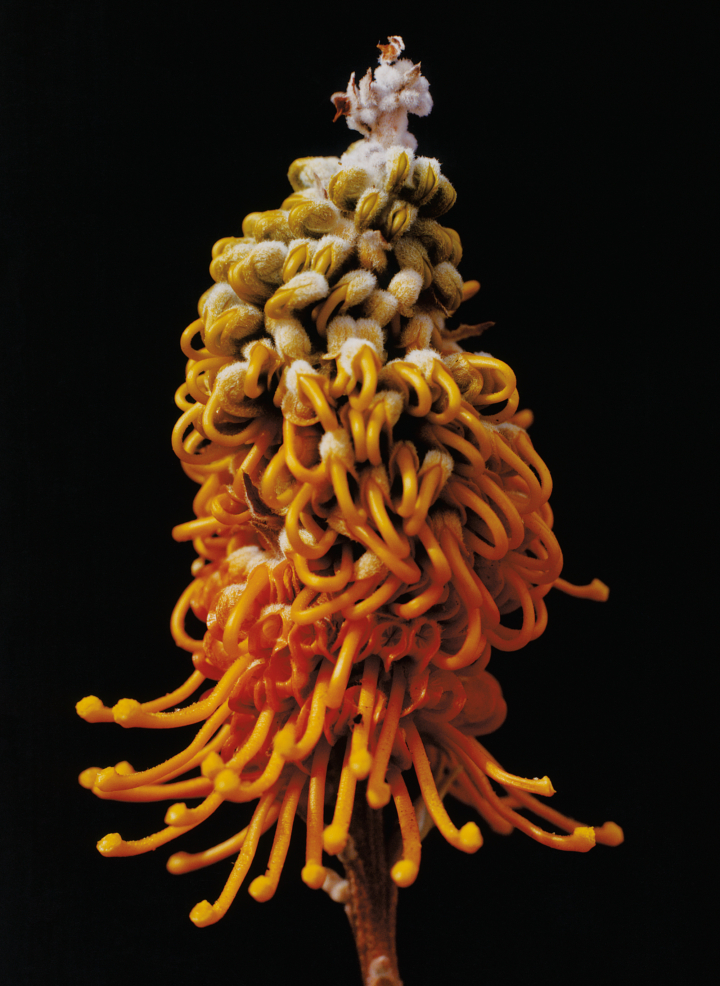
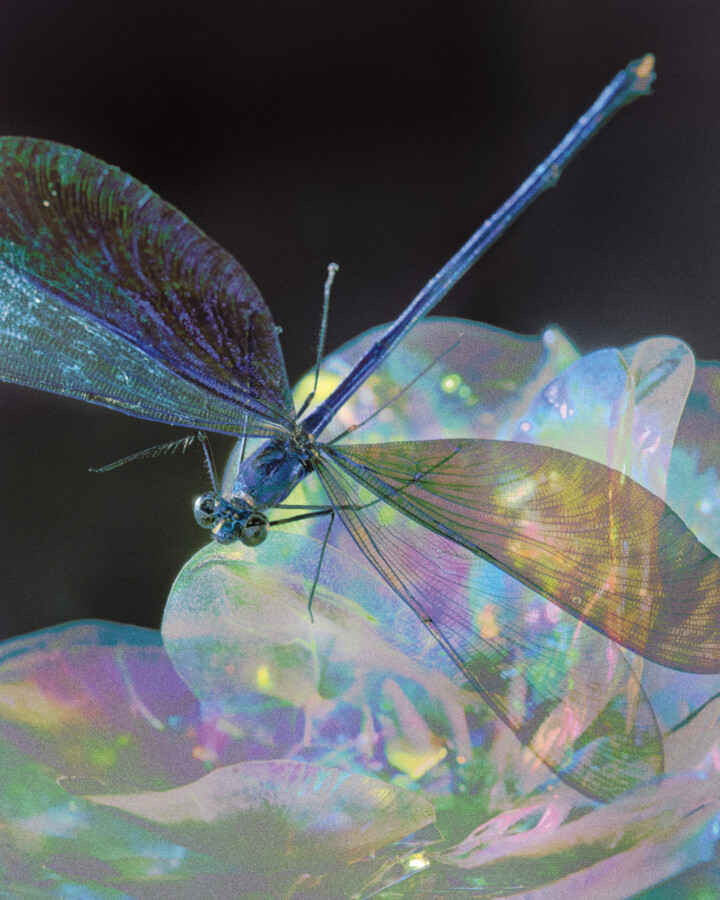
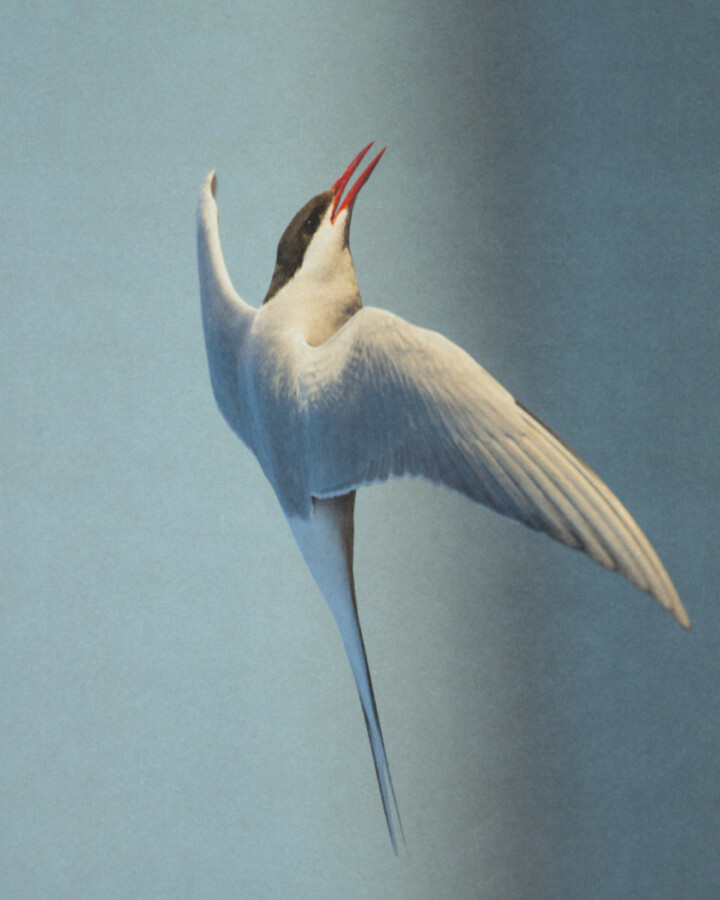
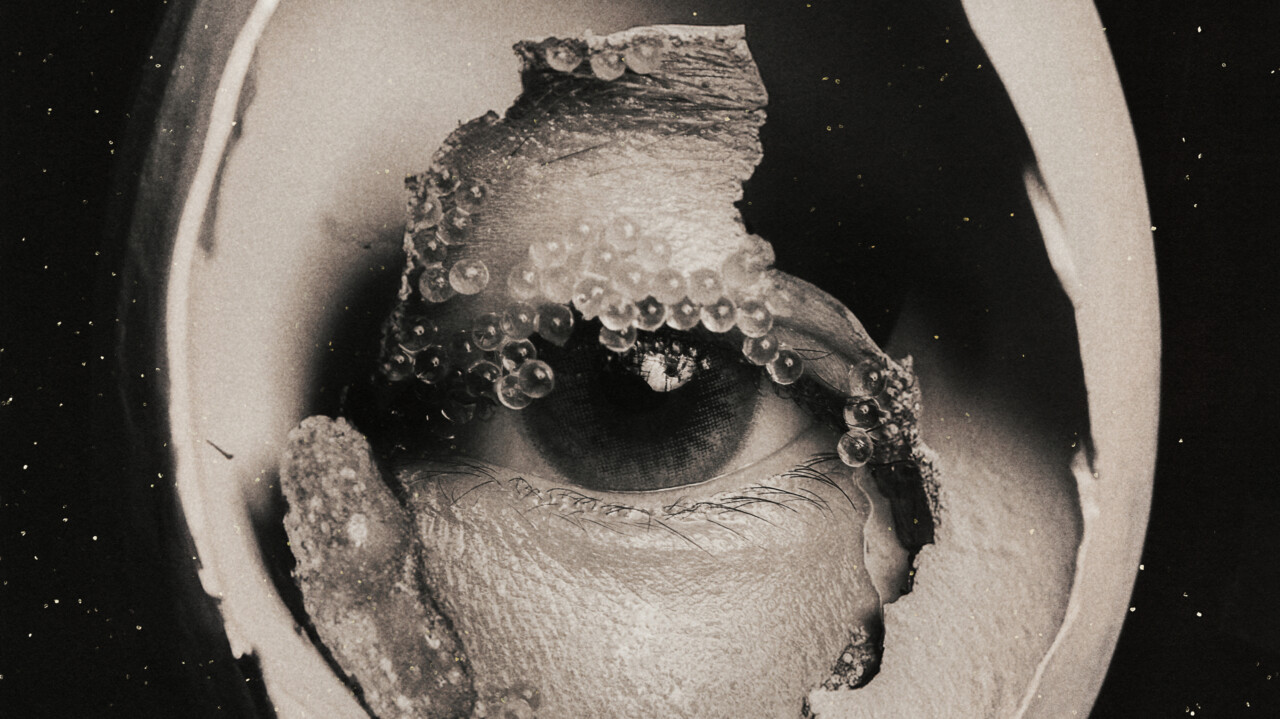
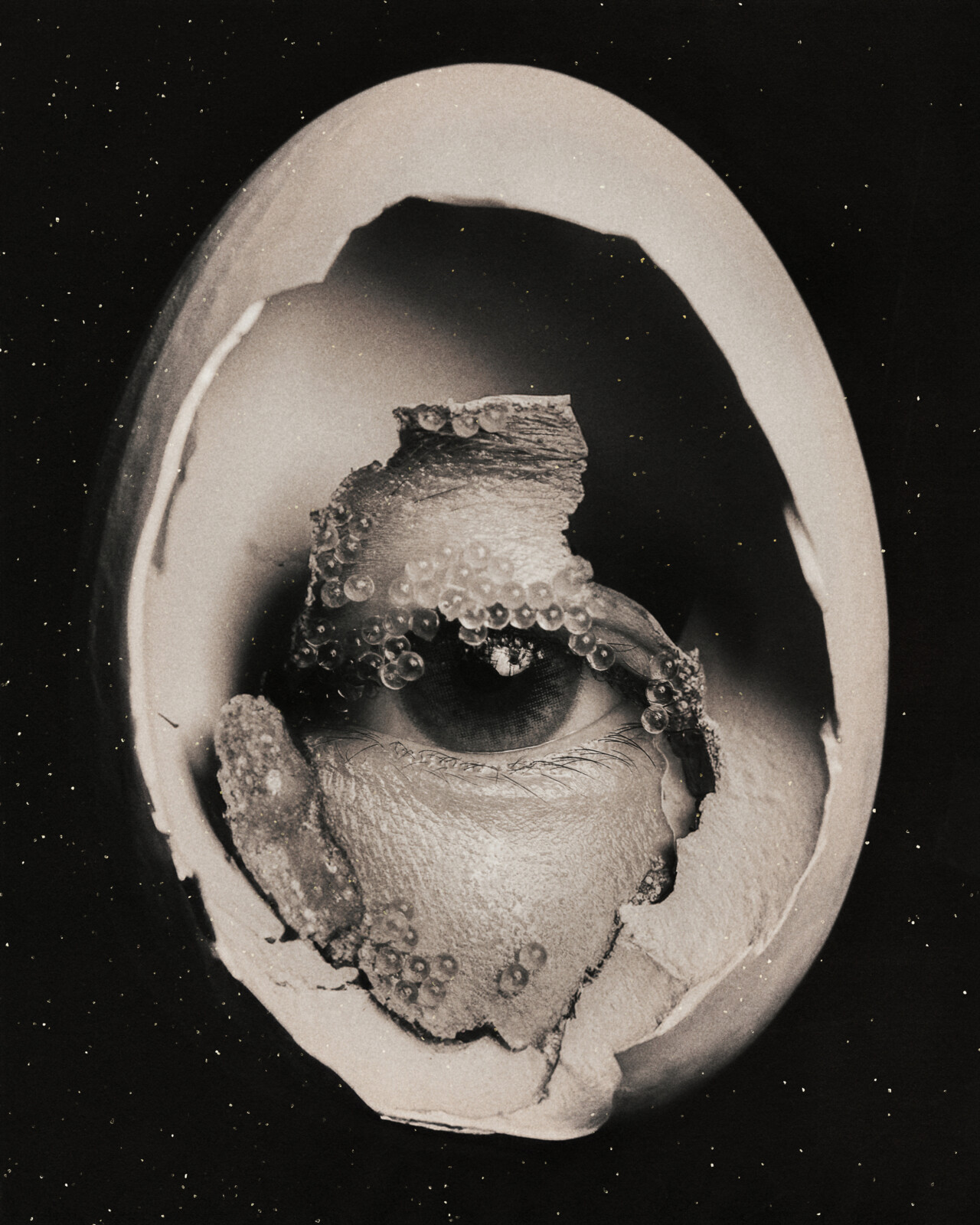
A dragonfly molting a final time as it breaches the pondwater portal between nymph and adult so that its iridescent wings can at last unfurl. A hatchling pipping inside an egg, using its beak to fracture the only world it has ever known. A snake growing a new skin under the translucent specter of the old, scraping against stone to create a tear so it can slither out whole. Wherever we look in nature, we see beings in transition. But what if they were never beings to begin with?
Processual biology argues that instead of individual beings—a word that implies a static state of existence—we can be better understood as processes. In their book Everything Flows: Towards a Processual Philosophy of Biology, John Dupré and Daniel J. Nicholson propose that we are not made up of permanent substances, but stabilized patterns of continuous change. Rather than nouns, we are verbs spelled by metabolic turnover, life cycles, and ecological interdependence.
Dupré and Nicholson contemplate the tension between continuity and change through the ancient Greek philosophical question of the ship of Theseus. As the myth goes, the Athenians preserved the king’s ship for him for centuries. As decay—the indiscriminate hand of time—spread through the ship’s hull over the years, the Athenians replaced its planks one at a time until none of the originals remained. With everything that made the vessel changed, was it still Theseus’ ship?
So it is to have a body. From a metabolic perspective, you are constantly replacing yourself. The idea that this happens in a neat, seven-year cycle is a popular and misleading conception; in truth, we revolutionize imperfectly, incompletely, on many planes of time at once. The cells currently decorating your intestines may be replaced in days. Those of your skin might turn over in weeks. Your red blood cells could last the season. Your cerebral neurons, much longer.
The fact that all “beings” have lifecycles complicates the nature of “being.” Is the true essence of a butterfly its winged form, or is it the caterpillar? If nearly all of it dissolves in the messy stew of metamorphosis, is what emerges entirely new? What of fungi that exist as microscopic yeast in one stage, only to emerge as a fruiting mushroom body to briefly spore? In the cyclicality of living, the self shapeshifts in stages across time, a concept we use to measure change.
Ecologically speaking, the processual you is porous to the processual life within and around you. Your body contains around 37 trillion cells, but it also contains around 39 trillion microbes, a community of bacteria, viruses, and fungi. No organisms are autonomous; all life relies on other life through symbiosis, reproduction, and so on. Boundaries don’t begin and end with skin. If beings are processes, they are open-ended ones, part of an evolving weave of interdependence.
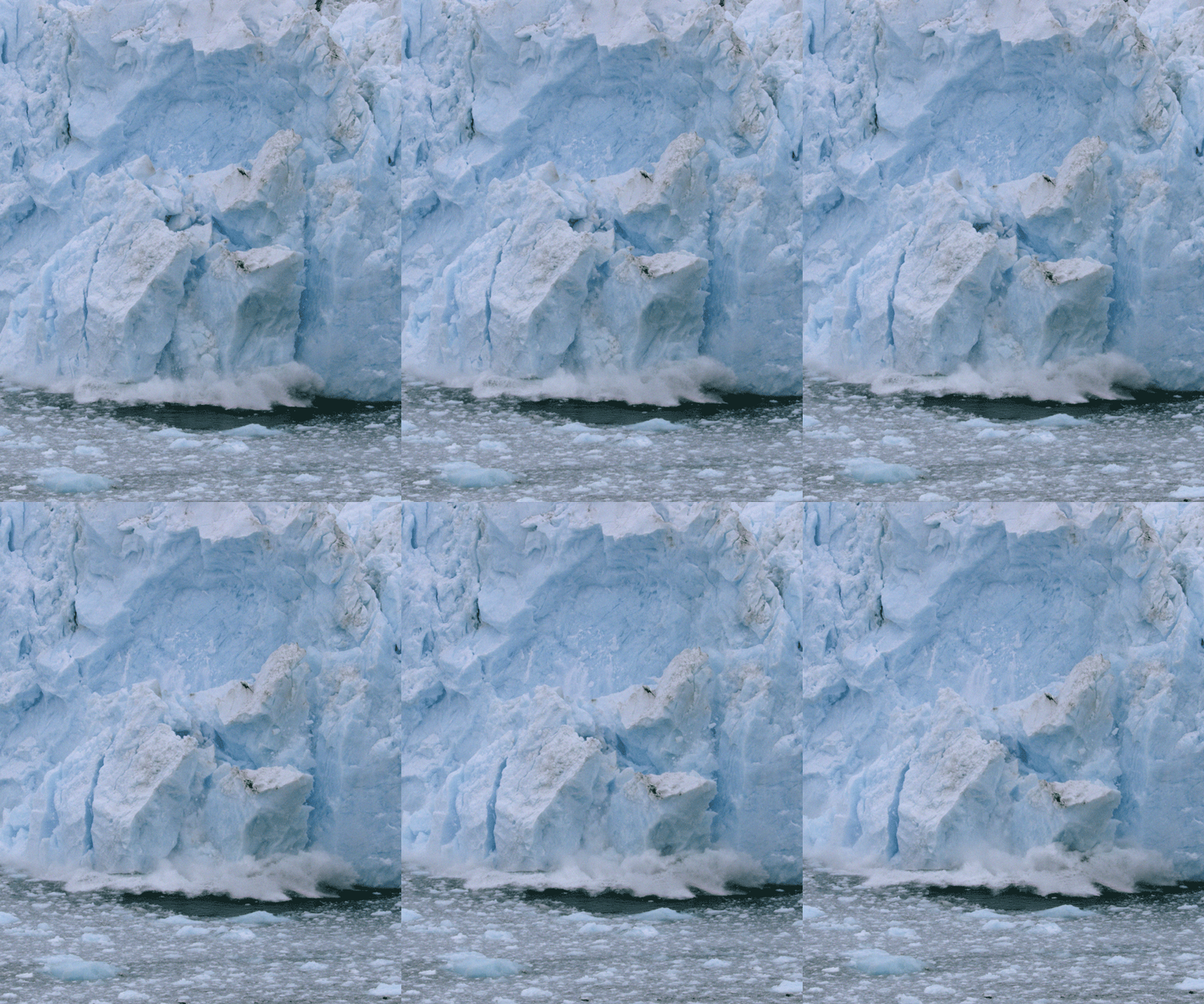
We are—our world is—transformation given shape. What we call the Earth is a stabilized field of fluctuating patterns, where organisms hatch and molt, die and are born across scales of time. Processual biology reveals life not as a collection of beings experiencing change, but change itself. When we resist change, we resist life. Such is the paradox of living: None among us is the same vessel that set out to sea, and yet we remain. What is there to do but embrace the flow?
Join our membership community. Support our work, receive a complimentary subscription to Atmos Magazine, and more.
Processual Biology: You Aren’t a Being, You’re a Process