words by willow defebaugh
photograph by elizaveta porodina
“I must finally realize that I am subject to these sudden transformations … a crowd of small metamorphoses accumulate in me without my noticing it, and then, one fine day, a veritable revolution takes place.” —Jean-Paul Sartre
When we think of transformation, we often think of insects like moths and butterflies that undergo what’s known as complete metamorphosis, a process in which the insect’s morphology radically alters between four clearly defined stages: egg, larva, pupa, and adult. It is in the pupa phase, the chrysalis or cocoon, where most of our metaphors of metamorphosis are born, where the larva liquifies and becomes something else entirely.
In the world of insects, however, another kind of transformation exists. It’s called incomplete metamorphosis, and is no less worthy of wonder. Rather than a defined, dramatic shift, incomplete metamorphosis consists of an array of gradual changes over an insect’s life cycle. There is still an egg, larva, and adult, but no pupa phase in which the creature is entirely unmade. Instead, the larva will molt (shed its exoskeleton) many times on its journey to maturation.
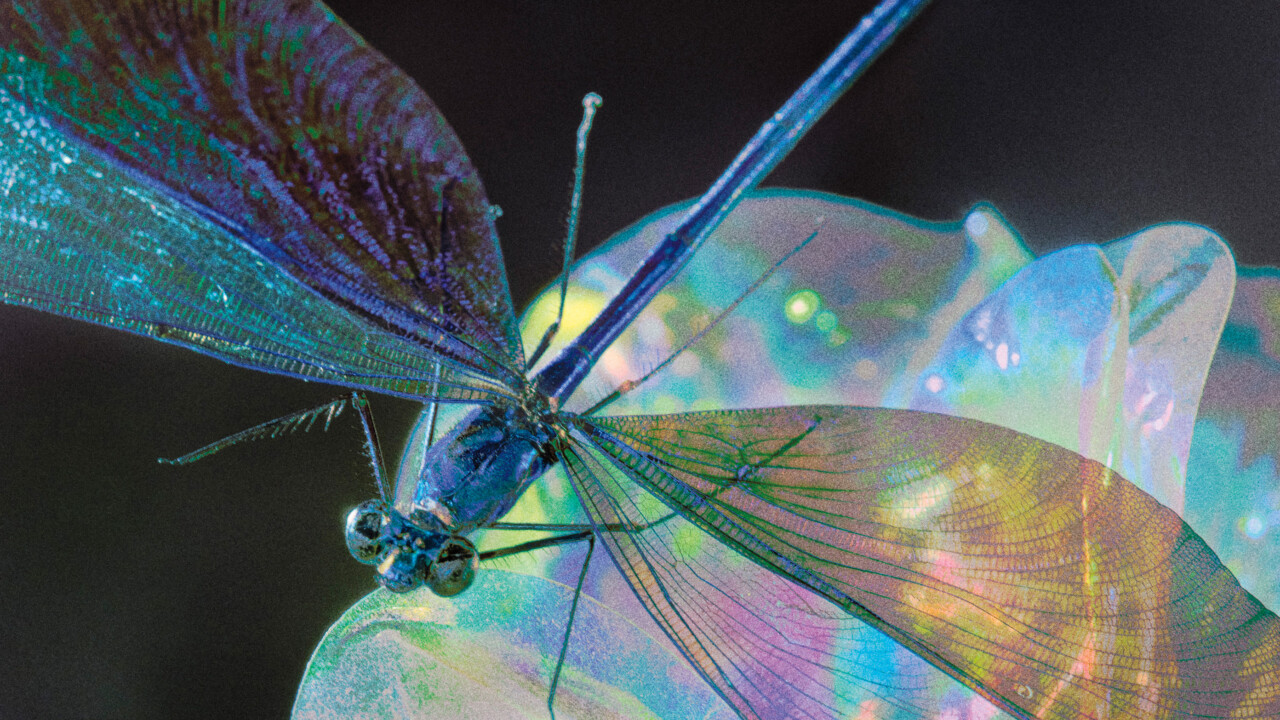
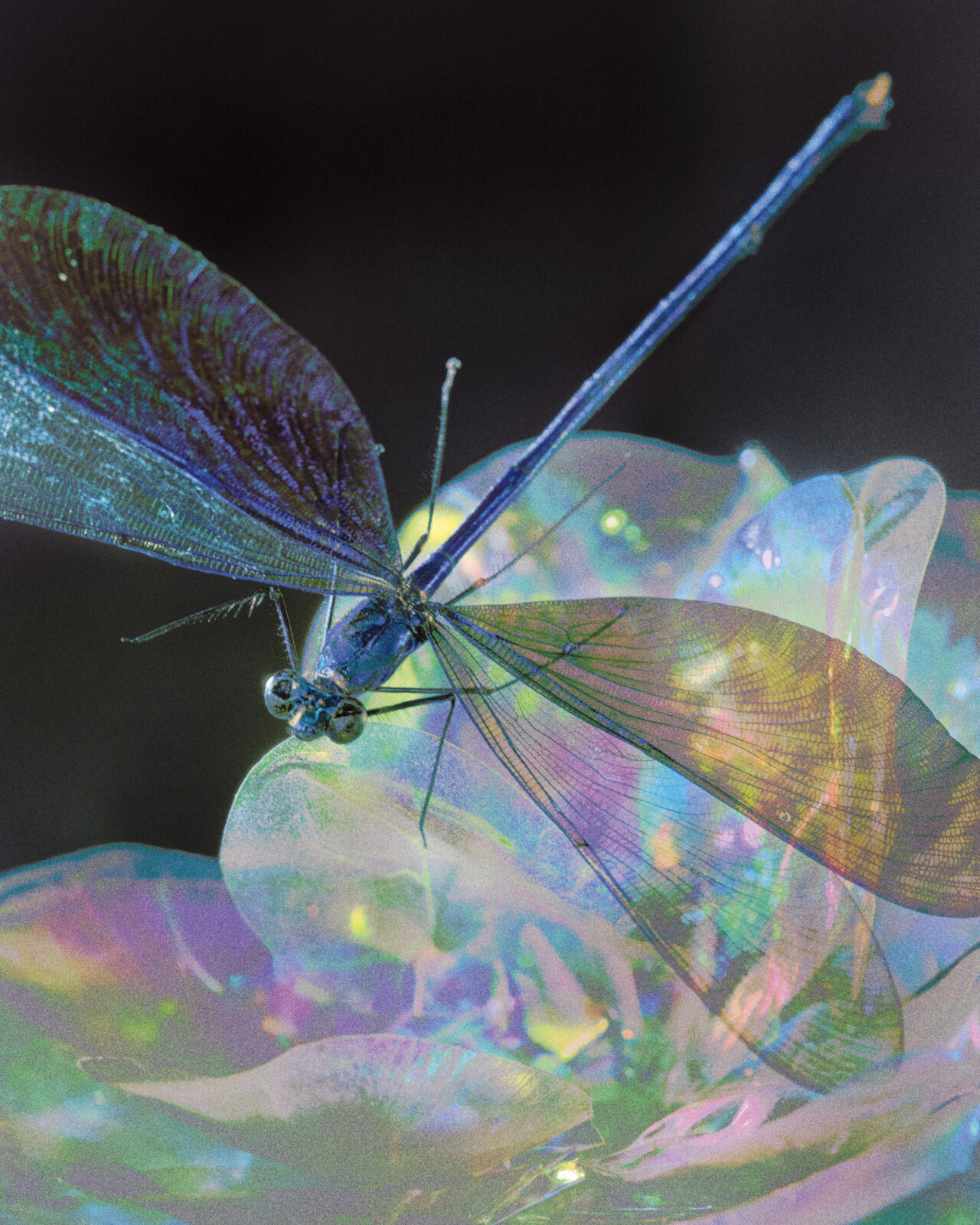
Of the many insects that undergo incomplete metamorphosis, perhaps the most remarkable are those in the Odonata order, which includes dragonflies and damselflies. They demonstrate what entomologists identify as hemimetaboly. Though they never go through a pupal phase, they are still marked by a life of transformation: They spend their youth as aquatic insects, gradually growing and molting underwater until adulthood calls them from below the surface to the sky.
Known as nymphs or naiads, aquatic dragonfly and damselfly larvae spend anywhere from months to years developing underwater, depending on the species. A nymph may molt between five and 14 times until it is fully grown, each time taking on more of a resemblance to its eventual resplendence. When it is ready for its final transfiguration, it climbs out of the water, begins to breathe air, and trades its weight once more—this time, to spread its wings.
Nymphs and naiads of the Odonata order get their names from the nature spirits of Greek mythology (naiads in particular are water spirits), which is fitting for how magical these fairy-like, often-iridescent insects are. And they are similarly ancient. Their oldest fossils are 325 million years old, making them one of Earth’s oldest lineages of flying insects. In Homer’s Odyssey, the nymph Calypso is entwined with time, too—drawing out Odysseus’ journey home.
Incremental transformation holds tension. We know we urgently need a radical transformation of our relationship to the Earth, and yet we must also recognize that the systems we operate within will not be easily undone overnight. As Audre Lorde put it, “revolution is not a one-time event”—it must be continued and sustained. So we itch and push for progress, ever inching toward a future where we might break above the waves and leave this old world behind.
Some transformations take place overnight, but not all. Much like the dragonfly, the majority of our metamorphoses are much less momentous, yet hold no less value. Just as society doesn’t revolutionize instantaneously, neither do we individually. We grow imperfectly, incompletely. I’m talking about the subtle shifts, the months of molting, swimming beneath the surface, wondering what it’s all for—until the moment arrives when you rise above the water only to realize that all the while you thought that you were drowning, you were learning how to fly.
This is an edited version of a newsletter edition first published in 2021. To read more from the archive, check out The Overview book.
Join our membership community. Support our work, receive a complimentary subscription to Atmos Magazine, and more.
Incomplete Metamorphosis: You Don’t Need a Chrysalis To Transform