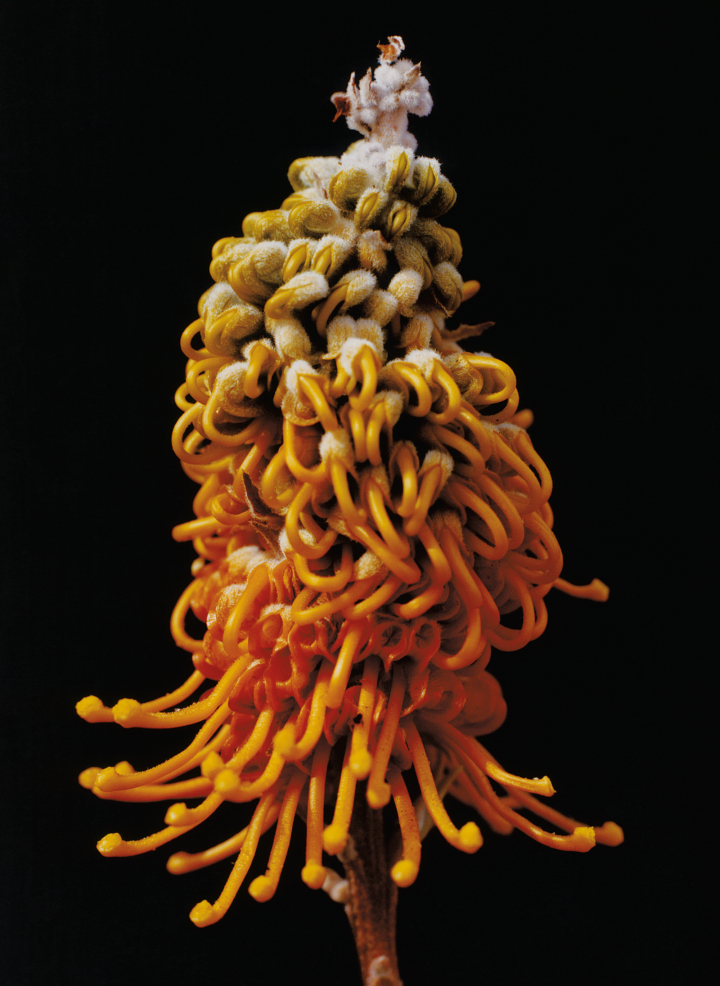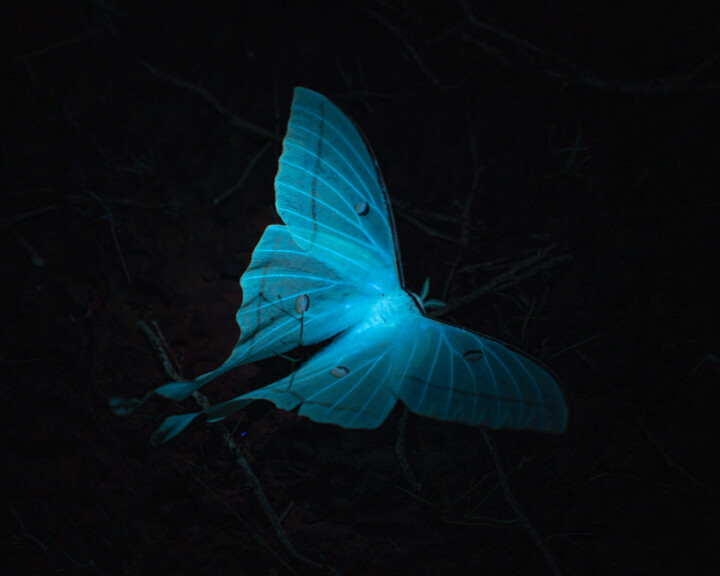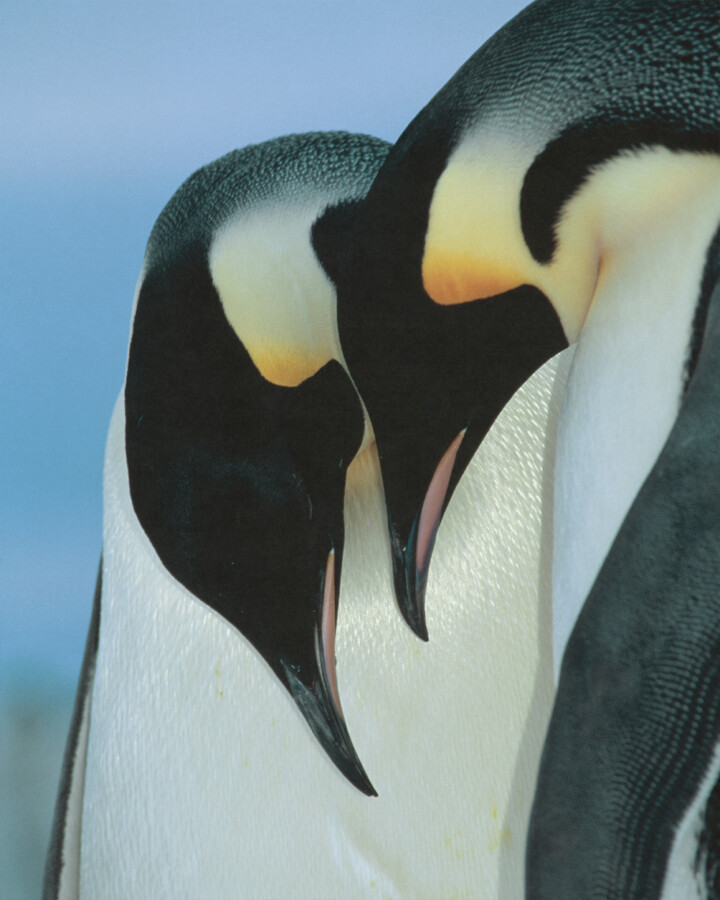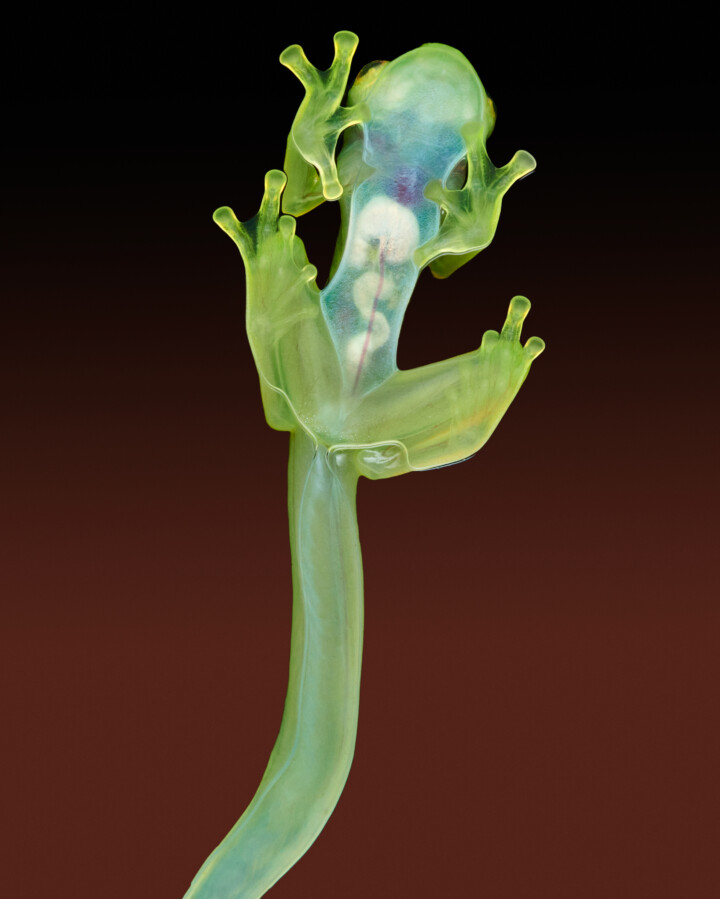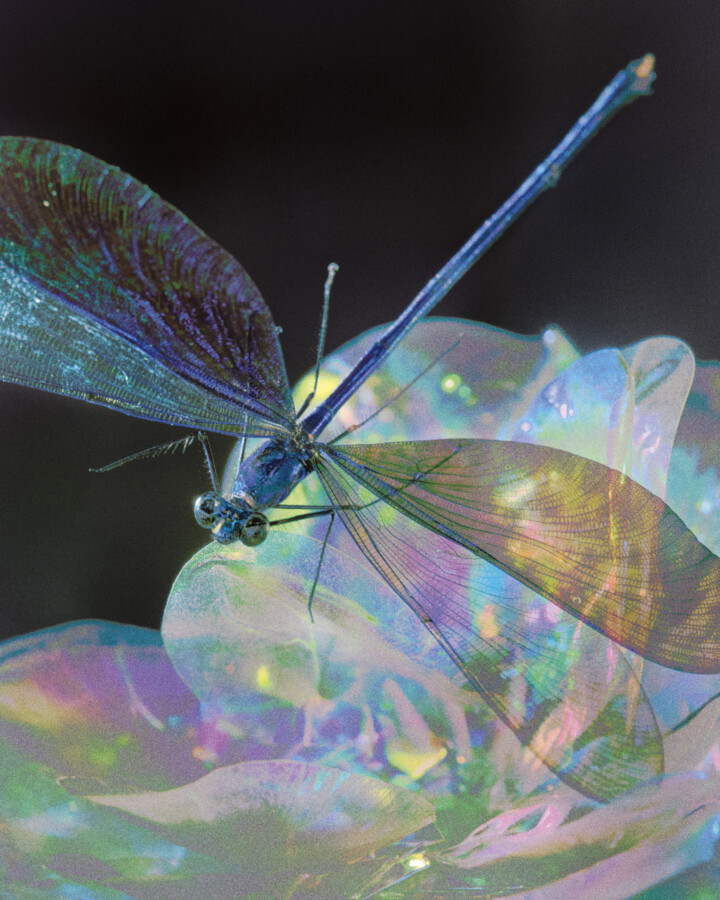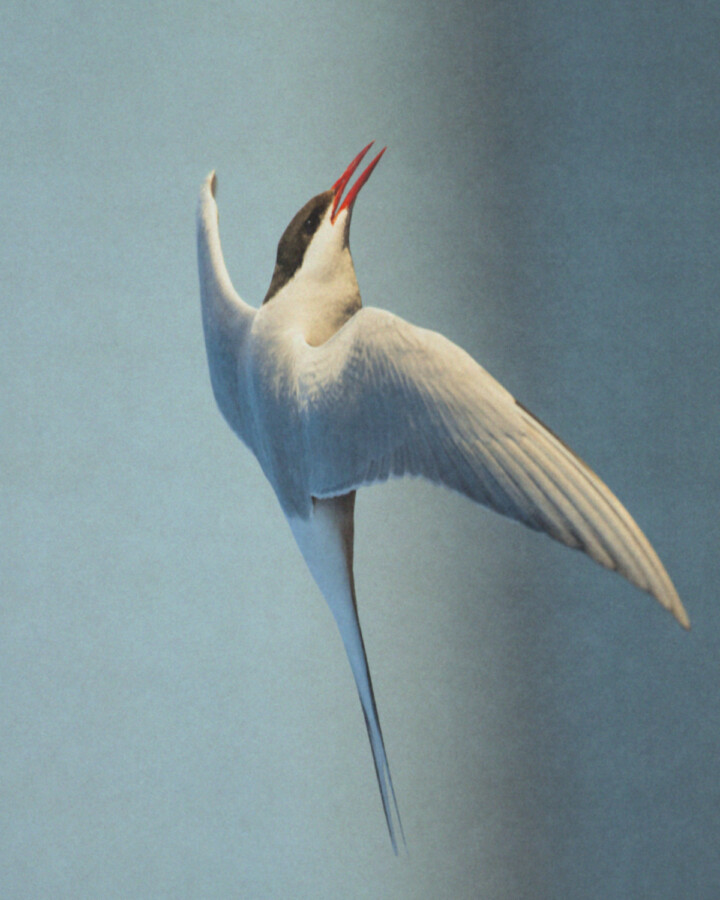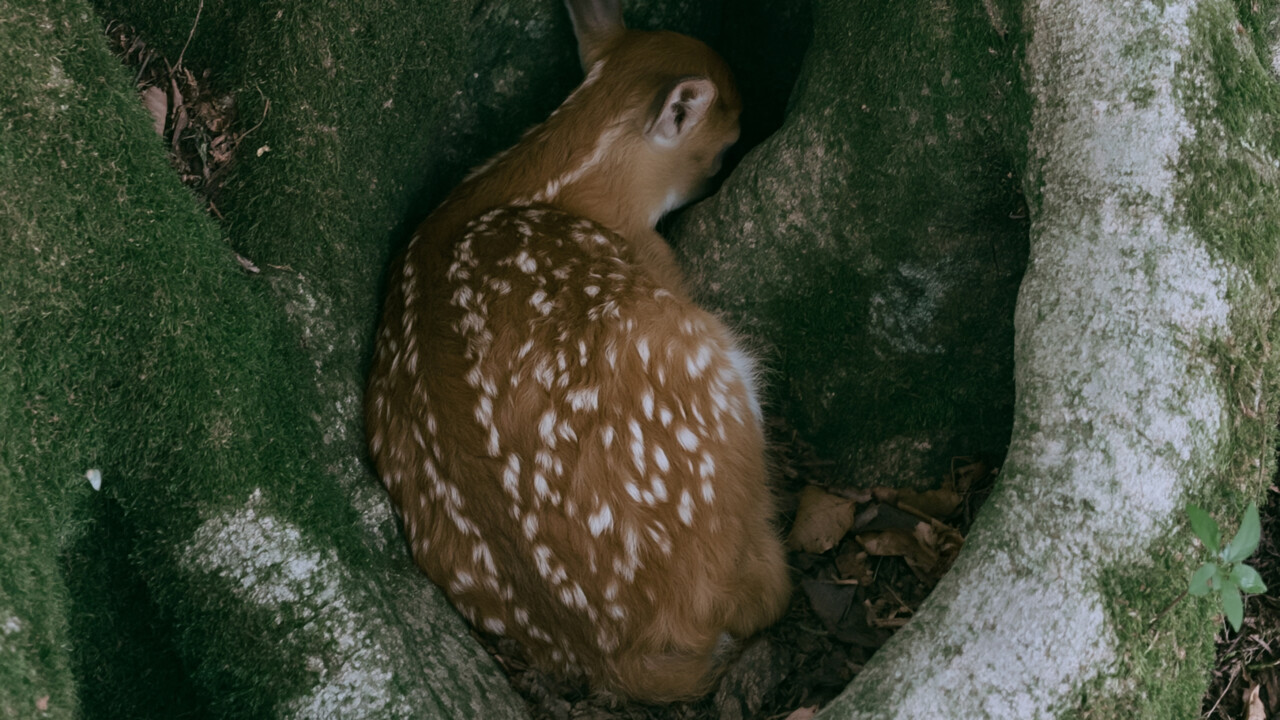
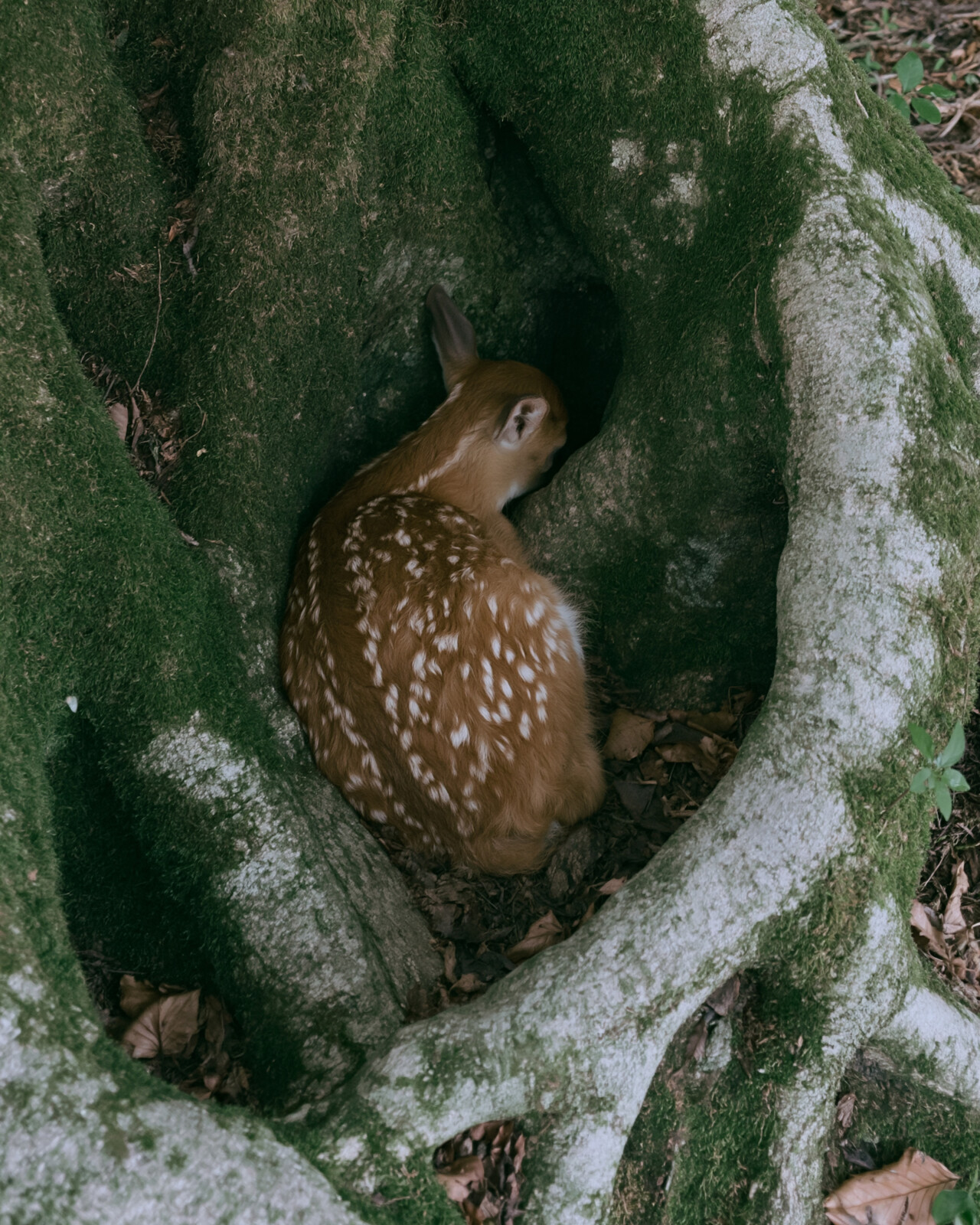
Photograph by Soleatto
words by Willow Defebaugh
“And now that you don’t have to be perfect, you can be good.”
—John Steinbeck
Brown on brown, long limbs blending with nearby branches, grazing with grace. I am watching a family of deer waltz through the woods, wondering about this quality that seems scarce in our world today. We imagine grace looking this way: elegant movements, effortless aplomb, a flawless sense of ease. But these creatures also offer a deeper reading of grace, one less about the absence of struggle than how we move through it.
Few encounters feel as magical as happening upon deer in the wild. Consisting of more than 40 species of hoofed mammals in the family Cervidae, they live in a range of landscapes including temperate forests, tropical grasslands, and Arctic tundras. From the beloved white-tailed deer of the Americas to the majestic caribou of the far north, these animals have adapted to an astonishing diversity of environments. Grace can appear even in unlikely places.
As selective feeders, deer seek food low in fiber but high in protein and minerals—young grasses, legumes, herbs, aquatic plants, woody shoots, and fruits—which they digest in their four-chambered stomachs. While specific diets vary by species and season, these nutritious meals are essential to one of their most extraordinary attributes: antlers. Such stunning structures require significant energy to produce. Discernment shapes what we grow.
Antlers require so much energy because they are shed and grown anew each year. The developing bone is nourished by a thin layer of soft, blood-rich skin called velvet. Among the fastest-growing tissues of any animal, antlers can grow as much as an inch per day. Once fully shaped, the velvet is shed to reveal hardened antlers beneath, ready to be brandished in contests for mates; only to be relinquished again. Strength requires surrender for renewal.
Deer are no strangers to danger. Eyes on either side of their heads give them a wide field of view, while their keen hearing and acute sense of smell help them detect threats. Many are most active at dawn and dusk, their eyes adapted to the dim light. The white-spotted coats of many fawns help conceal them among sun-dappled shrubs, while adults rely on speed, agility, and powerful leaps to evade predators. Grace does not have to mean defenselessness.
I have often envied deer for the artful elegance with which they move, even with danger never far. Recently, someone told me she admired the grace with which I have navigated my transition, particularly amid this country’s growing political hostility toward trans people. I shook my head in disbelief, thinking about the many times both have brought me to my knees. But I am coming to wonder whether that might be grace too: not the picture of it, but the practice.
I don’t know that I’ll ever meet life’s obstacles with perfect poise. Instead, I am learning to see grace as something we can choose in every encounter. Deer remind me that grace is not the absence of peril; that I decide what I take in; that there are times to fight and times to surrender; that I can stay vigilant without being afraid to live. It can mean falling to our knees or reaching out a hand. Perhaps choosing grace is how we save it, and let ourselves be saved in return.
Editor’s Note: This is an edited version of a newsletter edition first published in 2023. To read more from the archive, check out The Overview book.
Join our membership community. Support our work, receive a complimentary subscription to Atmos Magazine, and more.
Lessons From Deer on Living Gracefully