Photograph by Ali Monis Naqvi
words by willow defebaugh
“You pity the moth confusing a lamp for the moon, yet here you are confusing a screen for the world.” —Jay Alto
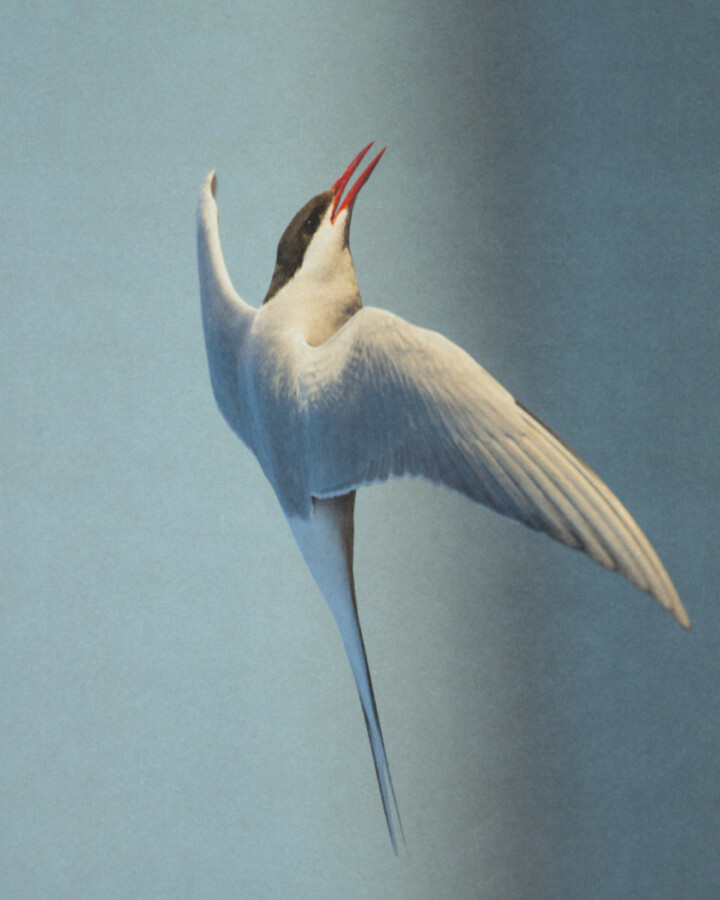
A moth orienting itself under the moon, a beetle finding its bearings by the Milky Way, a bat conjuring a soundscape from echoes in the dark, a scorpion sensing subtle drumbeats in the sand. Every species alive today is a response to the question that animates existence: How do we navigate the unknown? Evolution has not produced a single answer for traversing the labyrinth of living, but a plethora of pathways. Nature is an atlas of many maps, many compasses.
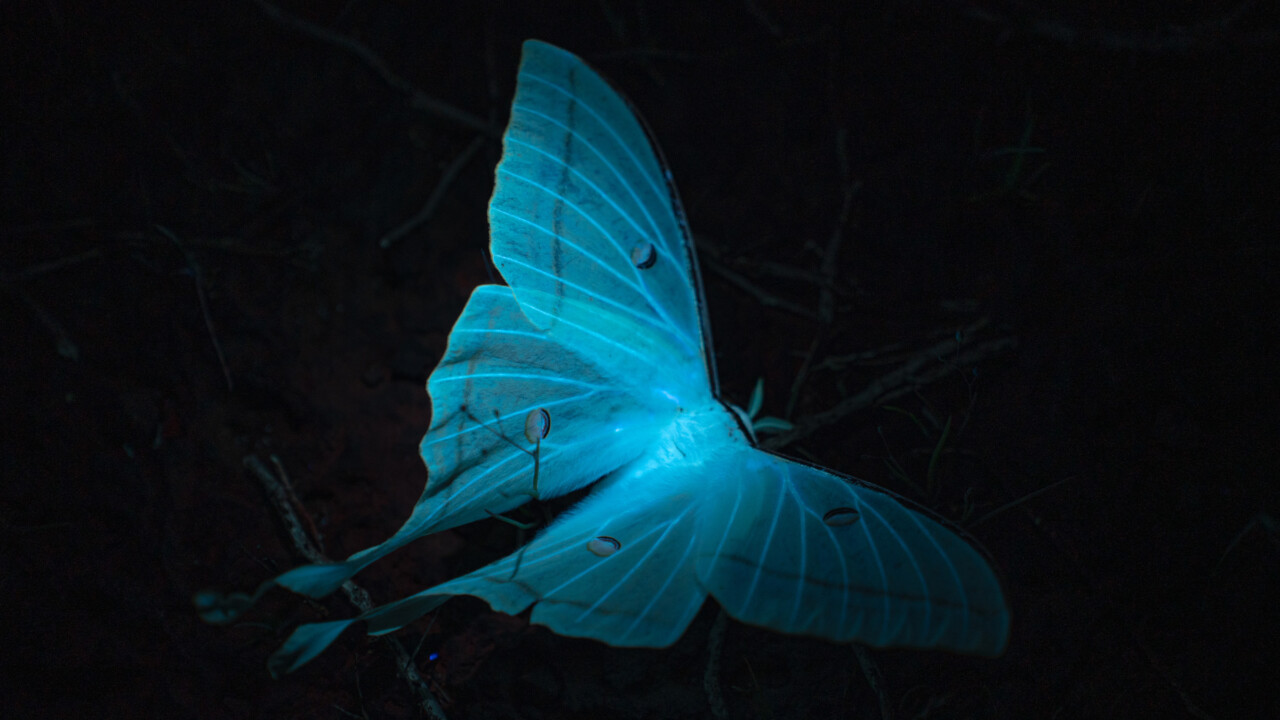
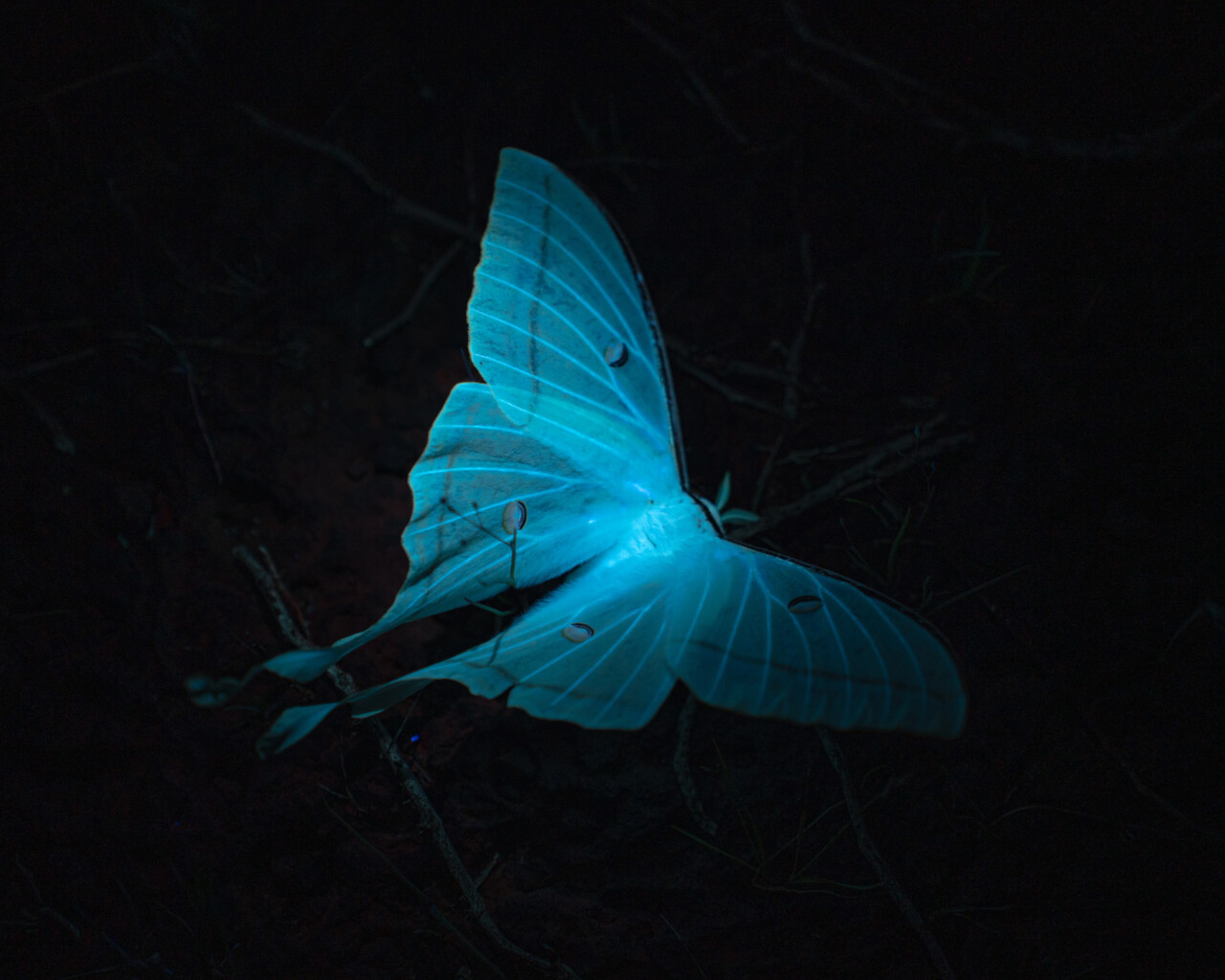
While some winged insects like the luna moth hone in on mates by detecting pheromones, others, such as Bogong moths, use patterns in the starry night sky to navigate. But artificial lights can interfere with the flight of many moths through a phenomenon called the dorsal light response: By instinctively turning their backs toward the brightest part of their surroundings, they can become trapped circling a streetlight. Artifice can scramble their ability to orient.
Once African dung beetles have acquired their fecund treasure, they will often climb on top and perform a dance, spinning around to take in the celestial sphere above them. The beetles then roll their prize using their hind legs in a reverse wheelbarrow, relying on the broad band of the Milky Way to maintain a straight line—otherwise, they might end up back where they started. In order to keep moving forward, they take cues from forces much larger than they are.
Above the range of human hearing, most species of bats emit ultrasonic calls. These sounds hit objects in their surrounding environment and then bounce back to their finely tuned ears. By measuring the time this takes, bats can calculate their distance from an object. Through this intricate process known as echolocation, they transform shadows into a living soundscape. They are expert listeners, navigating through a call and response with the world.
Scorpions are nocturnal hunters. Rather than relying on eyesight, sand scorpions have developed an attunement to vibrations rippling through the ground. Footfalls of other animals walking across the sand produce tiny tremors that are picked up by specialized sensory organs in the scorpion’s legs. These arachnids can even distinguish between surface waves and compressional waves traveling through the sand, helping them locate their prey. The Earth itself can be a map.
Humans have produced our own compasses. Only our species seems particularly preoccupied with telling each other which to follow, how to live, where to go, what to think. I wonder how things might change if we spent less time judging one another’s journeys, and more on charting our own. We are all wandering through the woods, trying to decide which path to take, along which there are many guides and tools available to us. What works for us might not for others.
How luminous is it that we were born into a world where the stars above and ground below can be a map to help us see in the dark? The more steps I take on this journey, the less comfortable I feel offering advice on how to navigate the unknown. I am constantly getting lost, retracing my steps, reorienting myself. That is why I return to nature again and again, a living atlas that says: Look at all the different ways there are to thrive here. All you have to do is take the next step.
Join our membership community. Support our work, receive a complimentary subscription to Atmos Magazine, and more.
Nocturnal Navigators: How To Find Your Way in the Dark