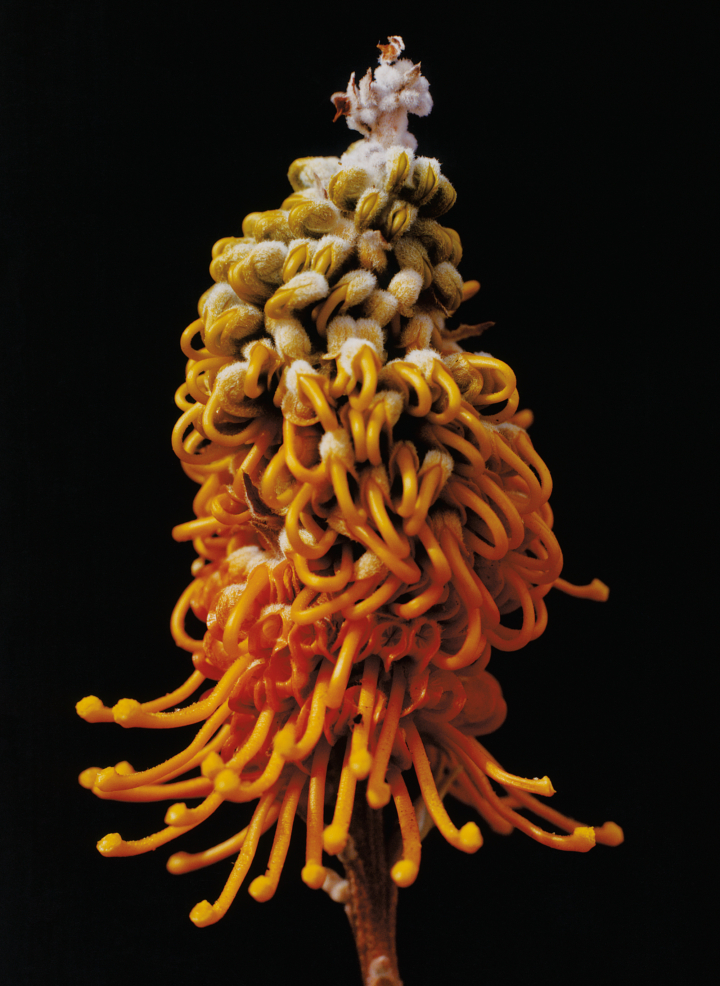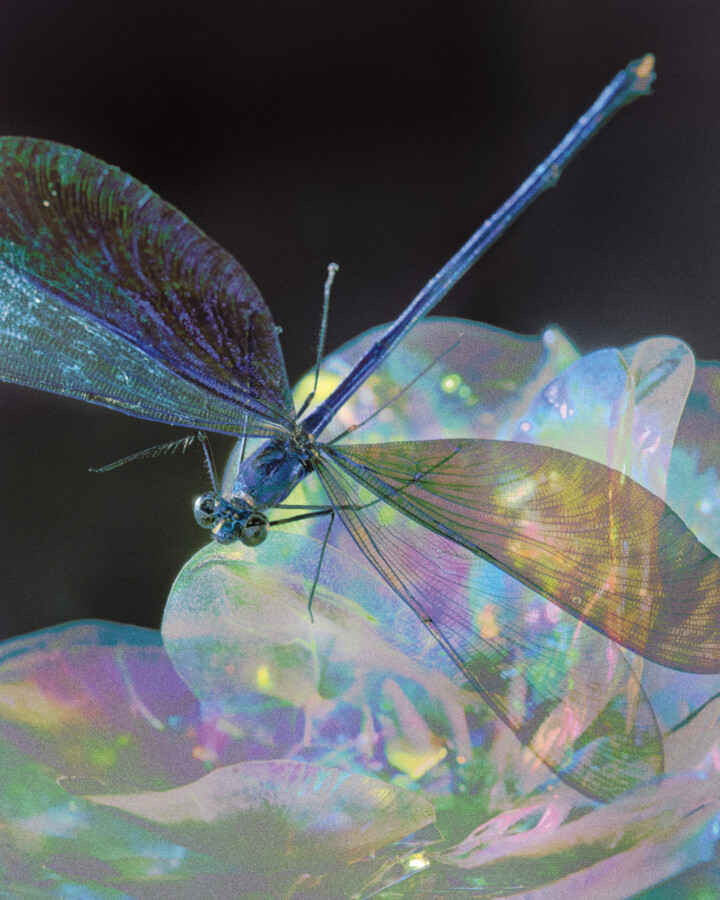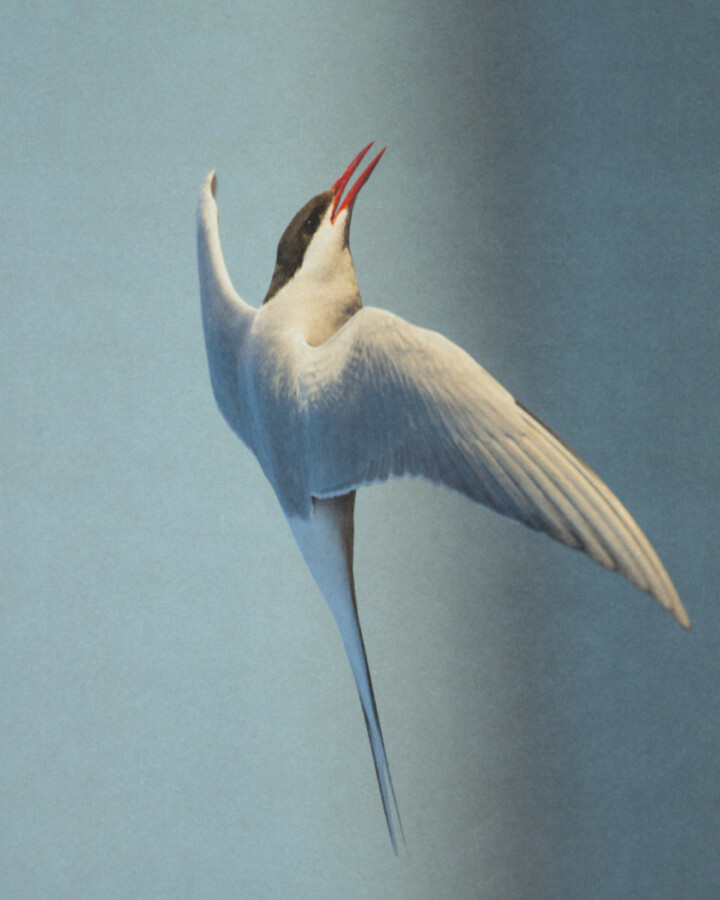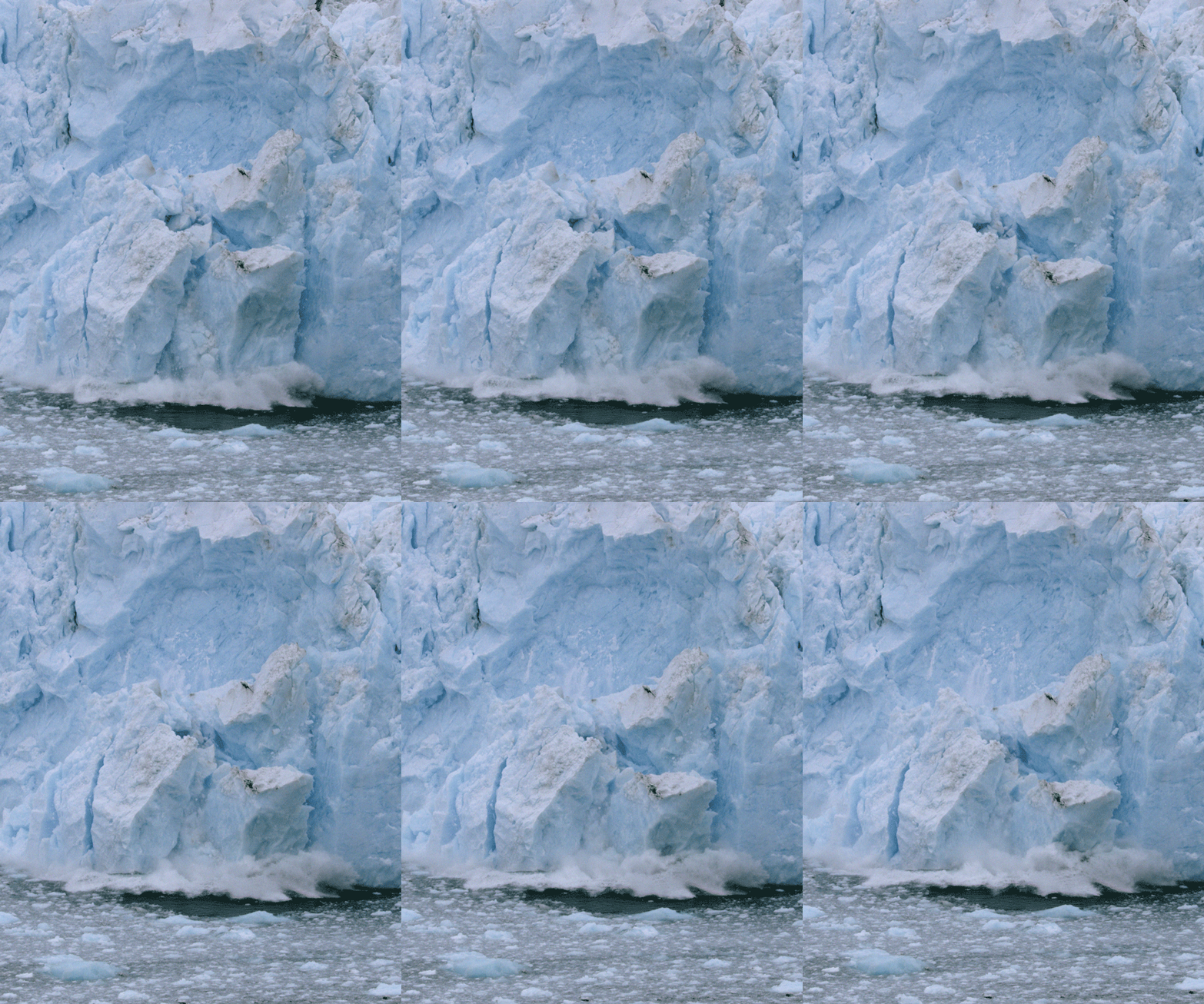
Photograph by Maewenn Beylot
words by willow defebaugh
“My own suspicion is that the universe is not only queerer than we suppose, but queerer than we can suppose.” —J. B. S. Haldane
I am often asked where my love for the living world comes from. From the time I was a child, I was mesmerized by the marvelous creatures we share this planet with—especially the weird, often unloved things. In my backyard, I watched tadpoles surrender their tails for limbs as frogs, alien-like praying mantises hatch from their oothecae, snakes shed the ghostly skin of their former selves, and found comfort in the knowledge that everything here is very strange.
Arachnophobia is among the most common human fears, but what could be more extraordinary than a creature capable of weaving its own translucent tapestries? Webs woven in many patterns, for many purposes. Money spiders release strands of silk skyward in a technique called ballooning. Alongside aerodynamic forces, electric fields can help lift them into the air, while sensory hairs allow them to detect these invisible forces. Their eccentricity takes them far.
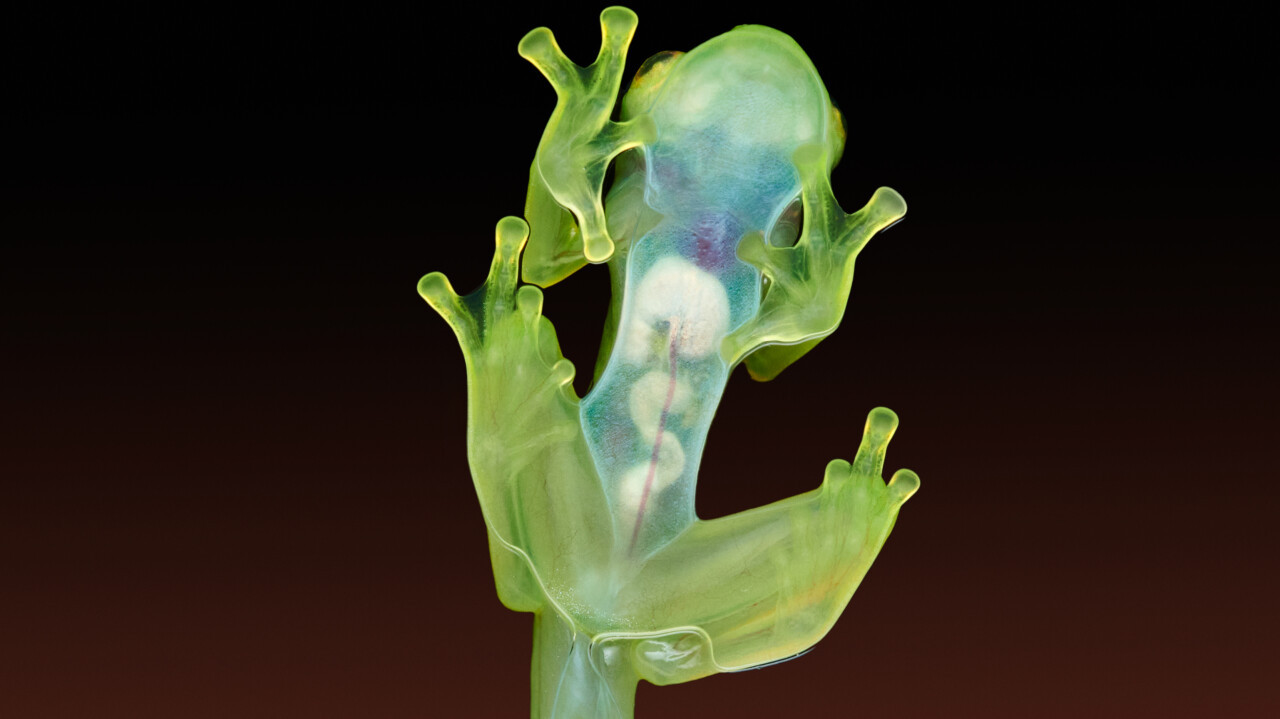
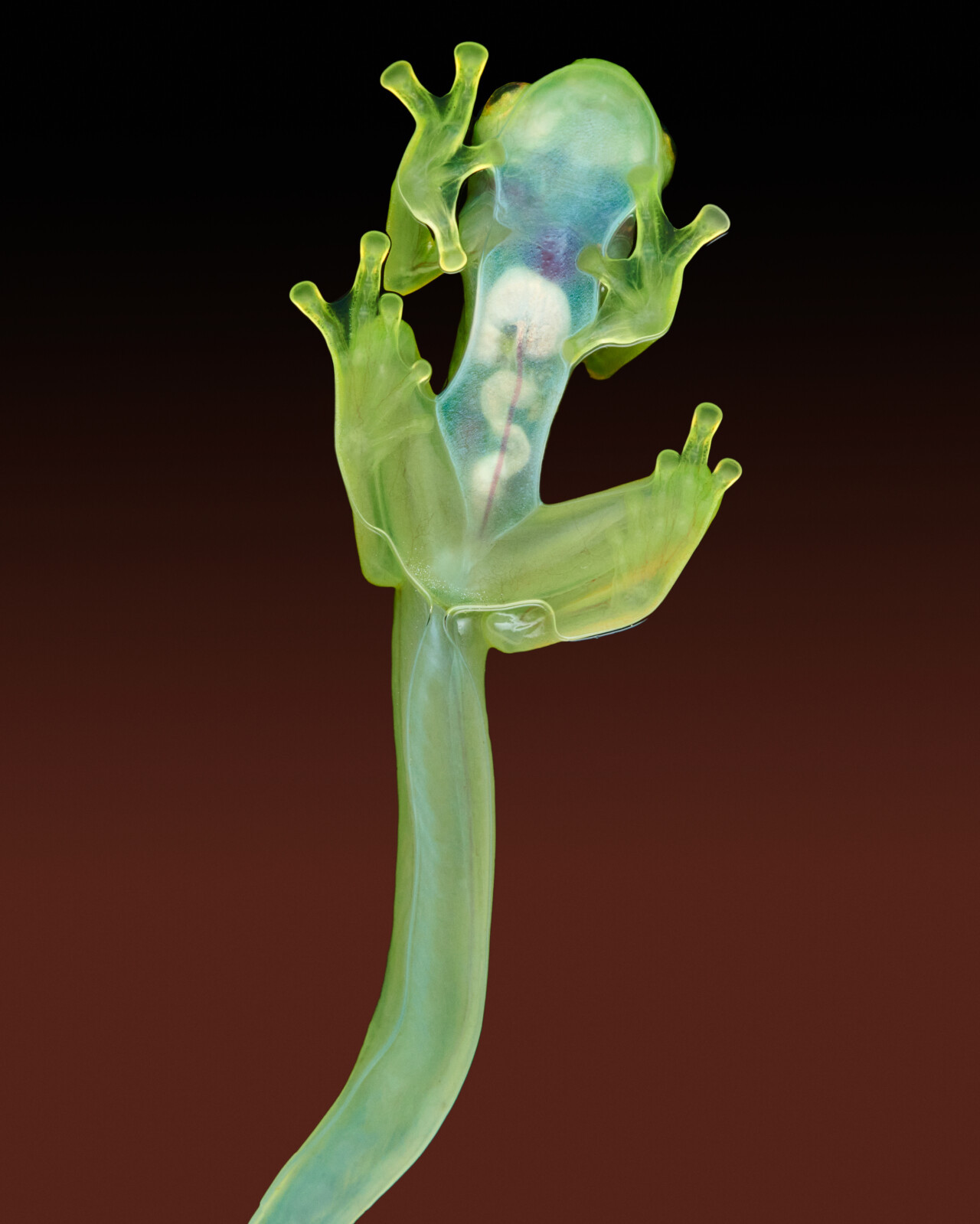
When tadpoles metamorphose into frogs, they wear their oddness outwardly. A massive restructuring of their biology unfolds as their tails are reabsorbed, limbs emerge, and lungs and skin assume the work once performed by gills as their respiratory systems are remade. Paradoxical frogs even shrink as they transform: Tadpoles can reach roughly 10 inches, adult frogs only 3. Unkissable and unprincely as they may be, frogs are master transmogrifiers.
In the rainforests of South America, one vine climbs with an especially unusual talent. As The Light Eaters author Zoë Schlanger explained to me on a recent episode of The Nature Of, Boquila vines can produce leaves that mimic the shape, size, texture, and colors of other plant species they grow alongside. Scientists are still attempting to explain this magic trick, confronting an unsettling question: How do these vines know what their neighbors look like?
Some species are stranger than fiction. True to name, vampire bats feed only on blood. As with most bats, they send ultrasonic calls into the night, and then interpret echoes to make a map of the darkness. But these bats also use infrared detection with heat-sensitive structures around their noses to narrow in on suitable feeding spots. Perhaps most surprising is that they strengthen bonds by sharing blood with others who did not feed—a strange and sanguine kindness.
For all the weird ways of being in this world, there are just as many wonderful ways of being together. Most slugs are simultaneous hermaphrodites, possessing male and female parts and often mating reciprocally. Leopard slugs demonstrate an especially stunning display of courtship, wrapping their bodies around each other and suspending themselves on a thread of mucus as they evert their reproductive organs and exchange sperm entwined. Binaries spiral into beauty.
The word weird derives from the Old English wyrd, meaning “fate.” As someone who has not always felt comfortable in their own skin, I have often wondered if my destiny is to never fit in. If it is, then so be it. A walk through the woods rewilds these thoughts. Nature reminds me that everything is strange, yet everything belongs. If our species has a fate, I hope it is to remember the weird and wonderful world we are part of, and that life is the most marvelous oddity of all.
Join our membership community. Support our work, receive a complimentary subscription to Atmos Magazine, and more.
Everything Is Strange: Embracing Nature’s Oddity