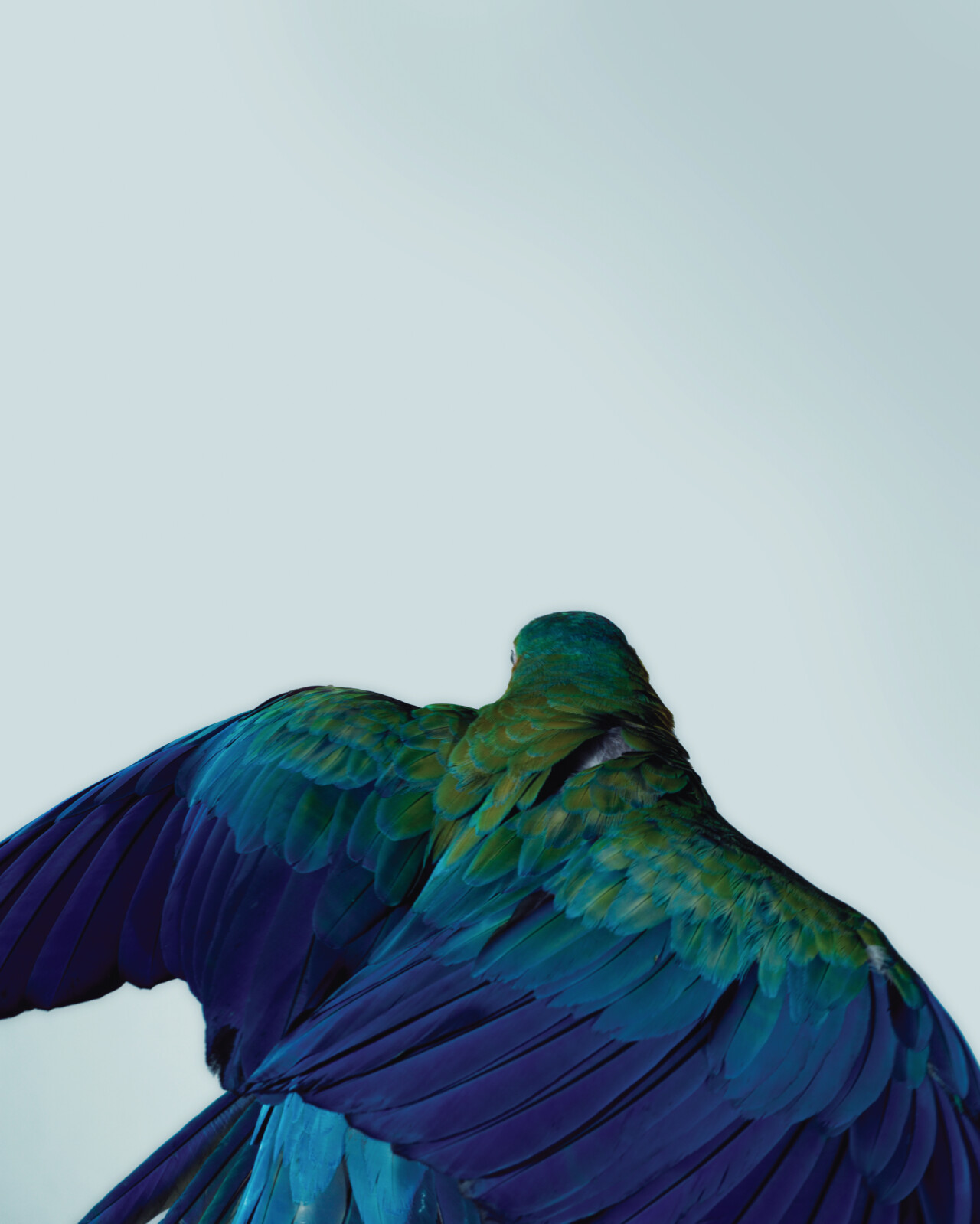
Photograph by Max Cardelli / Trunk Archive
words by willow defebaugh
“Hope is a wild bird remembering how to fly.”
—Maggie Rogers
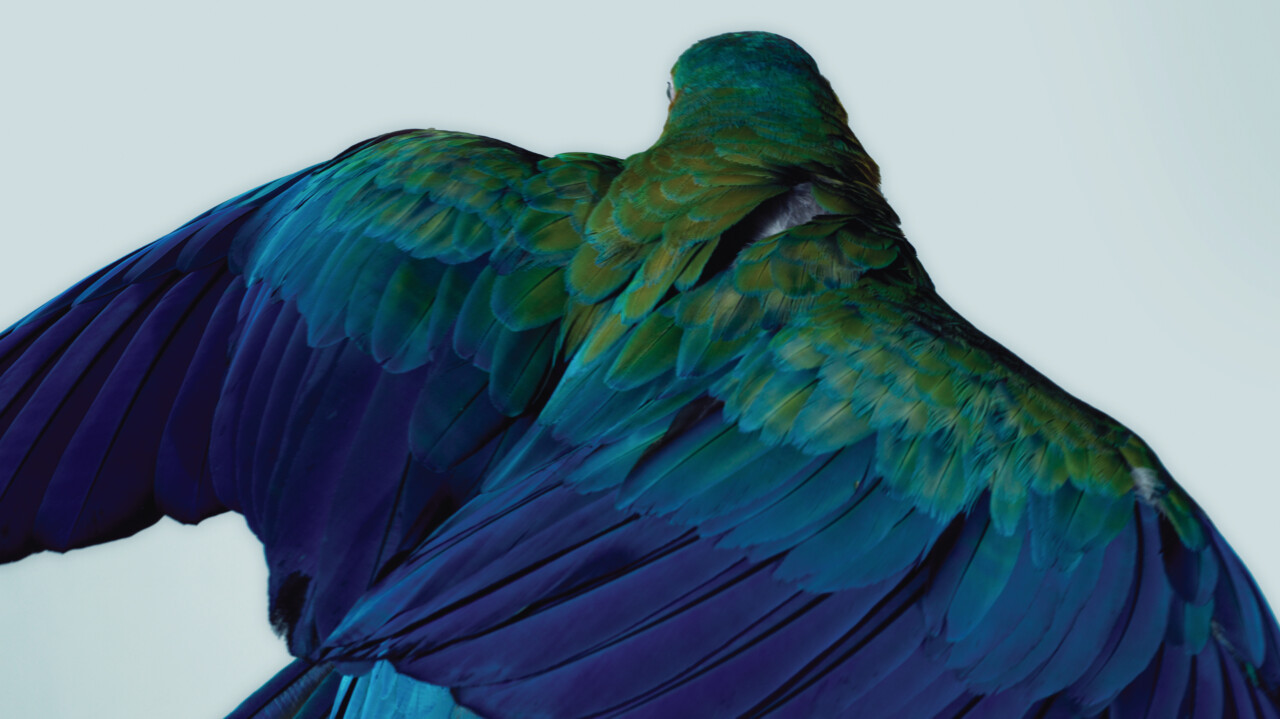
A hummingbird hovering beside a vibrant flower, rapid wingbeats releasing a vibrato in the air. Wandering albatrosses soaring on wind, covering vast distances while hardly flapping their wings. Eagles riding thermals, rising columns of warm air. Song sparrows undulating between steady wingbeats and quick glides, effort and ease. To see an airborne bird is so ordinary, we forget the wonder it is—and yet folded in their feathers is the story of how life learned to fly.
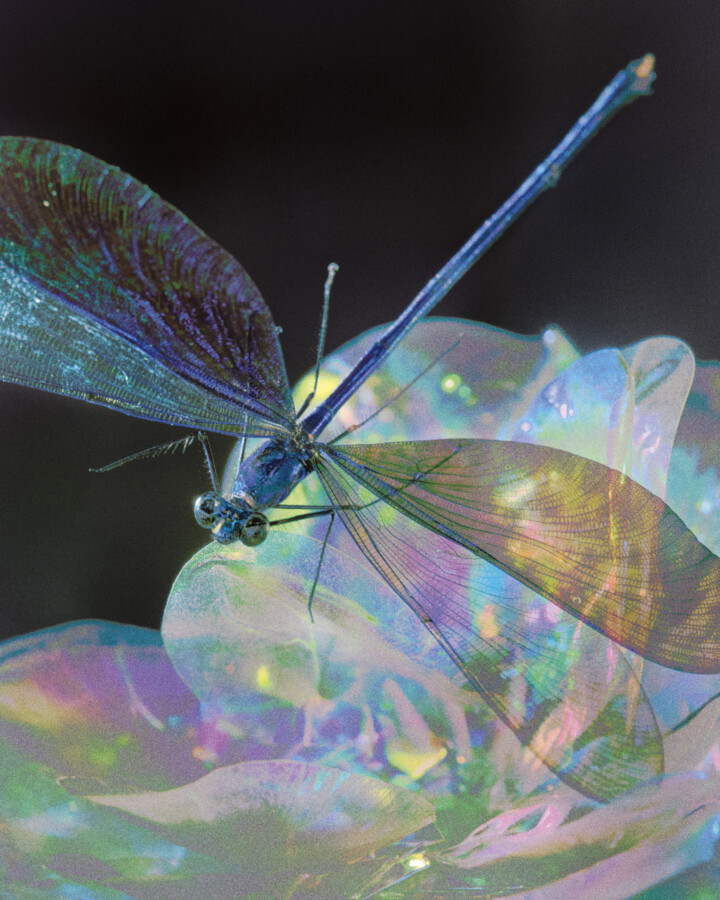
Flight evolved in four animal lineages: insects, bats, pterosaurs, and birds. It proved to be such a successful survival strategy that over half of animal species alive today are estimated to be capable of it. When it comes to birds, feathers existed long before their first flight. Their dinosaur ancestors appear to have evolved them for insulation and mating displays, only later helping with leaps and climbs. Over millions of years, tiny hops turned into flights.
Evolving the capacity for flight and learning to fly are two different things. Many fledgling songbirds leave the nest and spend time on the ground practicing with their parents before taking to the sky. Meanwhile, seabirds like common guillemots leap from towering clifftops, a fluttering plummet to the ocean before they even learn to fly. Whether in measured increments or dramatic descents, experiments in falling give way to flying.
A bird stays in the sky by the unseen interplay of lift, weight, thrust, and drag. Two of these forces mainly act vertically: Air movement around a bird’s wing creates lift, working against the weight of gravity. The other two forces primarily operate horizontally: Continued flapping generates thrust in opposition to the drag of aerodynamic resistance. What appears effortless is rarely so; life mediating invisible forces to sustain the miraculous.
Such miracles are born of specific physiology. Powerful hearts expertly deliver oxygen to massive wing muscles to meet flight’s high metabolic demand. Many birds also have pneumatic bones: air-filled cavities reinforced with a lattice of bridge-like structures for strength. Some of these cavities are even connected to the respiratory system, air moving through bone as the bird breathes. From hollow bones, evolution made a skeleton that soars.
What happens when a winged thing is caged? Without flight, birds can lose the strength and endurance to sustain it. Rehabilitation often involves more than merely opening the door. It can require the safety of aviaries where muscles can be remade, mobility and flight maneuvers relearned. One method, soft release, allows rehabilitated wild birds to venture out and then return to the safety of shelter. It can take time for them to take to the sky again.
It’s said that caged birds learn to fear the sky. We may never really know how they feel perched on that threshold, if the first wind carries dread or relief as it caresses their feathers. But there are moments when life throws open the door. You blink at the bright sky and realize how accustomed you became to this place, how wide the world really is. You remember that the breath of life still fills your hollow bones, and in your wild breast beats a heart born to fly.
Join our membership community. Support our work, receive a complimentary subscription to Atmos Magazine, and more.
Do Caged Birds Fear the Sky?