Photograph by Tui De Roy / Minden Pictures
words by willow defebaugh
“You see things; and you say ‘Why?’ But I dream things that never were; and I say ‘Why not?’”
—George Bernard Shaw
Ambition can be seen as an oily word, one sleeked in restless desire and unchecked greed. Nature complicates this idea, particularly when we think of the many marvels life has produced. That’s not to say evolution itself is ambitious; rather than operate toward a specific goal, it adapts to circumstance. Ambition is a decidedly human notion, but its roots seem to reach back to something far older: life’s audacity to expand beyond what seems possible.
Water anoles, Anolis aquaticus, are nature’s scuba divers. They can spend nearly 20 minutes diving underwater, thanks to their water-repellent skin that retains a thin layer of air even when submerged. A bubble forms around their nostrils, into which they inhale and exhale. One study found they might even pull in oxygen from the surrounding water and diffuse carbon dioxide. Where life might leave them airless, they find new ways to breathe.
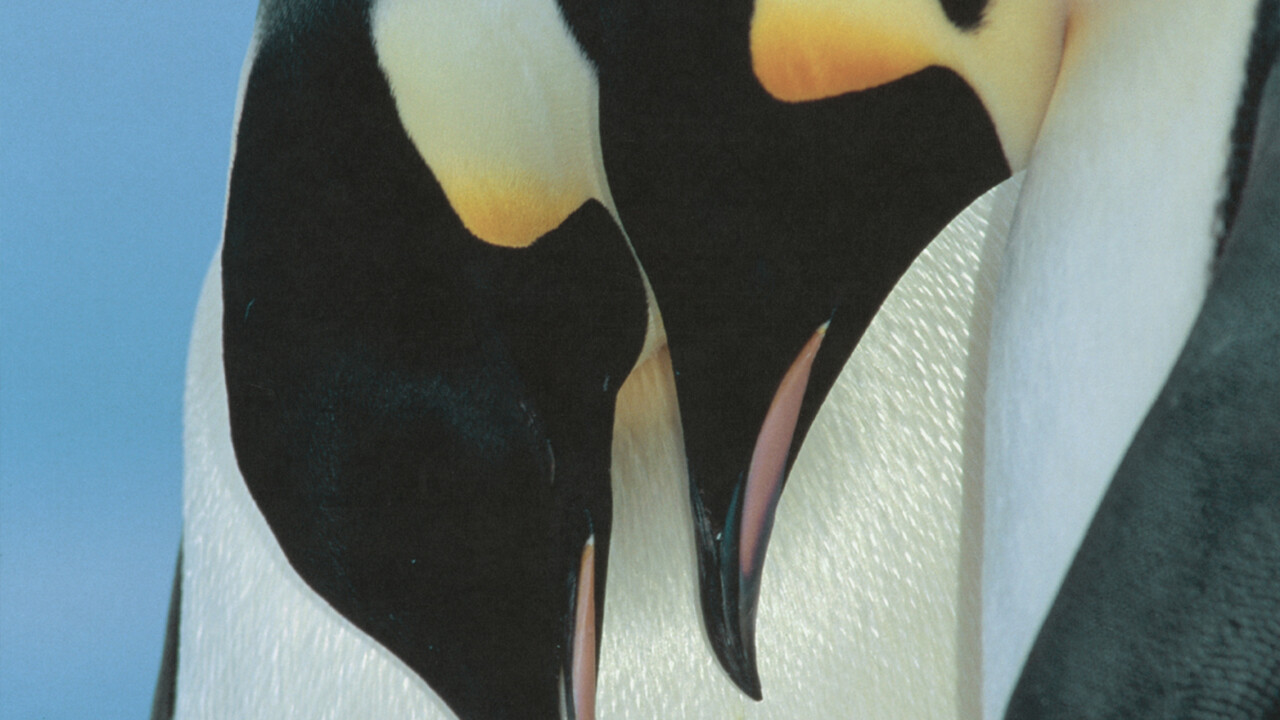
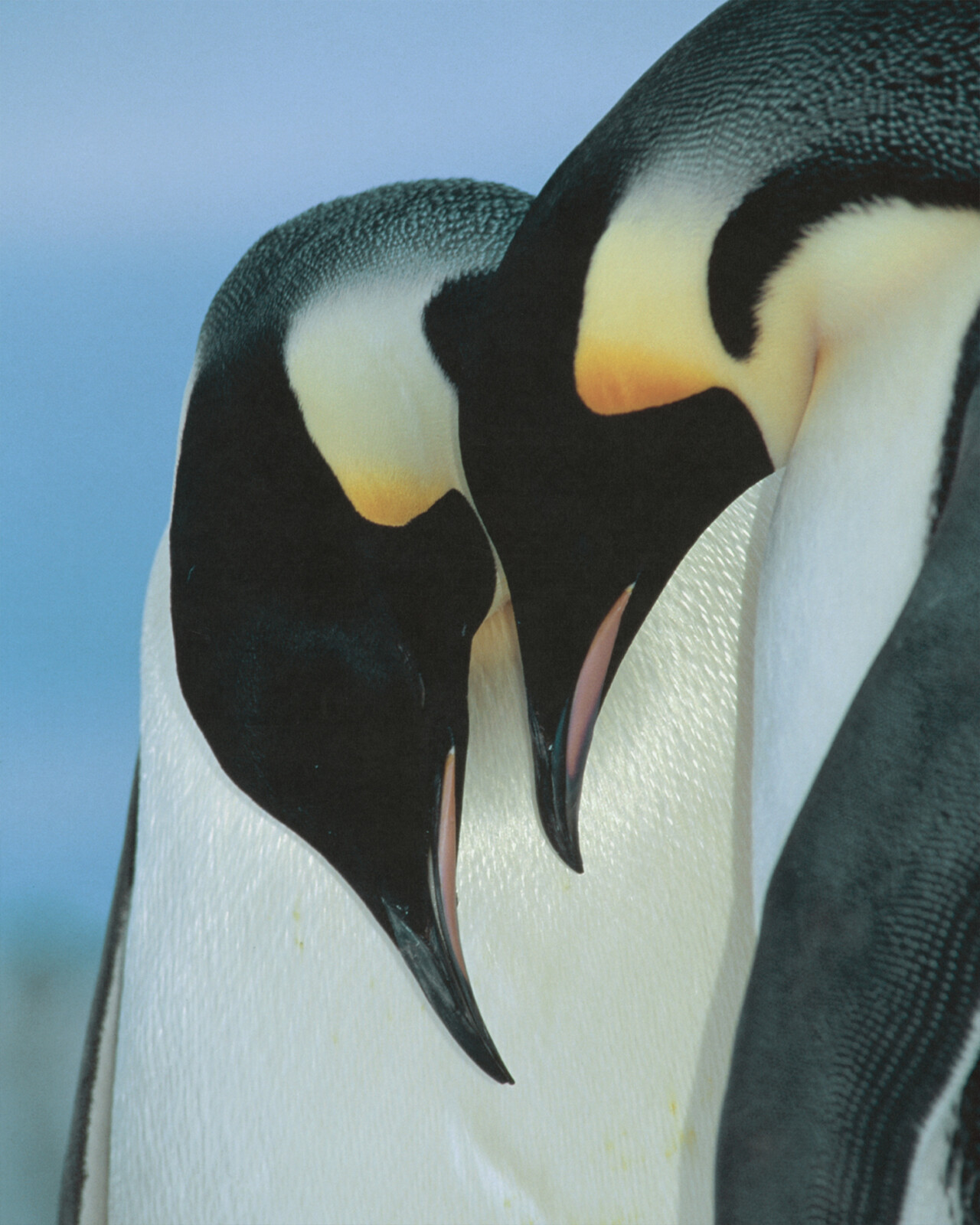
To be a flightless bird might seem like a setback, but penguins let this limitation push them into new territory. Emperor penguins, Aptenodytes forsteri, are especially adept divers. In their native home of Antarctica, they dive up to 1,850 feet below the surface. The penguins can stay underwater for up to 32 minutes due to slowed heart rates, oxygen storage, pressure tolerance, and expert circulatory systems. With one realm closed to them, they learned to chart another.
Meanwhile, bar-headed geese adapted to traversing the mighty peaks of the Himalayas. Anser indicus fly higher than 23,000 feet above sea level, where oxygen is more difficult to obtain from the low-pressure atmosphere. The birds compensate by adopting a roller-coaster strategy and following the shifting landscape, dipping into valleys and rising to summits. Their full ascent from sea level can take just eight hours. When terrain changes, they acclimate swiftly.
Not all climbers are birds. Capra ibex, the Alpine ibex, is known for navigating rocky ledges in the European Alps that are inaccessible to most other large mammals. Using balance and strength, and split hoofs expertly adapted for finding purchase in even the tiniest cracks and crevices, they can scale near-vertical cliff faces. Their climbs might look impossible to the naked eye, but precision and experience reveal footholds others might miss.
For billions of years, organisms have been inventing means to reach new depths and heights, striving beyond what was previously possible. When life feels like staring at a vertical sheet of rock rising up before you, know that others before you have learned to climb and soar above unimaginable summits. When you feel yourself sinking into despair, remember that it is in unknown waters that existence has achieved its most remarkable feats.
Nothing so human as ambition could ever be entirely good or bad. Misdirected, it can be destructive. Married with purpose, it can push us to accomplish the extraordinary—as life has done many times, boldly raising the bar of what is possible. I believe in our capacity to dream audaciously on behalf of the Earth. The word ambition means “desire to achieve a particular end.” In harmony with nature, can we harness ours to create a new beginning?
Join our membership community. Support our work, receive a complimentary subscription to Atmos Magazine, and more.
The Audacity of Life