words by willow defebaugh
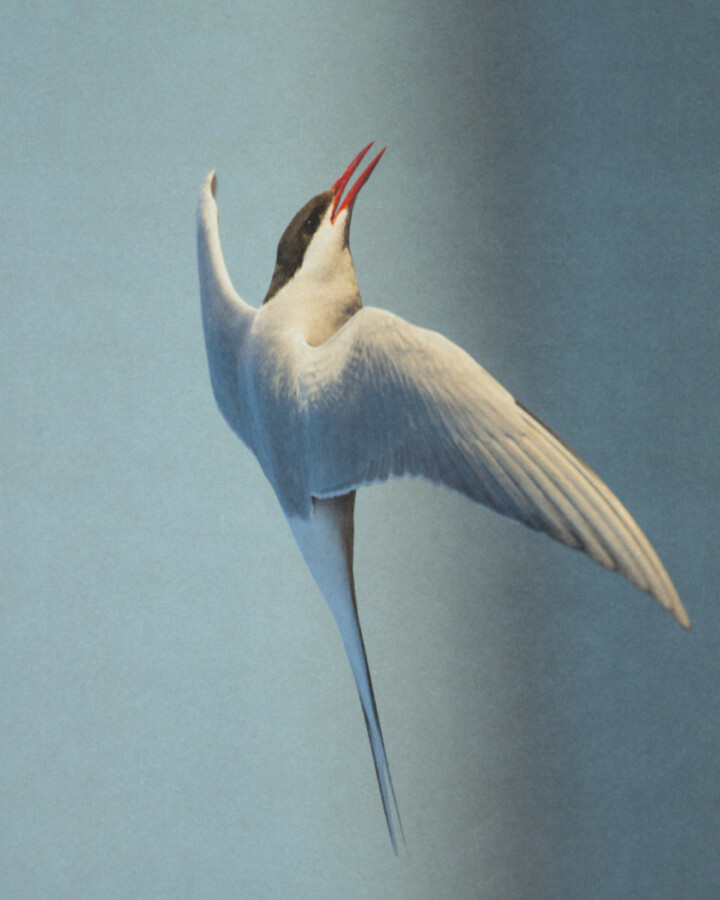
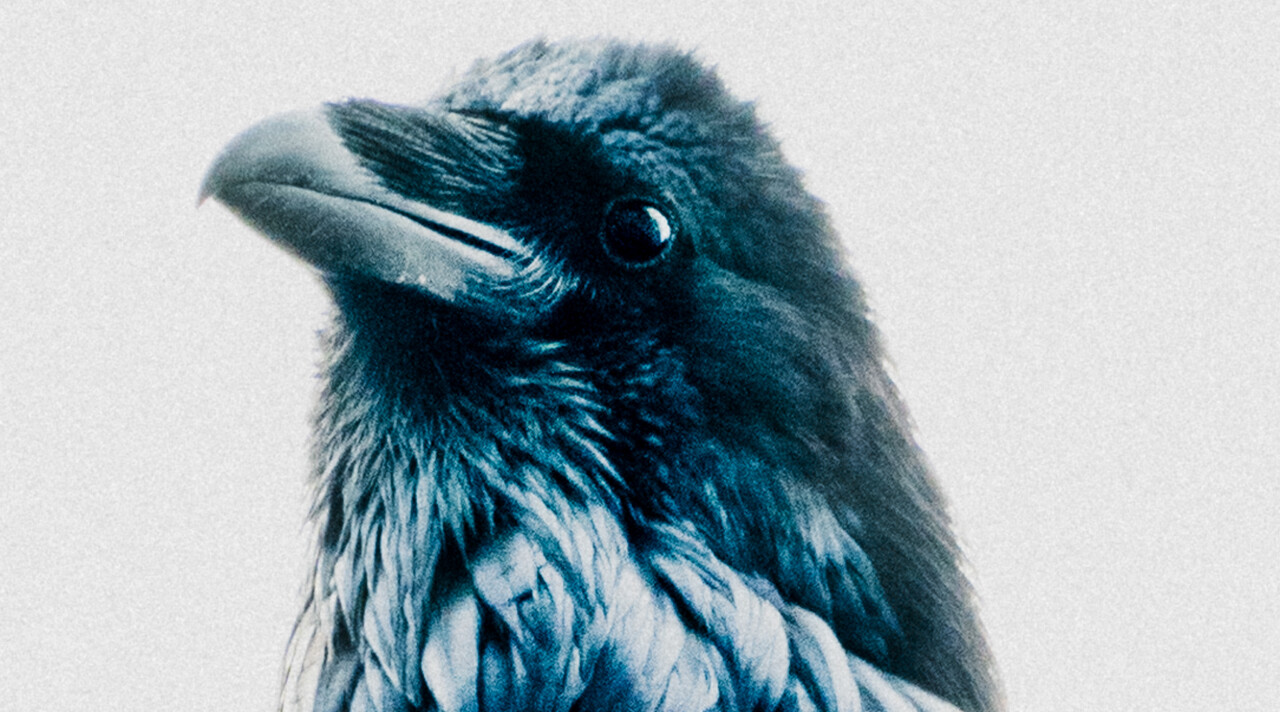
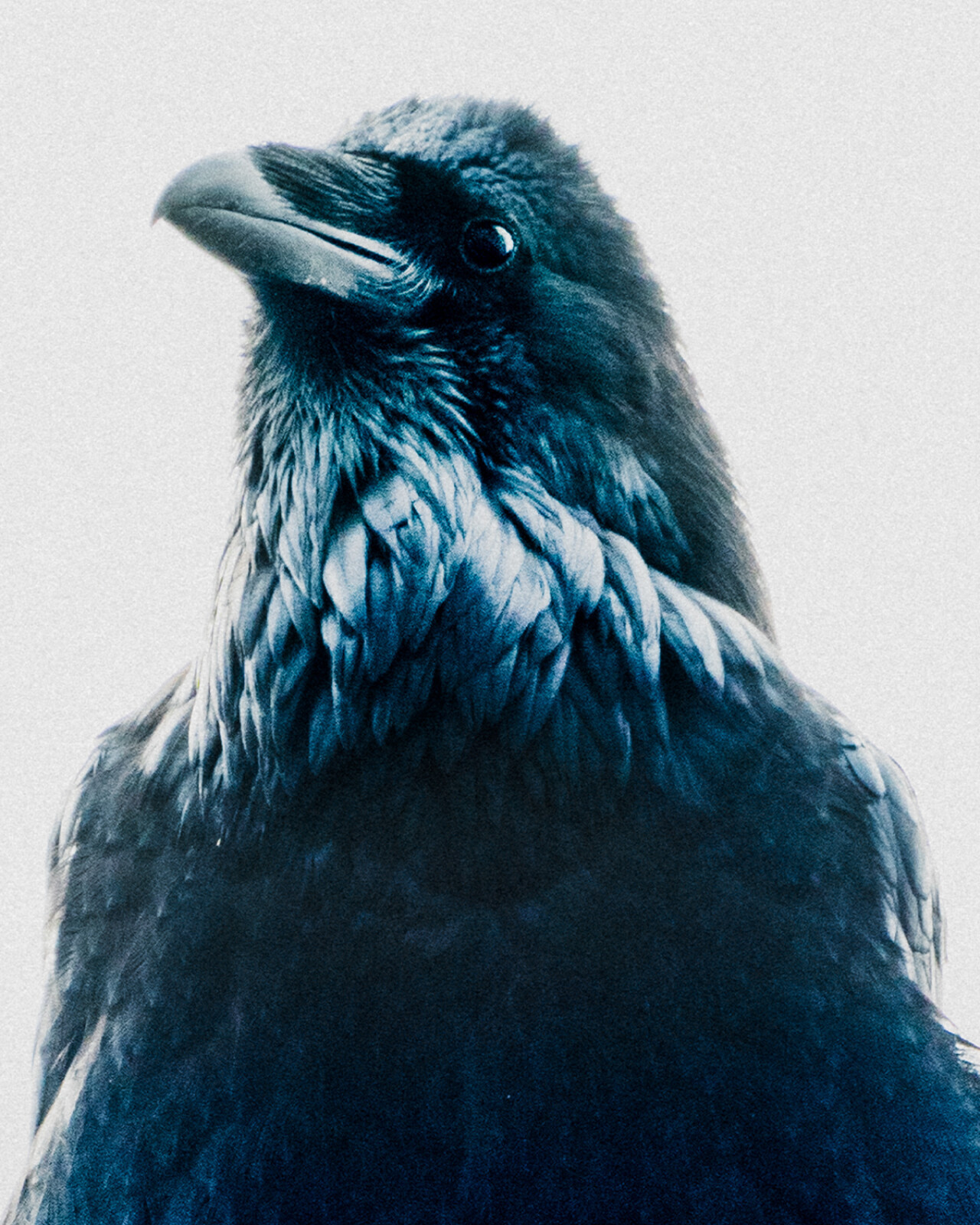
photograph by daniel shea
“Grief might be, in some ways, the long aftermath of love, the internal work of knowing, holding, more fully valuing what we have lost.” —Mark Doty
In one of the most widely known pieces of American poetry, “The Raven,” Edgar Allan Poe tells the tale of a man lamenting his lost love, Lenore. In this macabre story about grappling with grief, a talking raven appears, repeatedly reminding the lover of what will no longer be and driving him further into the depths of despair with the simple word: nevermore.
Thanks to works like Poe’s, many of us carry macabre connotations of ravens, crows, and other members of the corvid family. But these maligned birds’ biology tells a very different story; they are incredibly cunning creatures, and often social. They have some of the largest brain-to-body ratios—one factor determining intelligence—of any bird species. When it comes to number of neurons, they are on par with primates, capable of solving complex problems. Among their most remarkable traits is their memory: They can remember specific human faces and places, and even pass along ancestral recollections and information to their offspring.
These qualities are reflected in folklore, in which corvids are often portrayed as psychopomps—creatures or spirits that escort the dead to the afterlife. In a number of Pacific Northwest Indigenous traditions, the raven is tied to creation stories. Norse lore often depicts the ever-wise Odin flanked by two ravens, Hugin and Munin, whose names mean “memory” and “thought.” Others have associated them with omens and disease, being that they are carrion birds.
One behavior of corvid birds that has baffled scientists for years—and is fitting for our more morbid associations—is how they treat the dead. When a dead crow is spotted, dozens flock to and surround it. They have even been spotted placing sticks and other objects on the deceased, holding their own kind of funeral. Scientists are still unsure whether these are displays of mourning, attempts to gauge a threat, or signify something else. Regardless, crows form strong bonds (they mate for life), meaning that any loss is one that could be deeply felt.
In research from the University of Washington in 2015, scientists found that a particular part of a crow’s brain lights up upon seeing a fallen feathered friend, recalling memories associated with it. That part is the hippocampus—the same part of the brain that is used for learning and memory in humans. As lead researcher John Marzluff shared with the Associated Press: “When you see its brain is using the same parts of the brain to remember things that we do, or to learn fearful situations like we do, maybe it gives you a little more sympathy to the bird, or maybe kinship with the bird.”
The raven and the crow remind us that love and loss are not specific to our species; they are far more universal than that. These emotions don’t just make us human, they make us alive. Perhaps the most important thing we can do is to remember—not only those we have lost, but the love we share with each other and all the other creatures that walk and fly across the Earth.
“As the crow flies” means the shortest path between two points. When it comes to healing, the only path I know is straight to the heart of it: running boldly in the direction of our grief, which is our love. I believe this is the most integral work we can do if we are to heal our planet. Perhaps Poe’s winged visitor was not an agent of torment, but of acceptance—there to teach him that there is no going back, that the only way forward is through. If so, the raven really is wise, a keeper of life’s most simple and sacred secret: It goes on.
Editor’s Note: This newsletter was originally published in 2021. The version above was edited and adapted for The Overview book.
Join our membership community. Support our work, receive a complimentary subscription to Atmos Magazine, and more.
As the Crow Flies