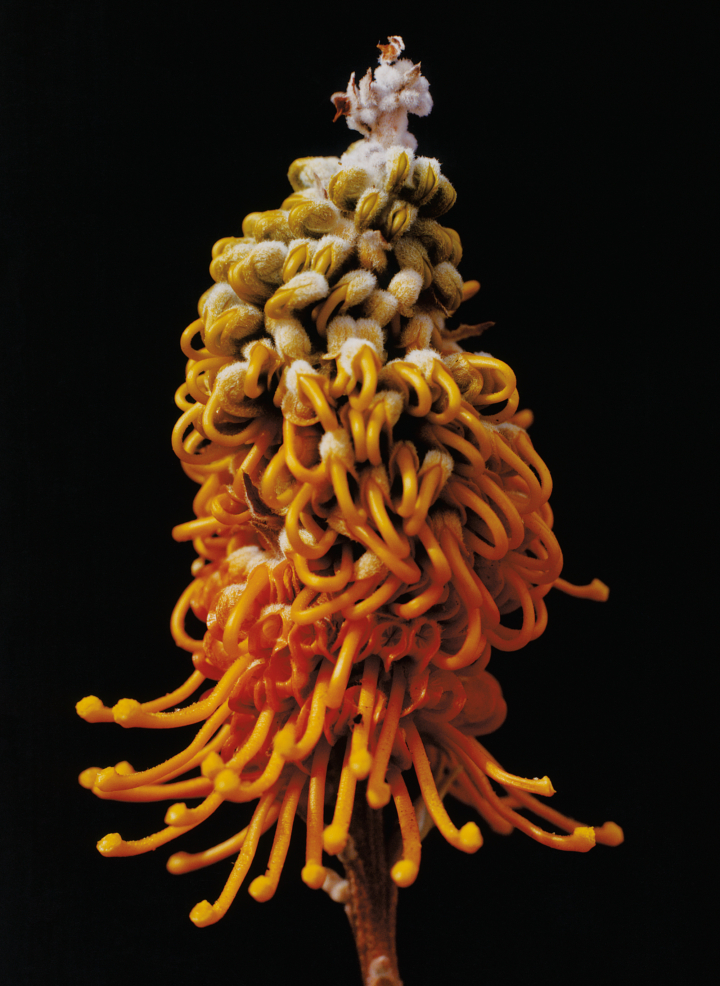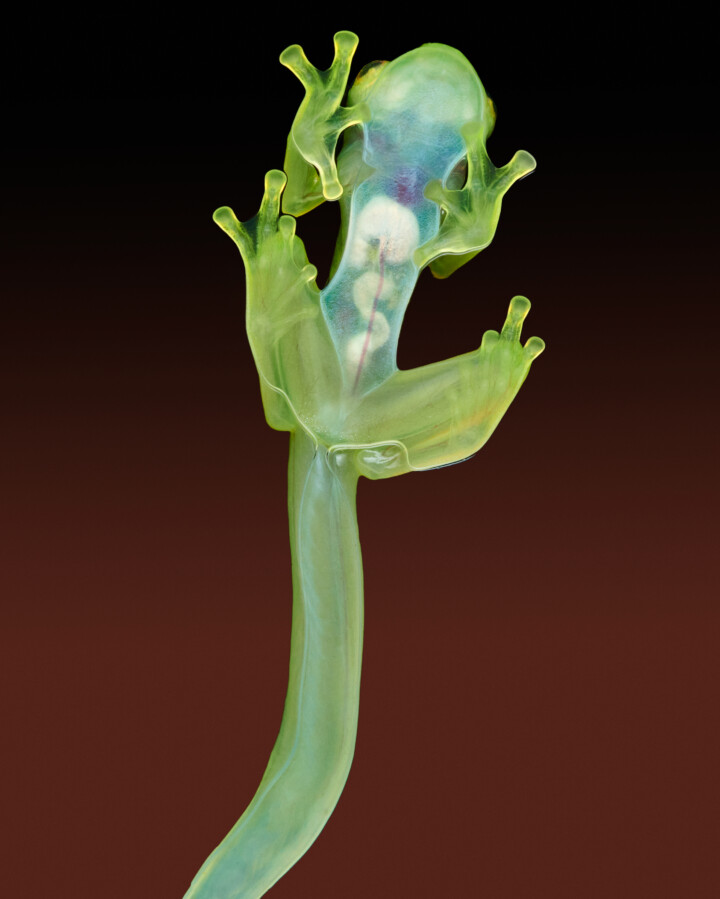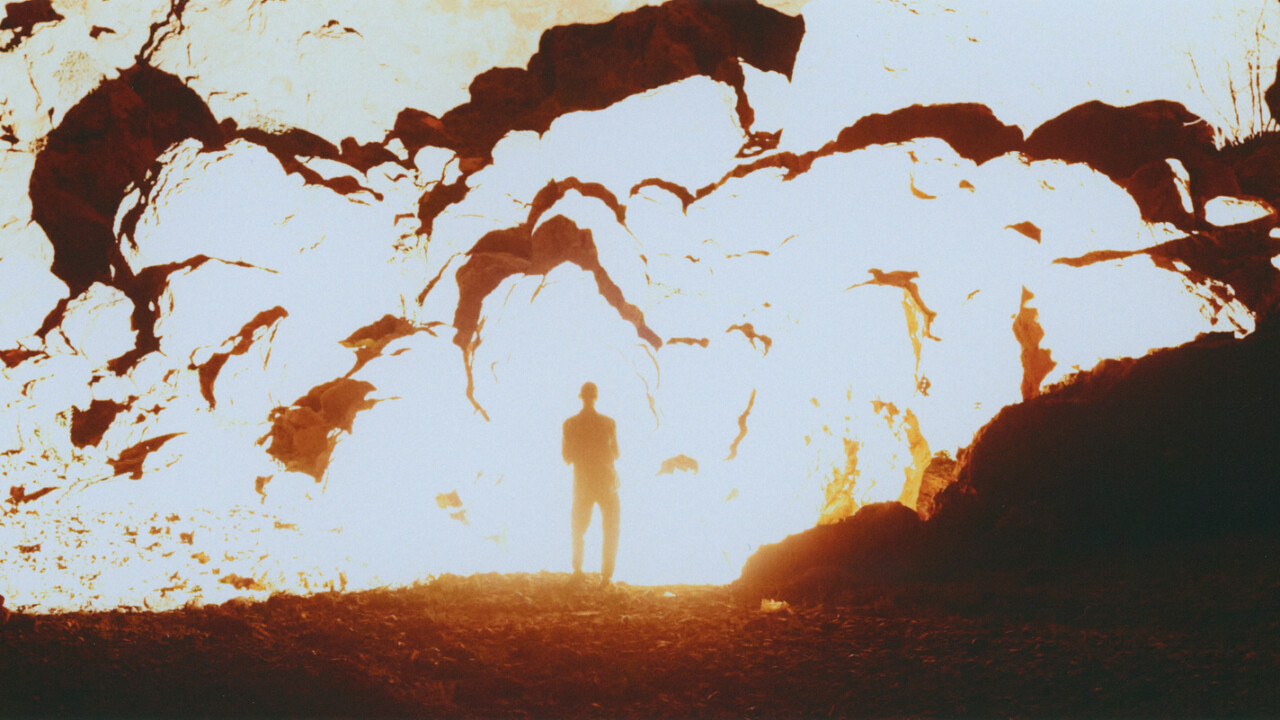
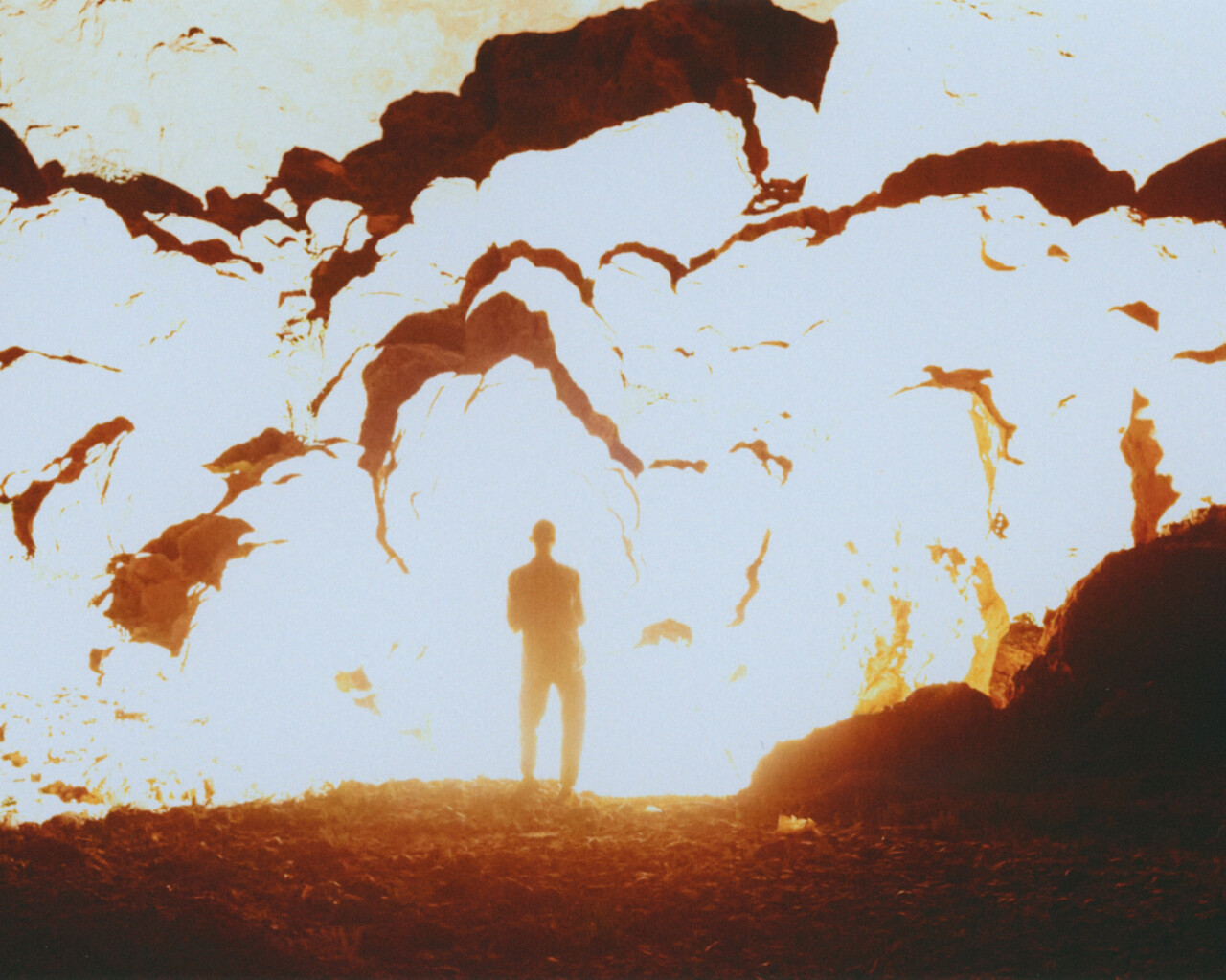
Photograph by Marvin Leuvrey
words by willow defebaugh
“Education is not in reality what some people proclaim it to be.”
—Plato, The Republic
In The Republic, Plato conjures his enduring allegory of the cave—a meditation on the nature of reality, ignorance, and enlightenment. Imagine a group of people who have spent their entire existence chained inside a cave. They can only face one wall, and behind them burns a fire. Between them and this fire, there are people carrying objects, which cast shadows on the wall. Because this imagery is all the prisoners know, they mistake the shadows for reality.
Then, a prisoner is freed. When they first turn toward the fire, the blaze hurts their eyes. Seeing that the shadows are only projections, they leave the cave. Outside, the light of day is glaring. But as their eyes adjust, a world comes into focus: the wonders of nature and the heavens above, including that source of light we call the sun. When the prisoner returns to tell the others, they meet the prisoner with hostility and disbelief. They refuse to leave all they know behind.
There is an ecological reading here about the ways we have lost sight of nature. But Plato’s cave stands more broadly as a metaphor for knowledge. Within it, the shadows symbolize our assumptions based on appearances, conventions, and partial understanding. Meanwhile, the world outside of the cave represents reality, and the sun, the source of illumination. The prisoners do not live in a totality of darkness; rather, it is the half-light of truth that keeps them illusioned.
It is easy to picture most people identifying with the enlightened escapee rather than the prisoners who choose to remain in their chains. And yet, Plato disconcertingly and unmistakably makes clear that the prisoners are meant to be us. Even if we are enlightened in some areas, we remain ignorant in others—even to our own ignorance. Within us are parts that have escaped, and others that have yet to. To leave the cave is less a single escape than a lifelong practice.
Much like the fire blinds the prisoner upon first glance, Plato recognized that it can be painful to confront the puppetry we have confused for truth. We seem to take this to be a personal failing rather than accepting that ignorance is a prerequisite of existence. None of us is born knowing anything at all. And many of us were raised to accept the projections of others as truth. In Plato’s view, education is our liberation: not merely learning facts, but the turning of the soul.
It is freeing to discover how little we know. The older I get, the more aware of this I am. That is why I spend so much time studying the scientific wonders of our world: It forces me to confront the vast landscape of my ignorance. In this fertile garden of growth, we become teachable. Here lies an overlooked revelation of Plato’s allegory: His prisoner was freed by someone. None of us escapes alone. Teachers are all around us, human and more-than-human alike.
In the dimly lit grotto of modern life, half-truths and partial information flicker endlessly on our screens. It becomes easy to construct and reinforce assumptions about ourselves, each other, and even our shared reality from this shadow play. But rarely do we have the whole picture. It is a continuous practice to leave behind the caves of our ignorance and seek new suns. To venture outside, touch grass, and remember the world that exists both beyond and within this one.
Join our membership community. Support our work, receive a complimentary subscription to Atmos Magazine, and more.
Escaping the Cave: Plato’s Allegory and the Key to Overcoming Ignorance