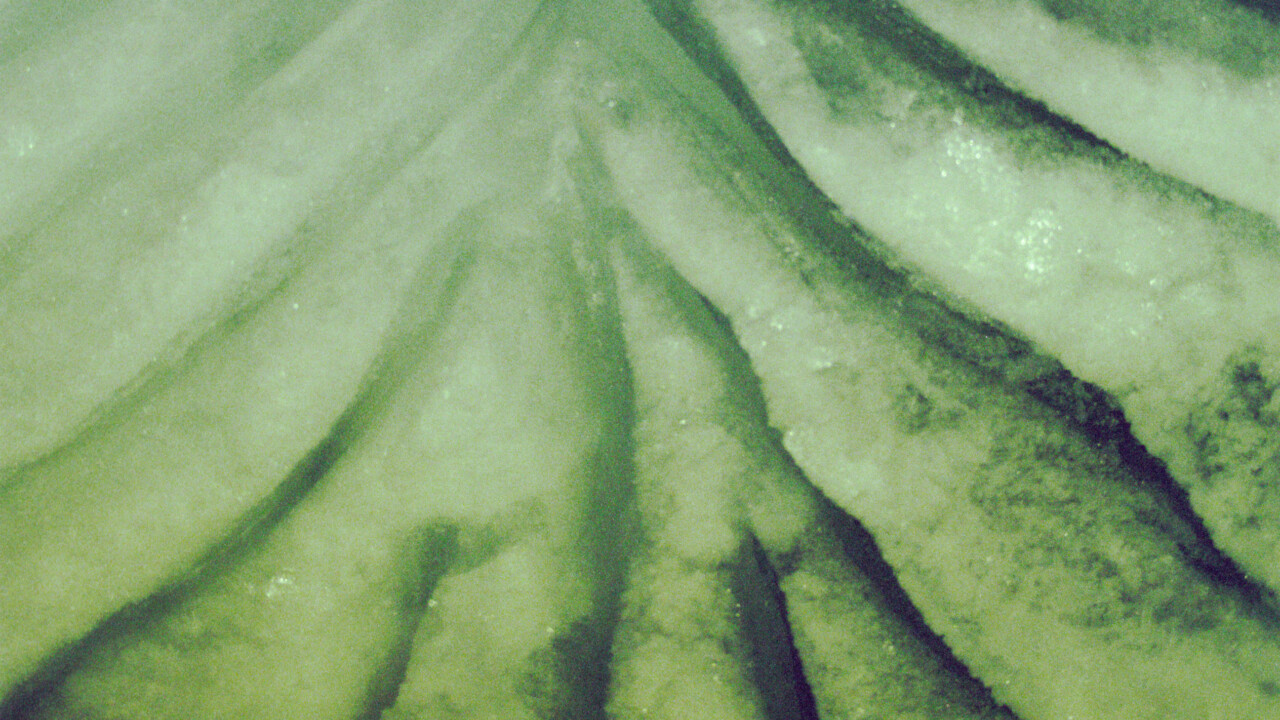
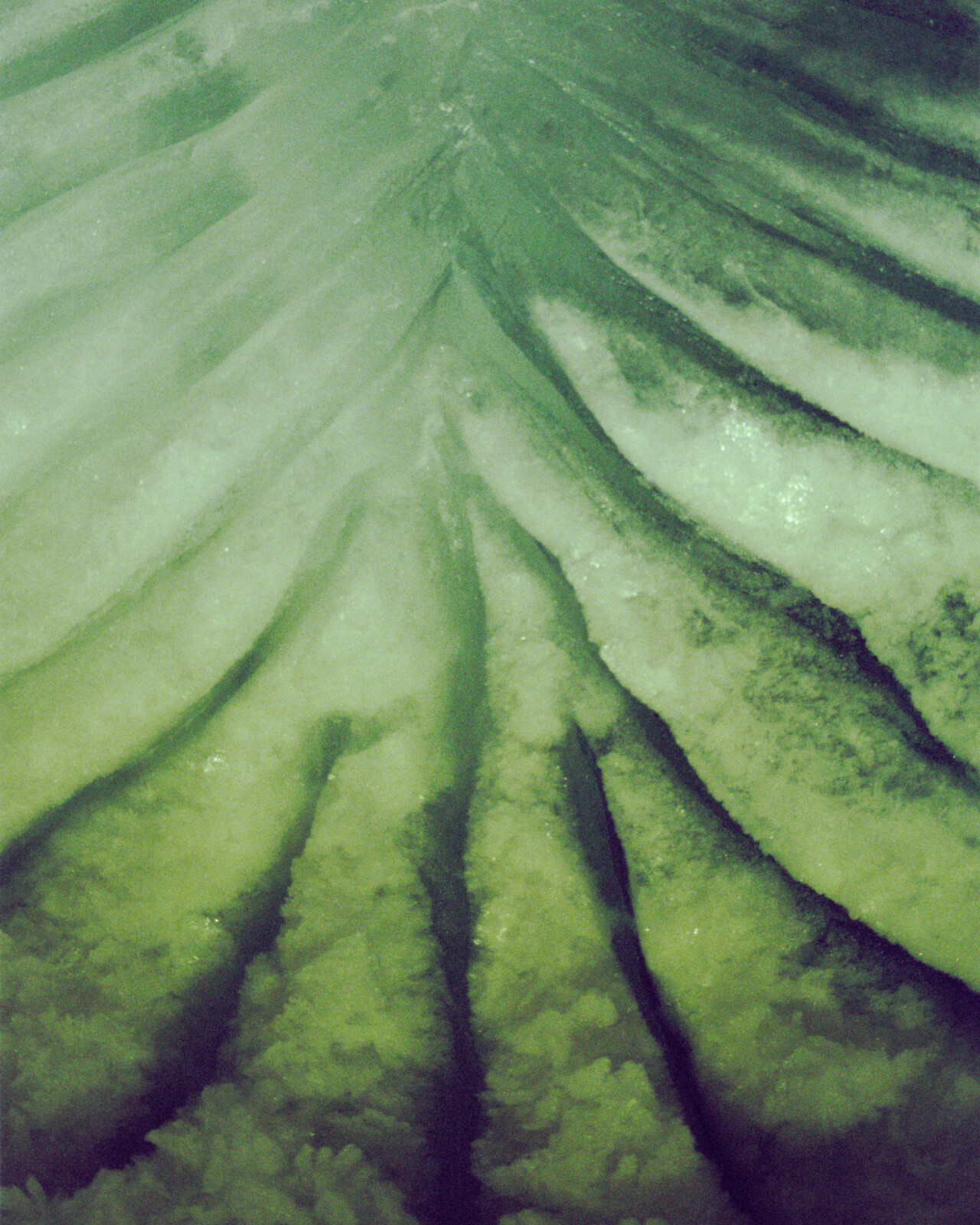
Photograph by Josef Ball
words by willow defebaugh
“Whether we and our politicians know it or not, Nature is party to all our deals and decisions, and she has more votes, a longer memory, and a sterner sense of justice than we do.”
—Wendell Berry
Four billion years ago, the Earth would have been unrecognizable to us. Pocked with volcanoes and hosting a suffocating atmosphere with little to no oxygen, an orange sky hazy with methane gas, and an ocean full of iron, it was a far cry from the verdant utopia it would one day become. Life was largely a footnote at that time. Then, around 2.7 billion years ago, a group of microbes evolved and radically changed the trajectory of this planet forever: cyanobacteria.
These light-hungry microbes were the first organisms to split water into energy using sunlight through the sorcery of photosynthesis. A byproduct of that alchemy happened to be oxygen. As the cyanobacteria proliferated, so did this pollutant that would improbably pave the way for us. Because oxygen was toxic to many other microbes, the Great Oxidation also triggered one of Earth’s first global extinction events. Nature transmutes loss into possibility.
Cyanobacteria, these tiny terraformers to which we largely owe our lives, are proof that nothing is too small to shape a world. They are often called blue-green algae, which is misleading given that they are technically not true algae (though they helped birth the first chloroplasts). When you see swirls of vivid green painting a pond with impressionist strokes, you are often looking at high concentrations of cyanobacteria, which we know as harmful algal blooms.
Many cyanobacteria produce toxins harmful to grazers and humans. Their blooms can form thick pads through which sunlight can’t penetrate, reducing the capacity for underwater plants and algae to photosynthesize. And they can create dead zones: when a bloom withers, decomposers break down the vast organic matter and consume huge quantities of oxygen in the process, draining it from the water and suffocating other organisms. What gives life can take it away.
And so this microscopic worldmaker can also be a harbinger of blooming doom. As it was when cyanobacteria first emerged, we have recreated the ideal ecological conditions for them to thrive. They love strong sunlight, still water made warmer by climate change, and abundant nutrients like the nitrogen and phosphorus found in fertilizer runoff, animal waste, and sewage leaks. Evolutionarily, we have returned their oxidizing favor.
Most true algae are not harmful. While cyanobacteria look like spilled paint, algae often appear as long green filaments or fuzzy mats tied to rocks. Without them, marine ecosystems would collapse. They photosynthesize, but they also absorb carbon dioxide and form the base of aquatic food webs; some algae, like giant kelp, make entire underwater habitats. While most algae aren’t plants, a lineage of ancient algae gave rise to them, evolving the capacity for life on land.
In the capital of a nation on the eve of its 250th anniversary, there sits a pool of reflection now blooming green, likely not from algae but cyanobacteria. The very same microbes that remade our atmosphere into one we could breathe now offer a reminder that even the architects of life—those little viridian gods—can tip an ecosystem toward imbalance. In their bloom ripples a question that reaches far beyond the mirror’s edge: What world are we shaping here?
Join our membership community. Support our work, receive a complimentary subscription to Atmos Magazine, and more.
The Reflecting Pool: Algae, Cyanobacteria, and Microbial Worldmaking