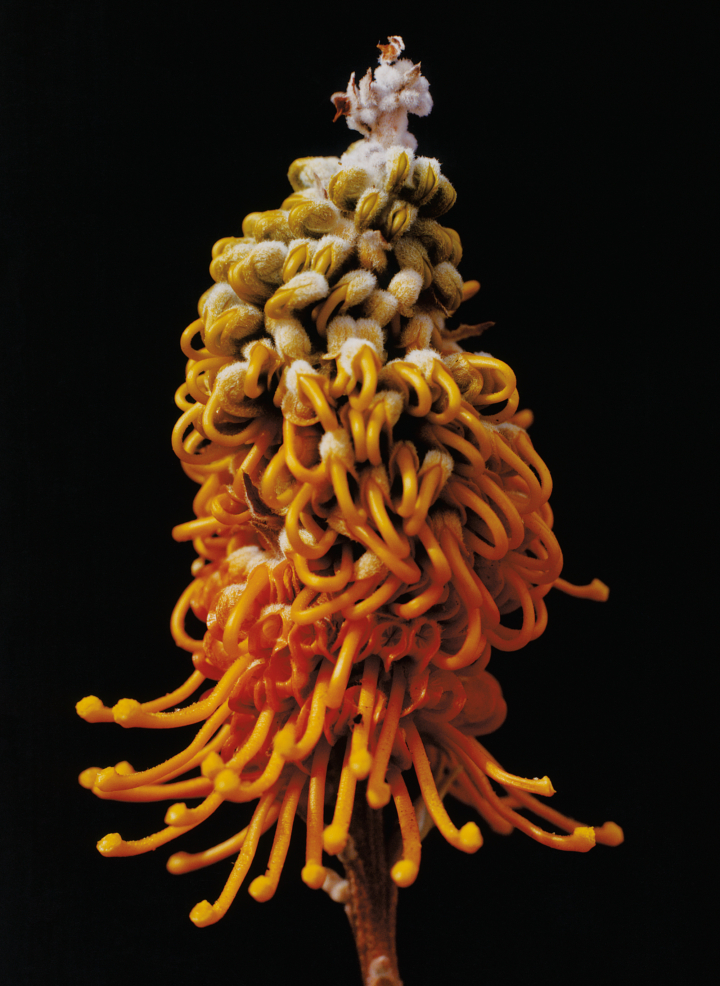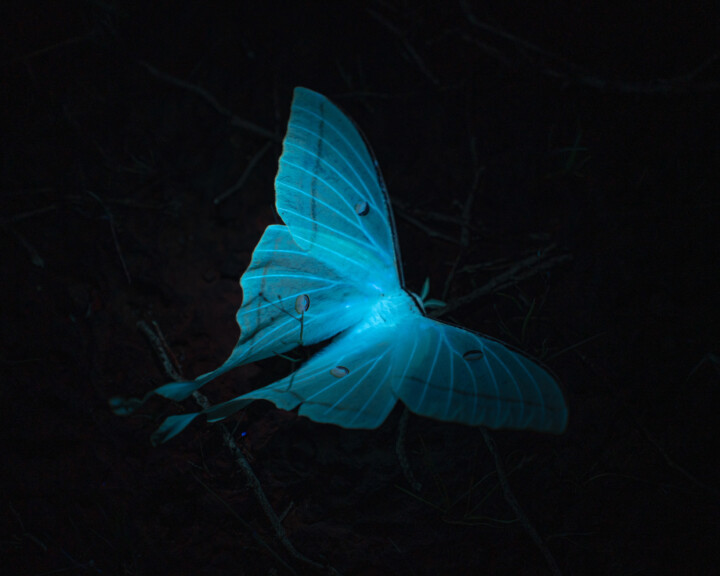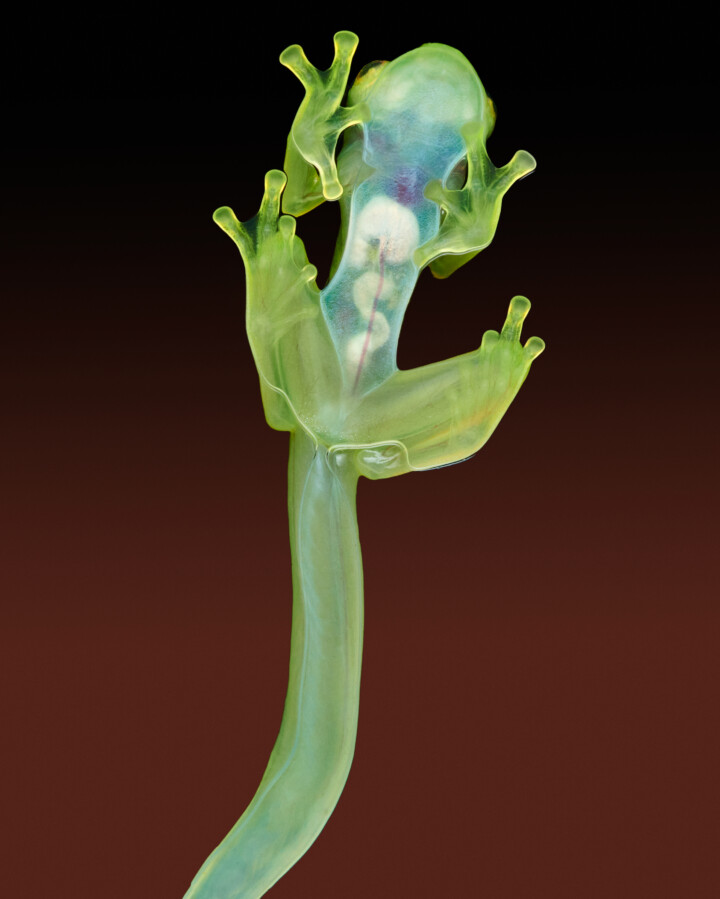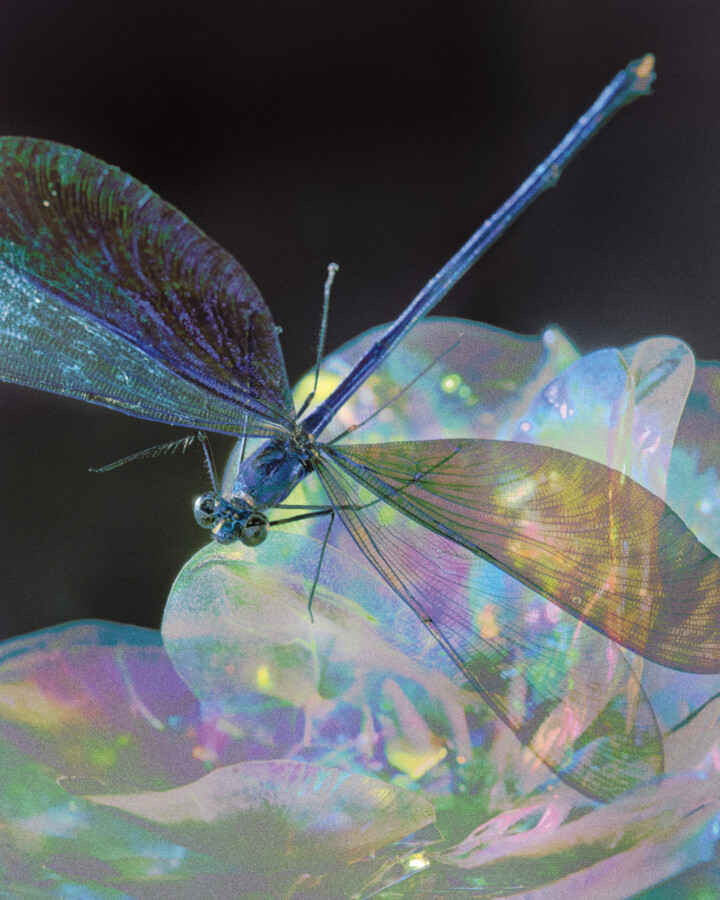
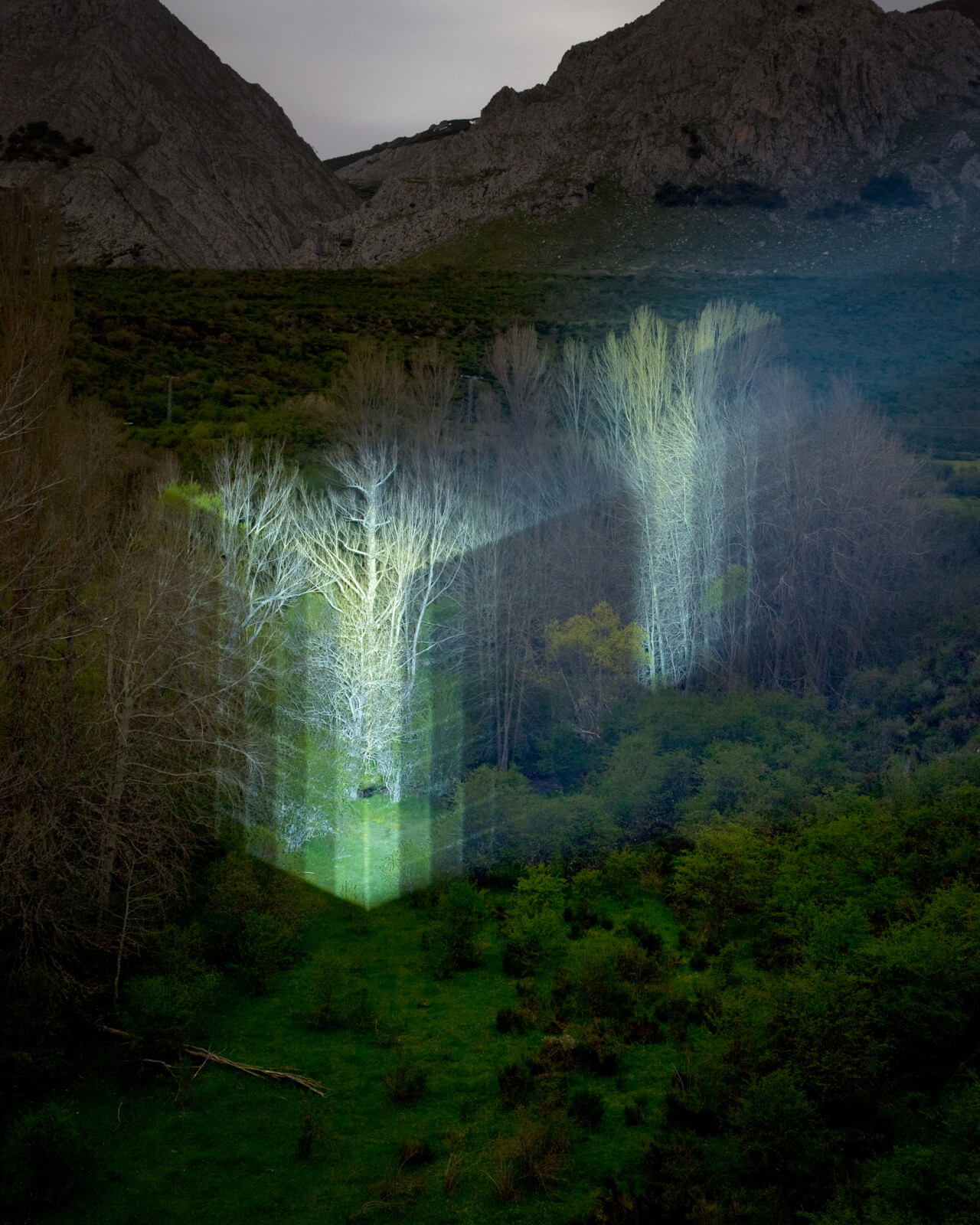
Photograph by Javier Riera
words by willow defebaugh
“Perfectionism is a commitment to habitual self-doubt.”
—Prentis Hemphill
It’s dawn and my mind is already ruminating over mistakes I’ve made. I know I’m not alone in doing this. Our fixation with flawlessness is deeply ingrained. It pulses at the roots of cancel culture, moral puritanism, correctional violence, and unattainable beauty standards. Is this a trait we inherited from nature? Isn’t evolution constantly perfecting life? Not exactly, according to the late Nobel Prize-winning biologist François Jacob. Evolution isn’t an engineer, but a tinkerer.
Jacob did not set out to become a biologist. He dreamed of being a surgeon—a dream he would abruptly wake from when World War II broke out. Severe injuries he received while serving as a medical officer in Normandy prevented him from completing his training. So, he improvised. Not only that, he went on to receive the 1965 Nobel Prize for discovering how genes are regulated within cells. He revolutionized the way we see molecular life and evolution.
In Jacob’s essay “Evolution and Tinkering,” first published in Science in 1977, he argues against what was then a popular notion of evolution and natural selection operating as an engineer. Natural selection, he asserts, is a force that acts within systems impacted by constraints and history. It can be positive in that it produces adaptations, and negative in that it eliminates less fit variants. He describes this creative iteration as bricolage or tinkering for three distinct reasons.
The first point Jacob makes is that an engineer works with a plan. As far as we know, natural selection doesn’t operate this way. Evolution is responding to circumstance. Random mutations continually arise. When these improve survival or reproduction in a specific place, natural selection tends to preserve them across generations. Rather than evolution designing based on a grand vision, it tinkers to find more workable ways to thrive within a given environment.
The second reason is that, while an engineer selects materials and tools best suited for executing their design, natural selection works with what’s available. Nature acts upon existing biology, reconfiguring inherited parts into imperfect combinations that are more beneficial. With tinkering, everything can be put to use. This is partly why we see nature having created such rich diversity, having used different building blocks to address the same basic questions of living.
Jacob’s final point is perhaps the most relevant. An engineer’s success is revealed as a perfect, finished product. Natural selection, meanwhile, has produced a beautiful panoply of imperfect compromises. For example, many of our lower spines still carry the legacy of living on four legs, resulting in chronic back pain. Walking upright opened us to extraordinary possibilities, yet we retain this incongruent echo of our ancestors. Imperfection is the backbone of our lives.
Nature has never demanded perfection of us, nor has evolution ever rewarded it. Total perfection would mean the end of evolution: the very force that produced us. What is consistently rewarded is adaptivity. This is what I aspire to. Like nature, I long to flourish in all of my unfinishedness. I want to tinker: to iterate in dialogue with the world, and learn to make everything of use. To know, in my very bones, that imperfection makes me human. In fact, it makes me alive.
Join our membership community. Support our work, receive a complimentary subscription to Atmos Magazine, and more.
Imperfect Nature: You Were Made From Tinkering