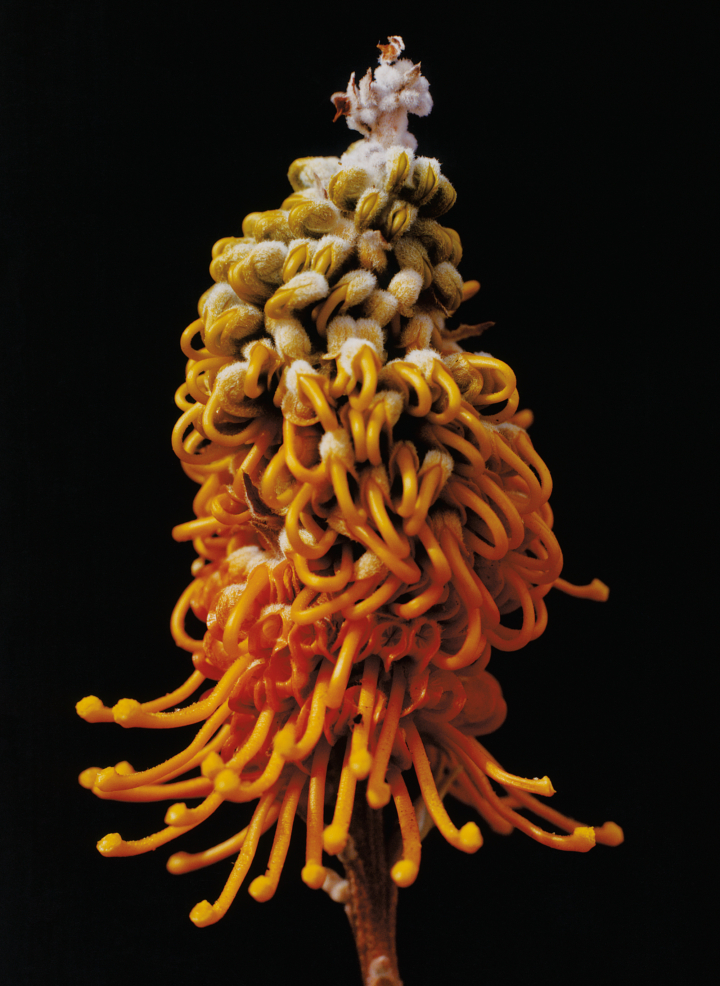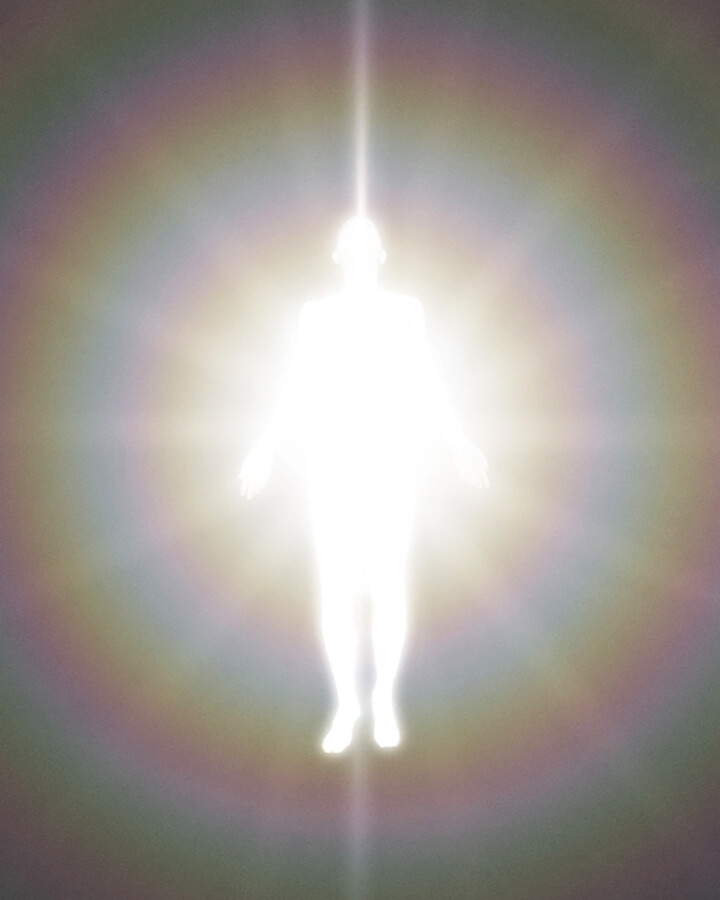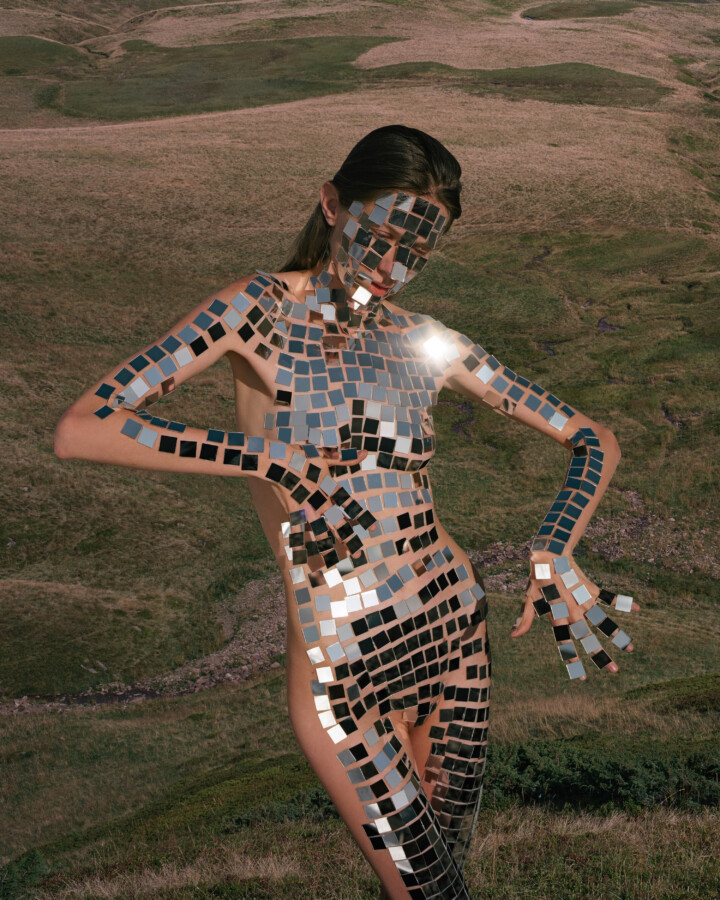
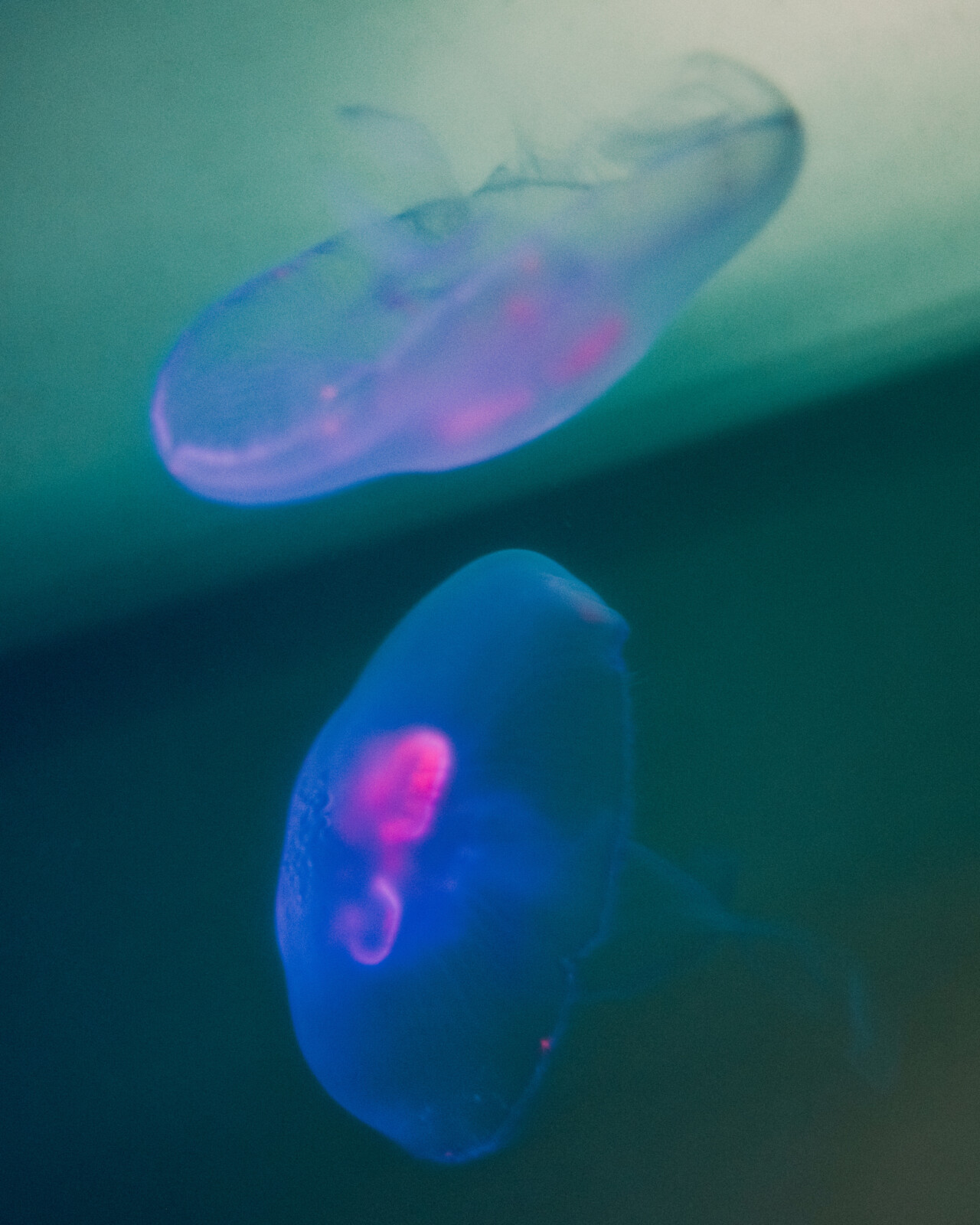
Photograph by Jade Stephens / Stills
words by willow defebaugh
“Those who dwell, as scientists or laymen, among the beauties and mysteries of the earth are never alone or weary of life.”
—Rachel Carson
Few longings feel more human than seeking to understand and be understood. What portion of our lives are spent trying to see through ourselves, to the core of our own desires? How many hours do we lose assuming—often inaccurately—the thoughts of those around us? Who hasn’t felt the deep pain of being marred by misunderstanding, and what lengths do we go to to avoid it? At the level of the mind, we yearn for transparency: of the self, the other, the world.
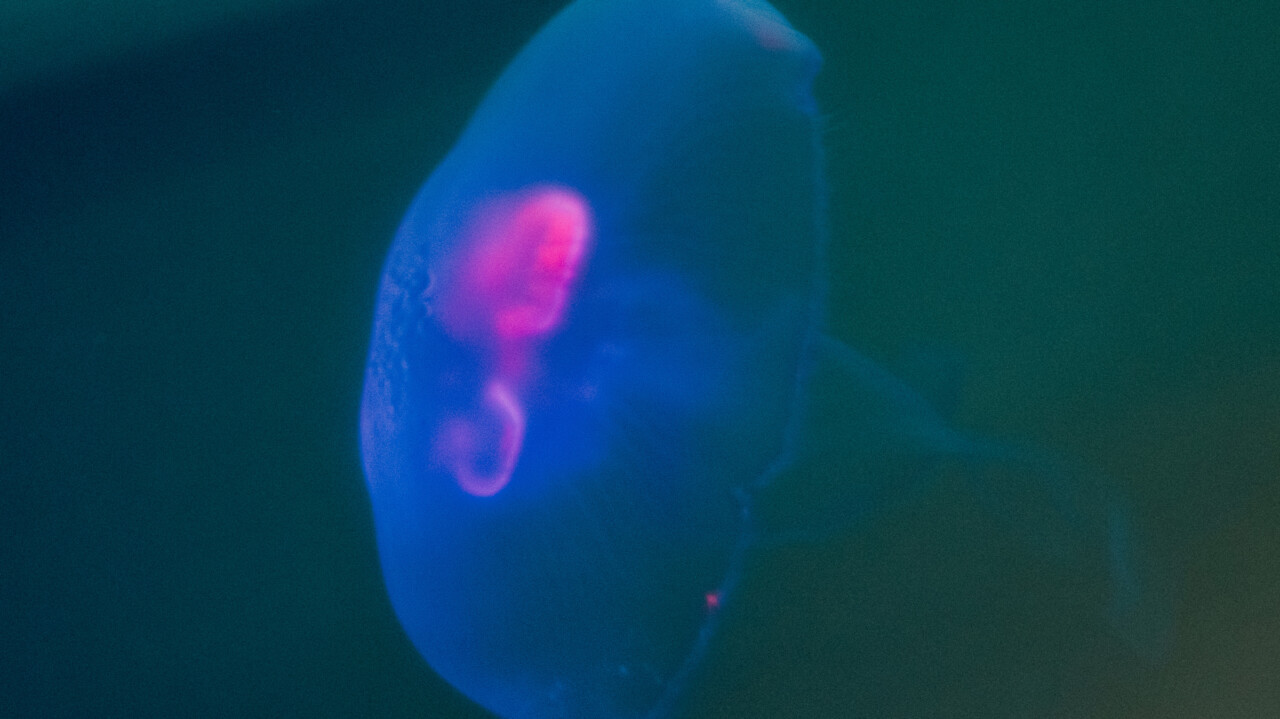
This yearning to make our unknowable existence even marginally less murky has produced the extraordinary body of knowledge that we call science. How marvelous it is that we can watch a jellyfish—a creature so wholly unlike us—and understand the inner workings of its translucent biology, even if we will never know how it feels to exist in a body that blends in with the ocean. It is wondrous to possess a mind that reaches into the world with tentacles of curiosity.
For a creature that appears so alien, jellyfish have made the Earth their home for over 500 million years, long before the first dinosaur roamed or even the first tree exhaled oxygen on land. While otherworldly in appearance, jellyfish are 95-98% made of the most ubiquitous substance on our planet: water. They are at once one with their surroundings and yet distinctly separate, permeable paradoxes embodying both transparency and mystery.
While we may never know what it’s like to be a jellyfish, we know that their knowing is entirely unlike our own. Rather than a centralized brain, many possess diffuse nerve nets. Such is the case for moon jellyfish, whose translucent bells reveal four horseshoe-shaped reproductive organs at the center. They possess no heart or lungs either, yet they are no less alive—using sensory structures called rhopalia to detect light, gravity, and chemicals in the water around them.
For all the luminous beauty that transparency offers, we exist in a culture that treats it as an obligation rather than the gift it is. On social media, there is a buckling pressure to make every thought into signage and every moment into a post. We are tasked with finding a way to translate a human life—one of the most complex phenomena ever produced by evolution—into the two-dimensional profile of one. What is lost in making our lives see-through?
At times, I have thought that transparency would render me safe. I believed that if I could make people understand the trans experience, then I could gain their acceptance. There is a degree to which that is helpful. But I long for a society in which understanding is not a prerequisite for respect; rather, respect opens the door for understanding. There are aspects of my existence, of transition, that are enigmatic even to me. I have come to revere their exquisite mystery.
It is a beautiful thing to feel understood. There is also beauty in letting ourselves be unfathomable. Between the translucent membrane that sets apart all we know and all we don’t, life is lived. It is possible to observe the glow of a jellyfish without dimming its wonder. We can regard ourselves, one another, and this vast collection of mysteries that is the universe—at times lustrously clear and others impenetrably obscure—and see it all as worthy of awe.
Join our membership community. Support our work, receive a complimentary subscription to Atmos Magazine, and more.
Exquisite Mystery: The Beauty of Being Unfathomable