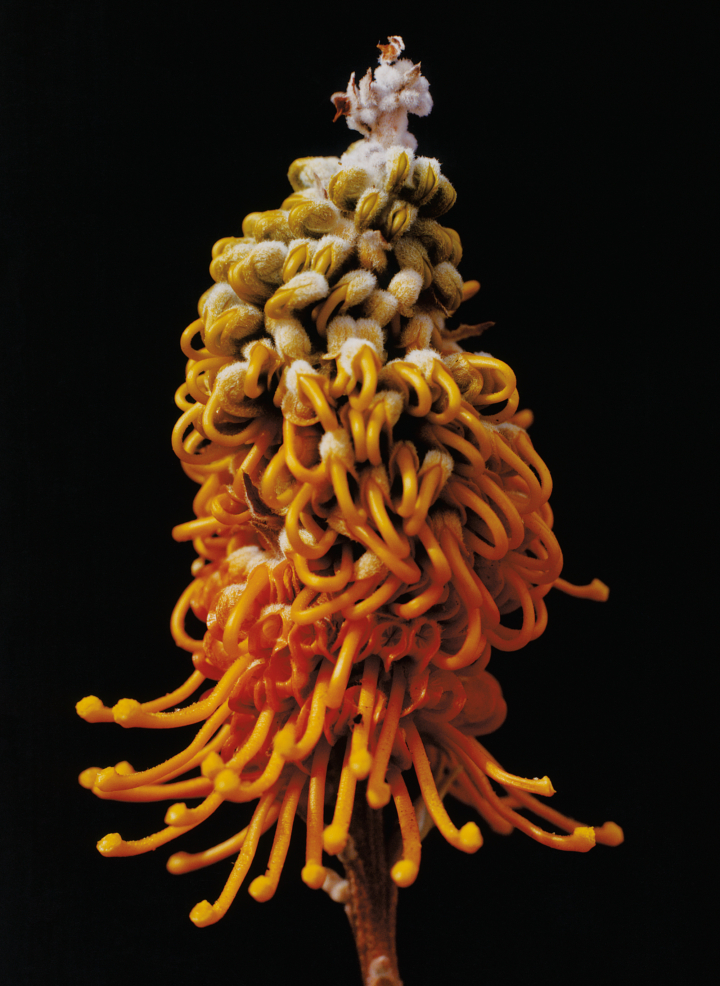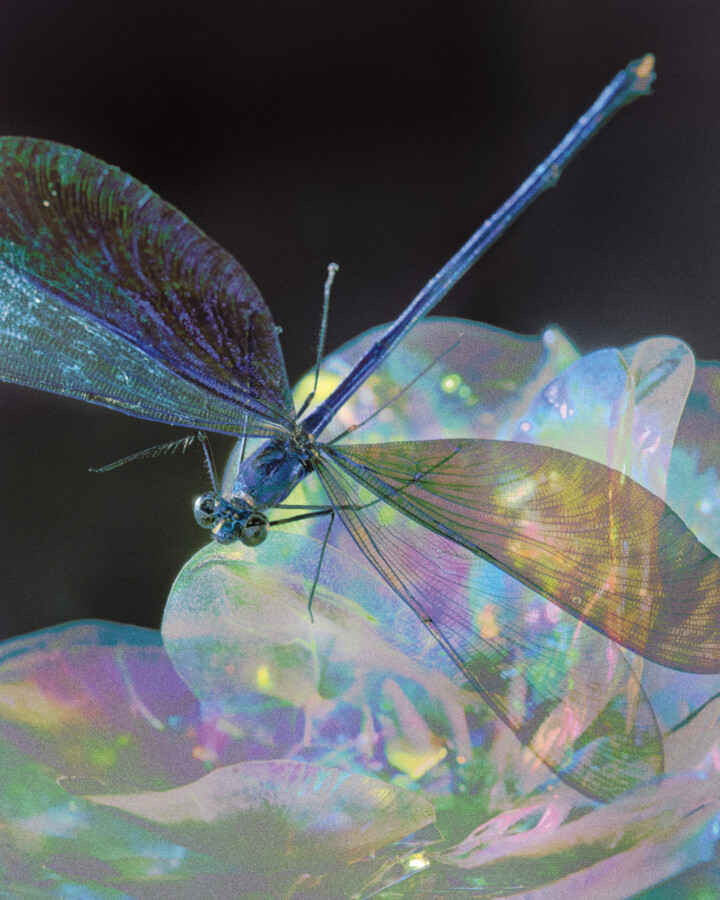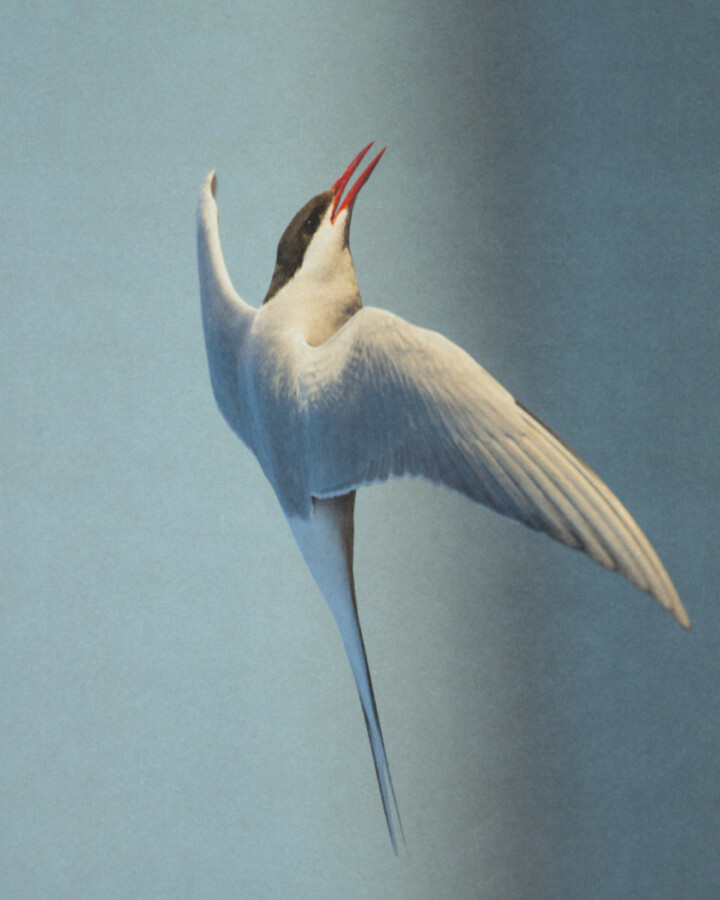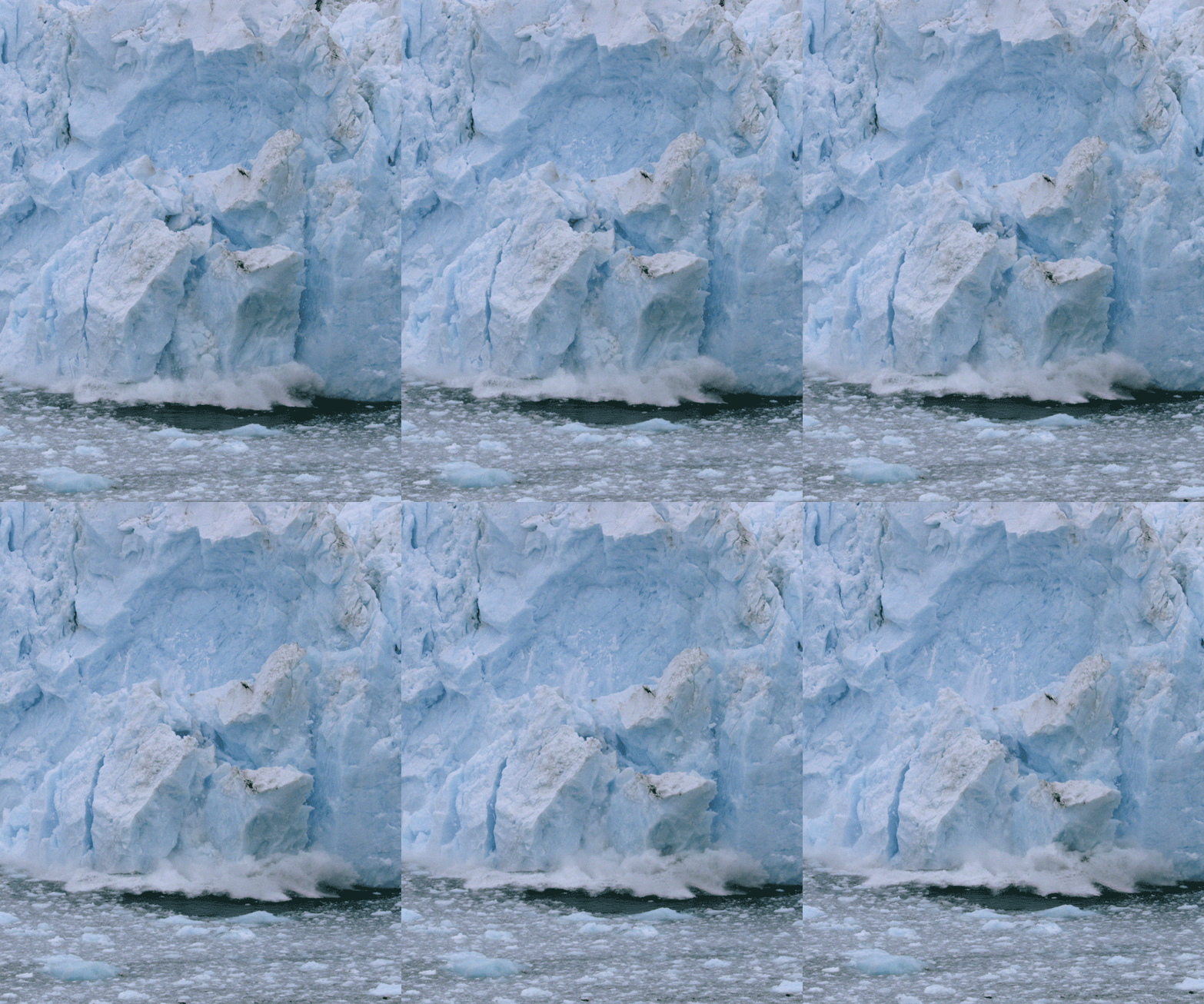
Photograph by Nicolas Schnabel / Connected Archives
words by willow defebaugh
Nothing exists outside of nature. I remind myself of this nearly every day that I spend roaming the streets of Brooklyn, where I have nested for over 14 years. When it comes to our binary between urban and rural environments, evolution is indiscriminate: Concrete is geology, traffic is migration, and blinking lights become the celestial sphere. Lament it or not, cities are the fastest-growing ecosystem on Earth. And life is doing what it does best: endeavoring to adapt.
Urban evolution is a burgeoning area of study for biologists. Higher temperatures, splintered landscapes, artificial light, noise, and pollution are driving changes in animal and plant species. Some of this manifests behaviorally: reduced fear of humans, more willingness to explore, faster learning. Genetically, this can look like altered immune systems, toxin resistance, pigmentation changes, heat tolerance, and metabolic shifts. Evolution is not only past, but present.
With the onset of coal pollution in big cities, the English peppered moth’s coloration darkened in order to avoid predators and blend into soot-stained surfaces. White clover, which produces cyanide to ward off herbivores, is evolving to produce less in urban areas where there are fewer grazers—which has the added benefit of preventing the plant from freezing where snow cover is less prevalent. Anole lizards are evolving longer limbs and stickier feet adapted to artificial surfaces, while killifish have adapted to tolerate polluted waters. Improbably, life persists.
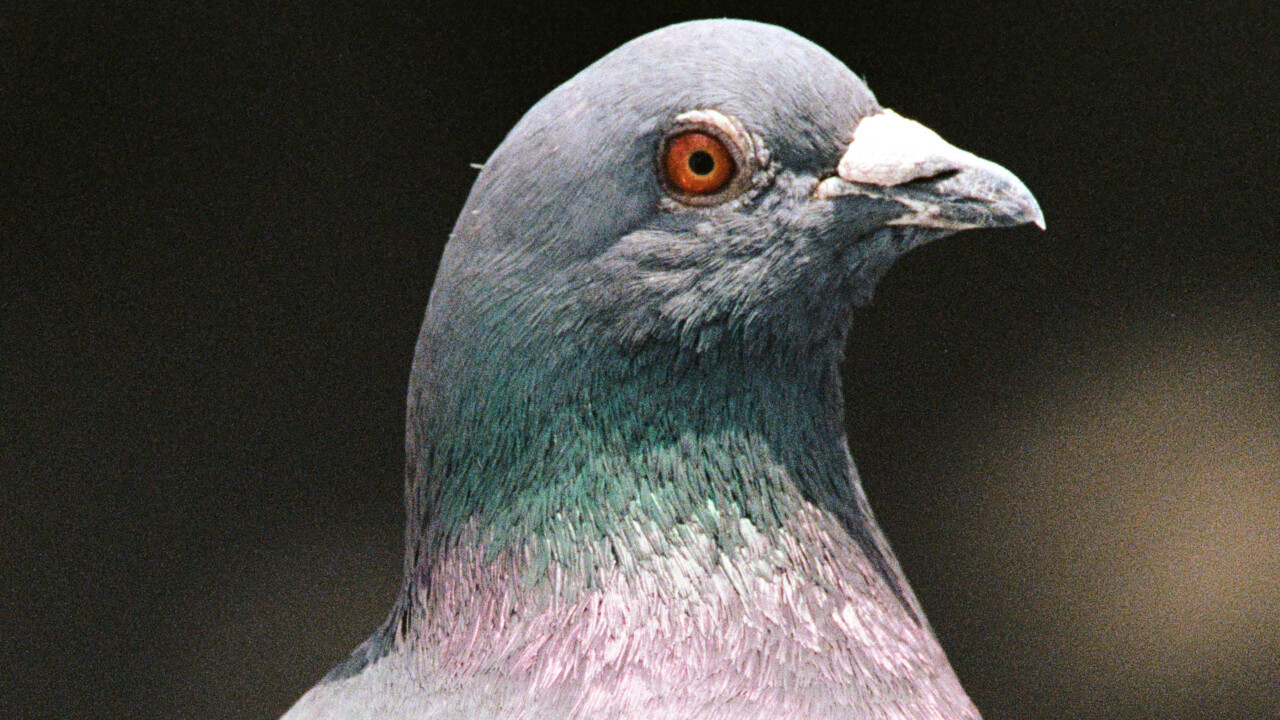
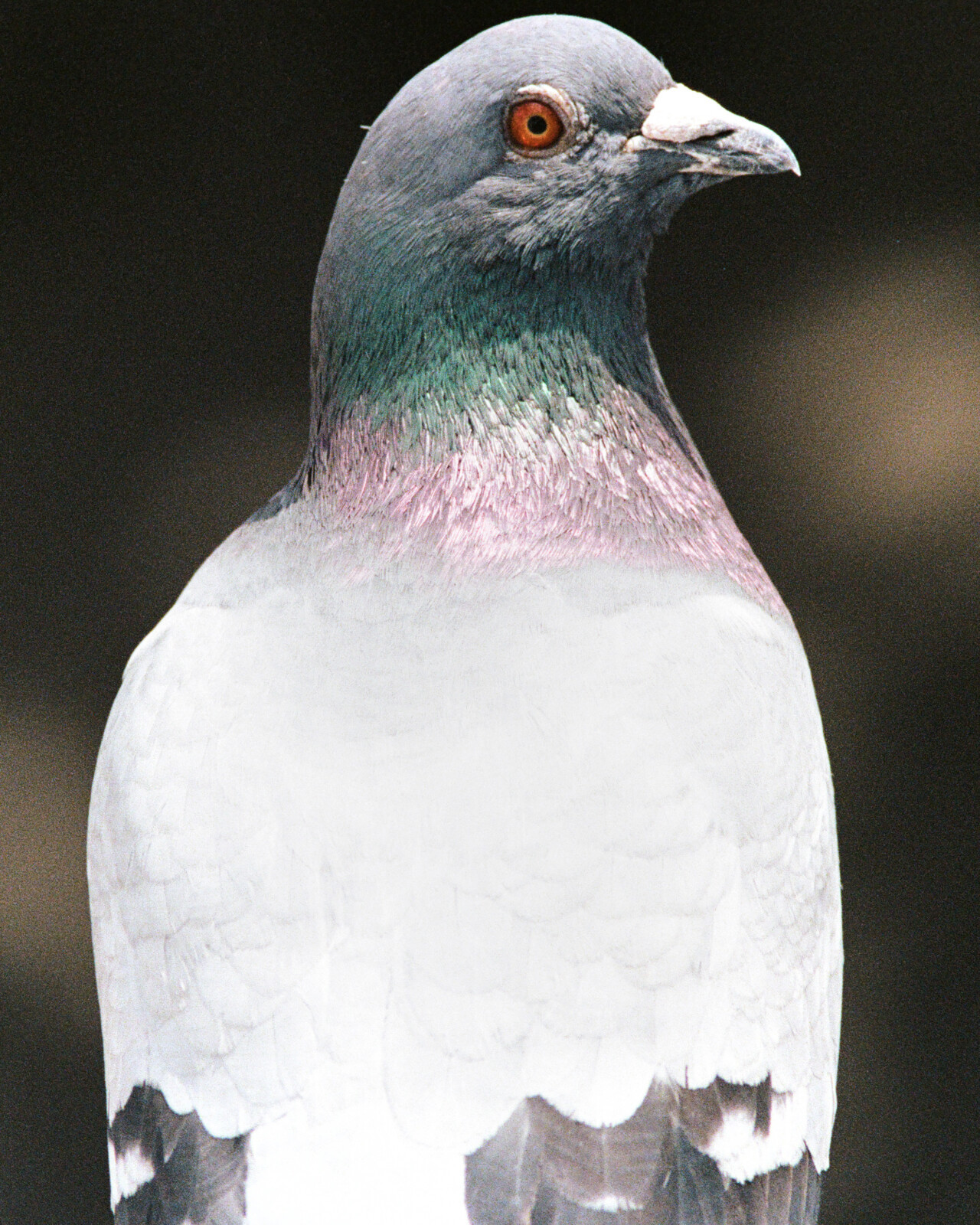
Twenty percent of the world’s bird species now dwell in cities. To not have their voices drowned out by traffic, many urban birds are changing their tunes, singing at higher frequencies, earlier in the morning before rush hour. Pigeons partly thrive in cities because buildings mirror the cliffs their ancestors, the rock dove, nested on. What birds have yet to adapt to is glass. Each year in the United States alone, 1 billion birds die flying into the transparent boundaries we construct between ourselves and the sky. (Groups like the New York City Bird Alliance are working to change that.)
The tension of being a person who loves nature and lives in a big city blooms vigorously in my chest. Urban life has its sustainable advantages: lower carbon footprints, more land spared, public transportation, and resource efficiency. On the other hand, cities reduce native biodiversity by about 75% (not everyone can adapt), rely on consuming distant ecosystems, and risk further disconnecting humans from the rest of nature by invisibilizing it. So, what’s the right path?
I find fertile soil in the blended bothness. Wherever we choose to live our lives, we change, and are inevitably changed by. This is as true for humans as it is for the more-than-human world. Perhaps the question isn’t urban versus rural living, but to approach both ecologically and ask: How am I changing the story of this place? What are the relationships that allow it to thrive, and how are my actions impacting them? How can we be better neighbors? How might we biomimetically mirror the natural habitat of this land so that others can thrive?
Earlier this week, I was walking down my tree-lined street and saw a firefly winking in the dusk of a long midsummer day. I wondered at this miraculous blink of evolution until I realized that it was hovering around a string of lights. Maybe it was seeing a constellation of fallen stars. Or maybe it was seeing a crowd of unmoving kin, flashing its luminescence at them as if to say: Look around you. Life still pulses here. The rhythm is within and without. It’s time to wake up.
Join our membership community. Support our work, receive a complimentary subscription to Atmos Magazine, and more.
Urban Evolution: How Life Is Adapting to Concrete Jungles