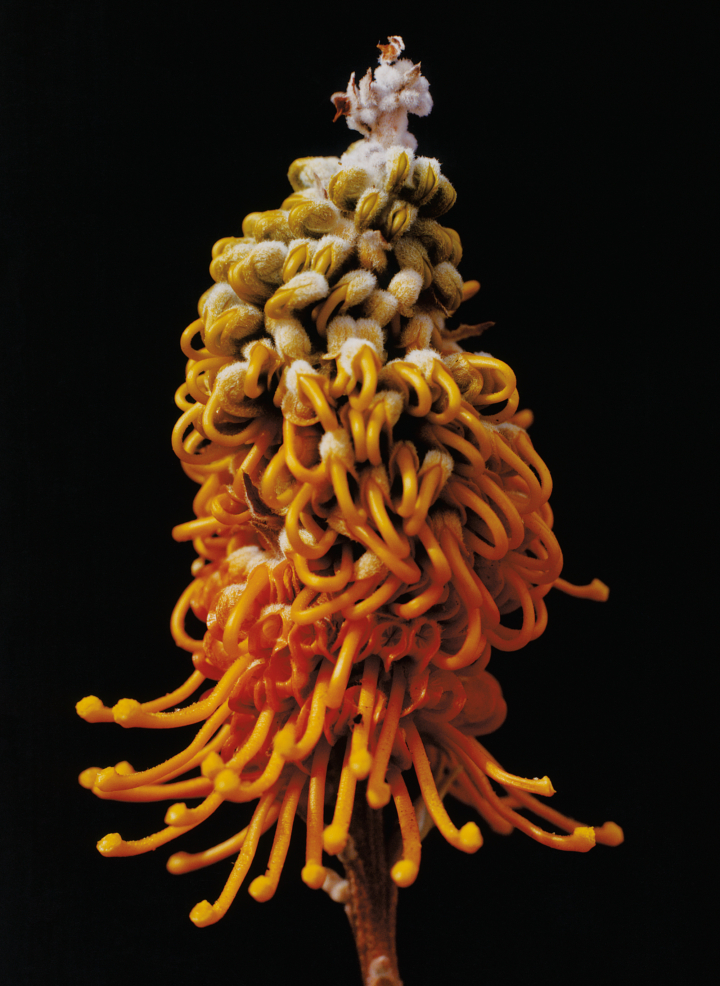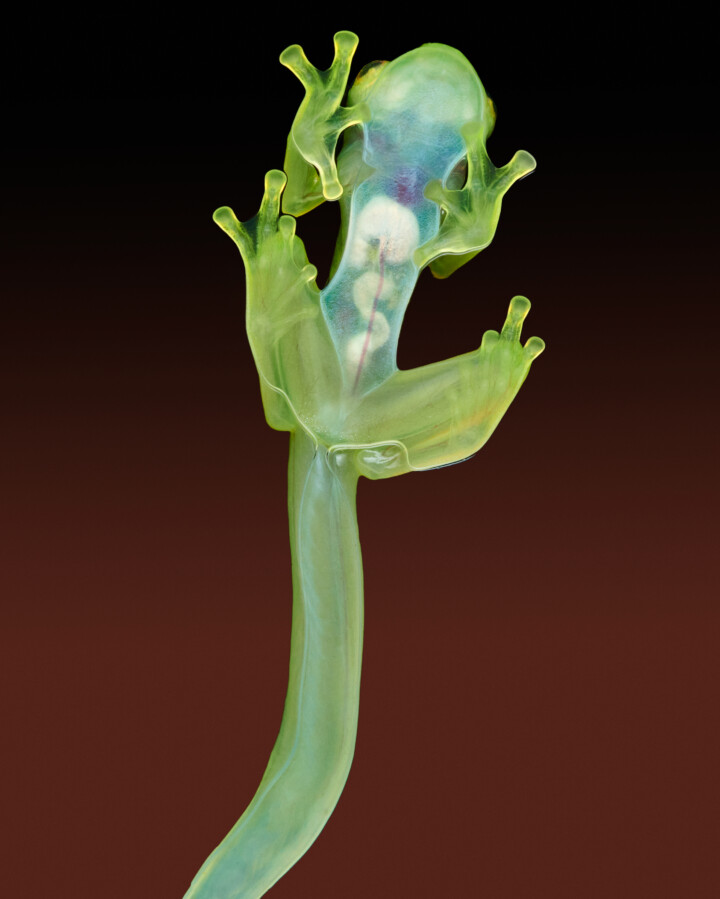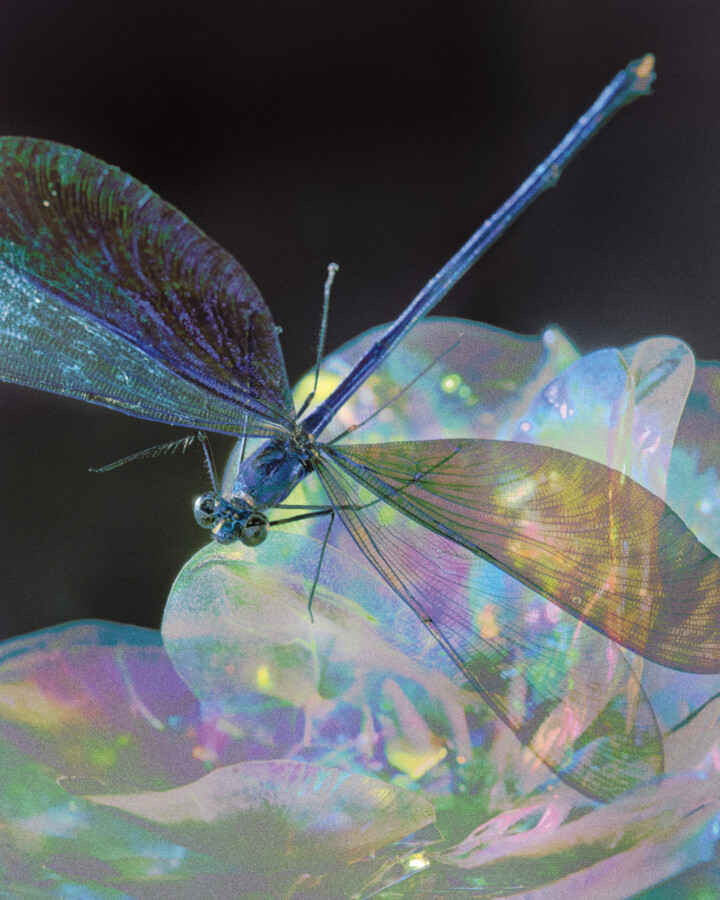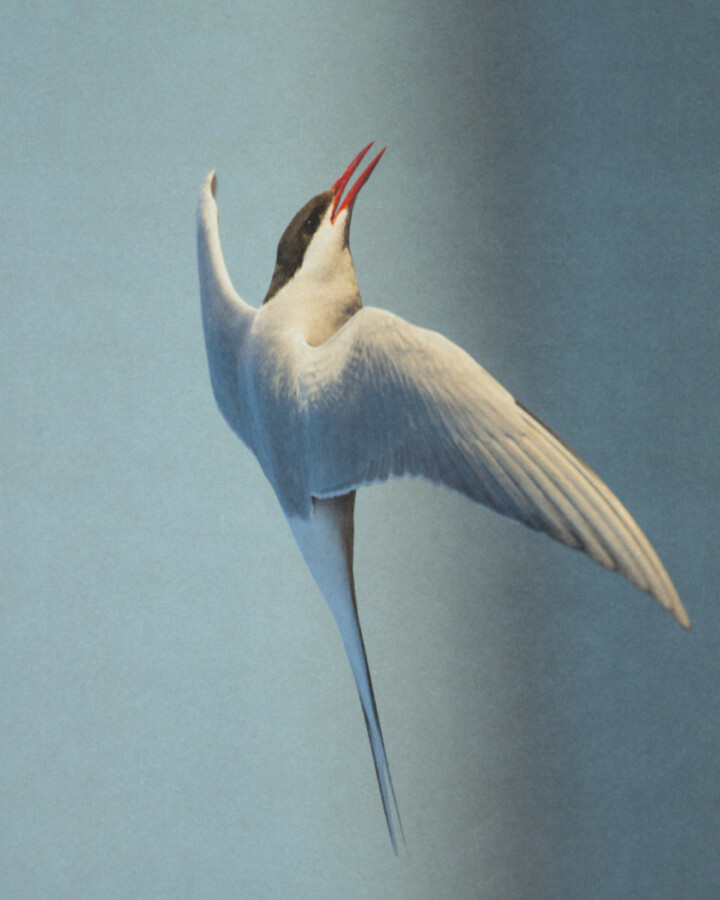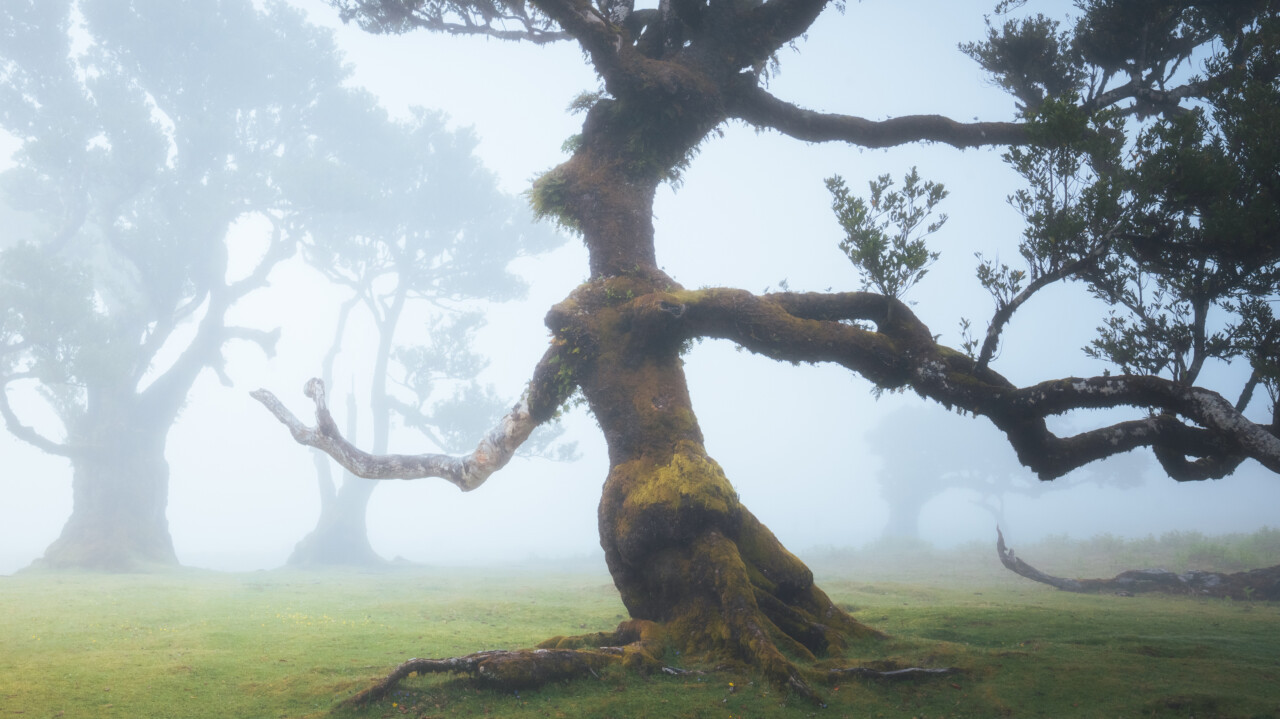
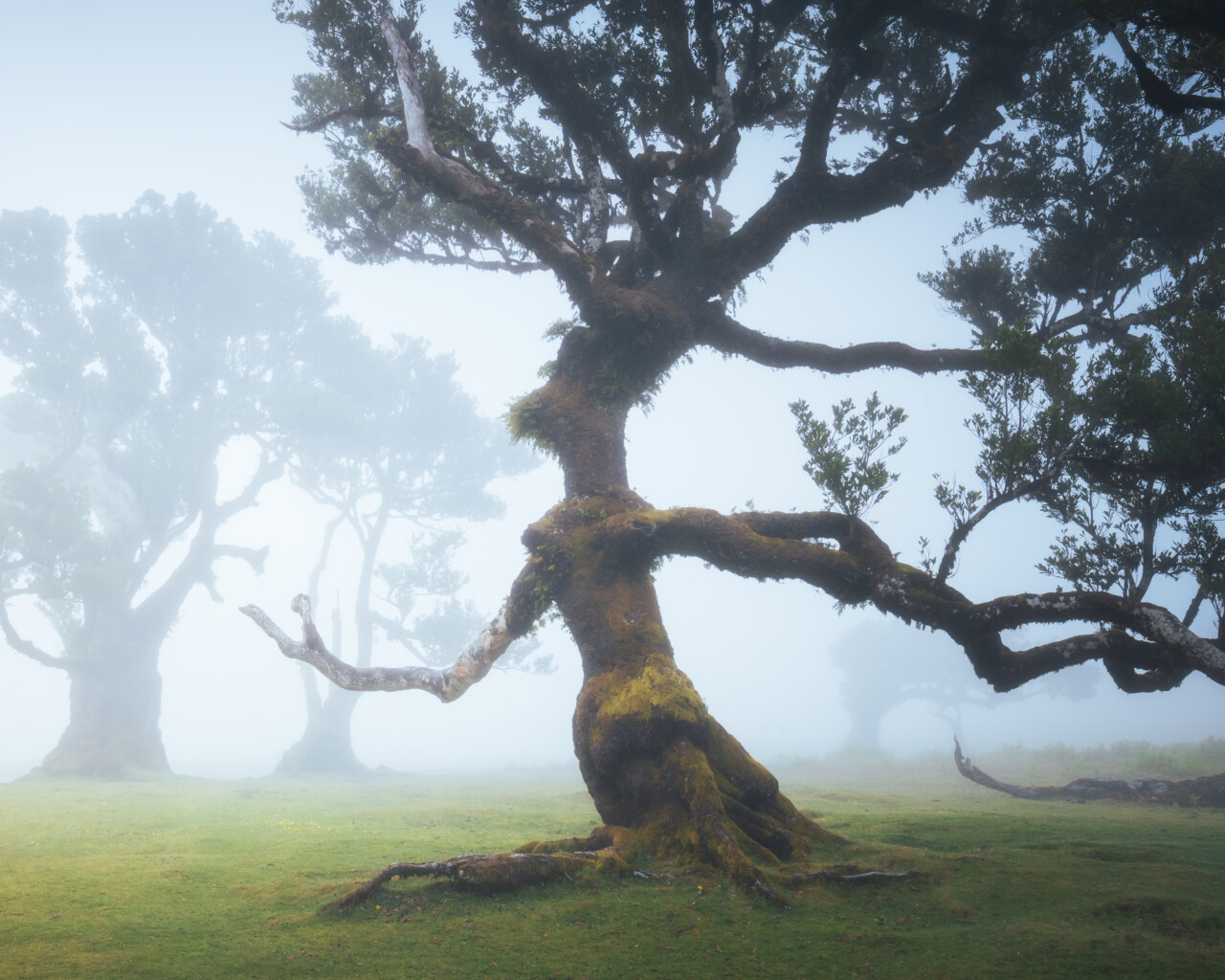
Photograph by Michael Shainblum / Stills
words by willow defebaugh
“The stories we tell about what nature is are the stories we tell about who we are or should be.”
—Rebecca Solnit
“I think, therefore I am,” René Descartes declared in 1637, reshaping our understanding of reality. Descartes’ cogito (Latin for “I think”) was key to what we now call Cartesian dualism. In seeking an irrefutable truth, he concluded that he knew he was alive because he was a thinking thing. Through this, he drew a line between mind and matter, the immaterial and the material, and us and the rest of nature—believing that humans alone were ensouled with consciousness.
As Michael Pollan posits in A World Appears: A Journey Into Consciousness, this monopoly on sentience shaped how we treat other beings, as unconscious things to be dissected and excavated. A living world, unalived by thought. Four centuries later, it is stirring again. A growing body of scientists and philosophers now argue that all vertebrates and many invertebrates are likely conscious, as sentience may arise not from thought in the cortex, but feeling in the brainstem.
If consciousness can be understood as another word for spirit, as Pollan suggests, then Western science is just catching up to what many animist and Indigenous cosmologies have long held. While hard to define, as it’s not a single doctrine, animism does have repeated tenets. Namely: that our world is conscious and alive; personhood extends beyond our species; relationship and reciprocity are paramount; the self is ecological; and spirit and matter are not distinct.
Robin Wall Kimmerer’s grammar of animacy is an invitation to put this into practice through the re-story-ation of language—describing a tree not as a “which” but as a “who.” In the cascade of thought into language into law, animism becomes central to the rights of nature movement, in which organizations like the More-Than-Human Life Program at NYU School of Law are working to grant legal protections to a planet of persons, only some of them human.
“More-Than-Human-Life” was coined by David Abram in his seminal book The Spell of the Sensuous: Perception and Language in a More-than-Human World. While he recognized this was not a novel notion, he felt the English language was at a loss for how to “articulate the real relation between our species and the countless other shapes of sensitivity and sentience,” and was frustrated by “the conceptual gulf between humankind and the rest of animate nature.”
It isn’t difficult to see how we arrived at a society in which worth is attributed to the dead more than the living. In The Beginning Comes After the End, Rebecca Solnit juxtaposes animism and capitalism, in which a tree is only seen as valuable once felled. To recognize the world as conscious and alive is a threat to the many industries that sustain our daily lives. How can you allow industrial agriculture once you recognize that the beings it enslaves are conscious?
As Western science’s circle of consciousness widens, as more people open themselves to Indigenous teachings, a new animism is surging forth. Descartes and his fellow thinkers of the Enlightenment produced many scientific marvels, without which you and I might not be here today. Now, we must leap the Cartesian divide and feel our place in the world more consciously than before. Our age’s answer to Descartes’ cogito might just be sentio: I feel, therefore I am.
Join our membership community. Support our work, receive a complimentary subscription to Atmos Magazine, and more.
The Science of Animism