Words by Adam Popescu
photographs by Karamjeet Singh
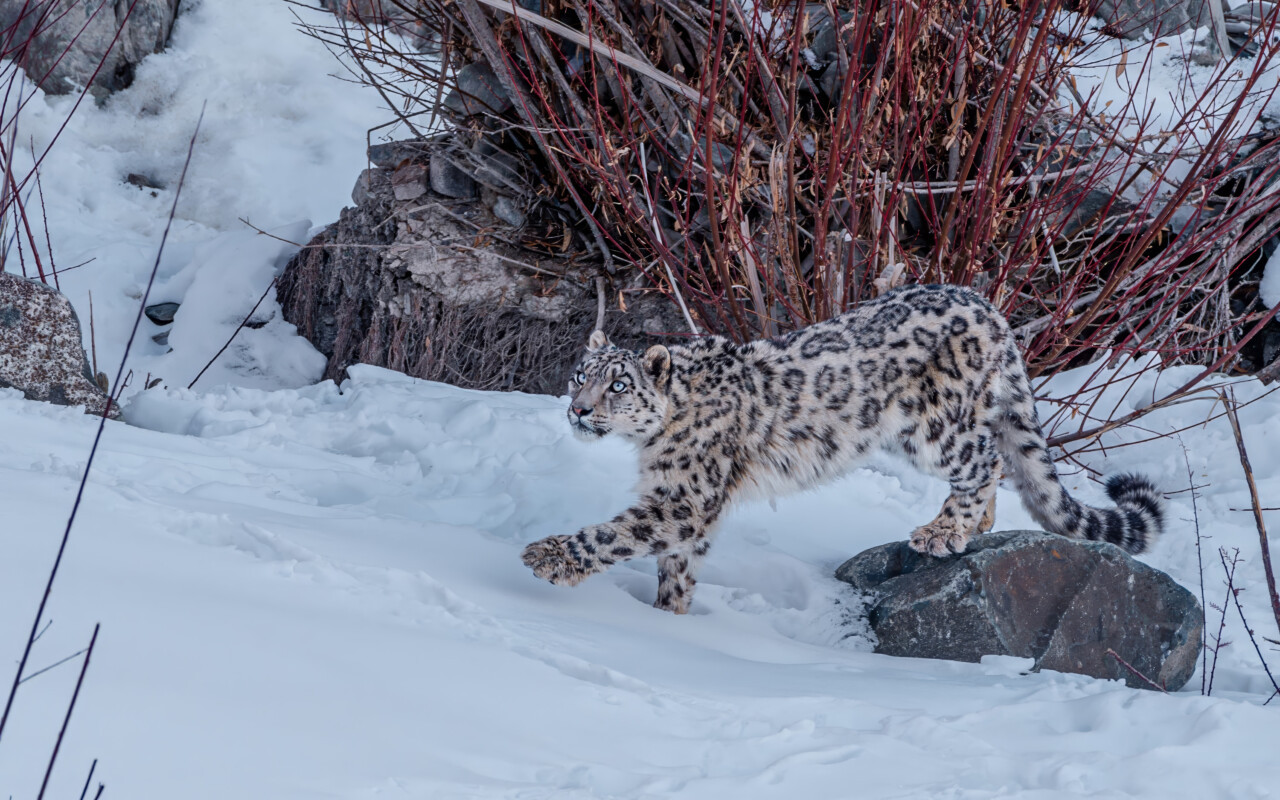
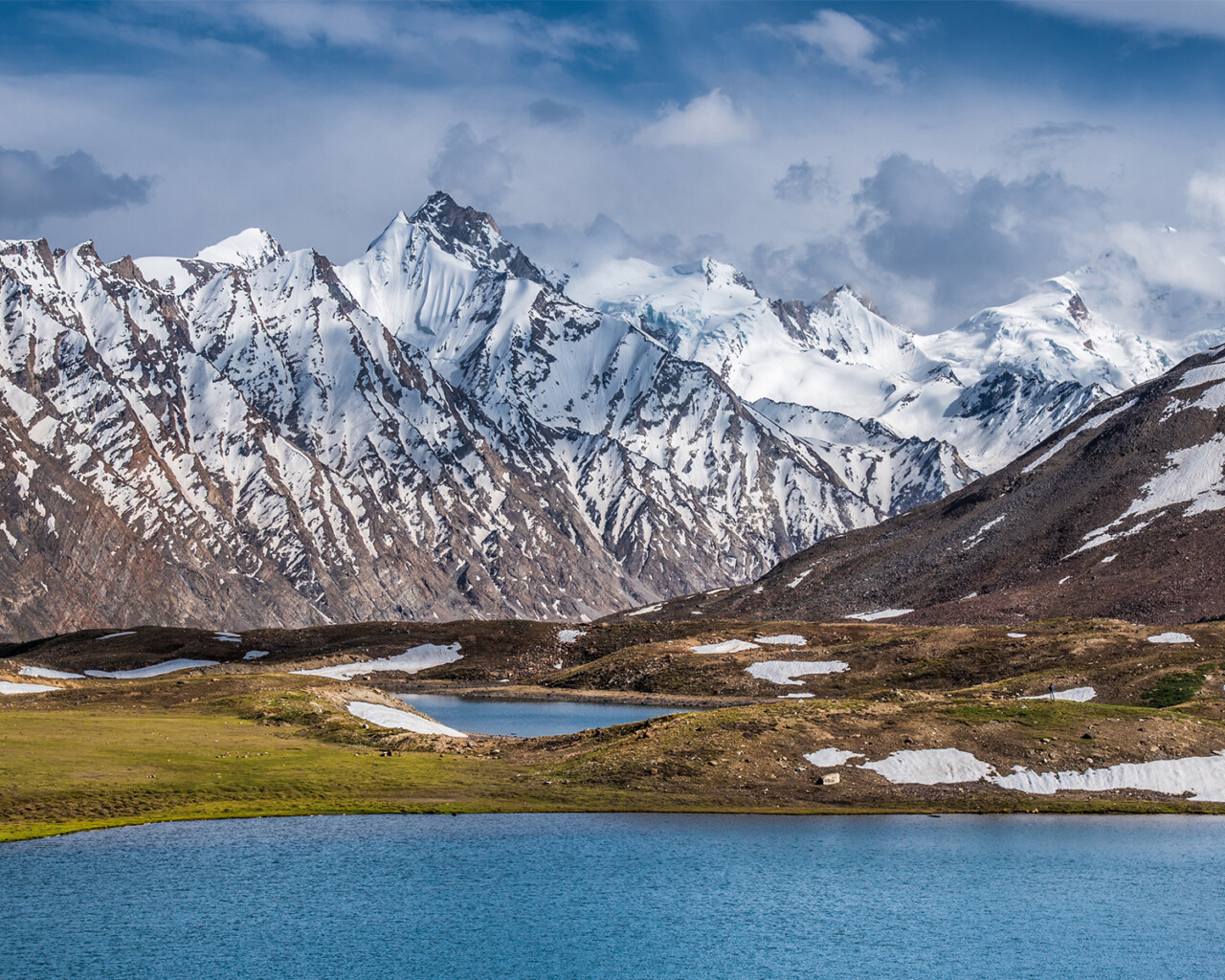
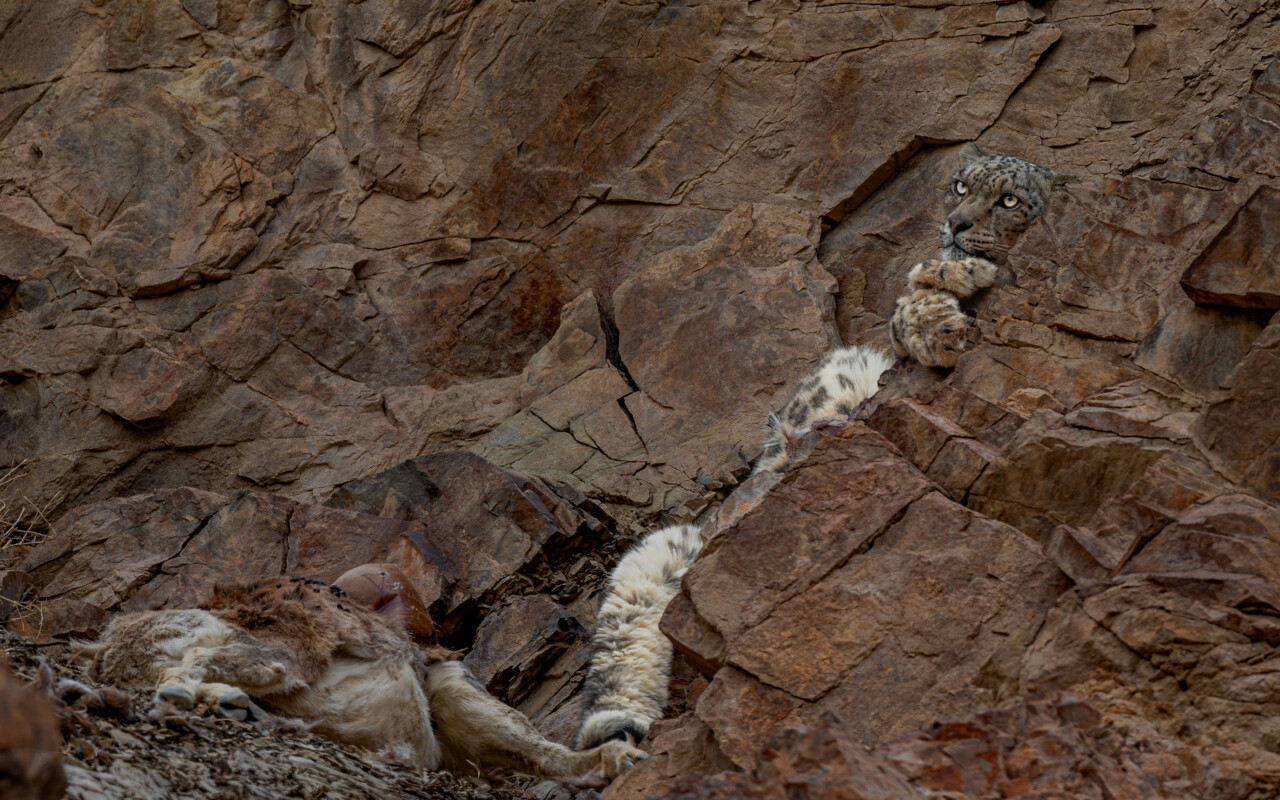
Morup Namgail was 4 or 5 when he first saw a snow leopard. It was in the corral, hunting the animals his family depended on to survive the Himalayan winters that blanket these mountains with snow for half the year.
In remote, high-altitude villages like this one in Ladakh, India, livestock has long functioned as a living currency. Milk provides food, while wool and hides become clothing. But in recent years, the family’s animals had been struggling to survive.
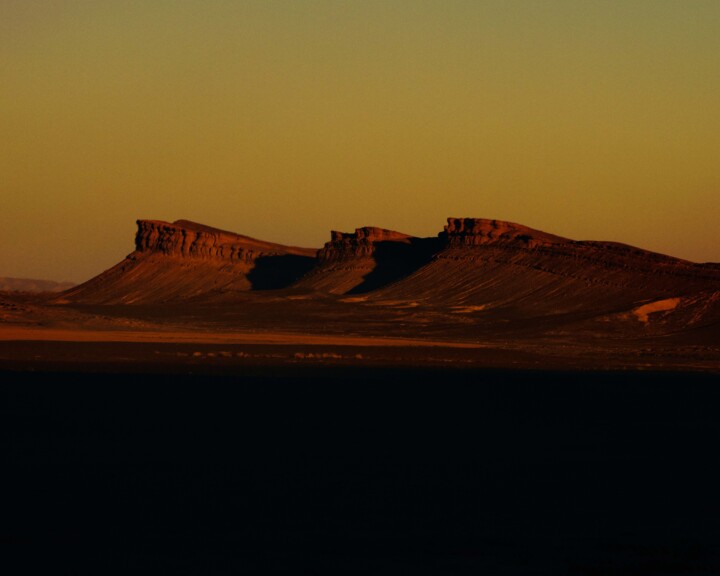
When Namgail first heard the screams, he assumed it was a wolf. Wolves had recently killed his dog, and are common in Uley, where six families live perched at 13,000 feet in the country’s far north. It is a region shaped by politics and war—hard borders with Pakistan and China—and by wildlife that roams the mountains. Wolves often pick off sheep, goats, and even yaks, which is why animals are shut into corrals before dusk. But in a largely treeless landscape, those corrals are open to the sky—and tempting for predators who can hop over the 4-foot stone walls. One attack can impoverish a family, even threaten their survival.
Life in Ladakh demands a hard kind of vigilance, despite the pull of Buddhism discouraging harm to all forms of life. Generations of locals felt they had little choice. They built traps, set bait, and even laced carcasses with poison to kill whatever came to feed.
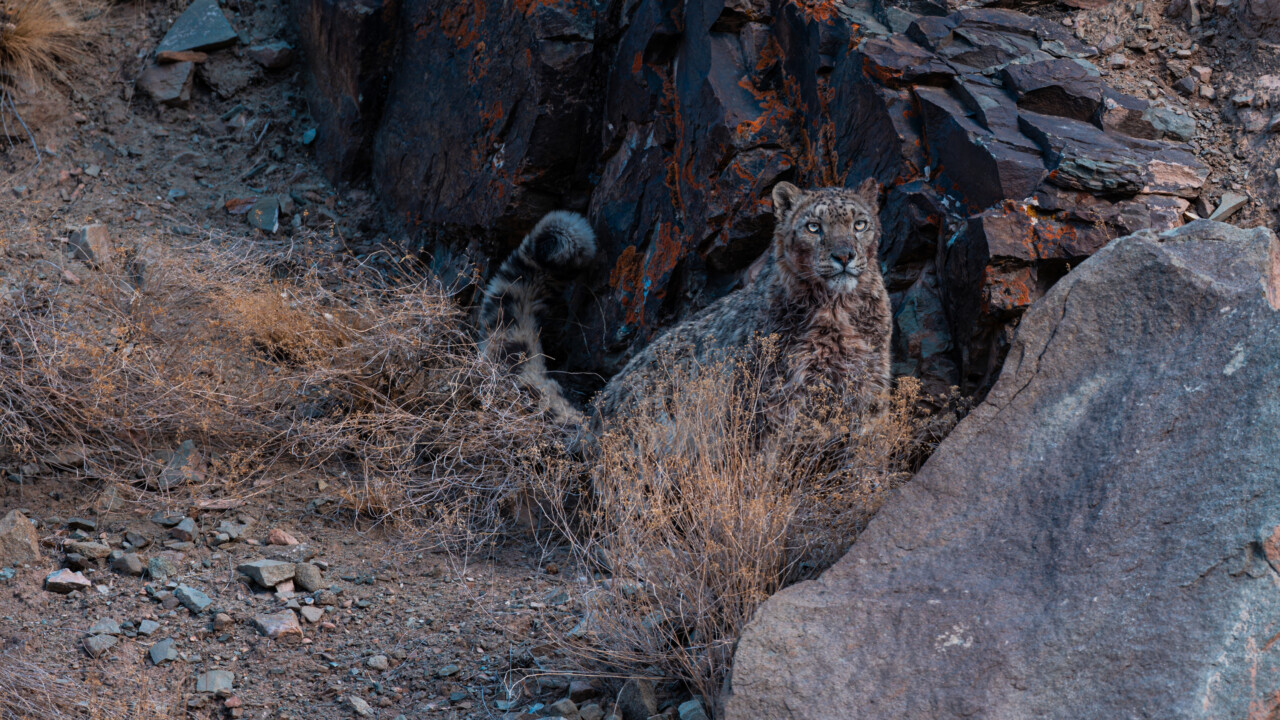
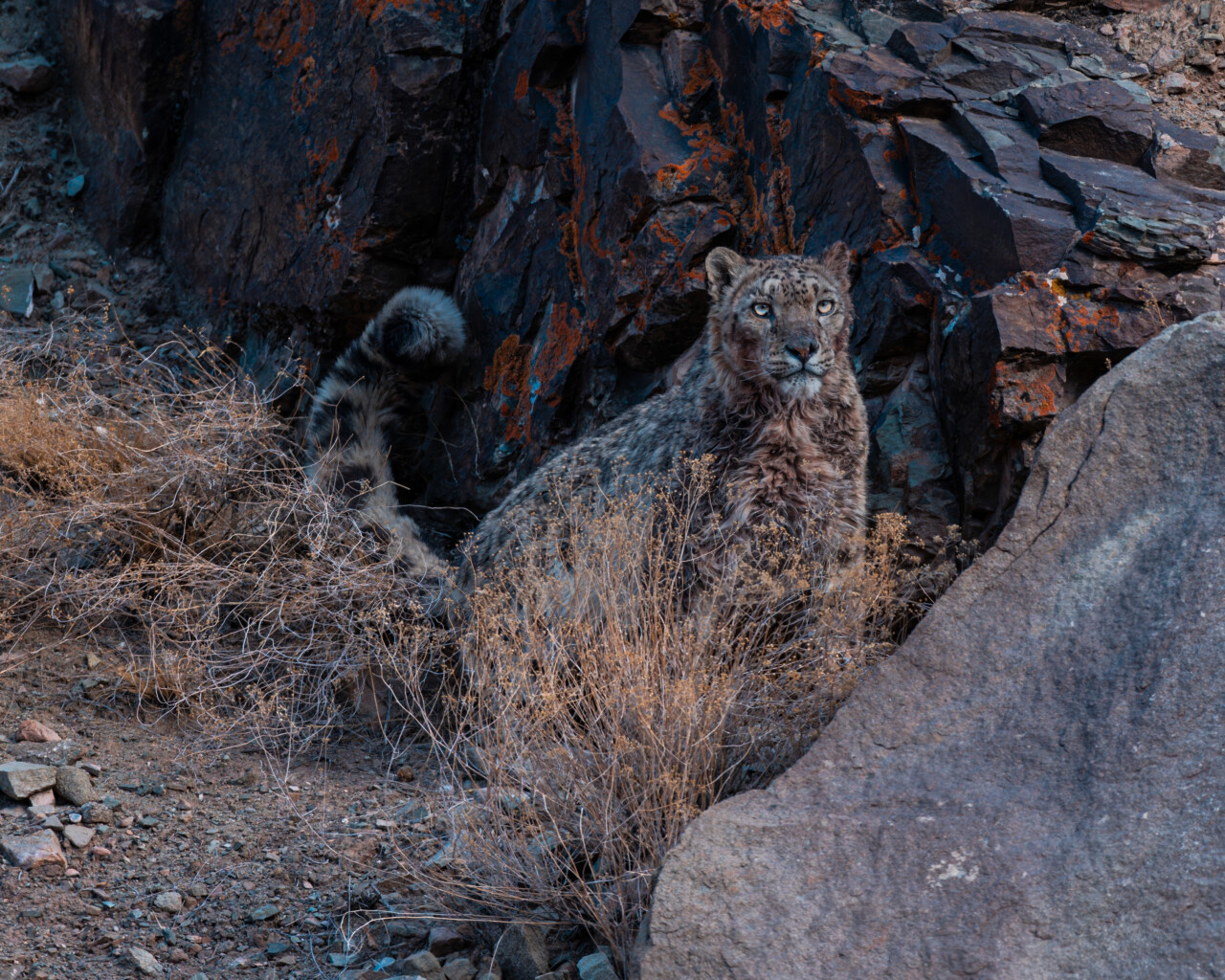
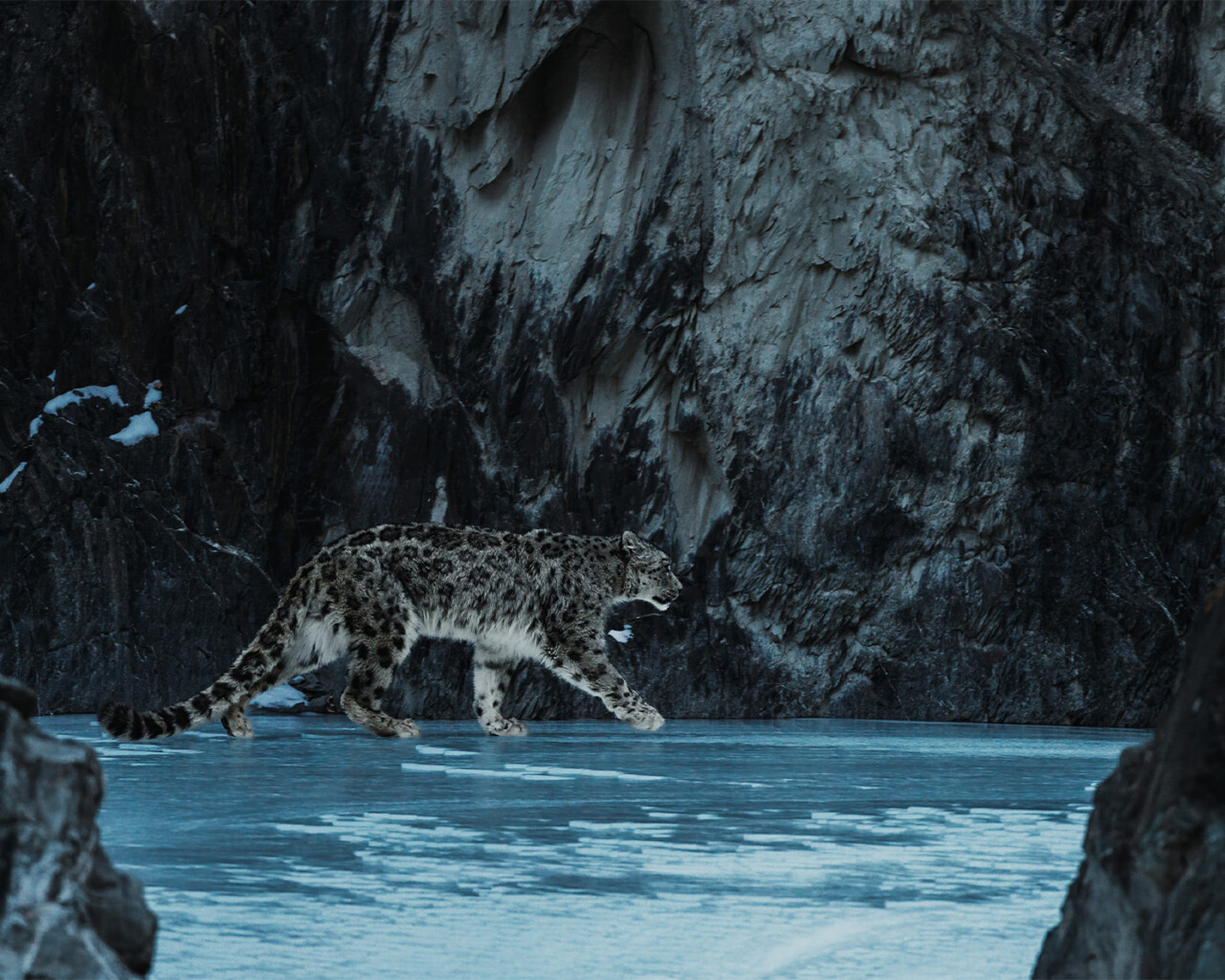
Monsters are real, and they come at night. So do ghosts like the snow leopard. When Namgail was growing up, there was no Instagram. There was barely any reception. He rode a horse to reach the school bus stop. Back then, snow leopards existed more in the imagination than in daily life, though they remained a real threat. Few people saw the ghost. But sometimes villagers came across a sluggish cat after a night of gorging in a corral. Stoning it was standard practice.
That’s why Namgail shot out of bed that night three decades ago. He still remembers the rush of fear and surprise when he saw his father chasing off a snow leopard in the flesh. “My first instinct was to pick up a stone and kill it,” he told Atmos, staring off at the mountains. Instead, he stood there in awe, wondering why so many ghosts seemed to live in his backyard.
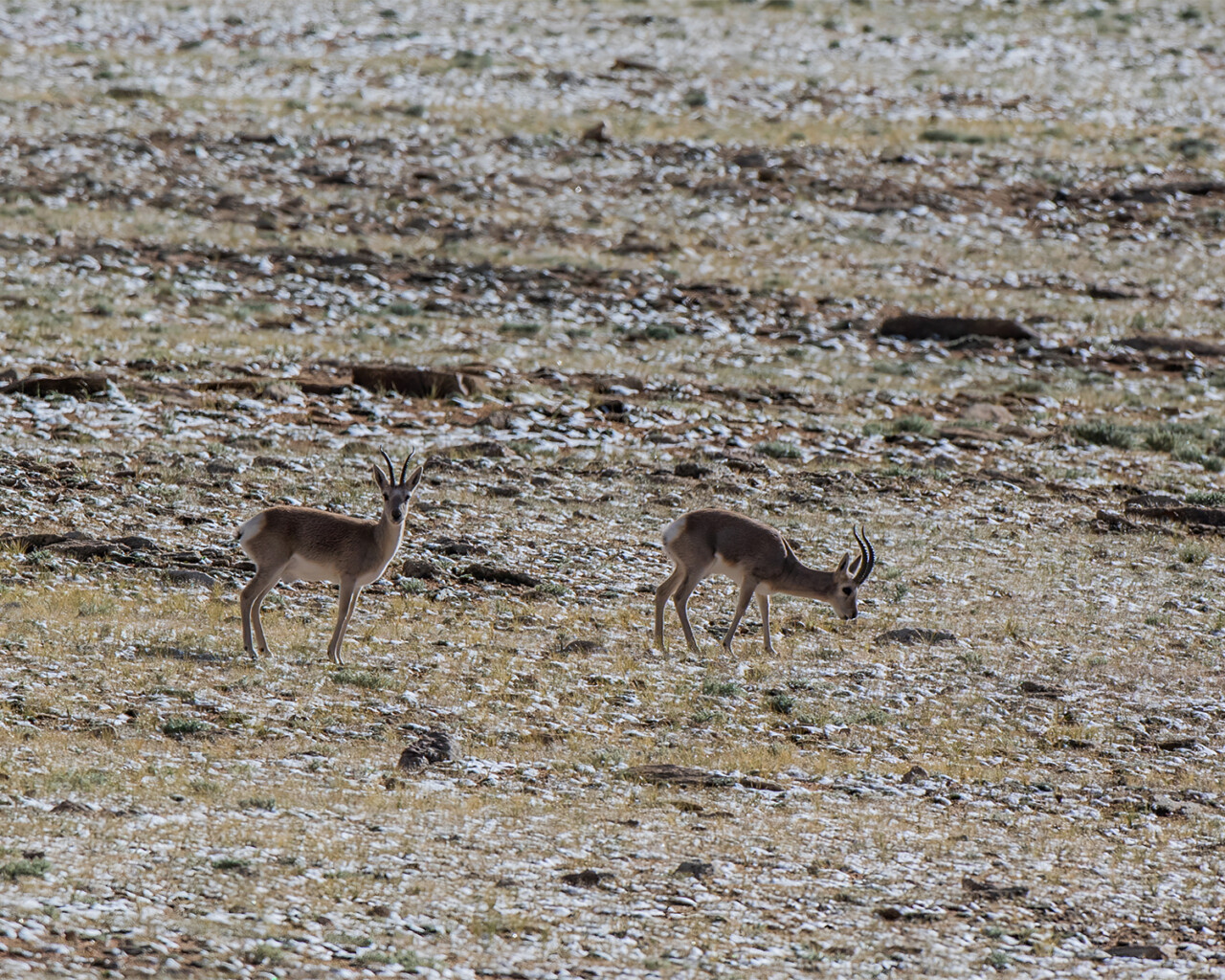
Uley seemed cursed, and Namgail’s father, Tsewang Norboo, seemed condemned to protect the community by any means necessary. The leopards kept coming because the area held abundant prey: urial, ibex, and the sheep and cattle the families depended on. That’s what Norboo was protecting.
Today Ladakhis no longer rely on livestock, they rely on tourism. Namgail’s family was among the first to turn their demons into a lifeline.
As a new century dawned, Uley became known for shan, the Ladakhi word for snow leopard, and foreigners began arriving, too. After Norboo helped Steve Winter and BBC’s Planet Earth II track them around 2013, the world saw Ladakh’s leopards onscreen—and Norboo saw an opportunity. He turned his home into a hotel, helping pioneer an ecotourism model that gave local families a reason to tolerate the predators they once feared. I saw the beginnings of it myself when I first came here in 2018.
For visitors willing to travel to what feels like the end of the world, Uley delivers.
Norboo is considered a living legend, and Morup is known across Ladakh. His photographs have won awards, and it’s no stretch to say he’s probably the reason you’ve seen one of the world’s last mysteries in your Instagram feed. Even after hundreds of sightings, likely a record, he said, “I still get excited every time.”
Life at altitude is harsh, but Uley’s model worked. More families have since turned homes into homestays and predators into economic assets. These changes brought waves of pilgrims to this mecca, eager to see and photograph a species that, until recently, seemed impossible to capture on camera.
“If you protect snow leopards, you protect an area for the benefit of all the wildlife and local communities. They symbolize an area.”
The first photo of a wild snow leopard was taken in 1970 by George Schaller and published the following year in National Geographic. Schaller, whose fieldwork led to the creation of the Arctic National Wildlife Refuge, later mentored Jane Goodall and led Peter Matthiessen on the Himalayan journey that would become The Snow Leopard (at the time, Schaller was almost certainly the first westerner to see a snow leopard in the wild).
As the Himalayas warm twice as fast as two decades ago, and 70% of snow leopard habitat in India remains unprotected, Uley’s model comes into focus. “If you protect snow leopards,” Schaller said, “you protect an area for the benefit of all the wildlife and local communities. They symbolize an area.”
Across Ladakh, hotels and homestays have helped fund predator-proof corrals and reduce revenge killings. Ladakh is now believed to hold the highest concentration of snow leopards anywhere, and possibly one of the highest concentrations of snow leopard photographers. But now that model may be off-balance. “Five, six years back, not many people had seen snow leopards,” said Karamjeet Singh, a photographer from Kargil. “With social media, it’s almost become common. Now every valley and village has a road, everyone has a phone. It has an impact.”
That intensity is why some conservationists say the model may be reaching its limits. Which villages benefit from tourism? Who gets to be a leopard spotter? How are sightings managed when visitors are paying large sums and there are no formal rules? “Who gets to decide?” asked Padma Rigzin, a Ladakhi researcher studying this shift. “There’s a sense that anyone can show up and shoot, and that’s not good.”
Tourism has replaced agriculture as the main economic driver, and more and more people now want to make a living from snow leopards. Some work carefully. Others chase quick money. Many visitors arrive after seeing leopard content online, with little understanding of how fragile the landscape is or how dangerous the altitude can be. Acute mountain sickness is common. So are unrealistic expectations of comfort in villages that remain, in many ways, closer to subsistence than social media would suggest.
“It also gives the impression that leopards are easy to find, like conservation here isn’t an issue,” said Tsewang Namgail, director of the Snow Leopard Conservancy India Trust. “Mountain springs are drying, permafrost is melting, plastic pollution is getting into food and water waste, and there’s a feral dog problem. All of it is related to tourism.”
There is another irony. By using predator-proof corrals and other conservation measures to better protect livestock, Ladakh’s model means less food for leopards, says Rigzin, who pointed to the other side of the mountain in Pakistan, where livestock make up 70% of leopard diets.
Still, neither Namgail thinks these shifts have changed leopard behavior, at least not yet. Others aren’t so sure. Byron Weckworth, who once led Panthera’s snow leopard program, compared the speed of change in Ladakh to Patagonia, where pumas have become so habituated to tourists that they walk right by. Close encounters can thrill visitors, he said, but they can be dangerous for animals and people. He pointed to a recent snow leopard attack in China, reportedly triggered when a woman approached too closely in search of a selfie.
“Maybe it’s a matter of time in Ladakh,” said Weckworth.
These days, people no longer have to travel for weeks on foot like Schaller and Matthiessen. Matthiessen never saw a leopard, but he didn’t travel on paved roads or have access to a tourism network that reaches ever deeper into some of the best leopard habitat on earth. Ladakh, in that sense, has become a victim of its own success.
Roads and phones have made it easier than ever to find this big cat. They’ve also made it easier for people to push into the remote valleys where cats and their prey live. “What happens now is when there’s a good sighting, everyone comes because of phones, WhatsApp, friends of friends,” said Morup Namgail. “The news spreads in no time and within two hours, you see so many people.” The crowds have other consequences, too. Feral dogs—there are as many as 25,000 in Ladakh—follow people wherever they go, often along the same roads. Their spread into the landscape has contributed to wolf-dog hybridization, creating a new threat to wildlife, livestock, and people.
Rodney Jackson, another pioneer of snow leopard conservation, called the current situation “anything goes.” Jackson spent 561 nights in a Nepali gorge to capture the first snow leopard camera-trap photographs in 1986. He said that seeing Ladakhi leopards once meant camping for days in brutal cold. Now, with heated lodges and fast Wi-Fi, there’s no need to rough it. “And little, if any, tourism management,” he added.
Even I’ve tracked leopards in remote valleys, spending hours waiting for a cat to come out in the open, only to turn and find dozens of people gathered behind me, inching closer to an animal that’s famous for its secrecy. It’s a familiar pattern. Once word spreads, the masses come, and it’s easy to feel frustrated—even possessive—when you do find a secretive animal. “But it is a problem,” said Namgail. “If there are 50 people in one narrow valley, that’s pressure not just on the animals, but on the land. If there were restrictions on sightings, things would change for a better future. We need it.”
Ajay Bijoor, who has worked in the Himalayas for more than a decade as a project coordinator with the Nature Conservation Foundation, described this hunger “for exclusivity” as “a never-ending game.” Charu Sharma, a research assistant at the foundation, said the pursuit of the perfect snow leopard image has become another bucket list item for influencers.
“This is our culture, our heritage—people like us have a huge responsibility. The native people of Ladakh should be able to decide what’s good and bad for Ladakh.”
The risks extend beyond crowding and bad behavior. Alex Dehgan, who led snow leopard conservation work in Afghanistan before founding Conservation X Labs, warned that “cute pictures of cubs drive demand for trafficking.”
Even those who benefit from conservation feel the contradiction. When I meet Namgail and Singh for drinks in Leh, the best friends—and two of Ladakh’s best-known wildlife photographers—go back and forth. Social media has raised expectations, they agree, and visitors increasingly arrive wanting a spectacular image. But they’re divided on what that means for the future.
“I’m not worried,” said Singh, who studied journalism and filmmaking in New Delhi. “Showing people something they’ve always wanted to see, that’s a dream we help achieve. And when you come and stay in the village, that supports conservation directly.”
“Change is going to happen—we can’t stop it, and we wouldn’t want to stop it. But how do we live with it?” asked Namgail, who does worry, namely about foreign hotels and rare earth mining that “could destroy the whole thing.”
There is no easy answer, nor much clarity about what will happen when a new, all-weather tunnel opens in 2028. In winter, Ladakh is only reachable by air. A tunnel would bring more cars and people, further disrupting an already shaky balance.
“Right now, the people who are coming are coming for an experience, and it’s not cheap,” Singh said. “But if the road [stays] open, there will be so many tourists. Most sightings already happen from the road, and if someone says there’s a snow leopard, everyone stops. They don’t know how to behave. That will be a problem.”
Namgail nodded. “This is our culture, our heritage—people like us have a huge responsibility,” he said. “The native people of Ladakh should be able to decide what’s good and bad for Ladakh. We all want a bigger house, more modern things, to drive on a smoother road. That’s normal. But we need to be more aware of what’s sacred, and that’s these mountains.”
Join our membership community. Support our work, receive a complimentary subscription to Atmos Magazine, and more.
How Tourism Saved the Elusive Ghost Leopard From Extinction