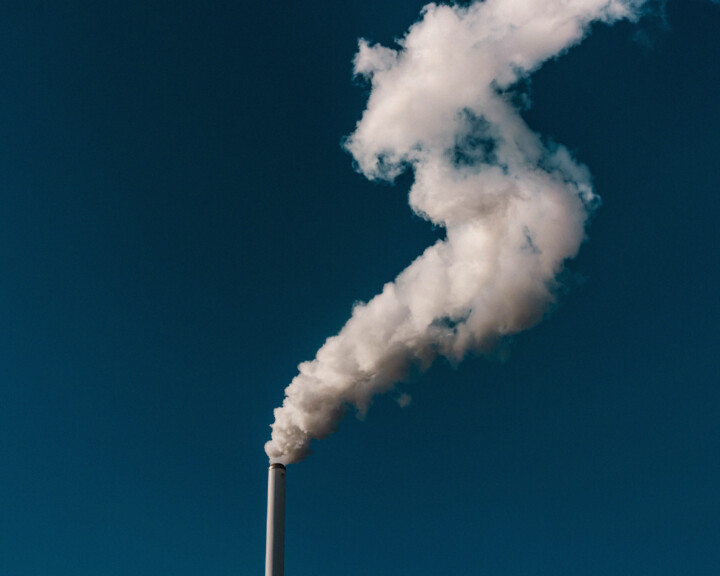
Photograph by Marc Krause / Connected Archives
words by miranda green
For the last two months, I’ve been working and living in Paris. I filled my days with early-morning river runs, daily croissant breakfasts, and more walking on average than I’ve ever done, according to my Strava. It was tres magnifique.
But living in the City of Light also put the world’s rapidly changing climate into stark focus. During one week at the end of May, I went from experiencing one of the coldest days—48 degrees Fahrenheit and raining (I was wearing gloves)—to the hottest May day France has ever reported.
I’ve lived in some pretty hot places, from Los Angeles to Washington, D.C., but nothing prepared me for the sweltering heat of an air-conditioning-less Paris weeks before summer officially began. Now experts are warning that the heatwave was just a small sample of what’s to come this summer, as a cyclical weather event called El Niño is anticipated to bring extreme heat and extreme rainfall to various places across the globe.
The United Nations’ weather service, the World Meteorological Organization, announced on Tuesday that an El Niño has begun, a period of oceanic warming in the Pacific Ocean that can have extreme impacts on global heat. Experts warned this week that it will bring above-average temperatures “nearly everywhere” and is expected to increase extreme weather.
I’ve lived through El Niños in the past. I remember major flooding events when I was a kid, when the Santa Barbara News-Press printed photos of residents getting around town in kayaks. But experts say this year’s system, anticipated to rear its head between June and August and continue through the winter, will amount to more than an inconvenience. And it will extend globally.
“The footprint of an El Niño travels far beyond its origins in the Pacific Ocean, impacting agriculture, energy supplies, trade, water resources, supply chains, and livelihoods across entire regions,” WMO Secretary-General Celeste Saulo said at the briefing.
The past 11 years have been the hottest on record. Now, the El Niño phenomenon could make things even more intense. The last El Niño occurred between 2023 and 2024, two of the hottest years on record.
The WMO said on Tuesday there is an 80% chance of this year’s event becoming a “Super El Niño.” El Niños are characterized by sea surface temperatures that are more than 0.9 degrees Fahrenheit above normal for that time of year. At more than 3.6 degrees above normal, the climate phenomenon tips into Super El Niño territory, Mark Roulston, a director of operations for Lancaster University’s Climate Risk and Uncertainty Collective Intelligence Aggregation Laboratory, told The Independent.
Both are natural weather cycles that traditionally lead to drier and warmer conditions in the northern part of the United States and increased flooding in the Southeast. Outside of the U.S., countries like Chile are expected to experience heavy rainfall, while Australia, Central America, and Indonesia are anticipated to experience a drought. The Pacific could experience an extreme typhoon season, while hurricane season in the Atlantic will likely be less active.
El Niños warm up waters, which can significantly impact ocean species. The Pacific Ocean is already experiencing its seventh marine heat wave in seven years, which has raised coastal waters by 3 to 4 degrees.
The effects are already leading to the starvation of bird species, including brown pelicans and gray whales, which have been washing up on California shores in record numbers. El Niño can cause the upwelling of rich nutrients from the depths of the ocean to weaken or stop altogether, which means fewer phytoplankton for fish and marine mammals to live off of. Kelp, another important source of food, thrives in colder ocean temperatures.
Experts say species like jellyfish, crabs, dolphins, and sea turtles might move to colder areas of the ocean, and for species that aren’t mobile, it might lead to die-offs. It wouldn’t be the first time. A 2024 study published in Science found that an extreme El Niño from 252 years ago was responsible for a mass extinction event.
While El Niño is not a direct result of greenhouse gas emissions and global warming, higher average ocean temperatures caused by climate change can intensify temperature spikes and moisture disruptions during an El Niño event. Experts also say this year’s super El Niño will further burden a globe already struggling from the impacts of hotter summers.
“The world must treat it as the urgent climate warning it is. El Niño conditions will pour fuel on the fire of a warming world,” U.N. Secretary-General António Guterres said at the press conference Tuesday. He said it was a reminder of the need to shift away from fossil fuels.
But the U.S. is already struggling to keep communities in need cool. For example, a battle over the federal Low Income Home Energy Assistance Program, which I wrote about previously, continues.
Last spring, the staff of the LIHEAP—a multi-billion-dollar federal grant that helps more than 6 million Americans afford electricity and air conditioning each year—was fired. The president attempted to zero out funding for the program in the White House’s 2026 and 2027 budget proposals, but Congress pushed back. Last year, Congress voted to fully fund LIHEAP and actually gave it $20 million more in funding. Congress is currently hammering out the terms of next year’s budget.
On the state level, communities are moving to make cold air more readily available. In addition to cooling centers offered across the country, there’s been increased support around a “right to cooling” movement. The Pacific Northwest has emerged as one of the places fighting for renters’ rights to have AC, following deadly heatwaves that struck the region in 2021.
In terms of weather preparedness, the Trump administration is actively rolling back programs that track extreme heat and climate. In late May, it announced it would dismantle a $368 million ocean monitoring system run by the National Science Foundation, which provides crucial data on ocean temperatures and climate change. The announcement came just after Trump fired members who sat on an independent board overseeing the NSF. Talk about thoughtful timing.
Want me to look into The Understory of something? Send me an email!
Join our membership community. Support our work, receive a complimentary subscription to Atmos Magazine, and more.
A Looming Super El Niño Spells a Summer of Extremes