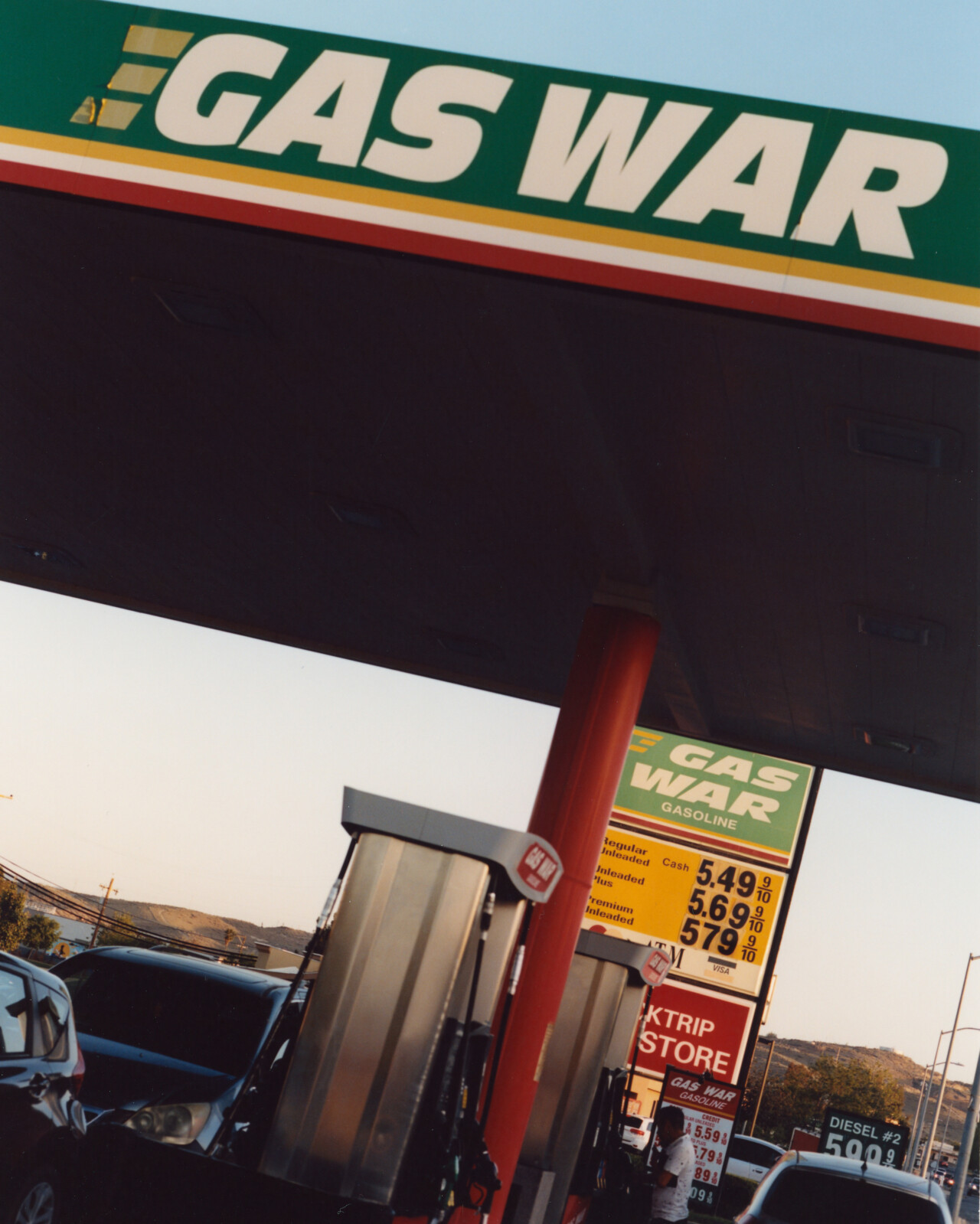
Photograph by Ryan Molnar/Connected Archives
words by MIRANDA GREEN
When President Trump campaigned during the 2024 election, two promises became a refrain: that he’d cut the red tape of regulations to save Americans money, and put an end to foreign wars.
As I write this, inflation is at its highest level in three years and the United States is 110 days into a war with Iran.
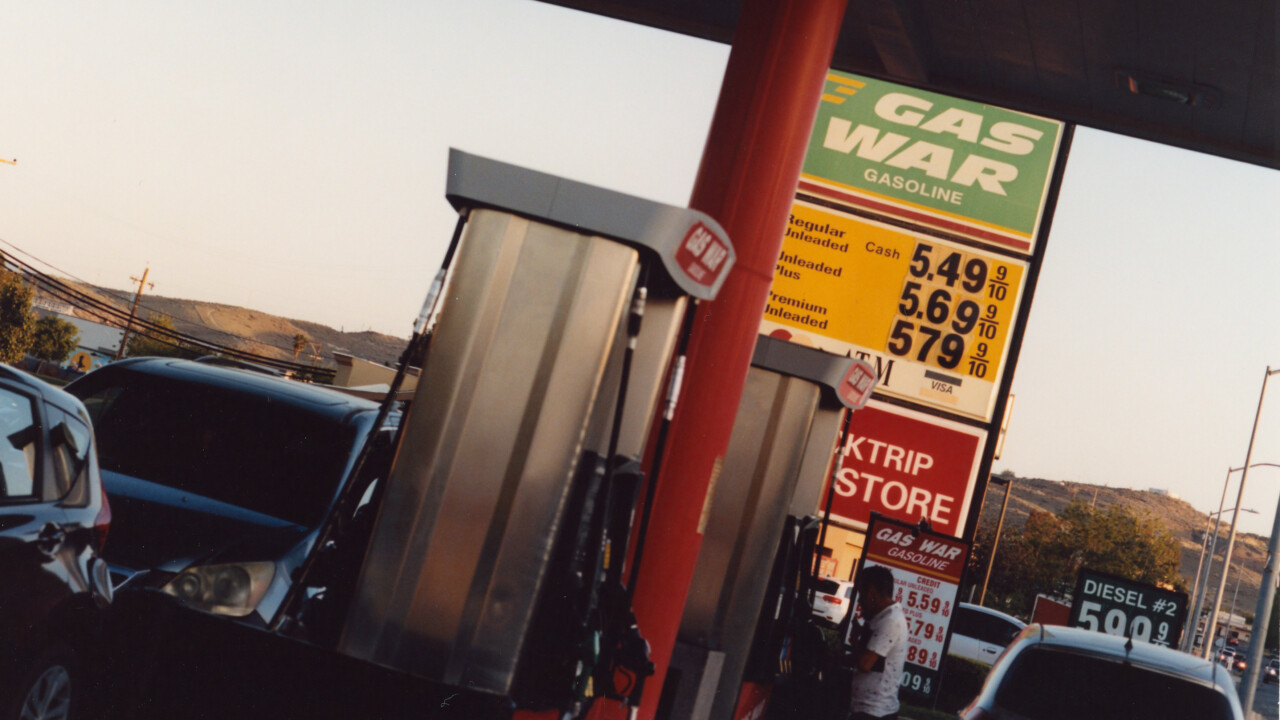
Oil prices went from $67 per barrel before the war to a high of more than $120 a barrel during the conflict. Now nearly four months in, gas prices—which Trump vowed during his campaign to halve— have risen by nearly 40%, thanks to blockades in the Strait of Hormuz through which much of the Middle East’s oil and gas is transported.
With annual inflation at 4.2%, consumer prices have also spiked. They were up 4.2% in May compared to the same time last year. That’s the fastest pace since Joe Biden was in office in 2023. Food prices alone increased 3.1%.
Even with a supposed agreement set to go into effect this week between the White House and Iran to end the war, experts don’t expect prices of groceries, airfare, or even fertilizer to go down anytime soon. The Iran war, and the way the Trump administration has handled it, are going to have lasting financial—and, in turn, environmental—consequences for Americans across the board.
Much of the world has been impacted financially by the latest war in Iran. But not everyone has reacted the same way. The sudden lack of access to oil and gas resources in the Middle East led some countries to reconsider their reliance on fossil fuels. For example, the European Union in late April announced plans to shift the region toward “clean, homegrown energy” to protect Europe from the “fossil fuel crisis” and instead work toward accelerating the transition to clean energy, which they dubbed “secure.” Data shows that the war inspired many countries to buy up clean energy technology, with China—the leader in the clean-tech space—benefiting most from this energy pivot.
The U.S., on the other hand, has approached amassing energy “security” much differently. The Trump administration has doubled down on the country’s vast oil and gas resources, as I previously wrote. Instead of embracing clean energy projects at home, which could bring much-needed energy to regions investing in data centers, the administration has systematically blocked their construction. It’s also started forcing retiring coal-fired power plants to continue operations. Those policies are already having major economic impacts in the form of higher power bills.
Electricity bills continue to climb across the country thanks to the increased strain on local power grids. States like Ohio that have resisted solar panels are now getting data centers. One proposed project in southern Ohio, backed by OpenAI and Nvidia, would need as much power to run as New York City uses at its peak in the hot summer months. And it will be built on federal land.
Where coal-fired power plants account for a portion of the local energy mix, power bills reflect the greater expense of running these facilities versus clean energy alternatives. Between 2021 and 2024, the cost of generating electricity from coal increased 28%—nearly twice the rate of inflation. Colorado has sued the Trump administration over emergency orders it used to force one of the state’s coal-fired power plants to keep running. As that lawsuit plays out, the governor earlier this month signed a bill into law that would allow utilities to receive low-interest, state-backed bonds to help pay for keeping their plants online: an effort to protect ratepayers from taking on higher power bills.
Trump’s energy policies could impact taxpayers in other ways, too. First, there’s his decision to pay off French company TotalEnergies to keep it from moving forward with building an offshore wind project off the coasts of New York and North Carolina. The deal includes paying the company nearly $1 billion, which ostensibly would come from taxpayers. Seven states are challenging the deal in court.
Then there’s the cost of the administration’s deregulations. As Grist reporter Ayurella Horn-Muller wrote earlier this month, many of the administration’s rollbacks in the energy and environmental space were tied to promises of economic benefits. Often, those benefits are squarely aimed at benefiting the oil and gas industry. But sometimes, it’s unclear who the financial winner will be.
That’s the case with the use of hydrofluorocarbons, or HFCs, a greenhouse gas used in refrigerators and AC units. Last month, Trump announced the administration would be loosening two of the Environmental Protection Agency’s refrigerant rules to save U.S. businesses and families more than $2.4 billion. Except that, economists and former EPA officials say the rollbacks are more likely to raise prices than reduce them.
The Iran war isn’t just giving Trump’s administration the necessary leverage to prop up coal plants and increase drilling; it’s also making it harder for local governments to stay the course on clean energy plans in the face of concerns that transitioning away from American fossil fuel production will increase already high energy bills.
At least, those are the talking points we are seeing resonating across the coasts. In California, Democratic gubernatorial candidate Xavier Becerra has taken significant donations from Chevron, the state’s largest oil and gas producer. Asked about the donations at a candidate forum, Xavier Becerra said: “You need Chevron. I need Chevron. My people of the state of California need Chevron … Chevron wants to give me a check, that’s—that’s their prerogative.”
His candidacy was in direct contrast to billionaire businessman and environmental advocate Tom Steyer, whose platform ran in part on reigning in fossil fuel dependency and the state’s power companies. Becerra’s campaign instead questioned California’s bedrock climate goals, which include phasing out new gasoline-powered cars by 2035. Becerra received 28.1% of the vote to Steyer’s 22.9%.
Officials in New York this month backtracked on the state’s climate pledges, making New York the first state in the country to weaken its own state climate law. The reason? Gov. Kathy Hochul said she’s concerned that moving the state away from natural gas would increase prices. Now, New York has another decade to meet its legally required emissions targets.
Want me to look into The Understory of something? Send me an email!
Join our membership community. Support our work, receive a complimentary subscription to Atmos Magazine, and more.
The White House’s Energy Policies Are Costing Americans Dearly