Photograph by EyeWolf / Getty Images
words by miranda green
When I decided to leave Washington, D.C., and swap reporting on congressional politics and government agencies for on-the-ground reporting in my home state of California back in 2019, it was because I knew it was only a matter of time before the sweeping environmental rollbacks proposed and passed under the first Trump administration would trickle down to local communities across the country.
In the years since, I’ve seen countless instances of this unfold. Dated heat-exposure policies have prevented protections for farmworkers in Arizona who pick crops in 126-degree-Fahrenheit temperatures. Limited efforts to regulate PFAS, a forever chemical that has seeped into countless waterways—particularly near airforce bases—have led to widespread contamination. And weakened tailpipe emissions in California’s smoggiest air basin—hint: it’s Los Angeles—are expected to reverse years of progress.
But nothing prepared me for the crashing of worlds quite like the current fight playing out in my hometown’s backyard between the owner of an oil and gas pipeline directly championed by the White House and the entire state of California.
Here’s the backstory: In 2015, a 10-mile pipeline carrying crude oil from seven offshore platforms to the shores of Santa Barbara’s Gaviota coastline ruptured and dumped more than 123,000 gallons of oil. The Refugio oil spill killed birds, marine mammals, and dramatically impacted the area’s beaches. Regulators responded by shutting the pipeline down—a move that lasted 11 years until the pipeline’s new owner, Sable Offshore Corp., appealed to the Trump administration. The White House responded by issuing an emergency order demanding the pipeline restart, which it did this March, a dramatic interference in local politics that many are seeing as a sign of what’s to come nationally as the administration moves to open up offshore drilling from coast to coast.
Santa Barbara is no stranger to oil spills. A 1969 spill off its coast was the first major oil spill in United States history and later led to the establishment of Earth Day. The liberal seaside community, where people flock to eat freshly caught sea urchin, relies heavily on tourism that in turn depends on the community’s pristine beaches. Like the majority of California, Santa Barbara has moved decidedly away from considering oil production as part of its economic future.
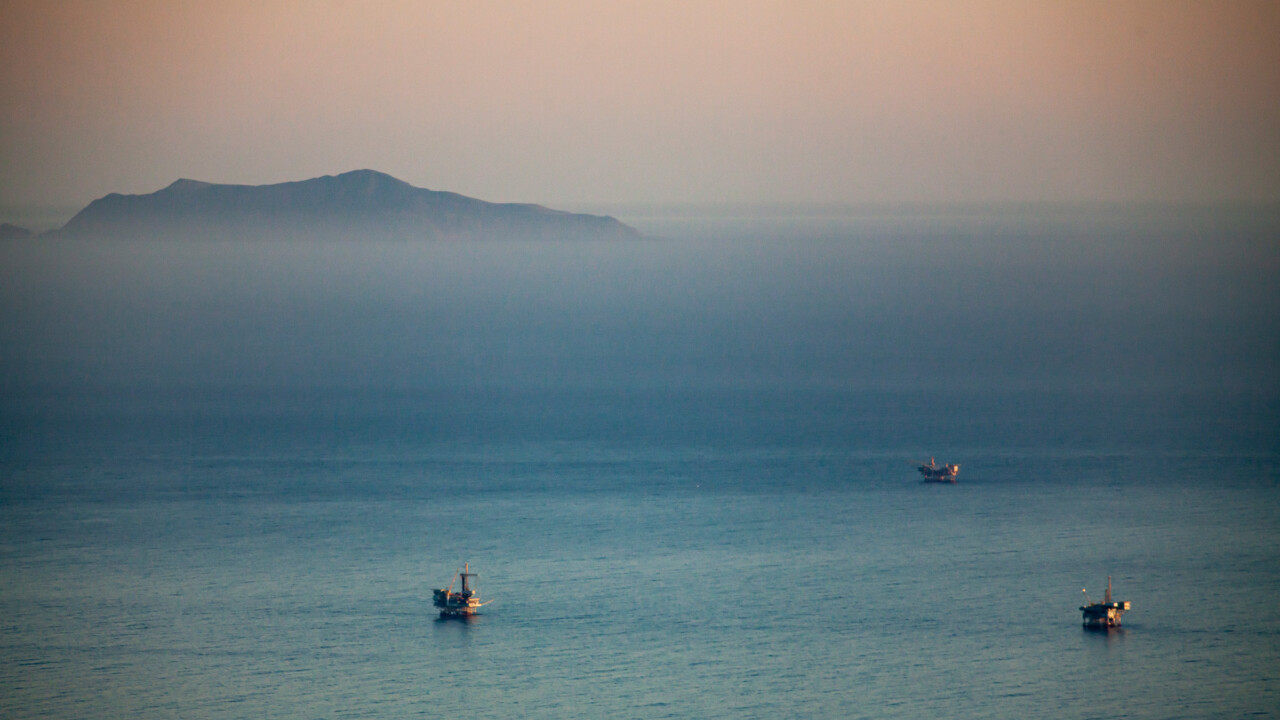
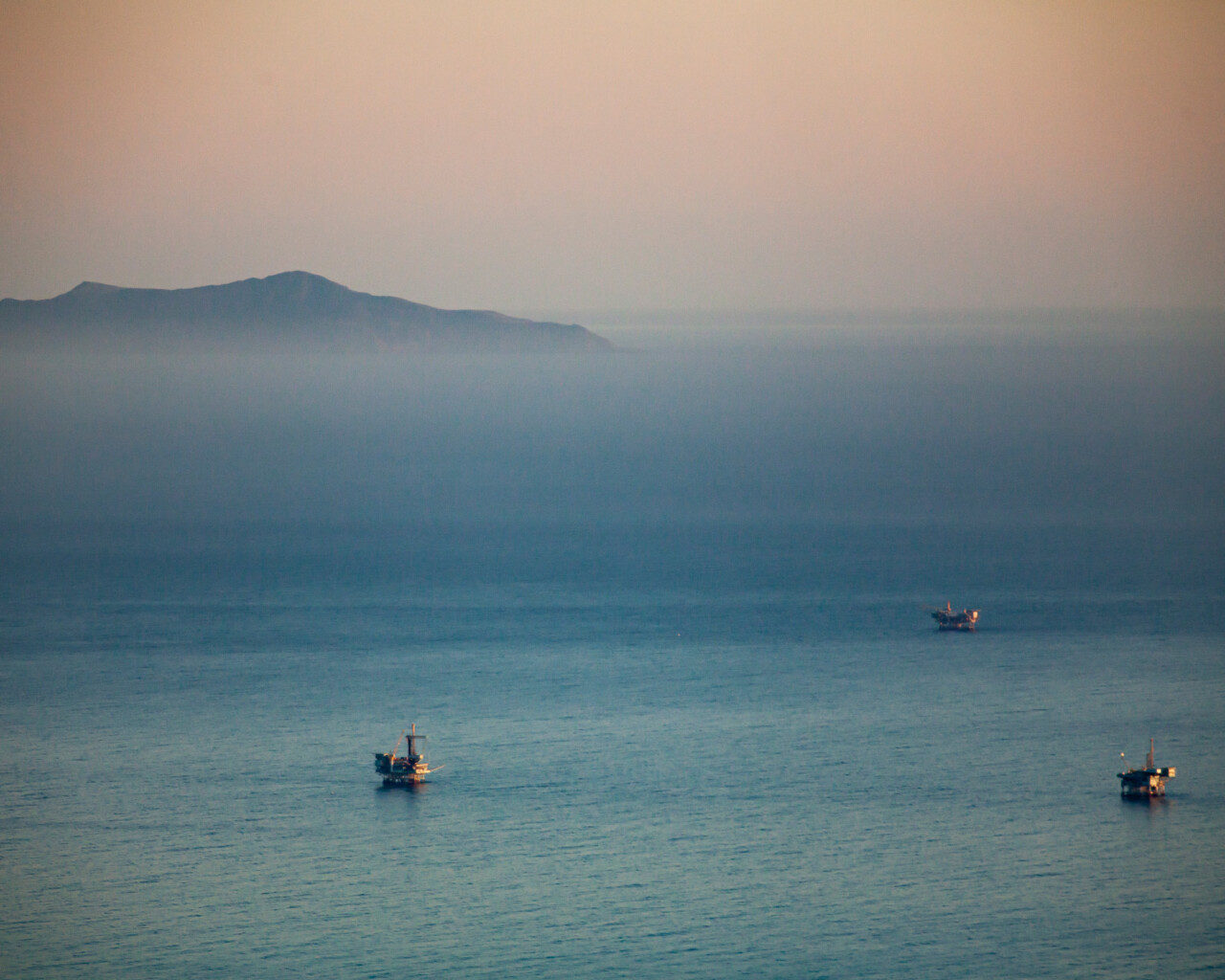
As a result, several of the offshore oil rigs visibly seen off the coast have been standing idle, some awaiting full decommission. And when the pipeline—now known as the Sable Pipeline—burst in 2015, largely due to corrosion, locals pushed for a full stop on any further use.
But when Trump returned to the White House last year, he made it clear that the U.S. was open again to offshore oil drilling. The Interior Department announced more lease sales in federal waters off California’s coast. And the ongoing war in Iran has increasingly allowed the administration to double down on fossil fuel extraction, which it characterizes as a means of national security.
In that period of time, oil and gas companies took those cues to heart and started looking for a way into the market. In 2024, ExxonMobil transferred ownership of three dormant oil platforms and the pipeline to Houston-based Sable Offshore Corp., which restarted production in 2025.
But getting Santa Barbara County to agree to repairs on the defunct pipeline—necessary for transporting the newly produced oil onshore—has been a rocky road.
Sable was fined $18 million in April 2025 for defying two orders to stop work on the pipeline; last fall, a judge upheld that the company needed a new permit. Sable responded by suing the California Coastal Commission for slowing down its efforts to the tune of $347 million in damages. That case is still open.
But something else happened last fall: Energy Secretary Chris Wright accused California Gov. Gavin Newsom via Twitter of “blocking oil production off California’s coast from reaching their own refineries, driving gasoline prices even higher for Californians!” The Interior Department followed up with a proposal to open up new leasing in federal waters off California’s coast for the first time since 1984. Then, in March, Trump issued an executive order expanding the scope of the 1950 Defense Production Act, which was followed by a DOE directive that Sable should restore operations of its yet-to-be-repaired pipeline. So, it did.
So how did the White House come to champion a small company with sights on drilling offshore in a sleepy coastal town? The head of the company asked it to.
Sable executive James Flores wrote to Wright and Interior Secretary Doug Burgum asking for help. The two head the National Energy Dominance Council, which is tasked with expediting priority projects. By February, it was clear the council was working with Sable. Then, earlier this month, Wright and Burgum visited Santa Barbara and toured Sable’s offshore rigs. The trip came as Democratic leadership called for an investigation into Flores’ communications with the Trump administration. Members of Congress sent an inquiry to Flores last month, asking for an explanation. Following the visit, California Gov. Gavin Newsom’s press office tweeted, “Trump used the Defense Production Act to illegally revive a dirty offshore drilling platform.”
Since Wright’s directive in March, the Sable pipeline has been in use. But it appears that that might be short-lived. A California appeals court late last week upheld a previously issued injunction to stop Sable from operating the pipeline.
As one might expect, this fight is far from over. As Robert Waldron, CEO of CorEnergy Infrastructure Trust—one of California’s largest oil pipeline operators—told POLITICO of the Trump administration: “In the next two to three months, I would expect them to do stuff similar to what they did with Sable, with the [emergency defense powers] and executive orders on all kinds of stuff.”
Join our membership community. Support our work, receive a complimentary subscription to Atmos Magazine, and more.
A Fight Over Offshore Drilling In a Seaside Town Gets Heated