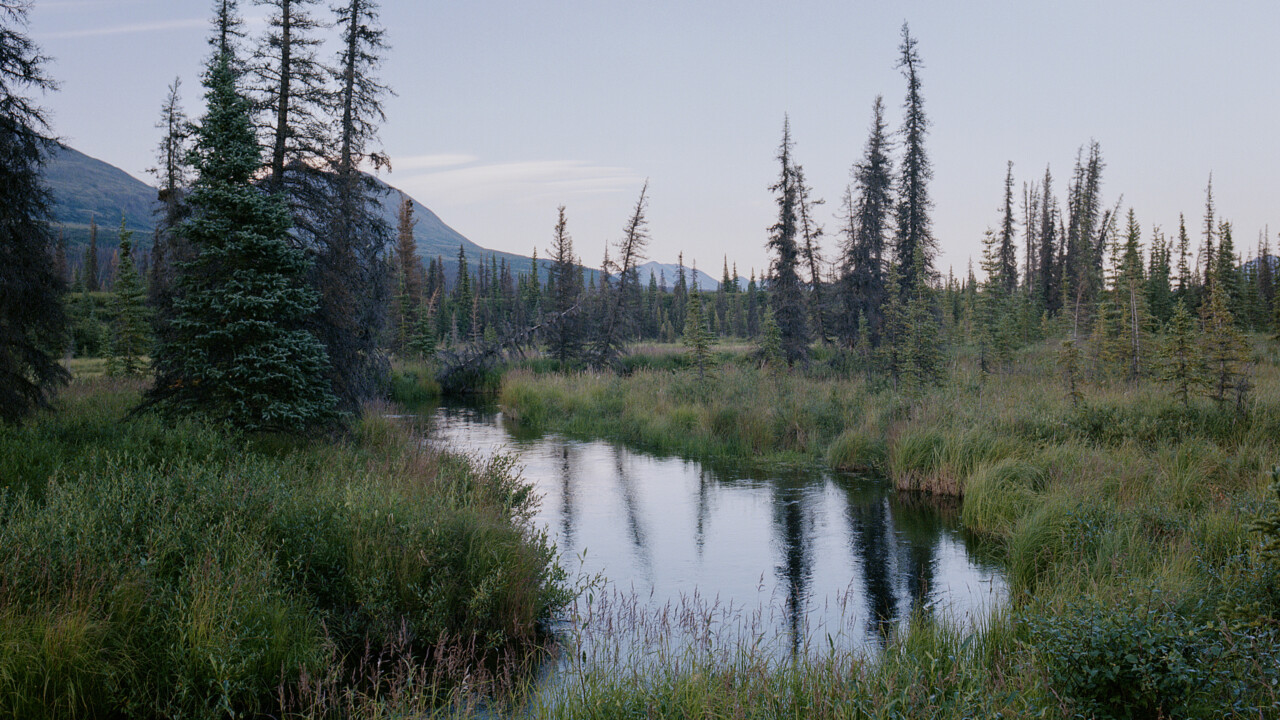
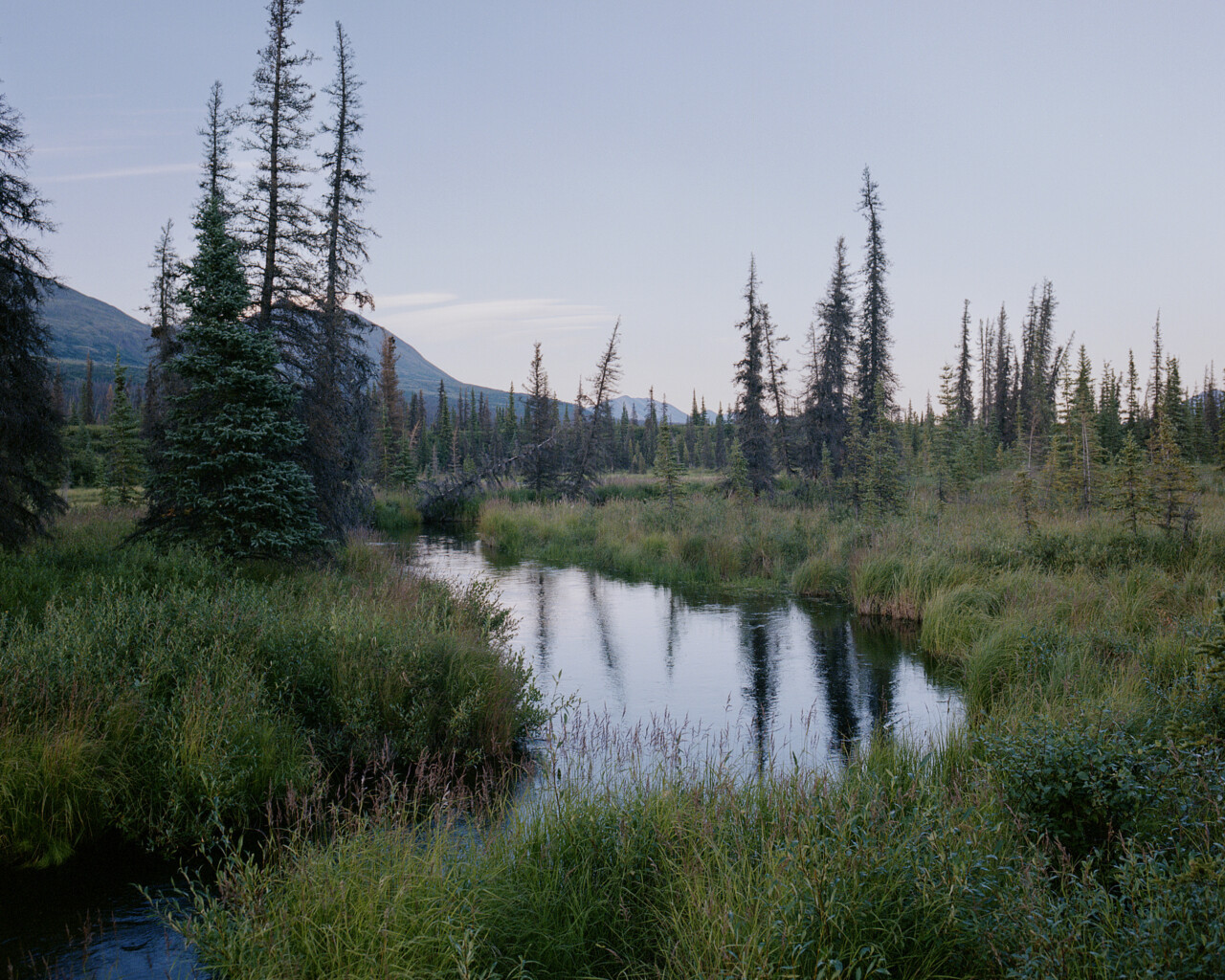
Photograph by Meghan Marin / Connected Archives
words by miranda green
My first adult visit to a national park was during a backpacking trip with friends to Yosemite. I was a political reporter for CNN at the time, which was also Trump’s first year of his first term. I was desperately in need of disconnecting.
We trekked 12 miles up a steady incline before dropping into a canyon to camp around Ten Lakes in the Northern California park’s stunning upper valley. It was Labor Day weekend and an abnormally hot 80 degrees, but the alpine lakes, primarily fed by Sierra Nevada snowmelt, were perfectly frigid. We only saw one other group of campers the entire time. I still remember the caption I posted with my photo on social media: “Where the only tweets are from birds.”
Experiences like mine could soon change as the Trump administration shifts the way it manages public lands: how it preserves them, grants access to them, and invests in them.
The White House earlier this month proposed cutting the National Park Service’s annual budget by 25%, a move critics are calling “catastrophic.” If Congress were to approve the budget this fall, it would reduce funding for park operations by $736 million.
The announcement coincided with the Interior Department’s release of a new “Strategic Initiative to Improve Efficiency,” a vague outline that suggests more NPS staff cuts are on the way as part of an effort to speed up “permitting by eliminating redundant layers.” Permits for things like drilling on public lands. The agency said employees would once again be offered the chance to take a deferred resignation or early retirement. DOGE spearheaded significant cuts to the agency last year, resulting in about a 25% reduction in staff that left parks woefully unprepared for the annual rush of summer visitors. It’s unlikely that the NPS’ recently nominated leader will move to stop the bleeding, if confirmed. Scott Socha, a hospitality executive, once sued the government over trademark claims in Yosemite National Park. Meanwhile, more than two-thirds of Americans oppose cuts to NPS, according to a November survey, and nearly 9 in 10 Americans consider federal park protections extremely or quite important.
The latest budget cuts follow a March vote by Trump’s “God Squad,” composed of high-level federal employees with the power to control environmental protections. Hiding behind national security claims, they voted unanimously to exempt oil and gas companies from Endangered Species Act protections in the Gulf of Mexico. The legality of the decision is being rightfully disputed, with several lawsuits already filed. Before the exemption, oil companies were prohibited from dumping trash in the ocean or using loud technology that could disrupt sonar for species including the endangered Rice’s whale. It’s estimated that there are only 51 documented Rice’s whales left on earth and all are in the Gulf of Mexico. Now, companies will no longer be held accountable.
The Forest Service, which oversees land conservation, forestry management, and watershed protection on 193 million acres across 43 states, is also on the chopping block. The Department of Agriculture announced plans last week to restructure the service by closing all regional offices and moving national staff out of D.C. to a new headquarters in Salt Lake City, Utah. Moving the headquarters of federal agencies is a well-worn tactic by Trump to reduce staff. During his first term, he decided to move the Bureau of Land Management to Colorado and the Department of Agriculture to Missouri, both to abysmal results. (Biden eventually moved the BLM headquarters back to D.C.)
These attacks on public lands may have slipped your radar as you kept up with news about the ongoing war in Iran. But as I suggested before, the topics are intrinsically linked.
While the Trump administration has long favored oil and gas exploration on public lands and in federal waters, the Iran war’s effect on gas prices offers the administration a political opportunity, which Trump has openly acknowledged. The blockade in the Strait of Hormuz sent U.S. gas prices soaring to nearly $120 a barrel at times, and left many of our allies feeling similar pressures at the pump. But in a March 31 Truth Social post, Trump wrote: “All of those countries that can’t get jet fuel because of the Strait of Hormuz, like the United Kingdom, which refused to get involved in the decapitation of Iran,” should buy American oil instead.
National Security is a great excuse to remove environmental and animal protections. As I wrote two weeks ago, it’s also a legal underpinning that has been used to extend the life of several aging coal plants that few want. The Iran war’s disruption of oil and gas supplies was an easy-if-obvious scapegoat in March for justifying a nearly $1 billion payment to a French energy company to abandon its plans for two offshore wind farms, contingent on that company investing instead in Texas liquid natural gas. And it works perfectly well when attempting to remove any red tape on public lands that might be keeping the oil and gas industry from “drill baby drill(-ing).”
The pro-gas messaging, which demands more investment in U.S. fossil fuel extraction as a matter of national security, is out in full force on the West Coast, where it’s being leveraged in renewed efforts to open up federal waters off California to drilling. And last week, while visiting a Long Beach oil site slated to be converted into a wetland, Department of Energy Secretary Chris Wright bemoaned the state’s limits on oil and gas. This is all happening on the heels of the administration’s move last year to open 1.56 million acres of Alaska’s pristine Arctic National Wildlife Refuge to fossil fuel extraction, 1 billion acres of ocean off the country’s coast to oil exploration, and the approval in March of a $5 billion deepwater drilling project in the Gulf of Mexico that’s estimated to bring in 10 billion barrels of oil by the end of this decade.
Trump’s proposed cuts do more than highlight his deep ties to the oil and gas industry; they reveal his plans for preserving his own legacy.
Trump’s proposed 2027 budget slashes the NPS by 25% while establishing a $10 billion beautification fund for Washington, D.C.—a figure three times the annual NPS budget—that would be coordinated by the agency. Among the vanity projects Trump has floated within the nation’s capital are his East Wing ballroom, which he claims is completely funded by private donation, and what’s been dubbed the Arc de Trump, a proposed 250-foot arch near Arlington Memorial Bridge flecked with gilded statues, that would be funded in part with taxpayer dollars.
“We support efforts to modernize and repair park infrastructure,” John Garder, senior director of budget and appropriations for the National Parks Conservation Association, told The Washington Post. “But not when it’s paired with massive cuts to Park Service operations.”
Want me to look into The Understory of something? Send me an email!
Join our membership community. Support our work, receive a complimentary subscription to Atmos Magazine, and more.
How ‘National Security’ Became the New Justification for Drilling