
Photograph by Carmen Colombo / Connected Archives
Words by miranda green
When you’ve experienced something your entire life, it’s hard to realize it could be any other way. It’s a cerebral dawning I first experienced as a Los Angeles native studying abroad in London when I learned that, yes, it is possible to get around without a car. And might I argue, so much better?
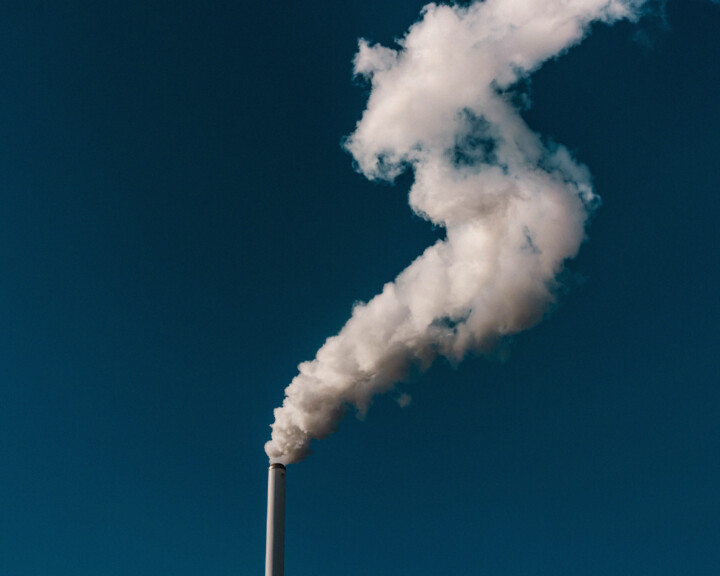
The feeling hit me again this week when I learned that Amsterdam implemented a ban on all fossil fuel advertisements as of May 1, making it the first capital city to prohibit the promotion of high-carbon lifestyles. That includes advertisements for meat, an industry whose five biggest producers account for more methane than the five largest oil and gas companies.
The ban’s impact has been immediate, ending ubiquitous advertisements for airlines, gas stations, and burger joints. The move comes as Amsterdam aspires to hit net-zero carbon pollution by 2050—a lofty goal requiring a significant decrease in fossil fuel reliance and halving the city’s meat consumption.
“The climate crisis is very urgent,” Anneke Veenhoff, a council member from the Netherlands’ GreenLeft Party, told the BBC. “I mean, if you want to be leading in climate policies and you rent out your walls to exactly the opposite, then what are you doing?
The concept in itself isn’t that complex. But it feels decades away from the current reality in the United States.
An investigation by The Guardian last week found that one advertising company called WPP spent $1 billion since 2015 on U.S. advertisements for some of the country’s top fossil fuel companies, including ExxonMobil, Chevron, Shell, and BP. The amount, largely spent on television and social media ads, would have been enough to take over every billboard in New York City’s Times Square every day for the last decade. As it turns out, the promotions may have violated the WPP’s own policy not to accept projects that may “frustrate” the goals of the Paris agreement.
This scale of advertising in the U.S. is nothing new. The American Petroleum Industry accounted for nearly half of the $1.4 billion spent on public relations and advertising by energy and trade associations between 2008 and 2018. During the Biden administration, U.S. advertisers—including Edelman, a top PR and ad firm for fossil fuel companies—faced scrutiny of their work with fossil fuel companies.
Not too long ago, it felt like the tides were turning. In 2022 and 2024, a slew of congressional oversight hearings on Capitol Hill revealed how the fossil fuel industry enlisted PR firms and advertising companies to “avoid accountability for climate change.” Many fossil fuel advertisements are still found to be deceptive, but any accountability for that industry fell by the wayside under the Trump administration. The industry today appears less worried about public perception and more focused on liability, as I wrote about last week with the recently introduced congressional shield law.
Meanwhile, American fossil fuel advertisements are still everywhere. They show up between friends’ reels on social media, on digital LED ribbon boards at Dodger Stadium, and splashed across full-page ads in The New York Times and within sponsored newsletters at Politico. Studies have found that the oil and gas industry relies heavily on native advertising in media outlets to spread its message. Such promotion also exists in less obvious ways, such as through influence at local newspapers, as is the case at a Richmond, California, newspaper that I previously reported is owned by Chevron.
But it doesn’t have to be this way—and Amsterdam proves it. Banning ads from this destructive industry can happen, or at least be a form of accountability for misleading advertisements, as we’ve seen happen in the United Kingdom.
It’s been half a century since the U.S. banned commercials for cigarettes because of mounting evidence linking them to heart disease and cancer. Since then, we’ve learned time and again of the life-threatening impacts of fossil fuel combustion. When will it be time to ban promotion of these products, as well?
Want me to look into The Understory of something? Send me an email!
Join our membership community. Support our work, receive a complimentary subscription to Atmos Magazine, and more.
We Banned Cigarette Ads. So Why Not Oil?