Photograph by RJ Sangosti / Getty Images
words by miranda green
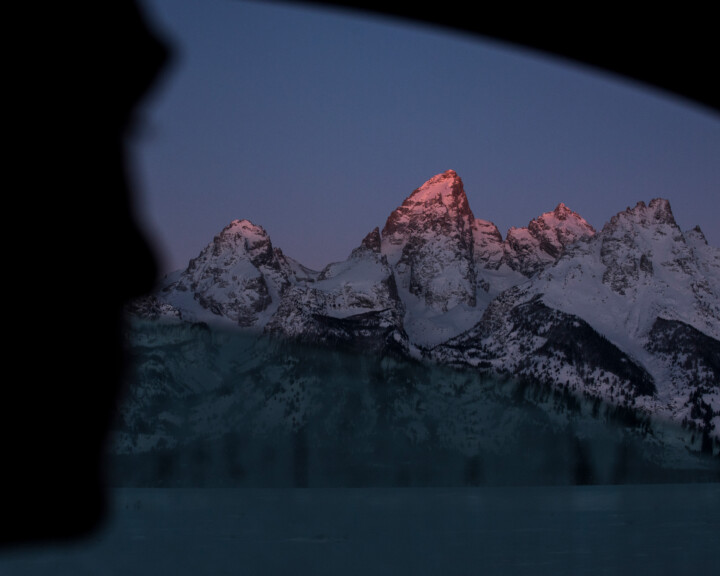
Snowglobes contained more powder than the mountains out west this winter. Below-average snowpack across the Cascade Range, Rockies, and the Sierra Nevada created an unprecedented “snow drought” that caused abnormally warm winter vacations and muddy ski runs. Those monitoring the Earth’s weather cycles saw it as a warning of what’s to come this summer.
And just as feared, as the ice began to melt, the snow drought began showing the signs of a traditional drought. Already in June, the data is showing a dire scenario.
The snow water equivalent—a measure of melted snow—set record lows in April across Arizona, Colorado, Idaho, Nevada, New Mexico, Oregon, Utah, and Wyoming. That’s already impacting water runoff into key tributaries and rivers. For example, the Colorado River Basin is forecast to produce less than 30% of its average runoff and experienced its warmest March on record; California’s river basins experienced their driest March on record.
Government agencies in May announced the water reservoir from snow melt as “already gone in many places.” And the drought isn’t limited to the West: Nearly 60% of the continental United States is experiencing moderate drought.
Regions in the South and Midwest have also been hit with extended episodes of dryness, which this past winter’s rainfall didn’t fully alleviate. Persistent drought stretching across Arkansas, Mississippi, and Louisiana is impacting cattle ranchers, farming, and recreational water supply.
The reality on the ground is so bad that the federal government is planning to hand out money through Biden’s capstone climate law, the Inflation Reduction Act. While the White House previously instructed agencies to claw back billions in spending earmarked under the law, the Interior Department is now extending contracts that paid out nearly $1.4 billion to farmers and ranchers who agree to follow climate-friendly practices, including water conservation.
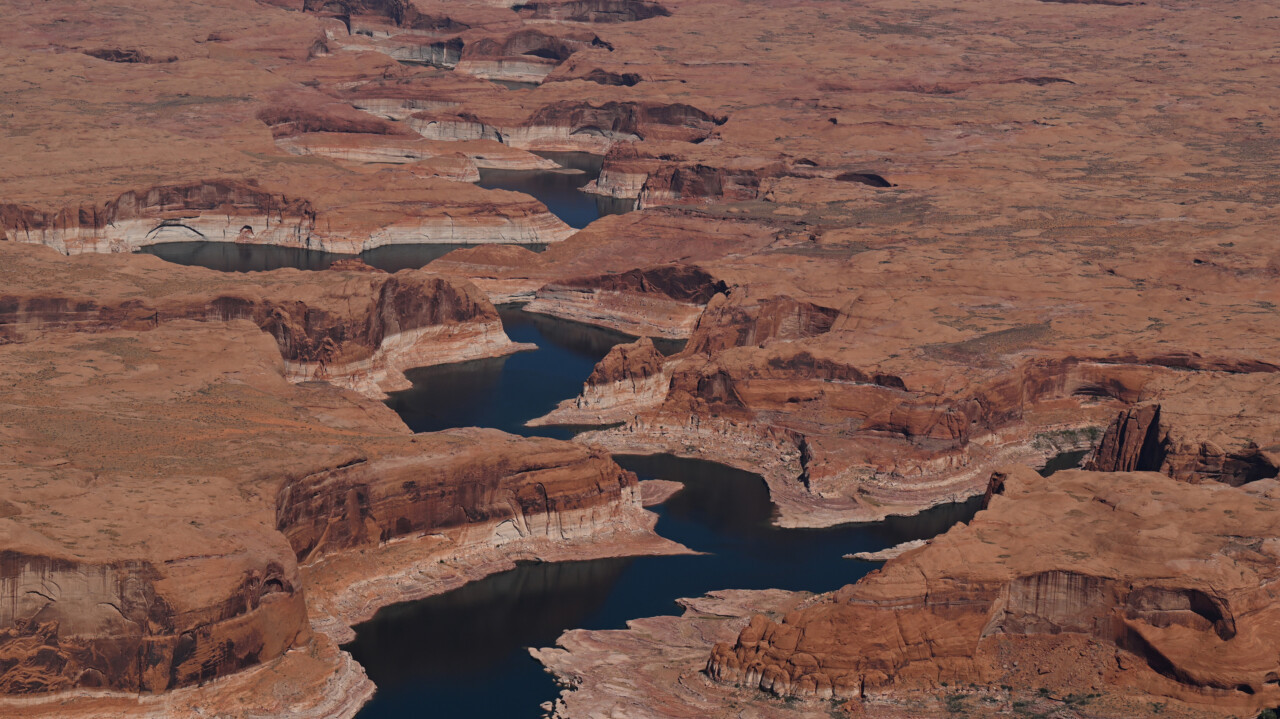
The Colorado River is the main source of water for 40 million people across seven states, including Colorado, California, and Arizona, as well as 30 Native American Nations and Mexico. To call the river’s water levels bad would be a grave understatement.
In the last 20 years, the river has lost about 27.8 million acre-feet of groundwater—roughly 14 million Olympic-sized swimming pools’ worth. The reason is largely attributed to over-pumping, but this year’s snow drought has exacerbated it.
A group of Colorado River experts released projections earlier this month that if next winter doesn’t replenish the water basin, and use continues at the current pace, such a drain would “risk a crash of the Basin’s water storage system,” and be “an outcome with devastating consequences.” As I wrote in last week’s newsletter, this year’s El Niño event could bring significant water to parched areas along the Pacific, but it will lead to increased heat elsewhere.
The Trump administration is aware of the reality facing the top agriculture sector in the U.S. In mid-May, the government proposed a water-conservation plan that could cut up to 40% of the current water supplies to Arizona, California, and Nevada. It would be an astonishing hit to the agriculture and ranching industries, but some say the main way to mitigate the drought is to curb overall water use. Because the Colorado River’s water flows south, Arizona is anticipated to witness the brunt of the cuts. The 10-year plan is supposed to be finalized this month.
In the meantime, all three states have already announced their own proposal for voluntary water reductions of up to 3.2 million acre-feet through 2028. It’s resulting in some wheeling and dealing, as well as some creative climate solutions.
San Diego is working on a deal with Arizona and Nevada that would exchange some water claims the city holds to the Colorado River for an investment in its desalination plant, which, in recent years, led to a water surplus for the county but racked up debt for the water utility. Another water project is underway in Los Angeles that aims to convert sewage water into drinking water for 500,000 homes at a cost of $3.4 billion.
The scarcity of water and growing dryness across the country are teeing up a likely brutal fire season.
“I think this is going to be the year,” Timothy Ingalsbee, co-founder and executive director of Firefighters United for Safety, Ethics, and Ecology, told Inside Climate News. “The conditions are just ripe for some really bad outcomes.”
As of Tuesday, more than 2.5 million acres have burned nationwide, according to the National Interagency Fire Center. That’s nearly double the annual average between 2016 and 2025. And there’s serious concern that the federal government is ill-equipped to handle the fire season ahead. Last year, the White House proposed cutting the Forest Service’s 2026 fiscal budget by 65%. The move was largely rejected by Congress.
Trump has long pushed for increased logging as a fire management tool, and this season will put that theory to the test. Experts warn that industrial-scale logging can’t significantly reduce wildfire threats.
“The type of drought we’re seeing this year across the West is a glimpse into the future,” Erica Fleishman, director of the Oregon Climate Change Research Institute at Oregon State University, told Bloomberg Law. “Thinning and logging forests—that’s not going to control wildfires.”
Last June, the White House released an executive order directing the secretary of agriculture and secretary of the interior to consolidate their wildland fire efforts. The mandate resulted in the announcement of a new Wildland Fire Service launched this January. But in March, the agency announced a major reorganization of the Forest Service altogether, including moving the agency’s headquarters from D.C. to Utah. Previous headquarters moves under Trump have led to significant layoffs and resignations. Congressional Democrats called the proposed relocation “part of a familiar Republican playbook.”
Three days after the announced relocation of the Forest Service this spring, the White House’s 2027 budget proposed allocating $0 for Forest Service research, down from $309 million the year before.
Want me to look into The Understory of something? Send me an email!
Join our membership community. Support our work, receive a complimentary subscription to Atmos Magazine, and more.
The Winter’s Snow Drought Is Now a Full-Blown Water Crisis