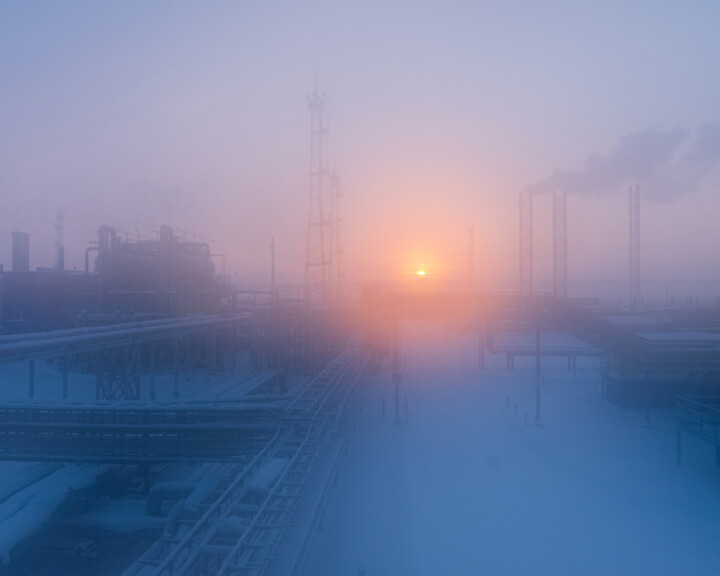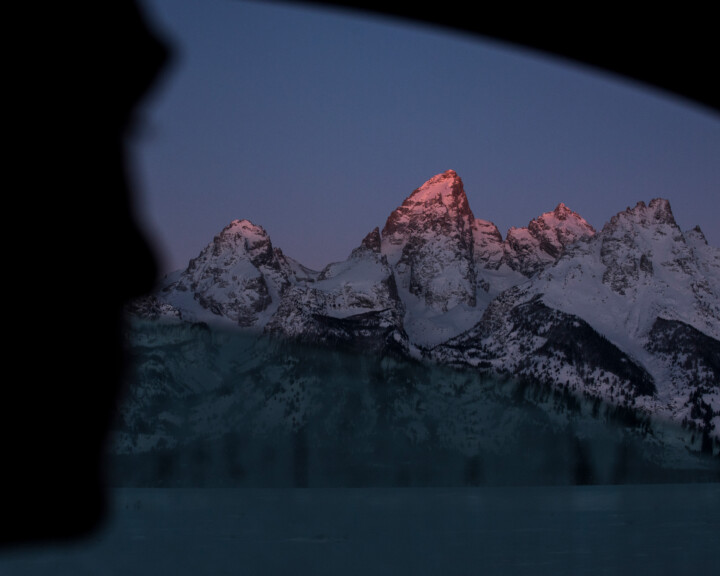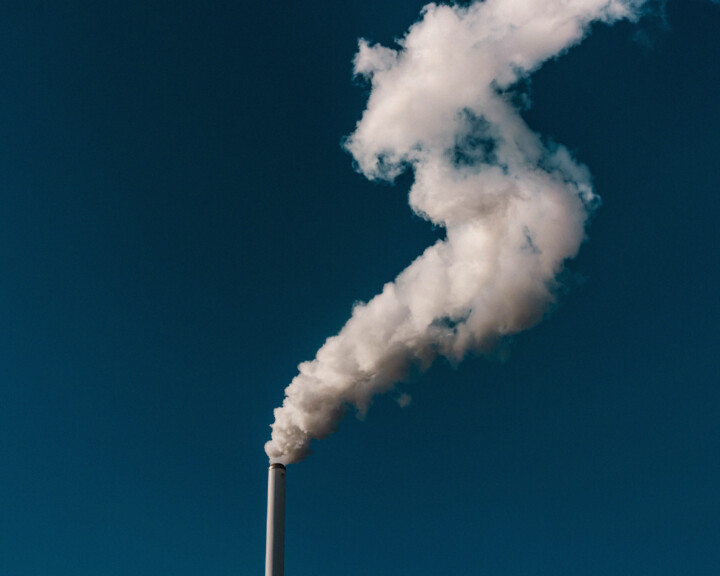
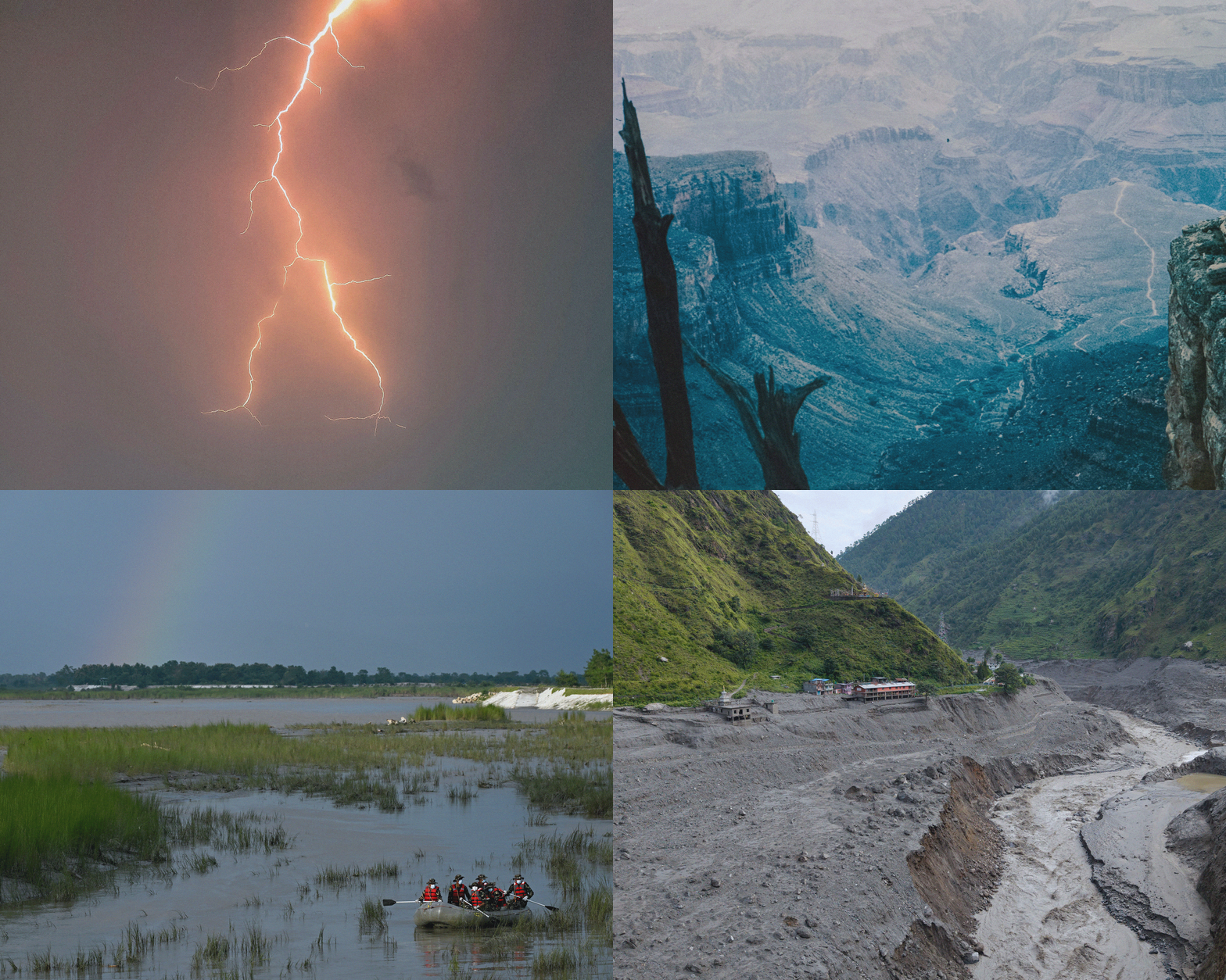
Photographs by Remi Clinton / Unsplash, Annie Spratt / Unsplash, Prakash Mathema / Getty Images, Prabin Ranabhat / Getty Images
words by miranda green
Two deadly disasters struck two different landscapes last week in eerily similar ways.
First, a flood on August 26 struck one of the world’s most dramatic landscapes: the Himalayan valley along the Nepal-Tibet border. A colossal debris flow tore through towns and hydropower plants, killing more than 1,000 people. Thousands remain missing. Horrifying videos taken by passersby and security cameras showed a slow-moving wall of water and mud pouring into communities, rising to rooftops, and carrying away entire buildings. In some places, river levels rose around 30 feet in 30 minutes.
The second disaster happened over the weekend in the Grand Canyon. Arizona’s sunny skies gave way to clouds that poured up to 1 inch of rain in 30 minutes. The water pummeled the national park’s parched August landscape, poured down a recent burn scar, and filled up the depleted Colorado River much too quickly. The result was a flash flood so powerful it ripped away nearly all footbridges in Bright Angel Campground, one of the canyon’s most popular camping sites. It also severely damaged a major water line. As of now, two have been confirmed killed, and one person remains missing.
Both events were devastating in their abruptness. And in their wake, reporters and experts attempted to assign blame to various causes: a deadly combination of glacial melting, drought, or heat. Some coverage pointed to another deeper cause: climate change.
Headlines about the Nepal disaster read:
“Nepal Flood Disaster Sparks Concern over Glacier-Related Events Amid Climate Change” (ABC)
“Nepal’s Glacial Collapse Foreshadowed a Future of Climate Disaster” (The Guardian)
Foreign Policy was even more definitive: “Nepal Pays the Price for Climate Change.”
Coverage of flooding in the Grand Canyon was less overt in making a 1:1 connection to climate change. Reports instead pointed to this year’s El Niño as the likely culprit, while acknowledging the weather pattern is worsened by climate change.
The Independent’s coverage read: “El Niño’s effects combined with a marine heat wave, worsened by human-caused climate change, helped contribute to the flooding.”
So when is it fair to say a disaster was definitively caused by climate change, rather than indirectly shaped by it?
In Nepal, scientists moved quickly to determine the cause of the disaster. Leading natural-hazard researchers created a Slack channel that grew to more than 85 scientists, according to Science. After analyzing seismic reports, satellite imagery, and weather data, they concluded that a massive landslide swept glacier ice into the valley, unleashing a torrent of water, rock, and mud. One scientist said the impact released more energy than the atomic bomb dropped on Hiroshima; another described it as 10 times larger than the 2021 Chamoli disaster in India that killed more than 200 people and damaged two hydropower plants.
Landslides have occurred in the Himalayas for as long as the mountains have existed. But climate change is also causing warming temperatures that melt glaciers and thaw permafrost, the latter of which helps bind rock and ice together. Researchers believe that could be making landslides more frequent in places where glaciers are disappearing, contributing to disasters like Nepal’s. But that is not the same thing as saying this particular collapse was directly caused by climate change.
Attribution researchers try to answer those questions by examining whether climate change altered an event’s likelihood or severity. Using advanced statistical tools, scientists run climate models with and without human-induced greenhouse gases to separate natural variability from human causation. These models are applied across extreme weather events and natural disasters. The evidence is stronger for some disasters than others: Nearly every study of extreme heat has found a human influence, according to the Royal Meteorological Society, while findings are more mixed for drought and extreme rainfall and less clear for tropical storms. As NOAA has explained, attribution is not a weather “blame as game”—it’s an effort to distinguish the influence of global warming from natural variability.
Accurately identifying where climate change played a role in extreme weather events and natural disasters can help provide essential context for people’s understanding of why these events happen—and how they may be connected. For example, the Colorado River is not shrinking simply because it is August, but because the West is enduring a megadrought intensified by rising temperatures and declining snowpack thanks to rising greenhouse gas emissions.
Yet I’ve increasingly wondered, as the causality between intensifying disasters and climate change becomes clearer and is used more frequently, does such labeling begin to feel too simple—or too alarmist? And importantly: Have people stopped listening?
Aside from climate policy, I write a lot about disinformation. Critics argue that the words “misinformation” and “disinformation” have lost meaning through overuse. The labels on their own ask readers to accept a reporter’s characterization in good faith. I wonder whether the same thing is happening with climate change.
Not too long ago, climate change and global warming were essentially treated as taboo terms in news coverage. Stories about greenhouse gases gave equal coverage to views denying the basic science of planetary warming. Eventually, news organizations recognized this wasn’t fair, or accurate framing: Science should speak for itself. To accurately describe what emissions are doing to the planet, reporters and outlets began calling climate change by name.
But that opened the door to a reverse framing from President Donald Trump and those in his orbit: If everything is climate change, they argue, then climate change must be an overblown—or nonexistent—explanation for ordinary weather.
Trump has used that argument to justify policy. At the United Nations last year, he called climate change “the greatest con job ever perpetrated on the world.” His administration has since dismissed contributors to the National Climate Assessment, dismantled federal climate research programs, and eliminated the EPA’s 2009 finding that greenhouse gases endanger public health—the legal foundation for federal limits on climate pollution from vehicles.
This skepticism is also embedded in the government’s own climate apparatus. As I previously reported, Matthew Wielicki, Trump’s appointee to oversee the National Climate Assessment, wrote on X: “If every extreme weather event ends up being attributed to climate change in one way or another, is it really attribution science … or just confirmation bias dressed up as science?”
“A hypothesis that can explain everything risks explaining nothing,” he added.
I have seen similar criticism beneath articles I wrote. My conversation with climatologist Daniel Swain, which led to last week’s newsletter, drummed up plenty of it. Climate skeptics online pointed to his job as proof that he has a financial incentive to connect everything to climate change.
Yet in our hour-long conversation, Swain went to great lengths to distinguish fact from fiction, possibility from probability, and probability from a sure thing. I found him to be the opposite of dramatic, and got the impression he actually considered media headlines—not scientists—most alarmist.
One commenter on a recent LinkedIn post suggested that climate advocacy has shifted from predictions about future climate catastrophe to interpreting present-day weather as evidence of climate catastrophe, writing, “Weather Is the New Climate Catastrophe: The new boss is weather. The old boss was climate—same shop.”
I take part of this criticism to heart. As journalists, my peers and I should push to report on climate change in palpable, tangible ways: in crops lost, homes flooded, electricity bills driven higher by summer heat and the changing odds that a disaster will strike. Causality is just one part of a much bigger story desperate to be told. But we also need to be vigilant about getting the story right—even if that means waiting on evidence or completed attribution modeling. Every time we jump to conclusions before the science is caught up, we’re muddying the cause.
As for the Nepal-Tibet flood, researchers determined a landslide set the disaster in motion. That does not mean climate change was irrelevant.
“Landslides have been occurring as long as the mountains have been building,” Göran Ekström, a seismologist at Columbia University’s Lamont-Doherty Earth Observatory, told Science. But “in areas where glaciers are disappearing, these landslides are occurring more frequently.”
That answer is less tidy than a headline. It is also far more useful.
Want me to look into The Understory of something? Send me an email!
Join our membership community. Support our work, receive a complimentary subscription to Atmos Magazine, and more.
Who Decides What Climate Change Caused?