Photograph by Guy Fattal / Stills
words by miranda green
Yellowstone became the country’s first national park in large part because of its natural wonders.
In 1871, Congress sent an expedition of 34 men and seven covered wagons to journey through the rugged terrain between Wyoming, Montana, and Idaho—at the time among the last unexplored regions of the contiguous United States.
Leading the journey was Ferdinand V. Hayden, head of the U.S. Geological and Geographical Survey of the Territories. Among those traveling with him were a mineralogist, a topographer, two artists, and a photographer to document the landscape. The group found itself surrounded by a plethora of unique ecosystems, rainbow-hued springs, and geysers. One geyser, found on another expedition the year prior, spewed boiling water and steam so consistently that it earned the moniker “Old Faithful.” Hayden’s report to the Senate spanned more than 500 pages and was submitted alongside paintings, photographs, and sketches of the region. Congress responded by passing the Yellowstone National Park Protection Act, designed to keep the region free from private development and commercial exploitation.
President Ulysses S. Grant signed the bill into law and dedicated Yellowstone as a “pleasuring ground for the benefit and enjoyment of the people.” Today, 63 national parks exist for wildlife conservation and public use.
But more than 150 years after Grant established the more than 2-million-acre Yellowstone National Park, these public lands face myriad threats from the 47th president.
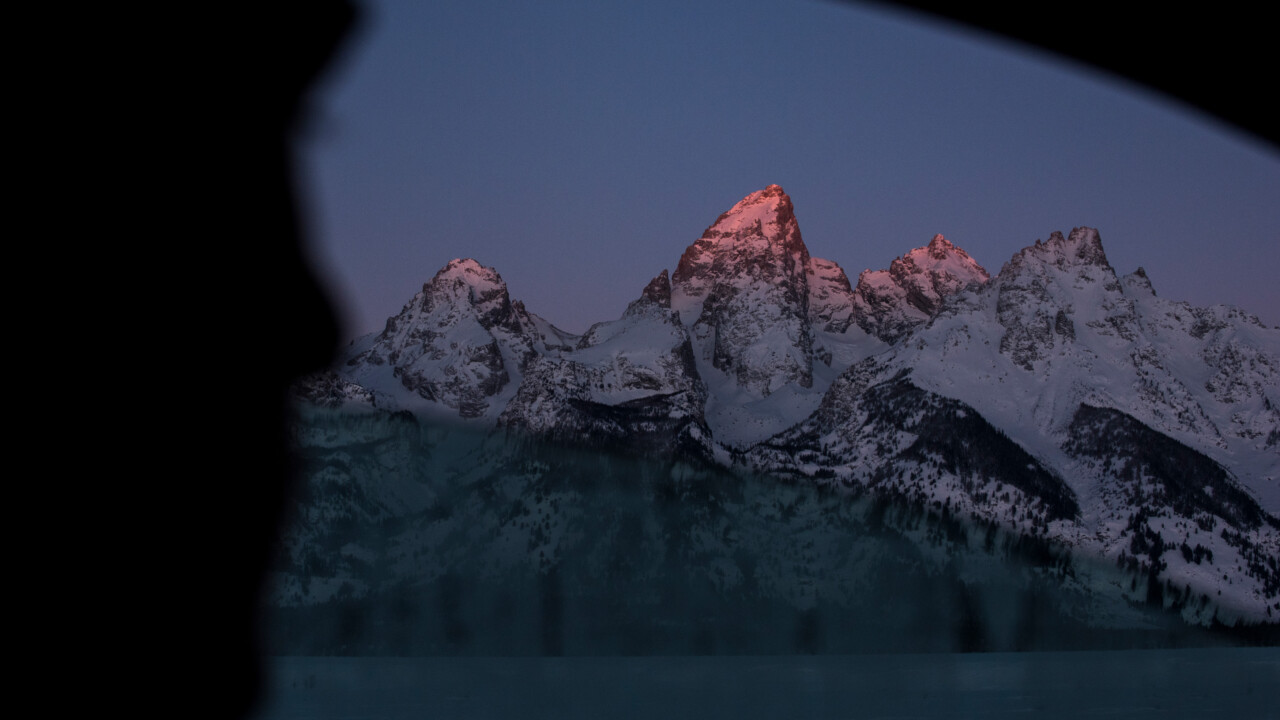
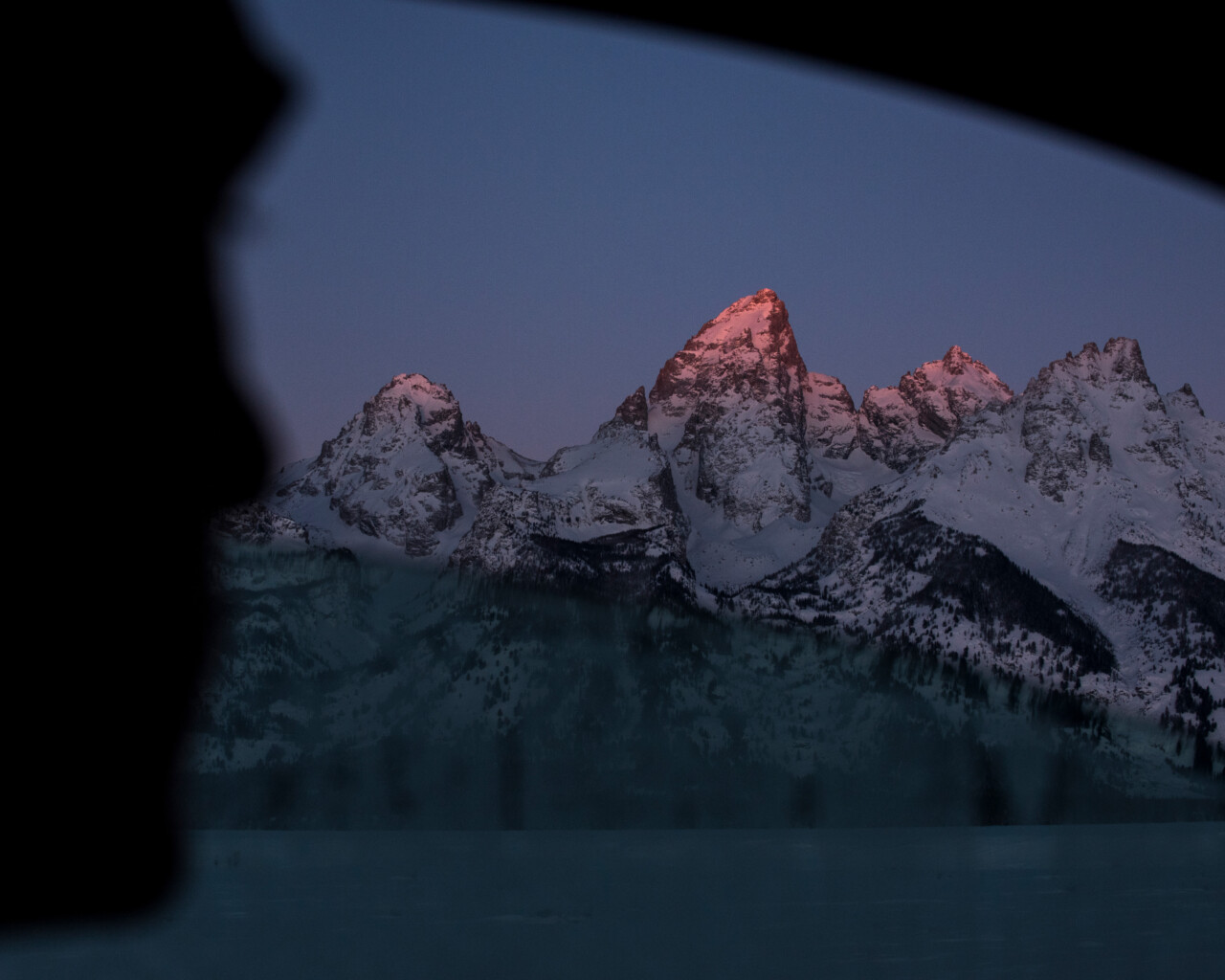
Earlier this week, The Washington Post revealed that the Trump administration is considering a proposal from Major League Baseball to host a game in Grand Teton National Park in Wyoming’s Jackson Hole valley, which would require constructing a baseball park for the event. The area includes numerous lakes and remains of old settlers’ cabins. It’s also home to diverse wildlife, including bears, moose, and bison.
The MLB news comes just a month after it was revealed that White House officials were also in discussions with a private land developer interested in acquiring property in Yosemite to build a driveway for a resort.
The Trump administration teamed up with commercialized sporting events in the past to allow them access to governmentally controlled property. In August, officials shut down roads around the National Mall for an IndyCar event called the Freedom 250 Grand Prix. And don’t forget the UFC cage match that was built and broadcast on the White House lawn for Trump’s 80th birthday.
If the MLB plan moves ahead, it would require substantial infrastructure: A baseball park needs a diamond, stands, and lots and lots of parking.
The National Park Service’s mandate since its creation in 1916 has been “to conserve the scenery and the natural and historic objects and the wild life therein and to provide for the enjoyment of the same in such manner and by such means as will leave them unimpaired for the enjoyment of future generations.”
But alongside public preservation, parks have always also been used for certain private, commercial, and philanthropic interests. Early on, dominionism gave colonizers a sense of entitlement to forcefully move Native Americans off ancestral lands, log ancient forests in the Pacific Northwest, and decimate ecosystems while drilling for oil. Uranium was mined in the Grand Canyon in the ’50s, and 534 active oil and gas wells operate today across 12 units of the National Park System. Yet today, just a small contingency—fewer than 5%—composed of extractive industry execs, ranchers, and small-government conservatives continues to oppose protections of our parks system at the federal level.
Despite the overwhelming public support for national parks, Trump has worked since his first term to remove longstanding protections on public lands. He suggested slashing park service staff budgets, ending park contracts, and removing signs about climate change—all while allowing industry new opportunities to lease public land.
The Interior Department in January issued orders to expand hunting and fishing opportunities at national parks and wildlife refuges where such activities were previously banned. In July, Trump reduced the size of Bears Ears and Grand Staircase-Escalante National Monuments by about 90%. He removed protections on marine monuments in the Pacific this summer, opening the door to controversial deep-sea mining of rare earth minerals. Earlier this month, the administration moved to get rid of a core component of the Endangered Species Act and supported delisting gray wolves. Meanwhile, Customs and Border Patrol commissioned the construction of a wall across Big Bend National Park at the U.S.-Mexico border, despite bipartisan pushback and ecosystem concerns.
Despite putting his own face on national park passes, Trump is proving to be no Ulysses S. Grant. Instead, Trump’s legacy is shaping up to be that of a true businessman, made up of commands to plow public lands for commercial use, in some cases, despite potential environmental toll. Taken together, the changes are cumulative and cohesive. They equate to fewer protections, fewer protectors, fewer species, and fewer acres of public land for everyone to enjoy. Meanwhile, a groundswell of opposition from conservation, historical, legal, and scientific organizations—not to mention the public—grows.
As the Resistance Rangers, a group of retired, fired, and off-duty park service rangers, so aptly put it: National parks are meant for everyone.
They’re not just for the highest bidders.
Join our membership community. Support our work, receive a complimentary subscription to Atmos Magazine, and more.
Baseball Over Bison? How Trump Favors Corporations on Public Lands