








Words by Oliver Milman
Photographs by Mengyu Zhou and Jack Newton
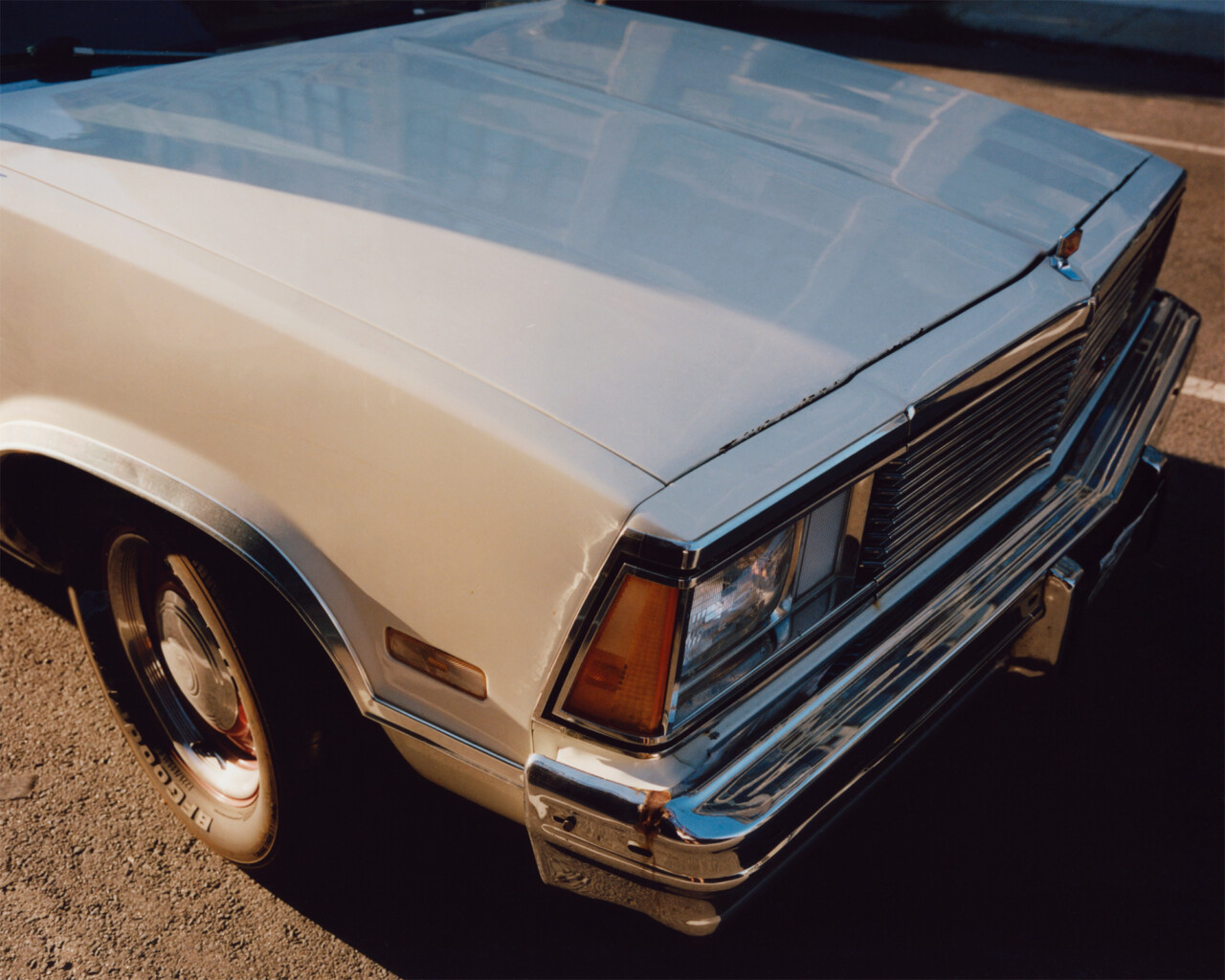
When it comes to cars, American exceptionalism is large, loud, and gassy. While much of the rest of the world is racing toward electric vehicles, the United States is driving down a very different road—one clogged with gasoline-devouring pickup trucks and oversized SUVs.
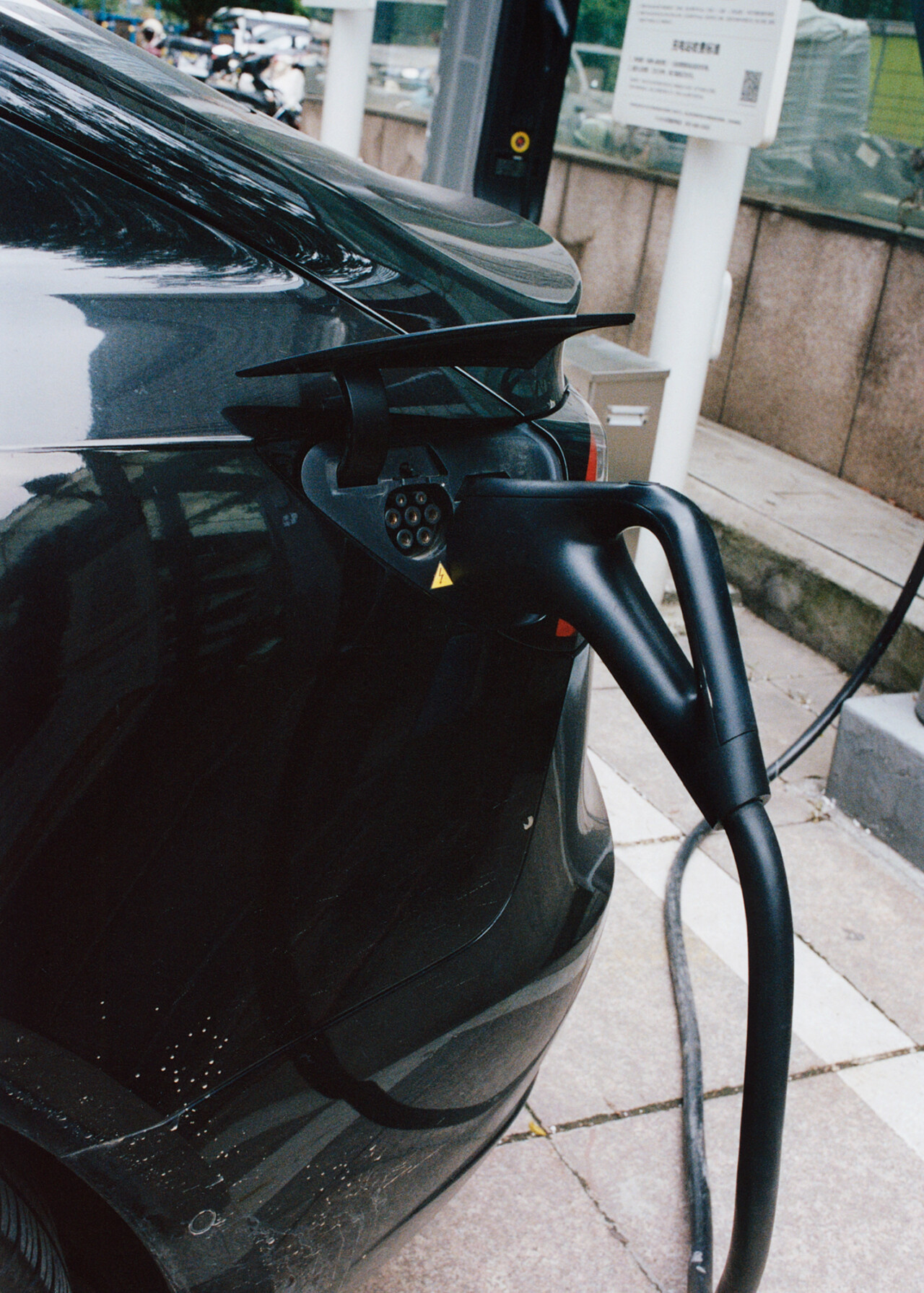
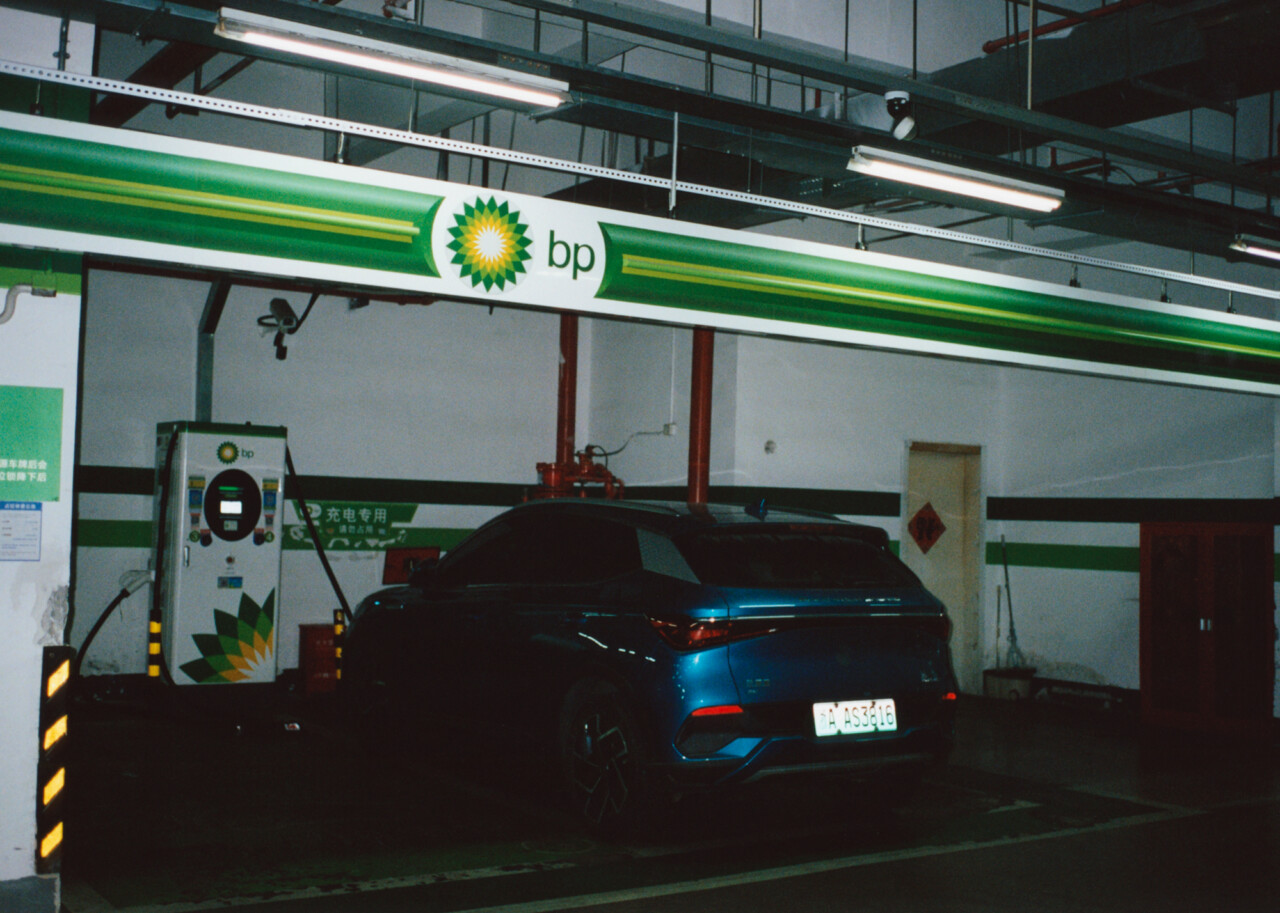
One in four cars sold globally last year was electric, setting a new record. This year, that share is set to be one-third. China is fast-becoming the home of electric mobility, with more than half of new cars sold in 2025 carrying a large battery instead of a fuel tank. In other countries, gasoline vehicles are already starting to look like outmoded relics—something closer to a Sony Walkman than an iPhone. In January, just seven gas-powered cars were sold in the whole of Norway.
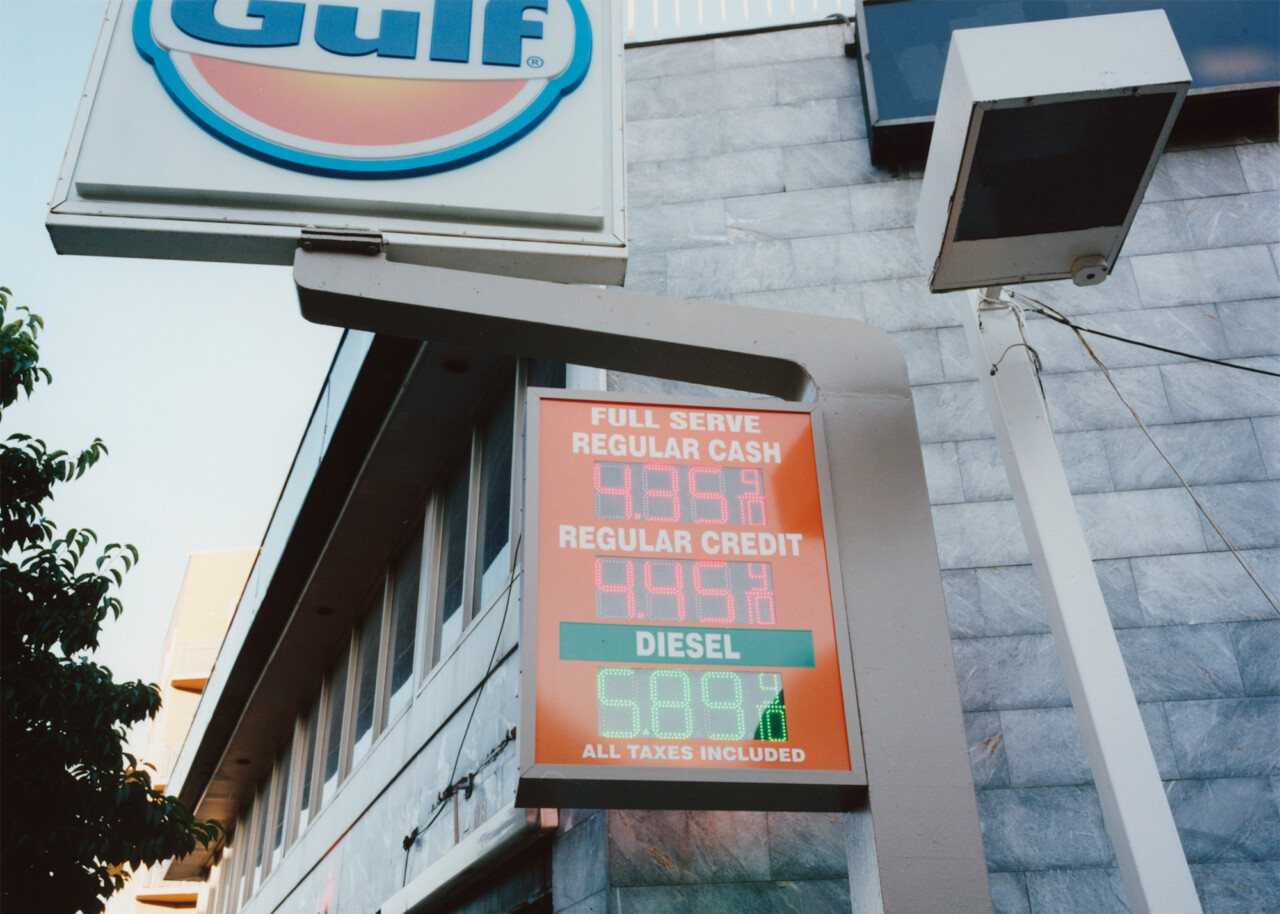
And it’s not just Europe and China. In countries as varied as Brazil, Mexico, and Thailand, electric car sales are exploding. Soaring oil costs, driven higher by the U.S. and Israel’s attack on Iran, and the latter’s subsequent closure of the Strait of Hormuz, have only added urgency to this transition. “I want everything to be electric,” Indonesia’s president, Prabowo Subianto, vowed while outlining a plan to phase out gas-powered cars entirely.
But in the U.S., the EV revolution has stalled. Sales of new electric cars actually fell last year, driven by high prices and by the political turn under Donald Trump’s administration that rolled back climate and fuel-efficiency rules, scrapped a tax credit for new EV buyers, and embraced a broader pro-fossil-fuel agenda, summed up by the slogan “drill, baby, drill.” Automakers took the hint: Ford, General Motors, Honda, and Volvo all scaled back or scrapped electric car models and related manufacturing plants.
“I’m concerned,” said Loren McDonald, an electric car analyst and chief executive of Chargeonomics. “The auto makers just don’t have a long-term vision to say they are going electric; the plan seems to be huge gas-guzzling trucks because they sell well and have massive margins. I hate to compare this situation to what happened with Blackberry and Kodak. But the concern is that we will give yet another industry to China.”
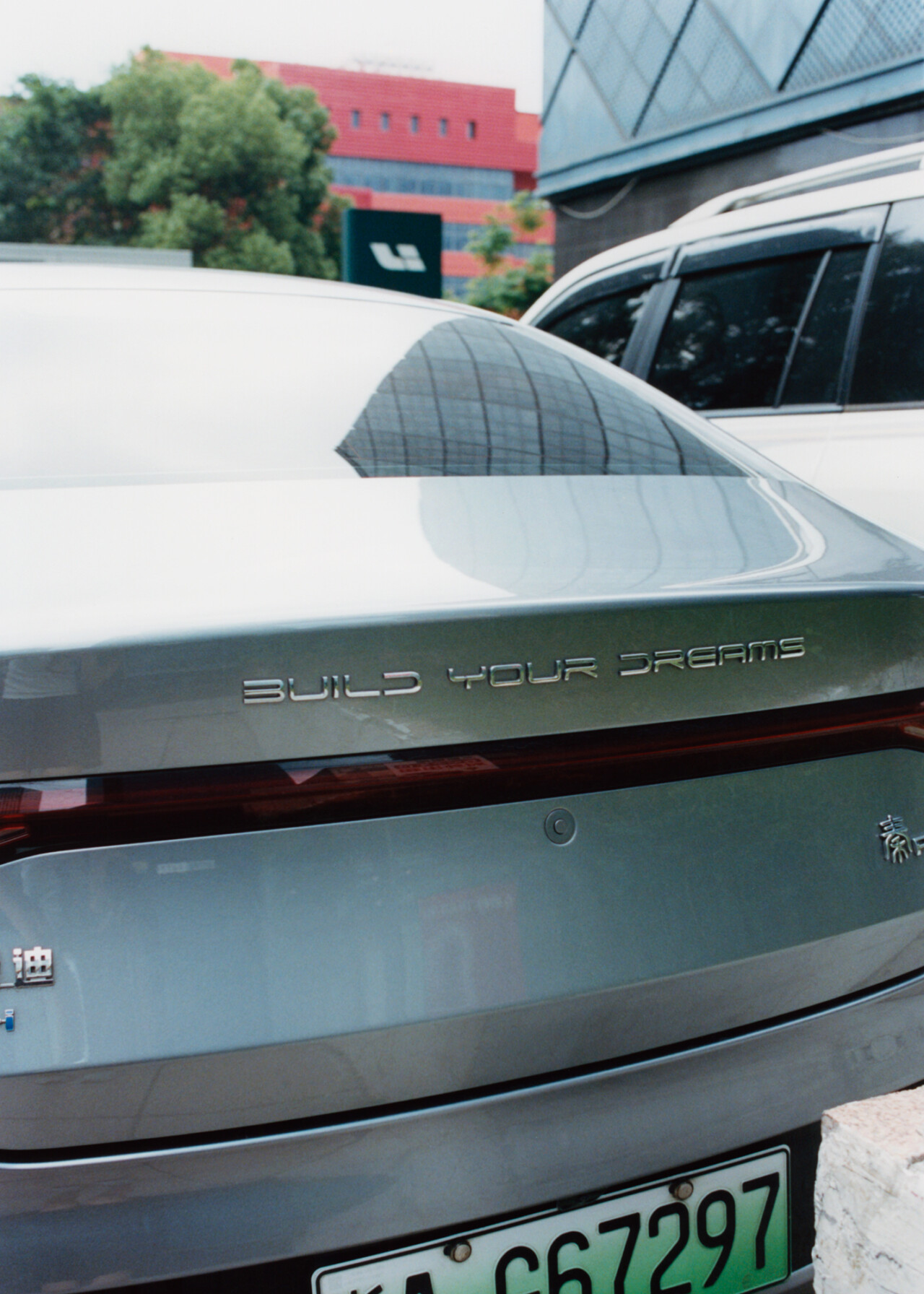
China’s growing dominance in EVs came into sharper focus earlier this year, when Shenzhen-based BYD—short for Build Your Dreams—overtook Tesla to become the world’s largest EV seller. Its cars are already on the streets in Mexico and, following a recent trade deal, to a limited extent in Canada. The U.S. increasingly finds itself surrounded by a world going electric, and often doing so cheaply. In China, BYD’s Seagull model sells for $7,800, albeit heavily subsidized. In the U.S., the cheapest EV on the market, the Chevy Bolt, starts at around $29,000.
That gap has sharpened a fear inside the American auto industry that goes beyond simple competition. “The U.S. auto industry risks retreating to a ‘fortress America,’ concentrating on profitable ICE [internal combustion engine] vehicles at home while EV technology evolves rapidly,” the Information Technology and Innovation Foundation, a nonprofit public policy think tank, warned. “Imagine a nation where we depend on China for our autos. That’s not acceptable.”
If that divergence persists, the U.S. could find itself in a position not unlike Cuba’s, climate scientist Zeke Hausfather suggested, clinging to outdated cars as the world moves on to cleaner, better alternatives.“It’s an extreme case, but it’s definitely possible,” he said. “If the rest of the world moves to electric and we don’t, we are going to be behind on the technology. It’s going to be very stark if you’re used to sleepy, quiet driving experiences in Europe and Asia, and then you come to the U.S. and it’s these roaring gas-guzzlers. The U.S. may end up a bit more Mad Max-y.”
The irony, he added, is that the “U.S. in many ways started the modern electric car movement with Tesla. And now we’re increasingly being left behind as the rest of the world actually adopts not just Teslas but electric cars in general.”
The gravity of this goes beyond consumer choice and air pollution emitted by gasoline and diesel cars; it plays a central role in our management of the climate crisis. In the U.S., transportation is the single-largest source of planet-heating gases. Powering cars, planes, and ships with fossil fuels is geopolitically fraught and helps to drive the planet deeper into dangerous territory.
“We can build all the wind and solar we want, but we’re still not going to be able to cut most of the emissions in our economy,” said Hausfather. “Electrifying the other sectors, starting with transportation but also buildings and heating and cooling, is also going to be pretty essential.” And the transition has to start quickly. Cars stay on the road for years, even decades, after they are bought. “There really is a bit of delay between when you start moving that sector and when you actually turn over the capital in that sector,” he said.
That urgency, however, is not necessarily shared by American automakers, given their current windfall from the U.S. appetite for large vehicles and long-distance driving. Both remain more lucrative than an electric lineup that is generally smaller and still burdened by concerns over a patchy charging network. Letting Chinese EVs into the U.S. would scramble that equation, a prospect that unnerves automotive executives and their political allies in Washington. “The only thing that terrifies me is BYD,” Don Beyer, a Democratic congressman whose family had a car dealership before he entered politics, said at a May event. “The fact that it’s so inexpensive would destroy every other car company’s investment in electric vehicles.”
So far, the industry has largely gotten what it wants. With bipartisan support, automakers successfully pushed Trump to uphold the 100% tariffs on Chinese vehicles, effectively barring them from the American market. Even so, industry leaders remain uneasy because while the likes of BYD and fellow Chinese automaker Geely can be cheap, they are not necessarily bad.
“It’s the most humbling thing I have ever seen,” Ford CEO Jim Farley said last year of his trips to China, where he inspected the country’s EV market and praised the cars’ technological features and batteries. These vehicles pose an “existential threat” to U.S. car makers, he has argued, and should be kept out of the country because “there is no way this is a fair fight.”
China’s EV market has certainly benefited from state support. But some critics point out that American firms have long been coddled—and not always to the benefit of consumers. “The attitude is ‘fuck price and quality, buy American,’” said Clifford Winston, an economist at the Brookings Institution. “No one is really advocating for consumers. The reaction is always ‘If we let these firms in and compete and offer low-cost EVs, the state of Michigan will go bankrupt.’ But why not give Americans the options?”
“The U.S. in many ways started the modern electric car movement with Tesla. And now we’re increasingly being left behind as the rest of the world actually adopts not just Teslas but electric cars in general.”
Still, policy failure and corporate fear are not the full story. Americans have not yet embraced EVs at the pace seen elsewhere because many simply don’t want them, according to Stephanie Brinley, automotive analyst at S&P Global Mobility. The country’s sprawling geography, its preference for hulking vehicles, and its thin public charging network all make EVs a harder sell. “The U.S. isn’t fond of smaller vehicles, and there is concern from consumers that EVs won’t meet all of the work modes they want them to meet,” she said. “The use case just isn’t right, the infrastructure and education support isn’t there.”
Even Chinese brands, Brinley added, would not be as cheap in the U.S. as in China. And even if the prices fell, cultural and practical obstacles would remain. It will “take a lot of work,” she said. “I think we will see the U.S. having a mixed propulsion map for a longer time than other markets have,” she said. That means any full embrace of EVs in the U.S. will likely come slowly. But there are signs of movement. Around 30 new electric models are set to launch in the U.S. this year, from luxury offerings by Mercedes and BMW to more affordable options from Kia and Subaru.
Domestic automakers, meanwhile, are beginning to acknowledge the risk of being left behind. Ford, for example, put together a project team in Long Beach, California, to develop a low-cost electric pickup truck. A vehicle priced at $30,000 or less “probably would sell pretty well in the U.S. in part because we just have very, very few cars around that price point on the market today,” Hausfather said.
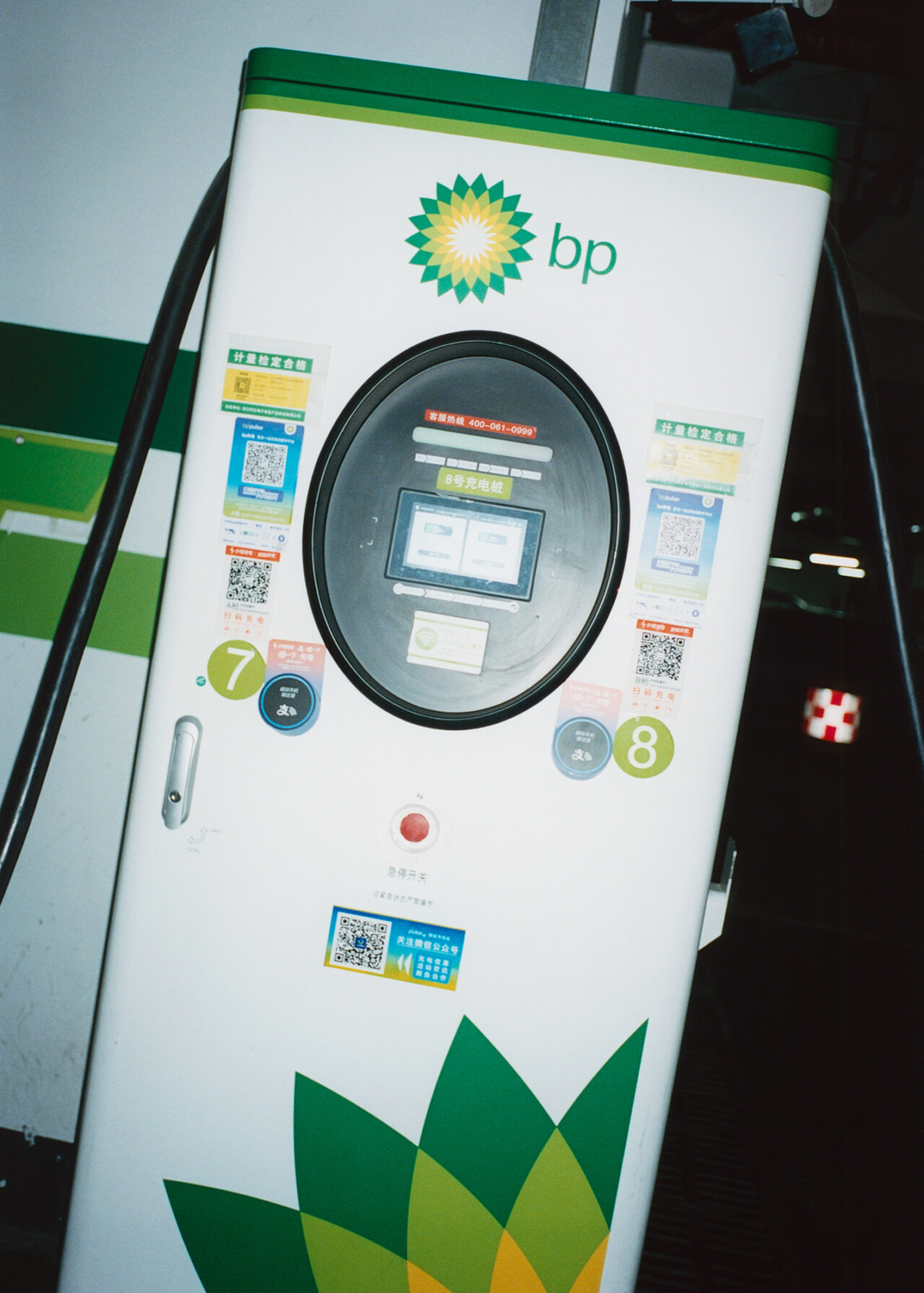
The used EV market is growing, too, giving cost-conscious drivers more options, while high gas prices have renewed interest in going electric. More funding is needed for charging infrastructure, but the technology itself is improving fast. Charging times are falling, while vehicle range is climbing, now reaching 350 to 400 miles in many cases. “I don’t think we will have to match the five minutes of filling a gas car—getting down to 10 to 15 minutes charging will work for most Americans, and we can get there,” McDonald said.
Seventeen states still offer incentives to purchase EVs. And while the federal government has slashed support, there are signs that its barrier to Chinese imports won’t last forever. “If they want to come in and build the plant and hire you and hire your friends and your neighbors, that’s great,” Trump said of Chinese EVs in a speech to the Detroit Economic Club in January. “I love that. Let China come in, let Japan come in. They are, and they’ll be building plants, but they’re using our labor.”
A joint venture-style arrangement that could eventually bring Chinese tech to American drivers was explored in talks between Ford and Geely this year, though no such deal has been confirmed. Still, the U.S. can only wall itself off from the world for so long. “The question of letting in Chinese automakers isn’t an if, it’s a when,” McDonald said. “Any American freaked out by Chinese vehicles should look around their house, look at Amazon—everything is made in China. The vehicle category is almost a last stand.”
Even so, he remains convinced that the U.S. will eventually catch up. “We will get there,” he said. “It might take us 10 years longer than parts of Europe. But we will get there.”
Join our membership community. Support our work, receive a complimentary subscription to Atmos Magazine, and more.
America Built the EV Dream. Now China Is Driving It.