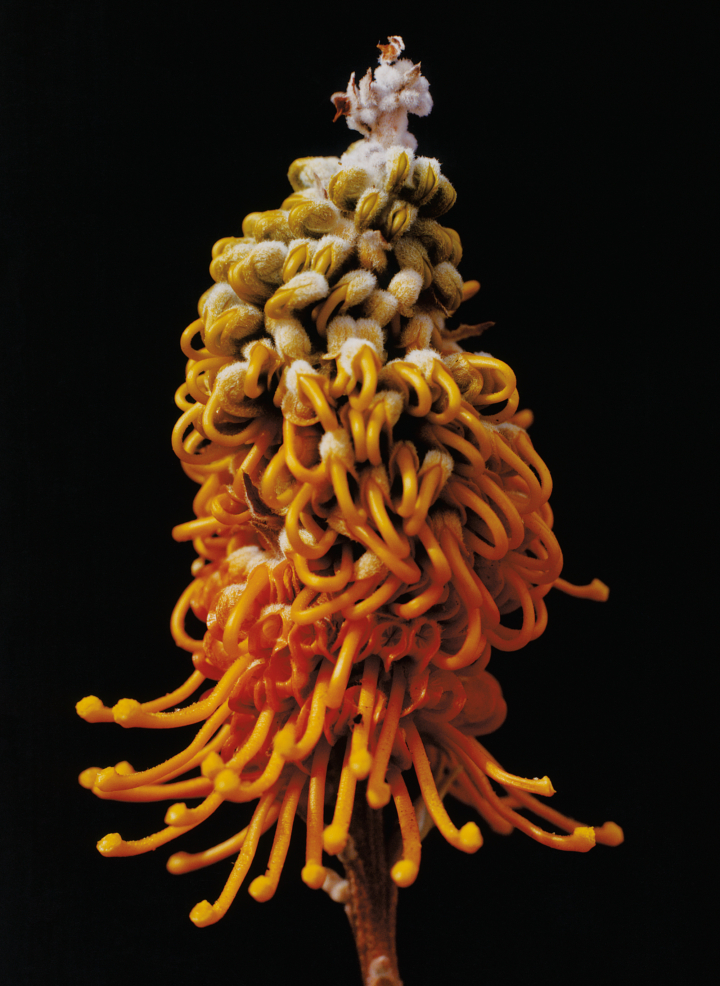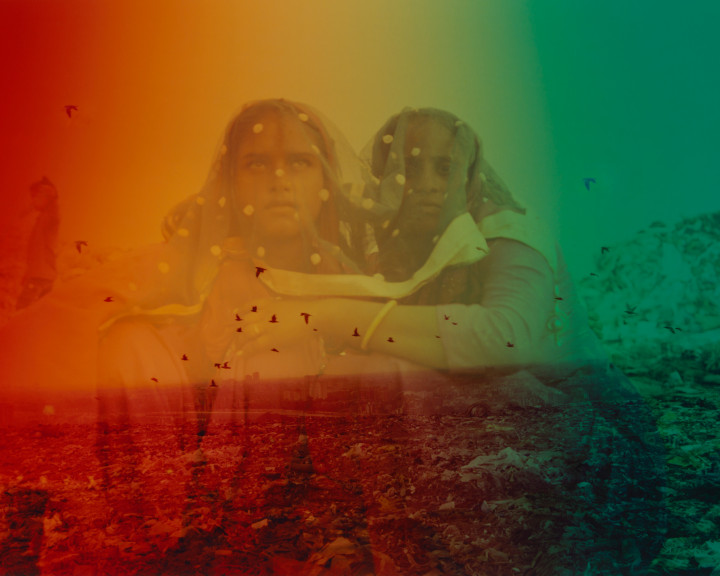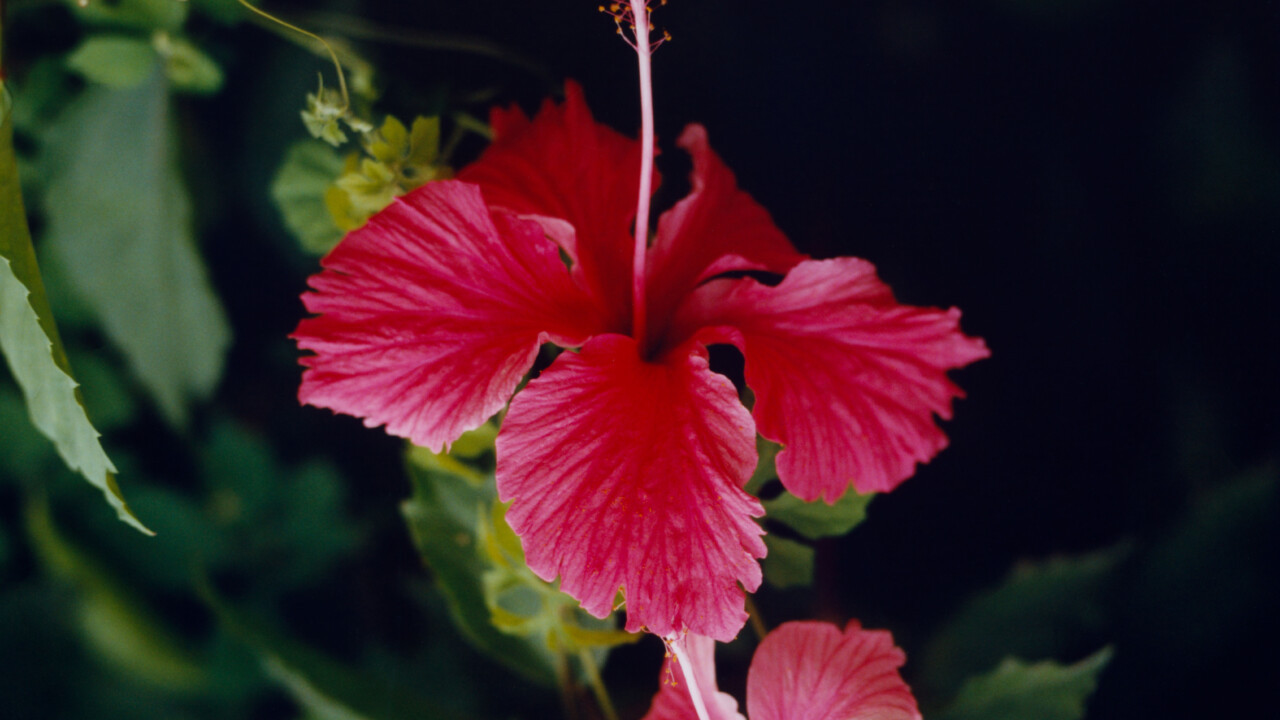
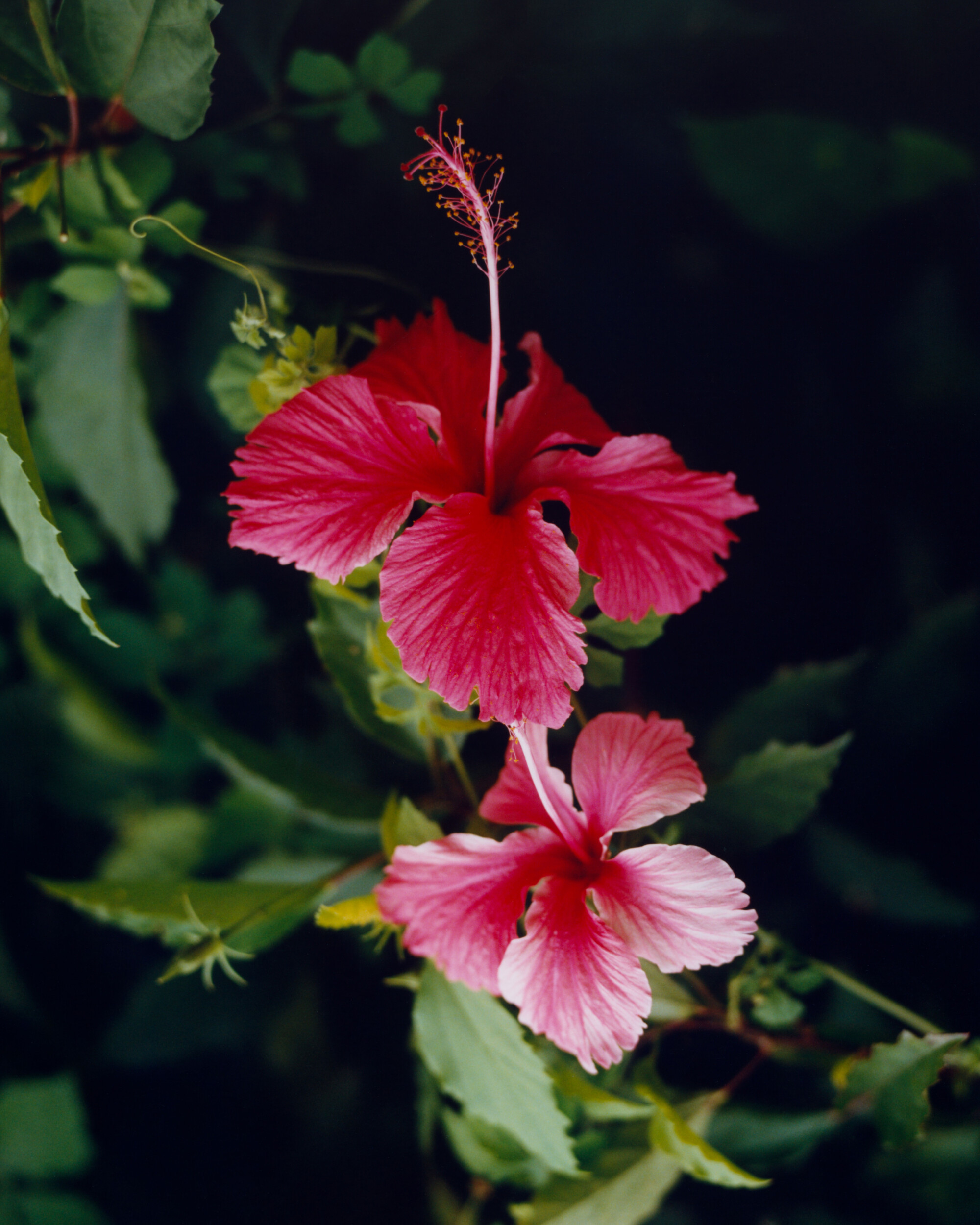
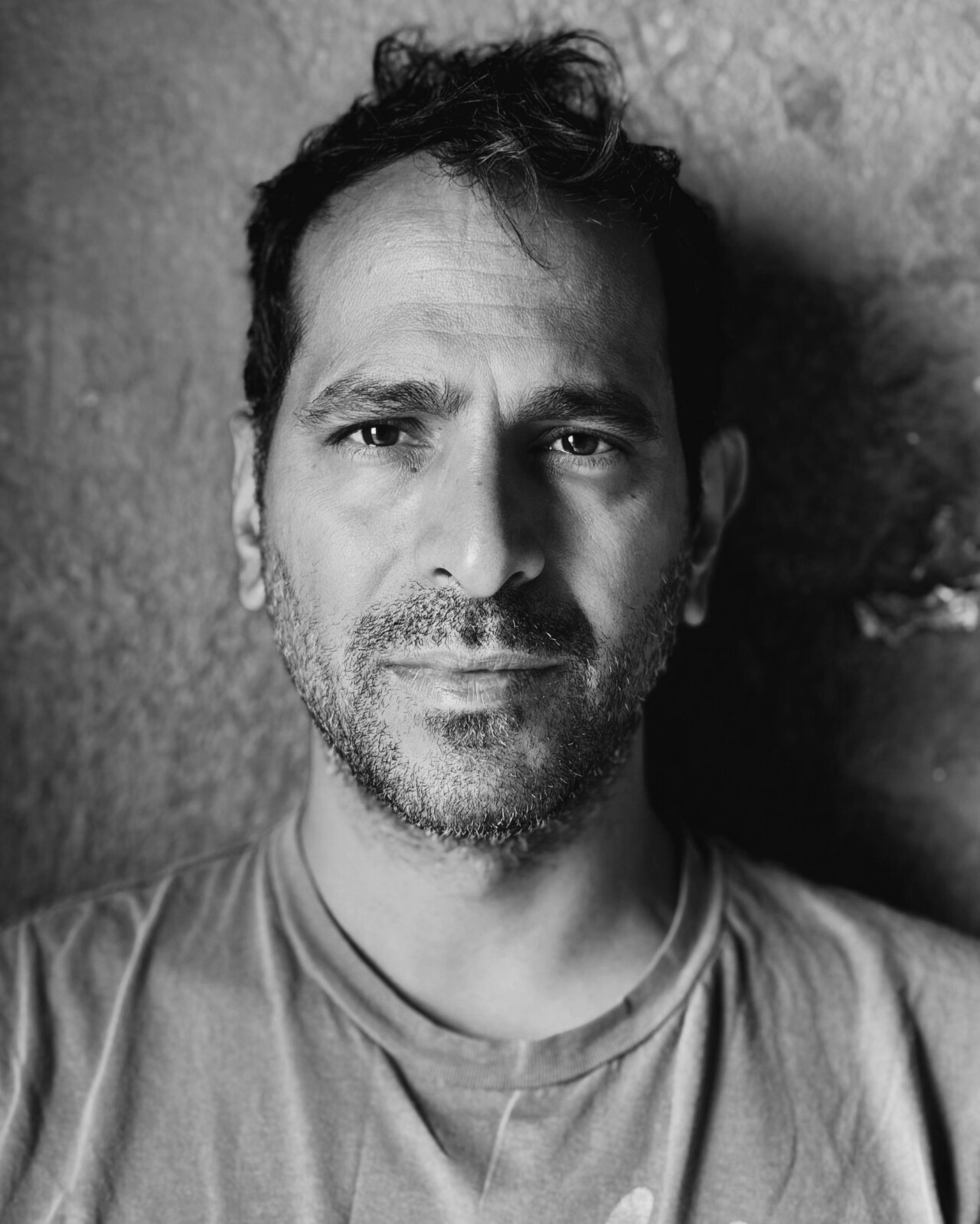
Photograph by Charles Negre
To never miss an episode of The Nature Of, be sure to follow here.
What does it mean for beauty to be part of ecology rather than separate from it? Willow sits down with Jorge Blanco, North America culture and creative director of Davines, for a conversation about regenerative organic agriculture, green chemistry, and the hidden systems behind the products we use every day. They explore how soil, science, farming, and haircare are deeply interconnected and what it means to move beyond sustainability toward regeneration. This conversation invites us to rethink what it means to care for ourselves and the Earth at the same time.
This episode was made possible by Davines. If you’re interested in learning more about Davines, check out Davines: For A Good Life.
Jorge Blanco is the global narrative storytelling and North America culture and creative director for Davines. For more than two decades, he has helped the brand pursue a deeply sustainable and cultural re-envisioning of beauty. Based in Brooklyn, he self-defines as a borderless global citizen and a perpetual victim of curiosity.
NARRATION
This episode of The Nature Of was made possible with support from Davines. When my hairstylist recommended that I switch to Davines a few years ago, I was delighted to discover that their products are not only transformative, but they also have green chemistry and regenerative agriculture baked in from soil to shelf.
We don’t often think of science and food as being connected to our haircare, but all of these systems are interlinked. And Davines celebrates every hand that goes into the elixirs that they create, from the farmers to the hairstylists who put them into practice. So for this week’s episode of The Nature Of, I’m doing something a little bit different and sitting down with Davines’ North America creative director, Jorge Blanco, to talk about what it means for a business to truly be regenerative today, and how nature can help turn beauty from something that is extractive to something that is a part of ecology.
WILLOW DEFEBAUGH
Jorge, welcome to The Nature Of. Thank you so much for being here.
JORGE BLANCO
Thank you for having me.
WILLOW
I think when we think about beauty, or we think about beauty as an industry, it’s something that is most often extractive. What does it mean to you to see beauty as an extension of ecology or something embedded in ecology?
JORGE
For us, I don’t think we really have an option of thinking any way but of having it as an extension of ecology. There’s a synchronicity that has to happen for us to feel that we’re doing beauty responsibly, and that synchronicity is based in the balance of ecology, a healthy state of that, and then its effect on the healthy state of humanity, and that’s the extension piece. So for us, it kind of has to be doing both things for it to be working in some way, shape, or form. And we’re constantly trying to calibrate that because it’s very difficult for it to work.
WILLOW
Right. And the brand has such strong roots in nature. It’s always been, in many ways, a very nature-focused company. Can you tell a little bit about the sort of origin, and how a relationship rooted in nature has always really been part of the company?
JORGE
The nature piece, I think it came a bit later, considering that the brand officially started in 1983. It’s a great, typical family story. The Bollati family of Parma, Italy, had an idea to start a brand. They did some packaging for other beauty companies for about 10 years. And then in ’92, Davines was born under the Davines logo for the first time. At that time period, and for many years, it was really a mom and pop shop, so to speak. Dad was kind of the sales guy. Mom was tinkering with products in a roughly 3,000-square-foot, let’s call it garage-type basement space. And the son and daughter, Davide and Stefania, were growing up. And by the way, from Davide and Stefania, you get Davines. People always ask, how is it pronounced?
WILLOW
There you go.
JORGE
There’s a lot of issues around the pronunciation, but yeah, Davide and Stefania, Davines. So it’s always been the—
WILLOW
Davines.
JORGE
Davines. Yeah. It’s always been this family brand to the core. But in those early days, the science was always very important, and very much to Davide. And we didn’t know how to make science work at the time with a natural element. So we just referred to, let’s try to use nature and science to create something that is high-performing.
But again, we were a small brand. There was no large acquisition or investment that propelled us forward very quickly. It grew, and it remains growing extremely organically. I guess pun intended. And in the early years, we realized that there was this treasure trove of naturally occurring things that science could harness to push further. And that’s where this green chemistry and these ideas started to come into flux.
So for us, once we hit upon that, it was just a matter of time before an interest became an obsession, before an obsession became a principle, and before a principle became just an unshakeable foundation of how we work. That was the very early days. And then just to leapfrog really quickly, it lept forward into coming into awareness of the term sustainability in the early 2000s, and what that meant. And people weren’t really talking about it. And by 2005 we gave birth to, which was until two months ago, our first major tagline, which was “Sustainable Beauty.”
WILLOW
Well, I have been using your products for—
JORGE
You mentioned it when we spoke the first time, I was like, thank God she uses it.
WILLOW
No, for years I remember my hairstylist was like, I think Davines wasn’t even at the salon, but he was just kind of under the radar, he was like, “I should be recommending something else, but this is what I’m going to tell you for your hair.” And I started using it. And then he came back, and he was like, “Your hair is transformed.” But it was when I got home and I started doing more research, and I discovered the sustainable element of your work, it just delighted me. And so many people I know hear the same story from their hairstylists. And it’s so delightful for it to come first and be like, oh, this works so well and it’s also sustainable.
I also just really wanted to underline the piece you were sharing about the science of it because I think we’re living in this world where being a consumer is so separated from the actual events and processes that lead to create what we consume. And so people are shopping in a store, they’re looking at shampoo or a conditioner or something, and they’re not thinking about the fact that science went into creating it. And I’m curious, can you just share a little bit more about what the scientific process is, how you arrived at these, I’m going to call them potions.
JORGE
Yeah. So when it comes to the sustainability side of things, and we were talking about this recently because we’re working on these, let’s call them brand values. And one of the values deals with, how do we describe how we do science? Because it’s evolved over the years. When we hit upon the sustainable beauty, we really wanted to make sure sustainability was intact in formulas and beauty was intact in formulas. It wasn’t, and it never has been, skin deep, or let’s say packaging deep. Science can be extremely beautiful and very elegant.
And over the years, we have tried to get better at doing a combination of things, which is using a lot of traditional knowledge, paired with a lot of innovative discovery at a scientific level to create products or potions that are doing two things. One is working in extreme respect for nature, working as a result of natural components, and also working purely for the need of the consumer. Because we’ve learned that if the product doesn’t perform, all of our sustainability claims, all of the things we waxed poetic about for decades, they kind of don’t work.
So our chemist, of which there are about 60 of them working right now, are trying to maintain this tradition innovation balance. Some of it involves using certain types of sourcing. We’ve evolved from organic sourcing to regenerative organic sourcing, which we can get into, and other things involve how we deal with extracting what we need from nature and respectfully doing that at the lab level. There’s a little bit of green science there, and green extraction methods that are very old and simple that are technical to describe. And by employing these green extraction methods, we can be respectful of the natural element, keep it in its best state in order to respect it at its performance level in the product. So there’s a lot there.
WILLOW
Let’s get into the regenerative organic sourcing because I think, again, as consumers, saying people, they hear organic, it gives us a good feeling, but we often don’t understand what it actually means. So can you share what that means?
JORGE
Yeah. So regenerative organic is a term actually coined by the Rodale family, who started the Rodale Institute many years ago. They’ve been in business since 1947 in Pennsylvania. And they are known and are still working as the Rodale Institute to pioneer all aspects of the organic movement, organic science, organic lifestyles, and everything else.
And they gave birth to this term regenerative organic because, in the last many years, they’ve been studying the role of soil at the foundation of this regenerative organic movement, because organic certifications, while good, don’t necessarily celebrate soil at its purest form and its most performative form for the planet. So the regenerative organic certification or regenerative organic agriculture fundamentally says we want to keep all of the chemical inputs out of the soil because it’s only organic, only organic inputs.
We want to, by doing that, increase the soil’s ability to sequester carbon. Sometimes people ask me, like, “What do you mean?” And I grew up in New Jersey, we had a little garden in the backyard, and my dad and I would go in the garden. And it’s like the typical story. If the soil is really dark, and it’s full of worms and there’s stuff in it, just basic living organisms, if it has no life form, but if something’s growing out of it, eventually it just becomes dirt. And healthy soil and dirt are two different things.
So, removing the chemical outputs, doing many other things, whether it be crop rotation or intercropping or other types of growing multiple crops in a single landscape, all of these things help to improve the nutrient density of that soil, and that is fundamental for regenerative organic. What’s fascinating about that is it’s been shown that when you do that, you improve the soil’s natural ability to pull carbon out of the atmosphere and sequester it in the soil. And when you can do that at scale, you can scientifically mitigate climate change or global warming. That’s one of the things that people are trying to do.
WILLOW
And I think what’s so cool about what you’re sharing is that so many people don’t associate their haircare routine with agriculture, but it’s an inseparable part of it. We talked about this word that I think everyone struggles with, which is sustainability. You have a little bit more of a focus on being regenerative. Can you talk about that shift and the difference between those two words in your eyes?
JORGE
Yeah. I mean, sustainability, when we hit upon it and made it part of sustainable beauty, it was a great way to find a single term that employed what we cared about. Which was, sustainability for us has always not just been environmental in nature. It’s been socioenvironmental. And I think that we have forgotten the human role in the environmental story often. And over time, that model for us, while good, and while it helped to make, let’s say, this heritage of sustainability for our brand, it wasn’t improving enough at the scale of what regeneration aims to do.
So, sustainability helps to sustain the best quality of something. Regeneration helps to drive up that arc, so to speak, and improve or regenerate or make better something. So we’ve evolved toward a regenerative model of sustainability that involves, yes, regenerative organic agriculture, but many things including how we approach product design, whether it’s the types of packaging, how we approach certain brand campaigns, that for us are regenerative in nature in that we hope that they will do their best in our humble way to improve life as we know it, while still keeping the planet moving in a improving model. So to do better each year, not to just sustain each year.
The regenerative model is more of a state of mind in how you want to approach your business. And we’ve become rather serious about embedding that regenerative approach across how we believe, how we express, how we work on products, how we work in campaigns, and things like that.
WILLOW
And this kind of brings me to your new tagline. Would you like to share it?
JORGE
Sure, I’ll do it. It’s always funny, these formal moments where you’re like—but yes, we changed the tagline two months ago, to “For a Good Life.” For us, sustainability and this regenerative evolution of sustainability has become a fundamental piece of it. We don’t even question whether or not we should be doing or not doing. It’s just it’s like walking out of your house and questioning whether or not you should go into the street naked or not. You just get dressed in the morning.
And I think that sustainability is a matter of just getting dressed. But it remains a skin because you fundamentally need that. But under that skin, when you go deeper beyond the sustainability, you enter the person, you enter the soul, you enter the heart, you enter their reason to be. And that’s where the tagline is entering new territory. We kind of view it in a way, let’s say the last 21 years has been establishing this heritage of sustainability and doing things that also are done differently, but the end goal was never to be known just for sustainability. The end goal was to be responsible for the decisions and actions we were making as a product manufacturer, and sustainably was the only way.
But now that we have this foundation, the goal is to figure out how to go beyond that, and as a purpose brand—we’re a B Corp—we do many other things, is how do you live with purpose as a brand the same way you question how to do so as an individual, and to do these things with a intense respect for the balance of nature and humanity. That’s where the tagline is going. And if you can do these things, even in a small, humble way, we believe that you can approach a good life. We want people to feel that our brand is helping to improve the world and giving them options to improve their experience of it.
WILLOW
Can you describe a really healthy regenerative model, like soil to shelf? What does that look like?
JORGE
Like with product?
WILLOW
Yeah.
JORGE
Why should they care about a regenerative organic ingredient? Yeah. And I’m glad because you mentioned a hairdresser turned you on to our product. For us, our hairdressers—they’re like the ambassadors of what we do. They are the core of how we started. We’ve always started as a professional brand. We live for the experience of the hairdresser first because they have the ability to touch someone, literally, and in many other ways. And so they were the first people, of course, to say, “What is this regenerative organic agriculture? It’s a very long thing.” And we had to explain over time—
WILLOW
Why are you talking about farmers?
JORGE
Yeah. What’s the deal with farmers and slow food? And we were dealing with slow food for years and why is the farmer on the front label? And that’s only one haircare line. They’re not all of them, but it’s there. And we had to explain, which we still are, that as a consumer or as a hairdresser, when you look at the ability to go from soil to bottle, it’s because we want to be more responsible for how we’re sourcing a raw ingredient.
Because that sourcing touches so many levels of the supply chain. And if you can do that, you can be more responsible for the planet. We want to be responsible for keeping the soil that ingredient is farmed in, in the best possible state. That’s the regenerative thing I said earlier.
And we want to then put it into a packaging that is also, as much as possible, a next-generation sustainable packaging. It deals with conversations of plastics. It deals with conversation of weight. It deals with how long that product can last. All of these things, even down to how many of those kinds of bottles at that shape can fit into a container. Because if more fit into a container, you can ship with less cost for gas and all of these things.
When you think of it that way, the main thing is you want to figure out, to the best of your ability, and we again are always trying to improve this, how to be responsible for every stage of that product from the ingredient at its source, the soil, which is taken care of by a farmer that we never think is doing that in a beauty product. So we are sometimes so lost in the result of the product that we don’t respect the source caretaker. The first artist of the soil is the farmer. And we only are obsessed with what comes out of the soil because it’s pretty and it tastes good and it looks good. We don’t think of what’s under the soil, which is also fantastically pretty and interesting.
WILLOW
How do you reconcile that with scale? Can a really regenerative model truly keep on scaling, or are there limits that any model really has to accept? Because this conversation is taking place within capitalism, where every brand is always taught that more is better and bigger is better.
JORGE
Yeah, that’s a tough one. I think that where we’ve landed currently is, we obviously have a lot of aspirations regardless of what other companies do. We hope they join us in feeling that they can, through their product, make a more responsible option for a consumer. And scale helps us do that in a way that can make more options available for more consumers through the way we think. And if we remained as small as we were 20 years ago, 10 years ago, we would probably be doing just fine. We were healthy. But the message that we are trying to put out there, through a product, which at the end of the day we are making products, it needs scale to help create a paradigm shift in how people can think of their beauty product.
WILLOW
I think you should really start leaning into potions.
JORGE
Maybe beauty potion. Yeah.
WILLOW
Beauty potion.
JORGE
I like elixir.
WILLOW
Elixir’s nice.
JORGE
Elixir is always a nice word.
WILLOW
It’s because when I think about the fact that harnessing agriculture and science to turn ingredients and elements in this planet through chemistry into potions, that’s magic.
JORGE
It is magic.
WILLOW
That’s magic. Into beauty.
JORGE
It’s that unknown spark of something that happens that you can’t describe.
WILLOW
For anyone who is listening who struggles with how to navigate the sort of world of clean beauty, clean haircare, et cetera, do you have any wisdom?
JORGE
I think you need to rely one piece on your hairdresser to guide you. Let’s say they’re working with a brand like Davines, they will give you the confidence in the product. And then, when you want to know about claims and everything else, we put them all on our website, it’s right there. But if you ever have a hardcore question, you just need to write to us, which happens often. And we will ask our marketing teams, or we’ll ask our chemists. It’s not, it’s inside of a building, but I would say we have an open-air lab mentality. And chemistry is something that we are willing to share often, even if it’s not at the stage it should be.
And that happens every year. That’s the great irony of a successful product at a chemical level is that, as soon as it’s launched, it’s already old scientifically. And I would say that you should always have a brand, whether it’s Davines or others, that you feel like you can write and get an answer from that comes from either their team or from their labs. And we cherish our labs because they’re the internal piece of us.
WILLOW
Anything you want to share about what Davines has coming up?
JORGE
Yeah, briefly essential haircares, it’s your daily shampoo conditioning line, the green one, MOMO—
WILLOW
MOMO.
JORGE
—and many other colors and many other functions. Proud of it. We hope you experience it. But I would say more than anything, the takeaway for us would be: Go talk to your hairdresser. If they don’t use Davines, ask them if they know about it. And if they do use Davines, let them know what you might’ve learned or not learned in this conversation. Because we really feel as though that we have a beautiful community of professionals behind the chair who are caring for you every day, and would love to know that you learned something about the brand that they use to help their lives.
WILLOW
OK. Last question. What is something nature has been teaching you lately?
JORGE
Nature has been teaching me lately—patience. I think nature is a great teacher of patience.
WILLOW
Beautiful. Thank you so much.
JORGE
Thank you so much.
NARRATION
We talk about a lot of serious subjects on this show, but for those who know me, I am serious about haircare, too. So if you are looking for a takeaway from this week’s episode, I recommend that you go talk to your hairstylist about where the products that you’re using come from. Maybe that will lead you to trying out some of Davines’ elixirs. Again, I highly recommend the MOMO. It’s deeply nourishing, and it’s a beautiful green potion. But if that’s not for you, more than anything, I hope what you take away from this episode is an understanding that agriculture, chemistry, science, beauty, it’s all connected, and it should all point back to the Earth.
The Nature Of is an Atmos podcast produced by Jesse Baker and Eric Nuzum of Magnificent Noise. Our production staff includes Emmanuel Hapsis and Sabrina Farhi. Our sound designer is Kristen Mueller. Our executive producers are me, Willow Defebaugh, Theresa Perez, Jake Sargent, and Eric Nuzum. Atmos is a nonprofit that seeks to re-enchant people with our shared humanity and the Earth through creative storytelling. To support our work or this podcast, see our show notes or visit atmos.earth/biome. That’s A-T-M-O-S dot earth slash B-I-O-M-E. I’m your host, Willow Defebaugh, and this is The Nature Of.
Join our membership community. Support our work, receive a complimentary subscription to Atmos Magazine, and more.
From Soil to Shelf: The Science of Beauty With Jorge Blanco