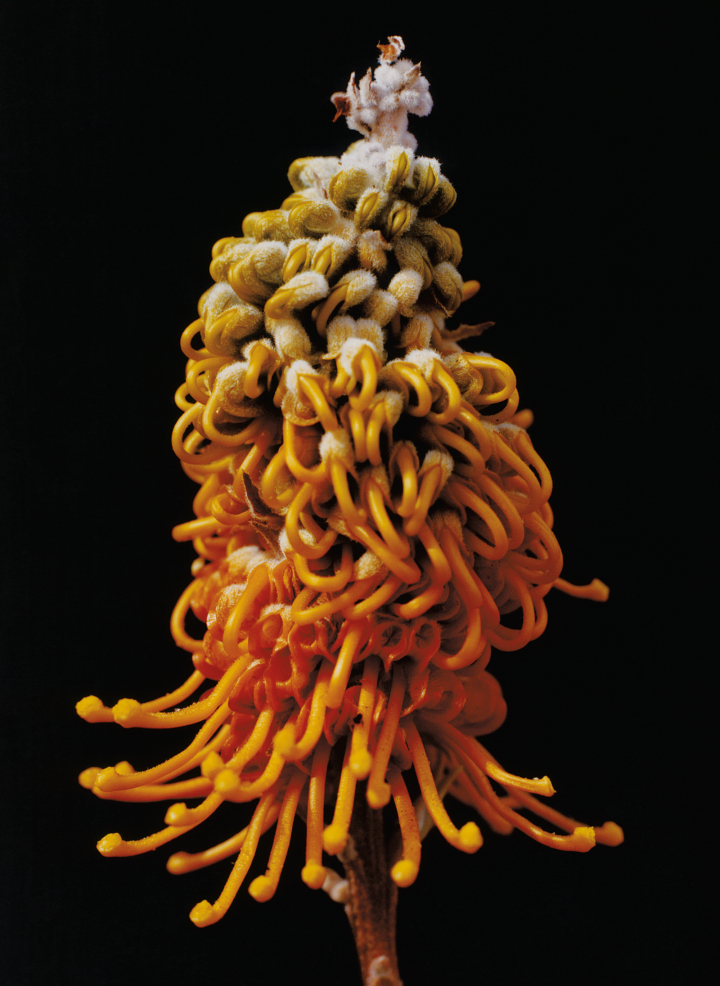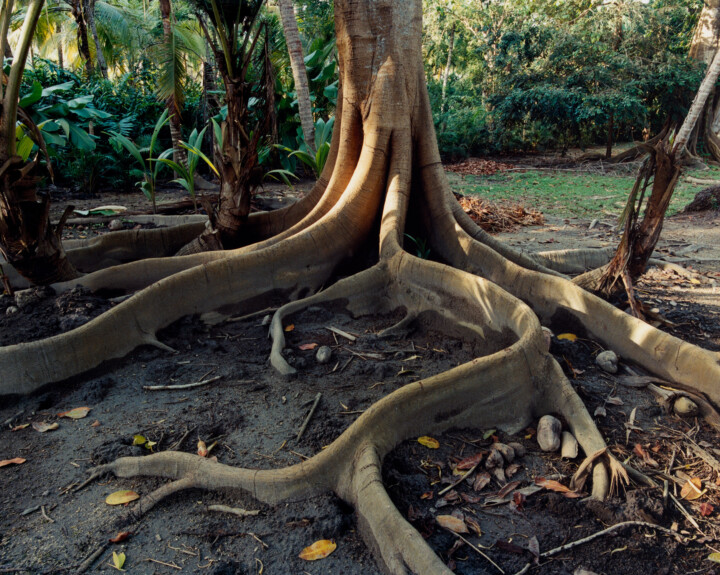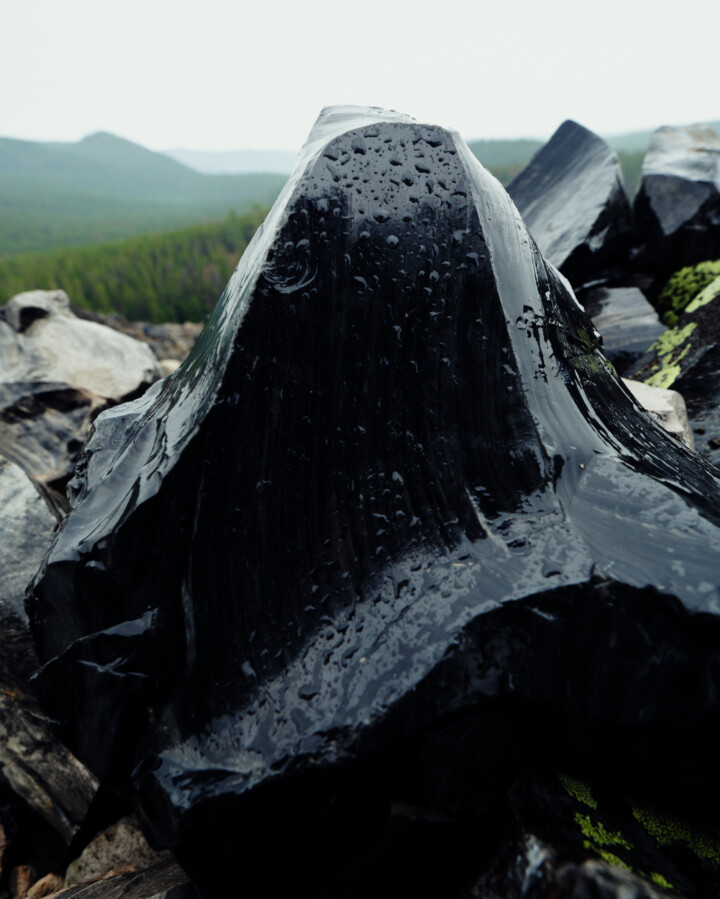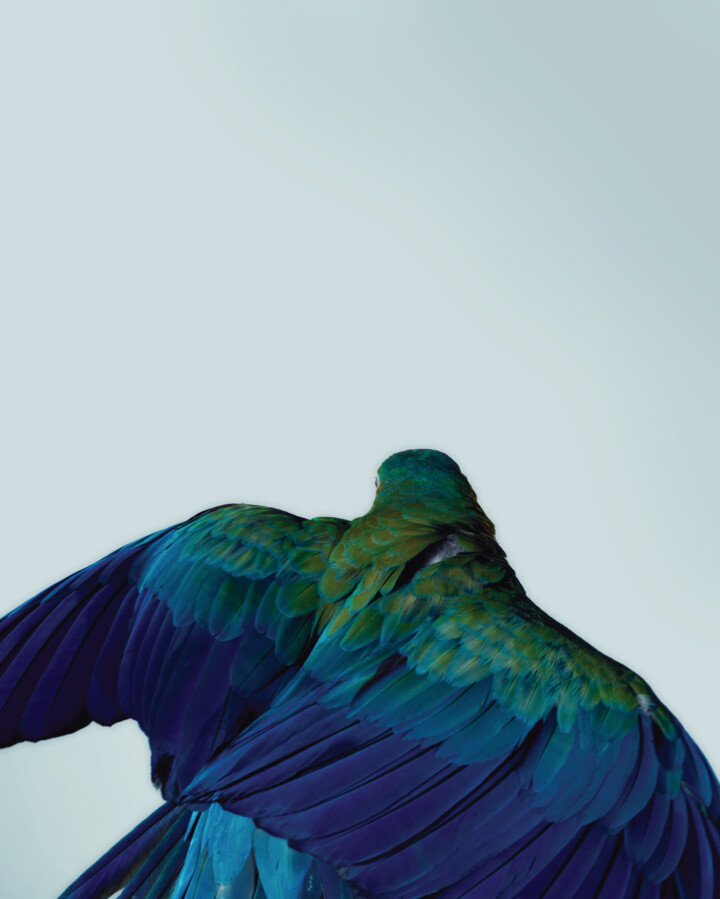
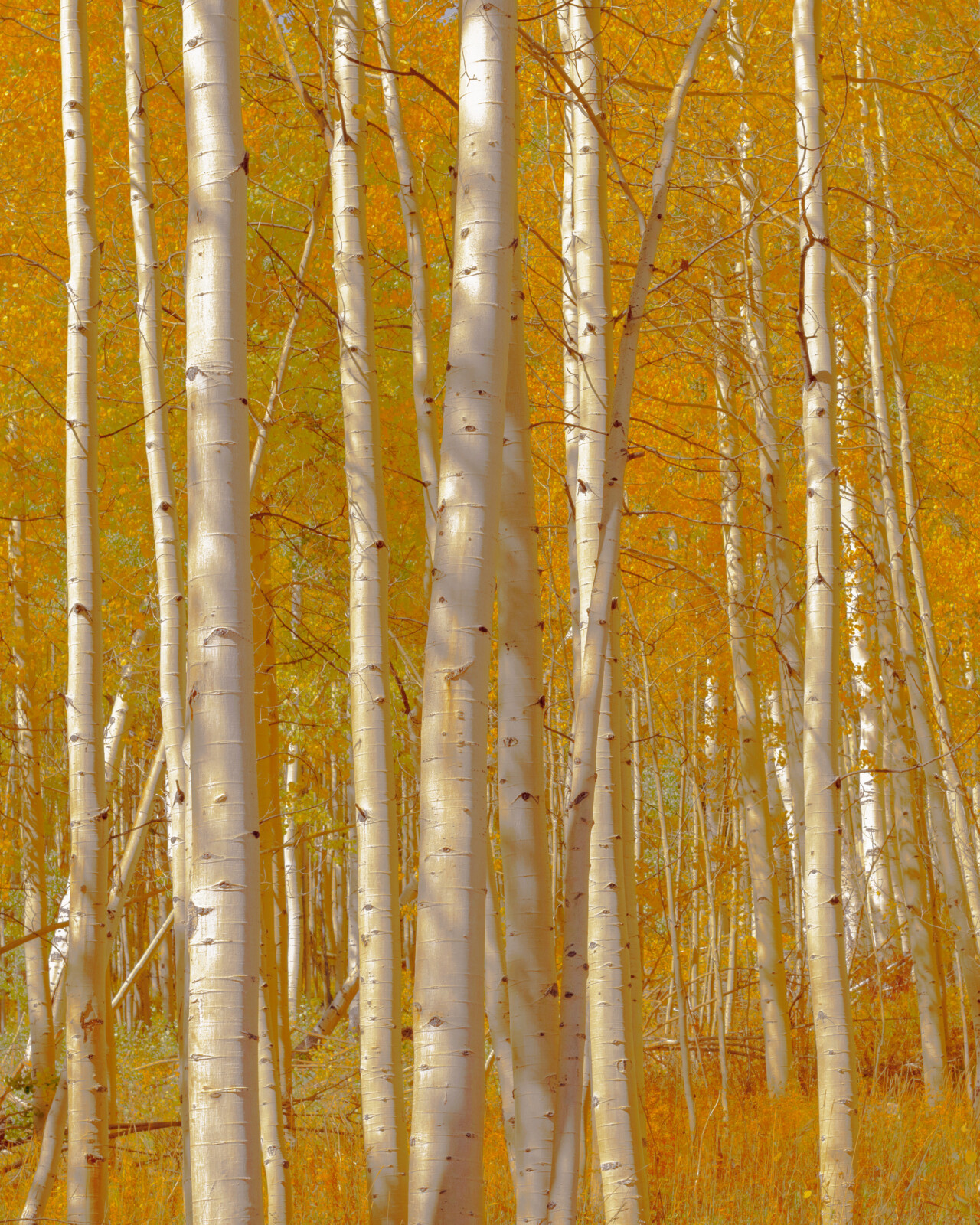
Photograph by Xuebing Du
words by willow defebaugh
“As we seek this healing, let us do so with the knowledge that oneness is not sameness.” ―Sherri Mitchell Weh’na Ha’mu Kwasset
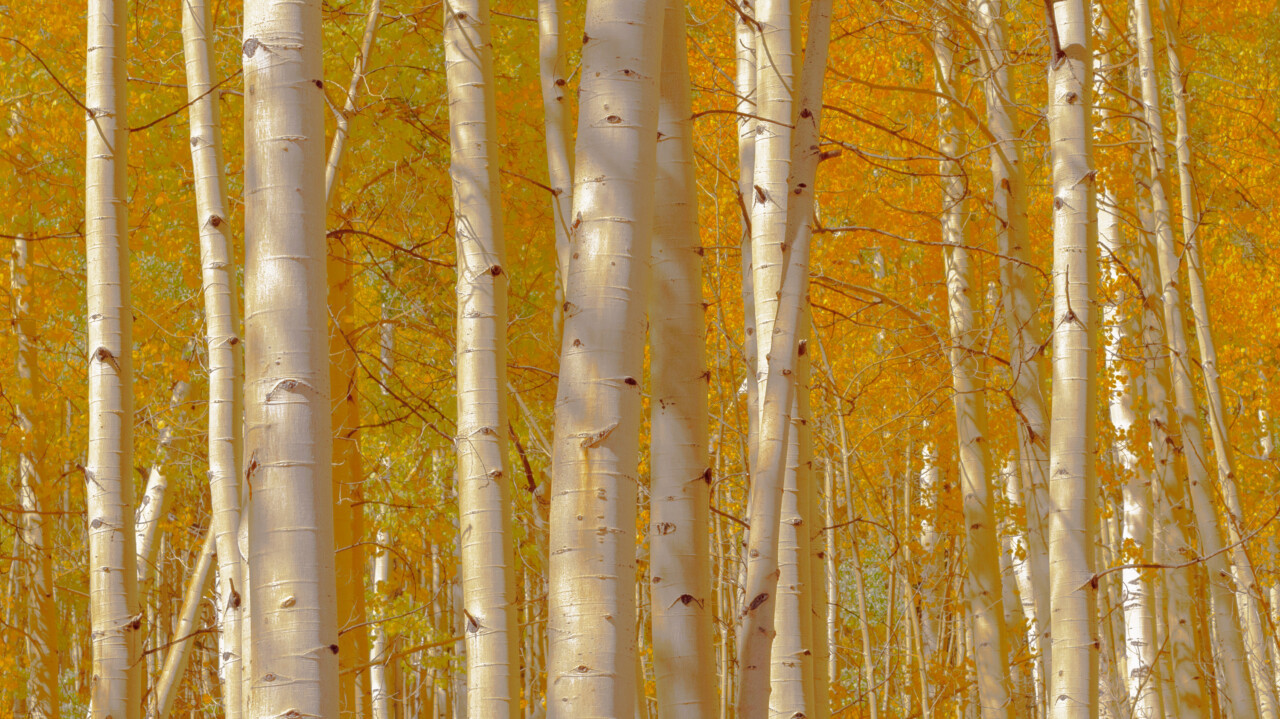
The trees here have eyes. They watch me as I watch them, snaking my way up the mountain pass in Colorado. The quaking aspens appear one after another, eerily still and unblinking, with dark, pupil-like marks stark against sclera-white bark where branches once grew. Based on what I have learned about Populus tremuloides, I wonder if I am in fact seeing a forest of disparate individuals or a clonal colony of nearly identical copies: many, yet one.
Aspens can spread sexually and asexually. While they do produce flowers, pollen, and seeds, they often reproduce without them. Rather than creating an entirely new organism, they can send up individual shoots from their root systems in a process known as root suckering. Aboveground, each shoot (or ramet) grows into what looks like an individual aspen tree, even if they are all part of the same individual or genet. What looks like a forest might be one being.
Because an aspen’s root system can outlive its individual shoots, death takes on a different shape among trunks and branches. It’s also difficult to say, looking at a grove of aspens, whether it is one being, given that multiple genets can coexist within one forest. And due to their sprawling roots, proximity doesn’t necessarily mean uniformity. To happen upon aspens is to behold a copse of questions, all of which stem from a single root: What is an individual?
An aspen colony in Utah is so large that it constitutes the world’s largest tree by mass, and one of the largest known organisms. At about 106 acres, it extends to the rough equivalent of 80 American football fields. The colony’s 47,000 trunks all stem from a single ancestor seedling that may have germinated between 12,000 and 37,000 years ago. Clonal genetic mutations occurred over time, resisting narratives of exact sameness. Its name is Pando, Latin for I spread.
There’s a ramet in me that longs to be a quaking aspen, for my shoots and shaking leaves to be everywhere at once—particularly when so much needs our attention. My overwhelming love and grief for this place compel me to show up in every way I can for a flourishing future on Earth. But even beyond the groves of aspens, life is seldom held together by identical action. Most ecosystems are sustained by a diverse array of organisms, each fulfilling their individual roles.
The pull to compare and conform is strong, but unity can flower without uniformity. At this point in my individual life, I’m oriented toward getting as good as possible at what I know I can do and what I know needs doing, and then cross-pollinating my work with that of others. At Atmos, our focus is re-enchanting people with nature. On the days when the state of the world feels overpowering, I tell myself that if I can do one thing today, I can do that.
Back home, I feel eyes watching me as I walk down the street. You’re different, they seem to say. I have spent a lifetime seeking acceptance in their eyes, wounds of branches I could never grow. Conformity is a crucible that I have failed again and again, even as part of me still yearns to pass. I am trying to abscise that desire, let it fall away with gilded leaves. I know that I belong to something infinitely more vast. I will never be an aspen. My work is to be a willow.
Join our membership community. Support our work, receive a complimentary subscription to Atmos Magazine, and more.
A Thousand Trunks, One Root: On Clonal Aspens and Conformity