


Words by Maia Wikler
photographs by hailey heaton
In a landmark 7-2 decision, the Supreme Court ruled in favor of Monsanto, the original maker of Roundup. The decision means that people who say they developed cancer after using Roundup may be barred from bringing failure-to-warn lawsuits if the Environmental Protection Agency has approved the herbicide’s label without a cancer warning.
The case was argued before the highest court in late April, just weeks after Washington, D.C.’s cherry blossoms completed their famous, peak-spring bloom. At question was whether federal pesticide law protects Bayer, which owns Monsanto, from state-level lawsuits alleging the company failed to warn consumers that its glyphosate-based weedkiller, Roundup, causes cancer. This ruling holds that federal approval shields corporations from some failure-to-warn lawsuits.
The ruling in Bayer’s favor could set a precedent that limits future consumer-harm claims across industries, shifting accountability away from manufacturers and toward federal regulators. Attorney Brent Wisner, who co-led a groundbreaking lawsuit against Monsanto in 2019, traveled to D.C. to attend the rally outside the hearing.
Wisner told Atmos he feared the ruling could ultimately keep the plaintiffs from ever reaching a jury. In his view, he said, the legal and regulatory systems are already structured to protect companies, and it’s the juries that serve as the equalizer. “That’s why [this] Supreme Court case is so compelling and so disturbing—because it’s about whether or not you ever get to that jury.”
A Missouri jury in 2023 awarded $1.25 million to John Durnell, a man from St. Louis who developed non-Hodgkin’s lymphoma after using Roundup, a glyphosate-based herbicide, for decades to spray weeds in nearby parks. Durnell alleged Monsanto failed to warn of the herbicide’s cancer risk. Bayer, which acquired Monsanto in 2018, appealed. Bayer/Monsanto argues that the Federal Insecticide, Fungicide, and Rodenticide Act requires labeling to reflect only the EPA’s designation and that state law cannot override it, thereby preventing lawsuits like Durnell’s from being filed.
Durnell’s case represents what has become one of the most significant product liability lawsuits in United States history, with more than 170,000 other plaintiffs alleging they were unknowingly exposed to glyphosate-based products that could cause cancer. Ashley Keller, the attorney arguing for plaintiff Durnell, told Atmos, “Monsanto believes that whatever the EPA administrator says has to be the gospel truth and the jury’s not allowed to second-guess his opinion. Regulatory capture is a real thing. It’s always important for injured parties to have access to justice.”
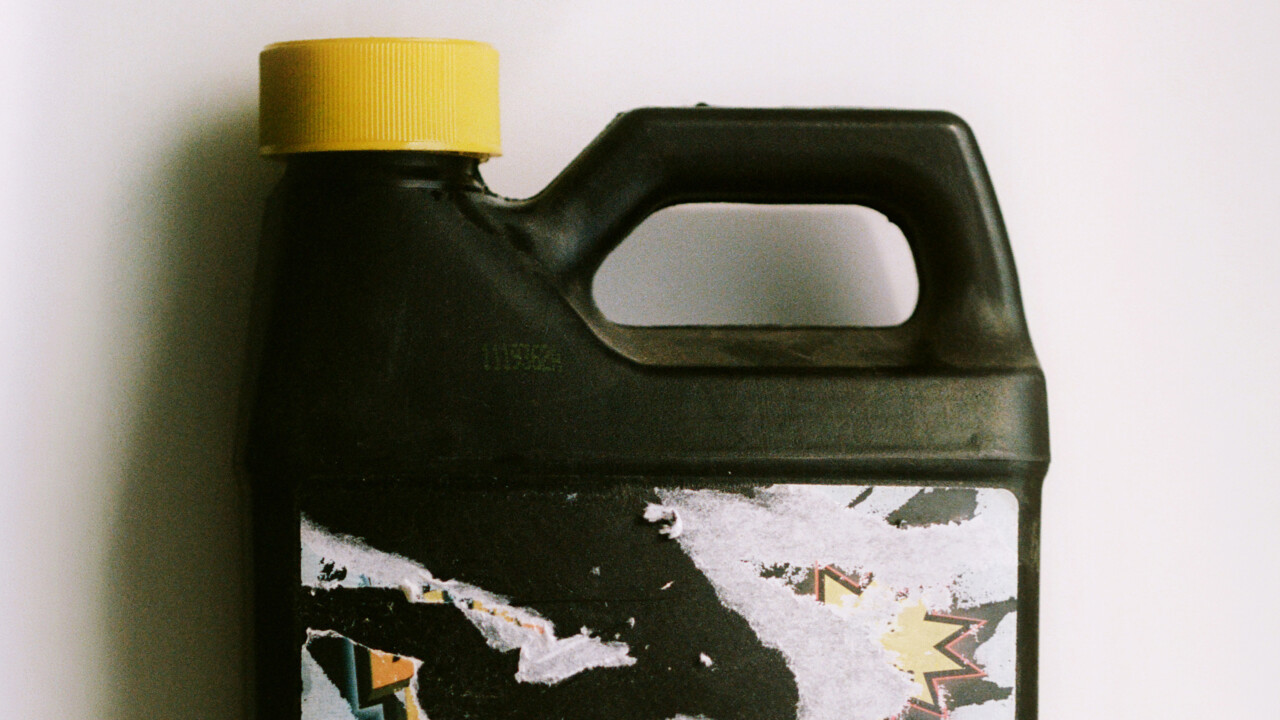
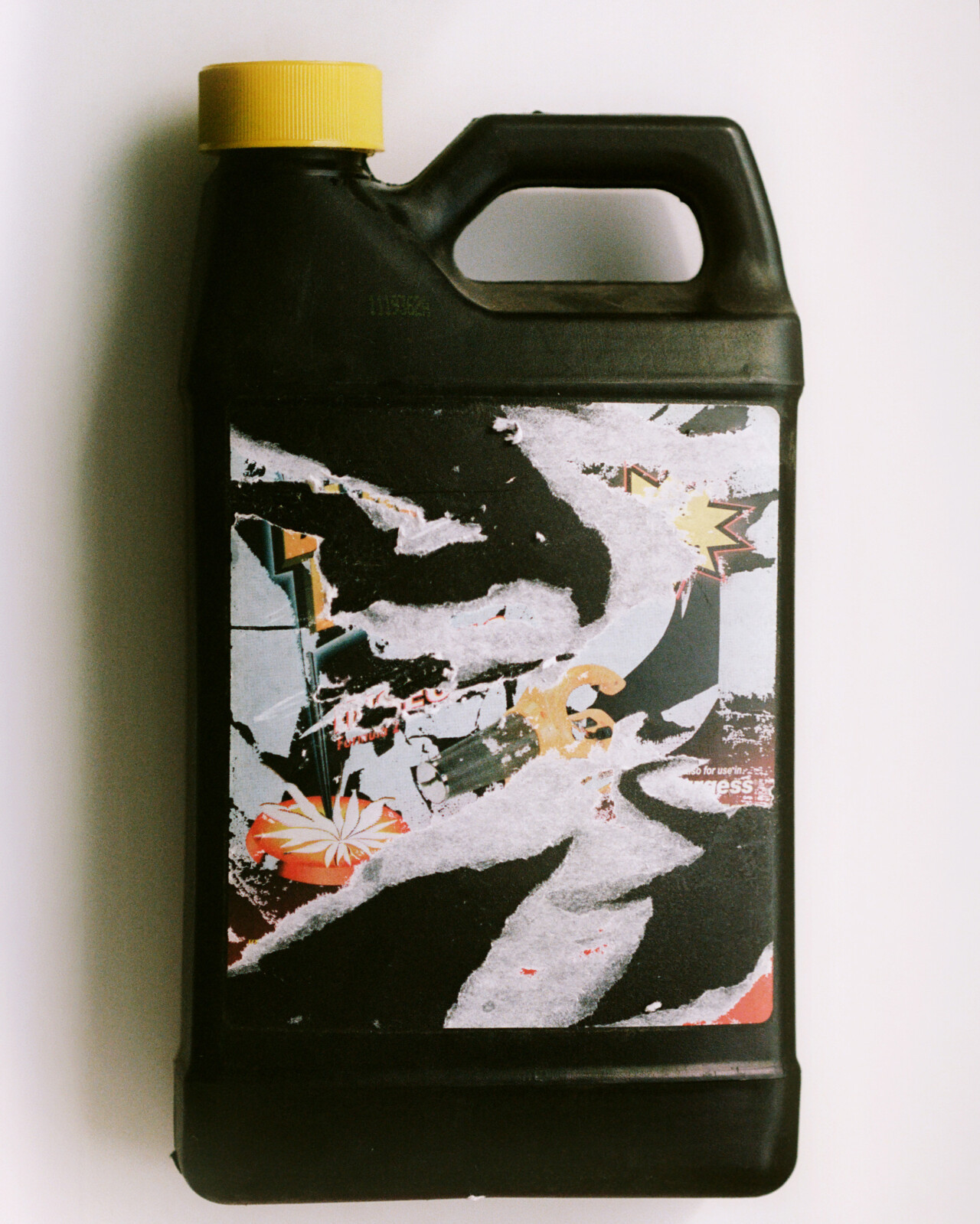
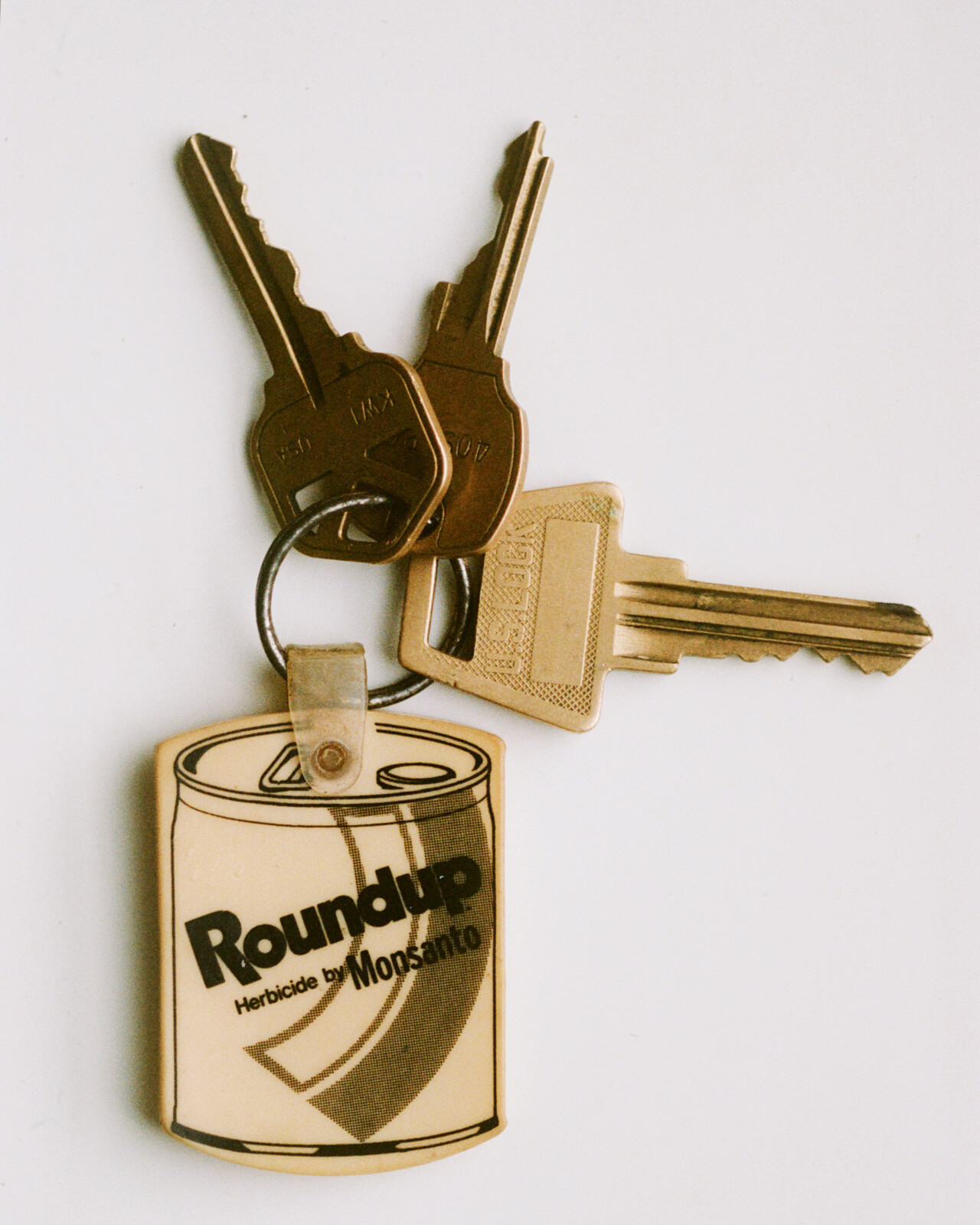
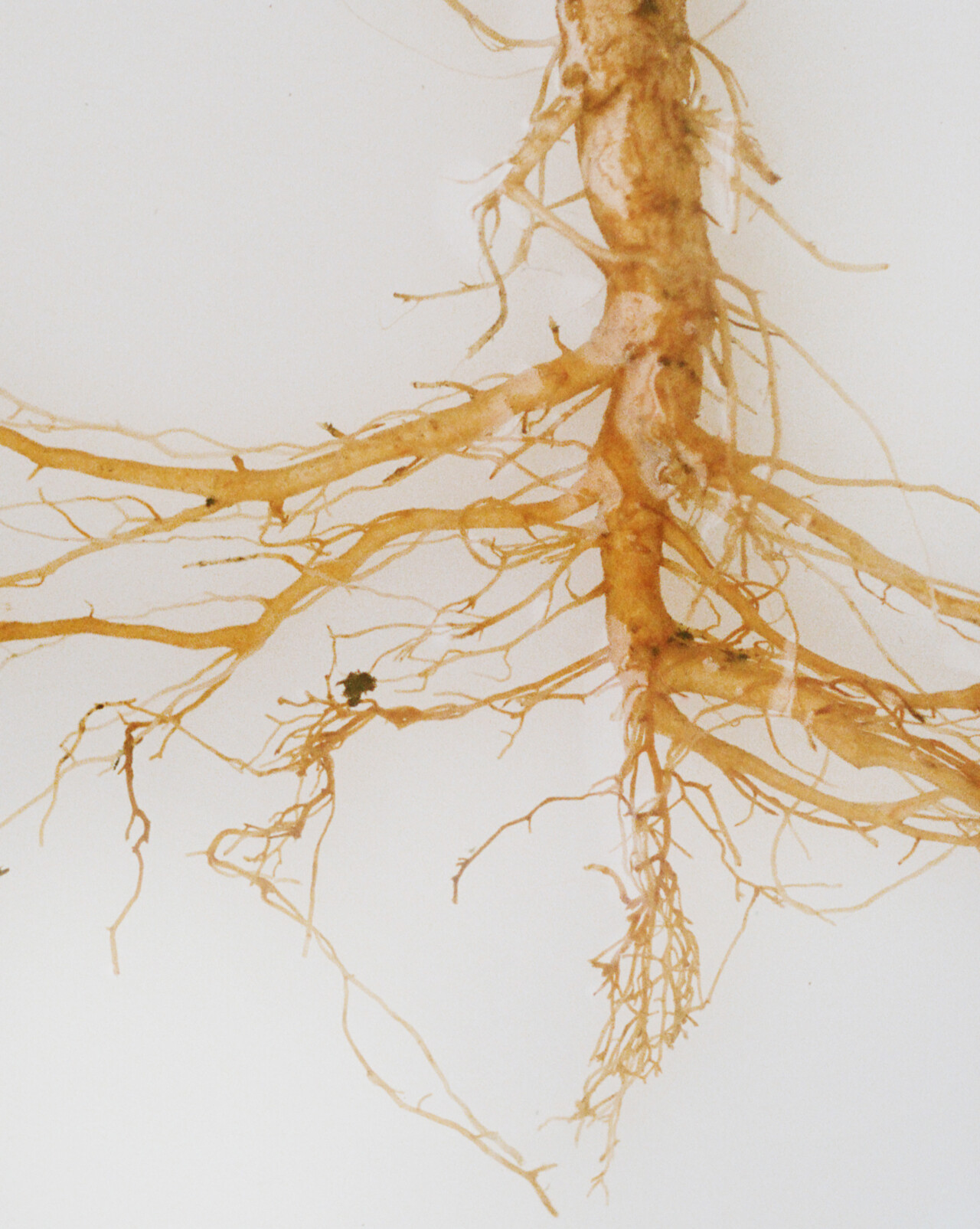
For decades, Roundup was marketed as a miracle chemical. It was sold on shelves in home-improvement and garden stores with labels that did not include cancer warnings. Roundup’s bottle promised it “kills the roots,” and claims it was safe enough to drink circulated widely in 2015 following an interview with an industry advocate.
When glyphosate was first introduced to the public in 1974, the nonselective herbicide that killed weeds and crops was limited to clearing fields ahead of planting. However, use exploded in the 1990s following Monsanto’s development of “Roundup Ready” crops. These genetically engineered plants were designed to survive glyphosate spraying, allowing farmers to spray fields indiscriminately without killing their crops. Today, 280 million pounds have been sprayed annually on 285 million acres of U.S. farmland alone. But as its use expanded, so too have concerns about the herbicide’s effects on human and environmental health, including links to cancer, neurodegenerative disease, endocrine disruption, and microbiome damage.
The World Health Organization’s cancer agency classified glyphosate as a probable human carcinogen in 2015. Concerns inside the federal government started much earlier. It was in 1985 that members of the EPA’s toxicology branch first raised cancer concerns and classified glyphosate as a possible carcinogen while citing kidney tumors in mice from the company’s own study. Monsanto pushed back. By 1991, the EPA had reversed course, reclassifying it as showing “evidence of non-carcinogenicity.” At least two committee members refused to sign the report. Former EPA employees recently submitted an amicus brief supporting Durnell in the Supreme Court case, arguing that Monsanto’s claims overlooked the agency’s own long history of internal disagreement over glyphosate’s cancer risks. The EPA did not respond to a request for comment.
This ongoing dispute over glyphosate has always been, in part, a dispute over who gets to define the science. Bill Freese, science director at the Center for Food Safety, told Atmos that the evidence now shows glyphosate is likely carcinogenic, and that the EPA’s failure to label it accordingly is a scandal. The EPA did not respond to a request for comment. As glyphosate use has expanded, Monsanto’s alleged efforts to shape the science surrounding it have become central to the legal fight now before the courts.
Renowned entomologist Jon Lundgren testified in 2011 that the Department of Agriculture hindered his work after he raised concerns about the impact of pesticides. Lundgren had believed his senior position at the agency would protect him as he spoke out against scientific suppression; instead, he said, he and his family faced personal and professional retaliation. A subsequent USDA survey found that 200 other scientists also say they experienced interference with their work. At the time, the USDA defended its position that Lundgren’s submission of a manuscript on neonic harm to Monarch butterflies for publication in a scientific journal violated supervisory instructions and justified his suspension.
The courts eventually brought some of those internal dynamics into public view. In 2017, Wisner—then serving as a plaintiff’s attorney in the Roundup litigation—uncovered internal Monsanto documents during a bellwether trial. Those documents, later known as the Monsanto Papers, became a turning point in litigation that forced Bayer to pay billions of dollars in settlements.
Bayer has since created a $7.25 billion class-action Roundup settlement fund, but critics say it’s designed to protect the corporation more than the cancer patients it claims to help, funneling $675 million in fees to the attorneys who brokered the deal while leaving victims with minimal payouts. The settlement would also allow Bayer to continue selling Roundup without cancer warnings. Supporters of the deal argue it’s the only realistic option, warning that without it, plaintiffs could wait indefinitely in a legal backlog or get nothing if Bayer declares bankruptcy.
“Monsanto scientists wrote the best studies that exonerated glyphosate,” Wisner told Atmos. “Full-on ghostwriting.” The company, he said, had a program “specifically designed not to address the science of the product, but to actively attack any scientist or reporter who would ever speak anything critically of glyphosate.” Regulatory Toxicology and Pharmacology in 2025 retracted one of the most influential papers supporting glyphosate’s safety—which the EPA and international regulators had used to justify the product’s safety—after researchers raised concerns about Monsanto’s role in its authorship and the integrity of its conclusions.
Bayer told Atmos that Monsanto’s involvement was disclosed “appropriately in its acknowledgment section. It reads in part: ‘We thank the toxicologists and other scientists at Monsanto who made significant contributions to the development of exposure assessments and through many other discussions,’ and further identifies several key personnel at Monsanto who provided scientific support.” Bayer also stated that glyphosate is the most extensively studied herbicide over the past 50 years and that thousands of studies have examined the safety of glyphosate products.
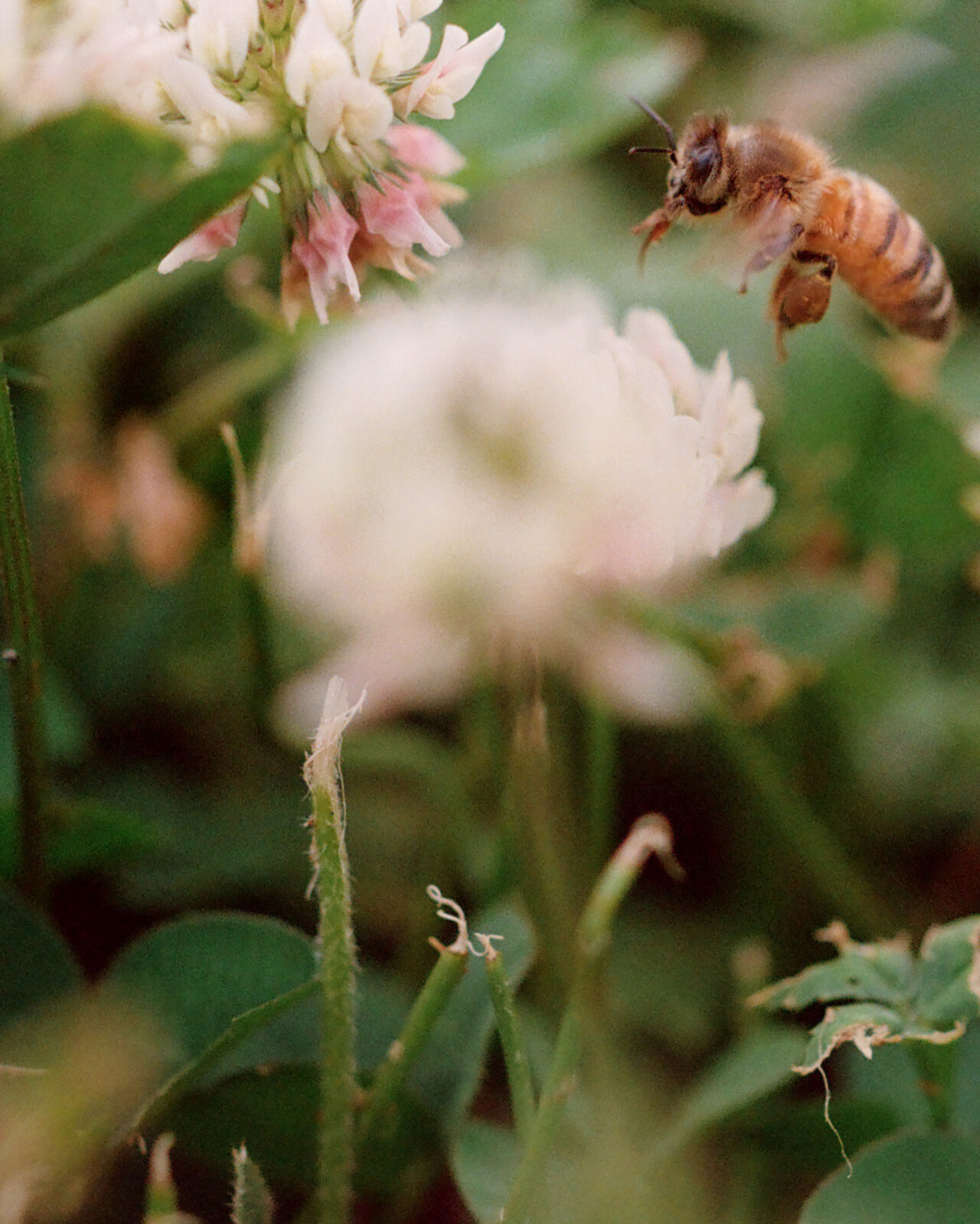
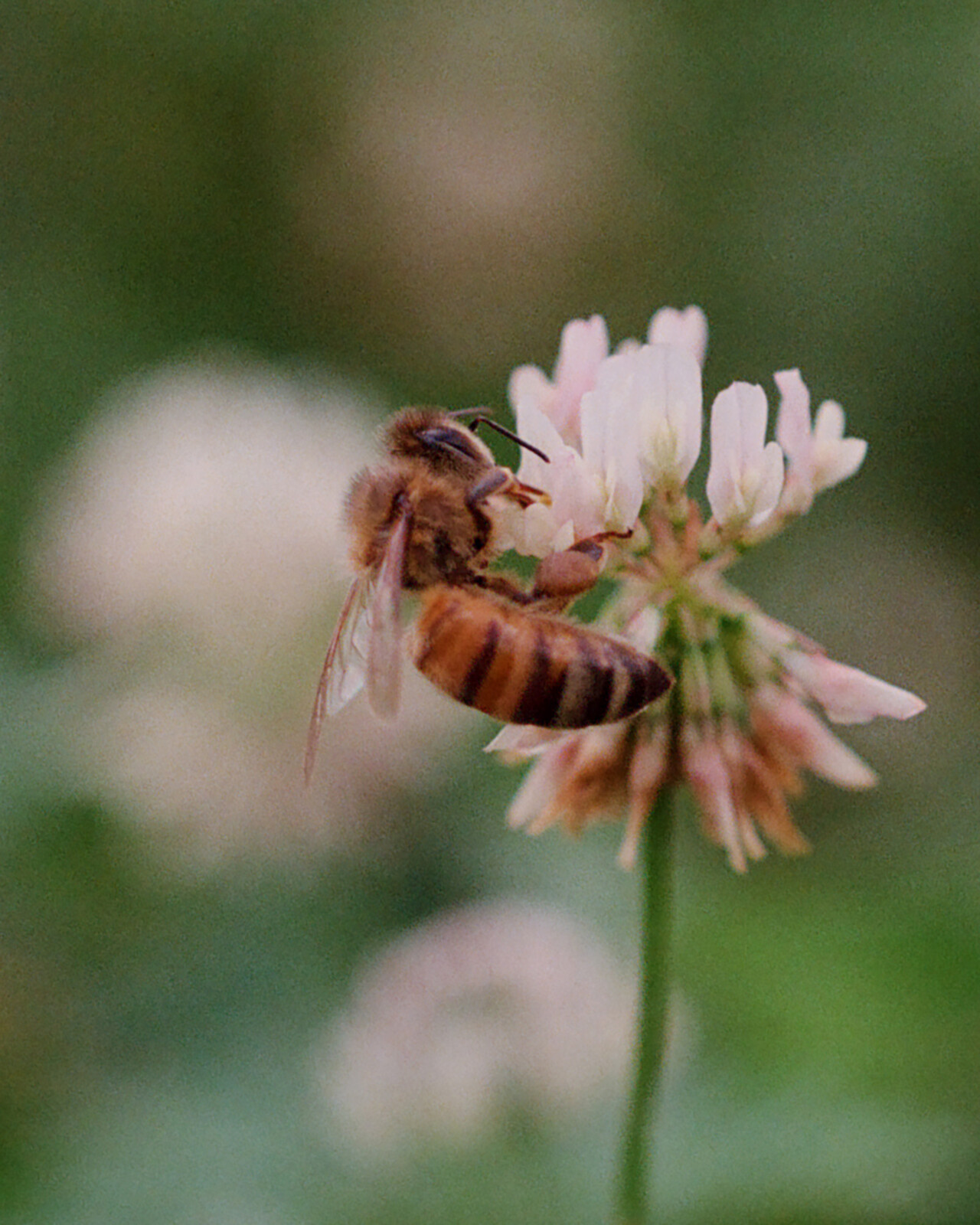
The implications of widespread glyphosate use extend far beyond human health. The EPA’s own biological evaluation found that glyphosate is likely to adversely affect 93% of threatened and endangered species, contaminating waterways, soil systems, and pollinators in its wake. In one example, the near-eradication of milkweed from Midwest farmland, driven in part by the widespread use of glyphosate on Roundup Ready crops, has been identified as a major driver of the monarch butterfly’s decline.
Meanwhile, chemical agriculture continues to shift from one product to the next. Bayer, in July 2025, sought approval for icafolin-methyl, a new herbicide marketed as meeting the highest safety and sustainability standards. Freese tells Atmos that it is so new that there is not a single independent study assessing icafolin’s human health impact. “As usual with new pesticides, only the manufacturer’s take on it is available.” Given that Bayer does not intend for icafolin to replace glyphosate, rather to complement it, Freese points out that “icafolin will not eliminate the cancer and other health and environmental impacts of glyphosate, but likely amplify them, and lead to more resistant weeds.”
Bayer, after significant public and legal pressure, has also updated Roundup formulations for residential and garden use to be glyphosate-free. However, environmentalists warn that the new formulation’s active ingredients may be significantly more toxic than glyphosate; diquat dibromide, in particular, is banned in the EU and 200 times more toxic than glyphosate with long-term exposure.
In a statement to Atmos, Bayer said: “There have been deeply flawed reports containing false claims about the active ingredients in Roundup Lawn & Garden products. The active ingredients in all Roundup Lawn & Garden products have been thoroughly studied, reviewed, and approved by independent experts at the EPA and used safely and effectively in many different weed-control products from a variety of companies for decades. Simply put, consumers can feel confident safely using Roundup products.”
“Glyphosate has become a poster child for everything wrong with chemical oversight in the U.S.”
Other herbicides have raised alarm bells, too. Bayer has also sought approval for dicamba, a highly volatile agricultural herbicide linked to liver cancer. Meanwhile, trials are underway over allegations that paraquat, an agricultural herbicide produced by Syngenta, causes Parkinson’s disease. Syngenta announced it will stop making paraquat by the end of June 2026.
Yet within this subsidized system of chemical dependency, supported by policies and incentives that favor large-scale monocultures, farmers have little choice but to keep spraying. Glyphosate-resistant superweeds now infest 120 million acres of American farmland, forcing farmers to spend billions each year trying to control them.
The problem for Lundgren is not a single chemical, but precisely that the global agricultural system is built around chemical dependence. “The agro-industry is hell-bent on maintaining control over the scientific dialogue on these issues—and they don’t care who they run over to get there,” he said. “Pesticides are not necessary. In fact, they’re a major part of the problem, inhibiting innovation in our food system.”
Lundgren likens the current system to addiction. “It has become so pervasive that we can’t have functioning ecosystems until we get off the drug,” he said. But he is not waiting for the federal government to act. Over the past three years, he has helped farms in the Canadian provinces of Manitoba and Saskatchewan, along with North Dakota and Washington in the U.S., transition to regenerative practices, with 90% eliminating all fungicides and insecticides. “I have a lot of hope right now,” he said. “I’ve seen ordinary people do absolutely remarkable things.”
On the morning of the Supreme Court hearing, environmentalists, farmers, MAHA activists, mothers, scientists, and political officials marched to the court in a People v. Poison rally. It was a convergence from all walks of life. The breadth of the coalition reflected how deeply glyphosate has entered American life.
From the steps of the Supreme Court, Teri McCall, a farmer from California’s San Luis Obispo County, spoke about the loss of her husband to cancer, which she attributes to the use of Roundup on their orchards. “This is not just about my husband,” she said during her speech. “This is about families across the country who trusted they were safe and paid with their health and their lives. Glyphosate took my love away from me. It took my children’s dad. The hole in our hearts is vast.”
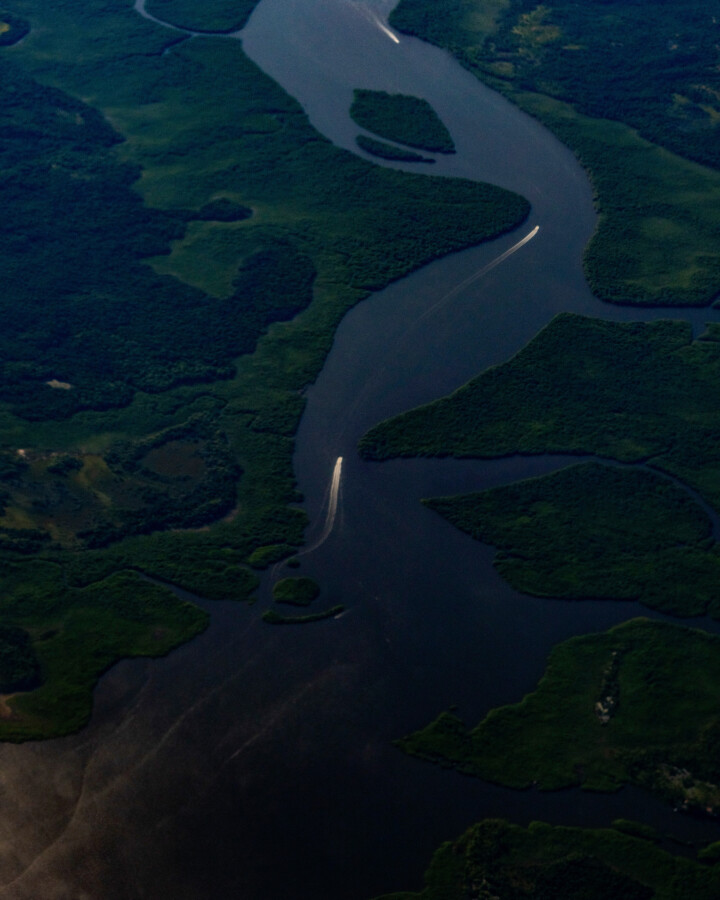
Daniel Andrews, a fishing guide in the Florida Everglades and founder of Captains for Clean Water, sees the Everglades as his sanctuary: flamingos overhead, tarpons and redfish in the water, bald eagles, alligators, cypress sloughs, seagrass prairies, and mangroves. “You see stars like nowhere else in Florida,” he said. “[It’s] my favorite place on Earth.” But the Everglades, he said, carries the scars of a century of water mismanagement and chemical pollution. “It’s a refuge for so many people, for so much wildlife. It’s our drinking water supply in Florida,” he added. “But the vast majority of the shallow drinking water wells in Florida are now contaminated with herbicides and pesticides. It threatens something that made me the person that I am.”
The political stakes have only intensified in recent months. In February 2026, President Donald Trump signed an executive order doubling down on glyphosate production as a matter of national security, invoking the Defense Production Act in a way critics say would shield manufacturers from liability just weeks before Bayer filed its opening brief with the Supreme Court. Internal EPA records obtained through Freedom of Information Act requests by Nathan Donley, environmental health science director at the Center for Biological Diversity, show that the EPA administrator met privately months earlier with Bayer’s chief executive to discuss Supreme Court strategy. While the EPA did not provide comment, Bayer told Atmos, “We regularly meet with agencies as part of the regulatory process. Many other groups similarly interface with regulatory agencies.”
Donley said he was not surprised. “Glyphosate has become a poster child for everything wrong with chemical oversight in the U.S.,” he said.
The administration’s move has also fractured Trump’s own health-conscious “Make America Healthy Again” base, helping spur a rare alliance across the political divide. “The poison doesn’t care what you are,” said MAHA activist Kelly Ryerson, better known as “Glyphosate Girl” on Instagram. “This should be an issue for everyone.”
Ryerson attended the first three Monsanto trials alongside Robert F. Kennedy Jr. and later joined the MAHA movement after Trump promised action on pesticide reform. “The wells in these red states are often highly contaminated with pesticides because these are agricultural communities,” she said. “We had a president for the first time step up on stage and say we’re going to do something about pesticides. Then, to turn around a few months later and realize the same administration is recommending to the Supreme Court that they take up this case—that was just a huge backstab.”
Ryerson has since joined forces with Rep. Chellie Pingree, a progressive Democrat and organic farmer from Maine, who co-sponsored the bipartisan No Immunity for Glyphosate Act with Rep. Thomas Massie (R-Kentucky). The act proposed amending the Farm Bill’s language that would prevent state and local authorities from regulating pesticide labels at all. The bipartisan act was successfully passed. Sen. Cory Booker also introduced the Pesticide Injury Accountability Act last July to protect patients harmed by pesticides; the bill is still awaiting a Senate vote.
The timing of this spring’s Supreme Court hearing carried echoes of scientist Rachel Carson’s book Silent Spring, which was derided by Monsanto for exposing the risks associated with the widespread use of DDT. Carson’s work ultimately led to the ban of DDT. In the marbled halls of the Supreme Court, justices ruled on the narrow legal framework of preemption and failure-to-warn. But outside the courtroom, the stakes are far broader. In the lives of families contending with cancer, in the disappearing milkweed fields and the monarch butterflies that depend on them, in the dark summer nights emptied of fireflies’ glow, the question remains: How long will we wait to listen to the science—and at what cost?
Join our membership community. Support our work, receive a complimentary subscription to Atmos Magazine, and more.
Supreme Court Blocks Roundup Cancer Lawsuits