Words by Alexandra Marvar
photographs by philip-daniel ducasse
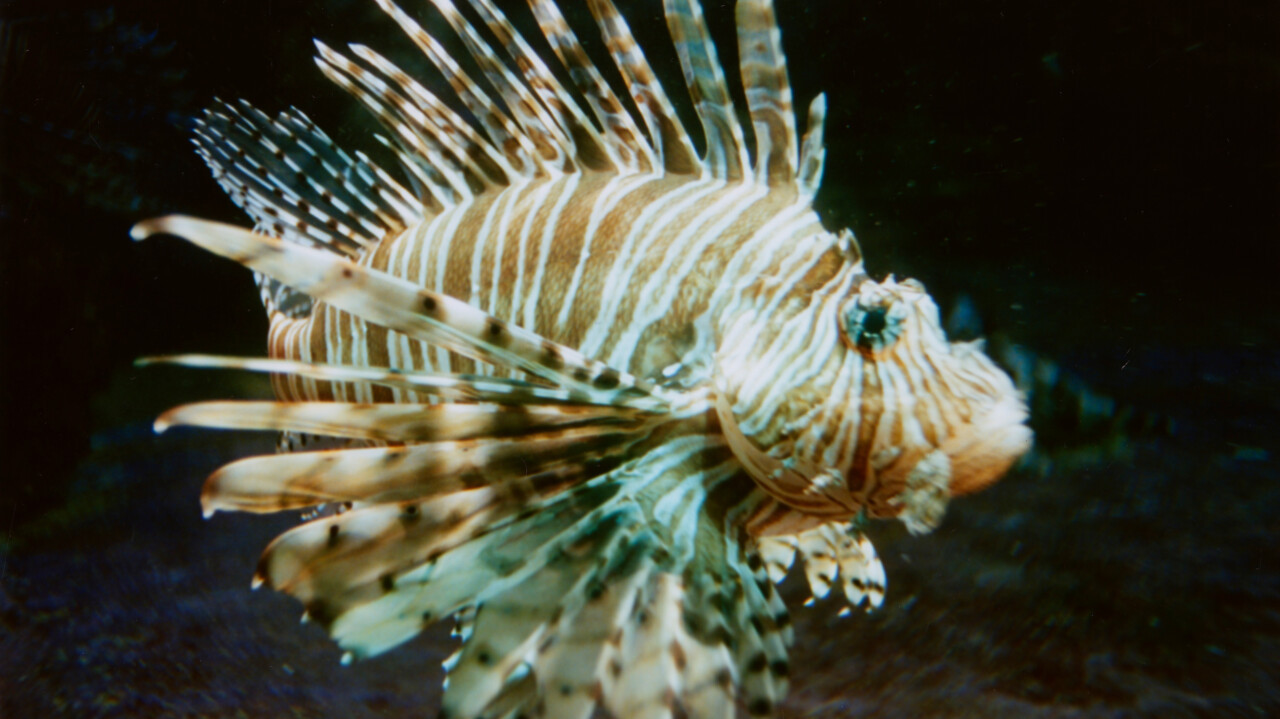
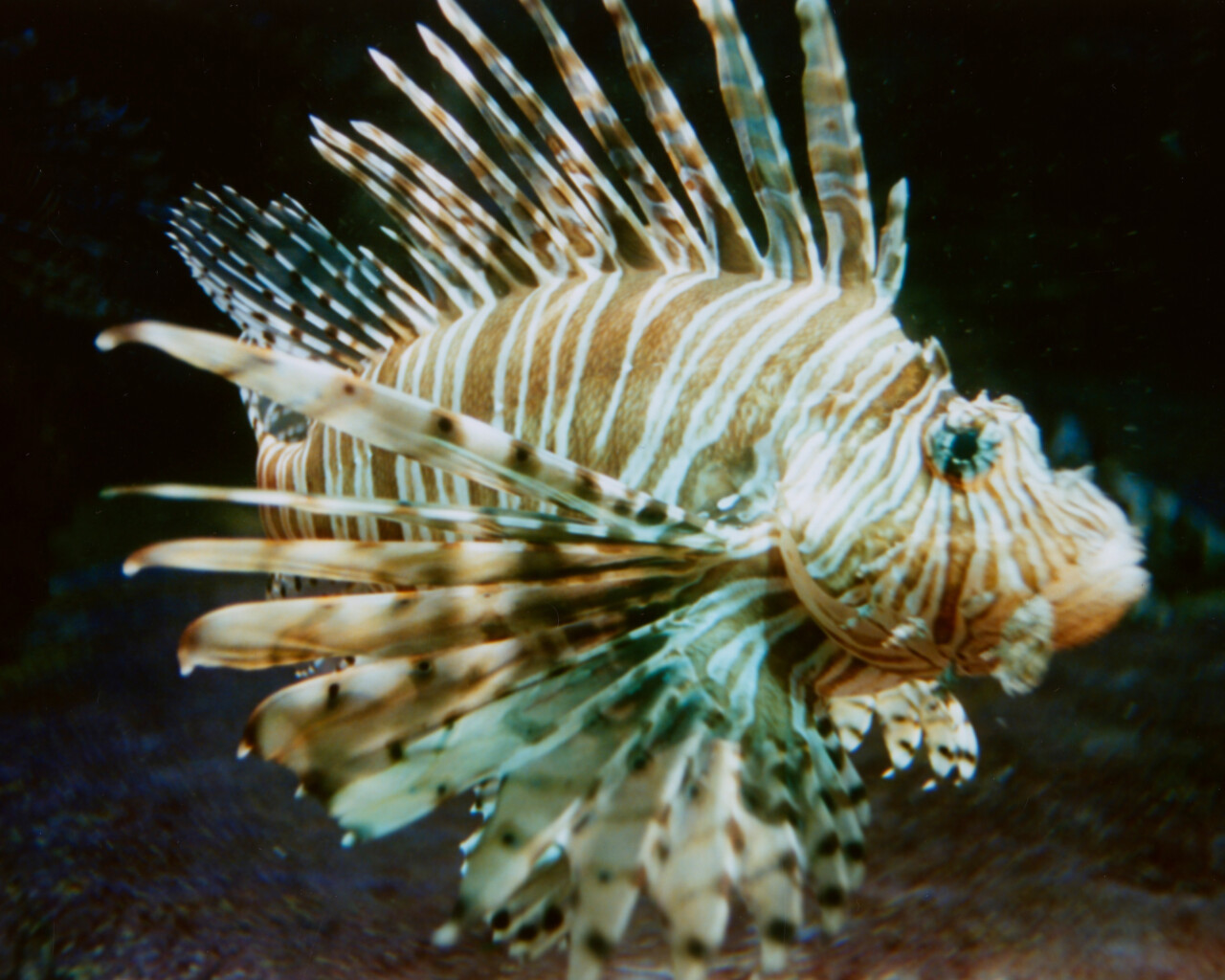
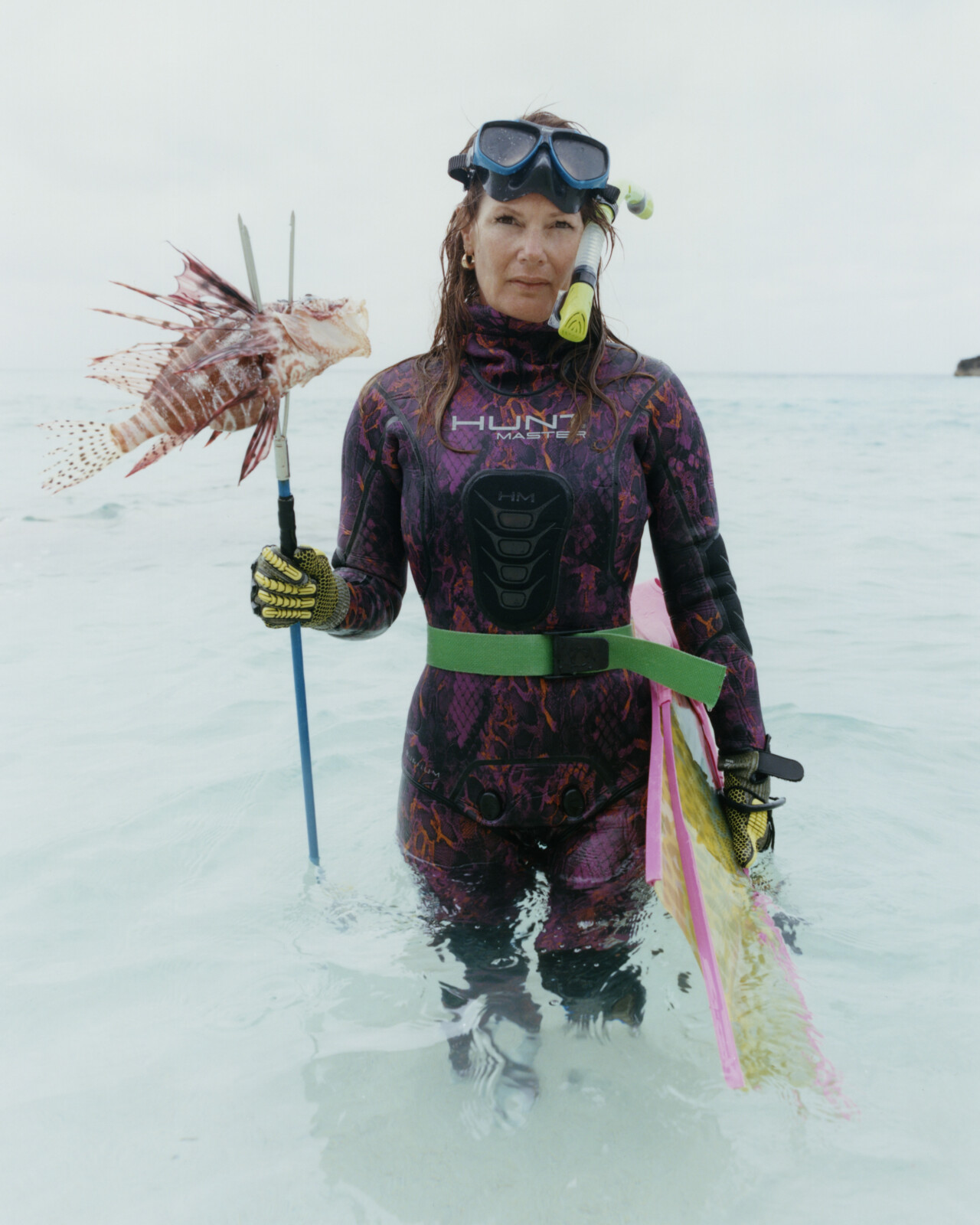
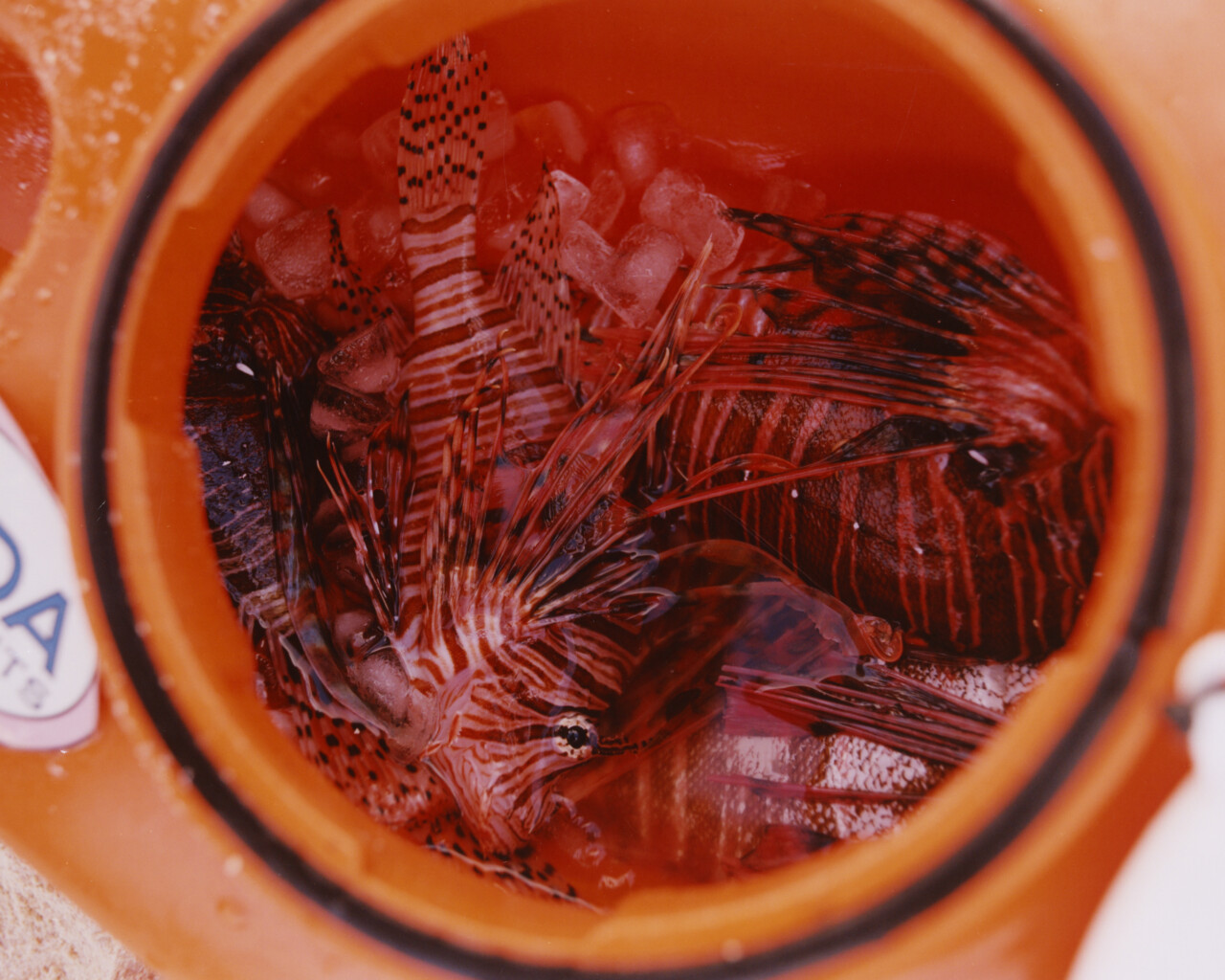
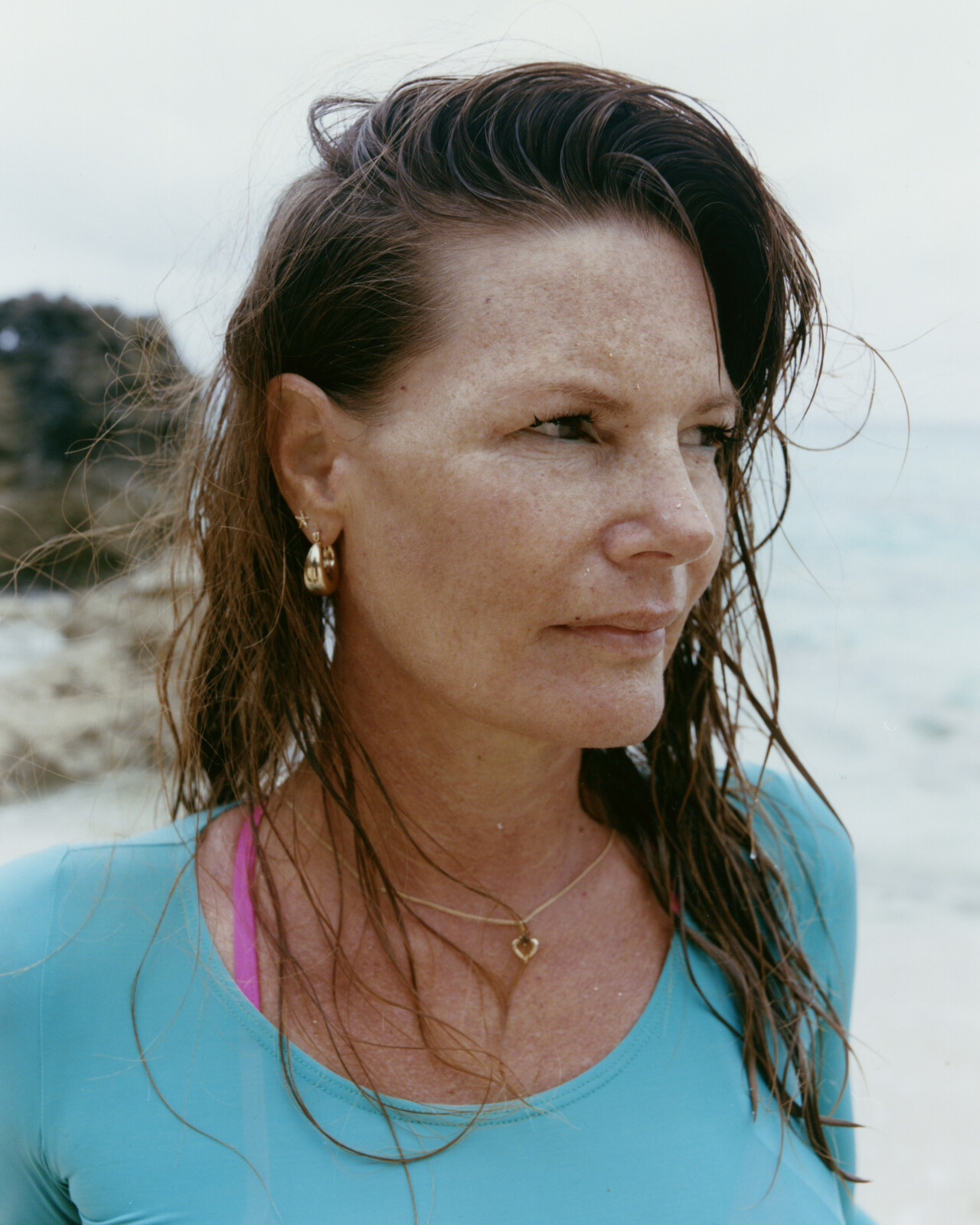
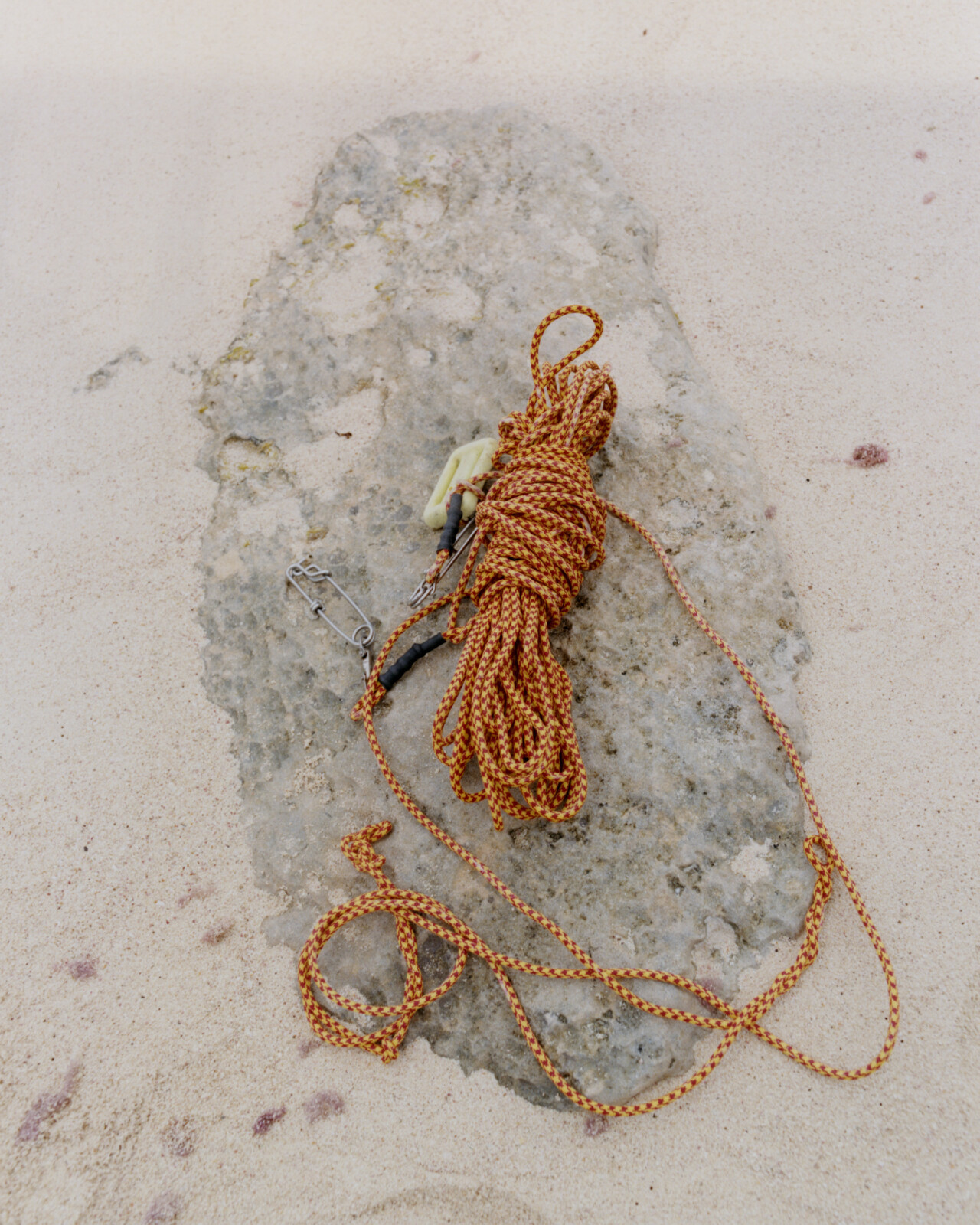
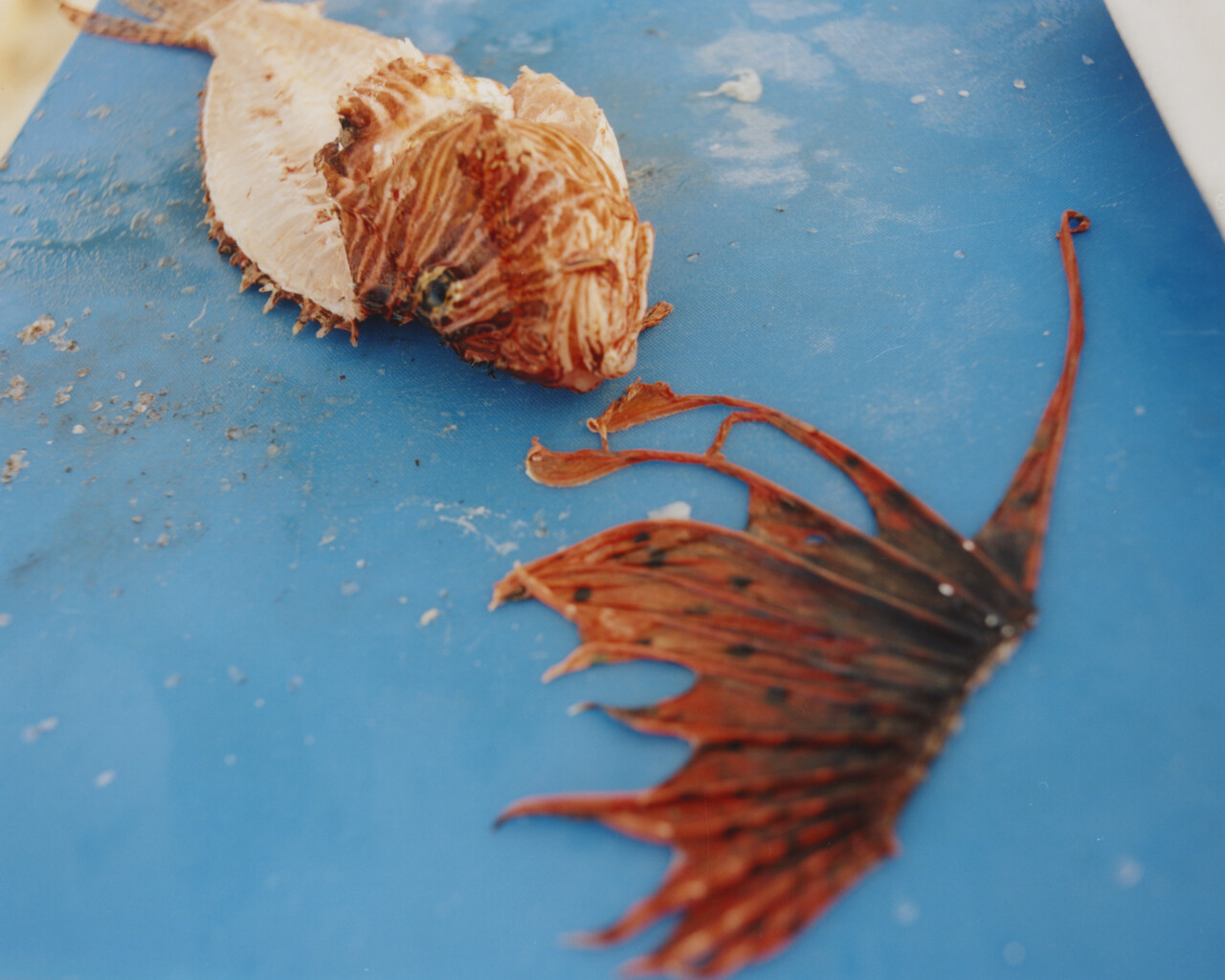
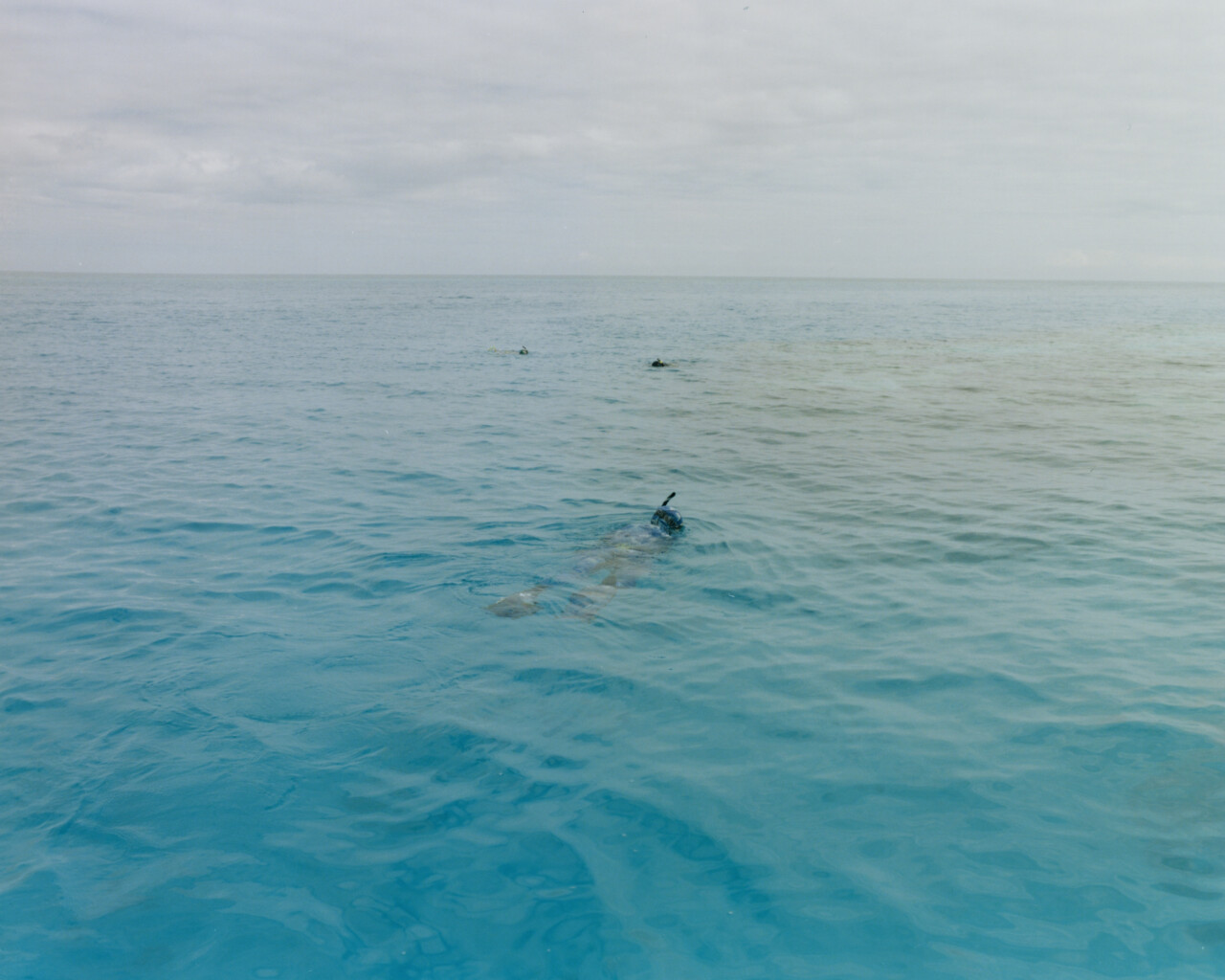
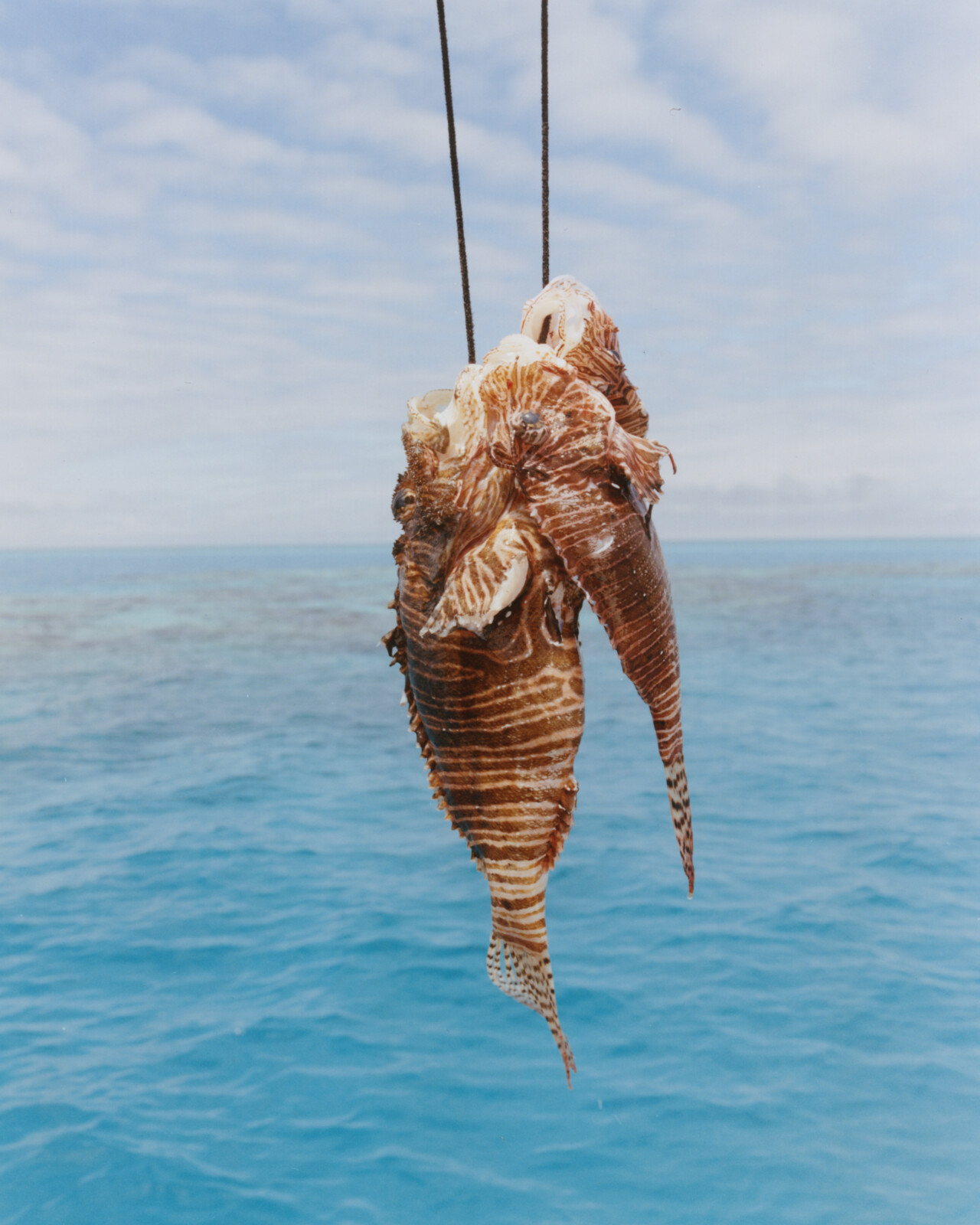
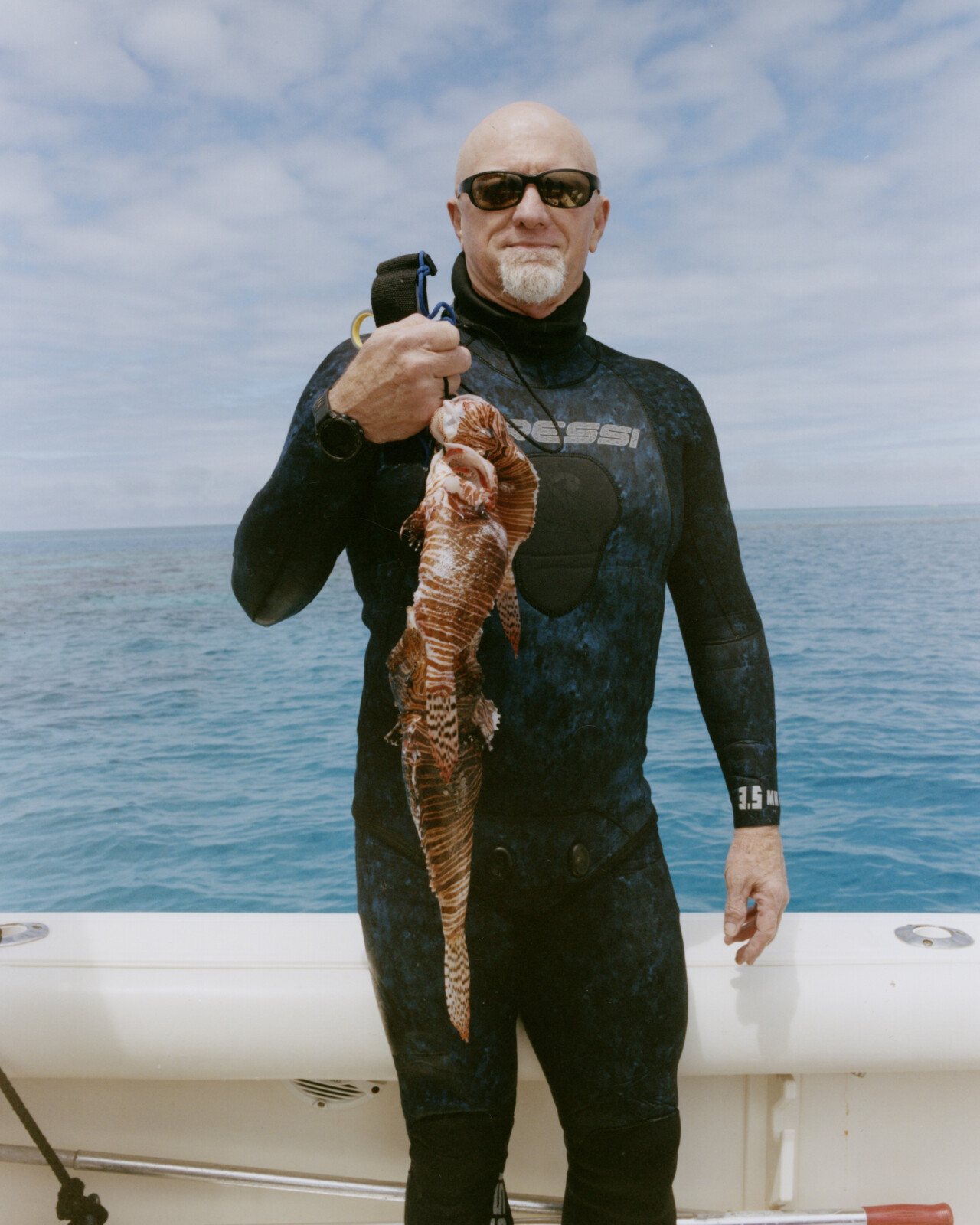
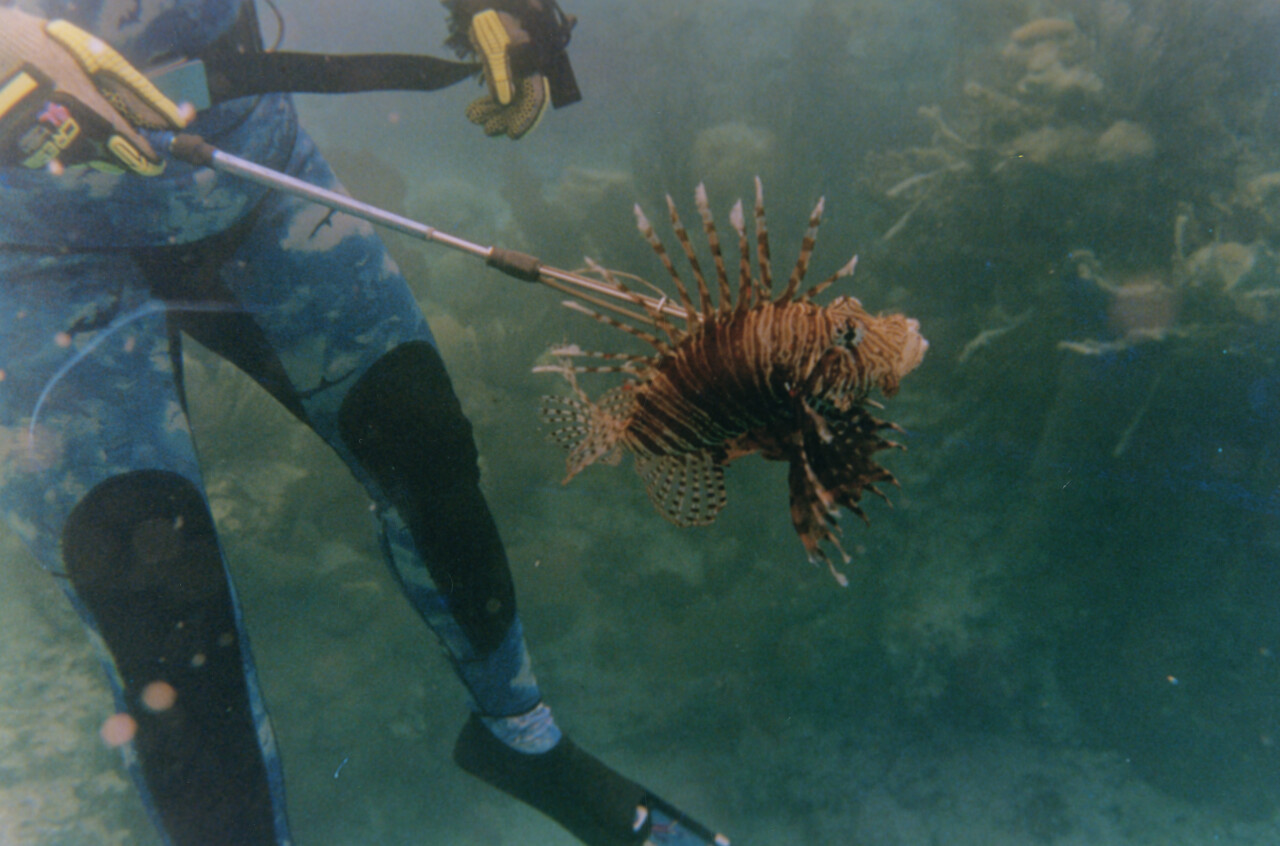
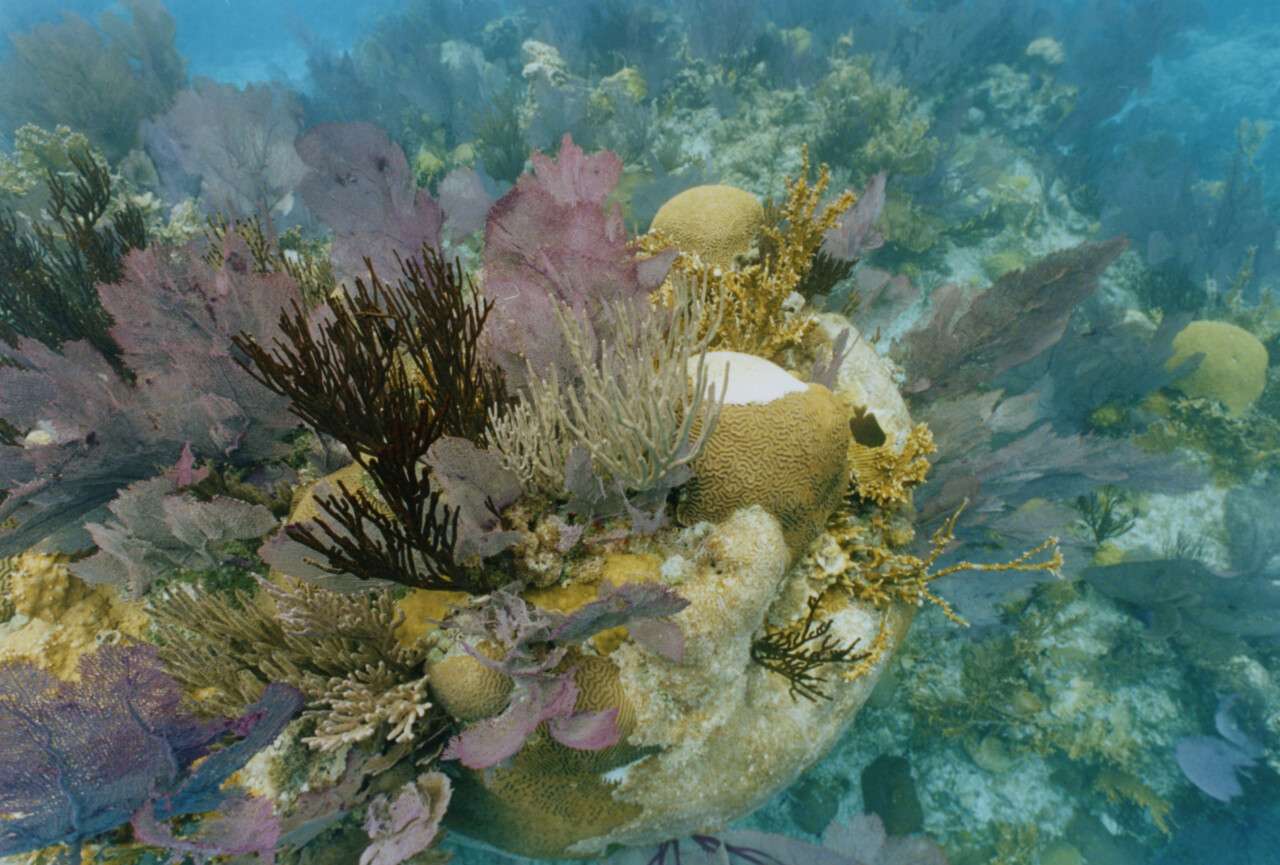
One spring evening in Bermuda, freediver Natalie Price walks into the ocean, fork-tipped spear in hand. She holds her breath, swims down 10 feet, then 20, circling the reef as she searches for lionfish, an invasive predator of extravagant, venomous beauty. Its body is covered in maroon and cherry-red stripes, its 18 spines fanned and waving like antennae. Price almost never misses.
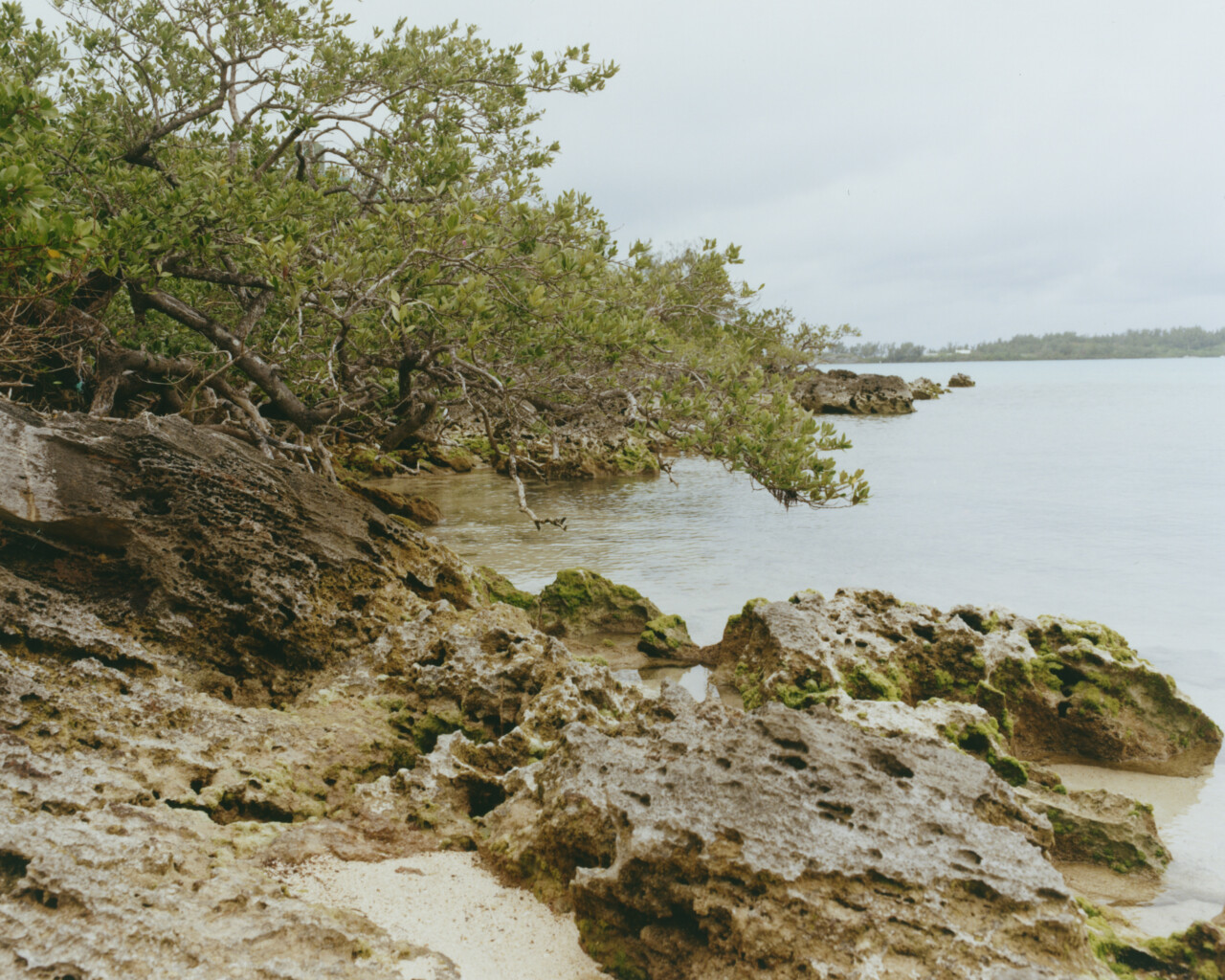
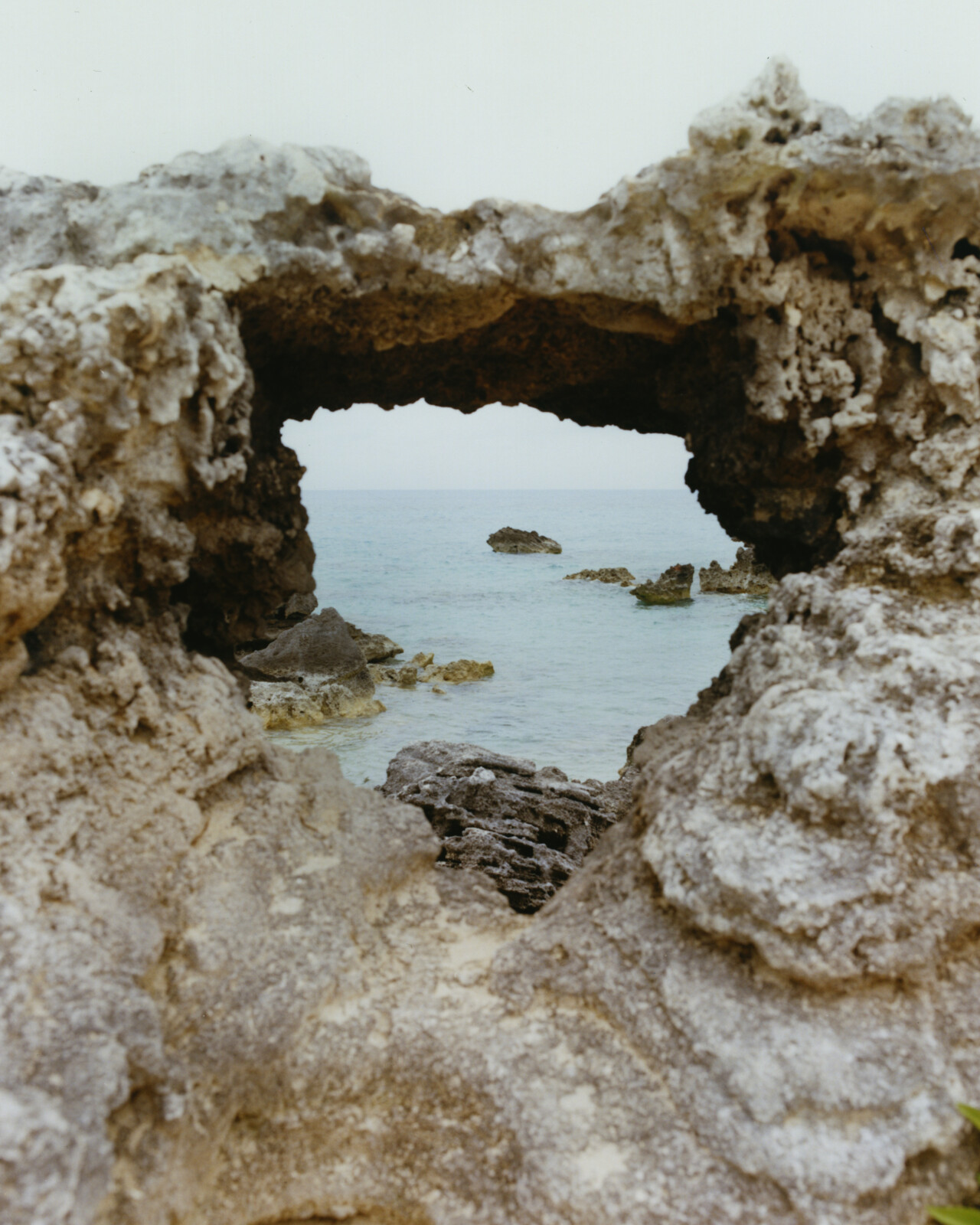
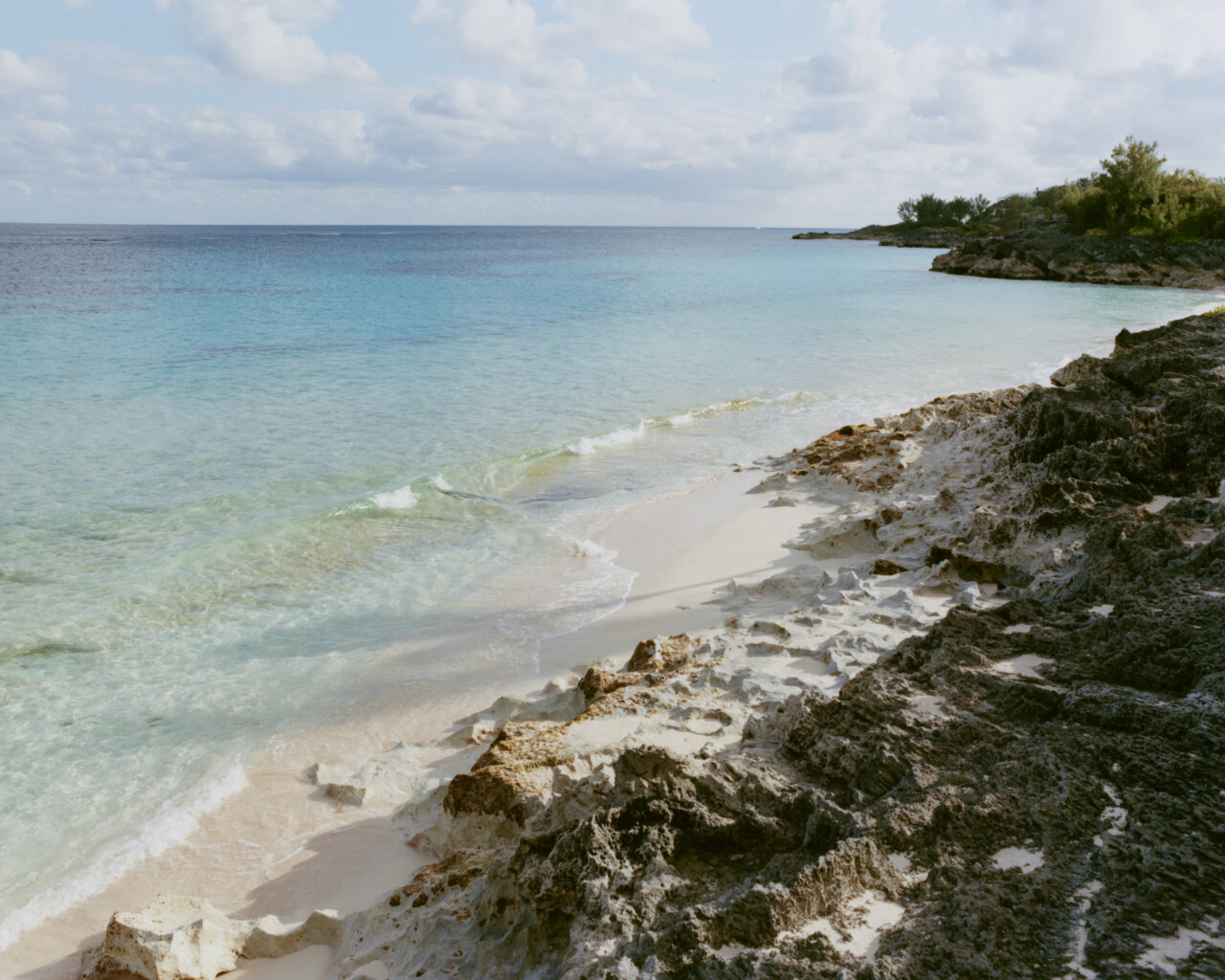
Bermuda’s 21 square miles of coral limestone look like a fishhook on the map, reaching little more than a mile across at the territory’s widest point. In satellite images, the ring of its shipwreck-strewn reef stands out against the dark blue.
Those reefs have made Bermuda one of the Atlantic’s most ecologically distinctive marine environments, but also one of its most exposed. Here, lionfish have become a defining ecological threat. And a test case for what happens when a fragile island ecosystem is forced to adapt to a predator it cannot easily control.
The first documented Atlantic Ocean sighting of an invasive lionfish outside United States waters occurred in Bermuda in 2000.
Native to the Indo-Pacific, this member of the Scorpaenidae family benefits from a dangerous combination of few natural predators and extraordinary reproductive capacity. A single fish can lay up to 2 million eggs a year. Left unchecked, lionfish can reduce juvenile reef fish populations by as much as 80% in just a matter of weeks.
In the U.S., lionfish were first found off the coast of Florida in 1985. Since then, they have become known as “the worst marine invasion” on record, according to scientists. Lionfish now span some 2.8 million square miles—nearly 7%—of the Atlantic and Caribbean, from Rhode Island to Brazil. They’ve also reached the Mediterranean. The scale of the threat has turned divers like Price into unlikely conservationists, hunting lionfish one by one.
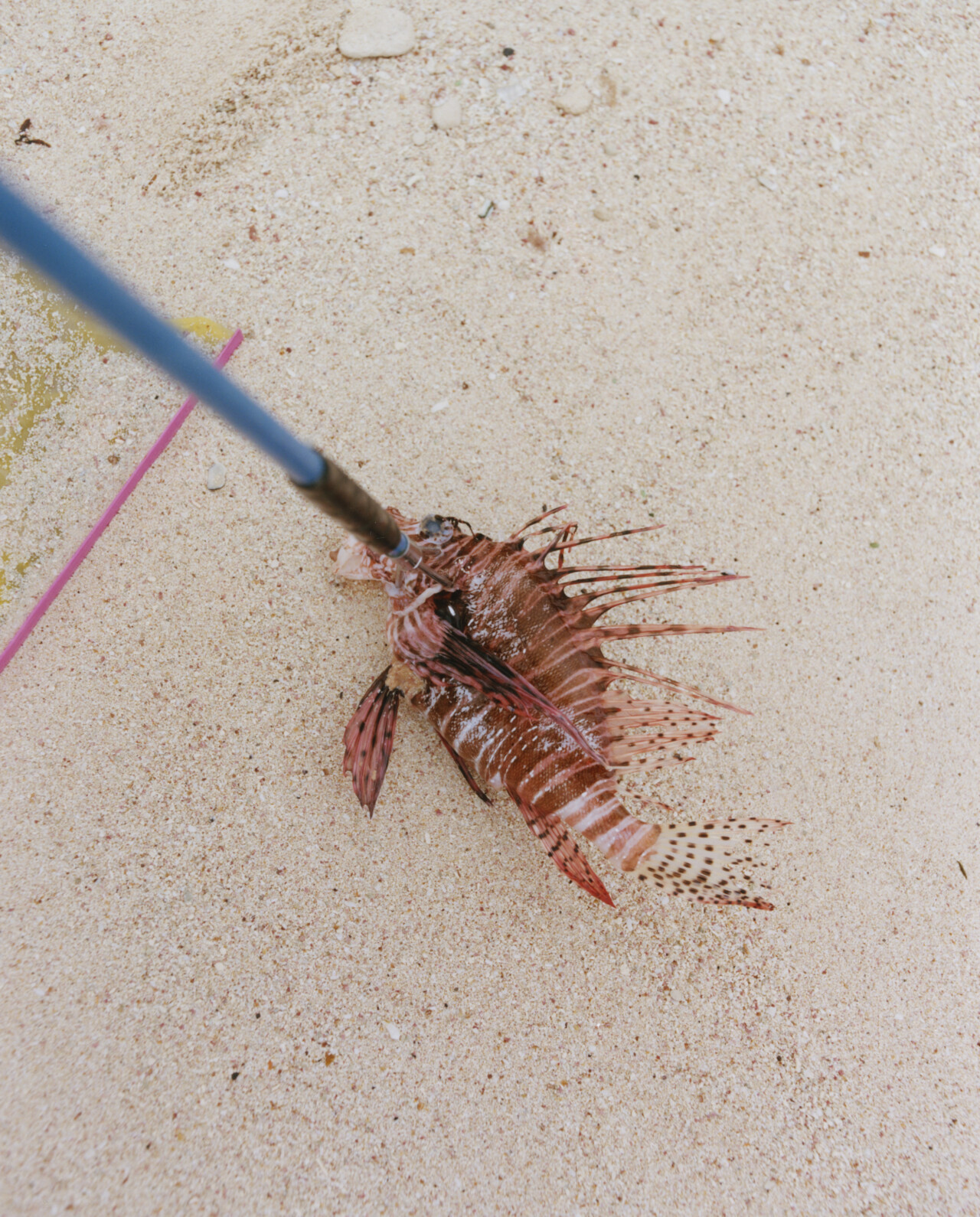
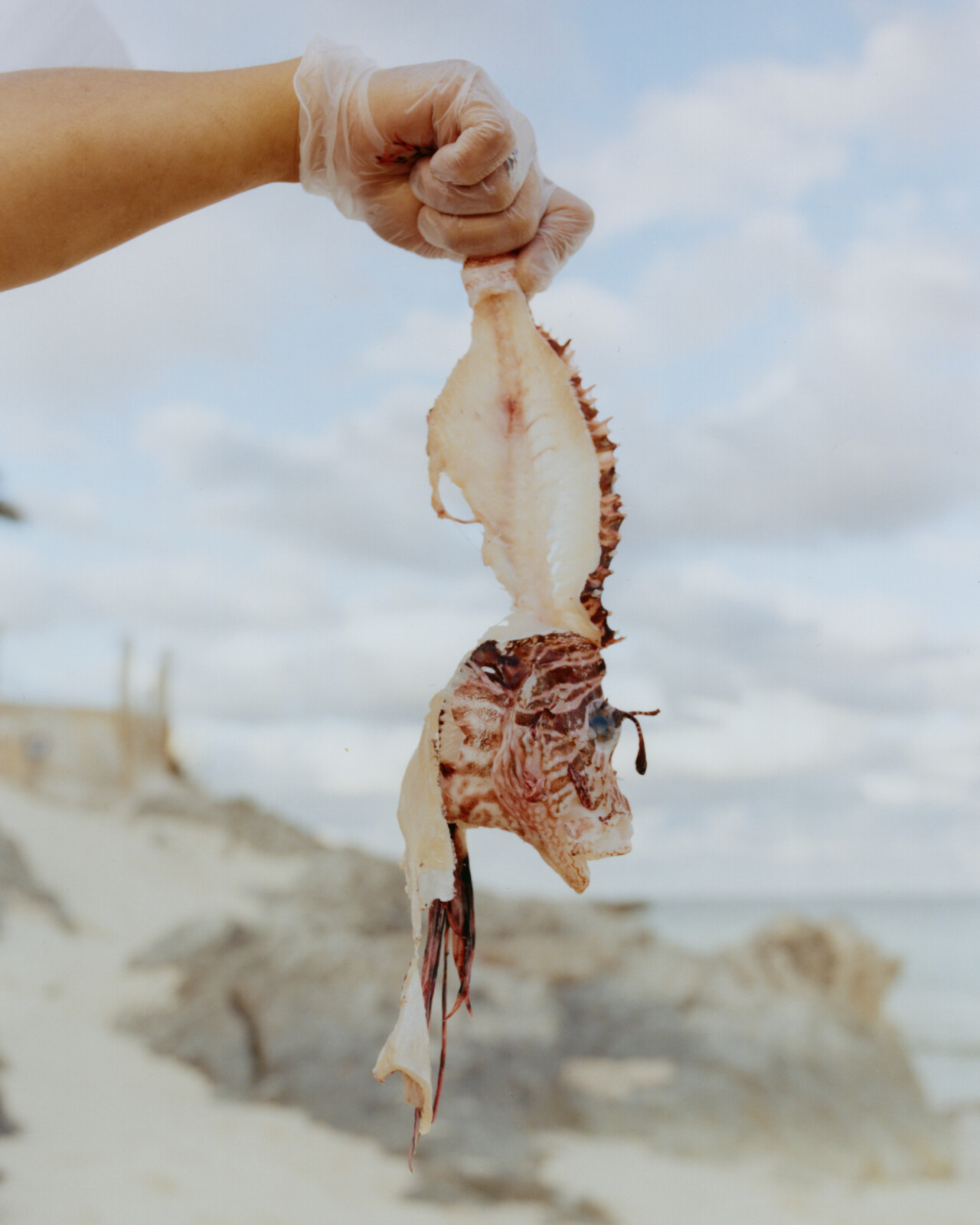
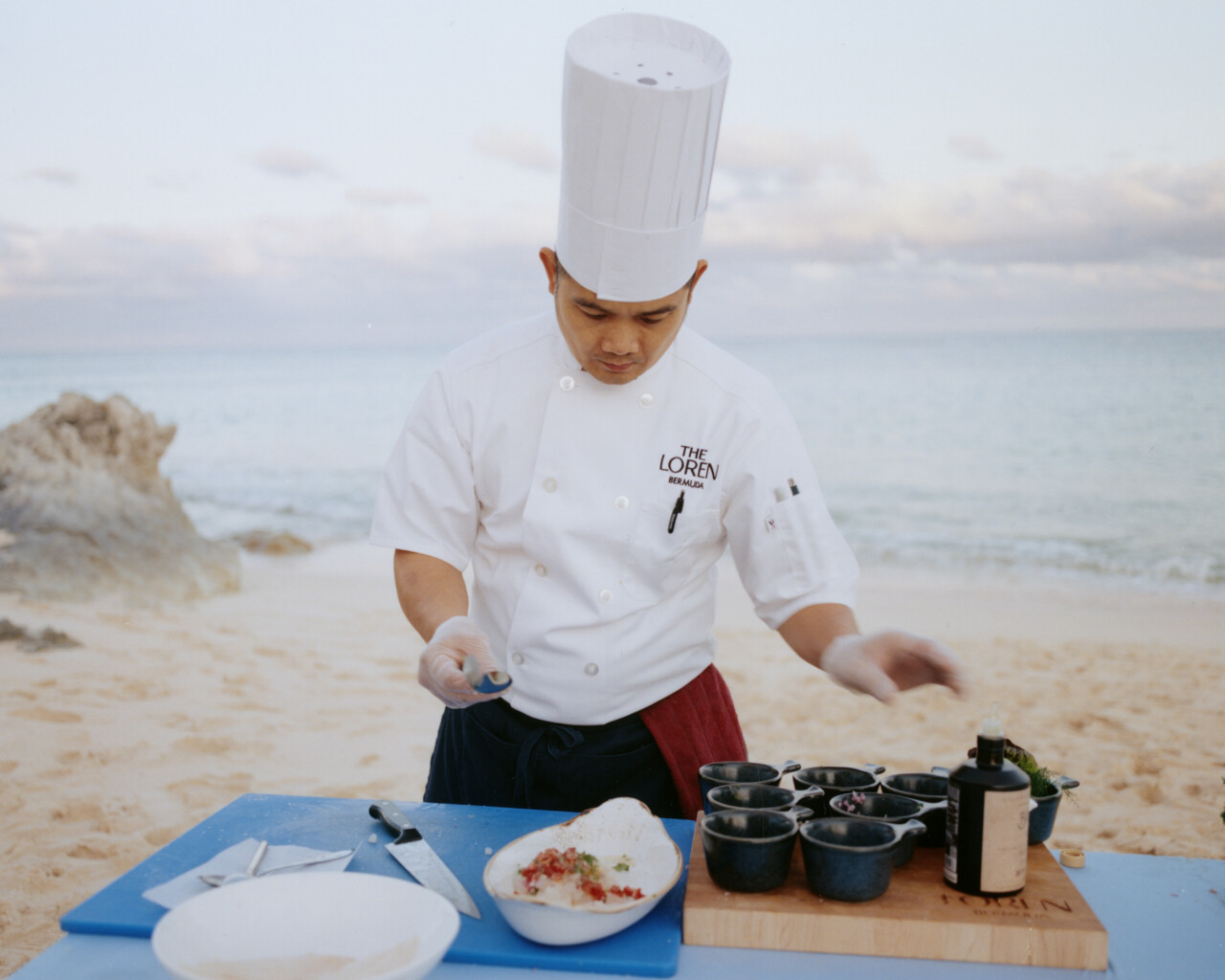
As Price emerges from the surf with her skewered, 2-pound catch, Chef Lourence Godinho stands ready on the beach in his chef whites, knife in hand. He’s about to prepare lionfish ceviche for guests—slain to order, tableside. Godinho comes from a family of chefs, descended from generations of farmers. For the nearly eight years he’s worked at boutique hotel The Loren at Pink Beach, he has built his menus around fresh, local, sustainable ingredients, including this notorious intruder. Godinho was the first chef on the island to serve lionfish consistently year-round.
At a government-mandated $12.50 per pound, it is one of the pricier fish on the local market, and it’s not available wholesale. Godinho has worked hard to build relationships with suppliers like Price. “But it’s delicious,” he said of the flaky white fish, comparing it to small grouper with a delicate, buttery flavor well-suited to tartare, ceviche, and tiradito.
For every lionfish Price spots and spears, there may be tens of thousands more at depths of 200-plus feet, feeding and breeding where zooplankton and prey are in ready supply. This is no anomaly. The most transformative marine invasions tend to follow that same pattern: They are largely invisible until it’s too late to stop them.
A carnivorous, bioluminescent comb jelly that hitchhiked from North America to the Crimean coast in the 1980s brought fisheries in the Black and Baltic seas to near-total collapse. Zebra mussels, transported into the Great Lakes, reshaped freshwater ecosystems within a decade. Today, Pacific oysters from aquaculture crowd the beaches of Denmark’s Wadden Sea coast, while European green crabs, native to waters off coastal Europe and West Africa, have flourished in the warmer waters of American New England since the early 19th century, displacing native shellfish.
Billions are spent each year on managing marine invasive species introduced through human trade routes. An intergovernmental scientific assessment estimated the annual global cost of all invasive species, marine and terrestrial, at $423 billion as of 2019, a figure that includes damage to ecosystems, agriculture, fisheries, infrastructure, and human well-being, as well as the cost of managing outbreaks.
In the case of lionfish, eradication is no longer the goal. These interlopers are here to stay. The question now is what coastal communities do next.
Joe Roman, a conservation biologist, author, and fellow at the Gund Institute for Environment at the University of Vermont, has seen wildlife biodiversity rebound within his lifetime, driven by top-down policy from ballast water regulations to the Endangered Species Act. But in the late 1990s, while collecting European green crabs along the northeast coast for his PhD, he began to suspect that harvesting invasive species could play a role in management. “Look what we did to cod. Look what we did to bison,” Roman said. “Clearly, when we like them, we’re really good at reducing their numbers.”
As much a foodie as he is a scientist, Roman kept returning to the idea of “invasivorism.” At first, it repelled people. Over time, however, the locavore movement gained traction, and foraging reentered the cultural mainstream. “Are we going to solve the invasive problem by eating them?” Roman asked. “Absolutely not. Can we have an impact in some places sometimes? Yes.”
“Every species that’s alive now is here because its ancestors, for millions of years, have been able to solve problems of a changing environment.”
From Curaçao to Cyprus and Florida to the Carolinas, communities are beginning to incorporate lionfish into culinary culture. The procurement and preparation of these and other marine invasives, in some cases, has inspired people to incorporate long-treasured fishing and culinary traditions going back generations. Much of this work is being led by chefs.
The Venetian green crab is a delicacy in Italy’s lagoon city, where the native invertebrate resides offshore. There, fishers harvest molting soft-shells for a culinary delicacy called moeche, prepared battered, fried, and served alongside a traditional accompaniment like polenta. In the U.S. food scene, their close (and invasive) relative, the European green crab, has presented a learning curve—but chefs are increasingly finding ways to adapt to them. At Field & Vine in Somerville, Massachusetts, Chef Andrew Brady has offered green crab accompaniments on his menus for several years in a broth over Wellfleet oysters or as an aioli alongside glazed pork belly. Elsewhere, at Mystic Fish Camp in Mystic, Connecticut, which opened just last year, James Beard winner David Standridge serves a “poor man’s lobster roll,” of monkfish poached in green crab oil.
“Disgust” can in some cases be a barrier to invasivorism, Roman said, and chefs embracing these new ingredients for their attributes—not their shock value—can break through. “You’re not going to trust me: I’m a biologist, and I have an agenda,” he said. “But if you go to a restaurant, and you see green crabs or lionfish on the menu, you think differently.”
In Bermuda, Godinho and other chefs source lionfish from local suppliers, especially during the annual tournament organized by the Bermuda Lionfish Task Force. Ten teams compete for prizes, and the result is a steady supply of fresh lionfish.
Research by University of Alberta conservation ecologist Stephanie Green suggests this kind of hyperlocal effort can have measurable ecological benefits. Her team has modeled the concept of “functional eradication,” or reducing a species to a density at which ecological damage no longer accelerates in order to allow native fish to recover. Green observed this in the Bahamas, where her team tracked lionfish and their prey over 18 months. There was a clear tipping point: above it, prey populations declined rapidly; below it, they rebounded.
Targeted human intervention could bring lionfish populations below that threshold. Fishing tournaments, in which spearfishers hunt lionfish for sport and then eat or sell the catch, have proved especially effective. “We did find that those kinds of events have a really significant impact on the lionfish,” Green said. “Just a one-day tournament in the Florida Keys could reduce the densities of lionfish by 70%” in the targeted area.
Looking at annual derbies in the Bahamas and South Florida from 2012 to 2014, her team found they reduced lionfish densities by an average of 52% across roughly 73 square miles each year. In South Florida, where populations rebounded more quickly, researchers encouraged derby organizers to switch from an annual event to twice per year. Persistence is key: A hurricane or lapse in management can undo years of progress in a matter of weeks.
“It may not be that they need to have a tournament forever,” Green said. “There may be other things in the connected system that mean the invasion slows down eventually. Knowledge to respond to changes in the system—and pull out these tools when you need them—I think is really helpful.”
Environmental writer Emma Marris prefers the term “introduced” to “invasive.” After all, she argues, these species do not lie or scheme their way out of aquarium tanks or container ships.
Marris’ work presents the question: Who are humans to determine a place’s “natural” state? We’re bent on fighting, controlling, or eradicating biological invasives “because they’re eating these other things that we care about and reshuffling the ecosystems in ways that make us uncomfortable,” she said. But conservation, she argues, should not arbitrarily idealize a “pre-human” baseline as its goal. It should also account for the natural world’s capacity to adapt, on its own timescale.
When a species enters a new ecosystem, Marris says, it is rare that the newcomer will take off right away. Occasionally, one does—as lionfish have in the Atlantic—but that population boom does important work: It spurs the rest of the food chain into action.
“Evolution is fast,” she said. “Species get knit in. The boom period is exactly what causes the rapid adjustment.” Some research suggests that when humans intervene and suppress that boom, they may prolong the process. “Every species that’s alive now is here because its ancestors, for millions of years, have been able to solve problems of a changing environment,” she said. “So they’re not helpless victims. I’m not saying they will always be able to solve every problem, but other species are more resourceful than we give them credit for.”
Is the lionfish being knit in? After more than two decades, predators have yet to catch up, but a 2015 study suggests that parasites are beginning to. Researchers surveying lionfish across 13 locations in the Atlantic and Caribbean found that lionfish living in Belize carried twice as many native endoparasites as the other regions. This is ecology’s “enemy release hypothesis at work,” where a species arrives in a new territory free of the factors that kept it in check at home. At first, the species thrives. But in Belize, research shows ecosystemic adaptation is underway. “Instead of being this new guy who doesn’t have any enemies, everyone else is wising up,” Marris said.
Critics argue that a “let go and let boom” approach overlooks the realities faced by coastal communities, where economies evolve alongside ecosystems.
For example, lionfish populations are upending the Belizean conch, lobster, and reef fisheries on which many locals depend. While sitting back and waiting could yield results in five, 10, or 40 years, “no one’s going to volunteer” to let lionfish surge unchecked if there are ways they can fight for their livelihoods, Green said. And as a scientist, she feels “a responsibility and an opportunity to be creative in the way that we can bring our tools to communities.”
In Bermuda’s Flatts Village, the sun is setting, and the Bermuda Aquarium is abuzz as the Winter Lionfish Derby wrap party gets underway. Hundreds of fish species are circling in the blue glow of their tanks. Dozens of spearfishers are raising their glasses. Goslings, the Bermudian rum brand, has set up a kiosk beside the towering Sargasso Sea tank, where silver pompanos make slow loops. The Loren is catering, with Godinho and colleagues tending to a buffet of lionfish chowder.
Price and her husband, Tim, are here with their team: weekday office workers who spend evenings and weekends freediving from shore. “I love it so much,” Price said. “But there are days when you’re just so tired. I’ll keep doing it for as long as I can.” She pauses. “I don’t think we struck out anytime we went. There’s definitely a lot of fish out there.”
More than 1,200 lionfish were removed from the water and brought onto plates during this tournament, bringing Bermuda’s official total to 28,505 culled since 2012. Each fish, by some estimates, can consume up to 70,000 native reef fish over its lifetime.
The room erupts in applause as this year’s first-place winner steps forward: a 16-year-old spearfisher named Mark Lewis, the first person younger than 18 to take the Bermuda derby’s top prize. He never thought he’d break the 100-fish mark. But this year, he speared 131. Many of them ended up as lunch or dinner. “It is the main fish my family eats,” he said.
“There’s a story on the table whenever you sell the lionfish,” Godinho announced to the room over the din of celebration. “It’s the hard work of the hunters that’s on the table. It’s an ocean conservation program that’s on the table. It’s just about giving back to the island what we can as chefs. That’s a beautiful thing.”
Join our membership community. Support our work, receive a complimentary subscription to Atmos Magazine, and more.
One Solution for Invasive Species? Put Them on the Menu.