Words by Isobel Whitcomb
photographs by evan benally atwood
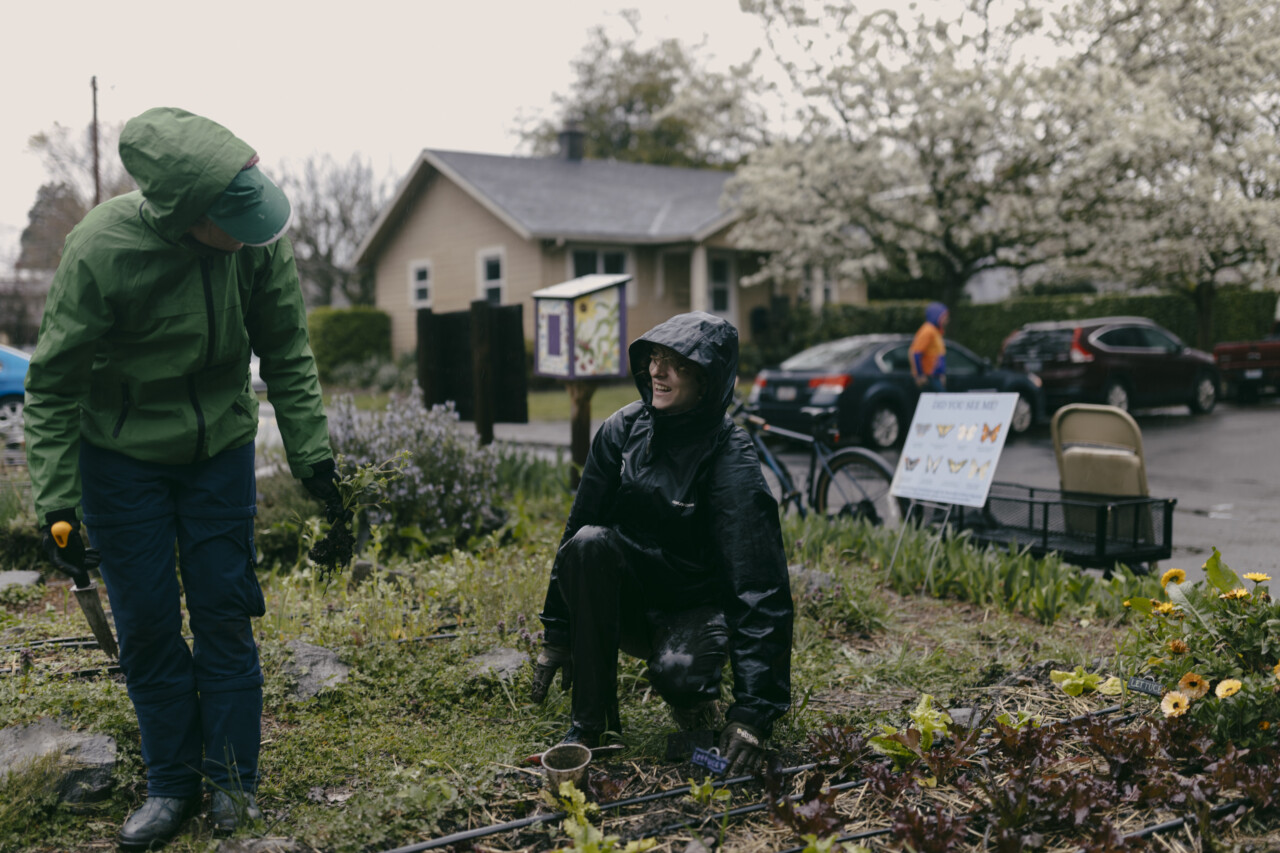
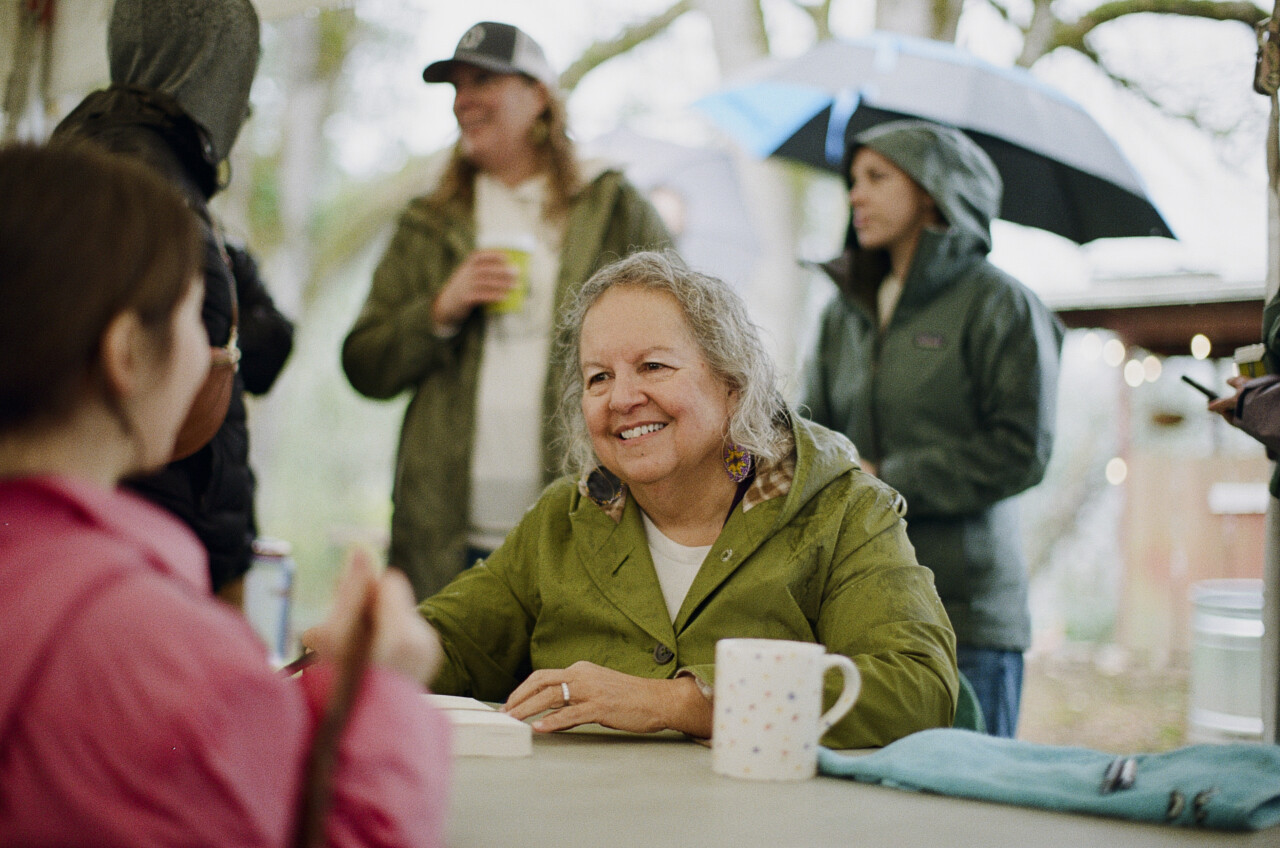
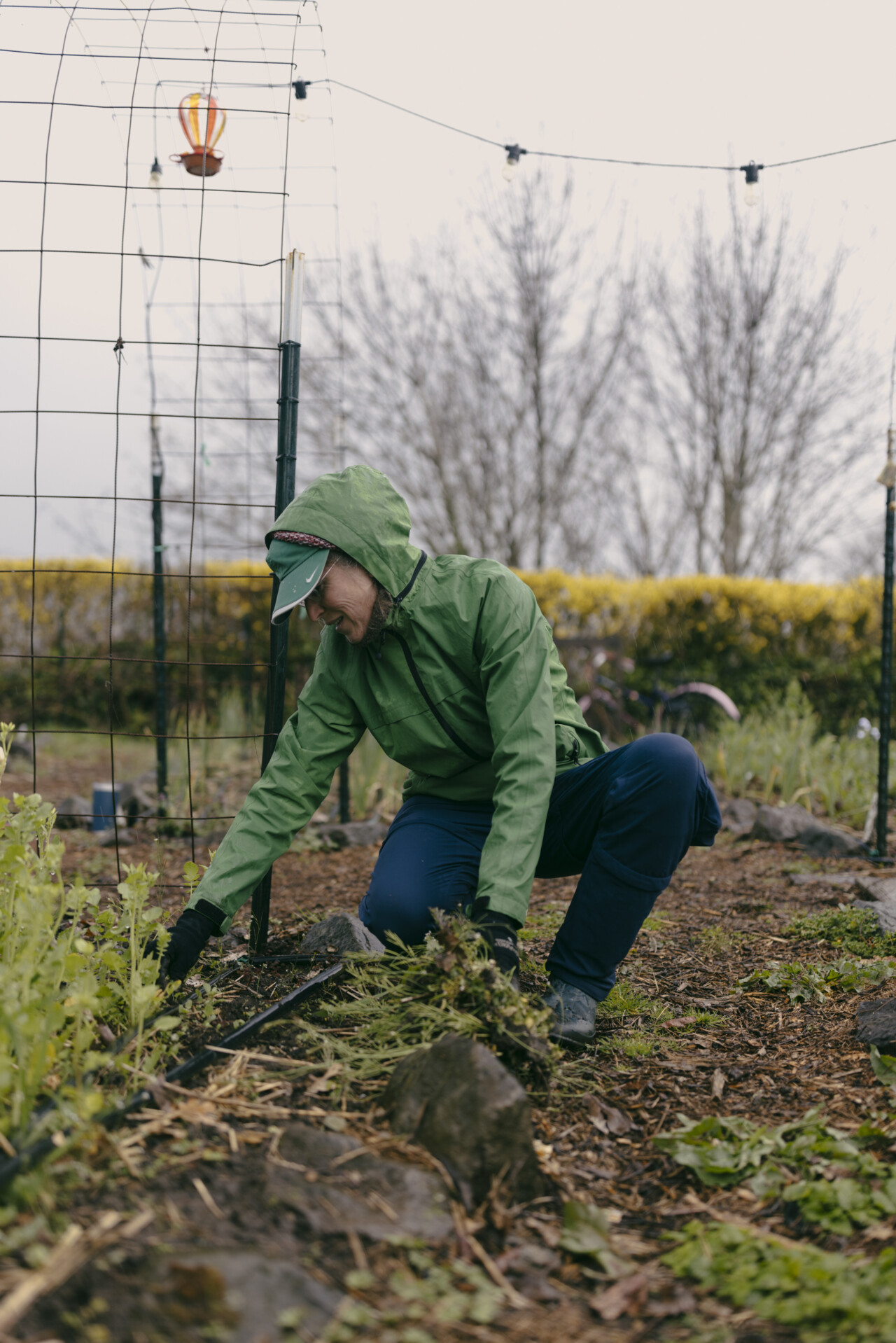
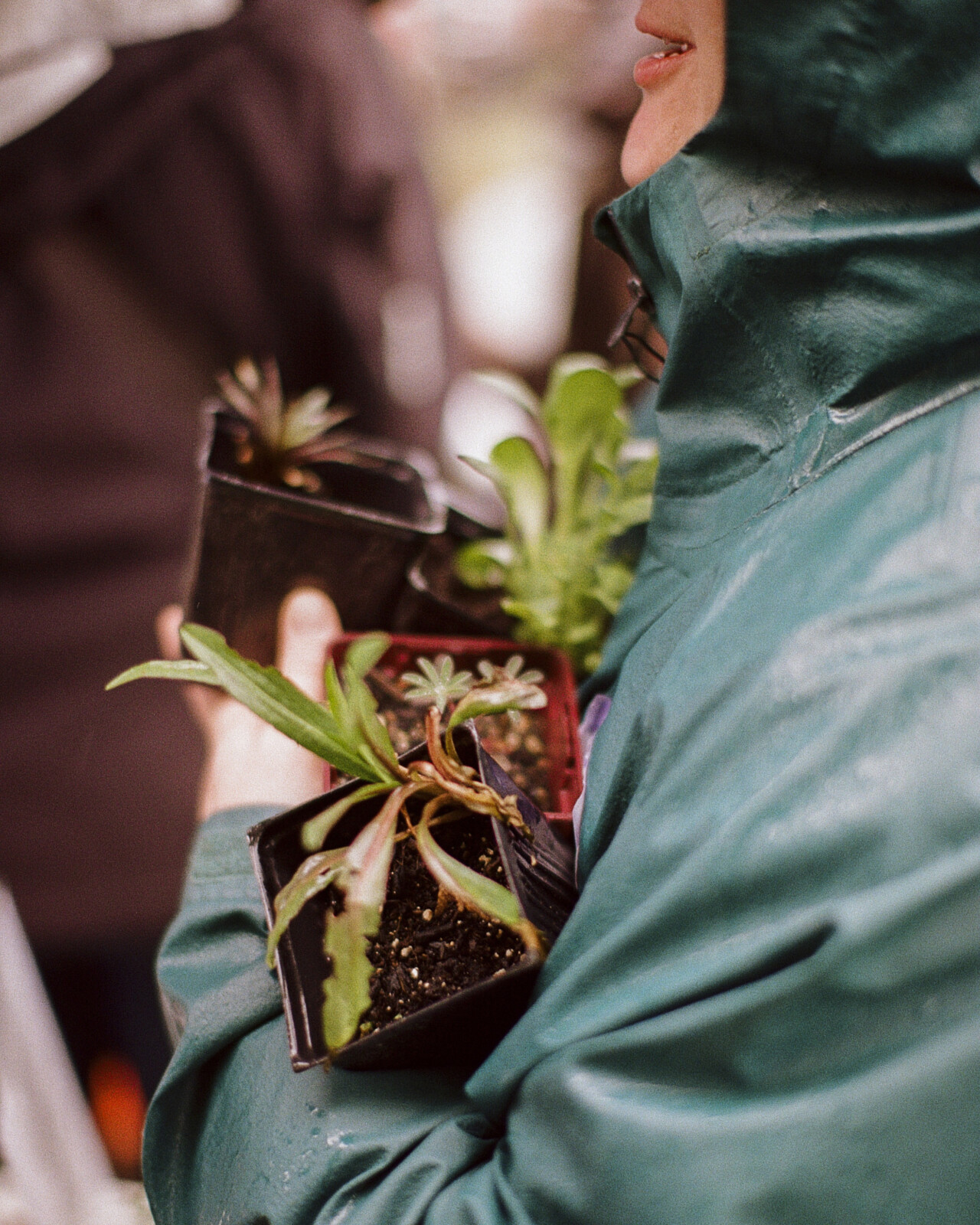
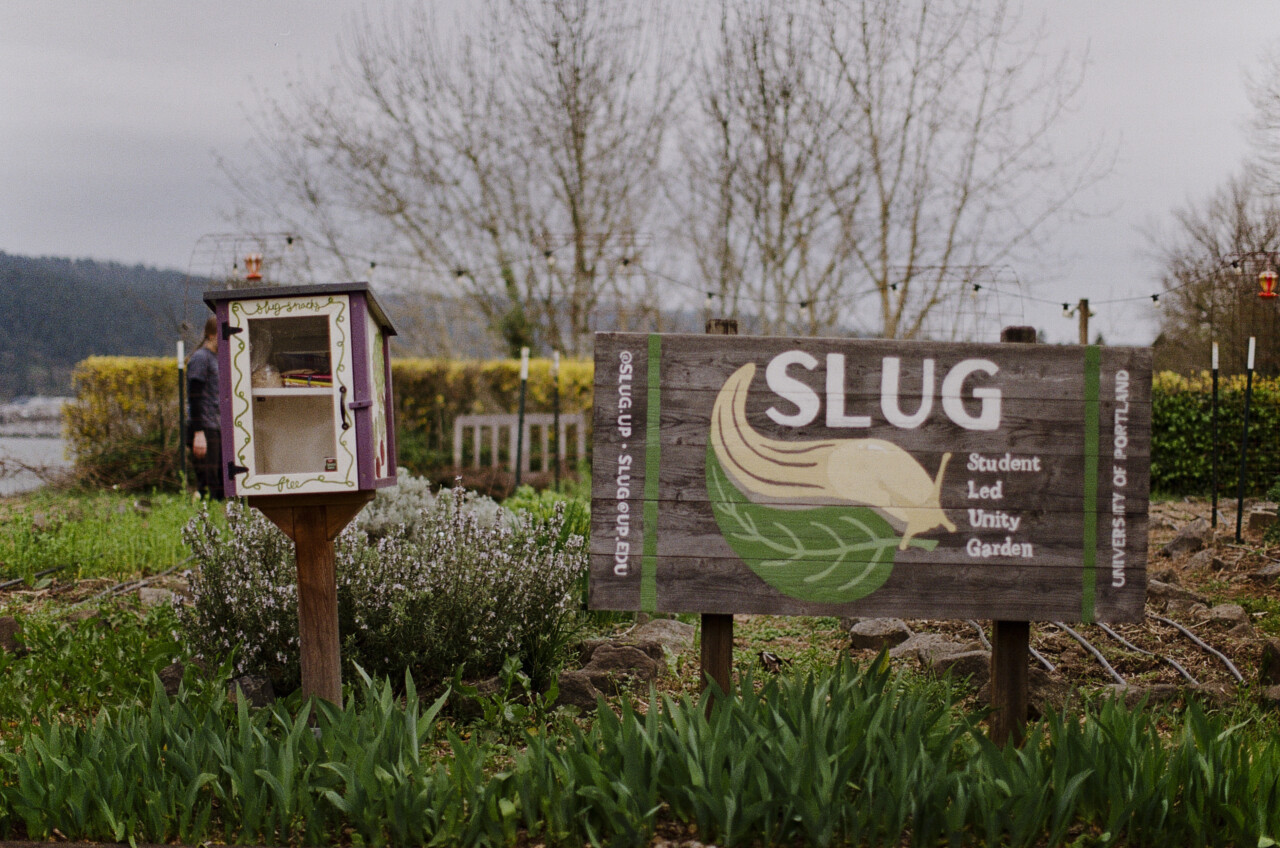
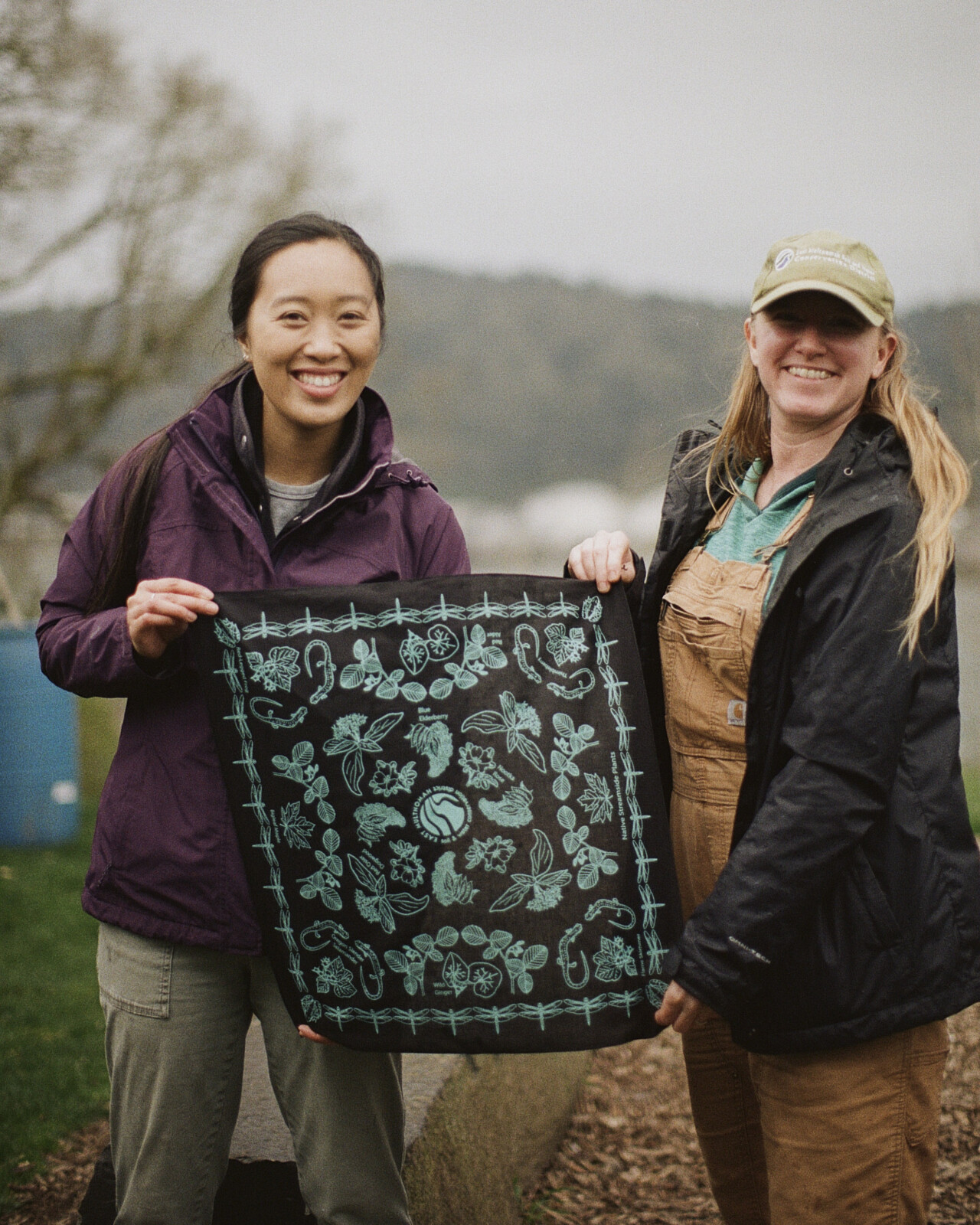
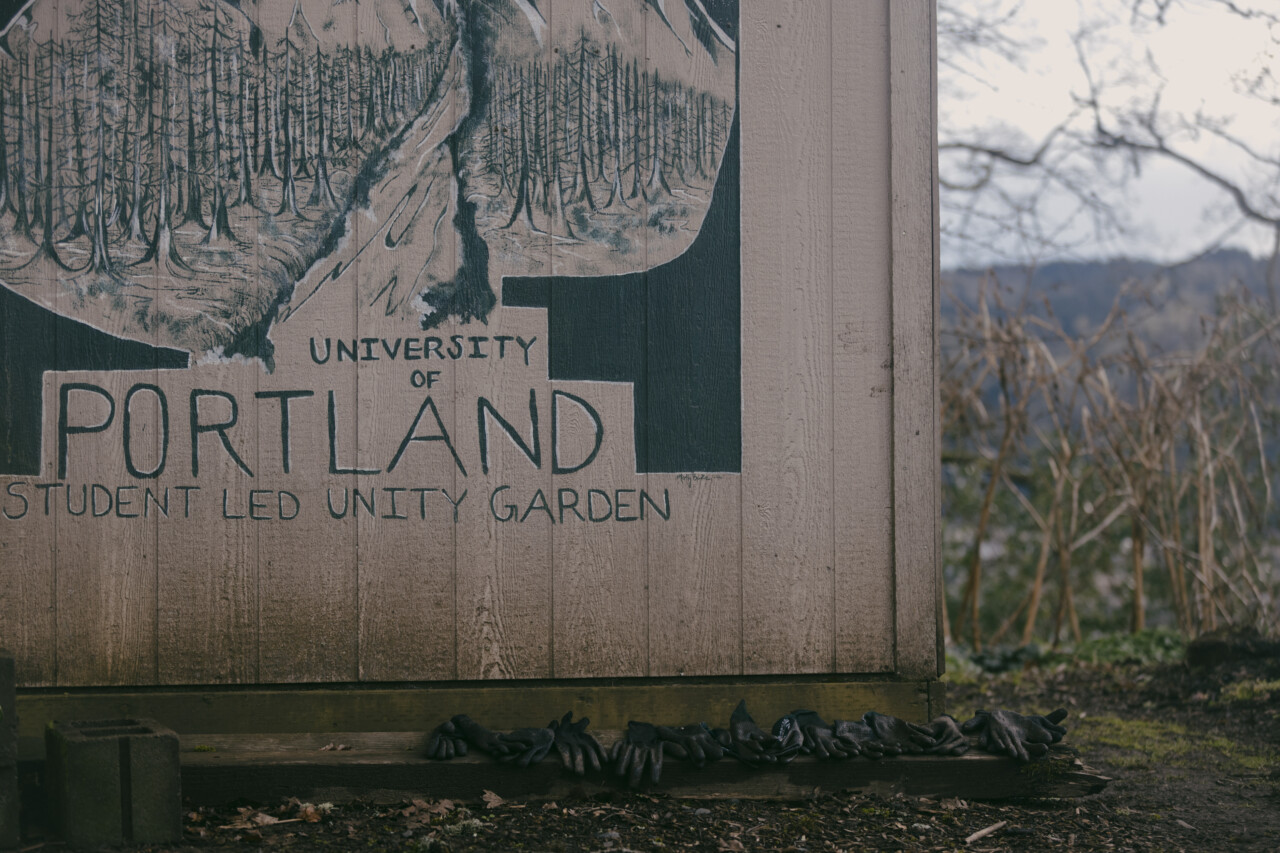
On a March day at the University of Portland, the rain seems to fall sideways in tiny, shard-like drops blown haphazardly with the wind. But it does not seem to bother the 100 or so people gathered in a garden overlooking Oregon’s Willamette River. The steel-gray water, mirroring the sky, throws the crowd’s multicolored rain jackets into relief. Under white tents that threaten to blow away with each gust of wind, students and community members paint botanical watercolor illustrations and mix herbal tea blends. Others crouch in the dirt, planting strawberries in the saturated soil.
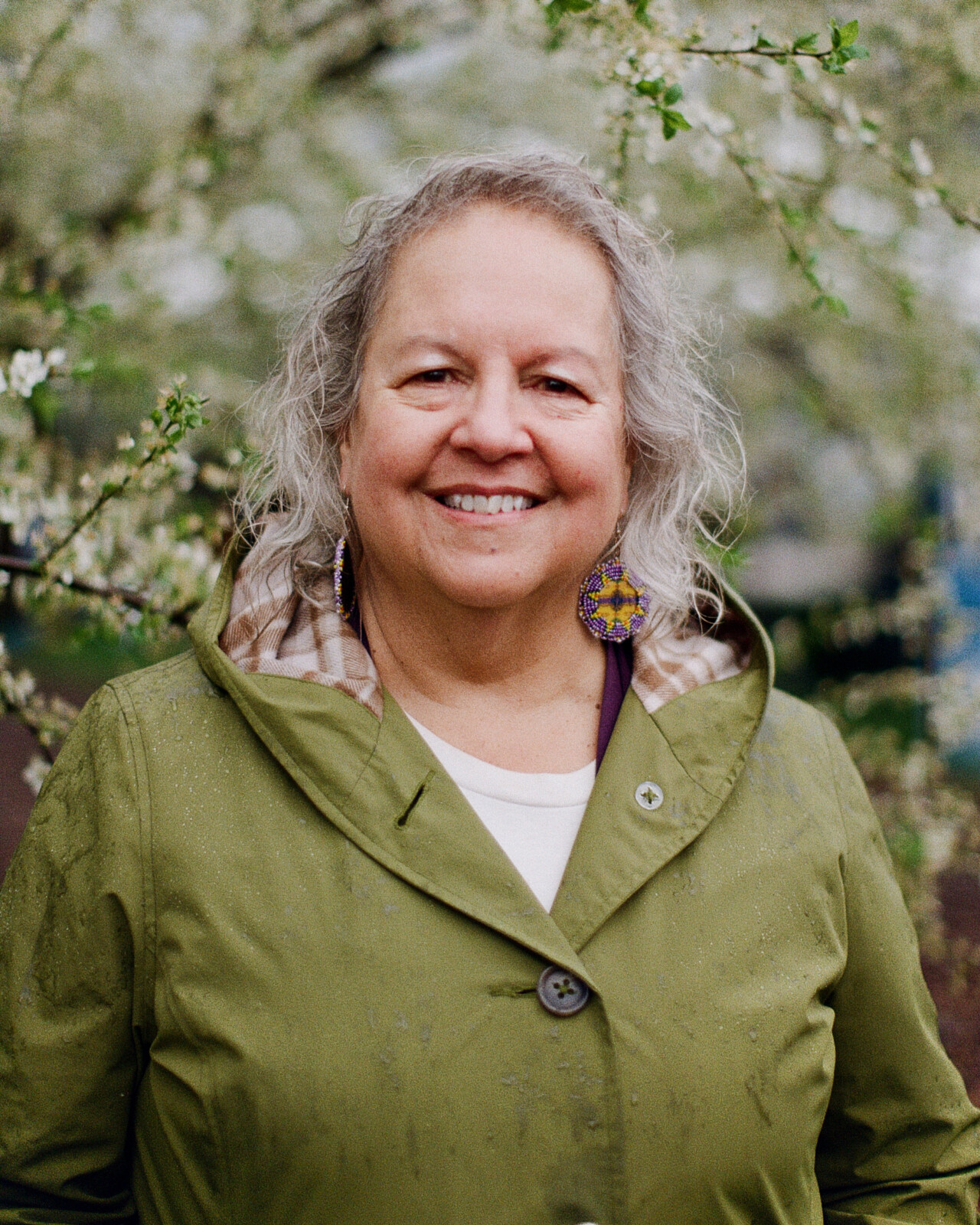
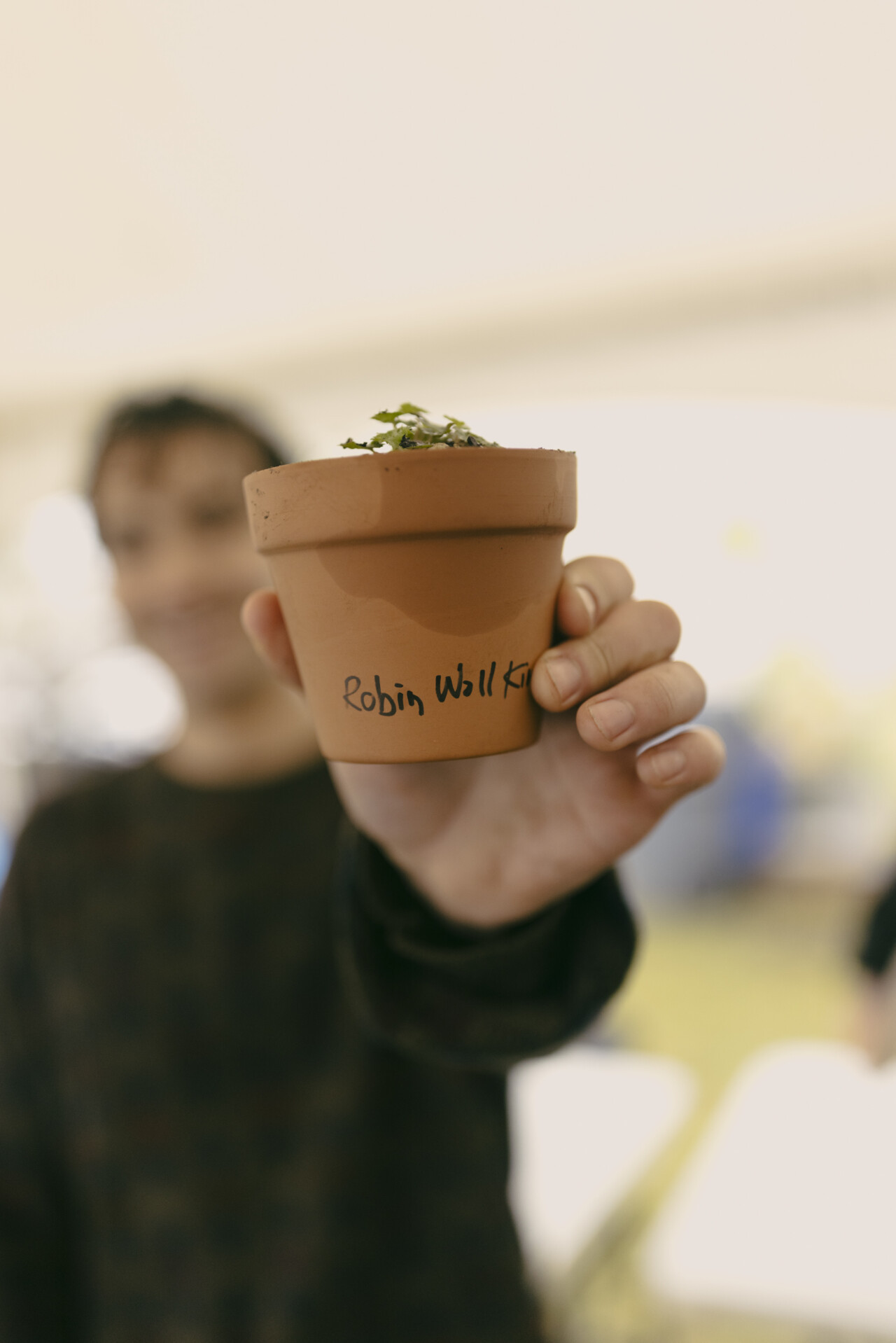
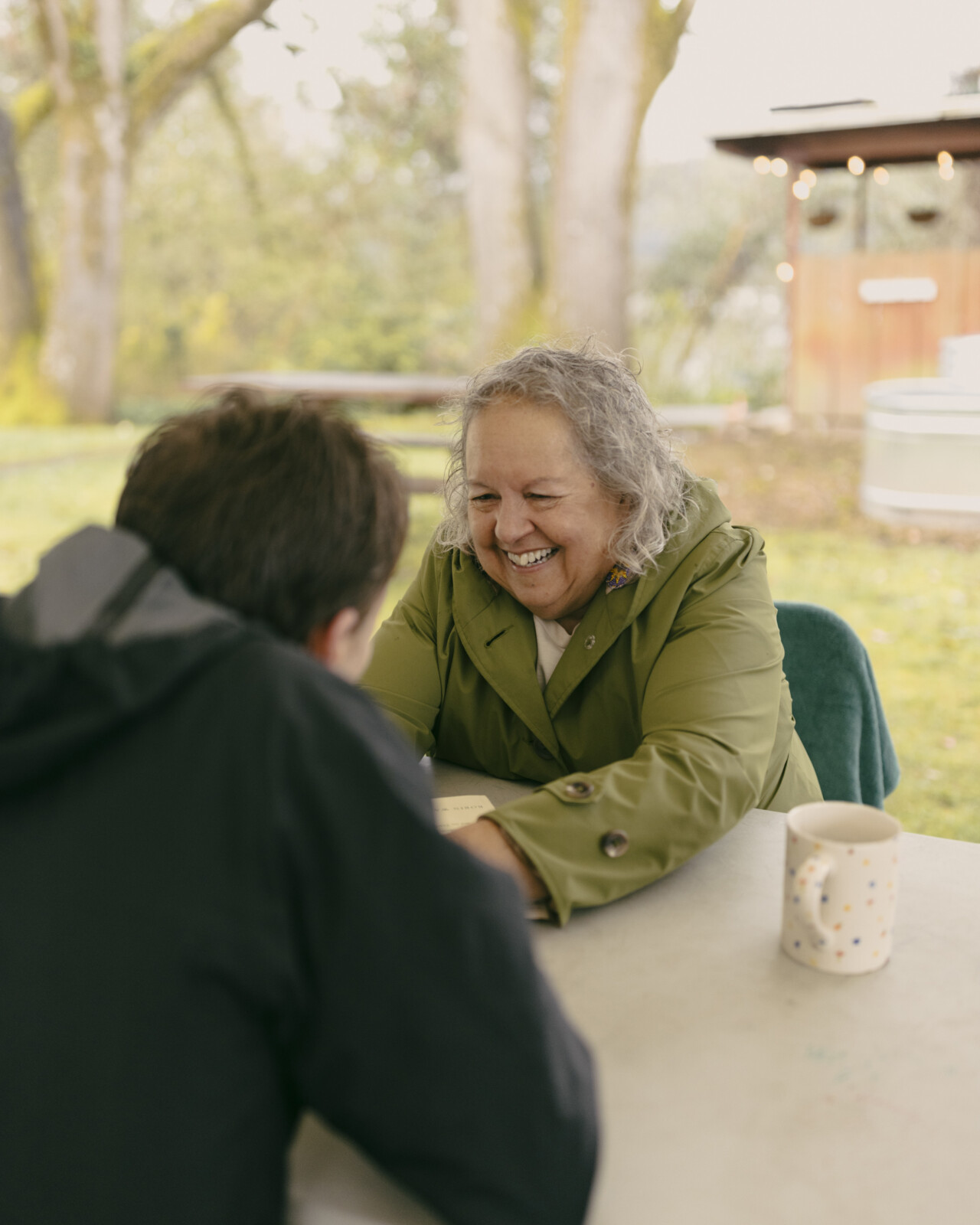
There is an undercurrent of anticipation in the crowd, and the chatter gives way to something like awe when the guest of honor arrives. “She’s here!” drenched students stage-whisper to one another, stealing shy glances. The “she” in question is Robin Wall Kimmerer: botanist, professor, member of the Potawatomi nation, and the author of a beloved collection of books, including Braiding Sweetgrass and Gathering Moss.
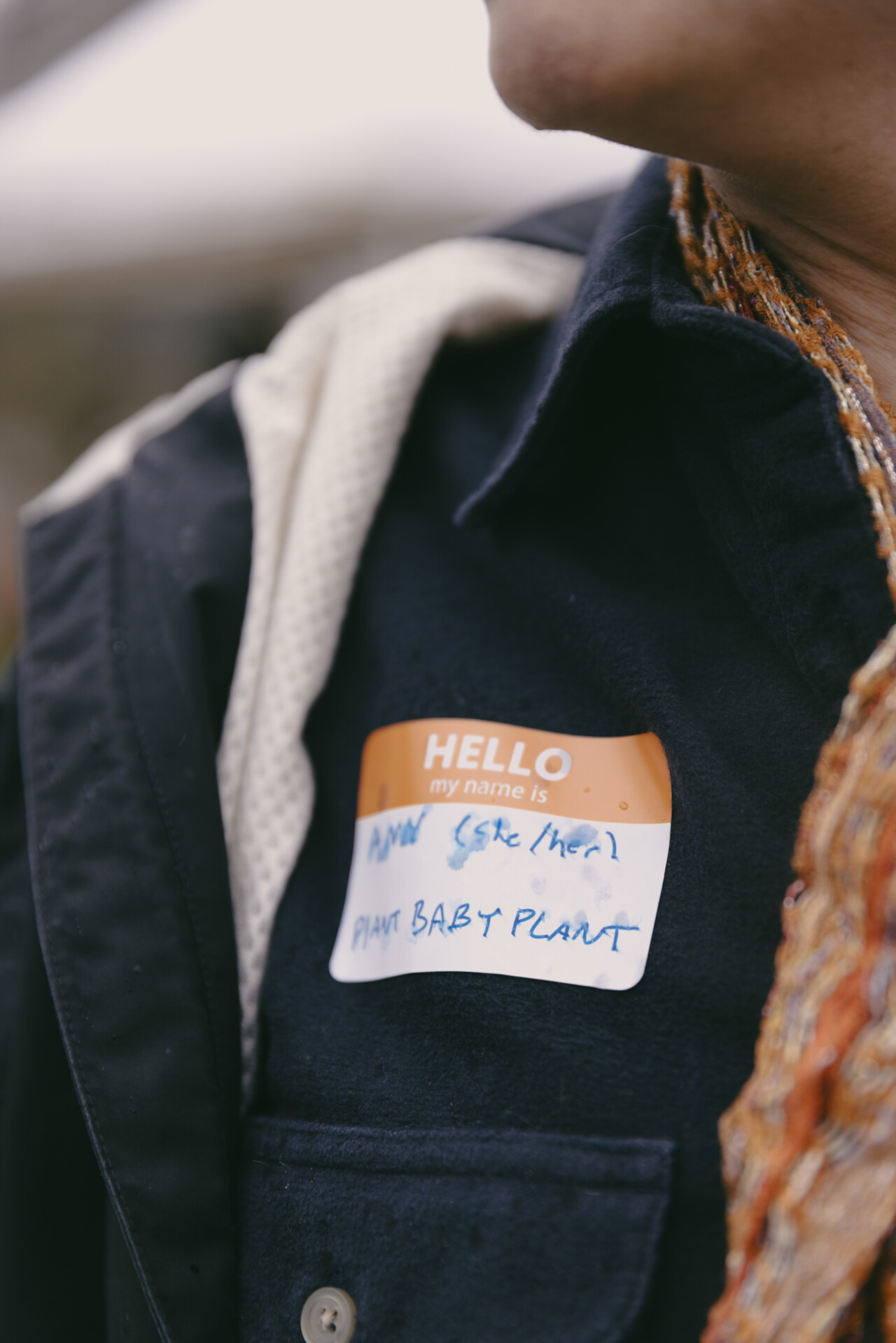
The community is here to plant, baby, plant. At least, that is the name of the movement they’ve joined. Their goal is simple on its face: to gather people in acts of regeneration against relentless extraction; planting gardens, rewilding disused pockets of urban decay, and restoring wetlands.
But the movement is also about regenerating community and joy, and about fundamentally shifting our understanding of our place in the world. Its founder and public face is Kimmerer; and people are hungry for what she has to say.
Kimmerer’s writing has a way of changing how people see the world. She writes about plants—from moss to beans—in a personifying way. Readers often come away from her books with a renewed sense that they stand in relationship to the so-called “natural” world—a term that begins to lose its neatness in her hands, as humans, too, are part of it—much as they do with their human neighbors.
That much was evident at the Plant Baby Plant event, where nearly everyone I spoke to rhapsodized about Kimmerer’s work. “I put down Gathering Moss, and I looked out my back window, and I saw the moss. I’ve never looked at it the same way,” said Whitney Bailey, an urban conservationist with East Multnomah Soil and Water Conservation District.
“It opened my eyes to this other way of knowing and seeing things. I just absorbed it like a sponge,” added local artist Michelle Mitchell.
It was this energy—a deep love for the Earth and a pent-up longing to heal a damaged relationship with it—that inspired Kimmerer to launch the Plant Baby Plant movement. She spends much of the year traveling to communities for speaking events. At each one, people approached her with the same question: What can we do? “All of this love and longing is behind a big old dam,” Kimmerer told Atmos.
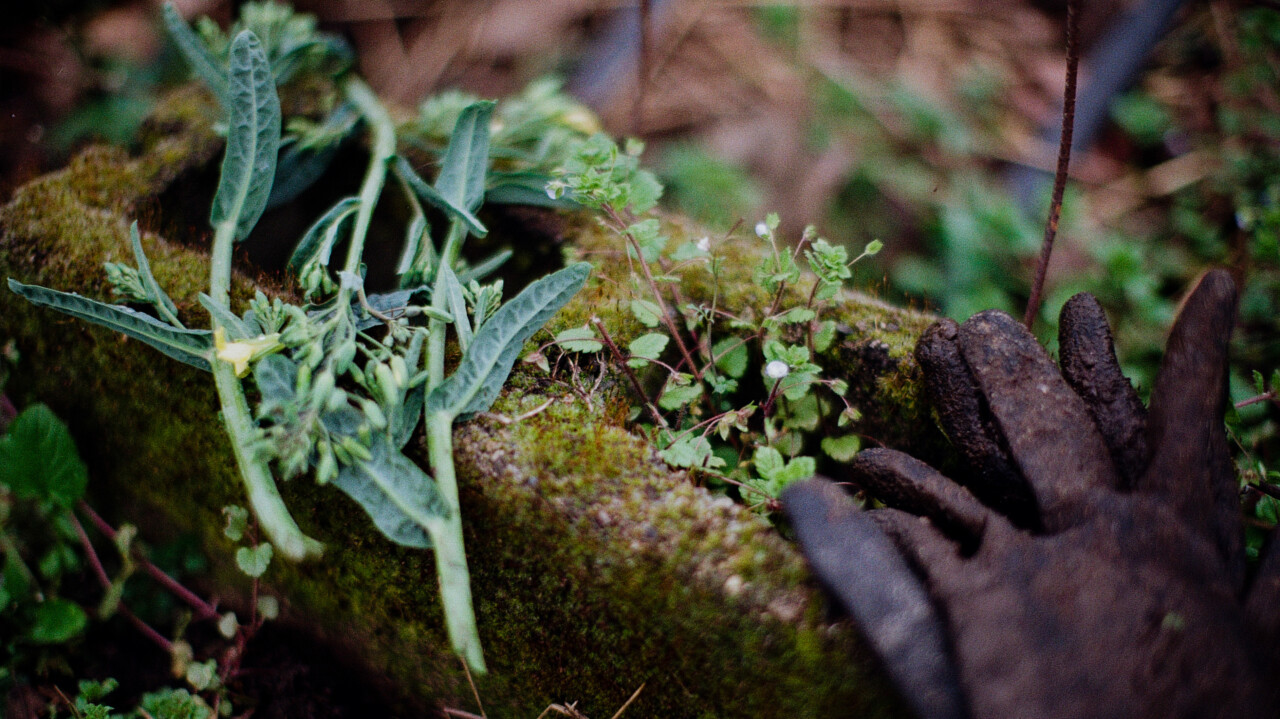
At one such event, the idea came to her onstage, unplanned and unprompted. She was lamenting the phrase “drill, baby, drill,” coined at the 2008 Republican National Convention to champion domestic oil and gas production and revived by President Donald Trump, when she had a thought. “What we need is not drill, baby, drill—it’s plant, baby, plant,” Kimmerer said. “Immediately, it felt like a garden-gloved raised middle finger.”
Hundreds of actions and proposals since Trump’s second inauguration have put our climate and the health of plants and animals in harm’s way. The administration announced oil and gas lease sales in public lands across the United States, including Alaska’s Arctic National Wildlife Refuge; rolled back efforts to save threatened and endangered species; and allowed mining near protected wilderness. Meanwhile, the United States government withdrew from international efforts to address climate change, slashed funding for research, and repealed emissions standards.
The audience’s response to the phrase “plant, baby, plant” made clear that this was the energy many people had been waiting for: cheeky, joyful, and accessible, but serious in its purpose within the wider environmental movement. And with what one admirer called her “star power,” Kimmerer seems uniquely positioned to lead it.
In her 2024 book, The Serviceberry, Kimmerer uses plants to explore the idea of a gift economy: a system in which people offer what they have in abundance without expectation of payment. In return, they trust that care will be returned from their community in other forms.
“Conceiving of something as a gift changes your relationship to it in a profound way, even though the physical makeup of the ‘thing’ has not changed,” Kimmerer writes. “The gift builds relationships.”
That idea animates Plant Baby Plant. The movement begins with the premise that plants, pollinators, and the very earth we walk upon have bestowed upon us sustenance, oxygen, beauty, among countless other gifts—and that the time has come to give something back. In doing so, it suggests, our relationship to the living world begins to change.
A garden is one such offering. Plants absorb carbon dioxide from the atmosphere and provide habitat for the insects and birds displaced by habitat loss. Other gifts might take the form of ecological restoration—of prairies, forests, wetlands—or more overt forms of resistance. One of the movement’s mottos calls on its members to “raise a garden” and “raise a ruckus.”
The movement is building its platform through “Blooms,” planting events like the one at the University of Portland. These gatherings are meant to get people’s hands in the dirt. Attendees take part in workshops, meet Kimmerer in person, and encounter local grassroots organizations with information booths set up alongside the planting.
In an era of mass extinction, rampant oil extraction on public lands, and the hottest decade in recorded history, gardening and tabling might seem painfully modest. Kimmerer and her team are well aware of the critique. “I don’t want us to be in the kind of disingenuous position of claiming that backyard gardens will cancel out the ravages of the fossil fuel-based economy,” said Brian Ratcliffe, executive director of Plant Baby Plant and a former graduate student of Kimmerer.
But it does matter, and not necessarily because lots of small actions add up to large-scale change—though that certainly remains a possibility. If you conceive of the Earth and its plants and animals as sentient, a backyard garden becomes an act of kindness toward the beings that inhabit it. From that vantage point, it matters less whether the gesture can be measured against the total harms of capitalism than whether it matters to the life directly around it.
“It may not matter on a global scale,” said Kimmerer. “But it matters to the fireflies, it matters to the goldfinches in your neighborhood.”
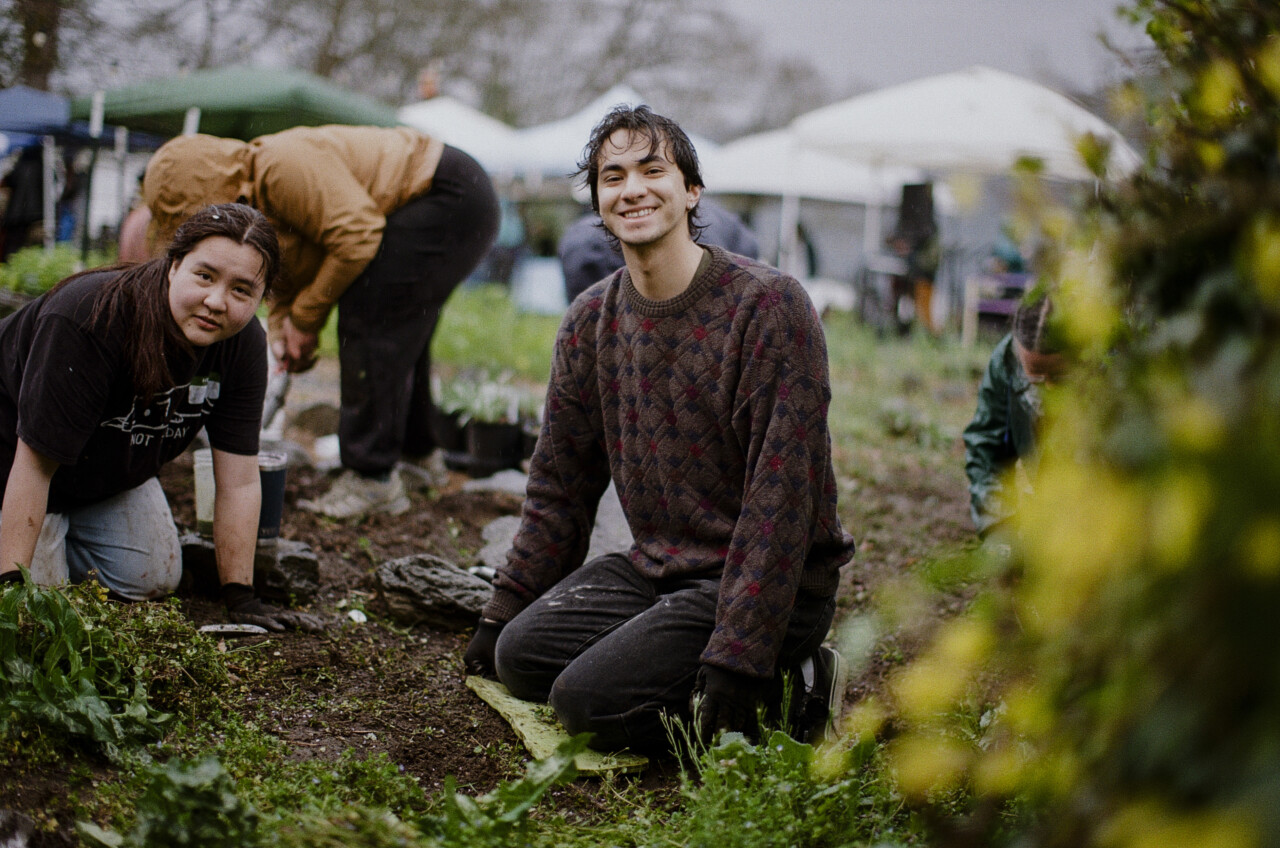
At the Portland Bloom event, attendees yank weeds to the tinny sound of the Bee Gees’ “Stayin’ Alive.” The rain is so pervasive that by this point, most of the people look like they just stepped out of the shower.
One gardener, a University of Portland sophomore named Juan Covarrubias, isn’t wearing a raincoat. His wavy brown hair and multicolored sweater are soaked through. “My whole life, I’ve loved gardening,” Covarrubias said. “It’s very therapeutic to grow something that sustains me as a whole.”
His relationship with plants began in childhood, when Covarrubias used to pick oranges and grapes from his backyard. Gardening then was about connection, especially to his grandmother, whose vegetable beds he helped tend.
As a young adult, gardening has grown to mean more. Covarrubias now sees it as an act of resistance against industrial agriculture and the monoculture crops that push out biodiversity while contributing to climate change. Agriculture, which uses heavy machinery alongside herbicides and insecticides to maximize crop yields, accounts for around 85% of the water consumed globally, while agriculture and deforestation represent just under 25% of greenhouse gas emissions, according to a 2022 special report from the Intergovernmental Panel on Climate Change. Recent research has also found that intensive agriculture is a primary reason behind the accelerating decline of birds and insects. Against this backdrop, gardening remains a form of connection, too: now to his larger community in Portland, and to the Earth.
In Braiding Sweetgrass, Kimmerer writes about Oregon’s pervasive damp, weighing the joy of rain against the bone-chilling discomfort of standing in it: “I don’t want to just be a bystander to rain, passive and protected; I want to be part of the downpour, to be soaked.”
Amid clear-cuts and heatwaves, and an unrelenting barrage of bad news, staying engaged in resistance can be painful. Sometimes it’s easier to look away. Plant Baby Plant invites people to step into the discomfort, but to do so in communion and with joy.
Near the garden, Kimmerer steps up to a microphone to address the crowd. “My invitation to you is to plant a flag, plant your feet,” Kimmerer says. “No more drill, baby, drill.” Together, the audience begins to chant: Plant, baby, plant! Plant, baby, plant! Their applause quickly blends into the sound of the falling rain and carries across the garden.
Join our membership community. Support our work, receive a complimentary subscription to Atmos Magazine, and more.
Plant Baby Plant: Inside Robin Wall Kimmerer’s New Movement