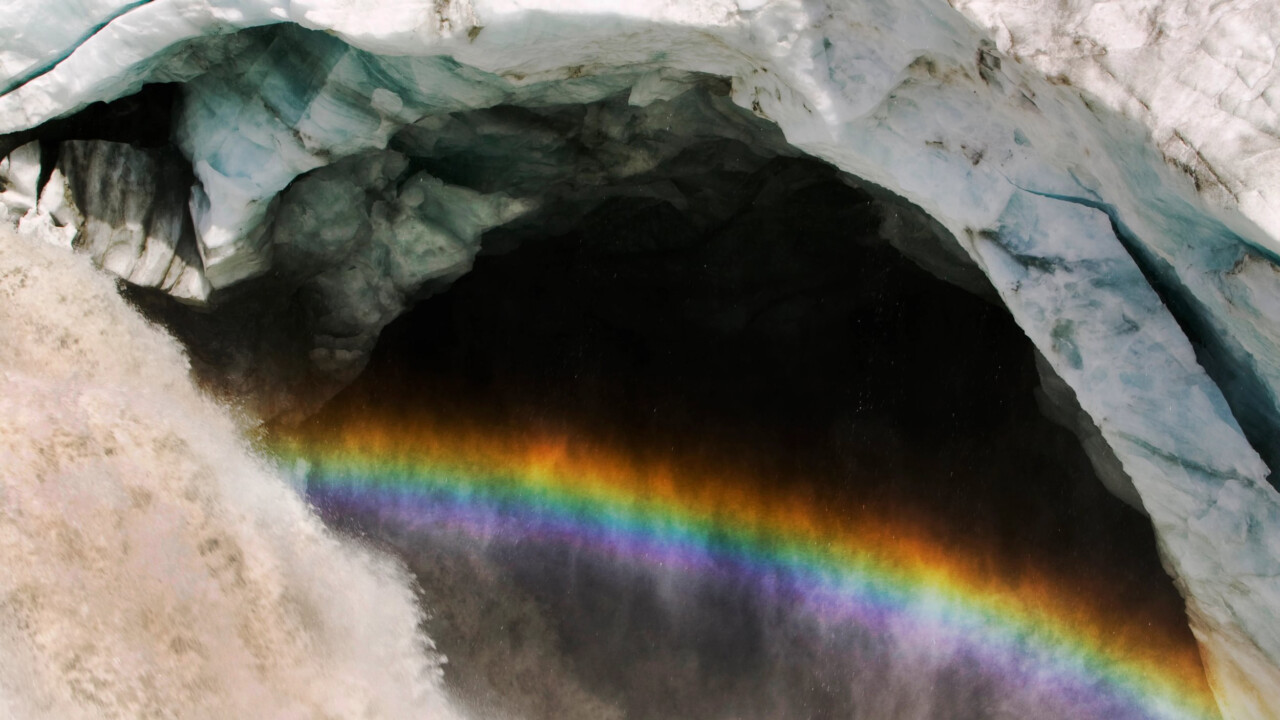
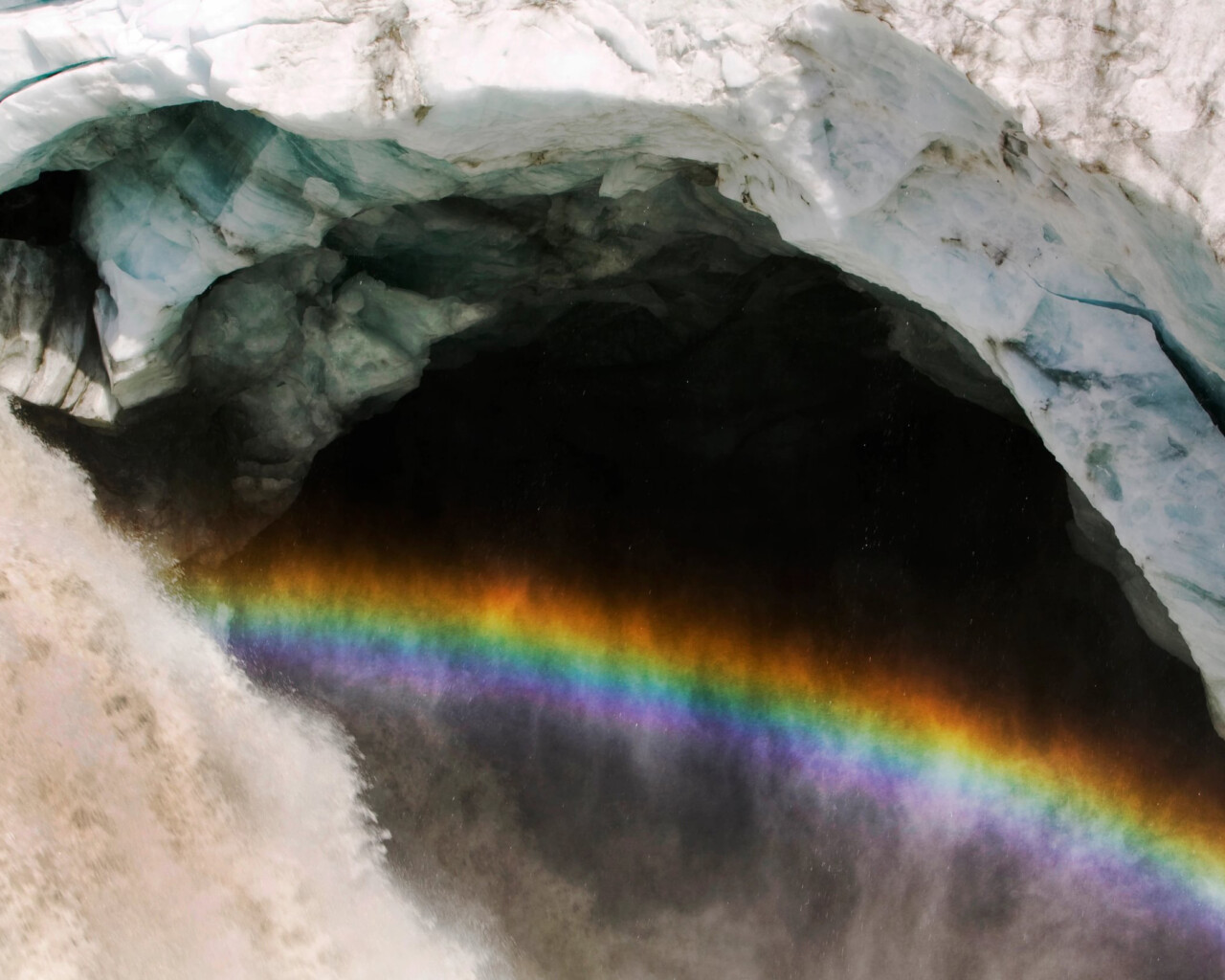
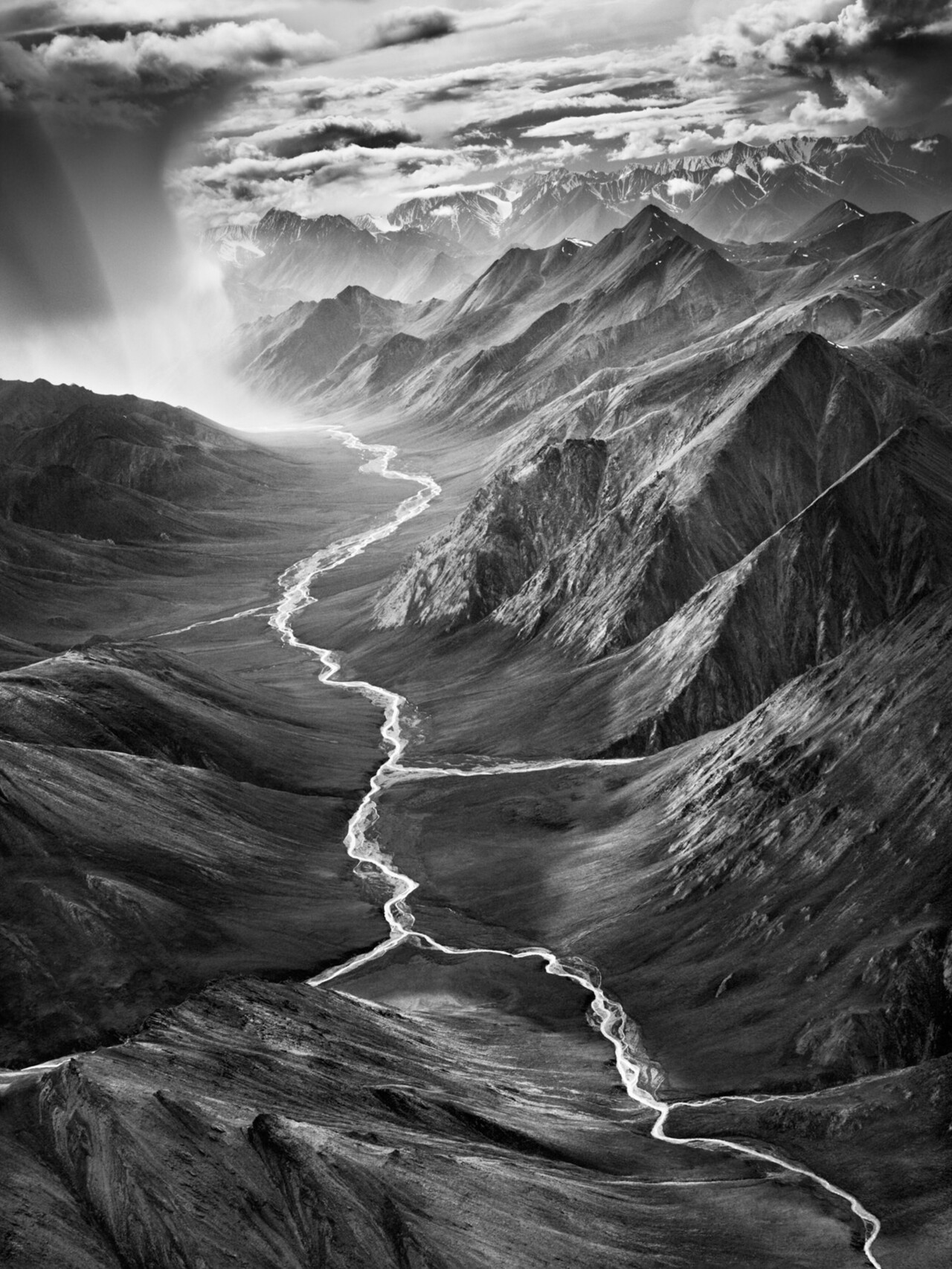
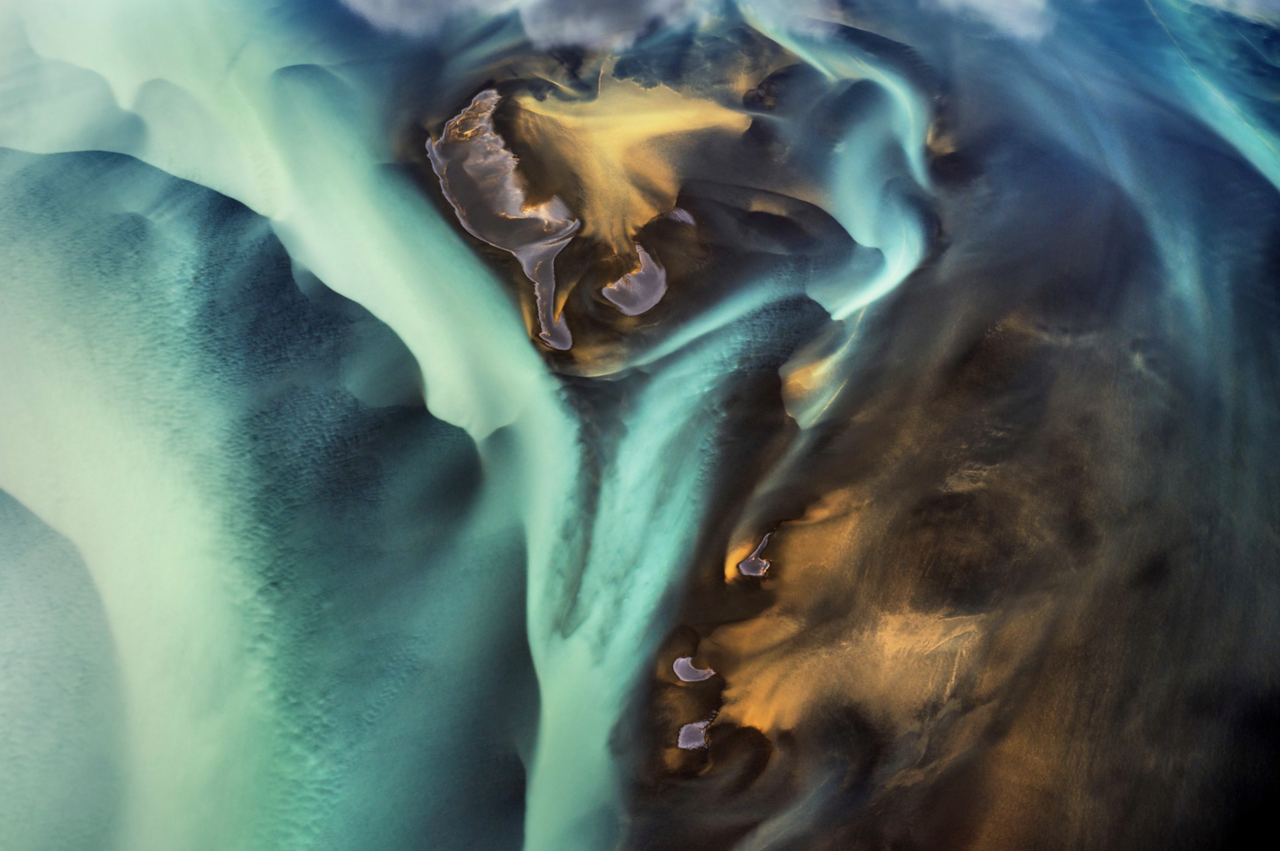
“Russell Glacier” by Ashley Cooper.
Artists featured: Ashley Cooper, Andy Goldsworthy, Ami Vitale, Conrad Shawcross, Daniel Beltra, David Nash, Eleanor Lakelin, Emily Young, Jon Foreman, Julian Stair, Kanak Chanpa, Paul Goldstein, Paul Nicklen, Rashid Diab, Richard Mosse, Sebastio Salgado
WORDS by Jasmine Hardy
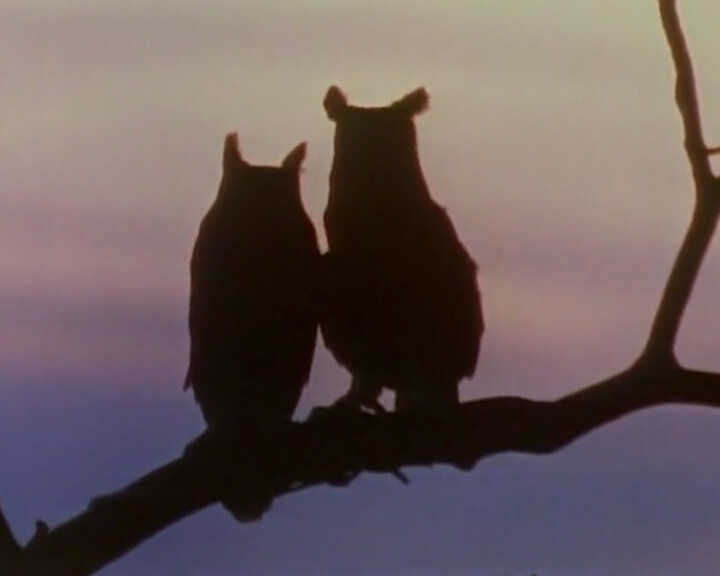
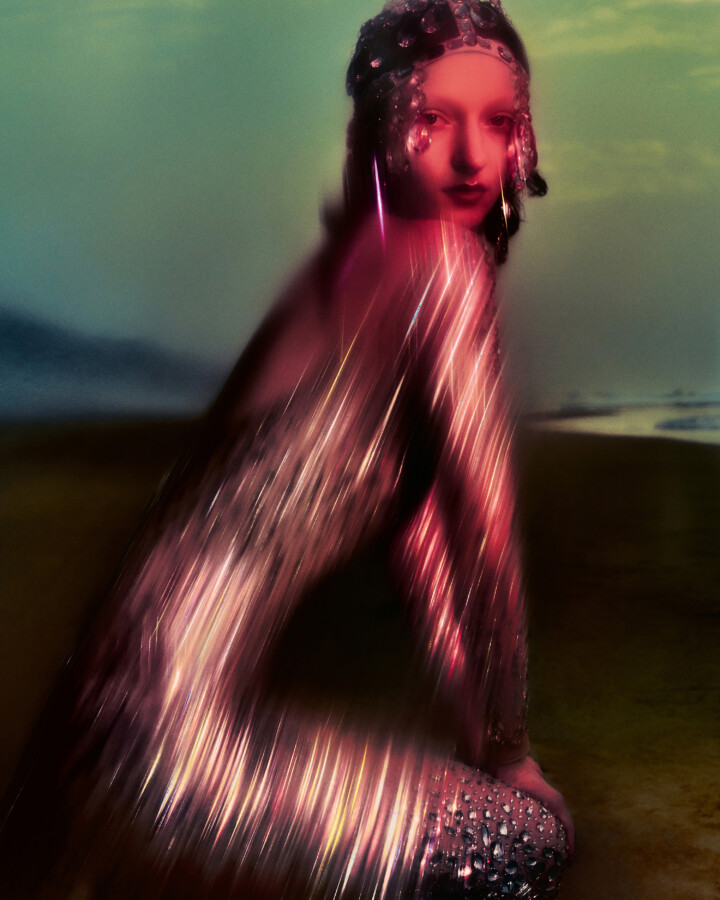
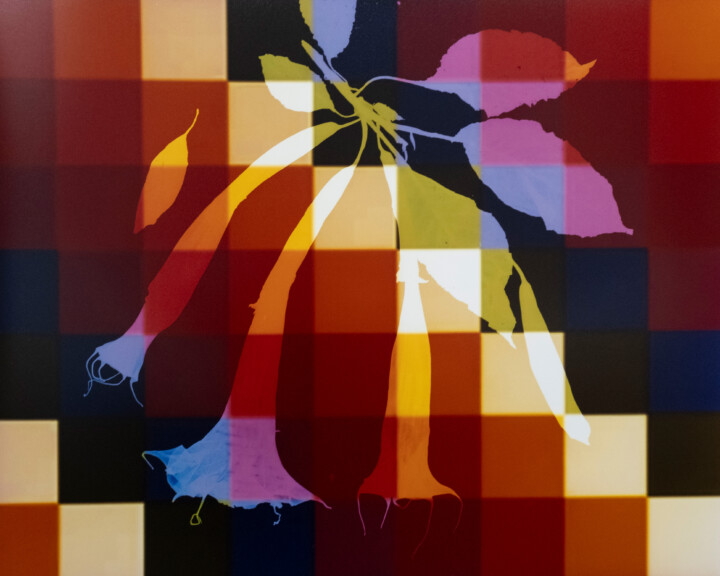
The interwoven story of humanity and nature dates back millennia, a relationship wrought with allyship and antagonism. This complex interplay is on full display in a new visual arts exhibition titled Extinction: Renewal, Art of a Living Planet, where artists spanning four continents share their own interpretations of how the human-nature connection has evolved.
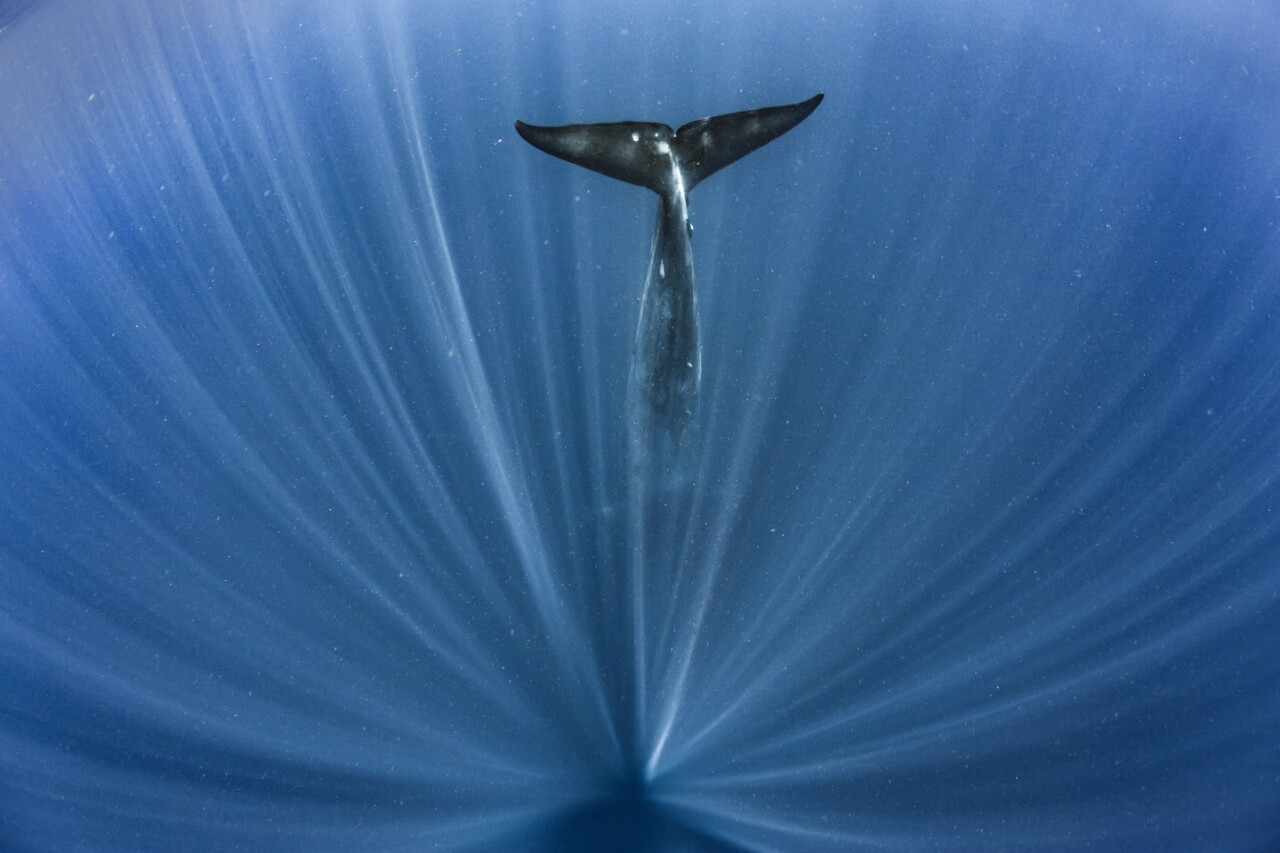
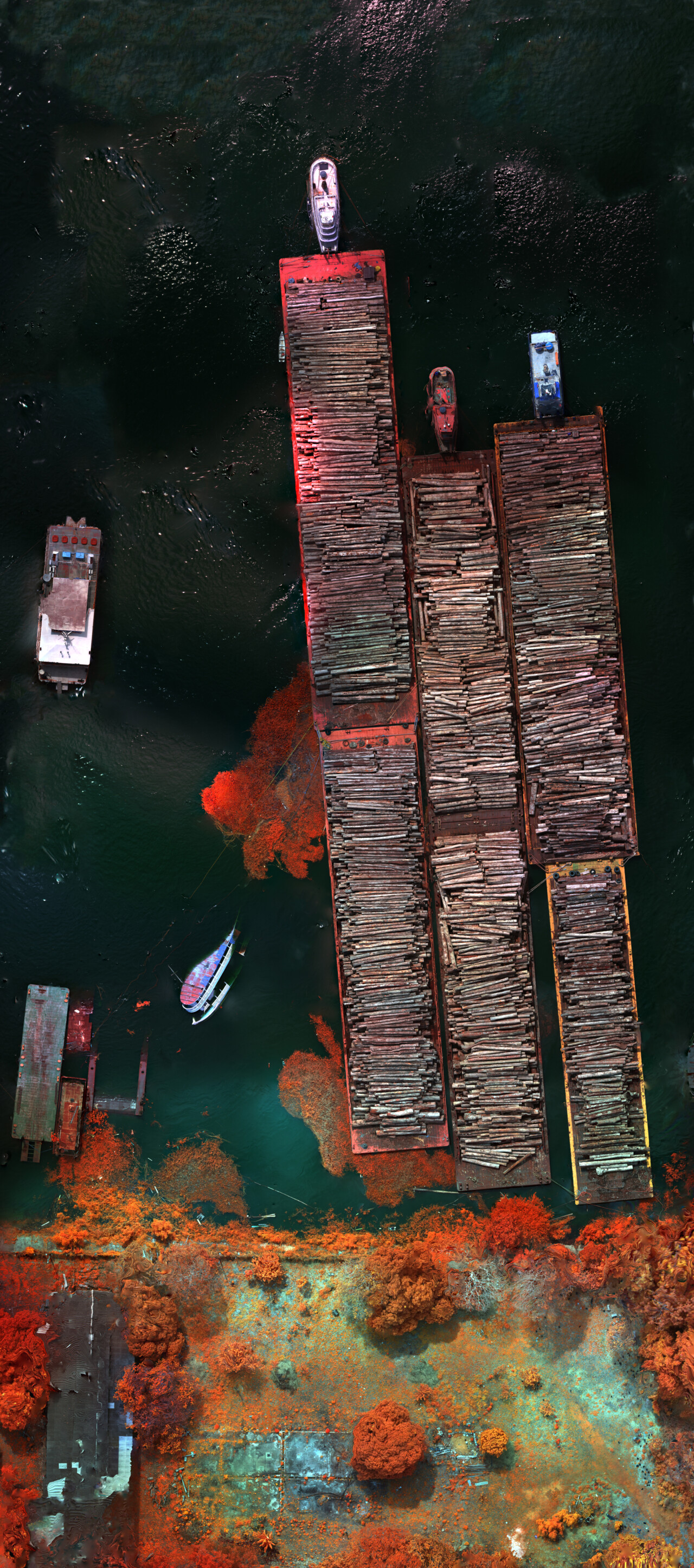
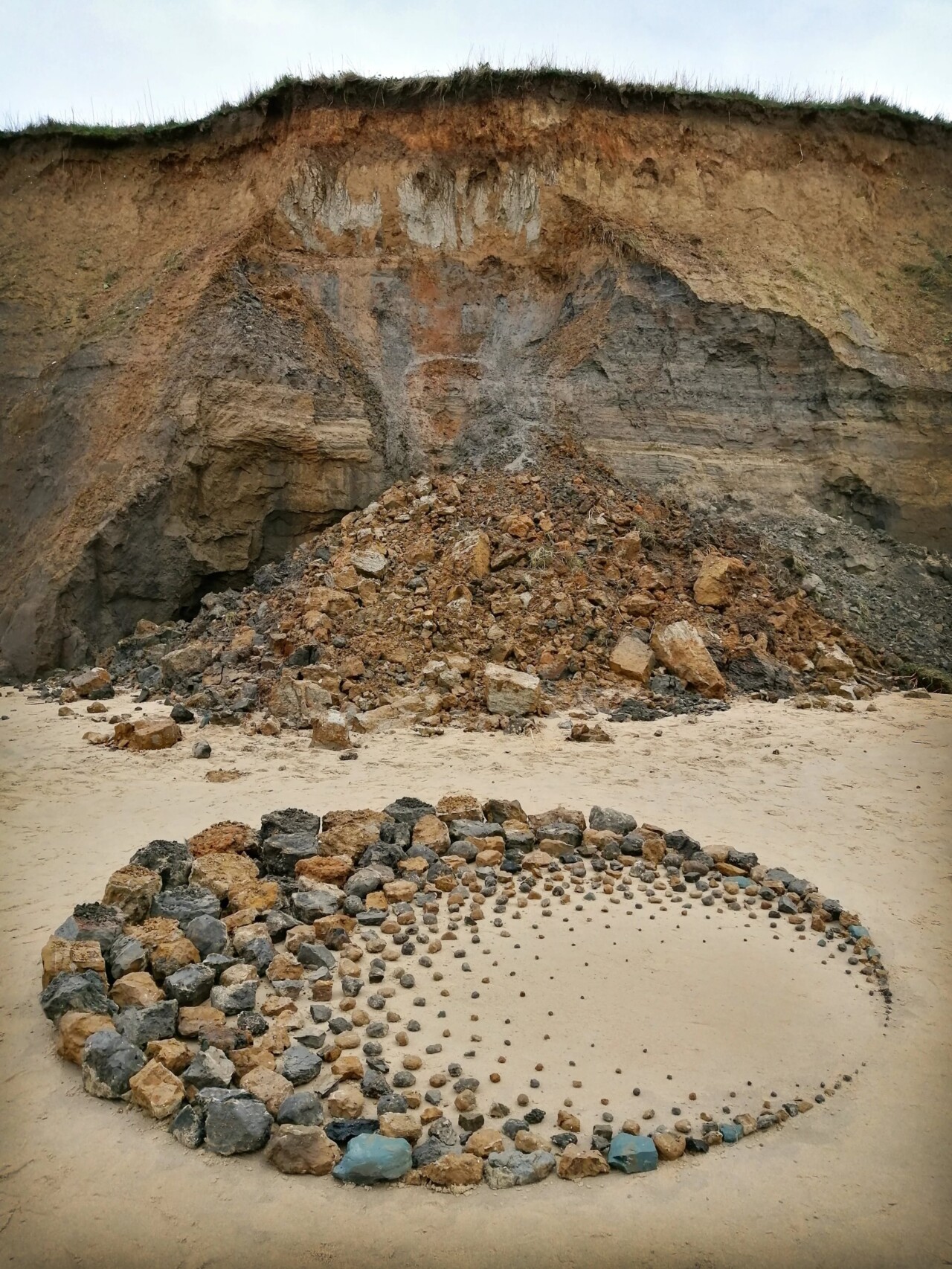
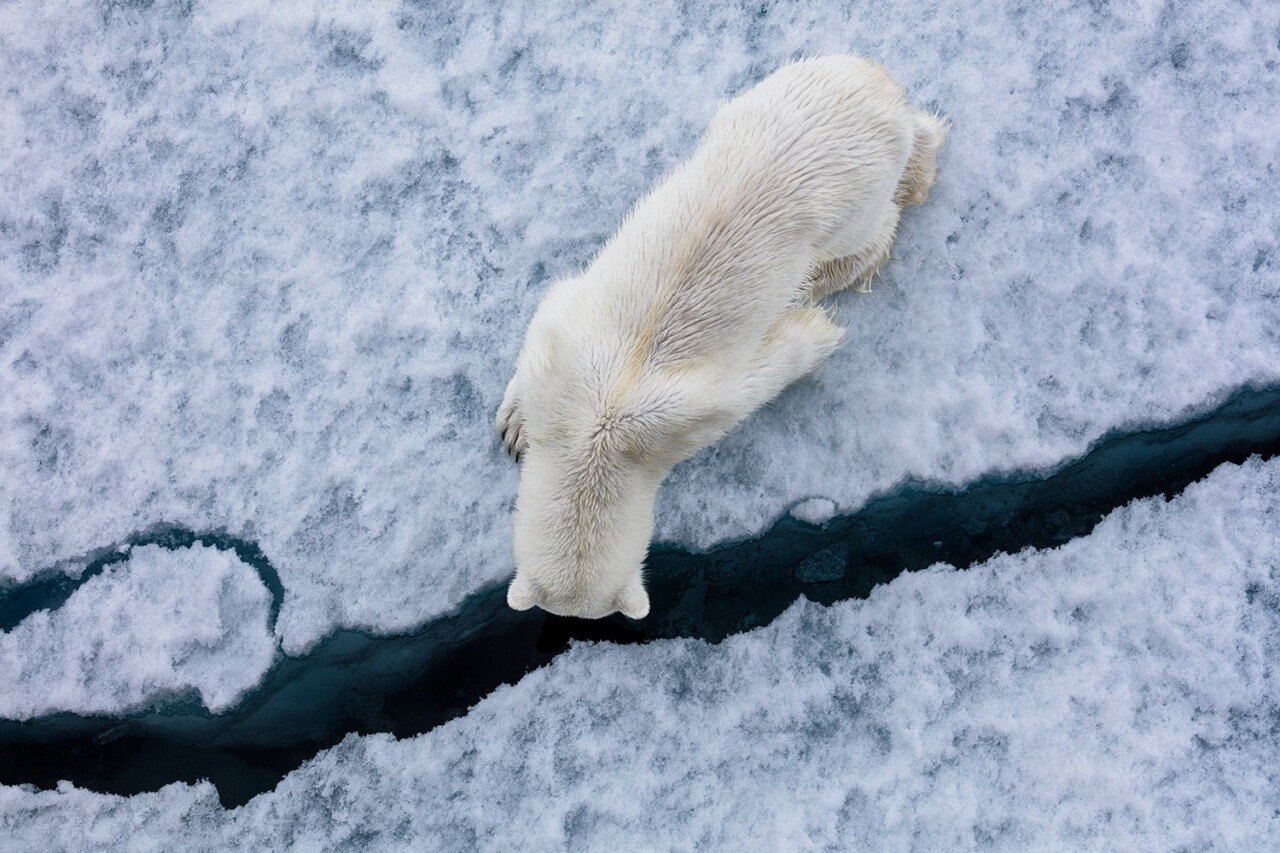
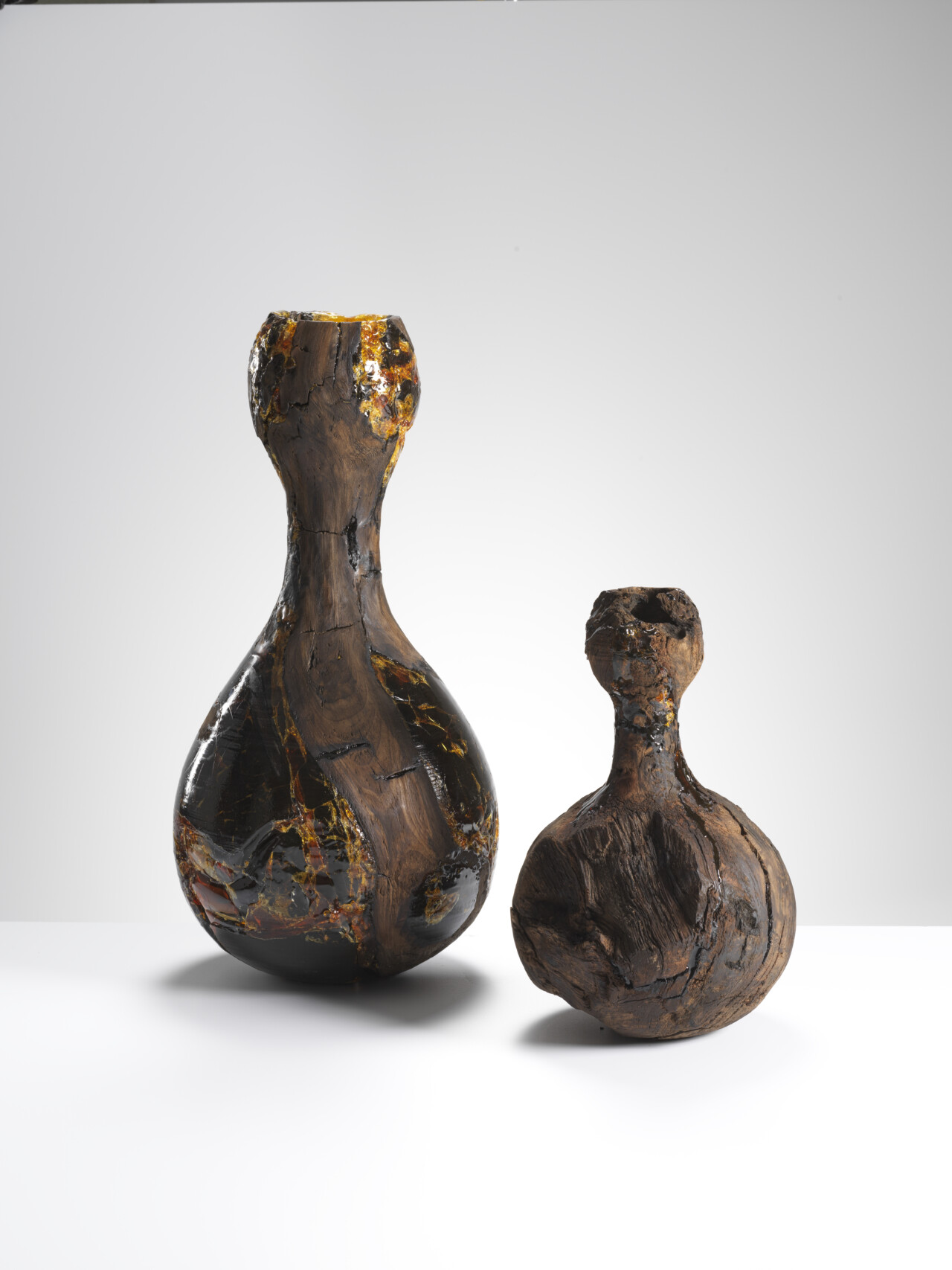
Created by the conservation charity Explorers Against Extinction, in partnership with the Eden Project, the exhibition journeys through four connected zones, ranging from deep time to a future filled with possibility. It opens with “Extinction,” plunging into the Earth’s past. One of the first artworks depicts an archaeological site in Europe called Happisburgh that is nearly 1 million years old. The zone also includes centuries-old carved stone and sculptures formed from the vestiges of different extinct species. Next comes “Climate,” a zone returning viewers to the present day to reckon with the reality of the climate crisis. Photography from artists including Cristina Mittermeier and Ami Vitale documents melting glaciers and disappearing forest habitats.
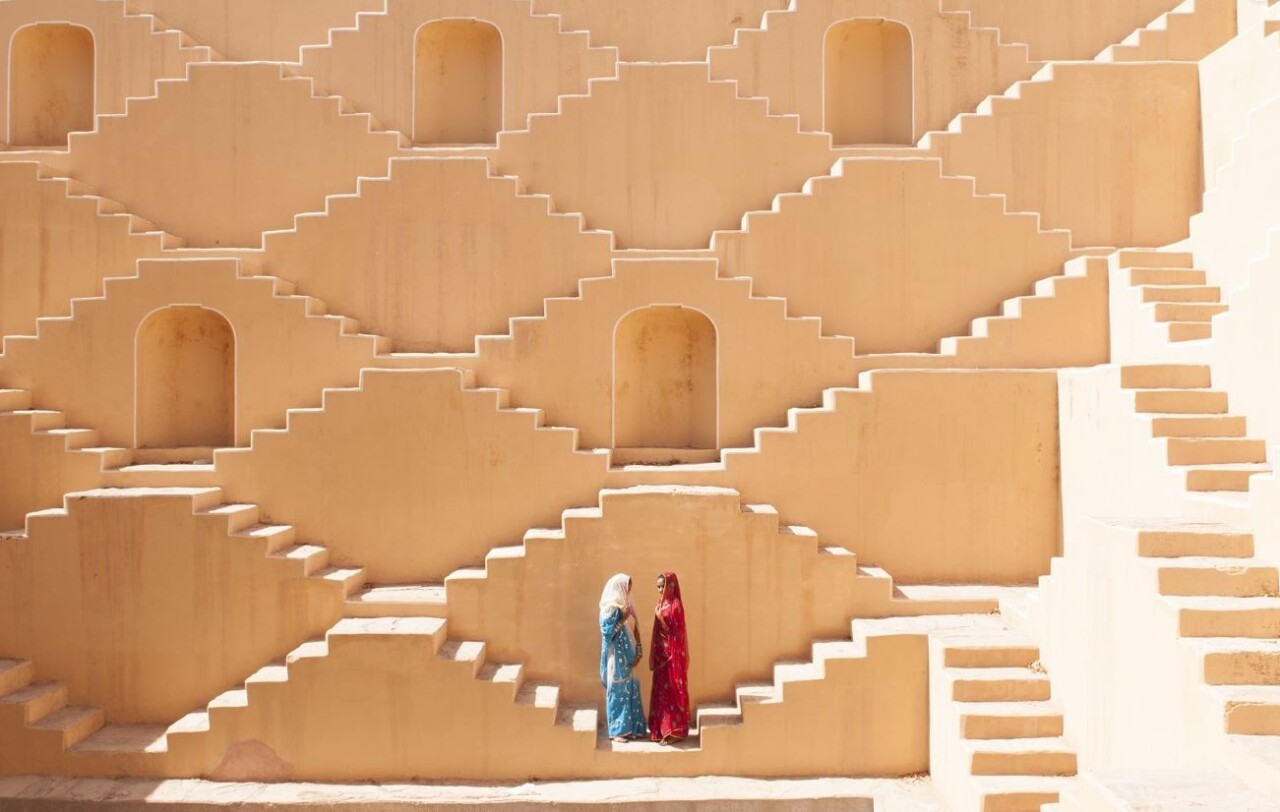
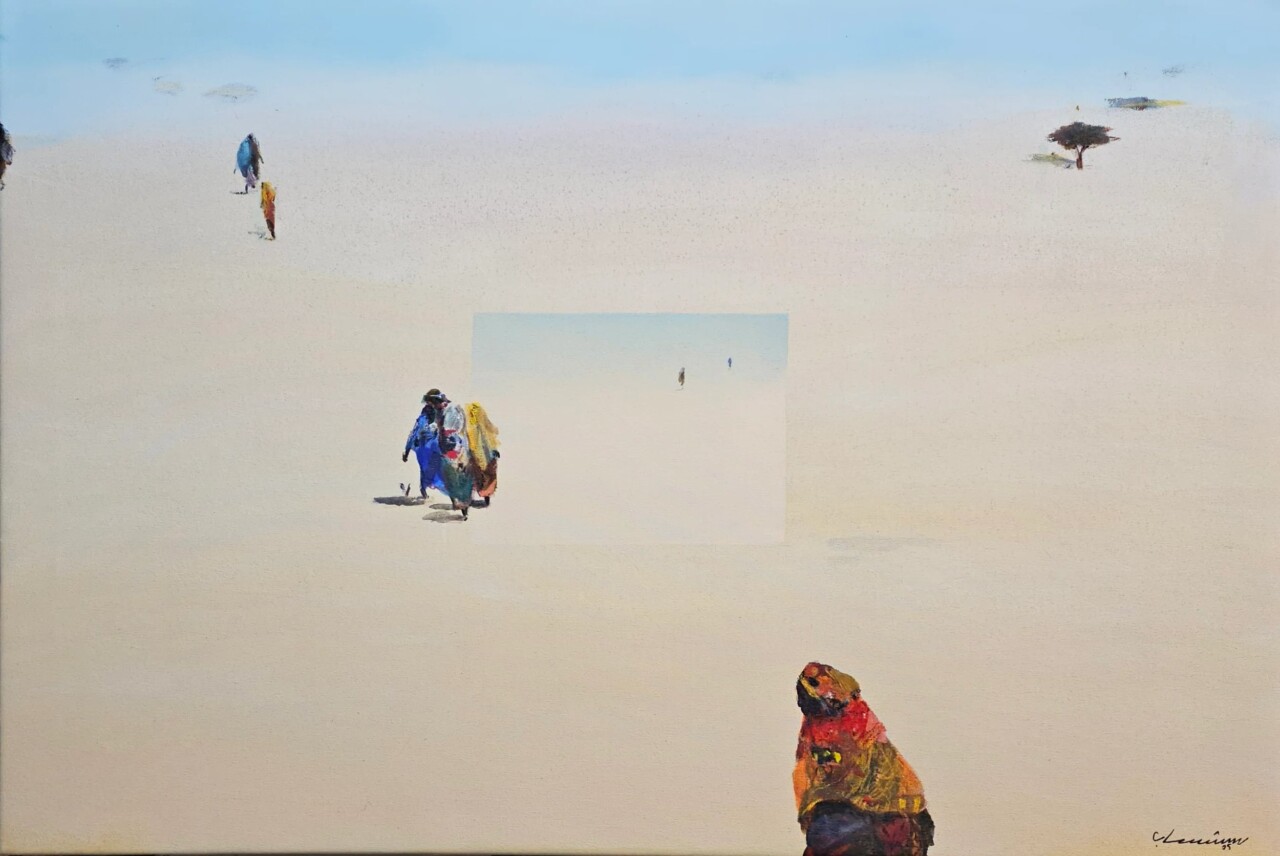
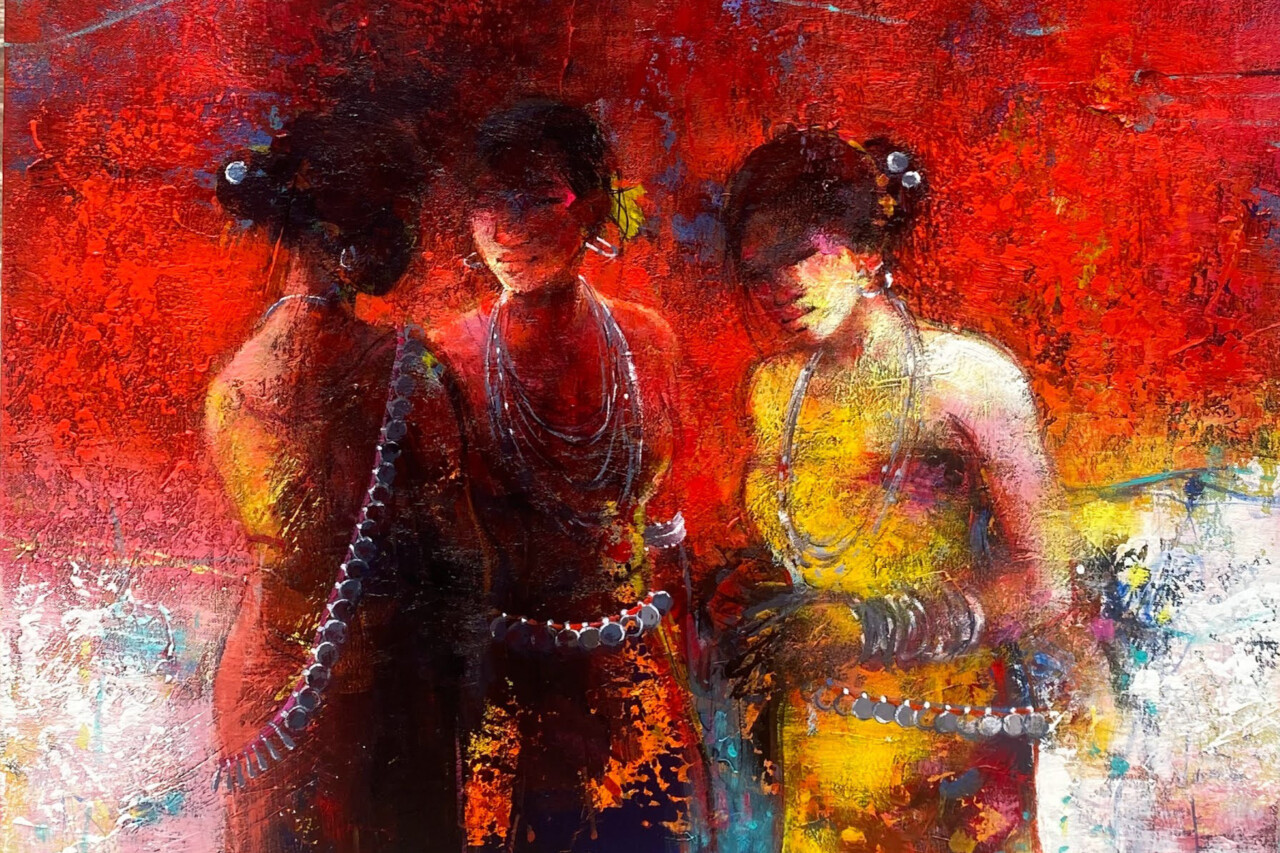
The third zone, “Community,” connects us to the people impacted by what is happening in those images. Artist and war refugee Rashid Diab uses paint made from earth pigments to represent the fading landscape in his Sudanese home. Shaq Koyok paints the same Selangor peat forest his Temuan community fought to save from development in 2020. The exhibition concludes with the final zone, Renewal, which is focused on the solutions being implemented and the progress being made to restore the planet.
Atmos spoke to the senior curator of the Eden Project, Misha Curson, to discuss the role of art in inspiring environmental awareness, the relationship between humanity and nature, and the possibilities for a more hopeful future.
Jasmine Hardy
What was the initial idea behind Extinction: Renewal, and what made you feel like these works belonged in conversation with one another?
Misha Curson
It’s about how art turns climate data into lived or felt experience, and the power and agency of art and creativity to provoke, captivate, and inspire.
There’s a quote by an environmental philosopher called Gus Speth, who said, “I used to believe that the top environmental problems were biodiversity in decline, ecosystem collapse and climate change, and I believed that 30 years of good science could address those problems, but I was wrong. The top environmental problems are selfishness, greed, and apathy, and to address those we need a cultural and spiritual transformation, and we scientists don’t know how to do that.”
So to me, that connects why we have an artistic program at Eden and why I work with artists to engage on topics of the planetary emergency. And really, the Explorers Against Extinction approach was perfectly aligned to my cultural strategy for Eden.
Jasmine
What was behind the choice to structure the exhibition in those four zones: Extinction, Climate, Community and Renewal? And what does that progression allow visitors to understand?
Misha
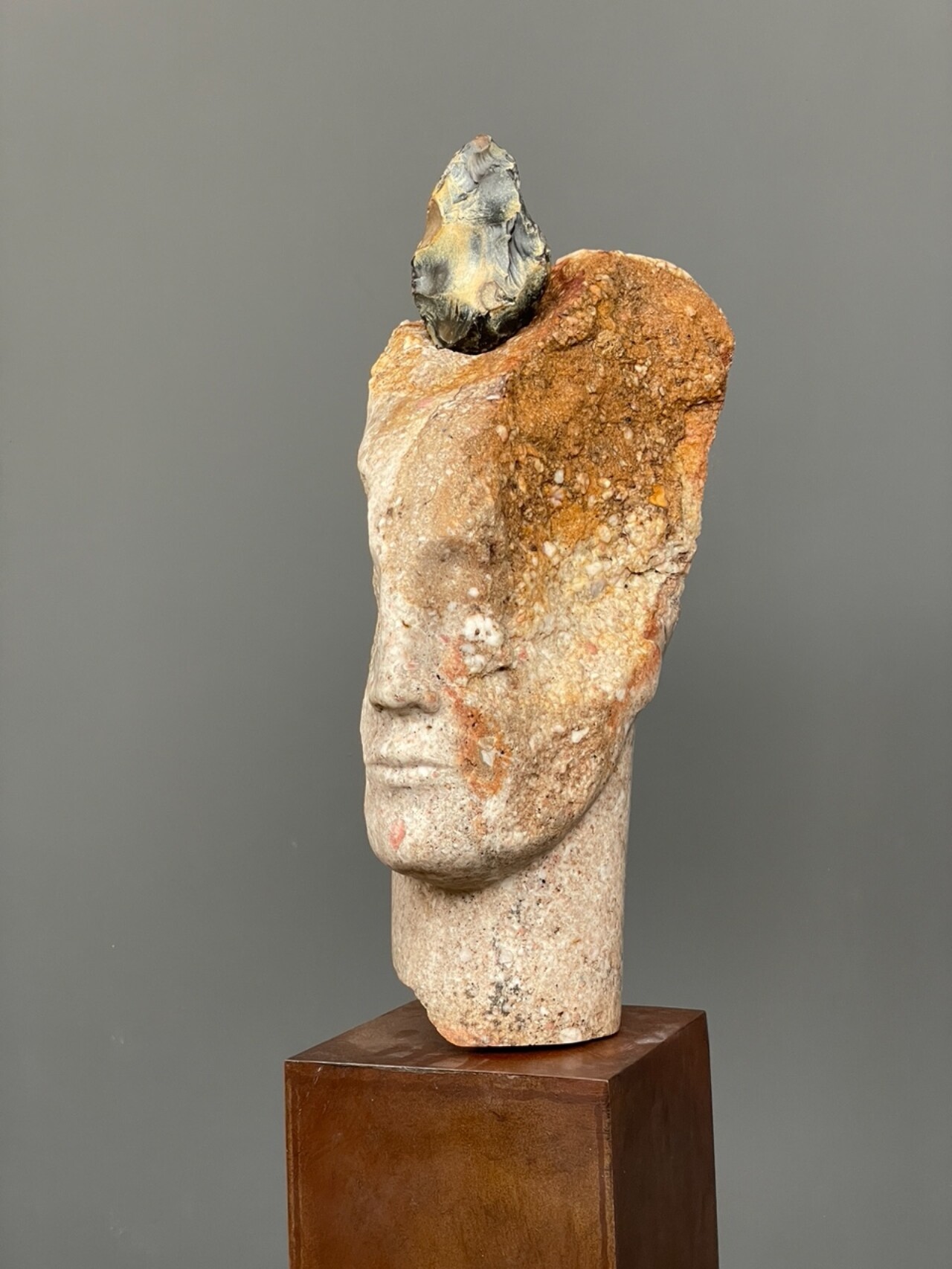
It was definitely a choice by our partners, the Explorers Against Extinction charity, Robert Ferguson and Sara White. It’s just the two of them and they are based in Happisburgh Beach, the oldest archeological site in Northern Europe. To put that into context, it is over 800,000 years old and Stonehenge is 5,000 years old. So it’s incredibly old, where coastal erosion is revealing artifacts from the cliffs of different distinct types of humans. The other initial works that were introduced into the collection were from people like Emily Young, who is a sculptor who works in stone, and she’s created a kind of bust which has a hand axe embedded into the head, almost like a crown. And it’s a 900,000-year-old hand axe used by a now-extinct species of human. I think that zone really reminds us of the fact that there’ve been these various different human species over time who have become extinct through climate change, and that was the reason why some of these species of humans are no longer around.
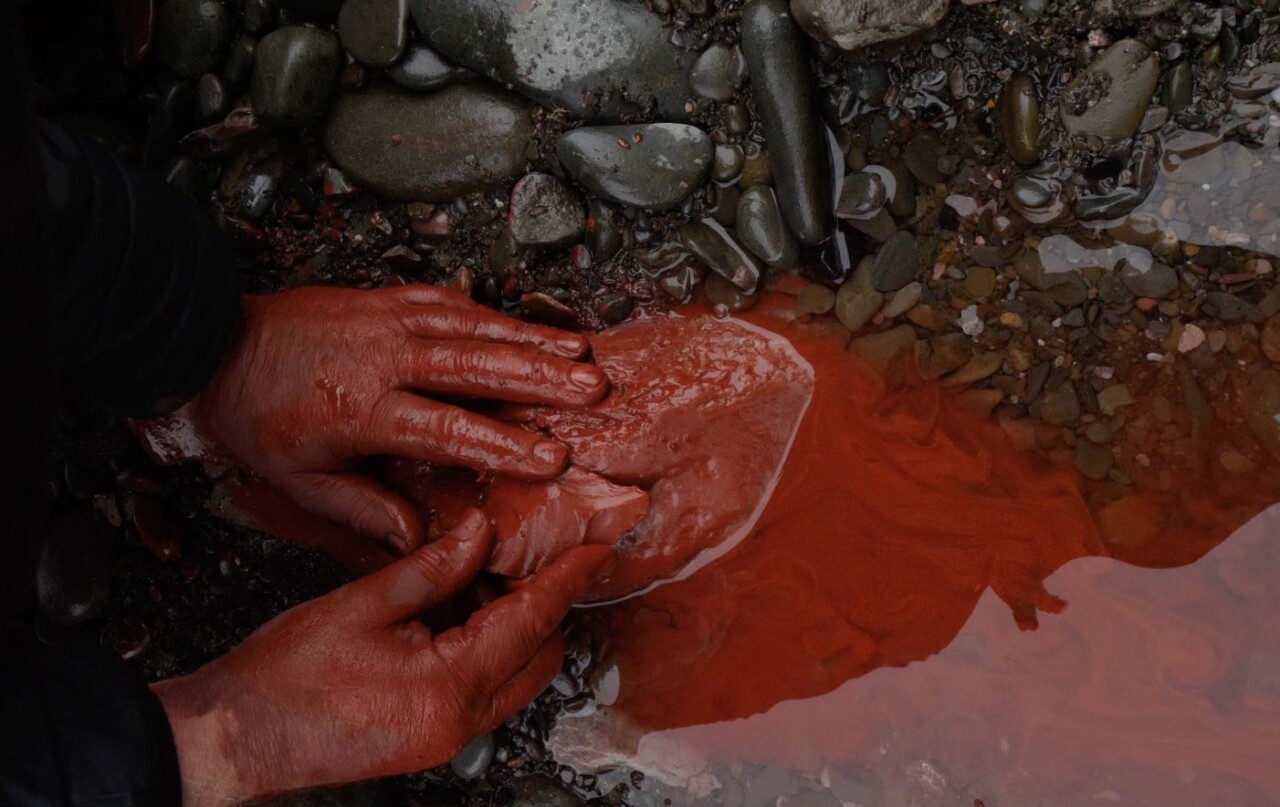
And then we move into Climate. In the Climate zone, we’re looking at a number of artists and photographers who are bearing witness to a planet under pressure. So you have photography by people like Richard Mosse, there’s a beautiful piece by Daniel Beltra. The swirling of different colors is beautiful, and it’s essentially created by the sediments being released by melting glaciers and the colors created from that. [The exhibition] is kind of moving through this reminder of historic extinctions through to a reminder that we are living on a planet under pressure and presenting a collection of photography bearing witness to that.
Then, each piece in the Community section is by an artist who is either from or living in a community under pressure from the impacts of climate change, so they are on the front lines of what’s happening globally. It’s bringing home a human story of what the current situation is in our world.
And then each piece in Renewal links back to a conservation project that is happening, so we want to end in this hopeful future where people in the world are doing good. And while there are negative tipping points, there are also positive tipping points, and through collective action and community care, it’s not hopeless.
Jasmine
Speaking of hope, the title Extinction: Renewal, kind of suggests a tension between loss and then possibility and hope, possibility of regeneration. How do you understand that relationship between extinction and renewal, and how does that tension shape the exhibition?
Misha
I think Eden itself was founded on the belief that people and nature aren’t separate stories and that regeneration is possible, and that by reconnecting people with a living world is how we get there. So to me, that’s the fundamental approach to a charitable purpose, and this collection of works and the journey it takes you on is really about that mission being made visible. And while the exhibition doesn’t shy away from loss, really it’s a story about resilience and regeneration and the possibility of a planet that’s still very much worth fighting for. So I think that it’s really asking us to imagine, and imagination is that first step towards action.
Jasmine
The exhibition brings a bunch of artists together who are approaching nature through different lenses and different mediums as well. What do you think unites these perspectives despite the differences between them?
Misha
I think it’s about that sense of bearing witness to a planet under pressure, and it’s about generosity, because all of these artists have donated work to the collection. And so I think the spirit of generosity sits at the very heart of the exhibition regardless of where they come from, because we have artists from Cornwall, we have artists from the studios of the East London, Scottish Highlands, the rainforests of Malaysia, the steppes of Mongolia, the South Pacific, but it’s really this shared purpose of imagining what renewal might look like.
Jasmine
What do you think that art can communicate about climate and biodiversity loss that scientific data and even maybe traditional journalism may not be able to?
Misha
I think that the role of art and artists isn’t necessarily to communicate fact. It’s to embody lived experience and bring humanity back into a dialogue, share perspectives, and create a dialogue of learning and unlearning. Whereas obviously, environmental facts about stark figures and stats around what is happening is objective and proven.
So it’s like two sides of the same coin, where you have one thing that is about demonstrative, quantifiable, proven knowledge, whereas art is about expanding into a realm of more philosophical, lateral perspectives that can challenge one another. I guess the human experience isn’t an absolute thing, so it’s about expanding out again, being critical and asking questions, and a form of inquiry that can’t be categorized or boxed.
Jasmine
If visitors remember just one thing from this exhibition, what would you want it to be?
Misha
I think it’s that message that hope isn’t lost, and the belief that people and nature aren’t separate stories. We aren’t apart from nature, we are a part of nature, and that regeneration is possible and a reconnection with one another and the living world is how we’re going to get there.
Editor’s Note: This interview has been condensed and edited for purposes of length and clarity.
Extinction: Renewal, Art of a Living Planet exhibition is on display at Eden Project through September 19, 2027
Join our membership community. Support our work, receive a complimentary subscription to Atmos Magazine, and more.
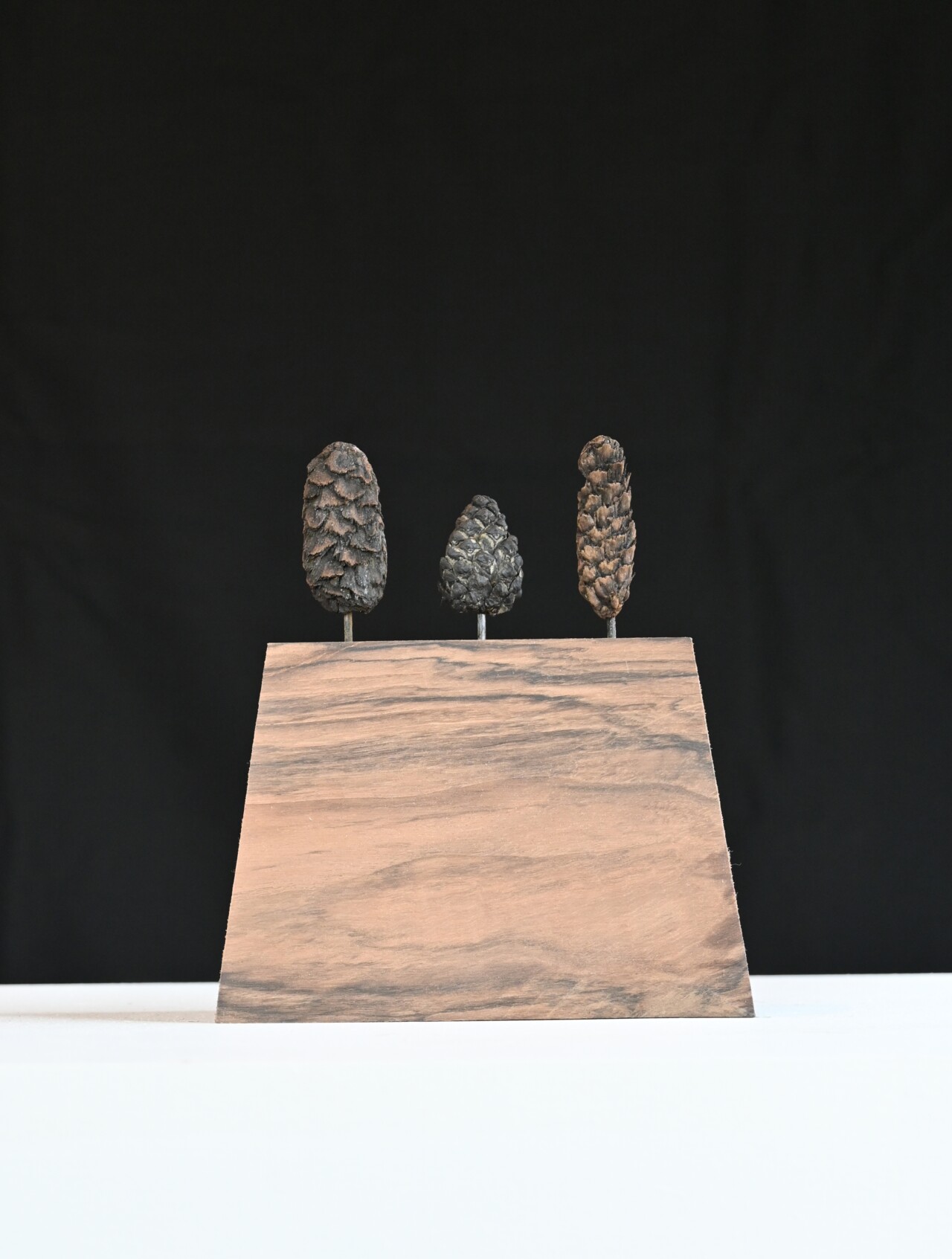
What Can Artists Make From 800,000-Year-Old Pinecones?