

photographs by David Uzochukwu
Words by Efe Igor Coleman
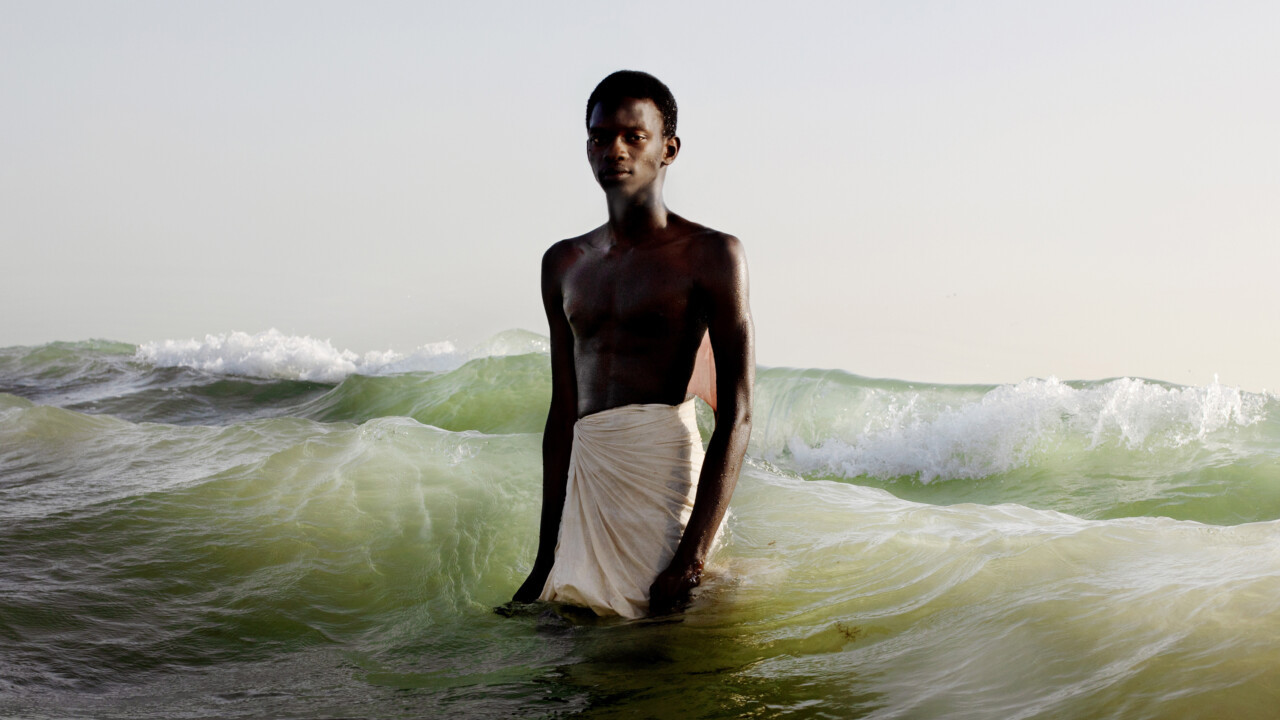
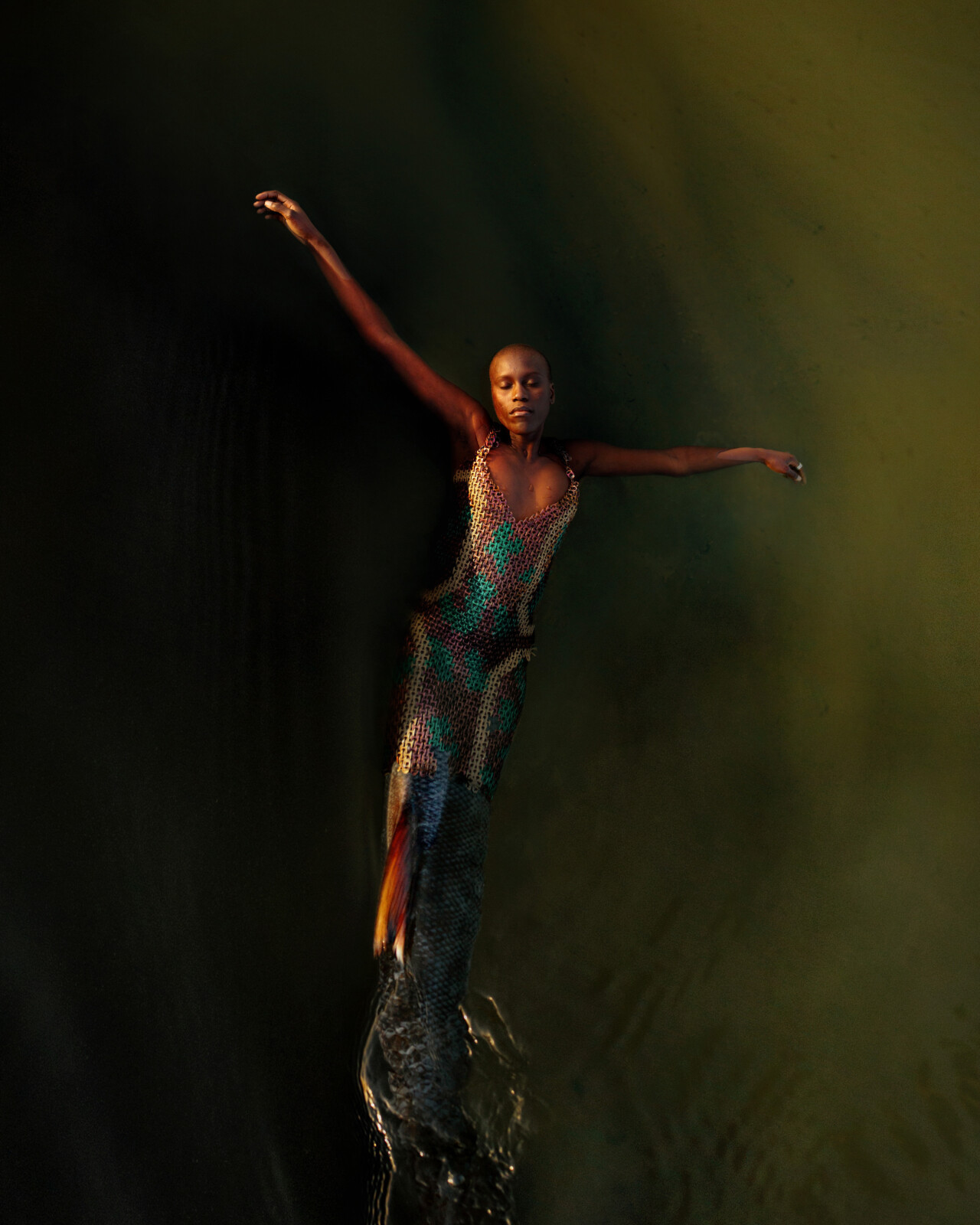
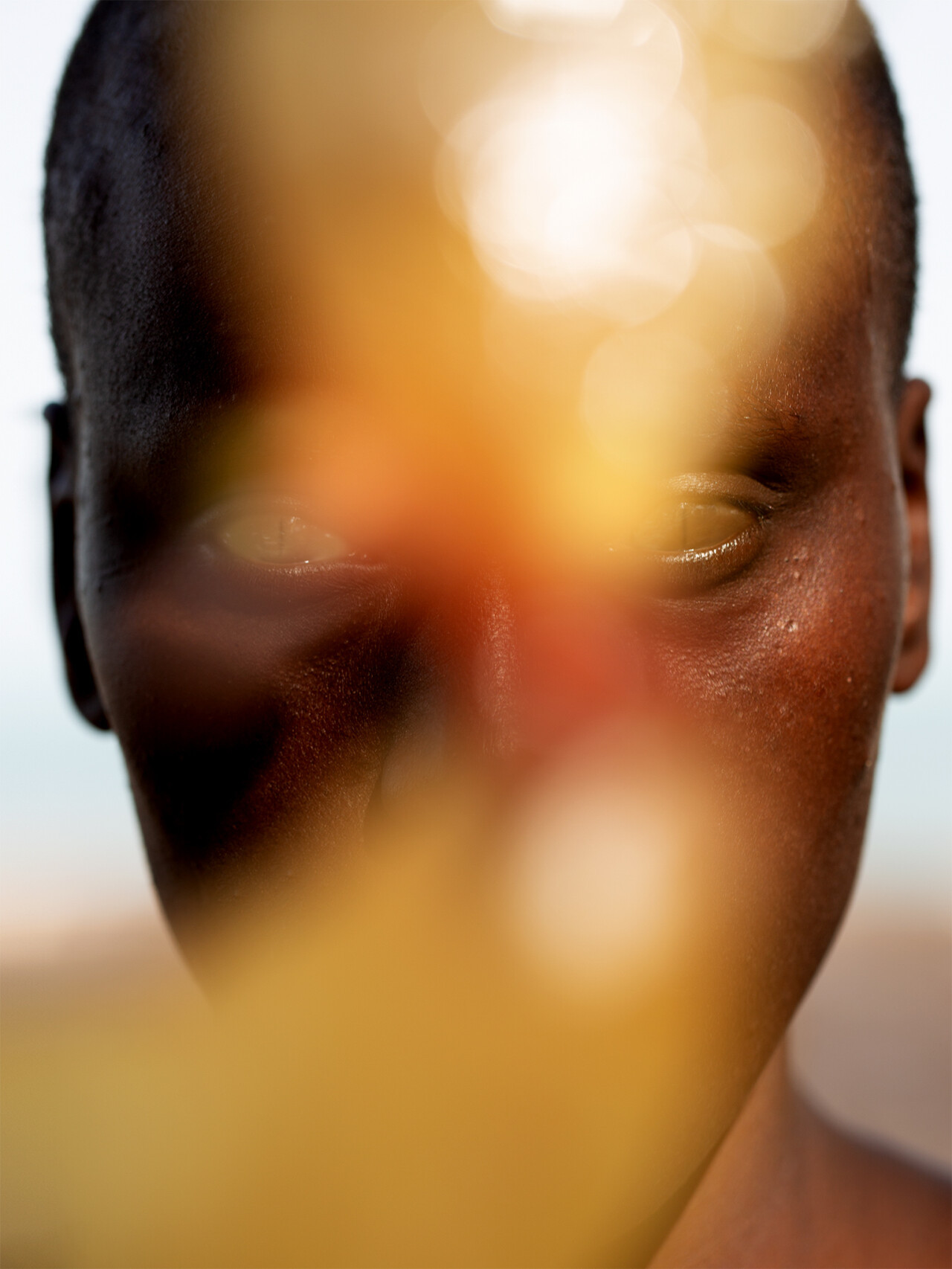
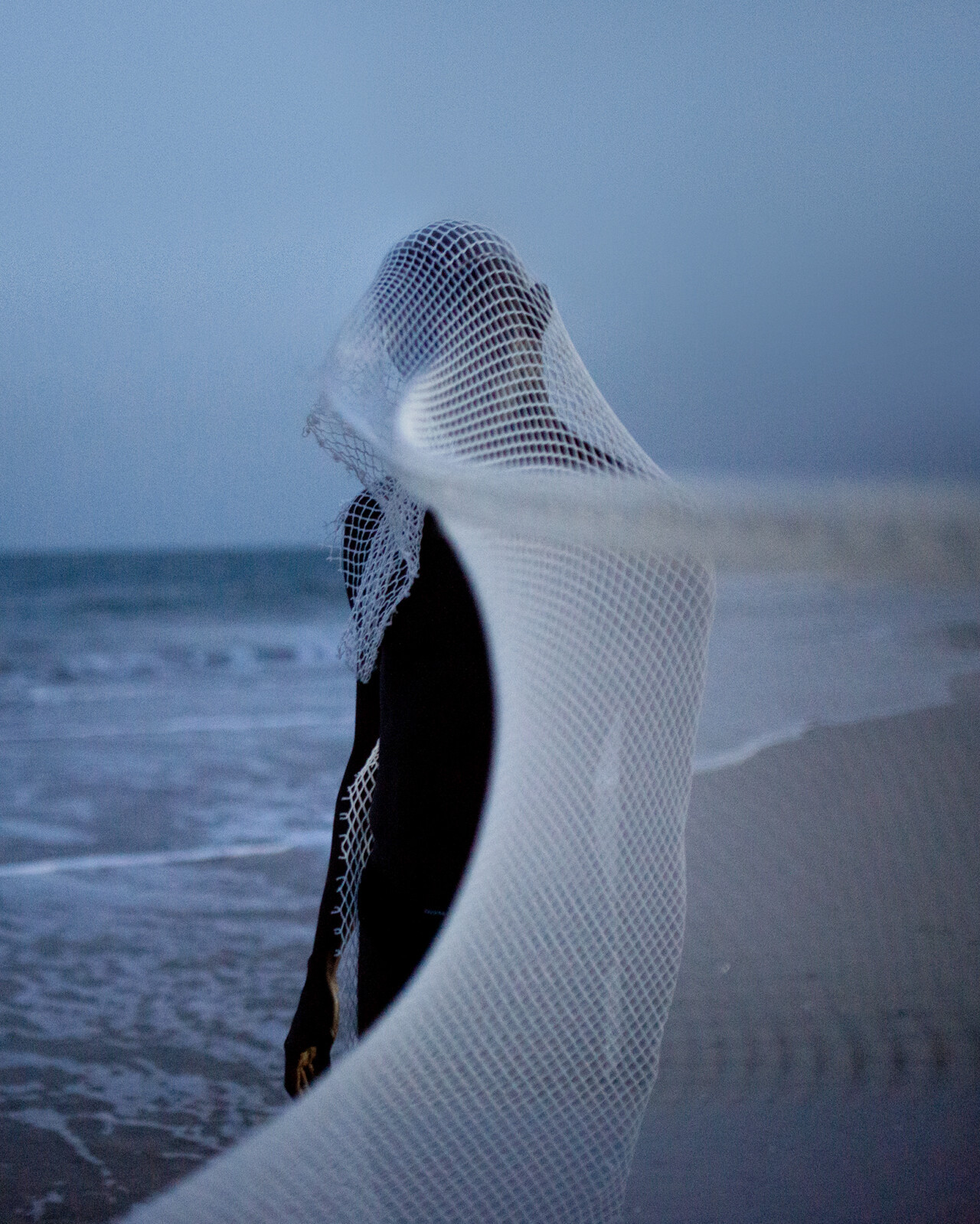
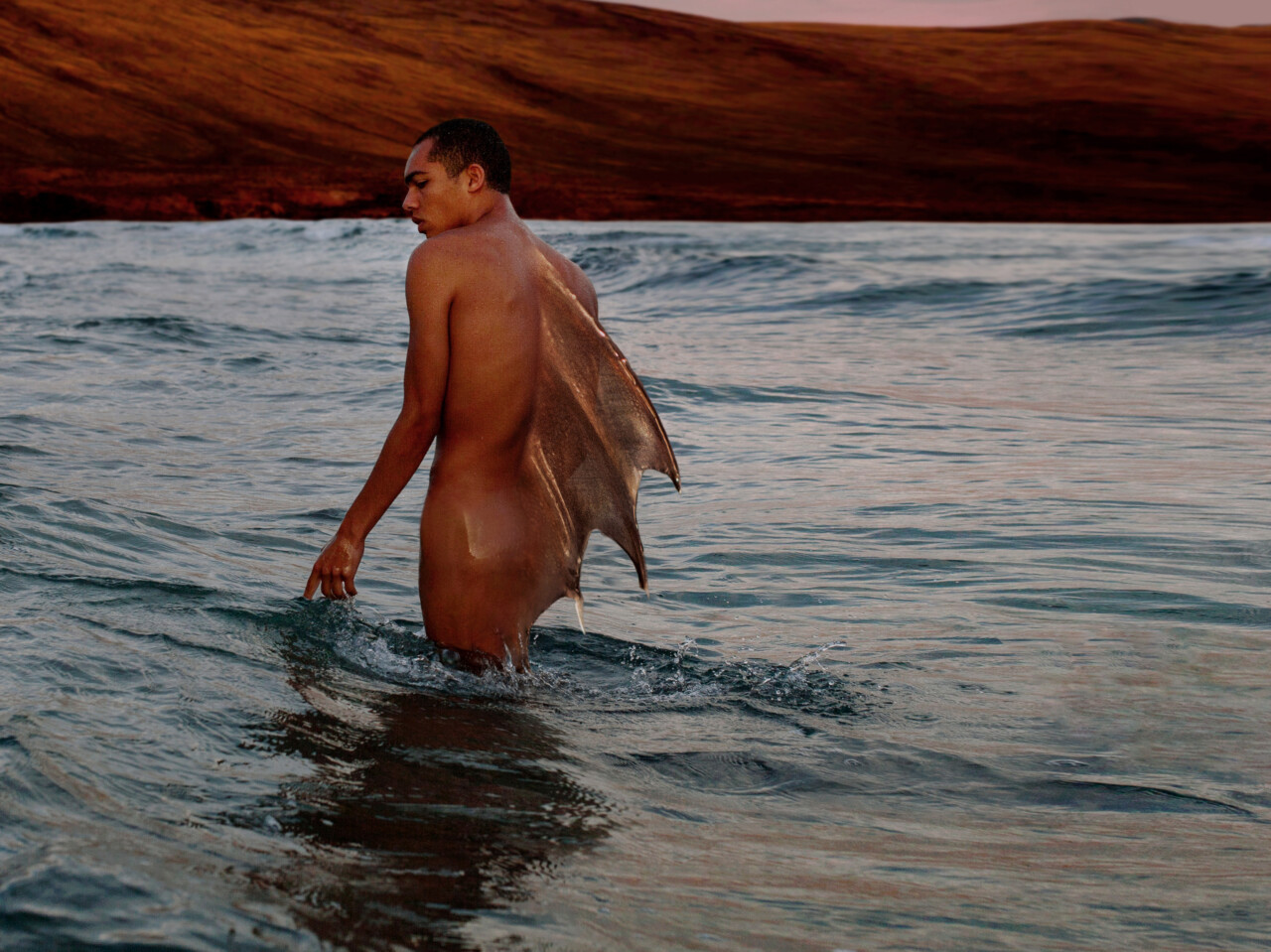
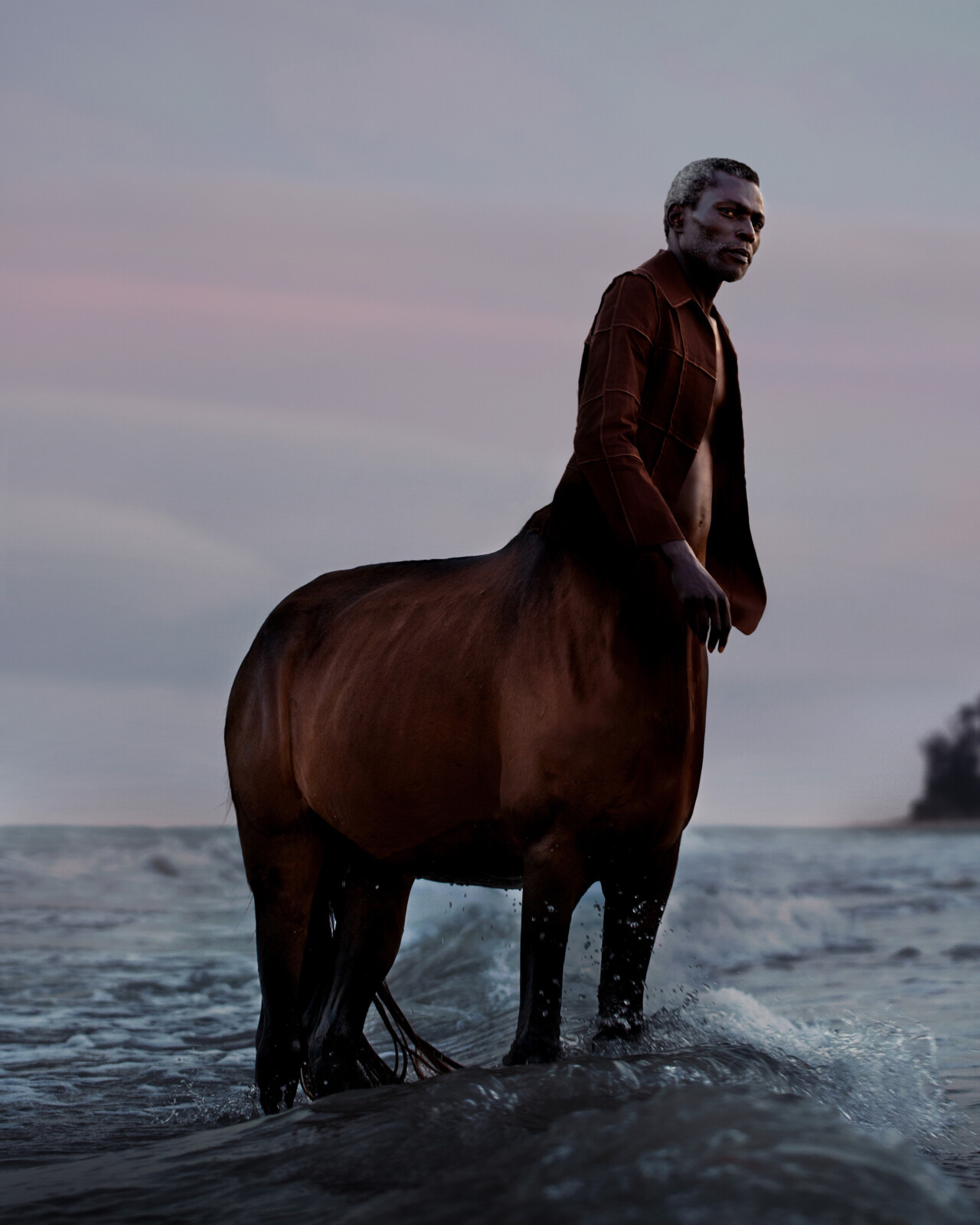
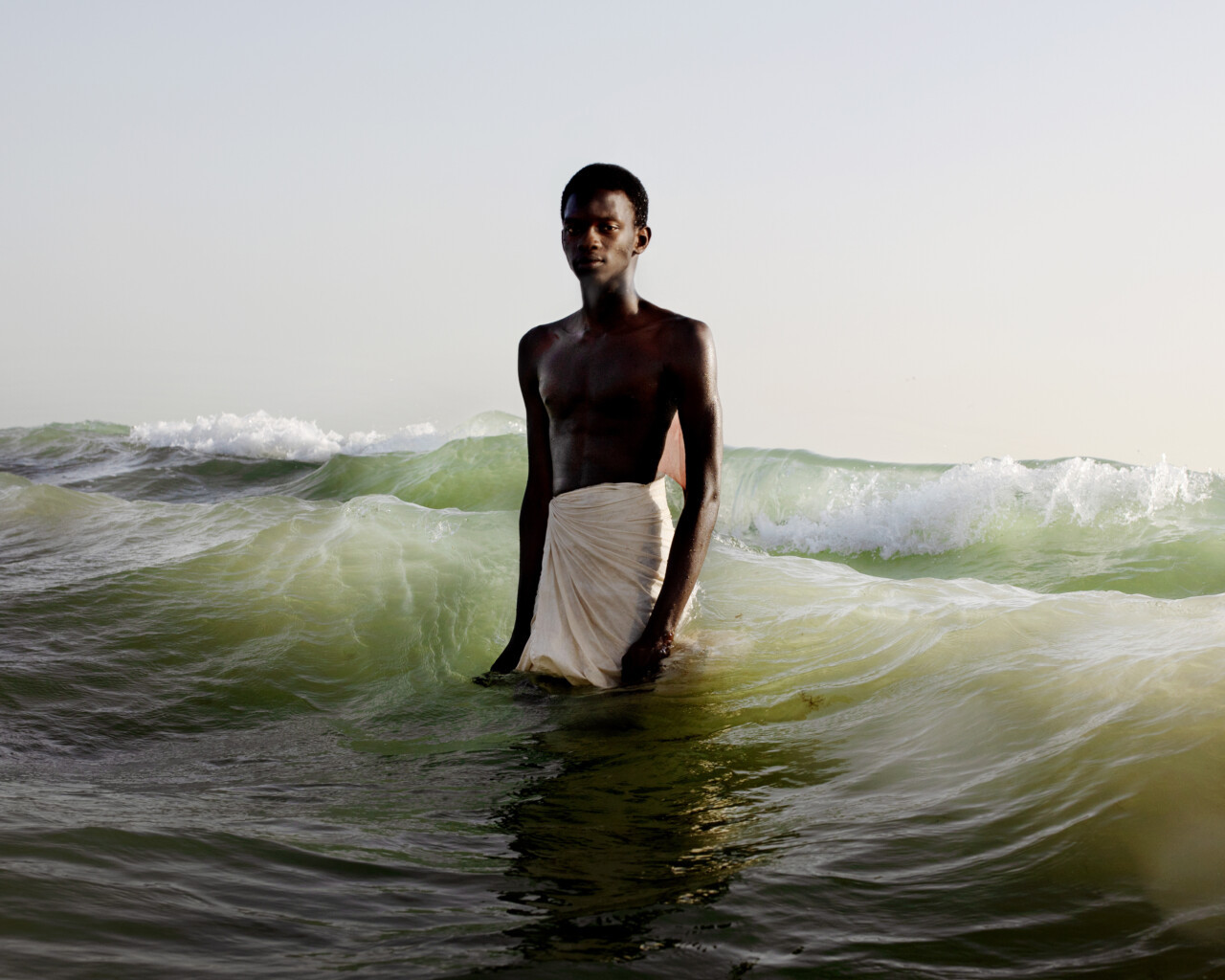
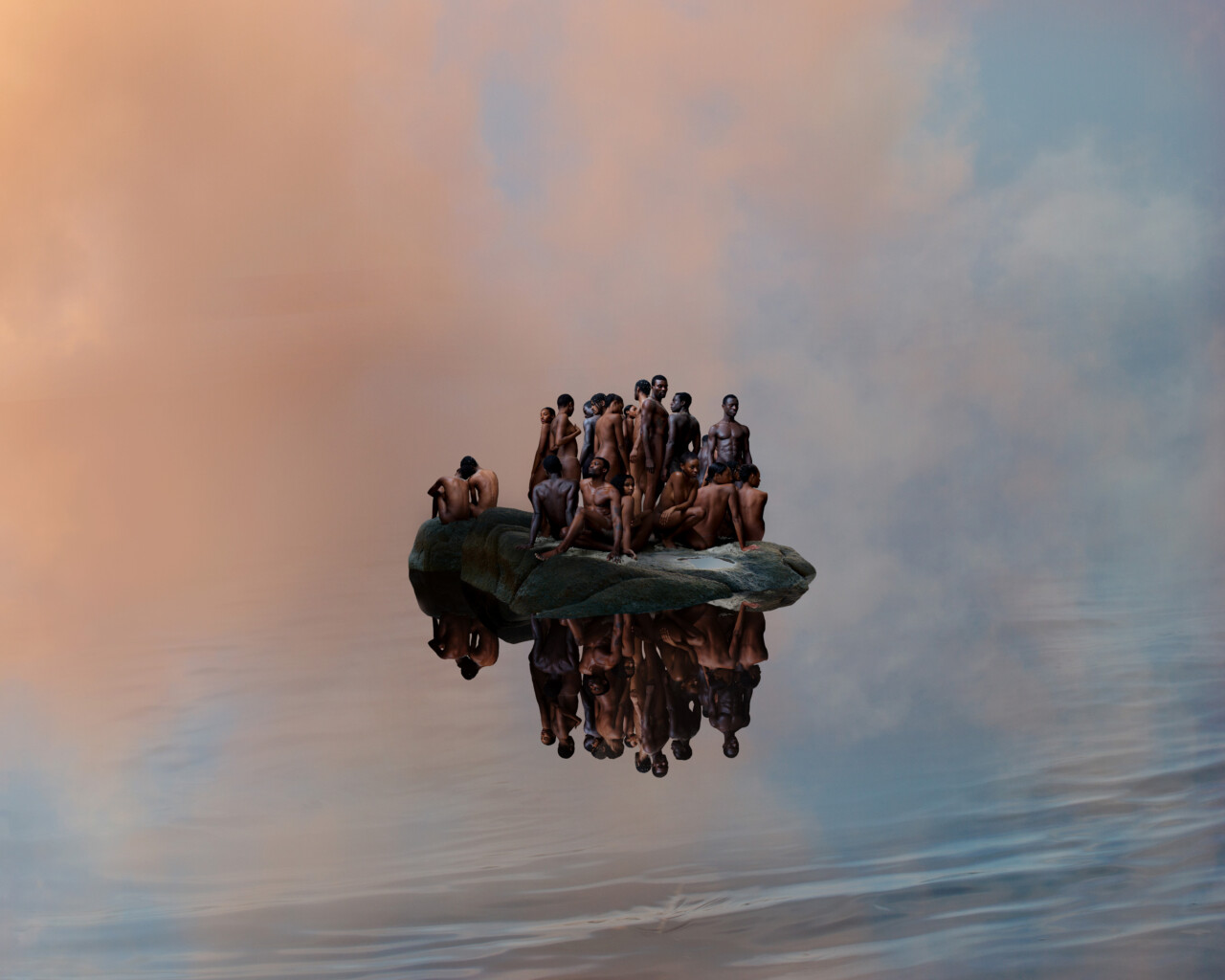
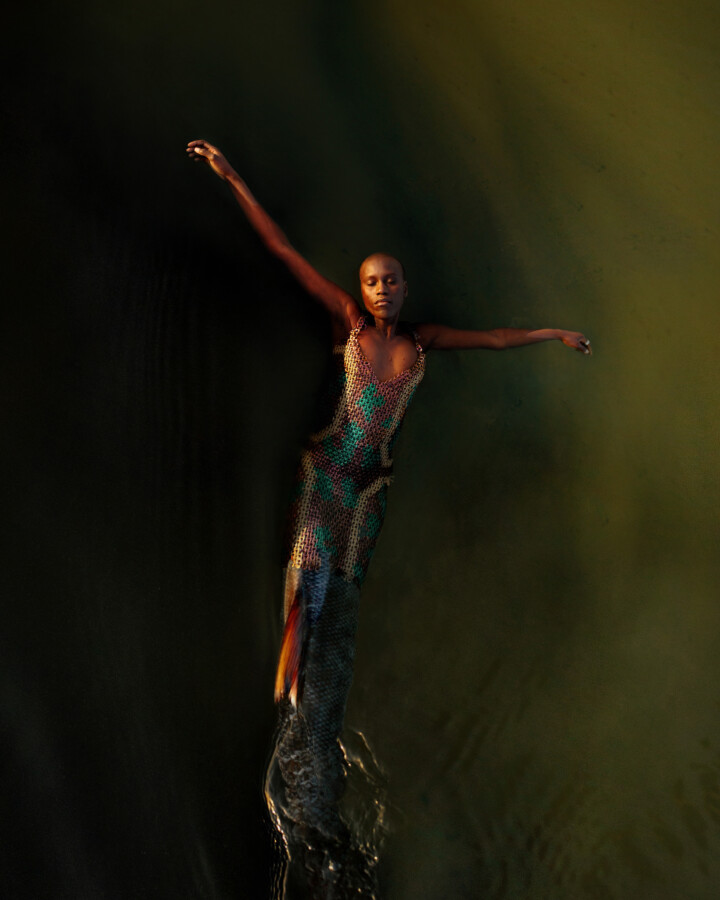
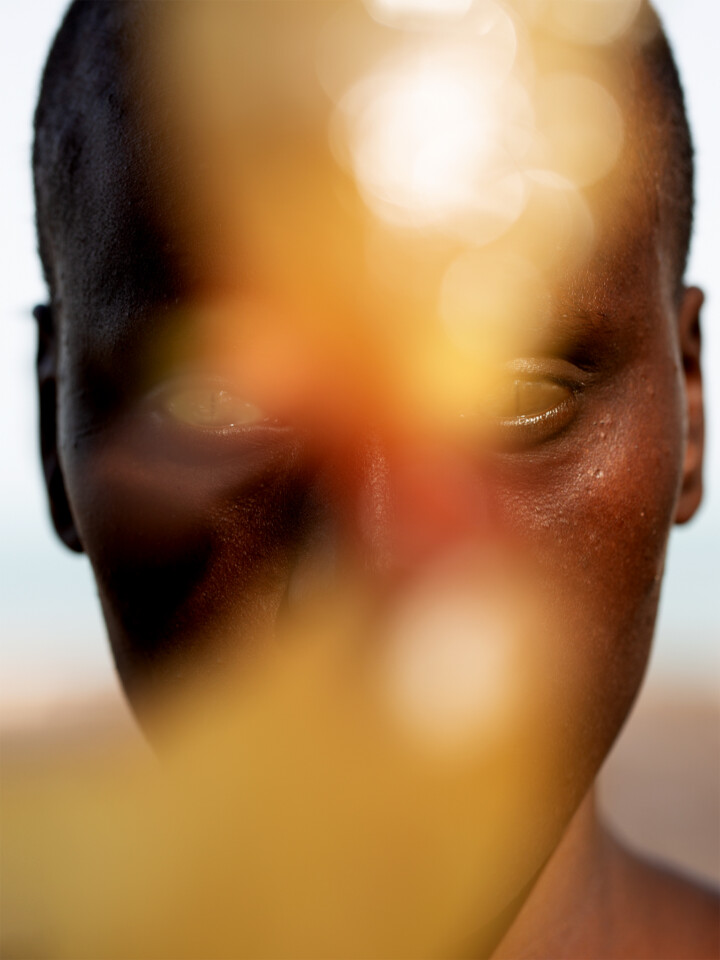
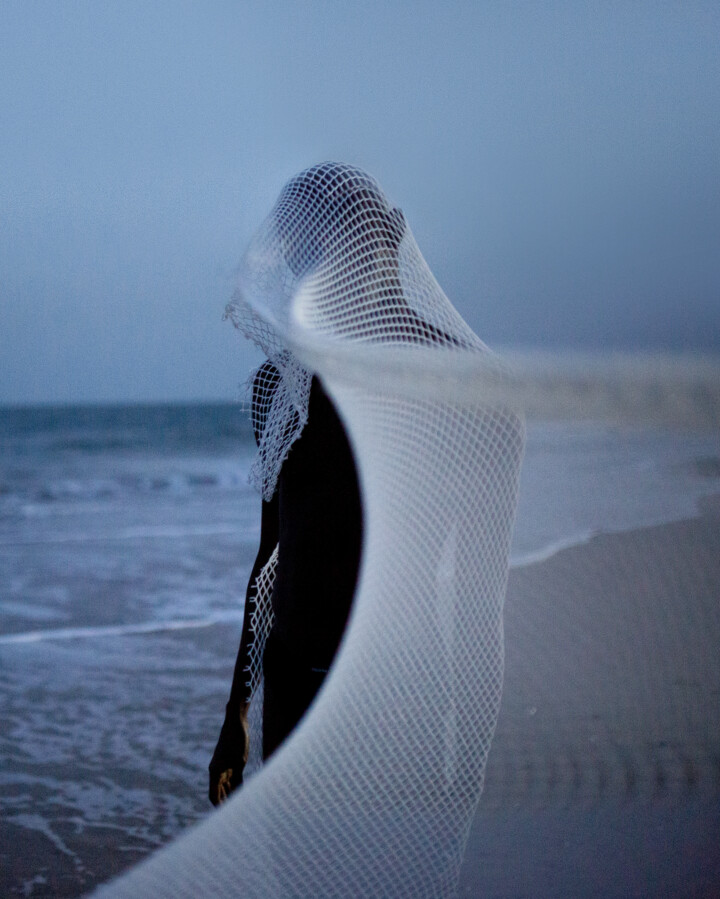
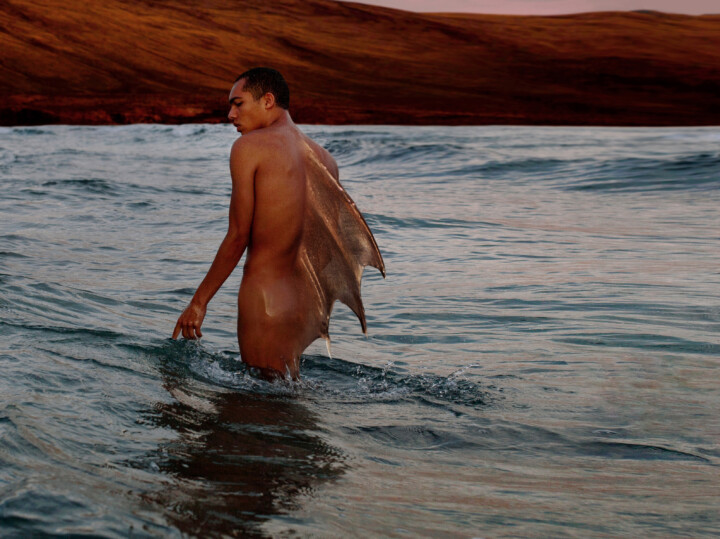
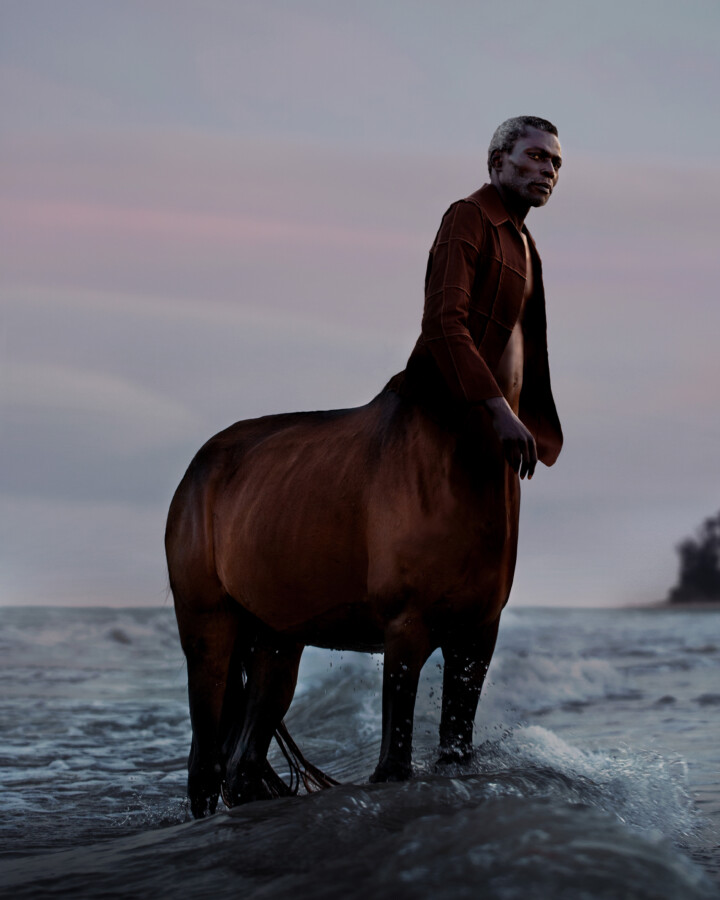
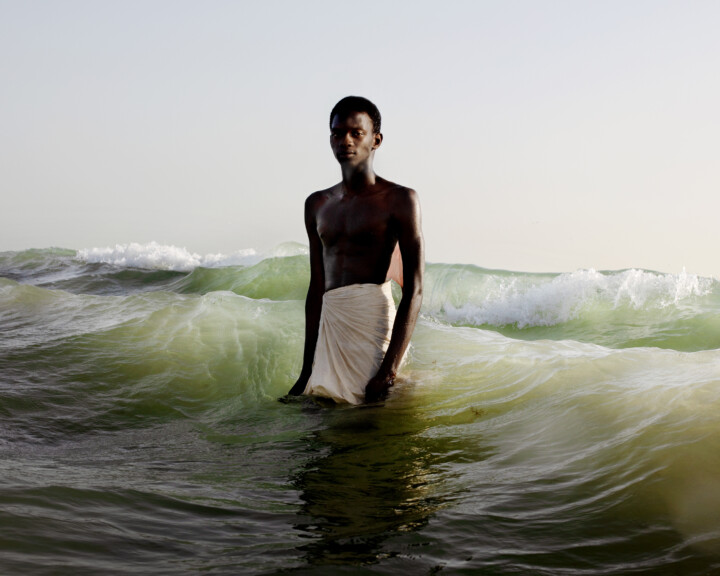
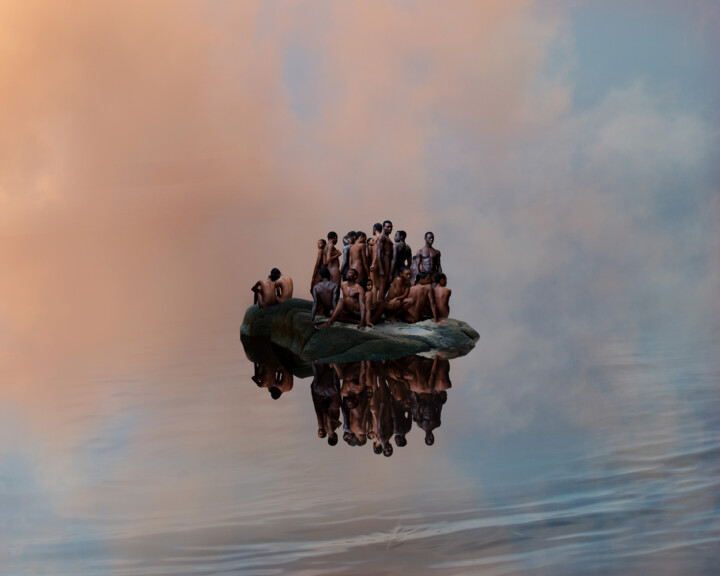
In David Ụzọchukwu’s photomontages, luminous bodies drift through haunting waters, sprouting fins, scales, and gills as they adapt to unfamiliar worlds. Drawing on African, Greek, and American mythologies, Uzochukwu imagines transformation as a response to histories of migration, displacement, and survival.
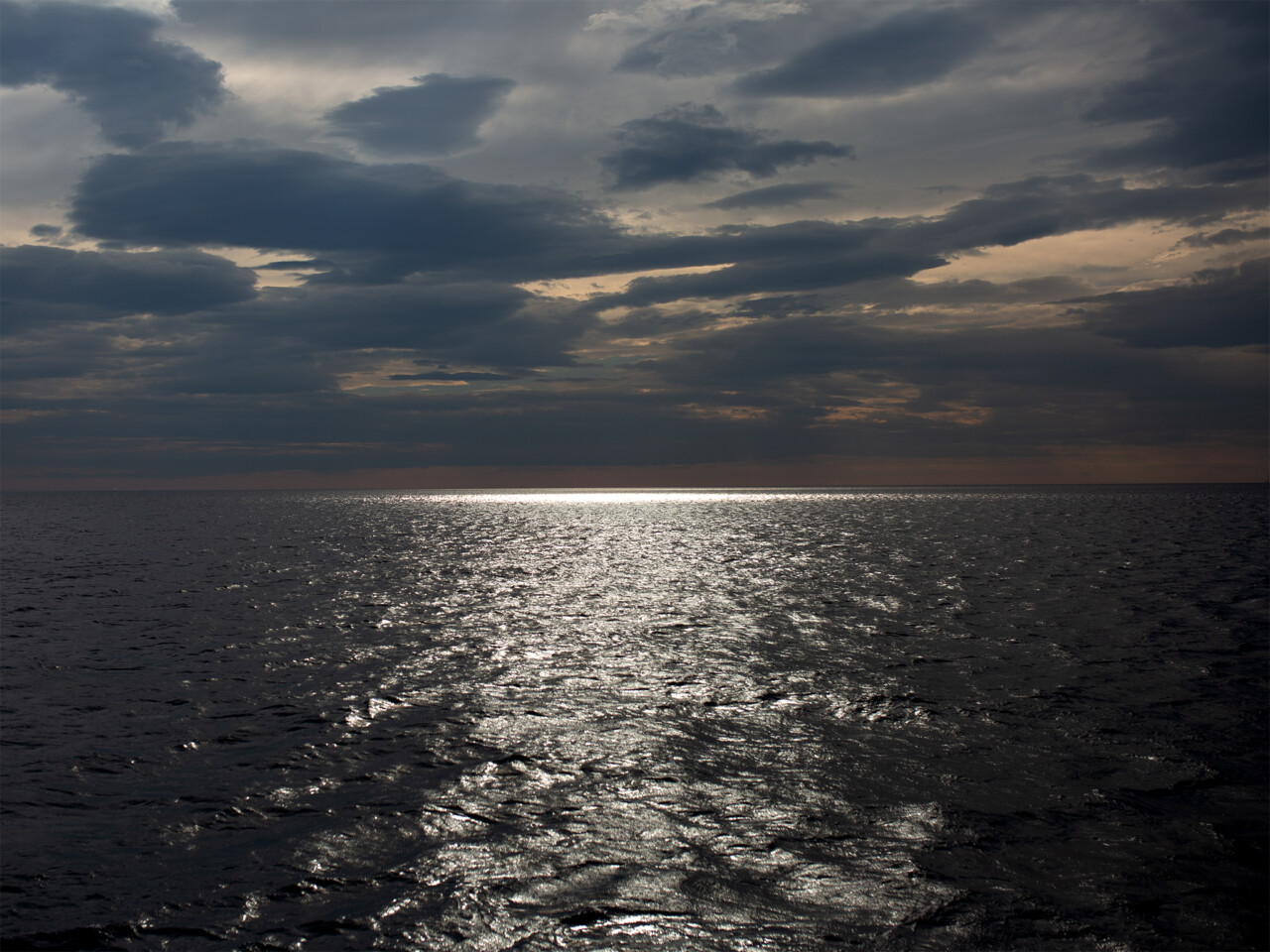
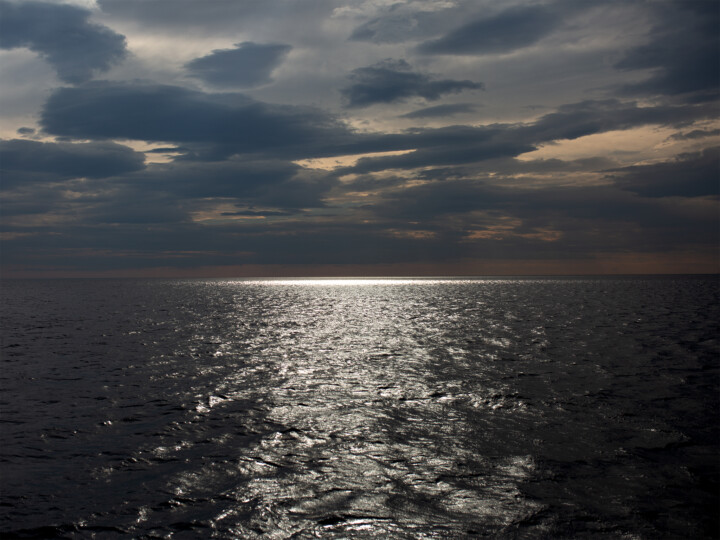
The artist’s first solo museum exhibition, David Ụzọchukwu: Bodies of Water, opened at the Memphis Brooks Museum of Art on June 10, 2026. His was also the final exhibit to open at the museum’s Overton Park location, designed in 1913, before the institution reopens downtown as the Memphis Art Museum. The museum’s move to the banks of the Mississippi River shaped my curatorial approach to Ụzọchukwu’s images, which explore water as a force of contradiction: a border and a connector, a site of death and a source of life. In Memphis, the river embodies these tensions. It has carried commerce, labor, migration, and memory while also bearing histories of enslavement, displacement, and struggle.
Throughout the exhibition, water becomes both setting and symbol, connecting histories of forced and voluntary migration across the African diaspora. In works such as Styx (2021), vulnerable figures inhabit desolate, unsettling landscapes. As the exhibition unfolds, however, bodies shift into human-animal hybrids, growing more equipped for these unstable and shifting conditions.
While the histories of forced migration remain ever-present, Ụzọchukwu turns to imagination as a means of creating belonging within. That transformation is especially vivid in Gurgle (2020), where the artist portrays himself as a hybrid human-fish figure—a body remade for conditions it was never meant to inhabit. Here, survival is not simply endurance, but adaptation, invention, and the possibility of becoming something new. Through this act of world-building, Ụzọchukwu suggests that imagination has long been a vital force in propelling the African diaspora forward.
Efe Igor Coleman is an independent curator based in Memphis. Her work focuses on African diasporic art and contemporary visual culture.
Join our membership community. Support our work, receive a complimentary subscription to Atmos Magazine, and more.
The Bodies Transformed by Water and Memory
The Bodies Transformed by Water and Memory