











Photographs and words by Emily Garthwaite
The Damascus rose has survived empire, crusade, and civil war. Now it faces a heating planet, and the question of who gets to claim it.
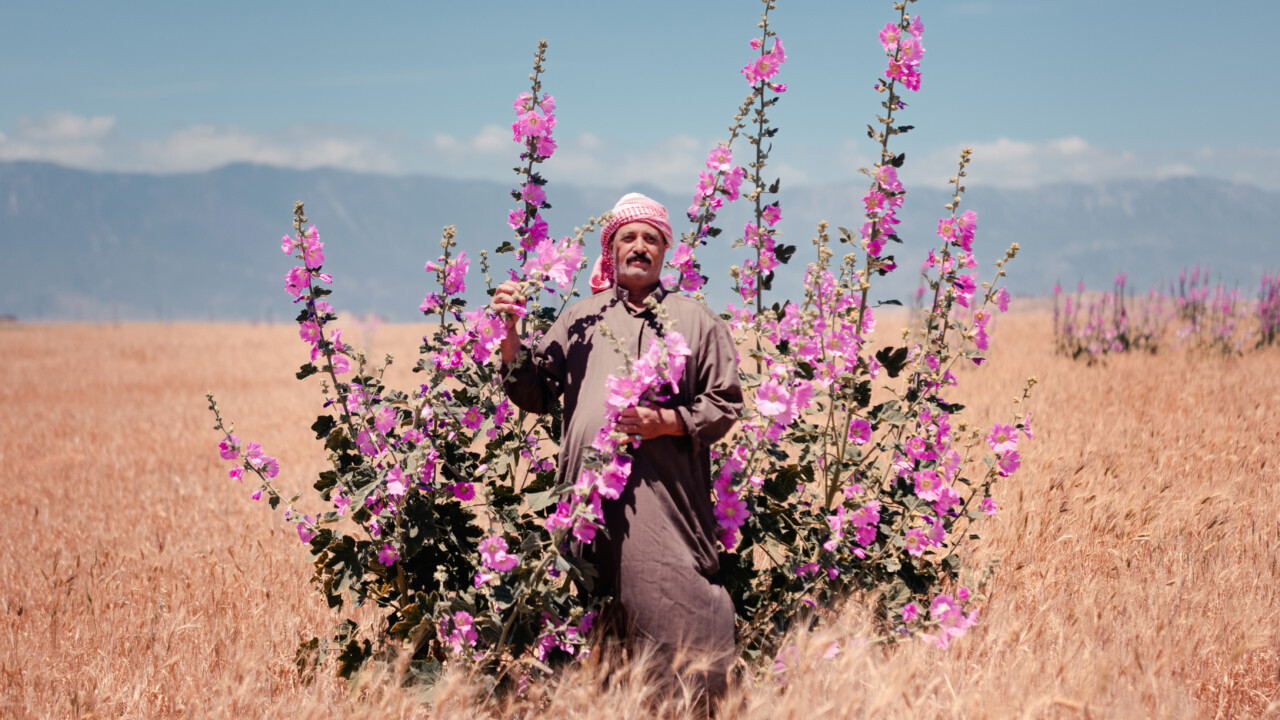
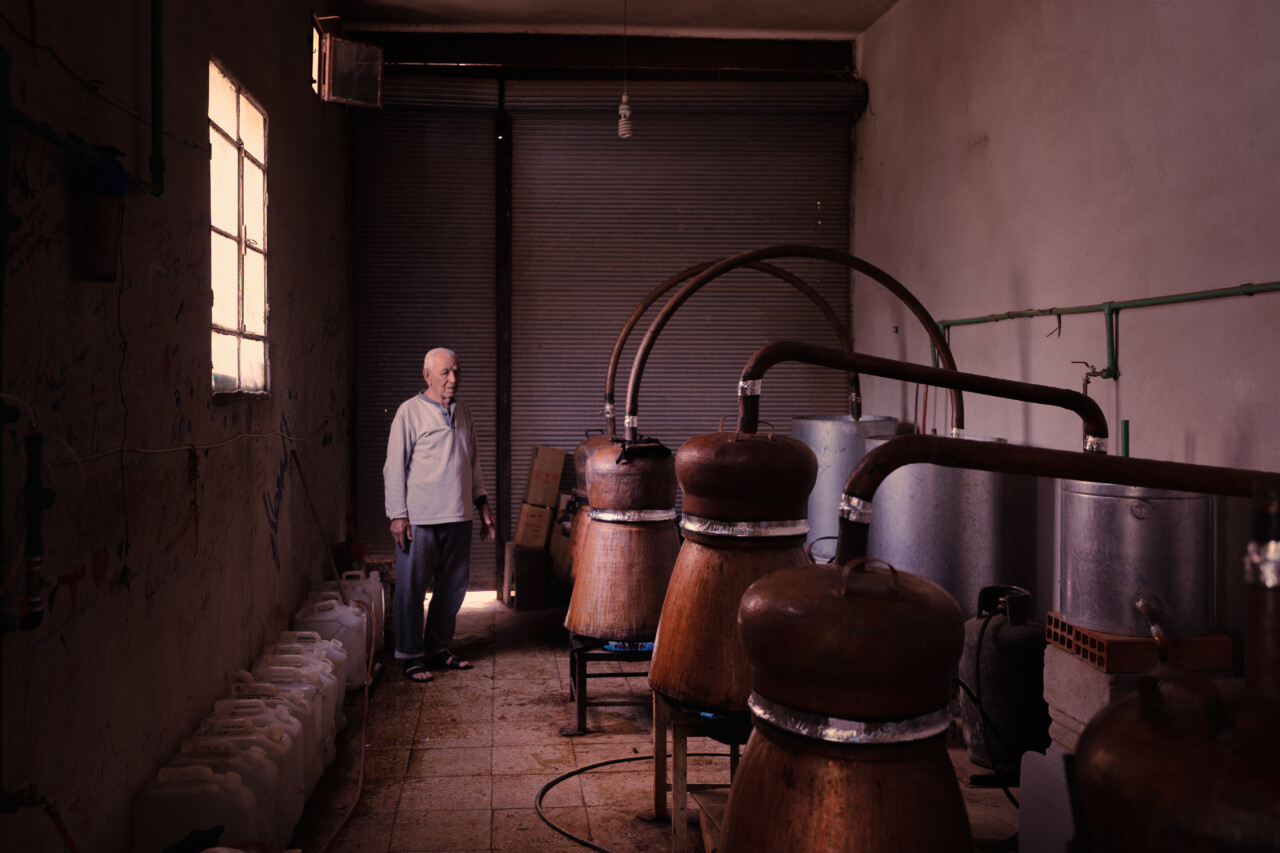
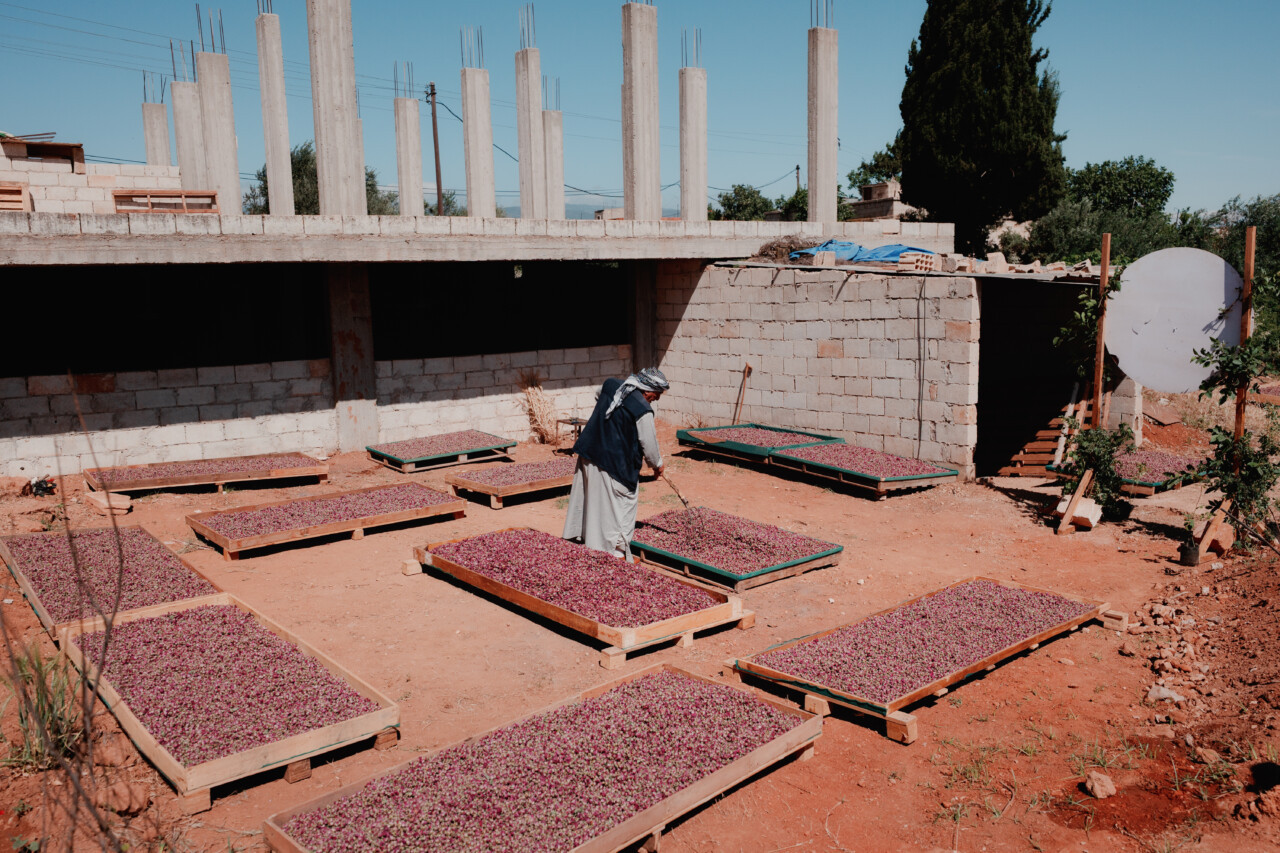
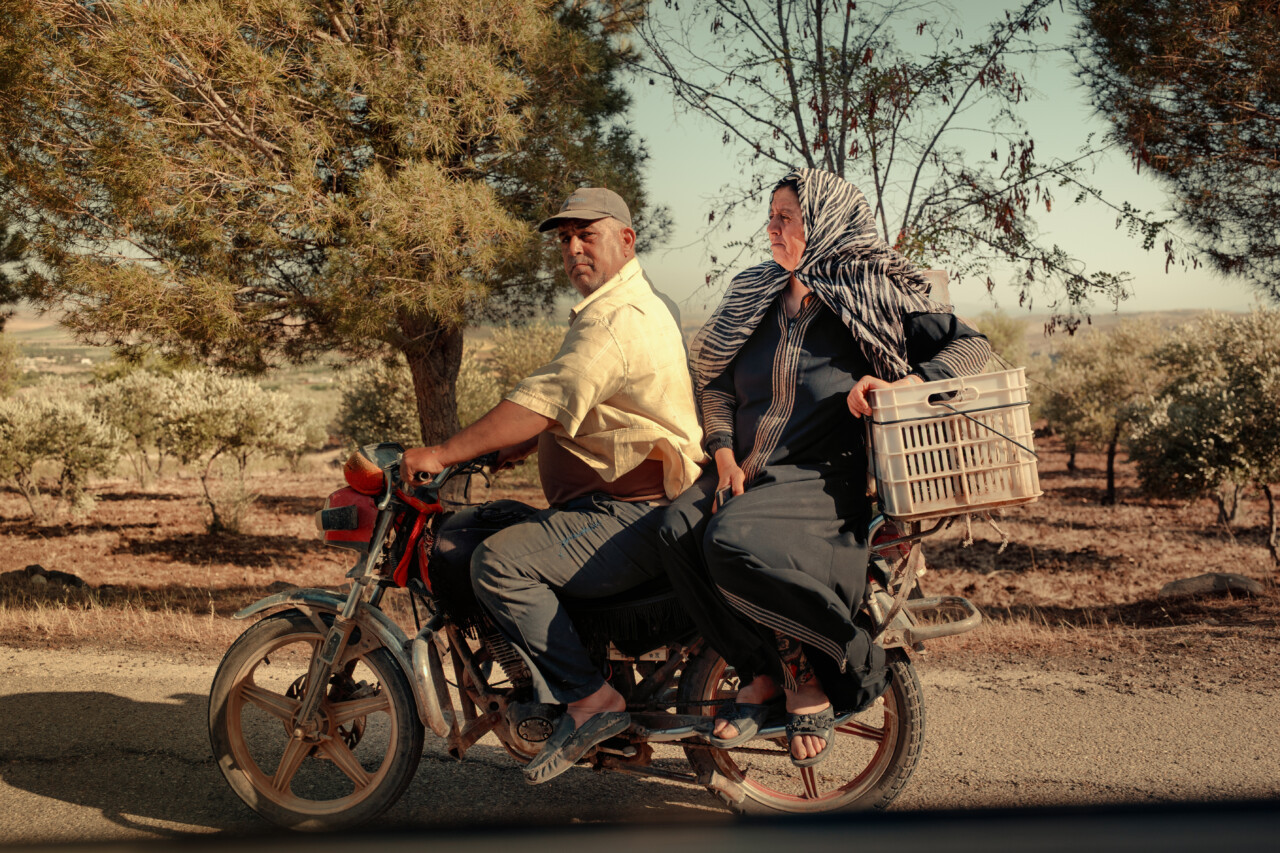
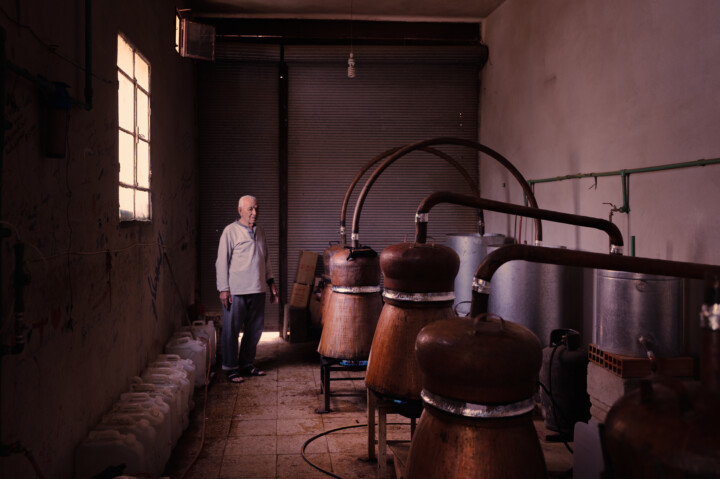
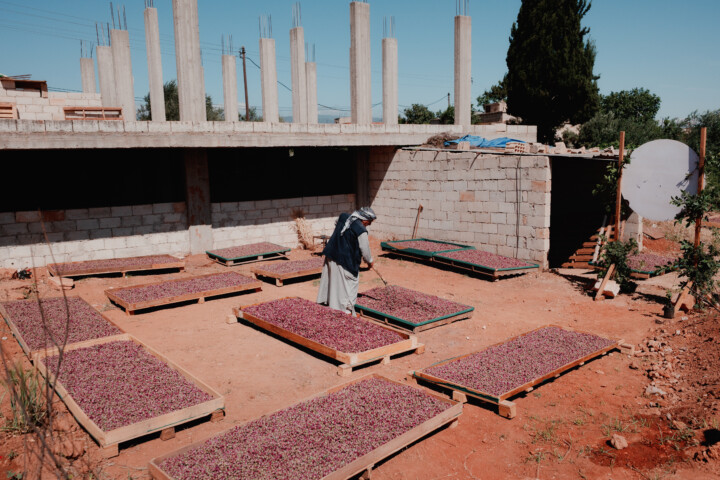
When I pulled up to Roula Ali-Adeeb’s farm in southern Damascus, rose water was already steaming from the factory. I had taken a taxi directly from Beirut to the Syrian border crossing to photograph the Damascus rose, Rosa damascena, at a moment when Syria was barely five months removed from the fall of Bashar Assad’s regime. After 54 years of Assad family rule, Assad fled the country on Dec. 8, 2024, leaving a transitional government led by Ahmed al-Sharaa to rebuild a country fractured by more than a decade of war.
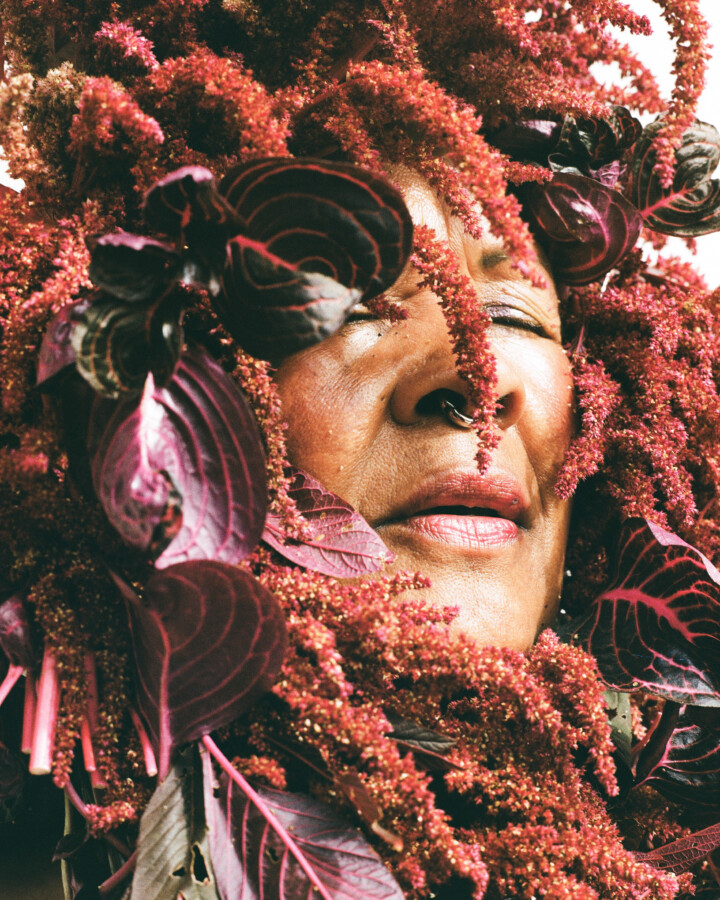
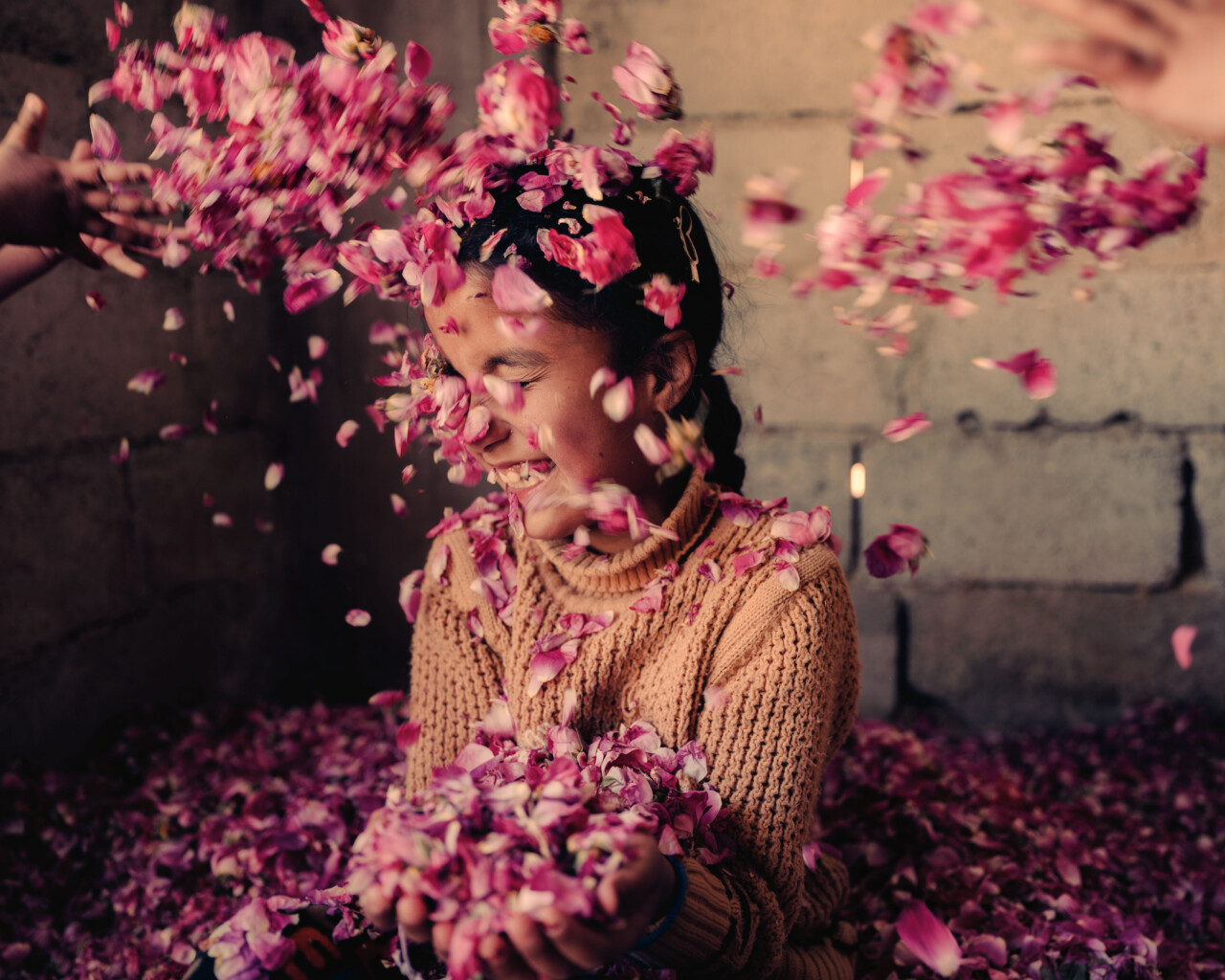
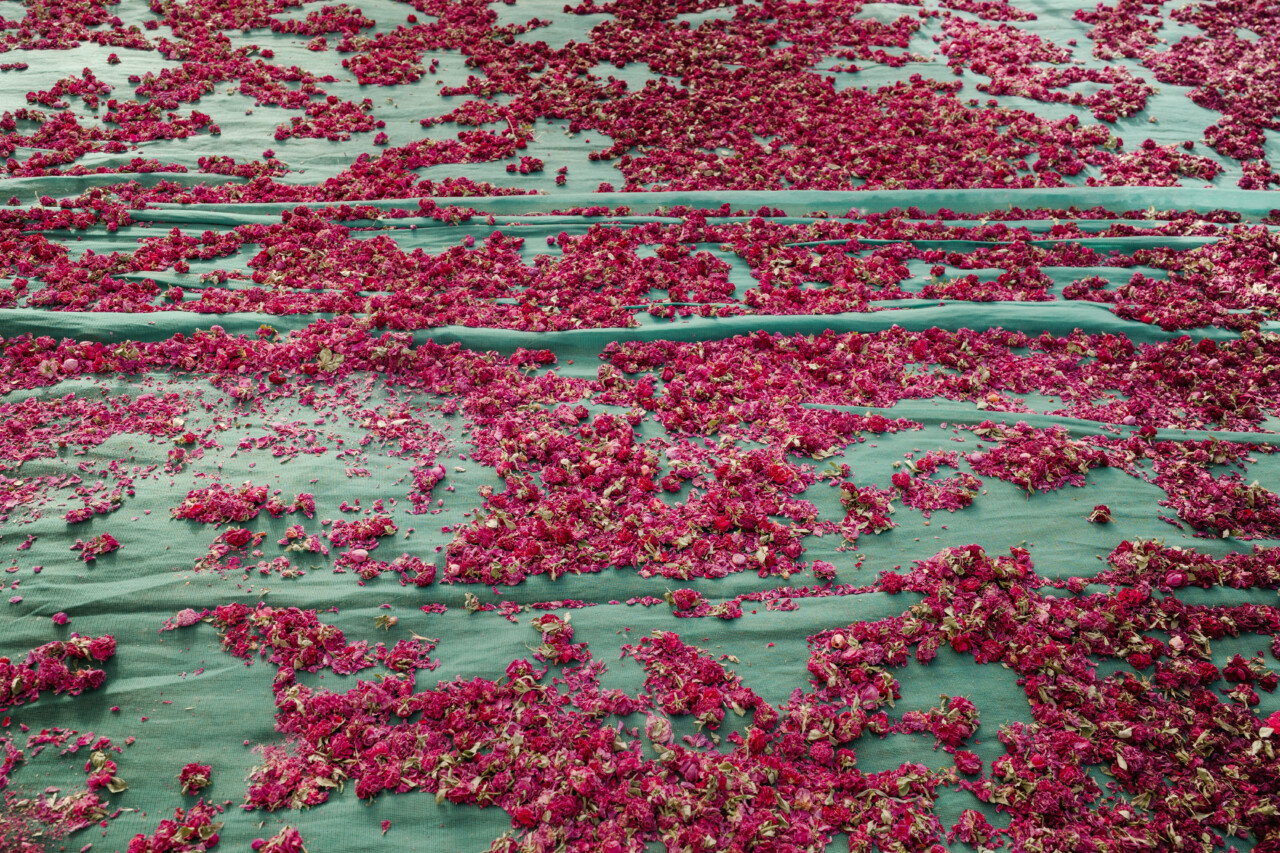
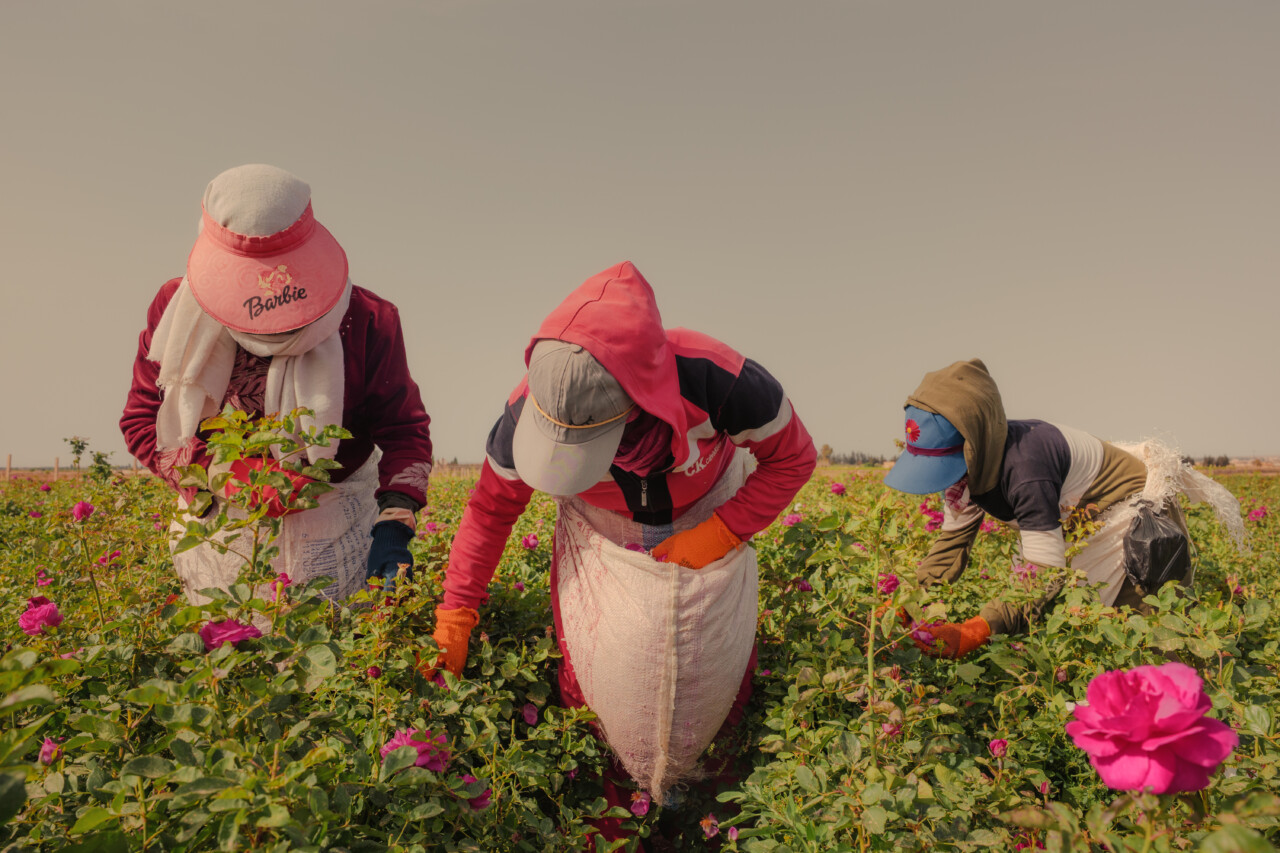
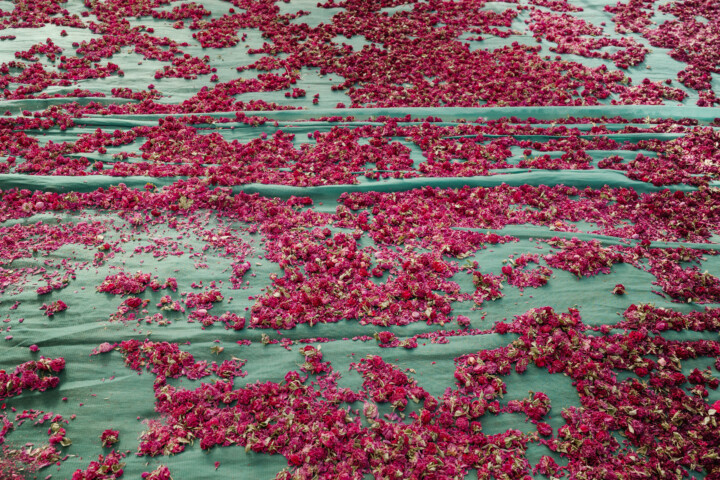
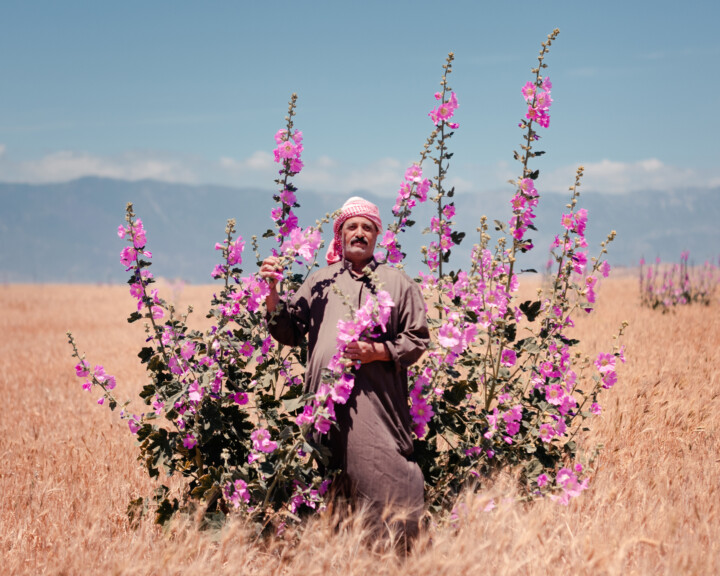
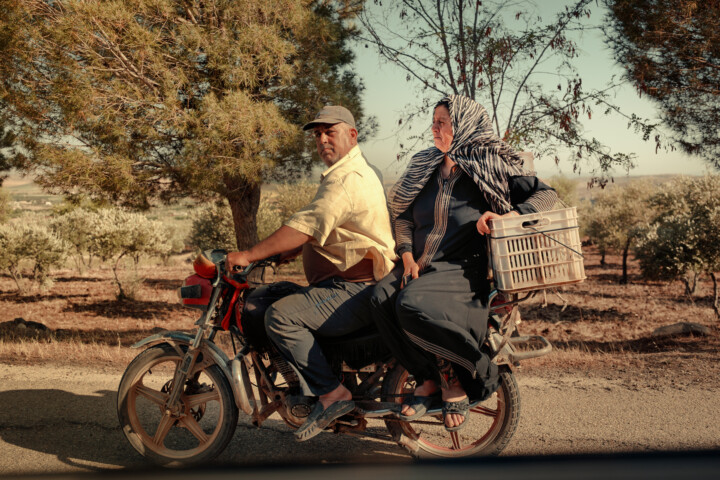
Over the weeks that followed, I traveled with French writer Fleur Bouron between farms, souks, and distilleries from the edges of the Golan Heights to Aleppo. I met and photographed rose farmers; pressed petals and stems; bought small bottles of rose water along the way; and gathered dried buds in envelopes, each labeled in the field and carrying its own scent back to my room at night. Even my mornings began with rose oil from Roula’s farm.
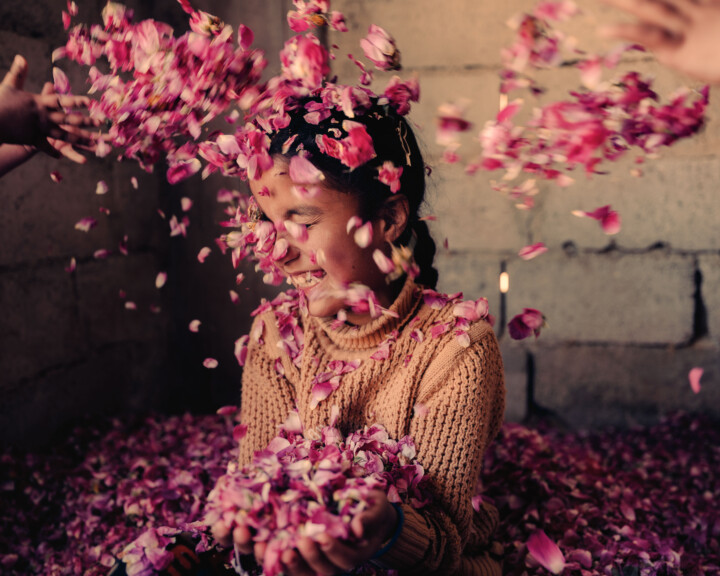
The Rosa damascena has a history that stretches back to antiquity. Pliny the Elder described it in the first century A.D.; medieval Arab physicians prescribed it for melancholy and heart complaints; Sufi poets used it as an image of the divine. In 1187, Sultan Saladin reportedly refused to enter Jerusalem’s Mosque of Omar until it had been purified with rose water hauled from Damascus on 500 camels. It crossed continents, reaching France via a crusader knight in the 13th century, and is still cultivated today in Grasse, the perfume capital of the world. In Syria, it adorns the altar at Maaloula, one of the oldest continuously inhabited Christian monasteries in the Middle East, where Aramaic, the language of Christ, is still spoken. Every civilization that has touched this flower has found something in it worth carrying forward, a distillation of memory, healing, and devotion.
What I was trying to understand, with my camera, was how that history lives in the present. How the Rosa damascena survives, despite it all.
As we journeyed across the country, it seemed we had fallen behind, unable to find the roses in bloom. We raced toward Aleppo, chasing rumors that the harvest was still underway. The picking season is brief, the window for buying even briefer. In Aleppo, one of the world’s oldest continuously inhabited cities, its ancient center still scarred from years of siege and bombardment between 2012 and 2016, we reached the dawn market as sacks of roses were being auctioned beside a stall selling al-shuaibiyat, flaky filo pastry soaked in ghee and cream, drenched in syrup. We ate them while the bidding happened around us, the two sweetest smells in a market otherwise thick with diesel and dust, as the sellers called out prices and the men leaned in.
“The rose has outlasted every empire that tried to possess it. Whether it outlasts a heating planet and finds its way back into Syrian hands on Syrian terms is the question yet to be answered.”
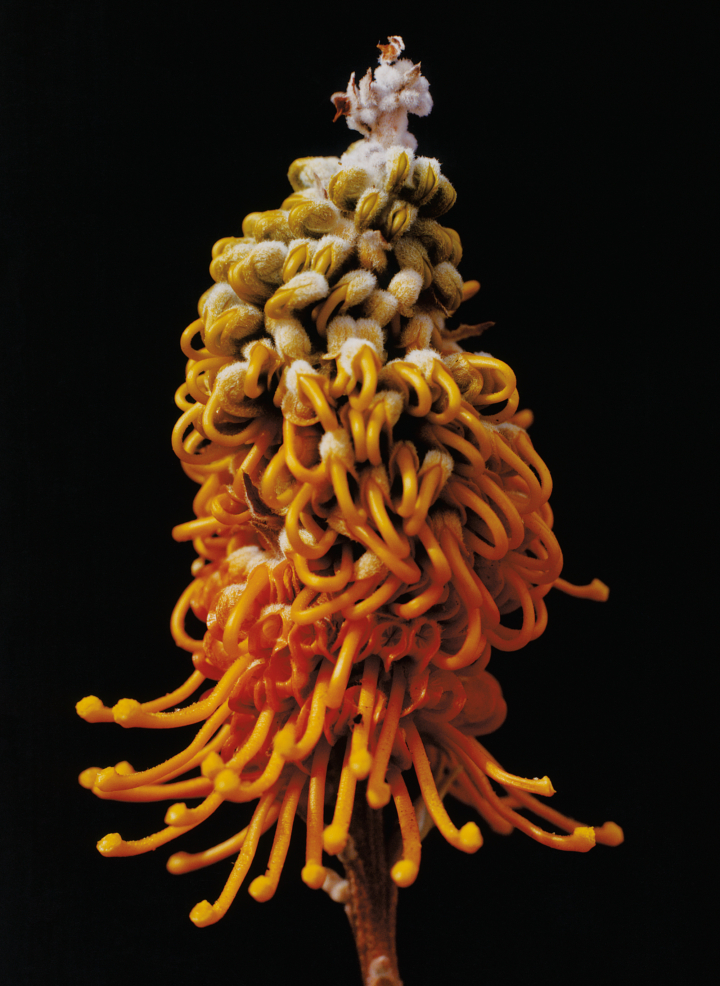
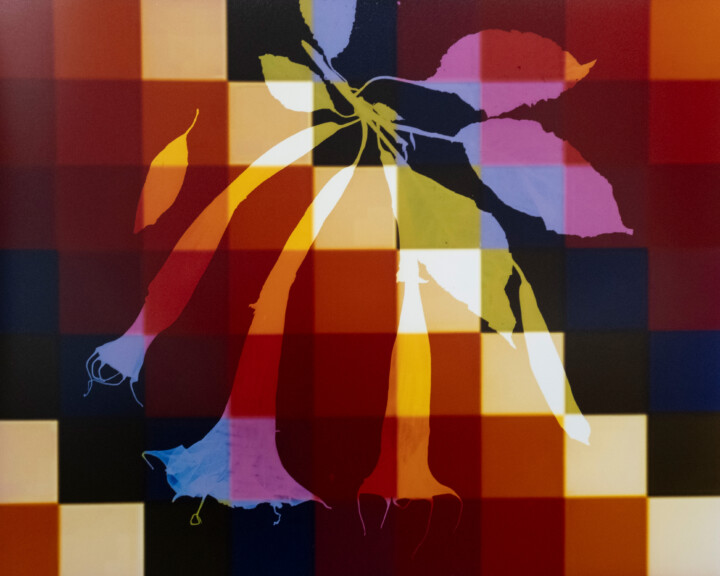
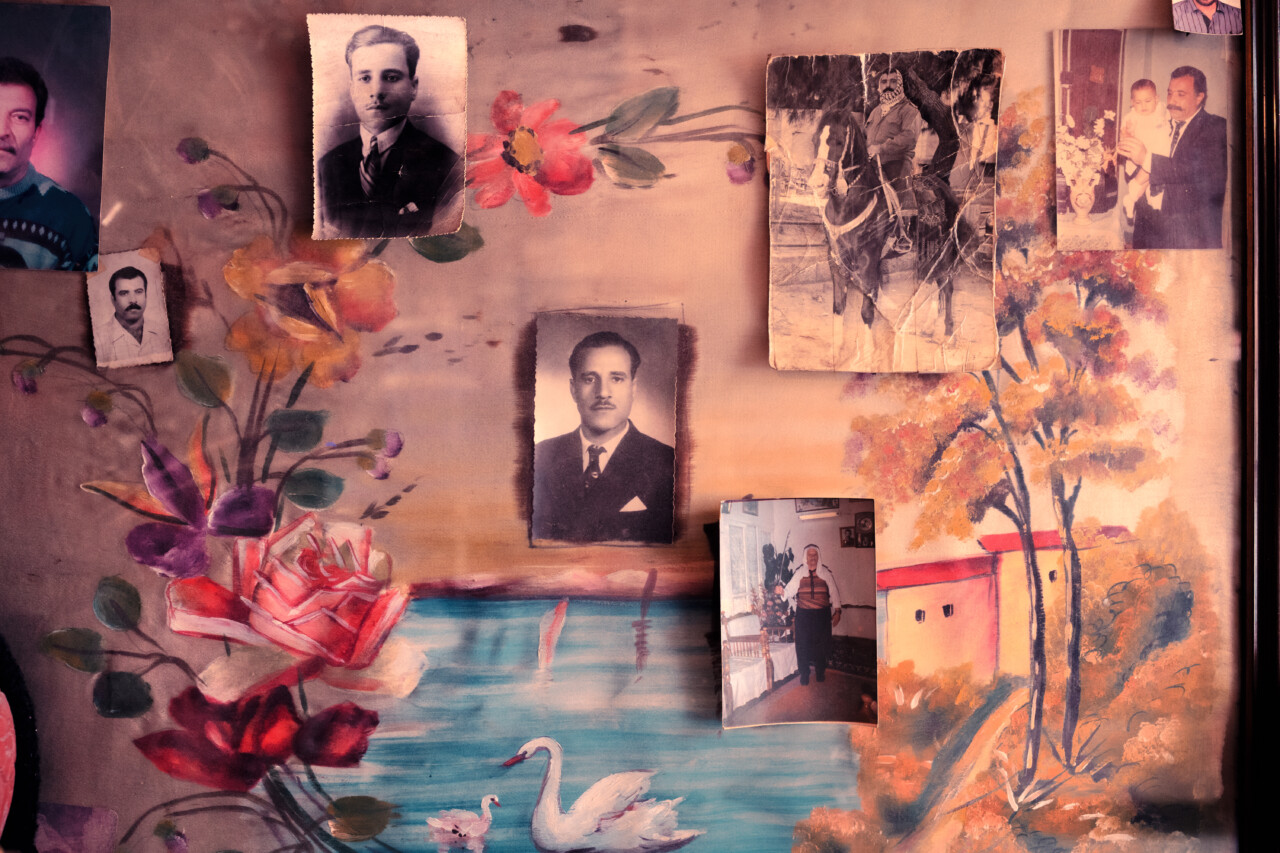
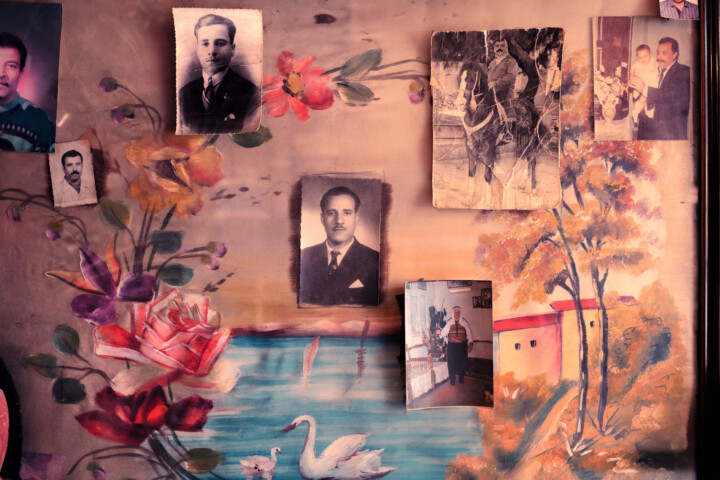
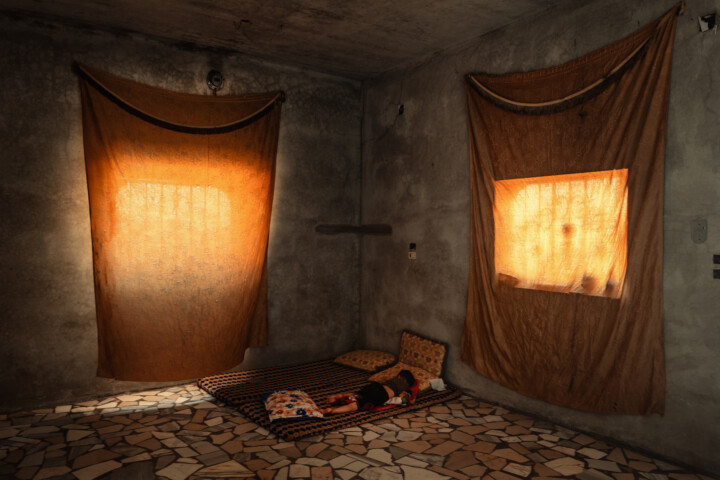
In the charming hotel where we stayed in the old quarter, I found boxes of antique family photographs, of ordinary lives the war had buried under rubble and dust. I began placing dried rose buds and petals across the images and photographing the layering. It was a way of thinking through what I was witnessing on the farms, how the rose threads through Syrian memory, not just as crop or emblem but as something present in grief, in bodies, in the practice of healing. The Damascus rose is antiseptic, antidepressant, and anti-inflammatory. It has been used for generations to ease stomach ailments, menstrual pain, and anxiety: a medicine hiding in plain sight.
Back in the U.K., I brought the pressed roses to the studio of photographer Richard Foster, with whom I have been in ongoing creative collaboration. We laid out the pressings, petals, stems, thorns, and buds, and continued the work that had started in Syria to build a still-life visual language for something as layered and fragile as this flower and this moment.
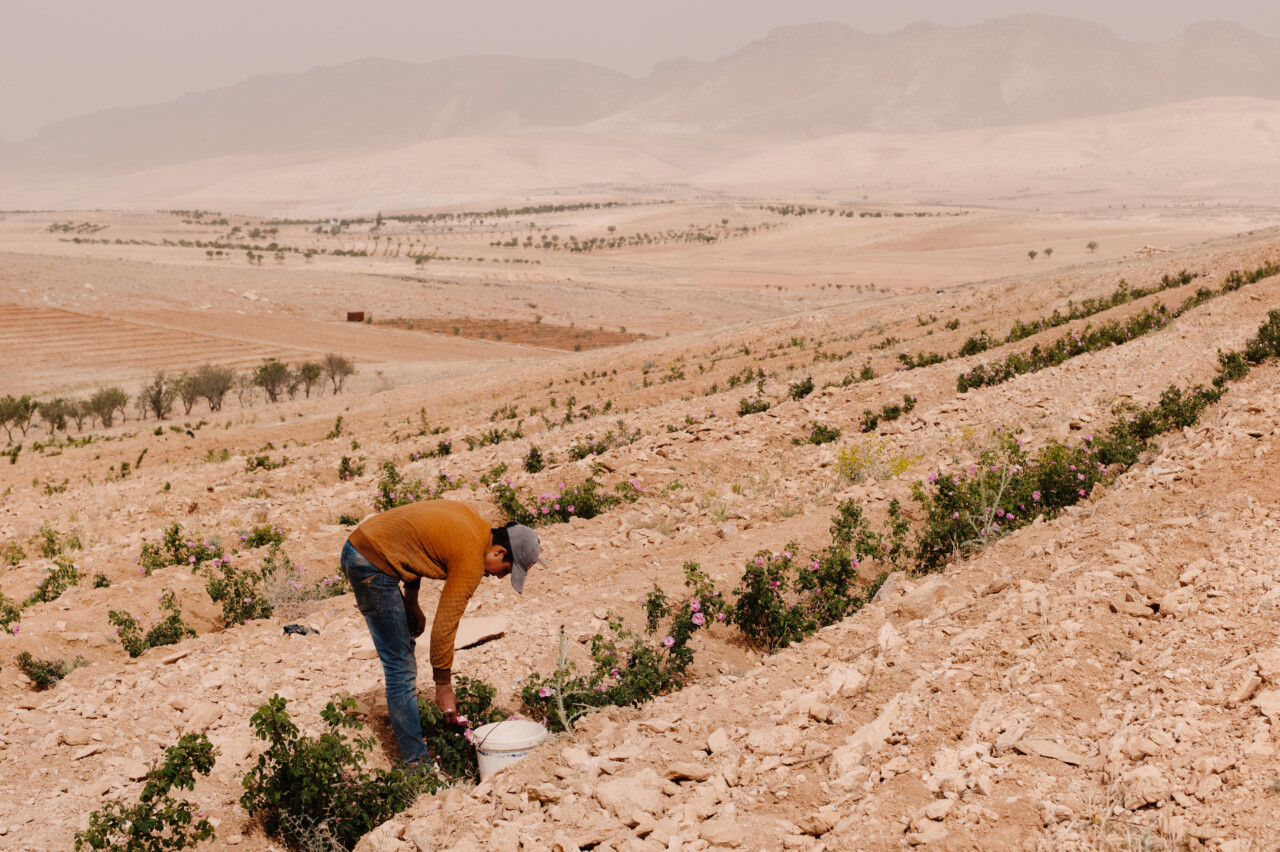
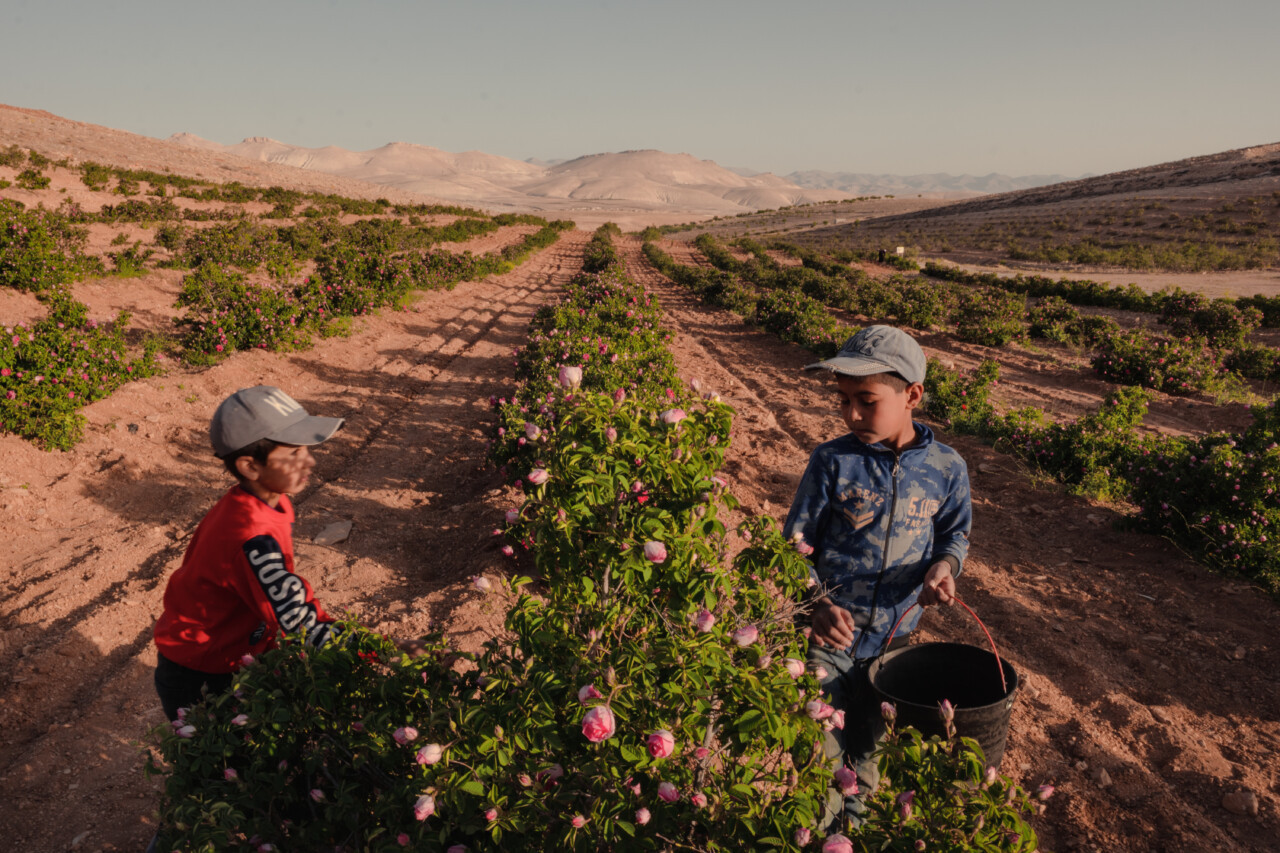
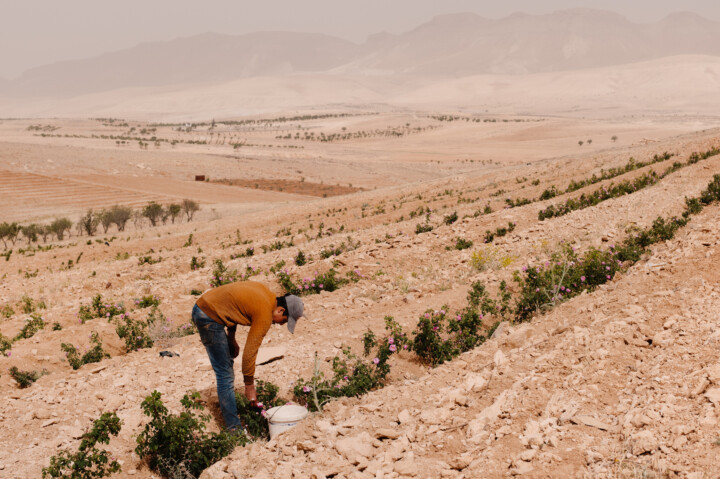
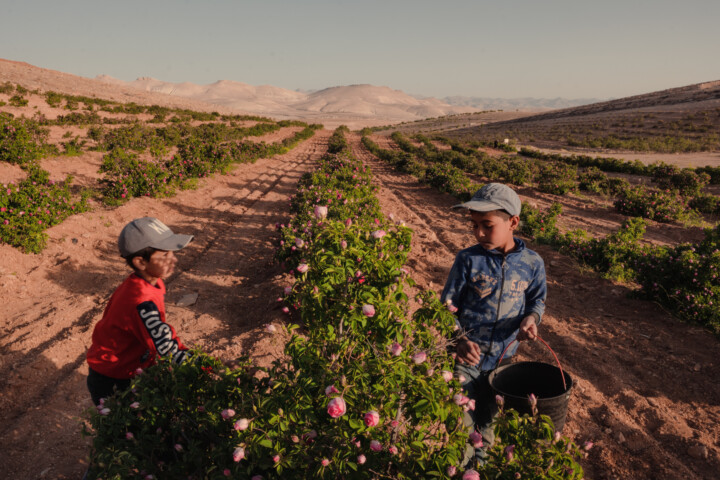
What the photographs alone could not fully show was the scale of what the rose is now up against. Syria sits at one of the sharpest edges of the climate crisis. Rainfall levels during the 2024-2025 season were about 60% below the annual average, while wheat production, down 40%, left a shortage equivalent to what would feed 16 million people for a year. The rose harvest followed the same trajectory. Where 270 hectares were cultivated with Damascus roses before 2011, only 120 remain planted today. Rose plants that should live 60 years now last 25, their lifespans shortened by heat and erratic rainfall.
Meanwhile, a hardier rival variety introduced from Saudi Arabia in the 1980s is spreading into the spaces where the Damascus rose once grew, offering seven times the yield per hectare (nearly 2.5 acres). Agricultural scientists warn that the original carries drought-resistant genetic material that cannot simply be replicated or replaced. The very qualities that make it irreplaceable—its fragility, its specificity, its deep rootedness in this particular soil—are also what make it vulnerable.
Solutions exist, though they require investment Syria is still struggling to mobilize. Rose producers in some villages have requested solar panels to pump water using solar power, at a cost of about $7,000, for which they hope for support from the new government. Experts point to drip irrigation, water harvesting infrastructure, and climate-resilient farming techniques as essential tools for rebuilding the agricultural sector. Syria’s Ministry of Agriculture has announced plans to reclaim around 741 acres and distribute 30,000 rose seedlings to farmers for free. These are modest beginnings, but they are beginnings.
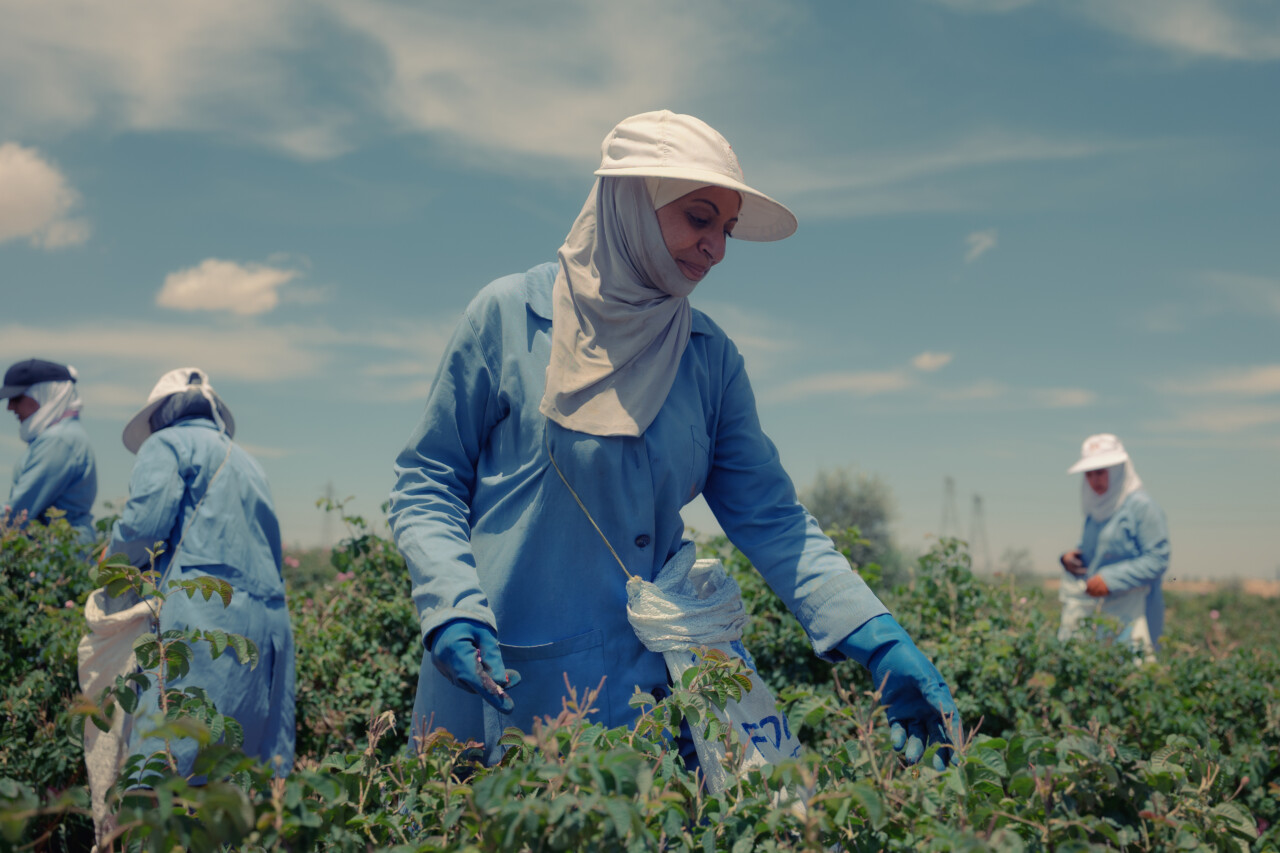
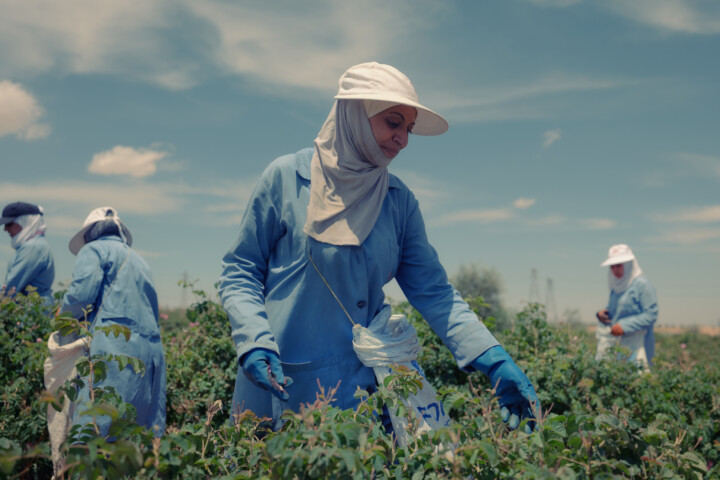
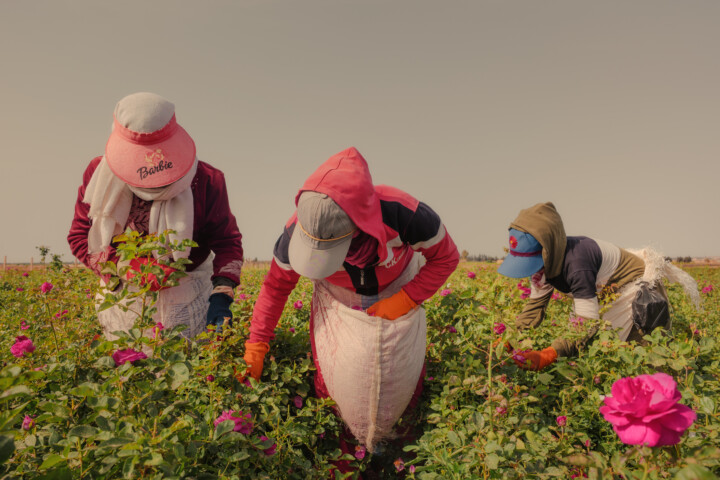
Roula Ali-Adeeb, whose farm was where our journey started, says she is going to plant more roses than ever. Back in the field, the morning was still cool as women moved slowly through the rows of roses. The rose has outlasted every empire that tried to possess it. Whether it outlasts a heating planet and finds its way back into Syrian hands on Syrian terms is the question yet to be answered.
Join our membership community. Support our work, receive a complimentary subscription to Atmos Magazine, and more.
The Ancient Flower That Survived Syria’s Wars Faces A New Threat
The Ancient Flower That Survived Syria’s Wars Faces A New Threat