














Photographs and Words by Mark Rammers
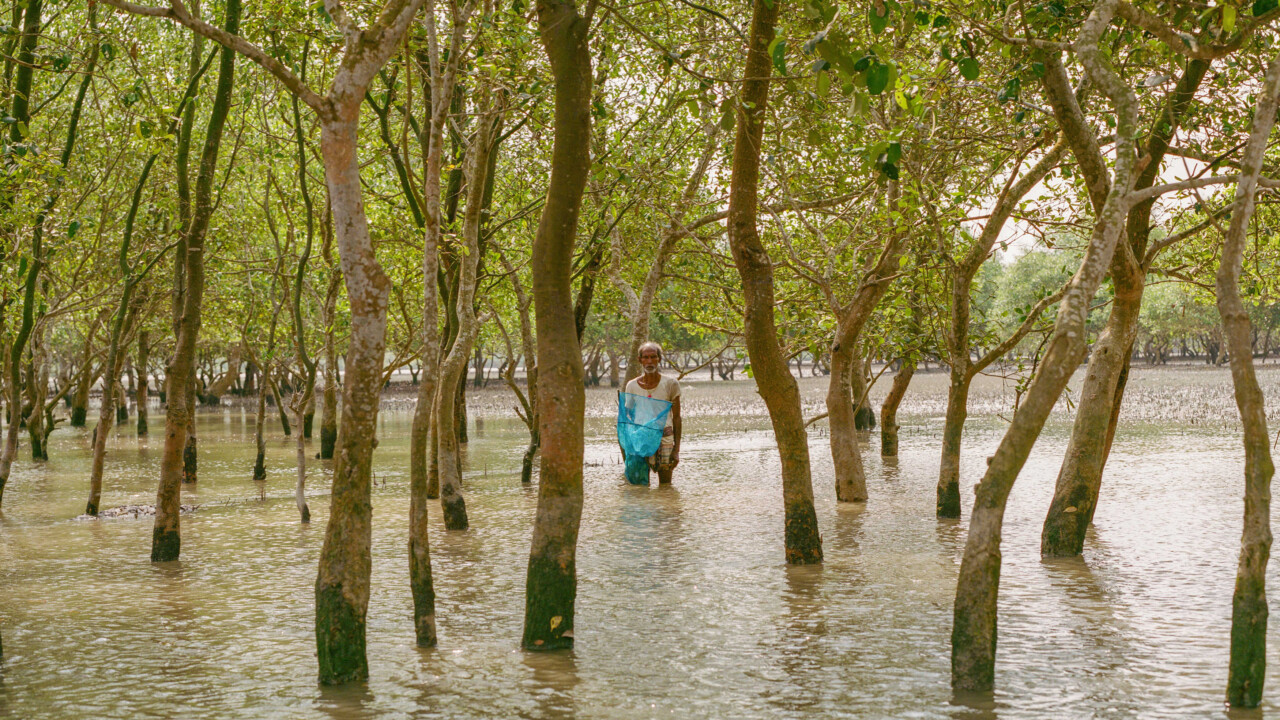
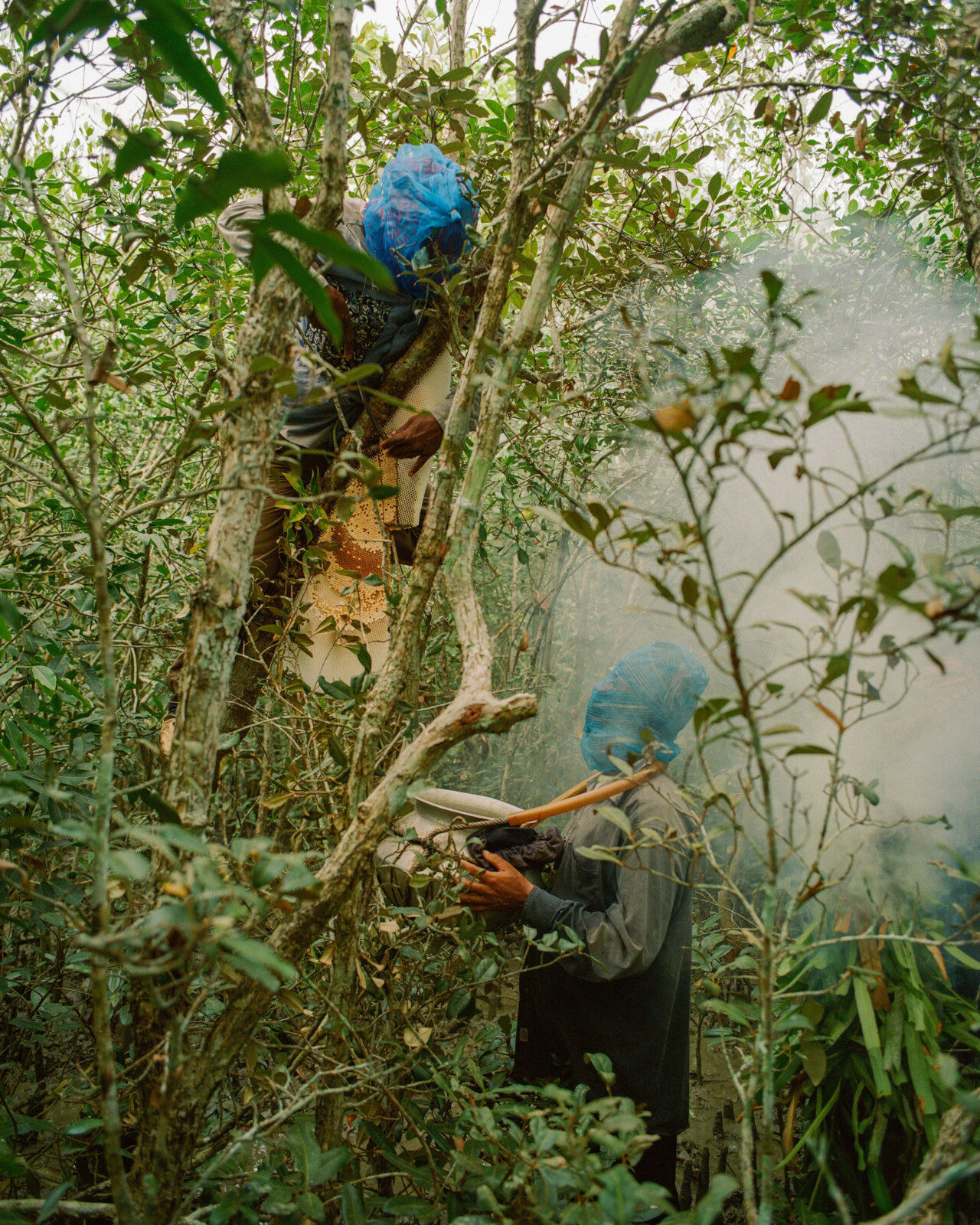
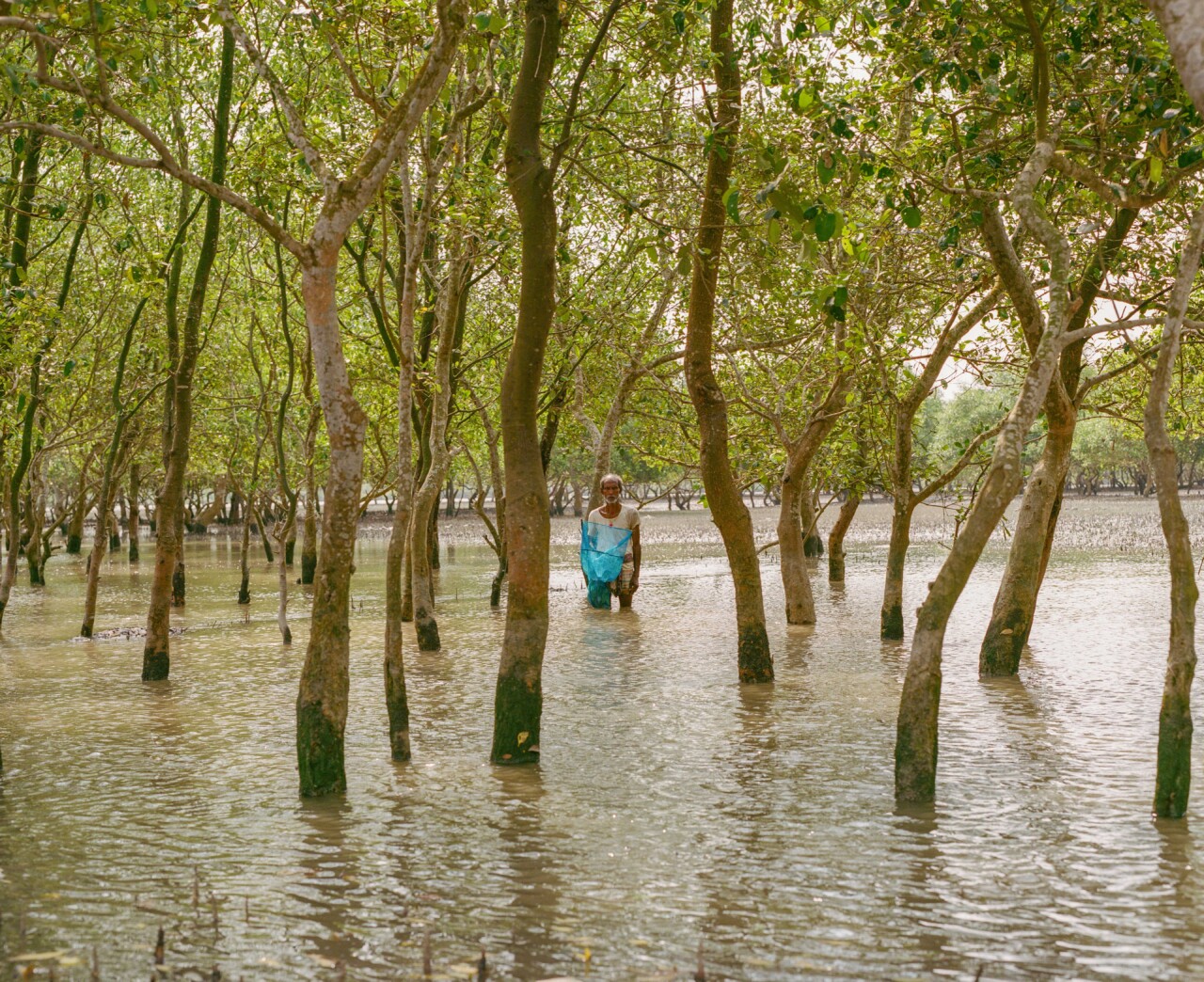
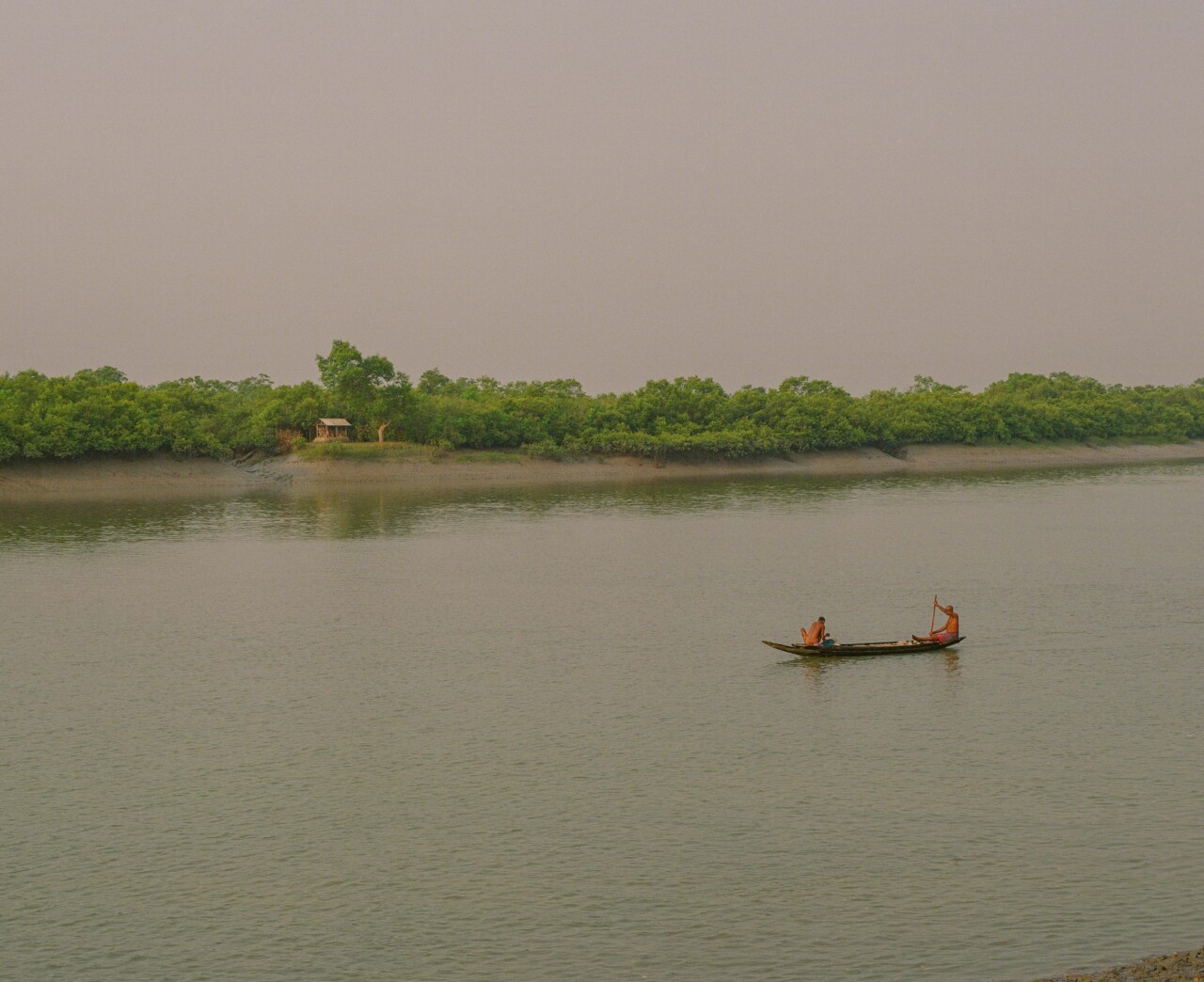
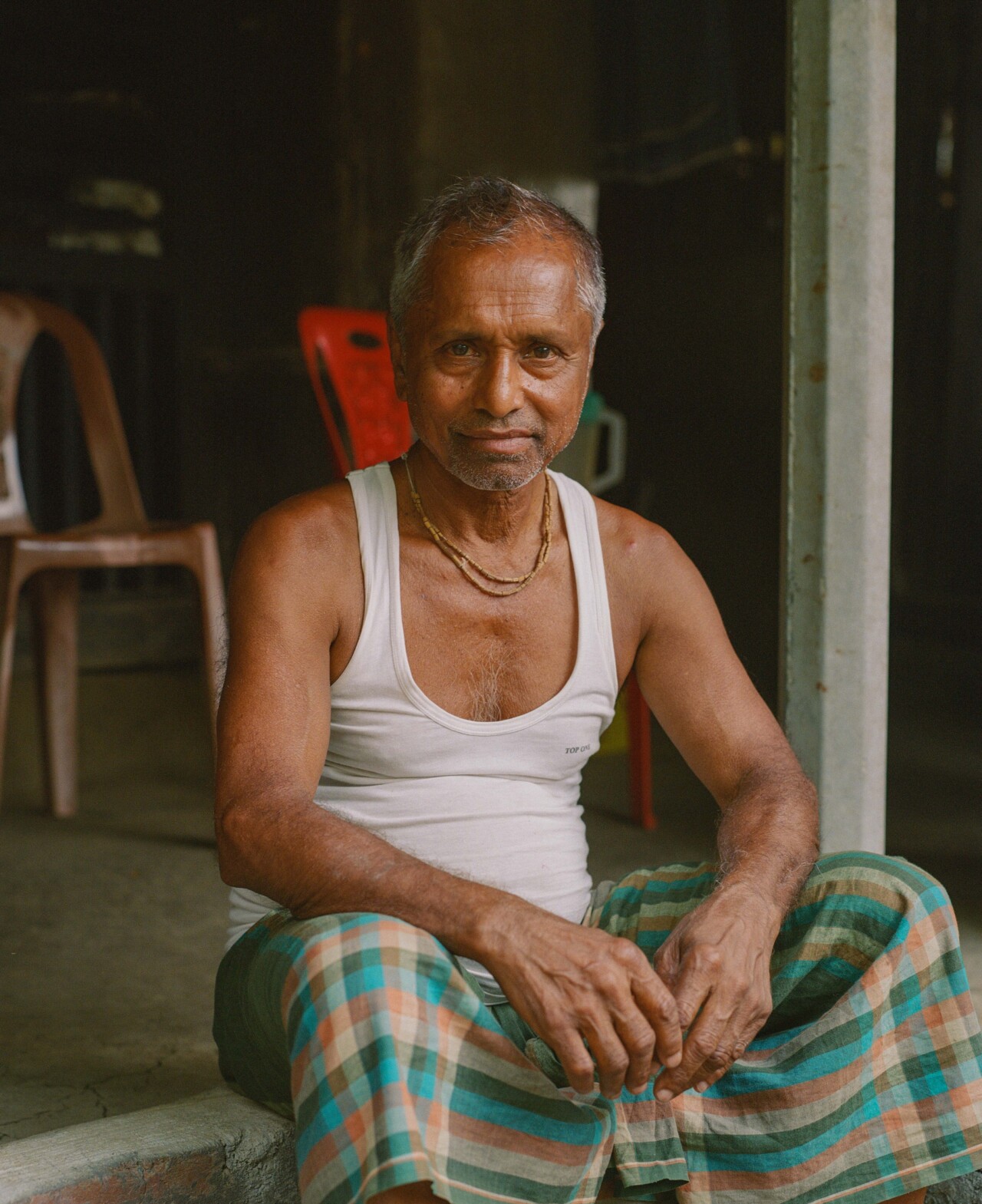
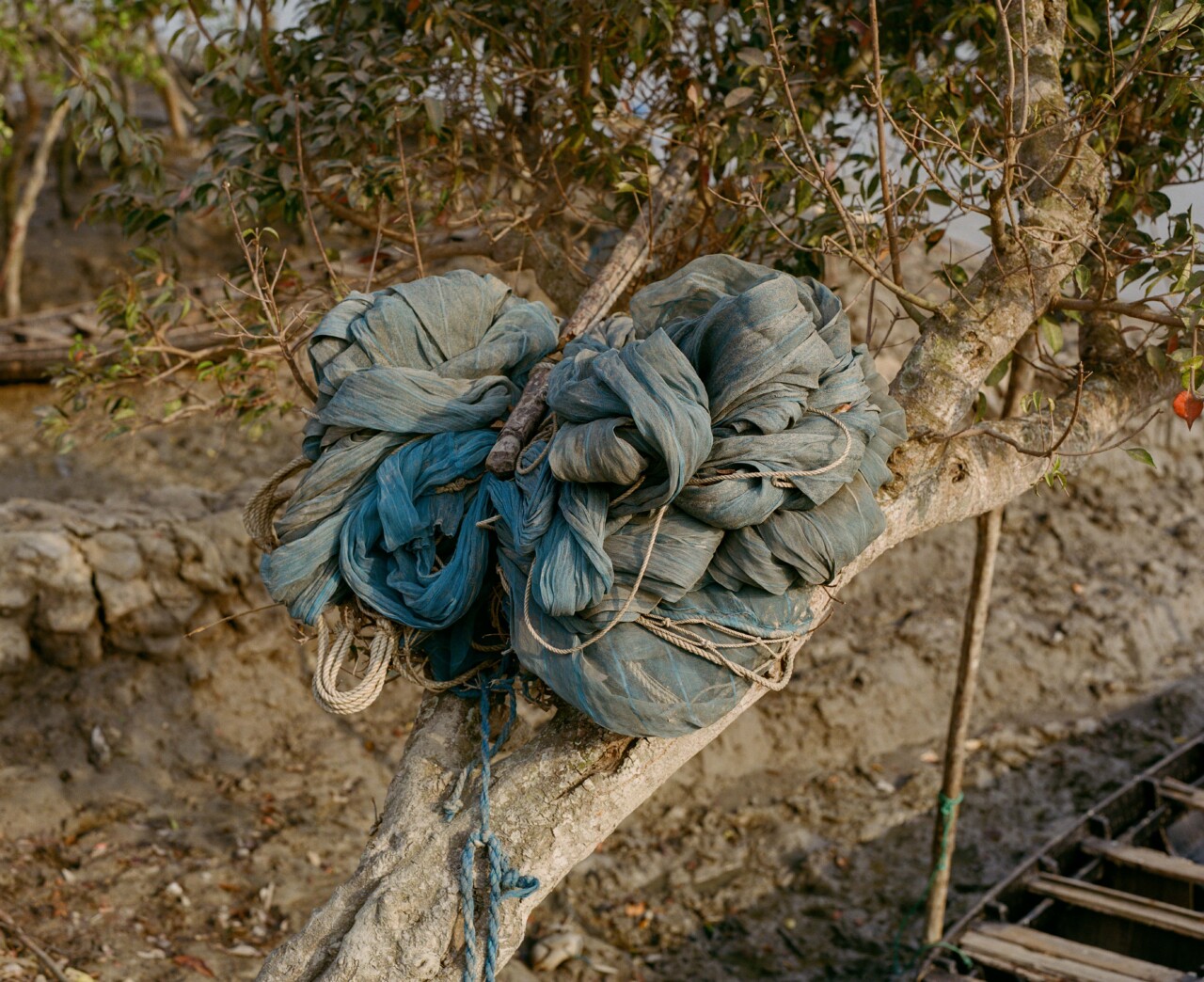
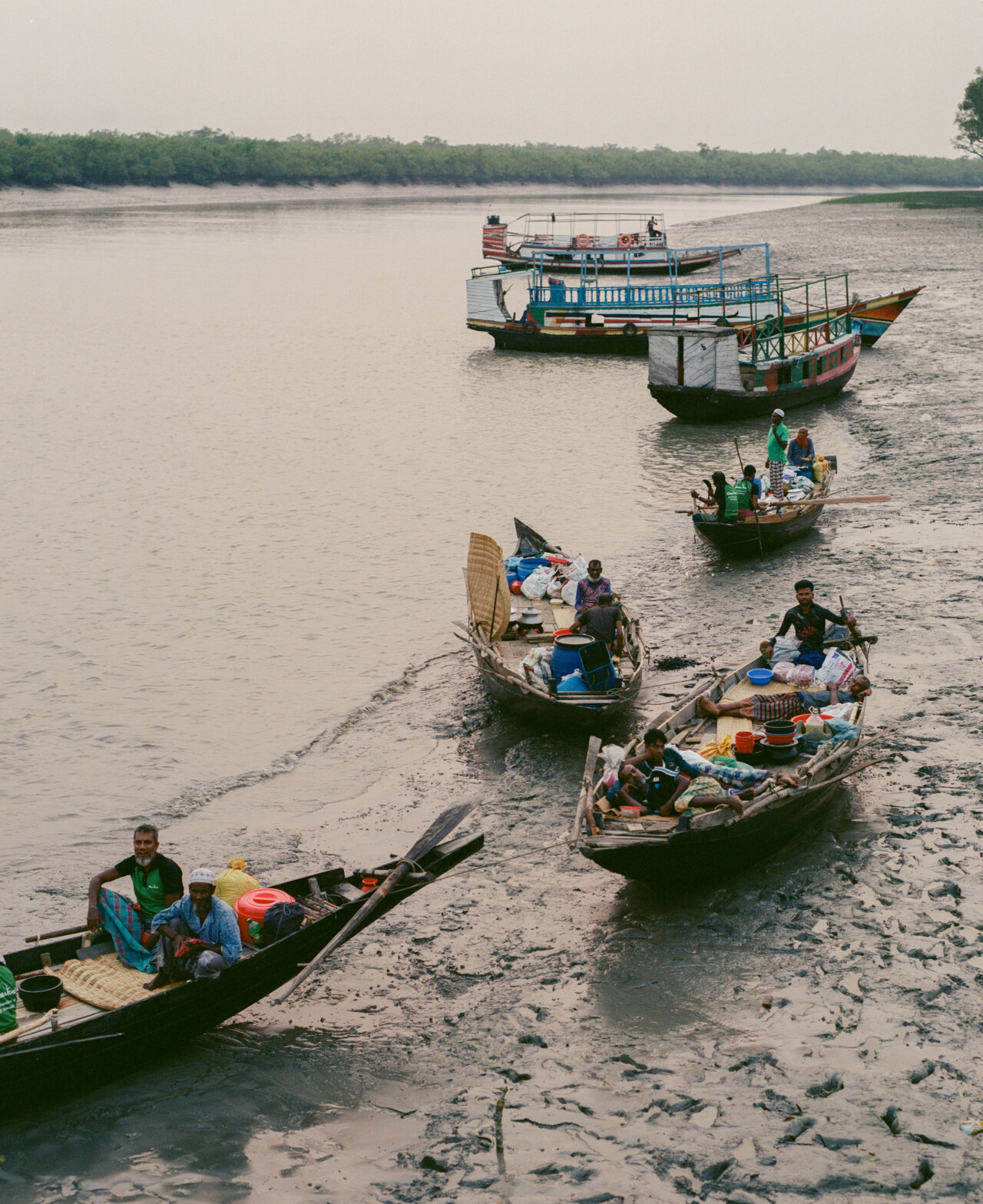
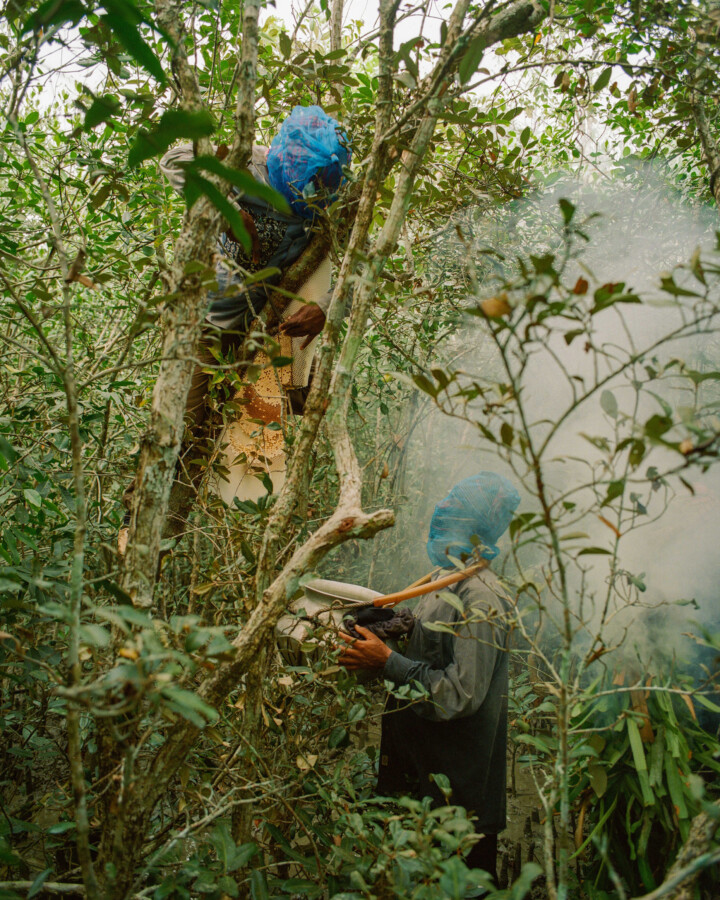
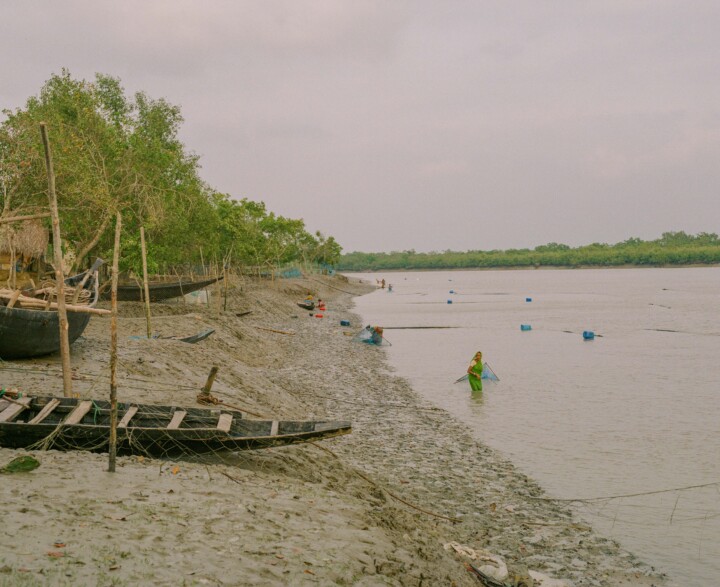
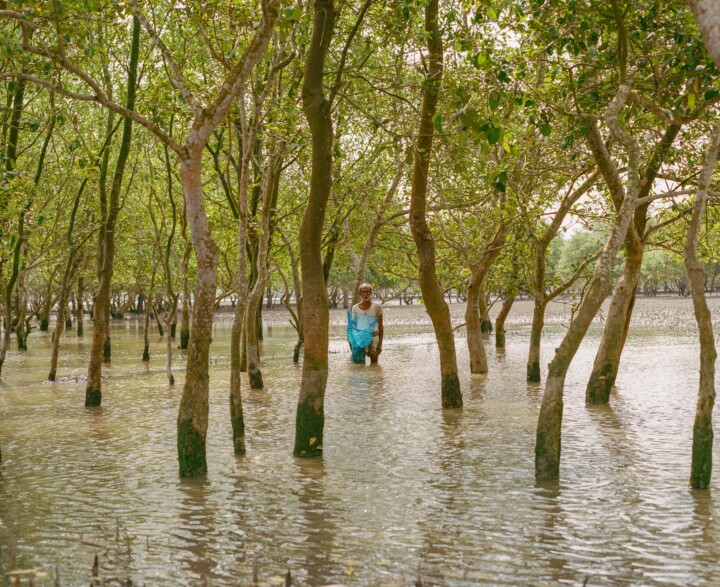
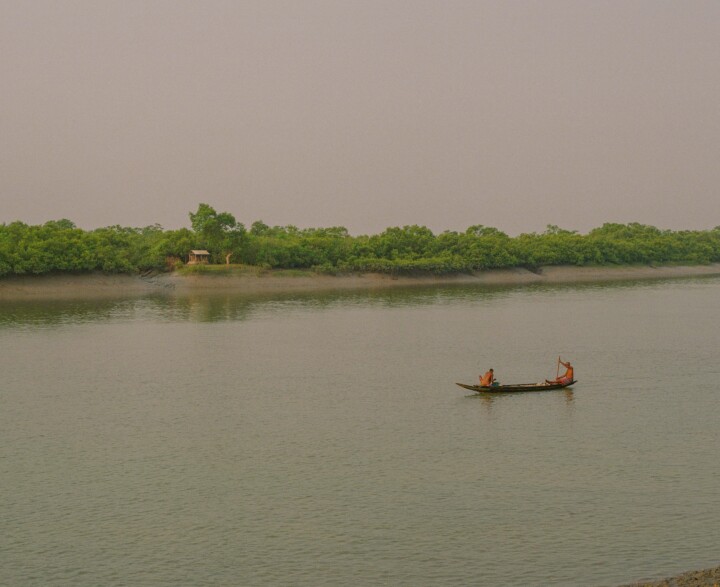
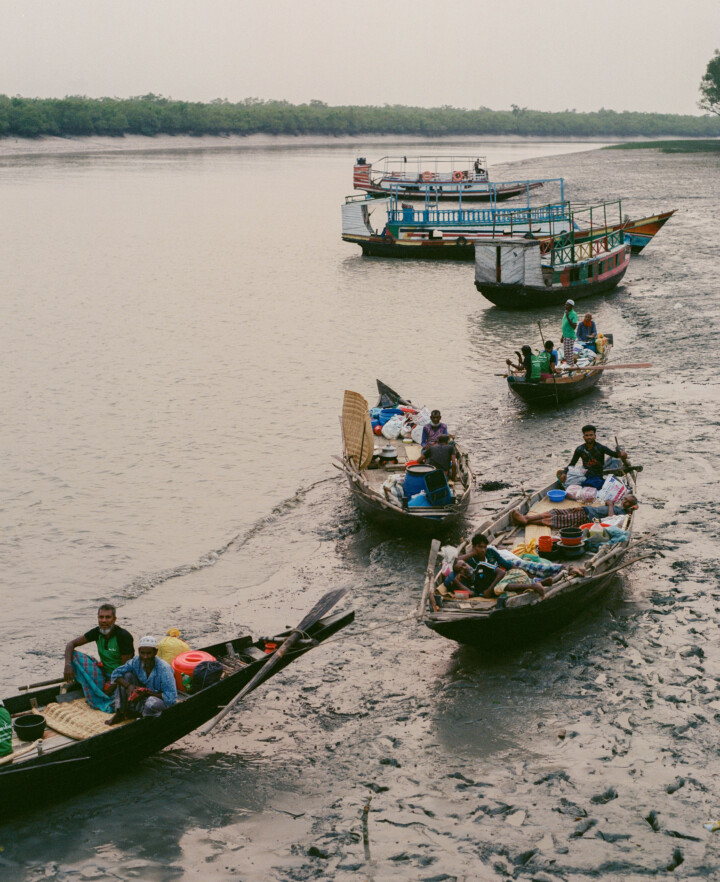
Each year, men enter the Sundarbans—a nearly 4,000-square-mile mangrove forest stretching across southwestern Bangladesh and southeastern India—to collect wild honey, one of the region’s most lucrative and dangerous livelihoods.
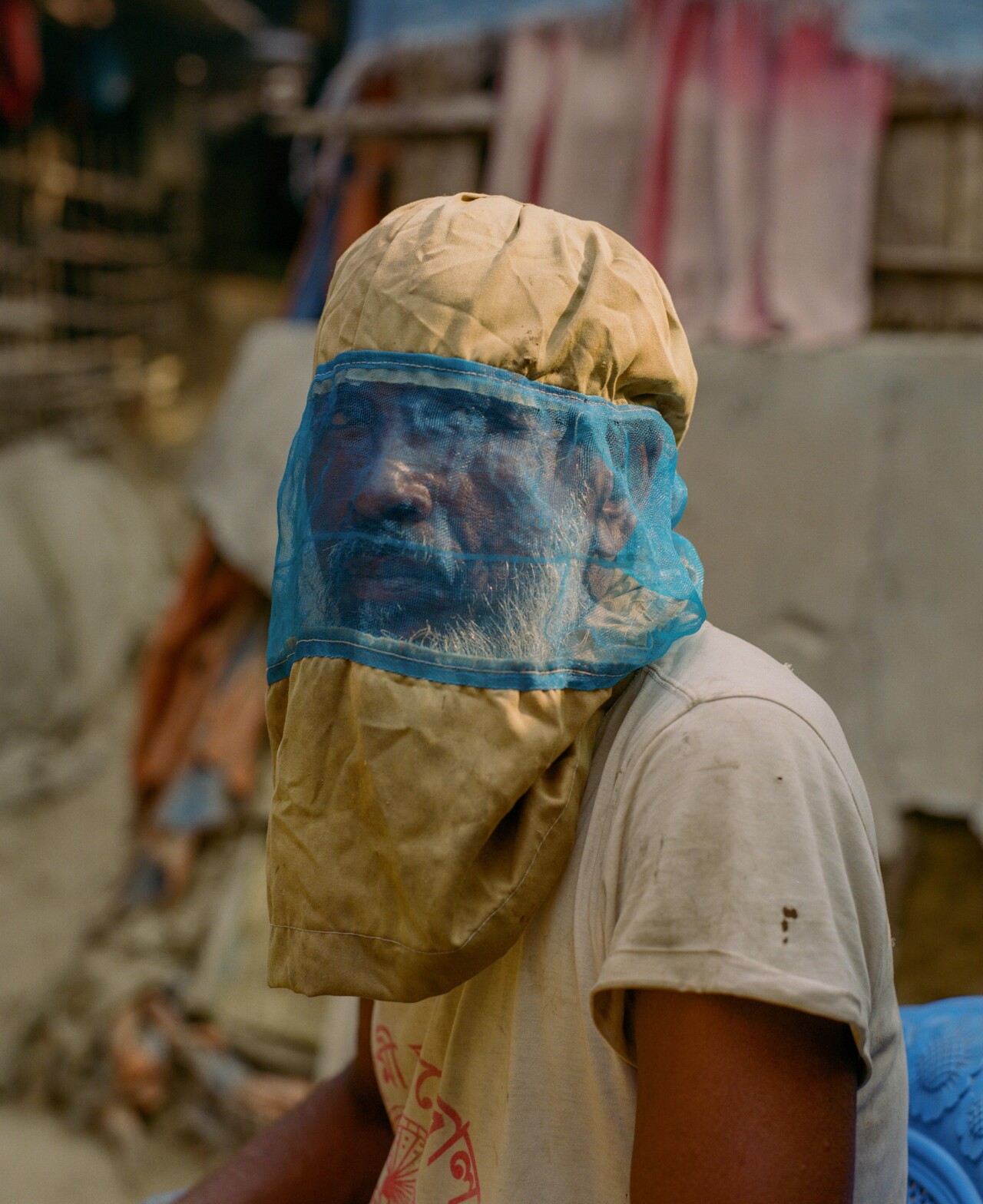
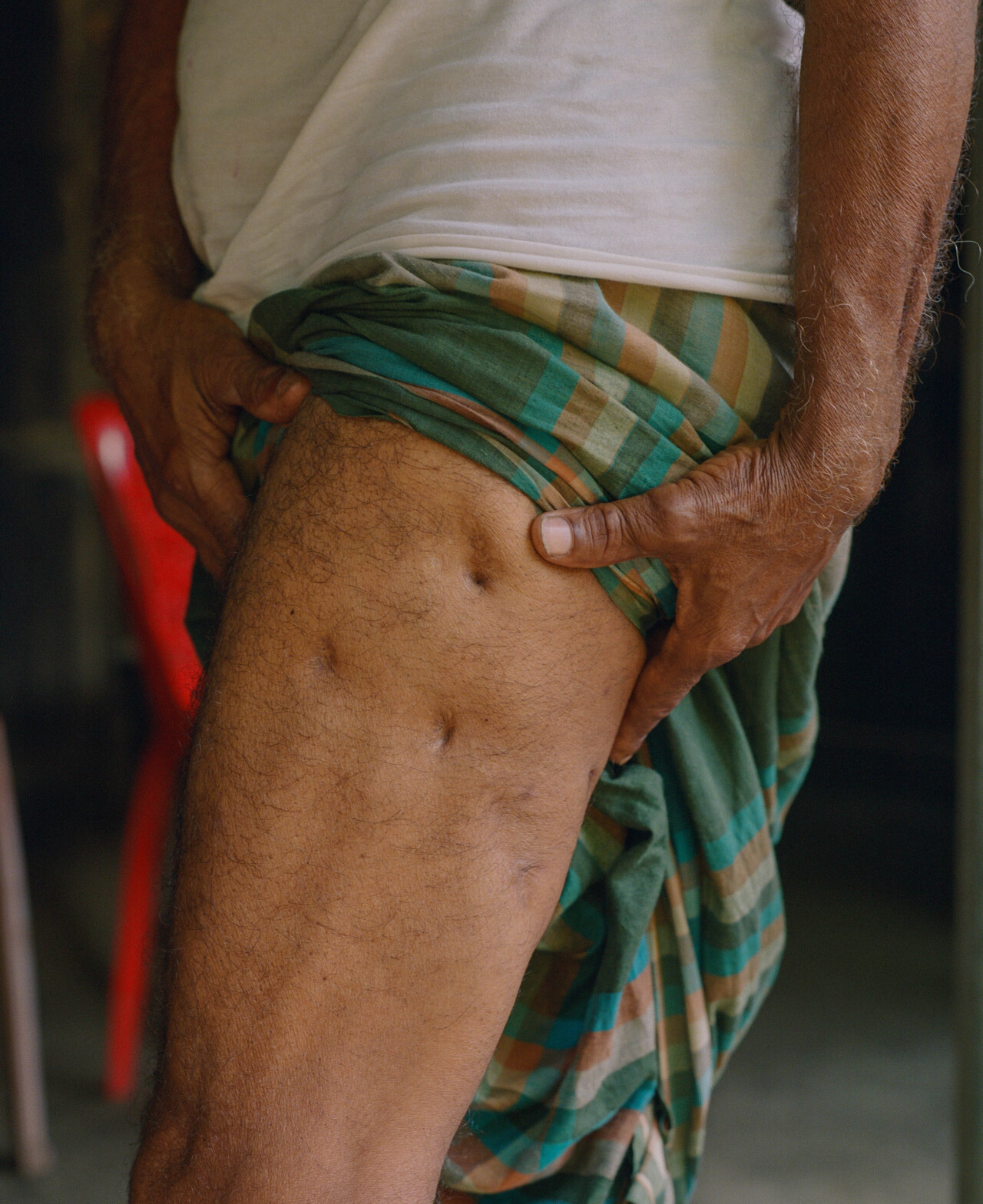
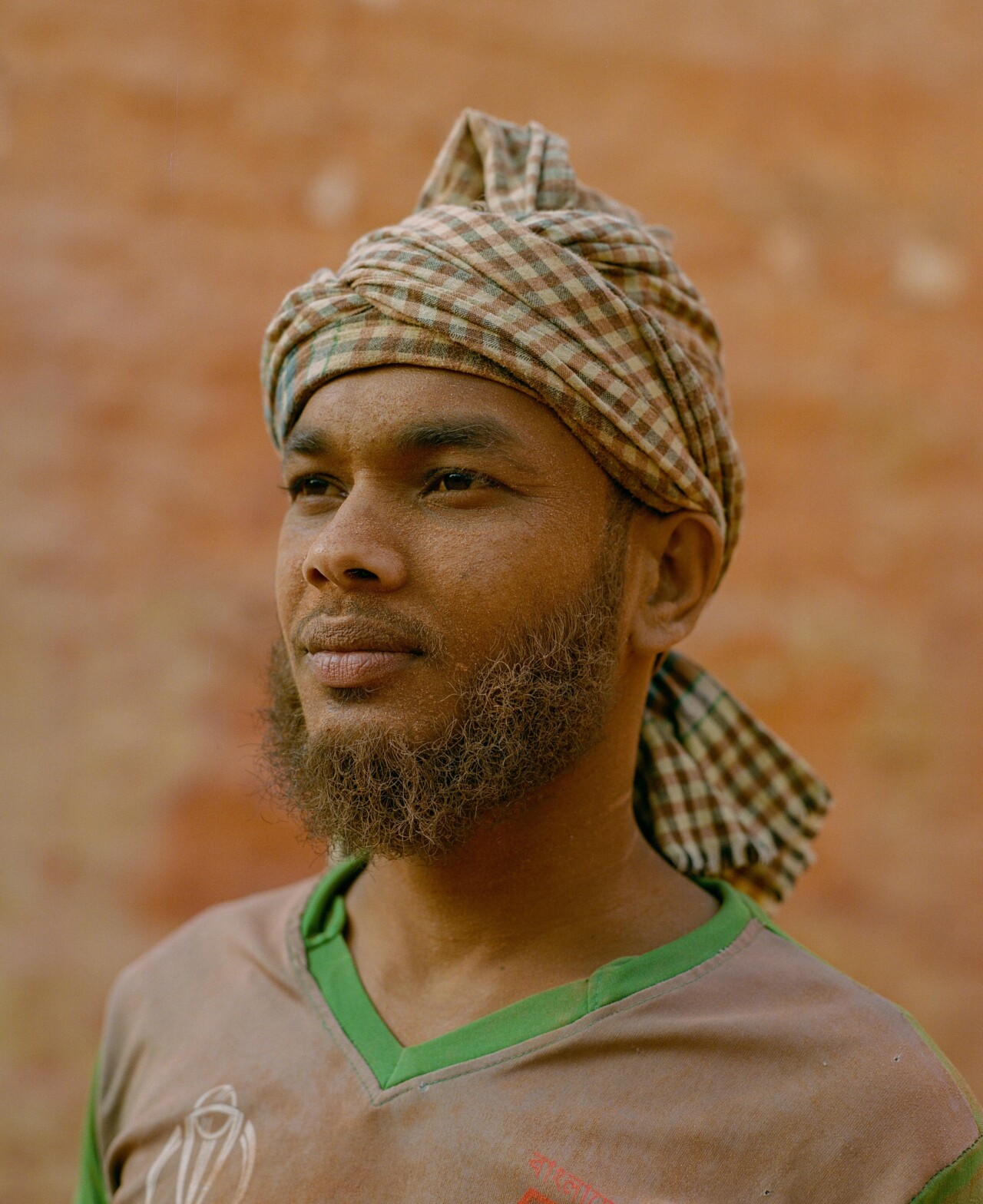
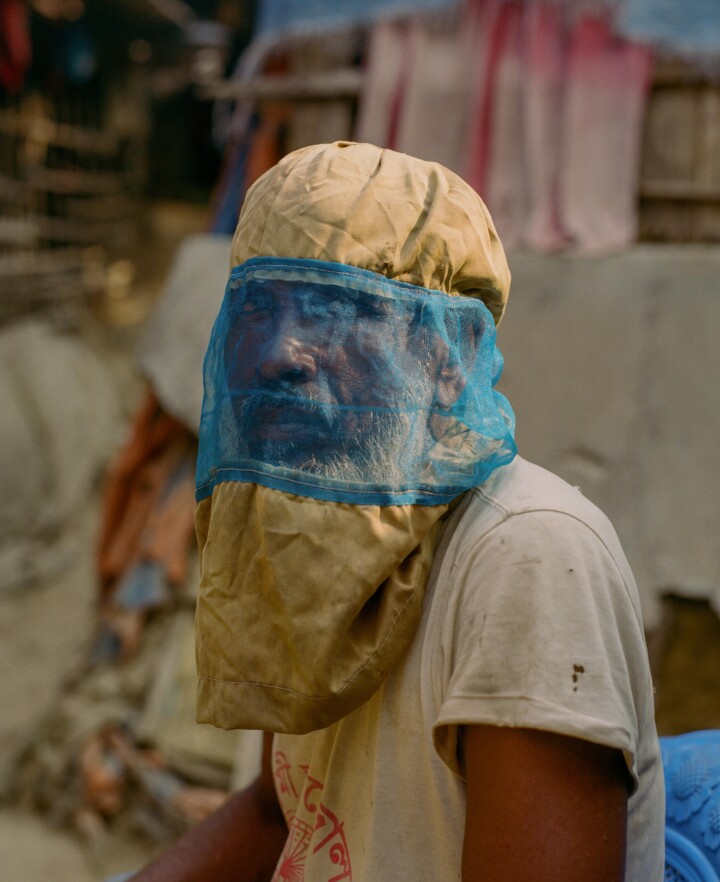
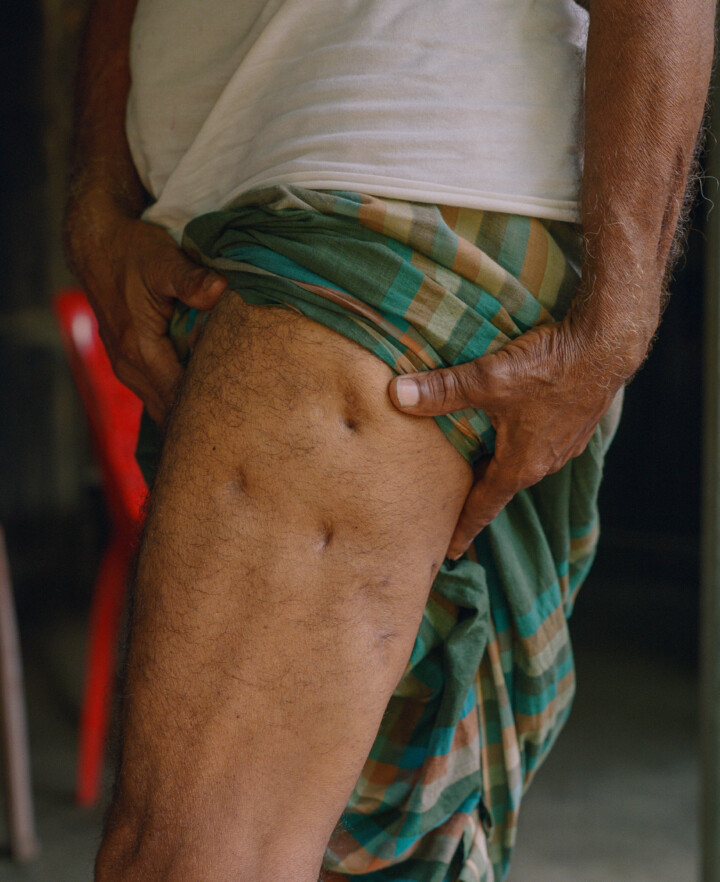
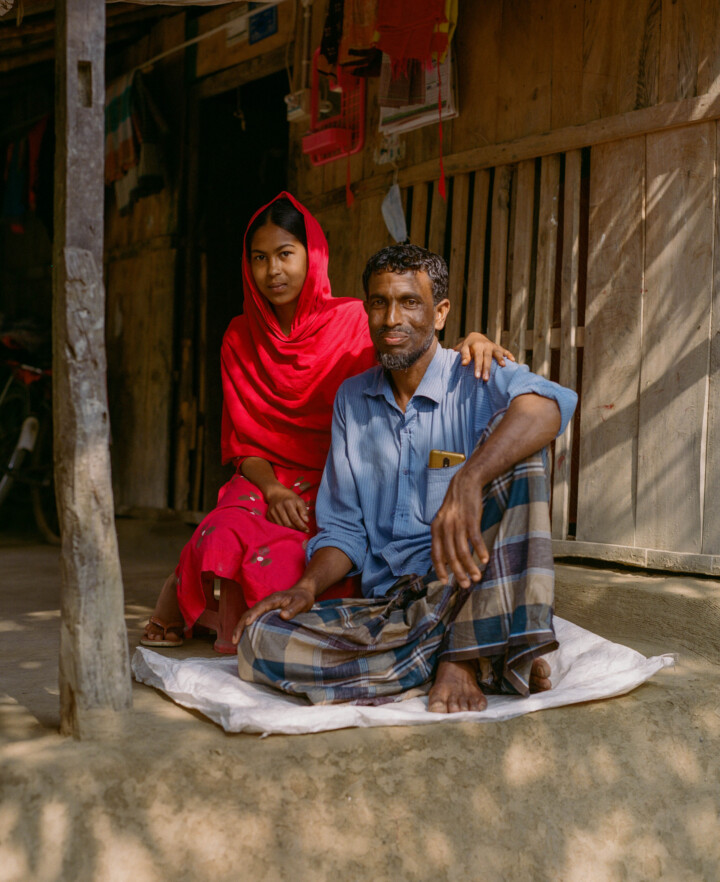
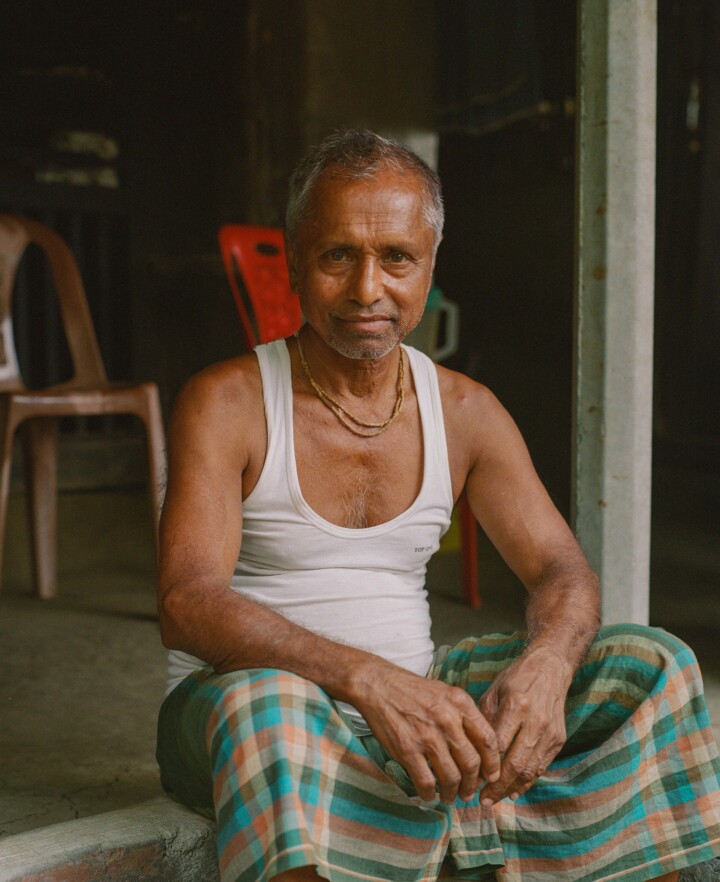
The honey collectors, known as Mawalis, travel deep into the forest during April, May, and June, when the forest authorities issue a limited number of permits. In those three months, these bioresource collectors can earn as much as they do during the rest of the year through farming, fishing, or mud crab collecting. But the work carries extreme risk. The Sundarbans are home to Bengal tigers, and more than 50 people are attacked each year. Few survive to tell the story.
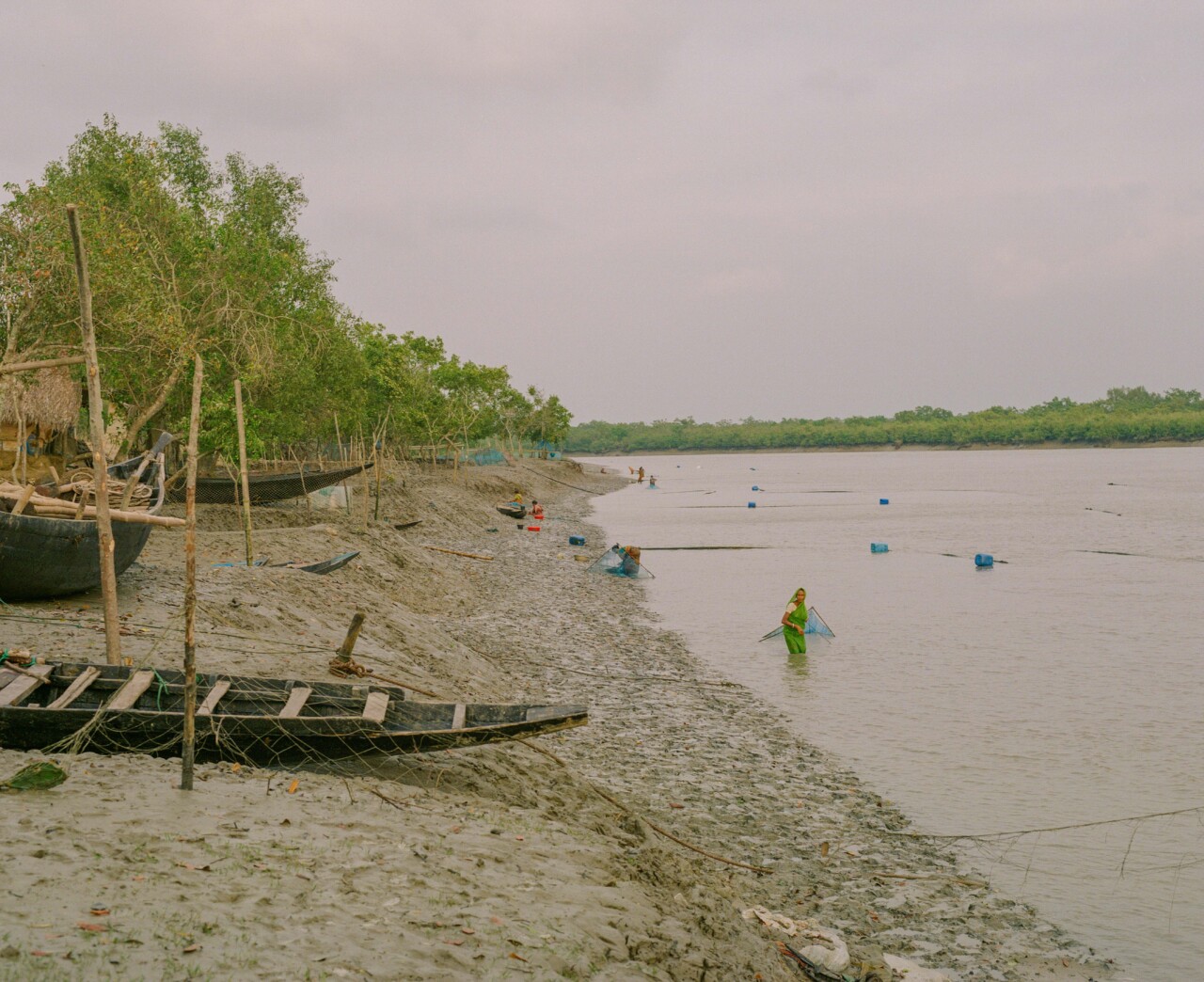
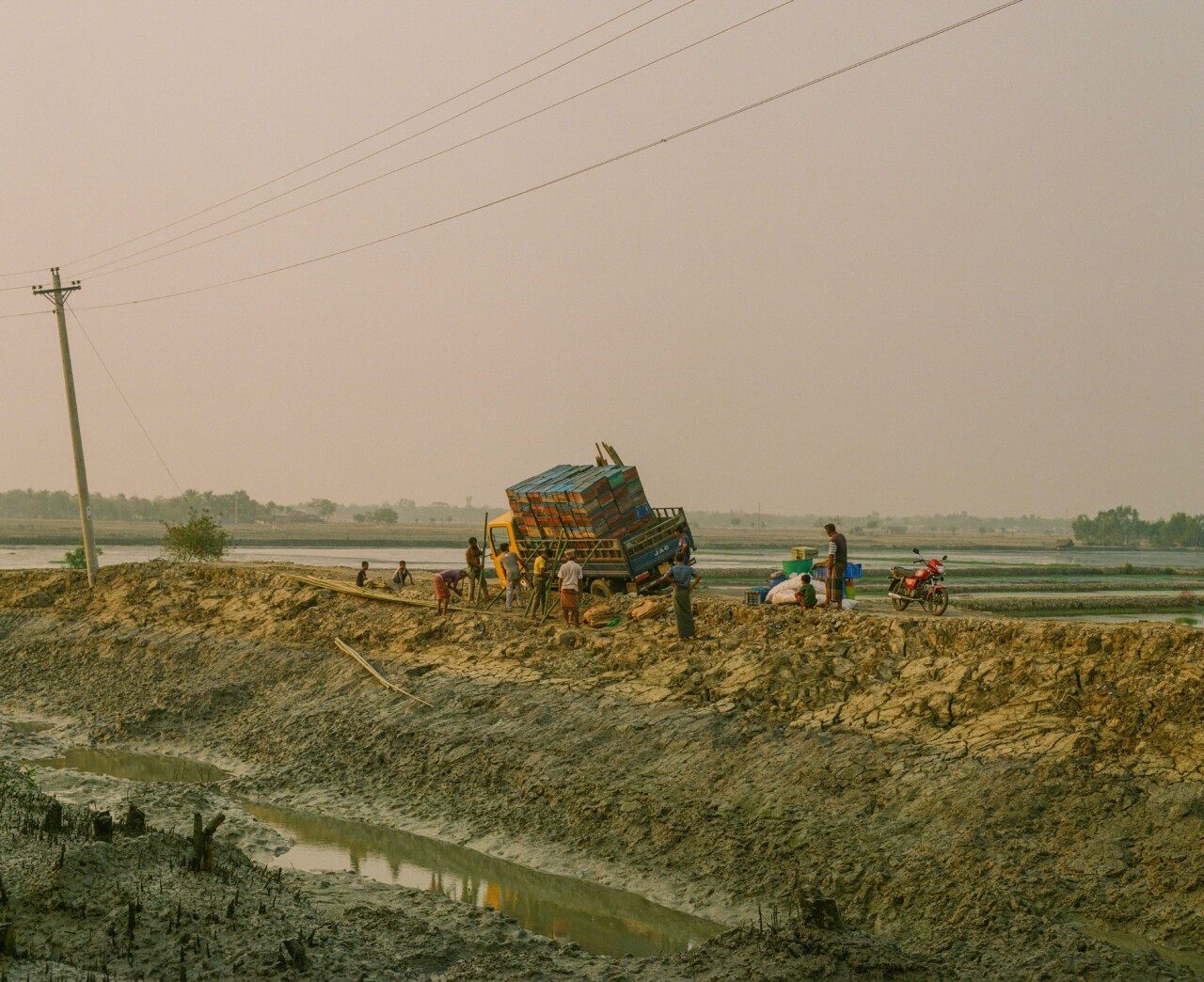
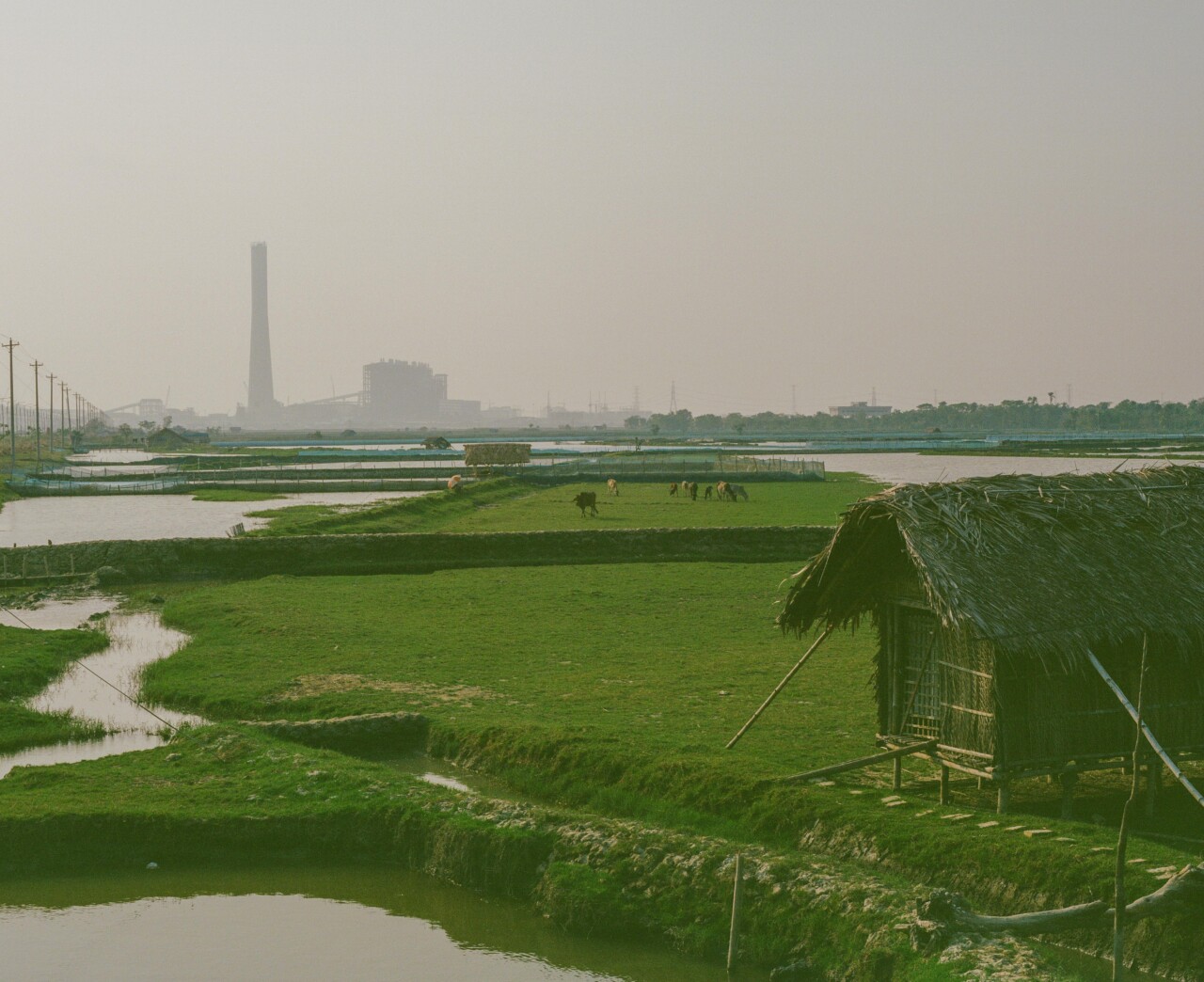
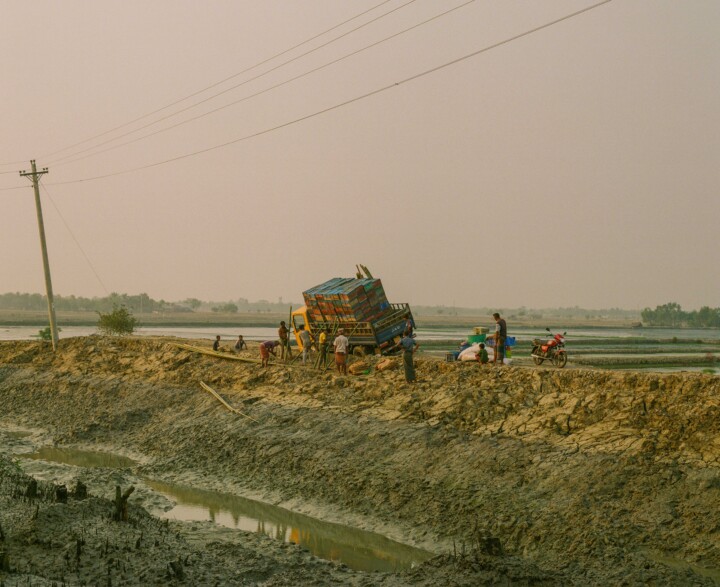
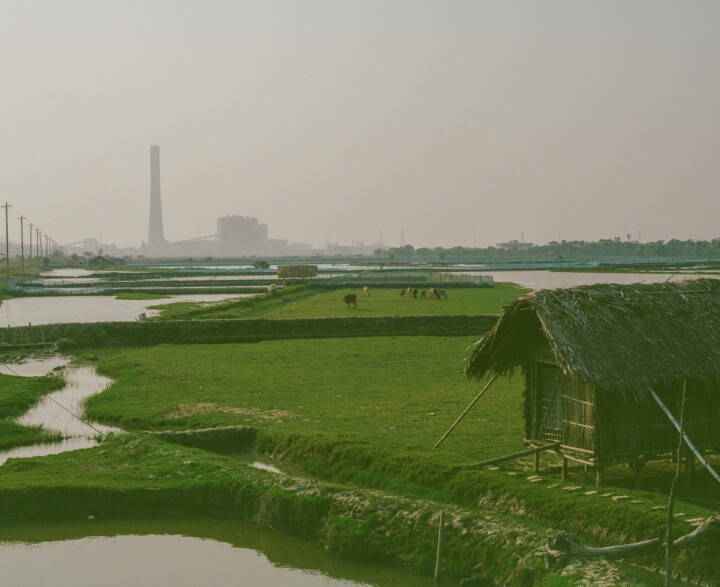
Climate change has made the work even more precarious. Rising seas, stronger storms, and repeated flooding are reshaping life in the Sundarbans, forcing many families to move again and again. Yet even as the landscape becomes less stable, local communities remain economically dependent on the mangroves and waterways, bringing people and wildlife into closer contact.
Mawalis face other pressures, too. Illegal honey hunters compete for the same sweet resource, while middlemen often force collectors to sell at below-market prices. Some producers dilute honey with sugar or water, weakening the product’s reputation and making it harder for legitimate collectors to earn a decent living. The result is a cycle of danger, debt, and dependence.
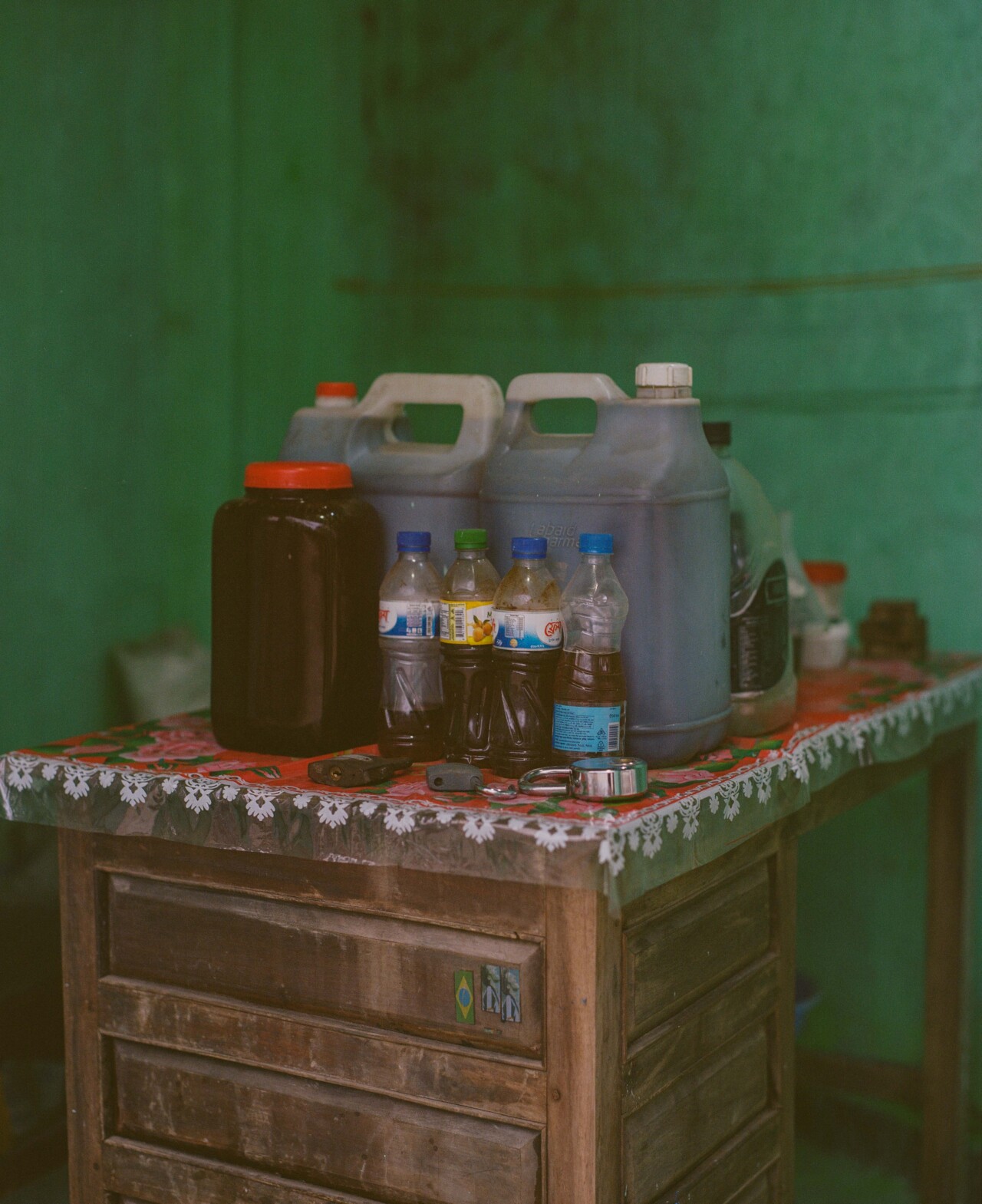
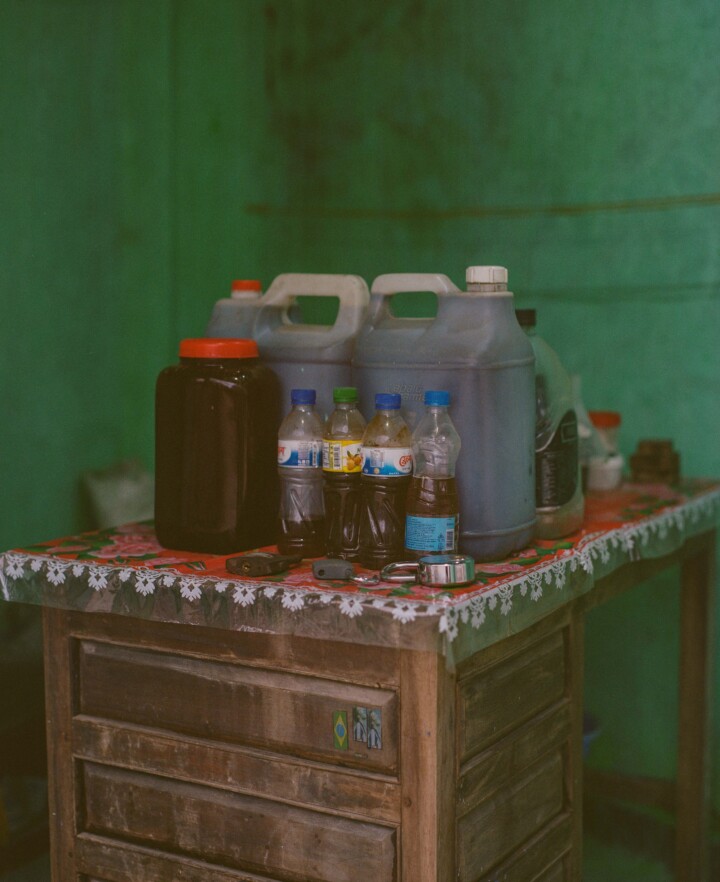
In some places, that cycle has begun to shift. The Bangladesh Environment and Development Society buys raw honey directly from collectors at a fair price. To verify its purity, the honey is extracted from the comb in front of buyers, then filtered and bottled at the group’s processing plant to extend the longevity of the product. That raises the product’s value and improves the livelihoods of the community.
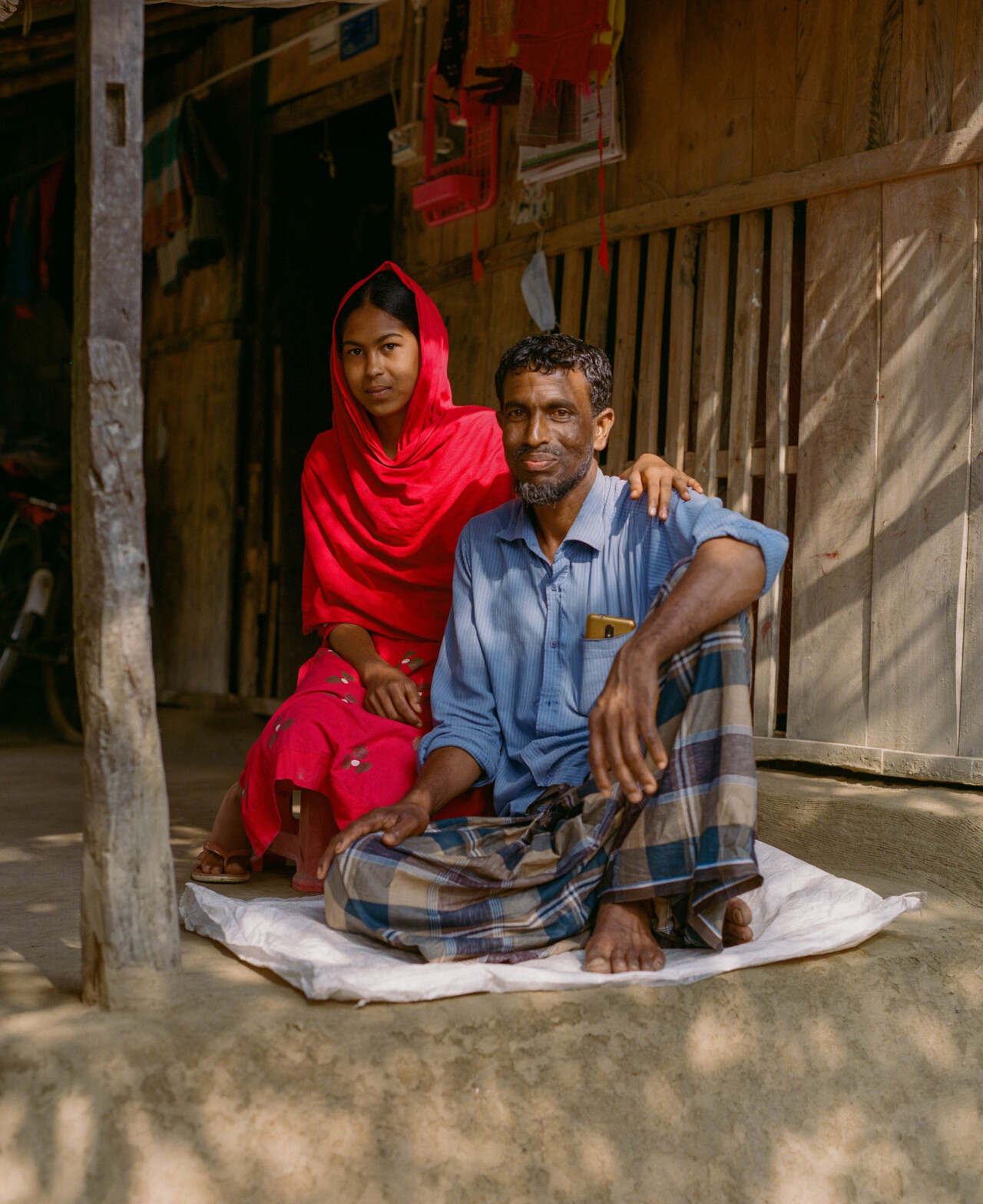
Still, the question remains whether the rewards can justify the risk. One colleague put it this way: “I don’t want my son to have to go into the forest.”
Join our membership community. Support our work, receive a complimentary subscription to Atmos Magazine, and more.
The Honey Collectors Who Risk Their Lives in Tiger Country
The Honey Collectors Who Risk Their Lives in Tiger Country