Photograph by Ronan Donovan
words by miranda green
Fifty-two years ago, the Endangered Species Act became law—a first-of-its-kind commitment to protect plants and animals at risk of extinction in the United States.
The ESA established habitat and hunting protections for species that the Fish and Wildlife Service deemed threatened or endangered. The law passed with bipartisan support, sailing through the Senate with a unanimous vote and clearing the House with only 12 votes against it.
When President Richard Nixon signed the ESA, he wrote: “Nothing is more priceless and more worthy of preservation than the rich array of animal life with which our country has been blessed.” He called threatened flora and fauna “an irreplaceable part of our national heritage.”
At the time, concern for the natural world cut across ideological lines. Faced with the prospect of losing beloved species forever, lawmakers were willing to work together to prevent such an outcome. The ESA has since been credited with saving a number of animals from extinction, including the southern sea otter, humpback whale, and bald eagle. More than 50 species in the U.S. have recovered enough to be removed from the ESA list entirely.
Last month, however, the Trump administration moved to weaken key ESA protections.
The proposed changes would scale back safeguards for threatened animals, introduce hurdles to listing new species, and allow the agency to consider economic impacts—like potential losses from a drilling ban near critical habitat—when deciding whether to protect a species. Under current law, the government must base those decisions solely on the best available science.
“This administration is restoring the Endangered Species Act to its original intent, protecting species through clear, consistent and lawful standards that also respect the livelihoods of Americans who depend on our land and resources,” Interior Secretary Doug Burgum said in a statement published November 19.
In reality, the proposal would largely reinstate the revisions Trump made during his first term—changes the Biden administration reversed last year, reverting back to Obama-era standards that offered stricter protections.
What conservationists have been calling for for decades is what Burgum’s rhetoric now promises: clear, consistent, science-based rules. But the ESA hasn’t operated that way in a long time. Instead, it has repeatedly been buffeted by politics: expanded, gutted, restored, and gutted again. That whiplash, experts say, has undermined the very species the law was created to protect.
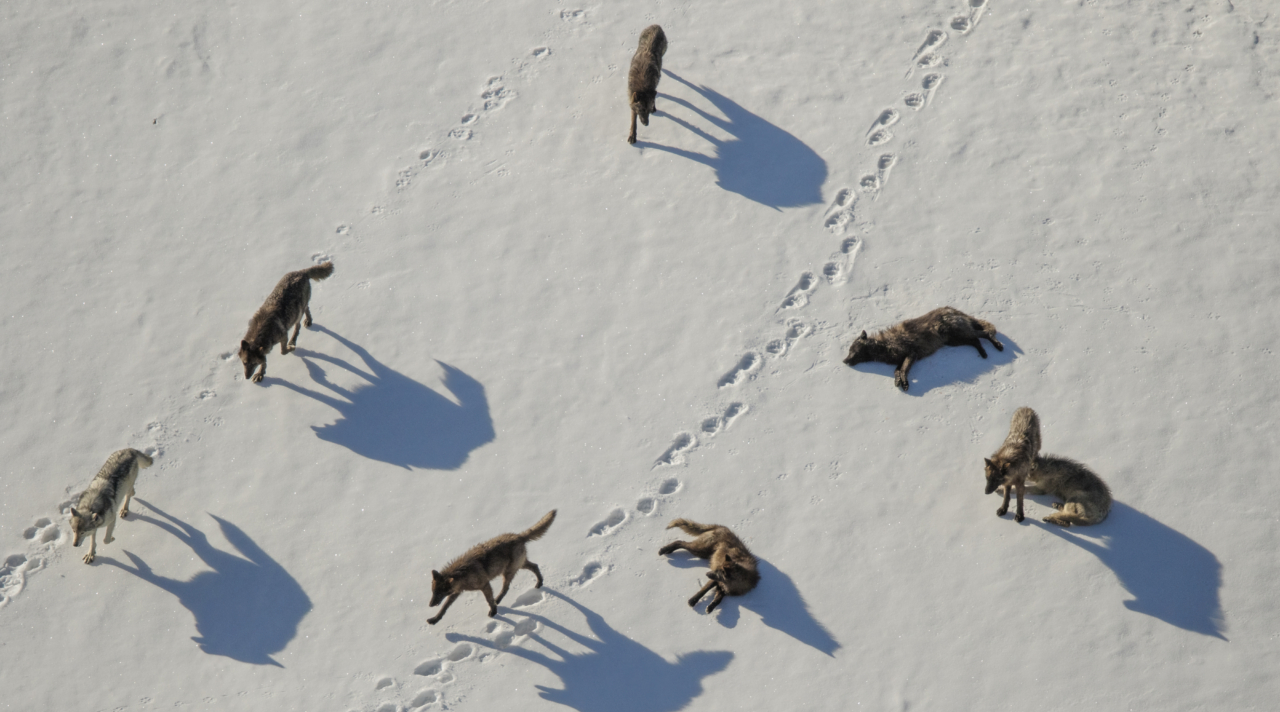
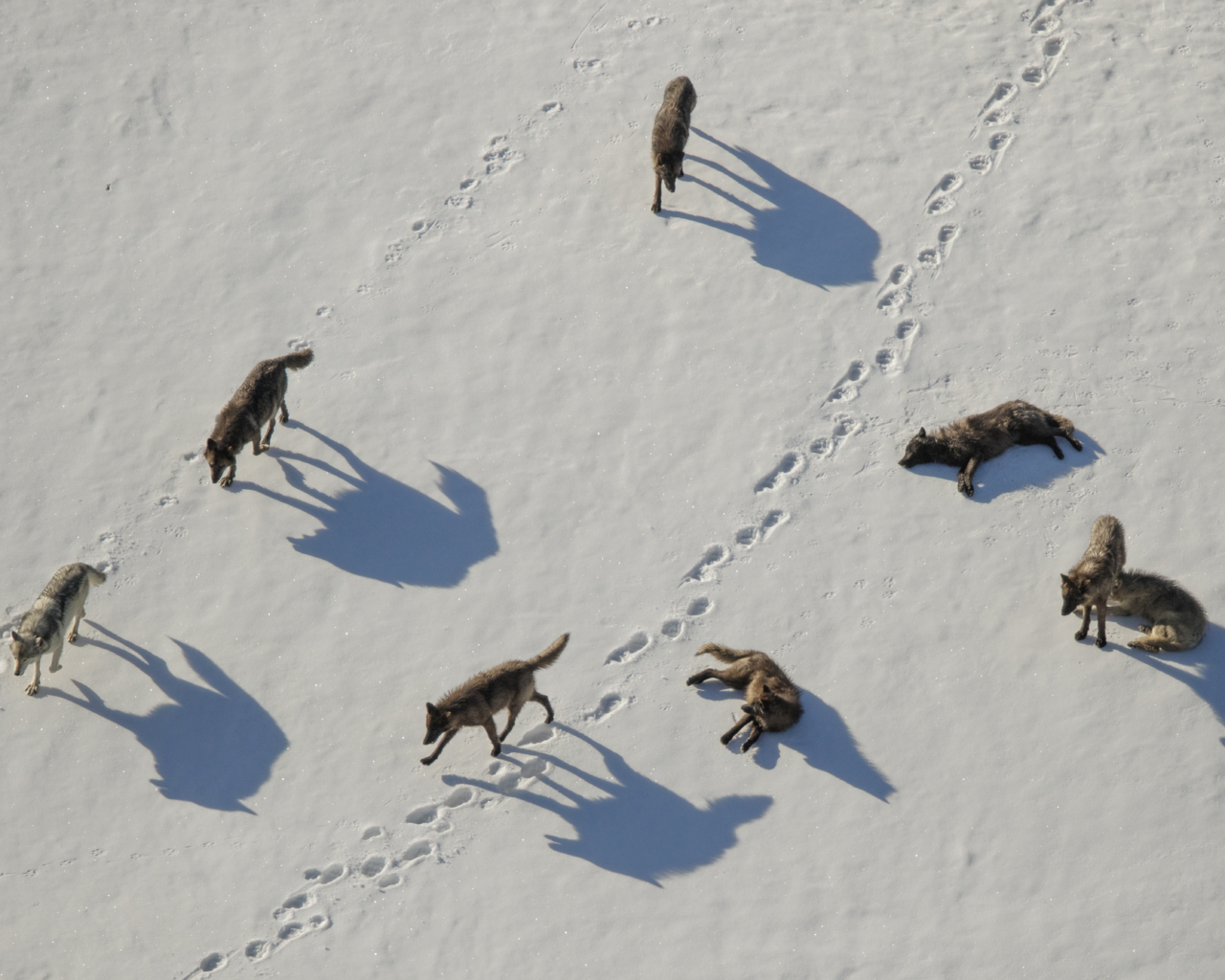
Few animals have been more impacted by the ESA’s political tug-of-war than the gray wolf.
Images of sharp teeth and foaming mouths in folktales and nursery rhymes helped cement wolves as menacing, cunning figures in our collective psyches. That fear, reinforced by accounts of hungry wolves feasting on plague-stricken towns, crossed the Atlantic and spread across the continent.
By the 1960s, federal agents and ranchers had decimated wolf populations in an attempt to protect livestock, reducing wolf numbers from millions across the U.S. to just several hundred in Michigan and Minnesota. Killing wolves was seen as a means of control. Just as officials had helped slaughter bison herds to eliminate a primary food source for Indigenous communities who were seen as a threat to settlers, the government hunted, trapped, and poisoned wolves in an effort to eradicate the species that was burdening ranchers.
But in the decades since, ecologists and wildlife experts have determined that wolves are, in fact, a crucial part of the ecosystem—and need not only to be protected, but reintroduced across the country.
Even with a more modern understanding of wolves, an agreement about their future has proved elusive—especially as numbers have rebounded under the ESA.
Animal-rights advocates and ecologists argue that wolf populations remain far from self-sustaining. Their genetic diversity is low, and they occupy only a fraction of their former habitat. Others contend that the ESA succeeded, and that indefinite federal protections stray from the law’s intent.
These arguments get to the question at heart of the ESA: What counts as recovery? Delisting species often leads to an initial decrease in numbers, because the very protections that enabled their recovery are now stripped. So, to save them, must they stay protected forever?
Conservationists say that delisting wolves now is premature. “These states haven’t shown that they’re willing to coexist with wolves. All this progress toward recovery that has been made over these decades of ESA protections can be lost, literally, in days,” Collette Adkins, carnivore conservation director at the Center for Biological Diversity, told me.
Other groups argue that wolves are bad for business, and industries that oppose strict ESA protections often claim that wolf habitat can render large areas of land off-limits to development or industry. Their concerns have historically drawn support from Democrats and Republicans.
Presidential administrations have reflected these tensions. President George W. Bush initiated the first major delisting efforts. President Barack Obama finalized a 2009 rule removing protections for gray wolves in the Northern Rockies and later in Wyoming, where state rules allowed nearly unrestricted wolf hunting. Hundreds of wolves were killed in the first year.
In 2020, Trump went further and removed gray wolves from the ESA list nationwide. Wisconsin later held a hunt where residents killed 216 wolves in three days—nearly double the number they were allowed to under state law, causing the state to end the weeklong event four days early. The hunt figured prominently in a federal judge’s 2022 decision to reverse the FWS rule to delist the species.
Since then, federal protections have seesawed through lawsuits, court rulings, agency changes, and political shifts. Wolves today are protected under the ESA everywhere but the Northern Rockies.
The Biden administration, for its part, said last year that it would develop a National Recovery Plan for gray wolves in the lower 48, a move that could finally unify management and protection of the species. The administration said a “more durable and holistic approach to wolf recovery must go beyond the ESA.”
That plan was supposed to be released this month. Instead, the Trump administration announced in November that it would not pursue a recovery plan. FWS argued the species no longer meets the threshold for ESA protections, an announcement that indicates the administration’s future intent to once again try to delist wolves entirely.
“What has happened for decades is that the agency will remove protections, and then the wildlife advocates sue, and then wolves get protections again, and then the agency removes protections again, and then we sue again,” said Adkins. “The Fish and Wildlife Service has really just had this really unambitious view of recovery that just says we only need wolves in these few places where they already are.”
When it comes to wolves, there’s bark and bite on both sides. The Center for Biological Diversity announced Tuesday its intent to sue the FWS over its refusal to submit the recovery plan.
Despite Trump’s preference for removing wolf protections and keeping pack numbers down, wolves are rebounding in some areas that haven’t seen them in decades. This time, thanks to local citizens.
In 2020, Colorado became the first state to require the reintroduction of gray wolves through a state ballot initiative.
“The campaign focus, from a messaging perspective, was that wolves would help restore the balance of nature. It’s very simplistic, but based on good science,” said Rob Edward, president of the Rocky Mountain Wolf Project.
Edward moved to Colorado three decades ago with the express purpose of restoring wolves in the Centennial State. Colorado’s law restricts what land owners can do if wolves kill their livestock and reimburses them for their losses. So far, 25 wolves have been reintroduced into the state and there are plans to bring in an additional 30 to 50 over the next three to five years.
The reintroduction hasn’t been without its setbacks. This past October, the FWS threw a wrench in Colorado’s plans, issuing a cease and desist order that said the wolves must come from neighboring states. Edward said it’s well known that none of those states will willingly provide wolves—he’s expecting a lawsuit.
Yet, the wolf reintroductions in Colorado have already had some positive impact. Studies show the animals have been a boon to one of Colorado’s most famous trees: the Aspen. Wolves prey on animals who eat seedlings, directing more eco-diversity when the canines are allowed to do their thing.
Wolves also help strengthen riparian ecosystems. Edward said that wolves eat some of the animals that compete for food with beavers so when that pressure is relieved, it lets beaver populations flourish and strengthen forests against wildfires.
“The more beaver dams you have, the slower the water moves,” he said. “And the slower the water moves, the greener that riparian area. If we had a truly healthy population of wolves throughout the West, a lot of the riparian areas would be much more fire-resistant because they would have a significantly different greater abundance of green material.”
As it turns out, protecting wolves is also a climate issue.
Join our membership community. Support our work, receive a complimentary subscription to Atmos Magazine, and more.
The Endangered Species Act Is Under Attack, Again