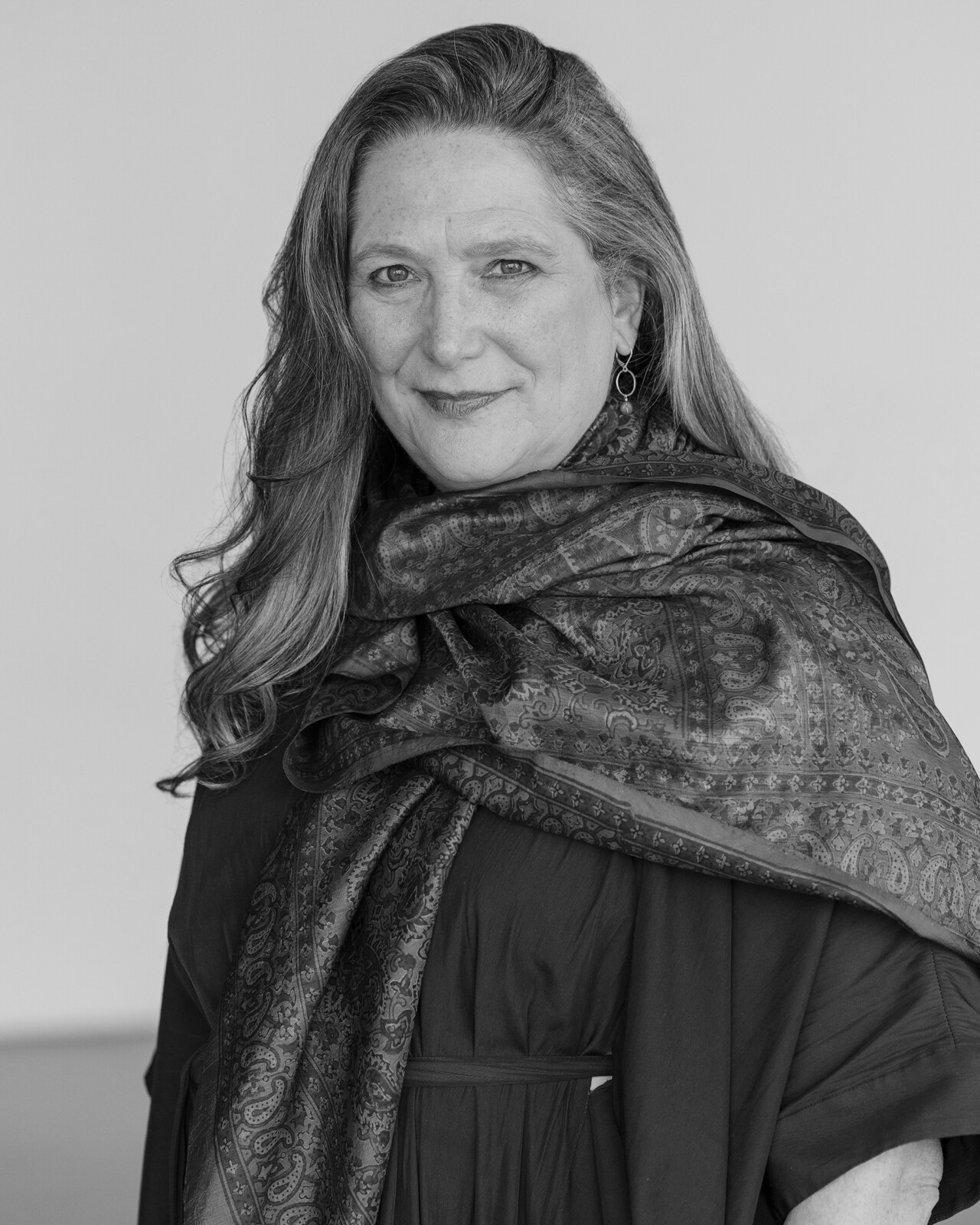
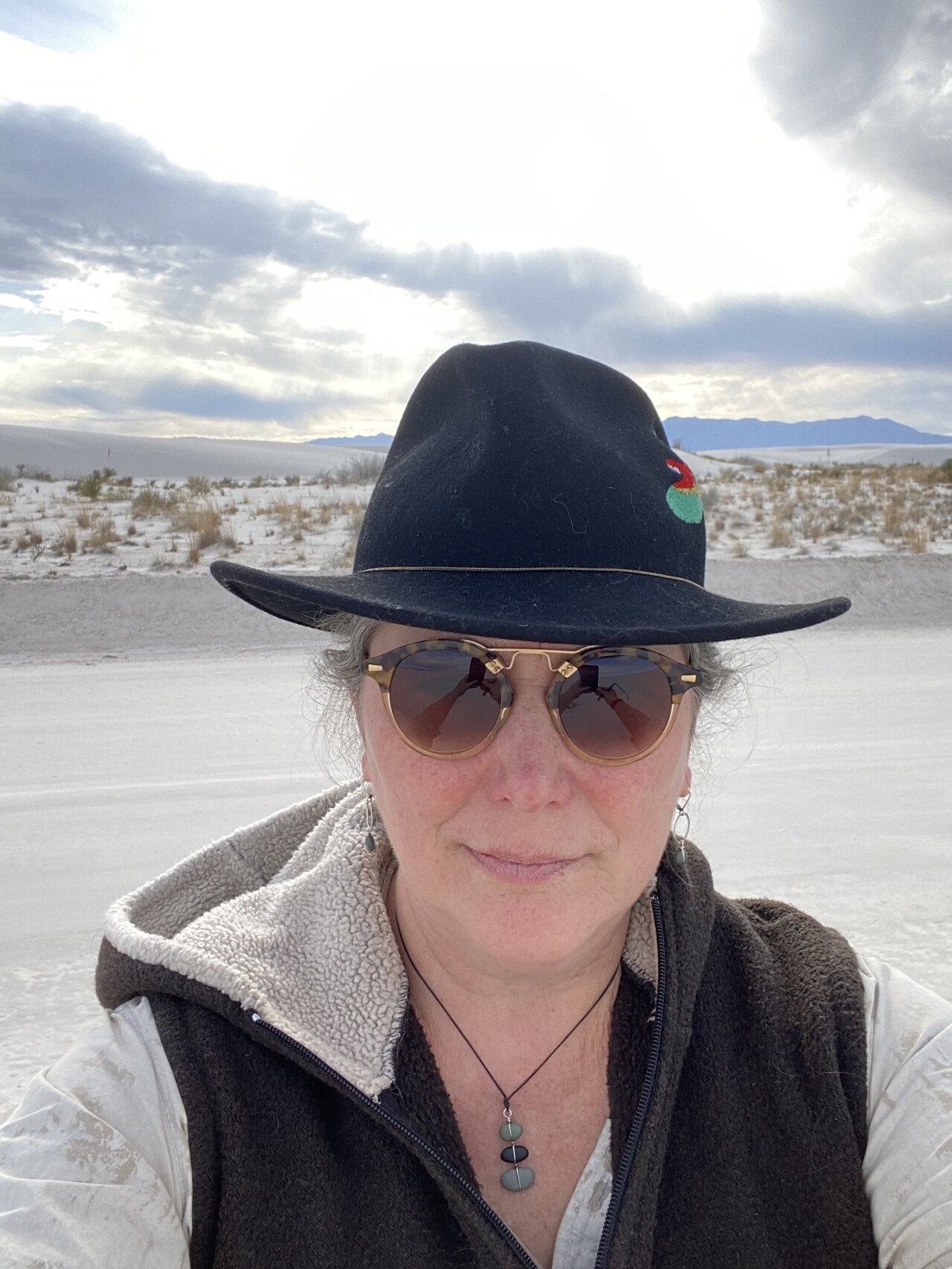
Photograph by Kyle Ellis
interview by theresa perez
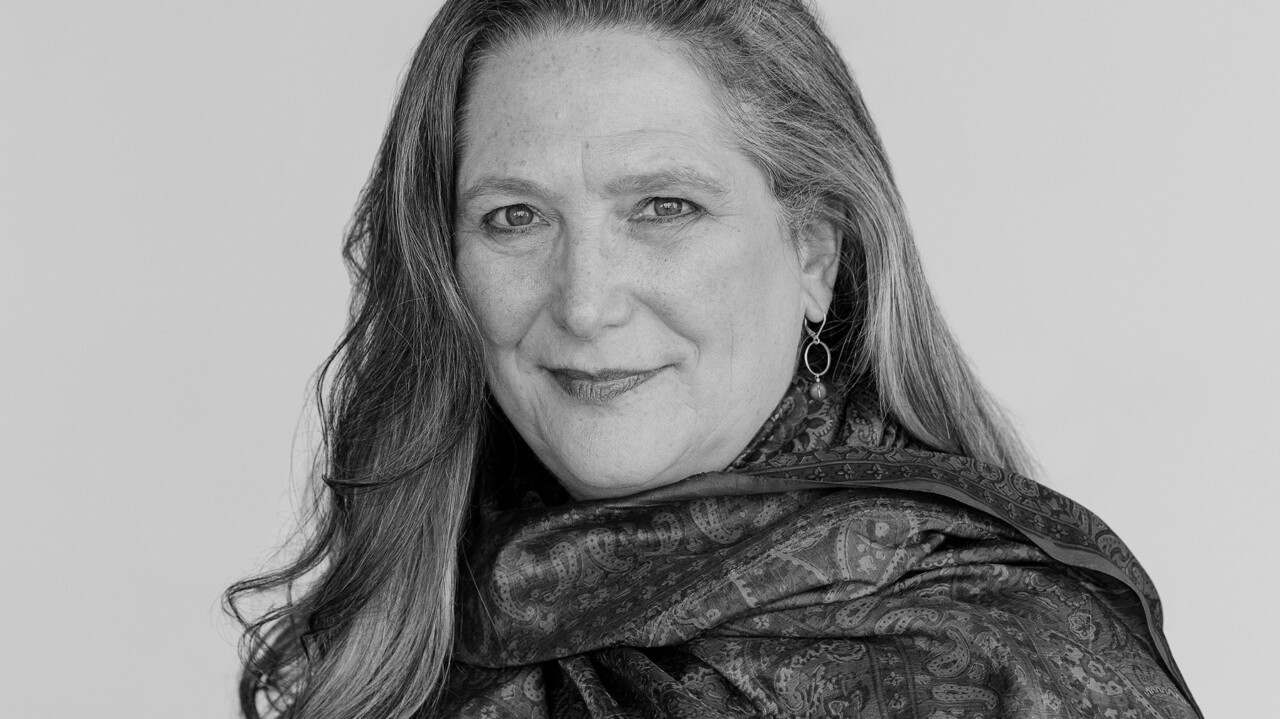
For this fourth installment of The Long View, I sat down with Loren Blackford, the freshly appointed executive director of the Sierra Club and the first woman to hold the position in the organization’s 133-year history. I was eager to sit down with Loren and get to the heart of who she is: what drives her, what inspires her, and how she might lead Sierra Club into the future.
As a leader in the organization for nearly two decades, Loren has served in roles spanning volunteer, board president, Sierra Club Foundation board chair, and deputy and interim executive director before being unanimously appointed to the top role in 2025. Throughout her career in sustainability and community development, she has advised major foundations, financial institutions, and the Department of Housing and Urban Development on green jobs, transportation-oriented development, and sustainable affordable housing. Earlier in her career, she worked with the United Nations Non-Governmental Liaison Service, helping organizations from the Global South engage in international environment and development negotiations: work that first ignited her lifelong commitment to the intersection of environmental justice and economic equity. Loren holds a degree in public policy from Harvard’s Kennedy School. She lives in New York City with her husband and their beloved 16-year-old dog.
Theresa Perez
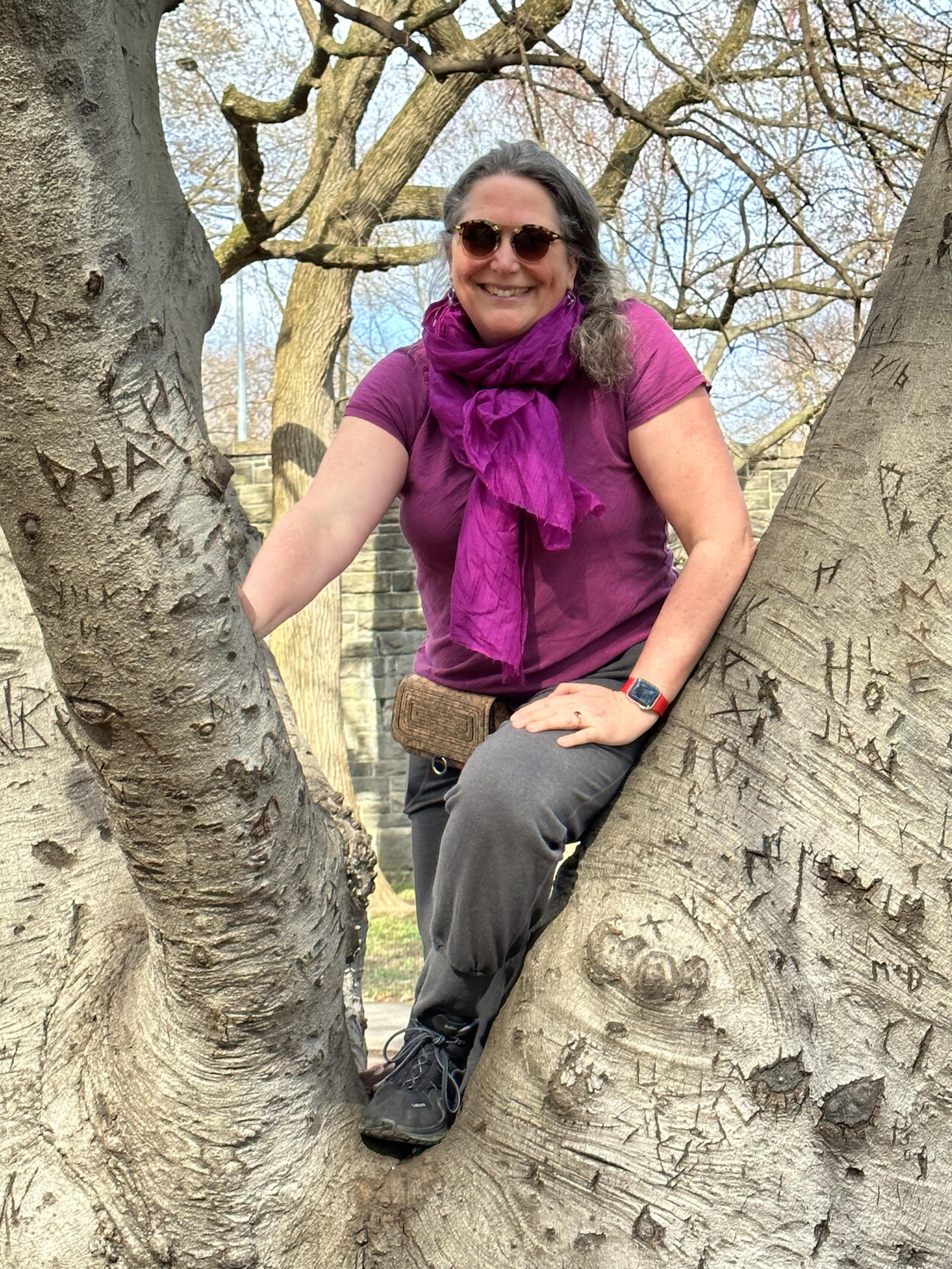
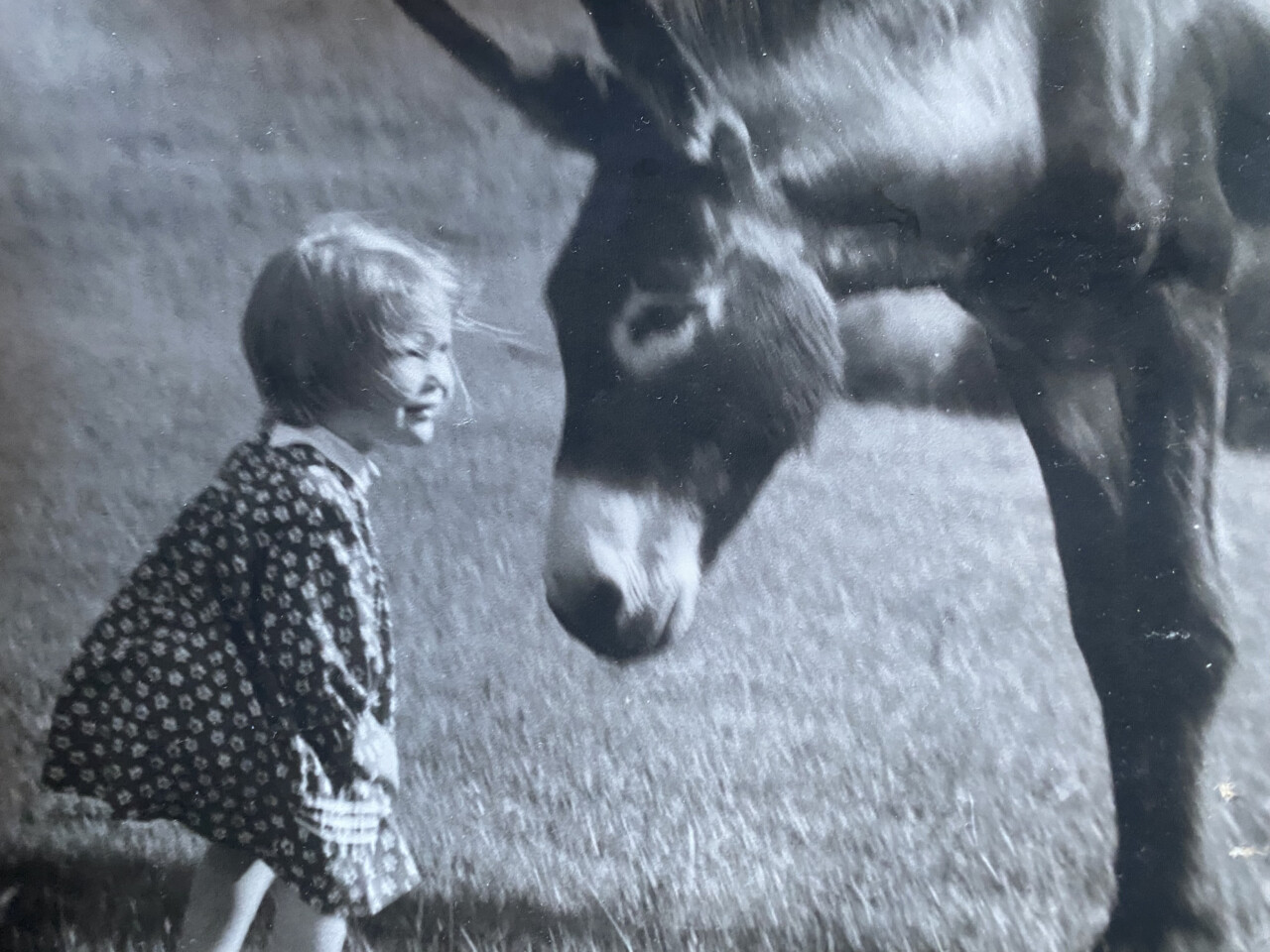
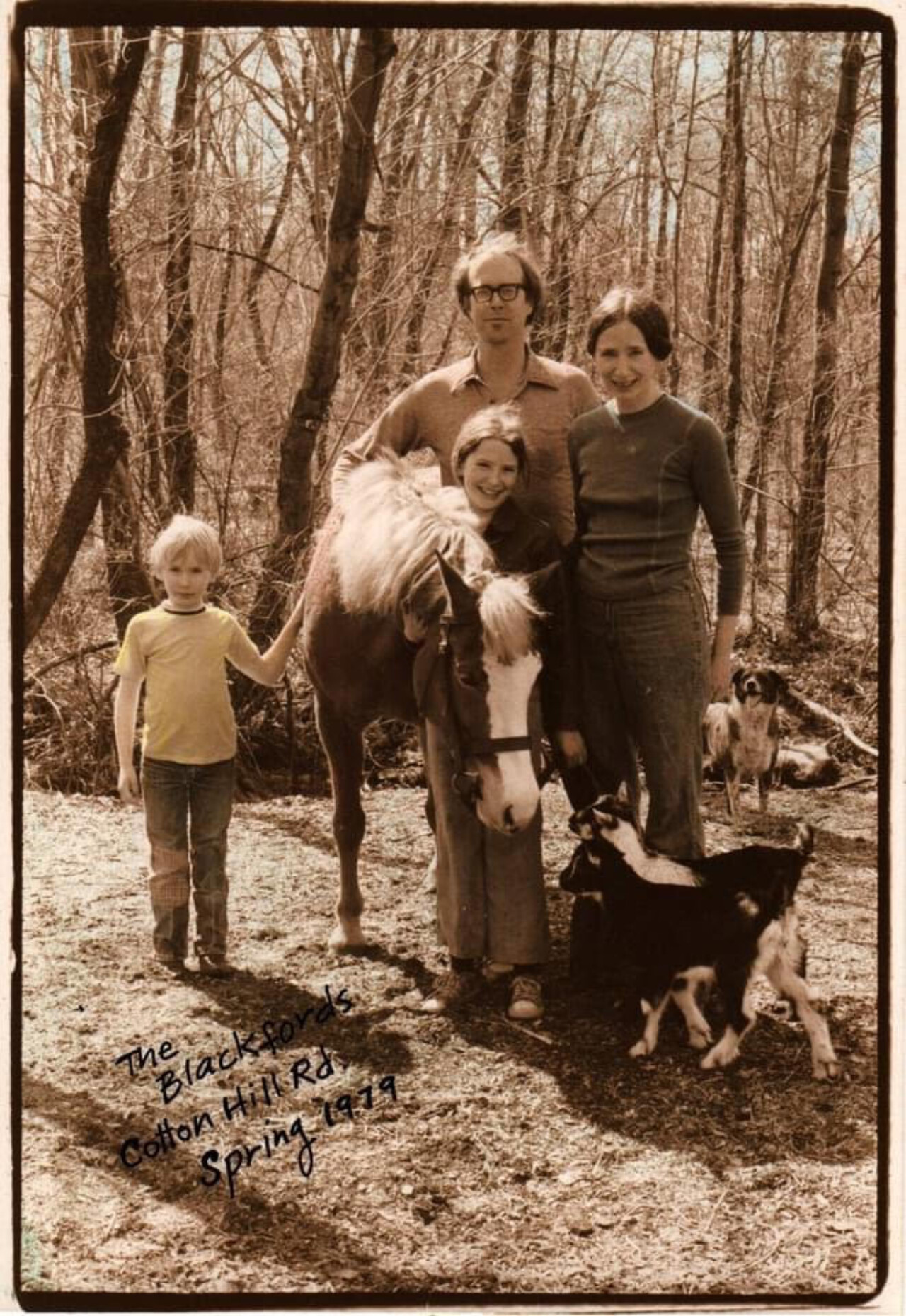
To better understand who you are, I want to start at the beginning. You shared with me that you grew up practically living outdoors, and that around age 10 you got to help design and build one of Connecticut’s first solar houses alongside your father’s friend, Bill Trousdale, and his physics students from Wesleyan University, right after the energy crisis of the late ’70s. That early combination of nature and people genuinely thinking about the future left a lasting mark on you. But I want to go even deeper.
You seem to have a genuine orientation to serving humanity that goes even beyond this. Is that true for you?
Loren Blackford
Yes—and it goes back further. It was a lot of what I was raised with.
Going back to my grandmother, my mother’s mother, she was Dutch, and as the Nazis were coming in, she was helping Jews before the Nazis invaded the Netherlands. Because of that, at 21 she had to flee. She left the country and volunteered with the Quakers, actually. She came to the U.S. at 21 knowing nobody, and the Quakers helped set her up.
It’s meaningful—not just as an “obligation,” but it’s very present for me now, too, thinking about what’s happening in our country and the risk—where individuals and organizations choose to step up and take risk or not. I find myself thinking about her a lot. It resonates right now, because we’re in such challenging times. So yes—it’s what I was raised with.
Theresa
Let’s stick with that thread. You’ve been involved with the Sierra Club forever, it seems. You were just appointed executive director. Why now? Why did you want to do this now?
Loren
It’s less about me wanting the role and more about what the organization needed in this particular moment. I’ve worn a lot of different hats here, and I feel very flexible about that. For me, it’s much more about where service can be meaningful. Especially now, when it feels so important to be doing something.
I’m honored—it’s a hard role—and I keep learning. I’m happy to serve as long as it’s helpful, and I’m equally happy to help find and support what comes next. It doesn’t matter which hat, as long as I feel like I’m contributing in a way that matters.
Theresa
As executive director, your vision for how the organization can contribute to this moment is paramount. Tell me about that.
Loren
The Sierra Club has been around for 133 years. We helped start the National Park Service. We published Ansel Adams’ first work when he was 18, because he wanted to share images to convince people to protect Yosemite. The photo of Earth from space was a game-changer for humanity, and Sierra Club was right there alongside that era [promoting photos to raise awareness of the environment].
Over time, we evolved. For most of the first hundred years, we were almost entirely volunteer-driven. Then we ran what may have been the biggest and most impactful environmental campaign ever—Beyond Coal—which brought significant funding and professionalized the organization considerably. Now we have powerful environmental law and policy programs, deep grassroots presence in every state, and chapters that are still, for many people, simply a place to go on hikes.
The vision now is marrying what we’ve built with what needs to happen. Part of what opened my eyes in this role was doing listening sessions with over 400 staff and volunteers last summer. I expected grievances—there were certainly some—but there was so much dedication, hope, and vision for what Sierra Club could be.
We’re a big environmental organization, but we’re also one of the significant movement organizations right now. And yes — you’ve probably seen the New York Times article and other things saying, “Oh, Sierra Club has lost its focus.” We haven’t. We’ve always been clear on our environmental mission. But we can’t carry out that mission without a functioning democracy, rule of law, freedom of speech and assembly. We depend on those things. So we’re going to defend them.
On climate specifically: Politicians say climate isn’t top of mind, that people want affordability, health care, jobs. But climate is those things. There may be no bigger impact on affordability, health, and safety than what’s happening with climate disasters. We need to connect those dots—even if you don’t say “climate change” in every room.
And we can’t just be saying no. A lot of our success has been stopping things, but Beyond Coal wasn’t just about stopping something; it was about creating something new. We need solutions at speed and scale. Nothing is perfect—there will be mining, there will be tradeoffs—but doing nothing is also a choice, and it’s not a better one.
We’ve fought huge headwinds, like attempts to sell off millions of acres of public lands this past year, and we were successful in blocking that. Interestingly, sometimes through bipartisan work. People like their nature. That doesn’t always fall on partisan lines.
We also focus on closing the nature equity gap; not just iconic parks, but nearby nature, and who gets access. There are initiatives like Every Kid Outdoors, where fourth graders and their families can get a national parks pass.
And outings matter not only for access, but for healing and community: the trauma of the state of our politics right now, and the pandemic, and how disconnected people became. There’s something powerful about taking people on hikes together—even people who fundamentally disagree.
We’ve done research on the healing power of nature through Sierra Club’s Military Outdoors and Inspiring Connections Outdoors, our chapter outings program for youth with limited connections to the outdoors. Energy campaigns get more attention and money, but at the heart of Sierra Club is people’s connection to nature. It makes us more than a policy shop or litigation shop. It’s heart and soul.
“Politicians say climate isn’t top of mind, that people want affordability, health care, jobs. But climate is those things. There may be no bigger impact on affordability, health, and safety than what’s happening with climate disasters. We need to connect those dots—even if you don’t say ‘climate change’ in every room.”
Theresa
My ears perked up when you said bipartisan. It feels to me like everyone is thinking about that right now. How do you make sense of it, given how polarized things are?
Loren
State and local politics offer the most room. It often comes down to solving specific problems, and renewable energy is increasingly just the cheaper option. There’s a story I love about the mayor of Georgetown, Texas: a conservative mayor of a deeply conservative community, but he was also an accountant. When the city’s energy contract came up, he looked at the numbers and said renewables made more sense. He made the change, and Al Gore was celebrating him for it. And the Sierra Club gave him an award.
A lot of what’s hard right now is cutting through disinformation. The opposition to clean energy can be so cynical. Take offshore wind: You see these grassroots-seeming community groups spring up in coastal areas, but look behind the curtain and there’s a mega-donor funding centralized opposition. And then narratives like wind farms killing whales take hold. I spoke at an offshore wind rally in New Jersey with Sierra Club, Greenpeace, labor and faith leaders, and we were protested by people in whale suits. But this notion that offshore wind activity harms whales is not coming from scientists; in fact, it’s been thoroughly debunked.
So we’ll do bipartisan work on specific issues. We’ve blocked attempts to sell off millions of acres of public lands, sometimes through genuinely bipartisan coalitions, because people like their nature regardless of party. We highlight conservative leaders when they show up with courage. But federally, on the bigger climate agenda, I’m realistic. We need people willing to stand up when it matters, not politicians who say nice things and vote the wrong way. So we focus on champions, frontline races, and swing states.
Theresa
Looking ahead, in your ideal vision, what do you hope you’ll be able to say happened during your tenure?
Loren
A couple of things. One is bringing clarity, vision, and identity to the organization. Sierra Club means different things to different people, and that’s right—that’s our strength—but we’re in an identity moment and we’re being challenged on it. One phrase we use is “Sierra Club is stronger together.” Whether you’re an outings leader, a litigator, or getting people elected, we want that sense of being in this together, of rowing in the same direction.
And also building the team. I’m focusing a lot on our people and leadership: staff and volunteers. You only get to be 133 years old and still meaningful if you keep adapting by bringing in new innovation.
We have 700 staff—amazing staff—but we have millions of members and supporters, and tens of thousands of volunteers with Sierra Club titles who speak on behalf of the organization. It’s a tricky structure, especially in these times, but it’s the power: empowering people to take action and mobilize their networks. That’s how you get into communities and change minds.
To do that, we need a mix of empathy and accountability: supporting people and hearing their needs, but also accountability for how people work together. If it’s not a fit, people can find another way to engage. We want a big tent, but also alignment around what it means to be Sierra Club and speak for Sierra Club.
And I do feel like we’re in a moment where there’s tremendous energy and commitment to Sierra Club succeeding, because our mission has to succeed right now. We hear it from allies and donors too: Nobody does what Sierra Club does. There’s no “plan B.” We have a window to define the next phase; and if we don’t, we’ll be bypassed. So I hope we seize that moment.
Join our membership community. Support our work, receive a complimentary subscription to Atmos Magazine, and more.
Sierra Club’s New Leader on Why the Organization’s Mission Has Never Mattered More