Words by John Christian Phifer (as told to Willow Defebaugh)
Photographs by Arianna Lago
I was born January 31 in a small town west of Nashville, along the Tennessee River and Kentucky Lake. The day that I came home from the hospital, my dad—he’s a quiet, sensitive man—took me to the wildlife refuge. It’s a refuge for waterfowl that are migrating. And Mom said that he held me up in the air so I could hear all the birds and feel the air. There were just birds, hundreds of birds making noise and flying.
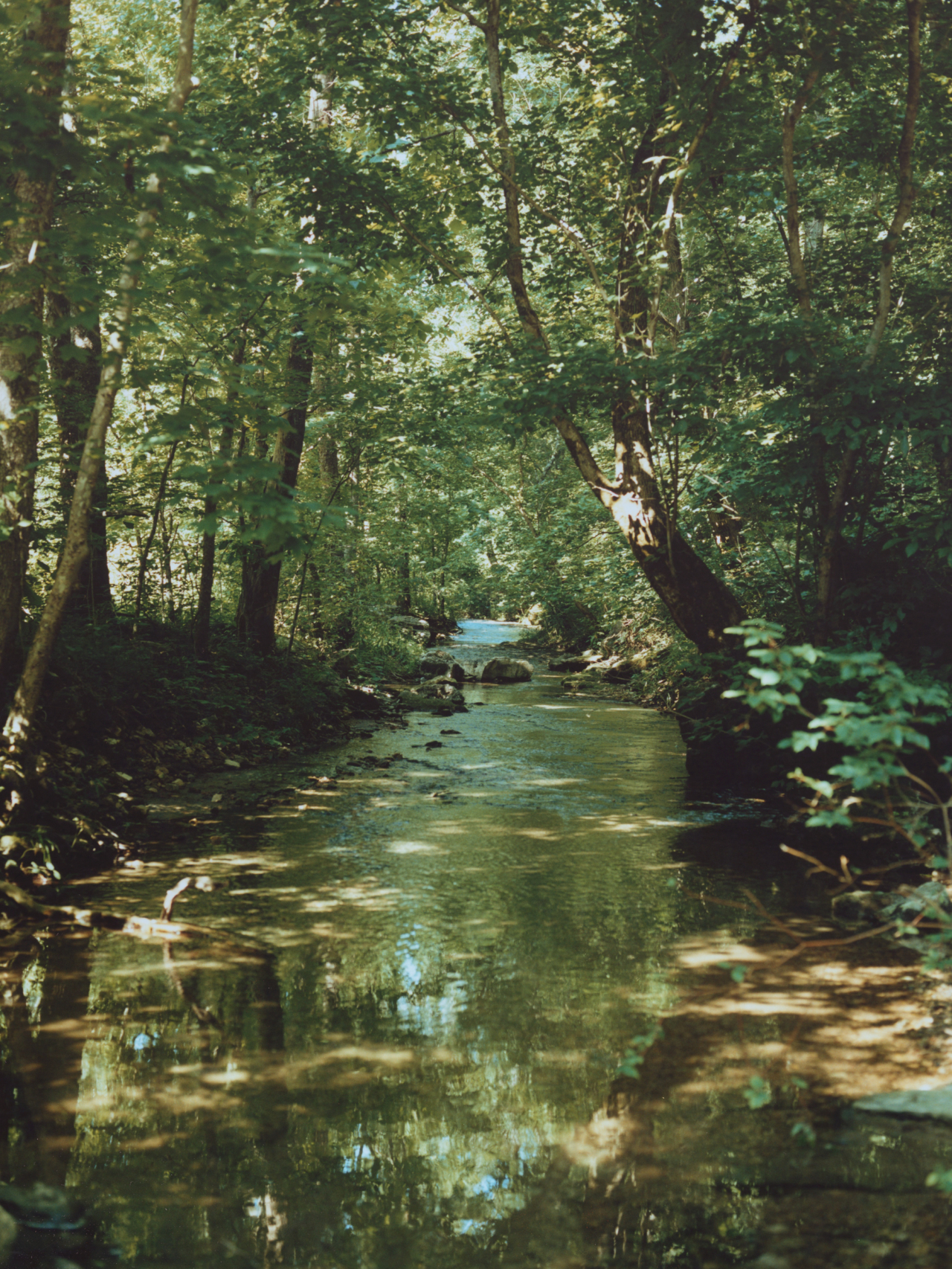
Ever since I can remember, nature has been a constant in my life. We didn’t grow up super wealthy or of any real privilege other than the color of our skin. We grew up in a rural area with a lack of neighbors, not really any kids to play with other than family. Growing up on a small farm, playing outside with my brothers and cousins—we’d be gone for hours. My mother would scream from the back porch, “Boys!” and we’d come running back from the woods or the creek.
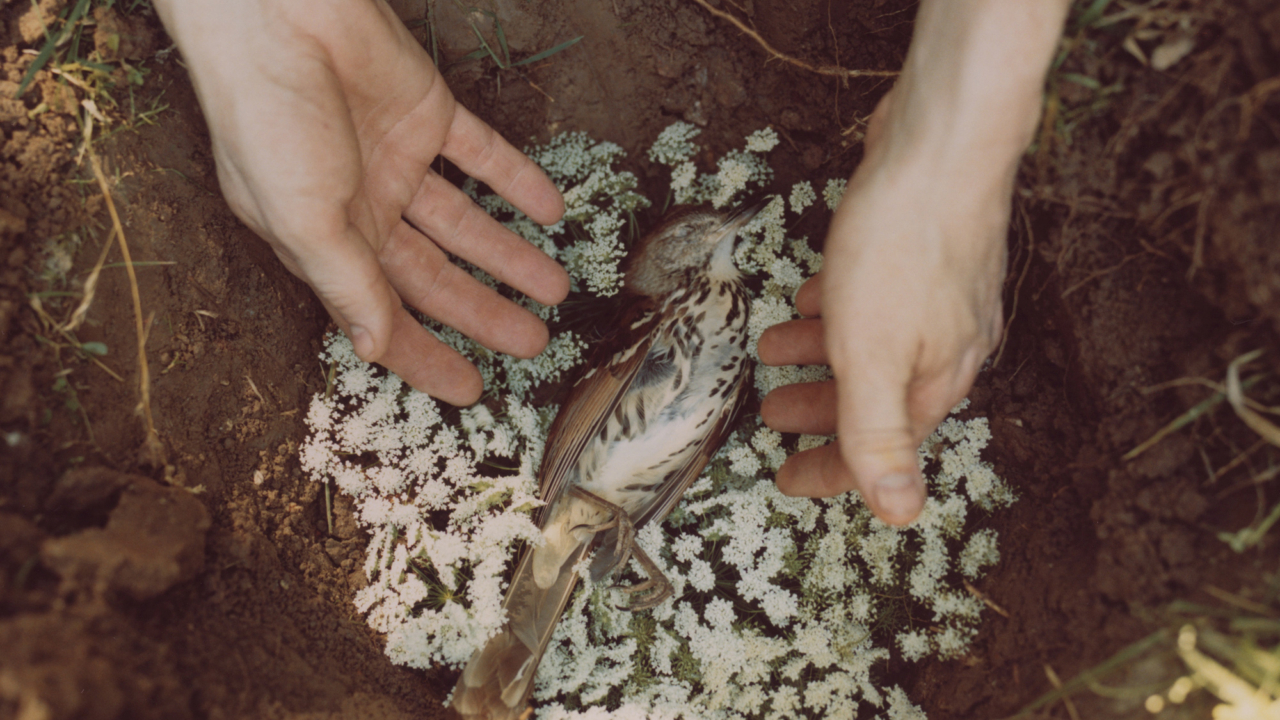
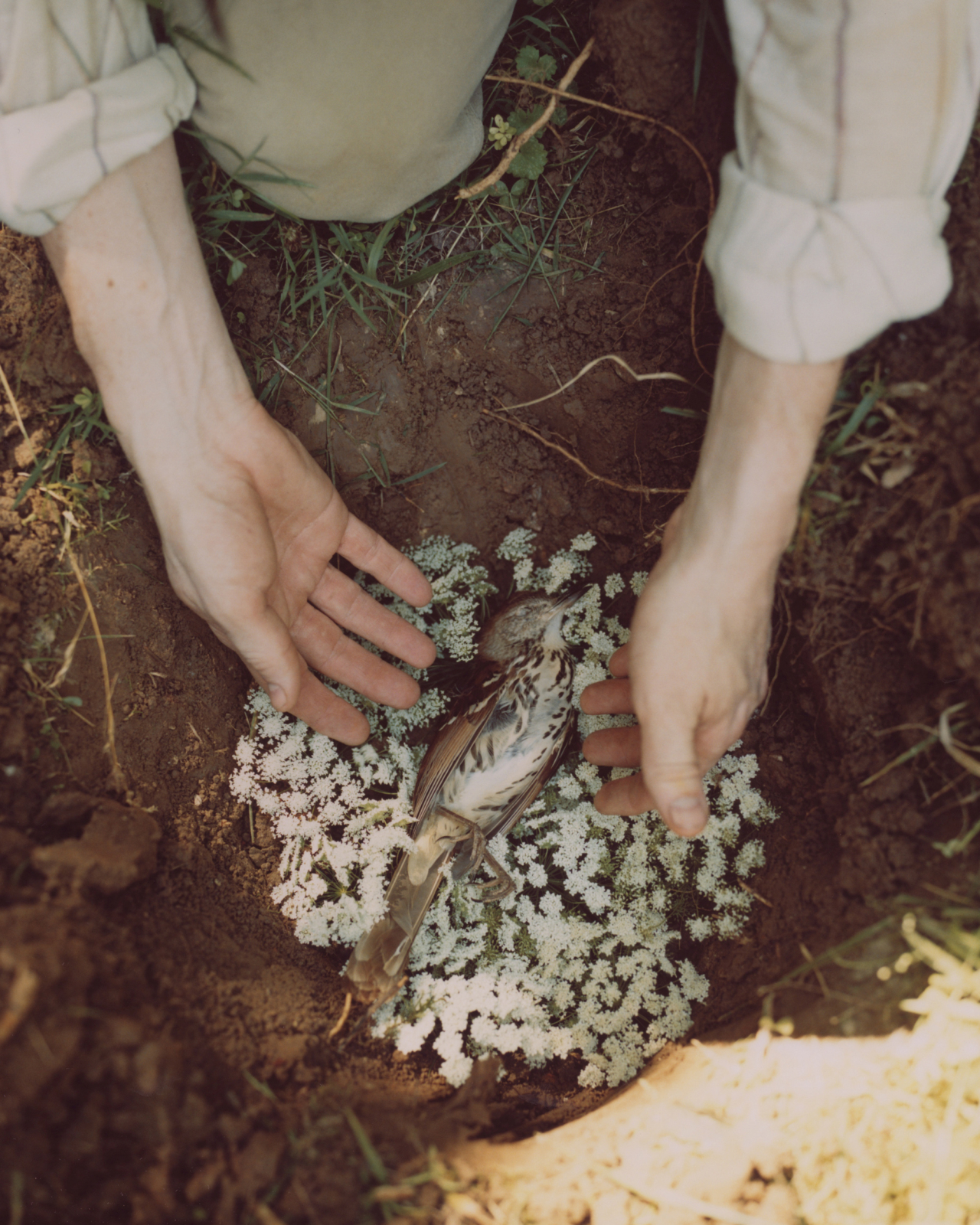
Being outside all the time, and raising animals, I saw a lot of death. I’d see it in the woods, or something hit by a car, or mostly insects. I collected them. They were magical. When they were dead, I could finally hold them in my hand and admire them like a treasure. I remember wrapping little insects in leaves and burying them. I had a hamster once that I buried under these low trees. I was completely by myself. I’d dig these little holes and bury these little treasures. I don’t know why. I don’t know what made me do that.
As I got older, I started wondering more about what I was going to do with my life. My father worked for the Tennessee Valley Authority. My mother was a legal secretary. There weren’t a lot of options where I grew up. I thought about being a botanist or a park ranger. I wanted to protect nature. I loved plants. Then in seventh grade, I told my parents I wanted to be a mortician. We’d gone to a funeral for my uncle, and I remembered the helpers. I thought, “I could do that.”
But then I got into high school and got distracted. I was closeted at the time, and I would sacrifice anything for my safety—including that sensitive nature side of me. I thought, “Okay, I’ll just go to the University of Tennessee with my best friend and join a fraternity and play it cool.”
Then my grandfather died. It was a slap in the face from the world. Or maybe a gentle whisper. It was the first time I saw my family really mourn. The first time I saw my father cry. This very stoic man—my grandad was a simple farmer that once ran moonshine and hid it in the hills—his death broke my father open. To see him reveal a part of his real self was one of the most profound things for me to witness at that age.
So I went back to my parents and said again, “I think I want to do this.” And they said, “Maybe you should call Chad at the funeral home.” He was the funeral director who helped when my grandfather died. So I did. And that was the first time I got to see and be with dead people in a way I never had. That opened the door.
In 1998, the funeral industry was basically still doing everything the same way it is now [and had been since the ‘50s]. I spent 15 years in conventional funerals. Embalming, selling vaults, all of it. The mortuary school was partially funded by the industry, the casket and vault companies. It’s a whole system, a business model. Then cremation became the escape hatch, but even that just became a default. It wasn’t about what people wanted, it was just the only other option.
I think about all the people that I embalmed [earlier in my career] and locked away inside a box, inside another box. They’re just trapped in the ground. That haunts me. I get chills thinking about it.
There was a phrase we used to use—a “straight drop.” That’s when someone was buried in a simple box, without embalming, no vault. It was seen as a less-than thing. It was classist. It implied that these people couldn’t afford anything. But now I think to myself, “Those people are free. They’re not trapped.”
Because back then, we were keeping people from nature. We weren’t giving people back. And now, I get to give people back. What we’re doing with Larkspur is giving people that freedom. Letting them be free. It’s a return to nature.
As we creep towards a 75% cremation rate in the United States, Larkspur is offering something else. A way for people to give their bodies back. To connect our biomass back to the source, to reinforce the living layer of the soil and support ecology, wildlife habitat, to conserve land and protect it from urban sprawl, and to feed native plants like deep-rooted prairie grasses and long-lived white oaks that will pull carbon out of the atmosphere as our climate continues to warm year after year.
Now I’m called to say, “Stop burning your bodies.” I have this vision of a giant oak tree growing off the earth. And all the leaves fall, but instead of falling to nourish the soil, they’re burned up. Where does all that goodness go? We’re taking something away and not giving it back.
So in 2012, I left the industry. I went on a train trip to debug my wiring. I made a list of things I wanted to do, and one of them was to help create a natural burial ground. A month later, Becca Stevens called me. She is an Episcopal priest. She’d been walking in a park and came across a burial ground for enslaved people. They were buried at the edge of the field because the field was for crops. She and her friend were moved by what they saw—something tragic, but also something accidentally beautiful: bodies becoming a gift to nature.
She said, “I heard you’re interested in natural burial. I want to talk.” We met, and Larkspur started as a seed.
We set up as a nonprofit. We wanted to break the profit-based system that had overtaken funeral care. We wanted to make something accessible to everybody. Our mission was to conserve land, and we would do so through the revival of ancient natural burial practices.
It took years to find land. We didn’t want pristine forest. We wanted land in need of healing. Eventually we found it—109 acres northwest of Nashville. Now it’s 161 acres. It’s next to one of the most biodiverse regions in the country. The Nature Conservancy helped us protect it. We are the only active conservation burial ground in their portfolio.
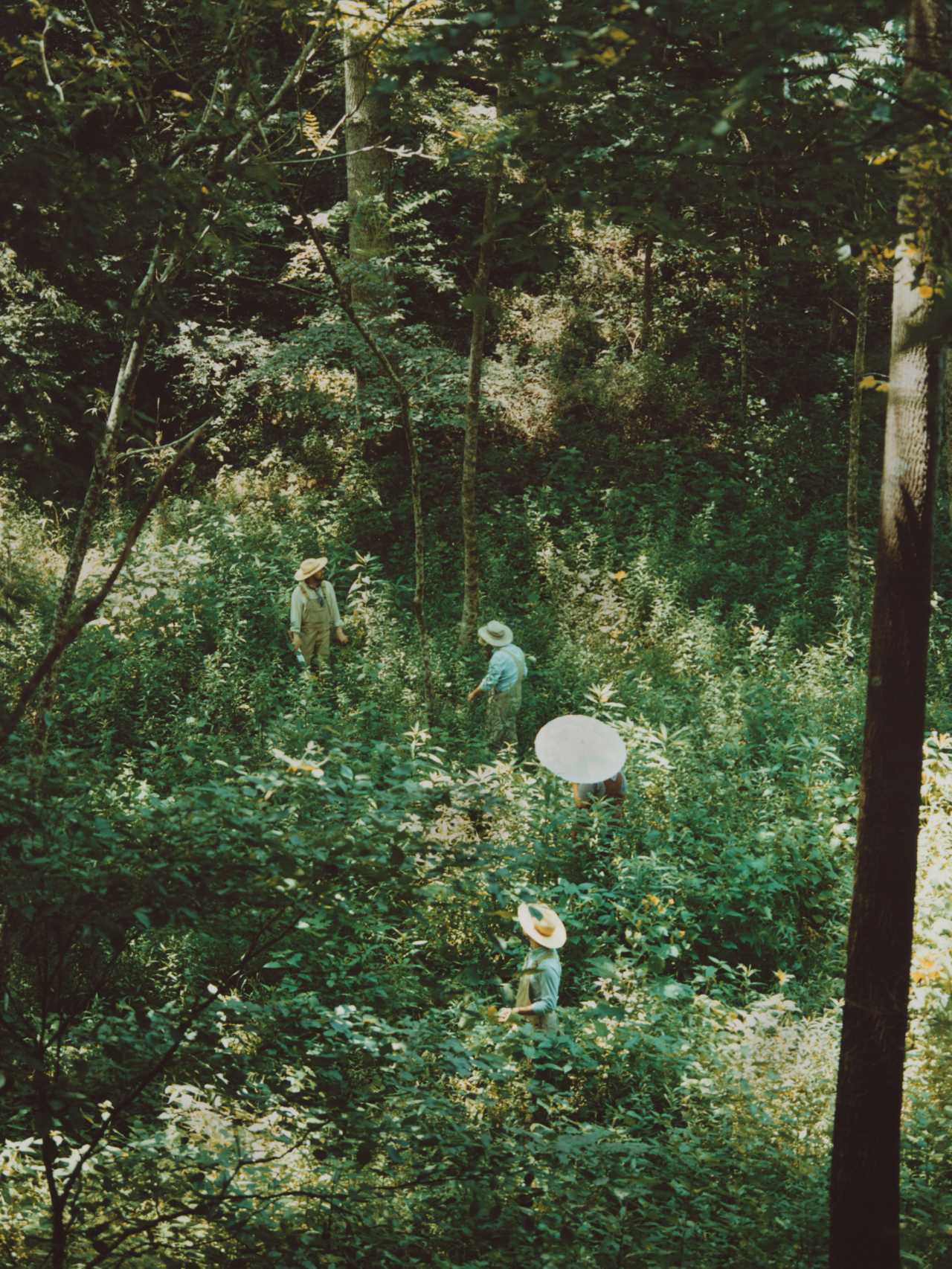
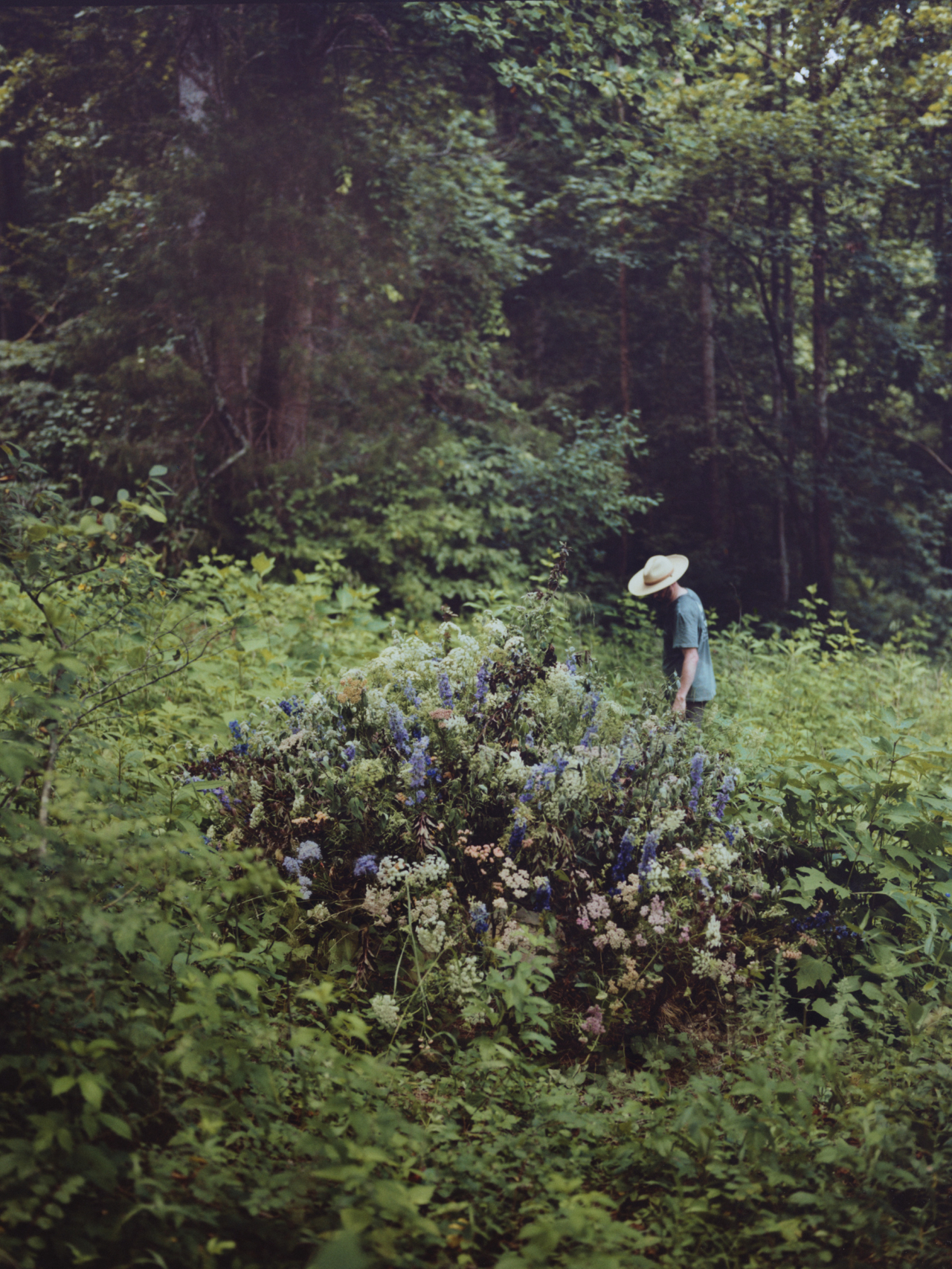
We opened in 2018. The land is open daily from dawn to dusk. People come to hike, to meditate. But also to bury their loved ones. To walk into Mother Nature’s arms.
When a death happens, we start with a phone call. After we take care of the immediate needs, then we encourage the family to slow down. We make sure the body’s safe, we make sure the family’s okay. And then when they’re ready, we come together and we have a conversation and we talk through and answer all of their questions.
“When I die, my body can be a seed. It can be pollen, it can go back into that ecosystem. It’s like the raindrop falling from a cloud, soaking the soil, evaporating back into the sky.”
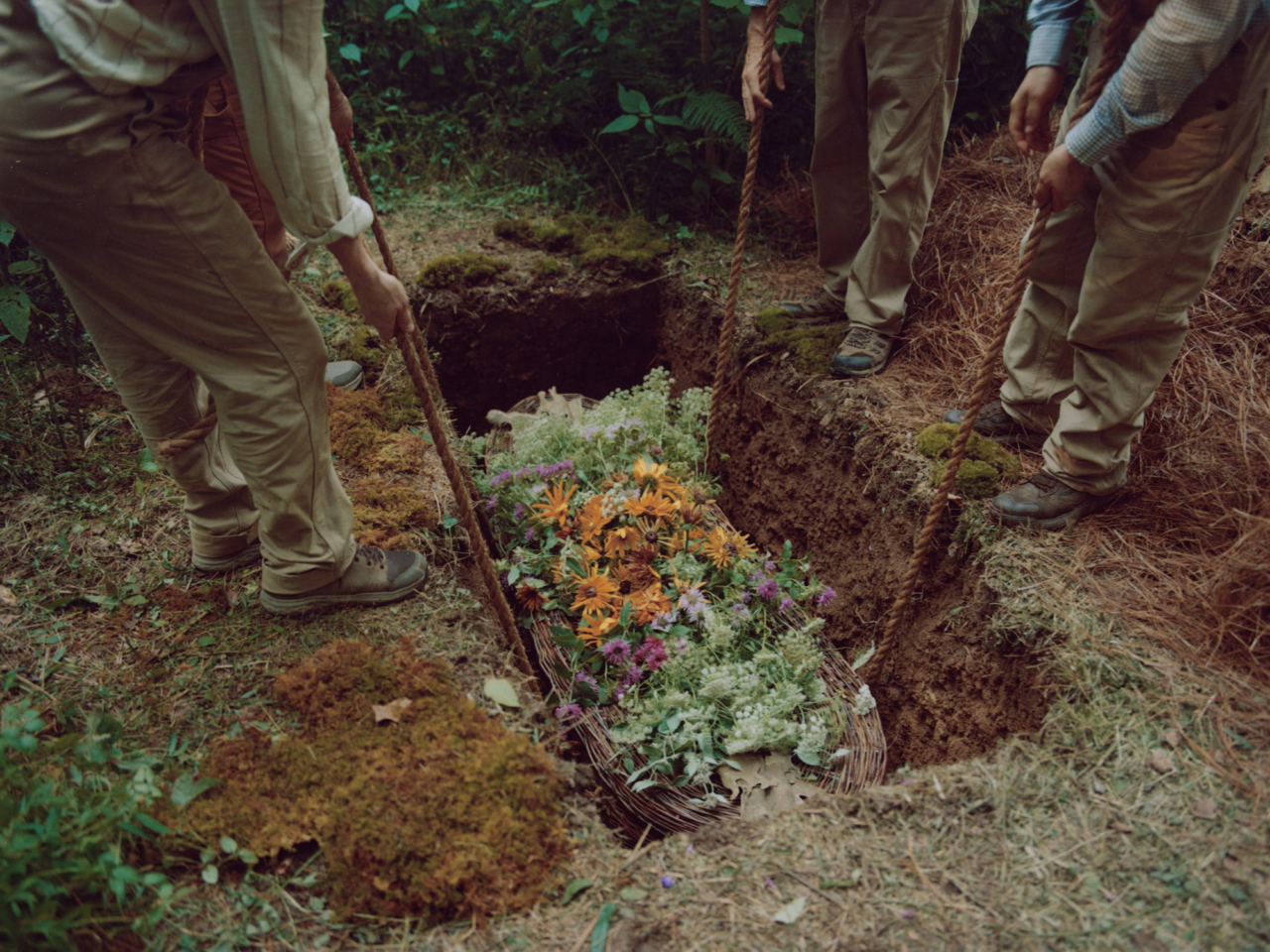
I have one on Thursday for a woman named Nancy. She’d been sick for some time and she’ll be shrouded. So I’ll go to the funeral home tomorrow, and I will shroud her body and wrap her and swaddle her and prepare her for burial. She will not be placed into a casket. She’ll be placed directly into the ground in this beautiful cotton wrap. And then we’ll bury her.
Her family will meet us at the preserve. We will walk with them into the woods, and we’ll come around and have this circle of time with each other. And they will be able to do whatever in ceremony they wish, whether that’s telling stories or singing a song. And then we’ll pick her up with our hands. When I say we, I mean the family and our staff, pick her up and lower her with ropes into the grave. We allow these ropes to pass over our hands, and this textural experience of something passing through occurs.
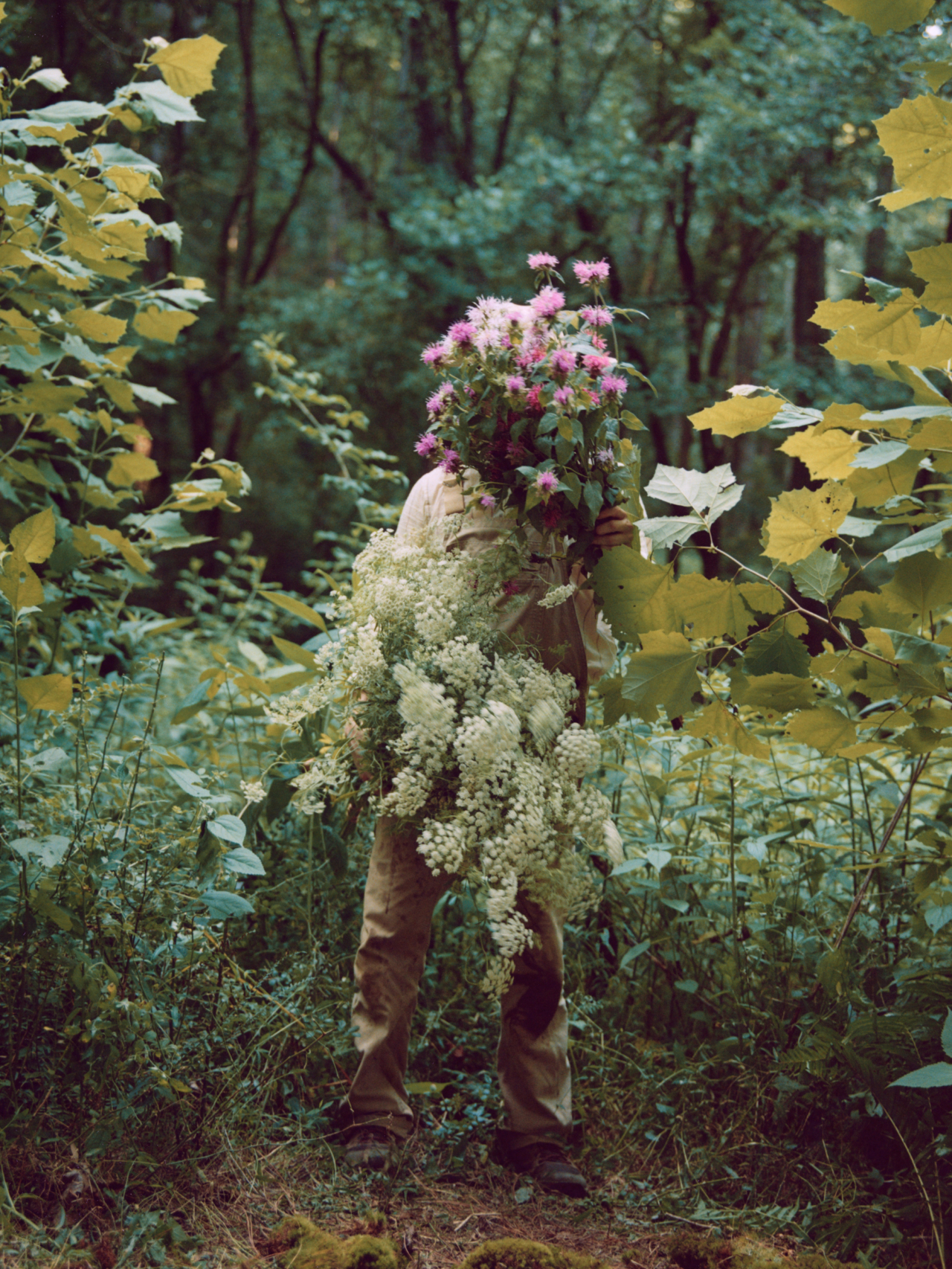
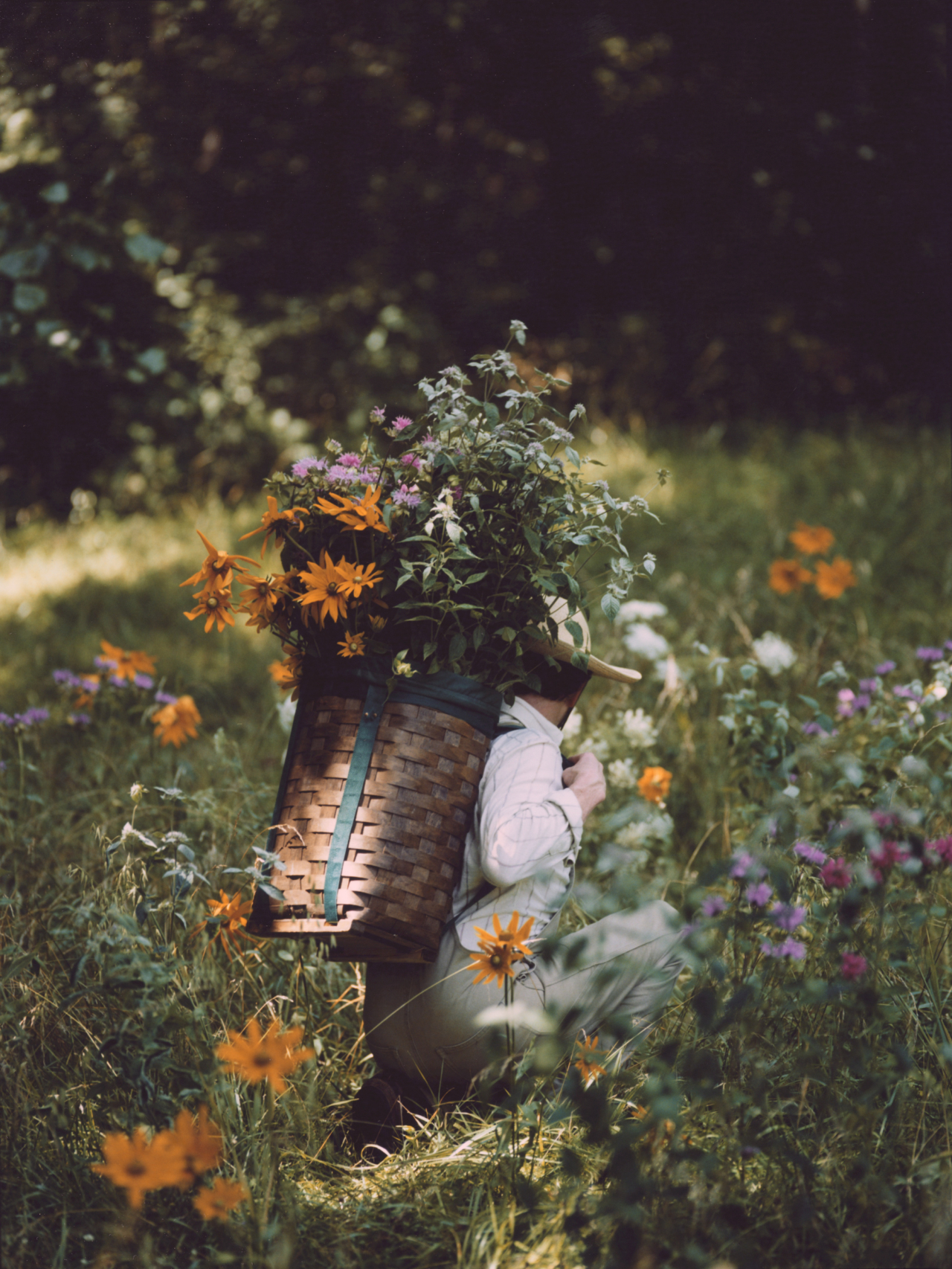
And then this thing happens. The family and friends join together and take a handful or a shovel full of soil and return all of it to the grave, until a mound is present. When we open a grave and when we close the grave, we do so by moving the soil in order. The first layer, the second layer, the third layer, and returning them in that same order so that all of the communities at each layer and each depth go back where they belong and can do the work that they need to. And then we’ll place some cut flowers that the family brought over the grave.
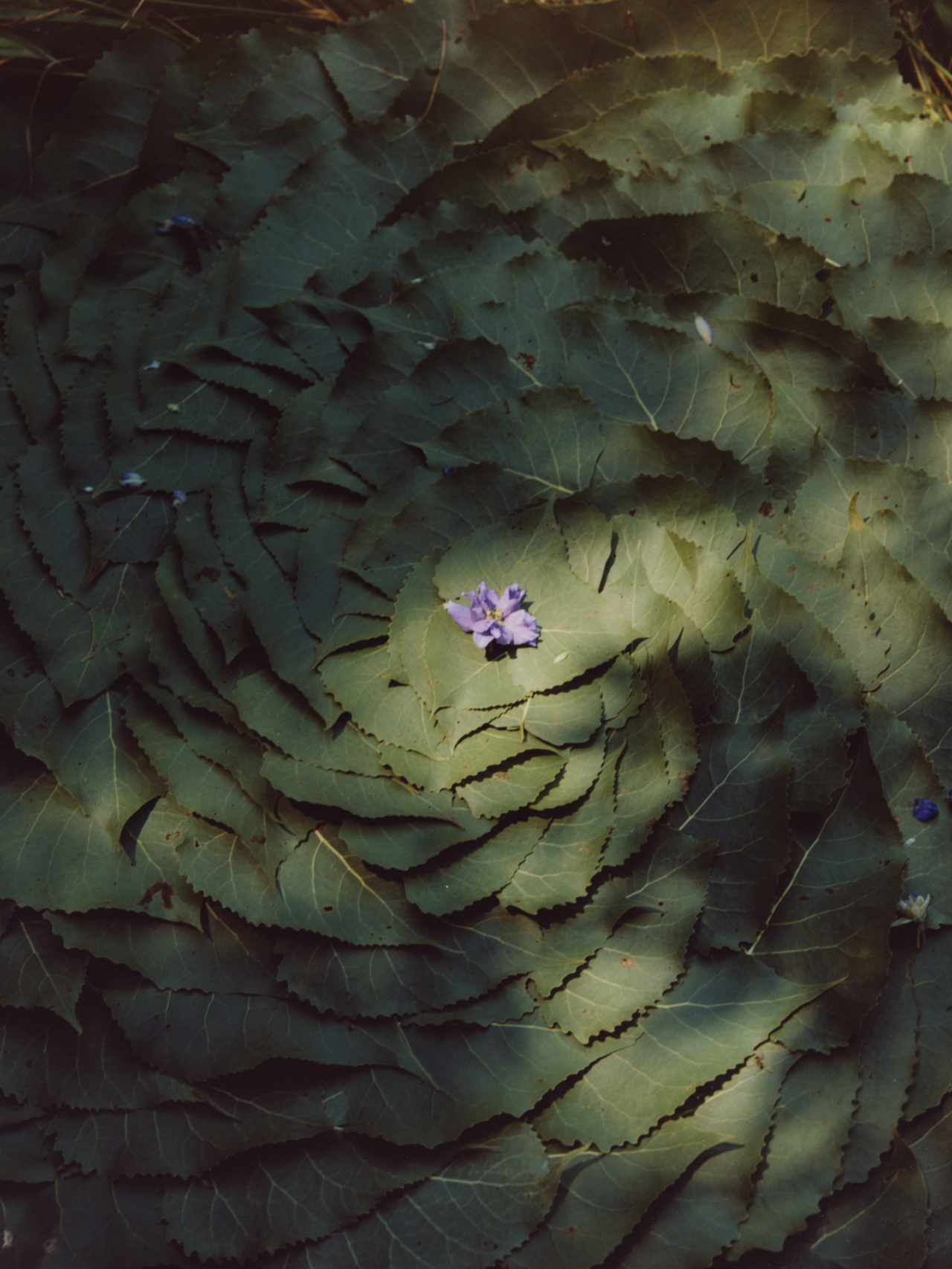
A few months later, we go back with the family and do a restoration planting. We’ll return native species that belong at Larkspur but have been lost due to human activity. Every grave becomes an island of biodiversity. And it can become an island that can then bloom and spread over the ecosystem and over the landscape. We get to restore something. We get to help bring something back to a more native state. We say, “When I go, let me grow.”
Every body that’s buried at Larkspur becomes a gift, is a gift, and it goes back into the soil. Every grave becomes an opportunity for restoration and healing, not only of the people’s hearts that are there that day, but of the landscape that was once abused and forgotten.
Death is sex. It’s birth. When I die, my body can be a seed. It can be pollen, it can go back into that ecosystem. It’s like the raindrop falling from a cloud, soaking the soil, evaporating back into the sky. Death is sexual intercourse on a universal scale.
Thinking about death is like a meditation. There’s nothing more grounding than being in community with death. Because as much as there’s a breath of life, there’s also a breath of death. They’re one and the same. It pulls you into this idea of being the most present you could possibly be in the moment.
I think about a woman that died last night and what her children and her grandchildren might’ve said to her last, or what she might’ve said to them. And when she walked out of her house to go on an errand and was struck by a car, what those moments might’ve been like for everybody involved in that loss. We talk about it as a loss. I think death’s also a reminder of the preciousness of life, of the opportunity that we all have to be good stewards to the planet, as well as good stewards to each other. It can be a great reflection of love.
I’ve watched families transform. A mother burying her child from an overdose said she thought it would be the hardest day of her life, but something changed. She was changed. A father said his child could now be wild and free, he could go run and play. He wasn’t bound to this one place. People often say to me, “Why haven’t we always done it this way?”
And we have a lot of people that will also say, “I want to be a tree,” or, “I want to plant this tree at my mom’s grave.” We help them get to the place of understanding what it might be to be the whole forest. There’s an opportunity for omnipresence.
I want Larkspur to be a model. I’ve built relationships with funeral directors. Most of them want to be buried here now. They’ve lost faith in the system. Change will come from people. From seeing what’s possible.
We know the United States has an incredible amount of land resources which are being used in ways that aren’t sustainable. And as we see different species decline, if we can slow urban sprawl and create and protect wildlife habitat, we can further protect biodiversity. A lot of the land that could be viable conservation burial ground land is already owned by municipalities. And if it’s not, there’s a lot of private landowners that likely have land who would be willing to sell it to someone so that they could see it protected forever rather than subdivided, mined, or deforested.
We have a tool for cooling the planet right beneath our feet. Natural burial is an opportunity to interact with the soil in a way that would be beneficial long-term through conservation efforts. I encourage everyone to stop prioritizing and focusing on products and systems because death is so fundamentally natural that we have an opportunity to just give ourselves back and stop being wasteful with resources.
People often ask me, “Have you heard about the mushroom coffin? Or aquamation? Or human composting?” And yes—I have. These are all ways of returning the body to the earth, just like what we do at Larkspur. The difference is, we don’t need any added technology, vessels, or special ingredients between us and the earth. No machines, no mushrooms. The process is already here—in the soil, in the trees, in the land itself.
As humans, we try to figure shit out. And sometimes we just get in the way of nature doing what she needs to.
What would Mother Nature do?
Photography assistants Landon Edwards and Lucas Eytchison
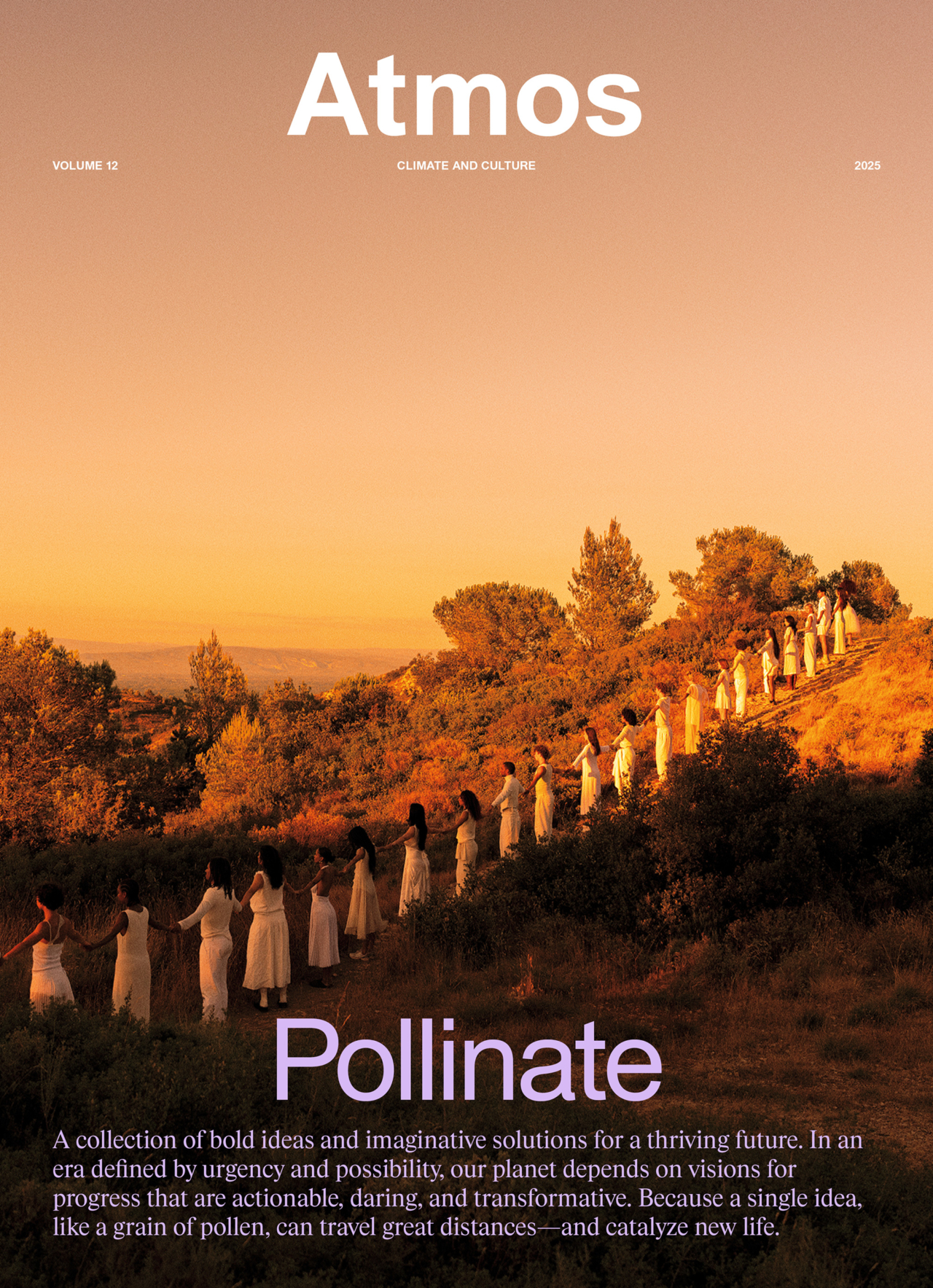
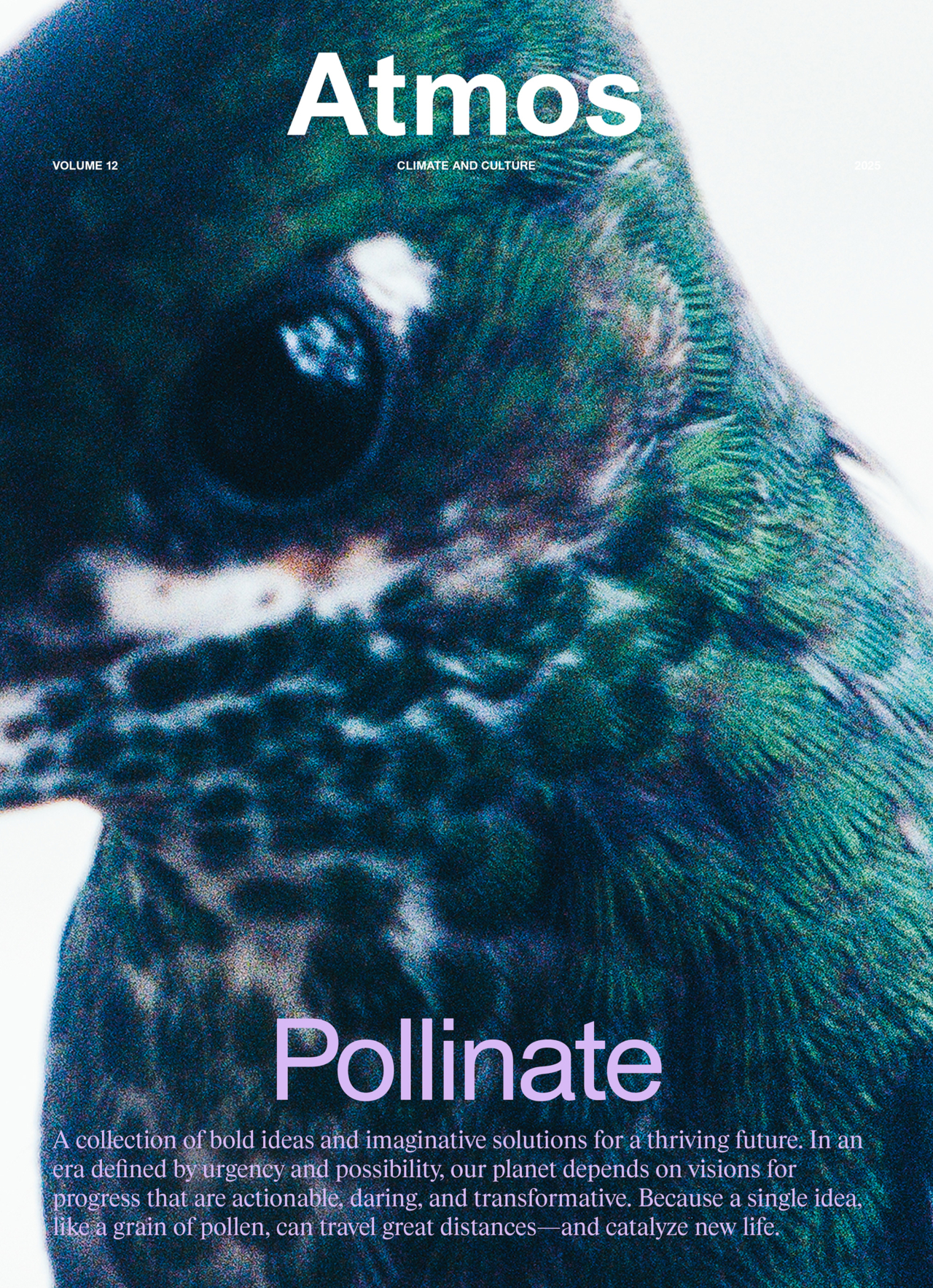
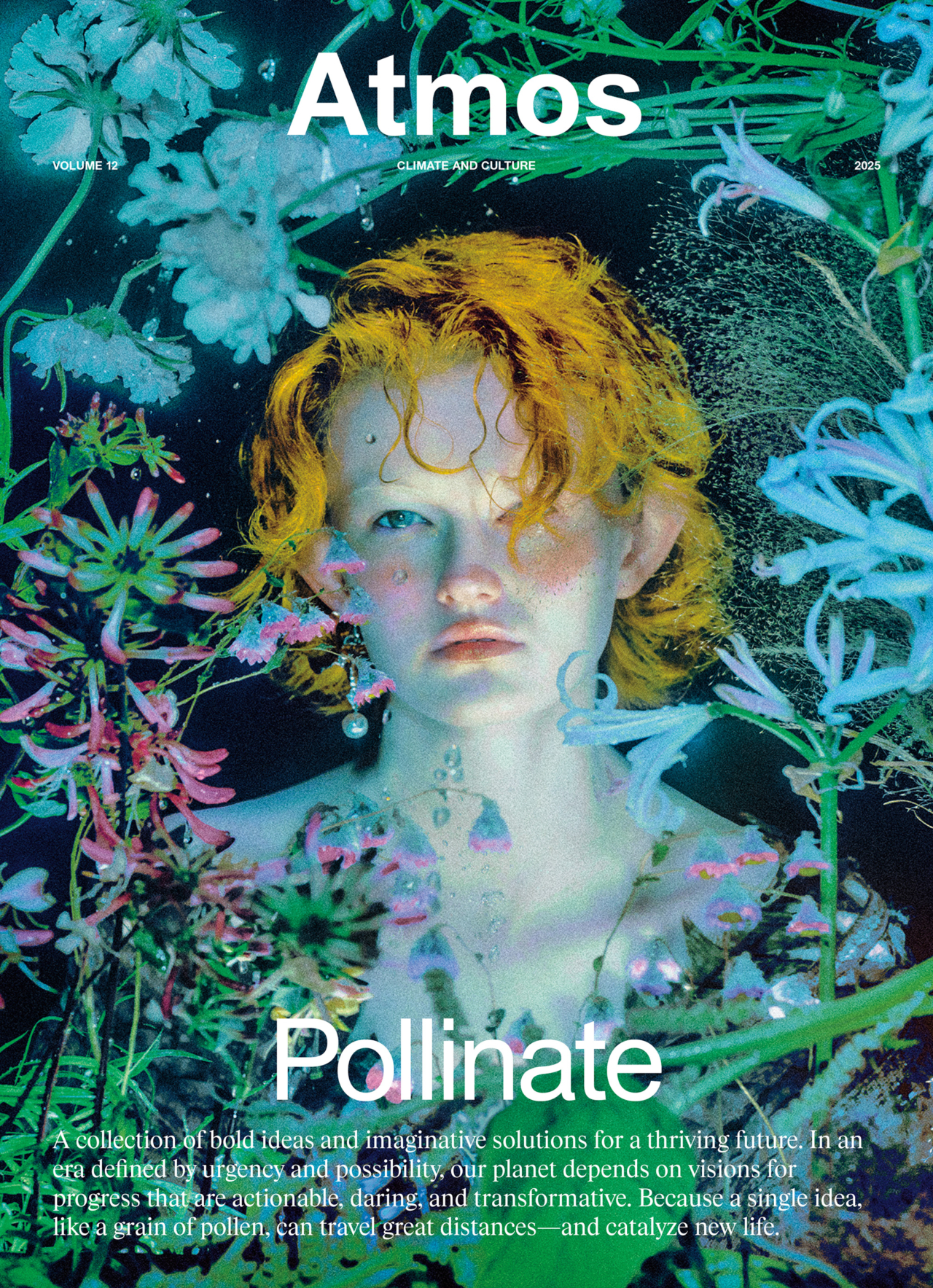
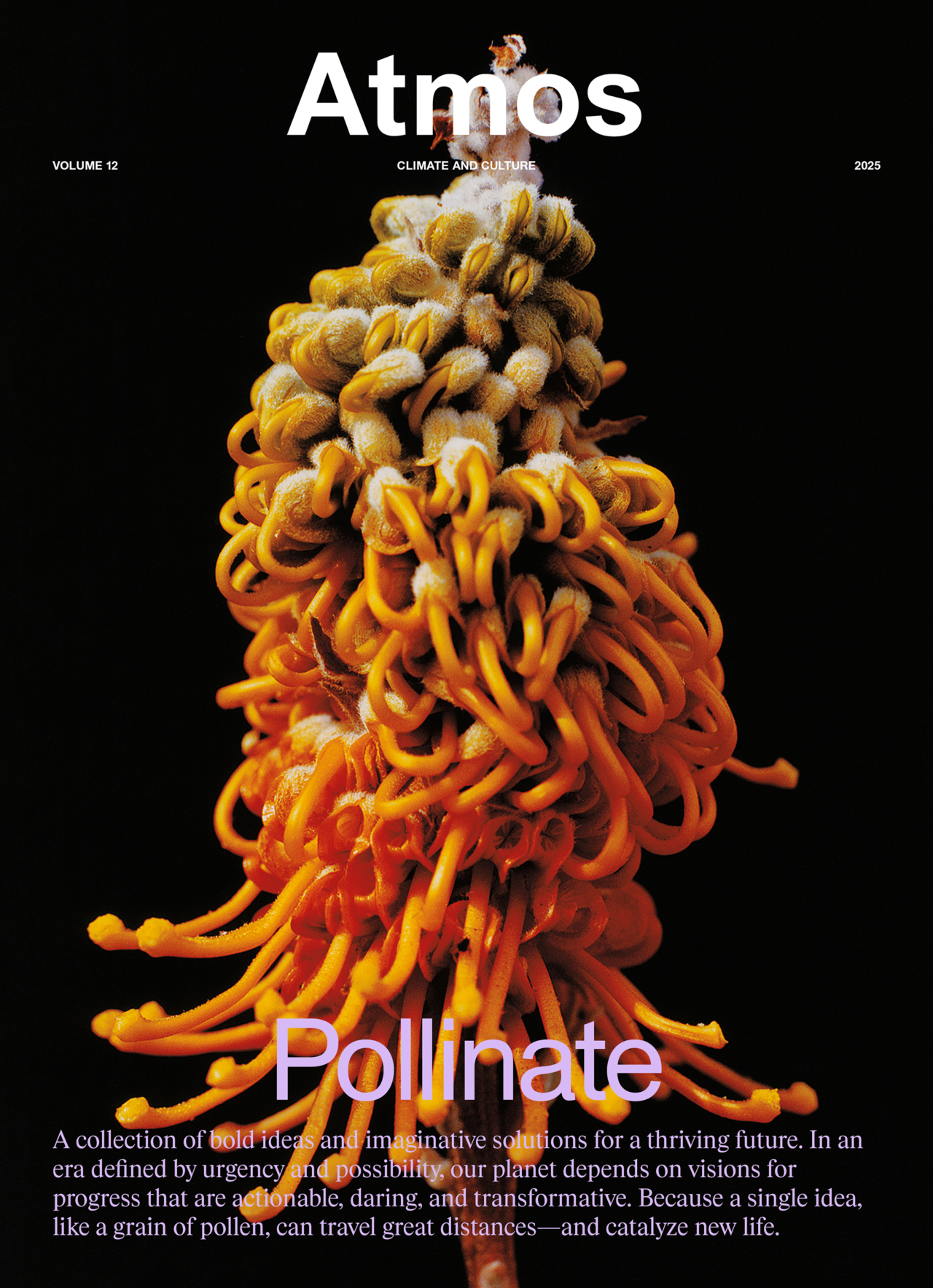
This story first appeared in Atmos Volume 12: Pollinate with the headline, “Giving Our Bodies Back to the Earth.”
A collection of bold ideas and imaginative solutions for a thriving future. In an era defined by urgency and possibility, our planet depends on visions for progress that are actionable, daring, and transformative. Because a single idea, like a grain of pollen, can travel great distances—and catalyze new life.
Giving Our Bodies Back to the Earth: The Rise of Natural Burial