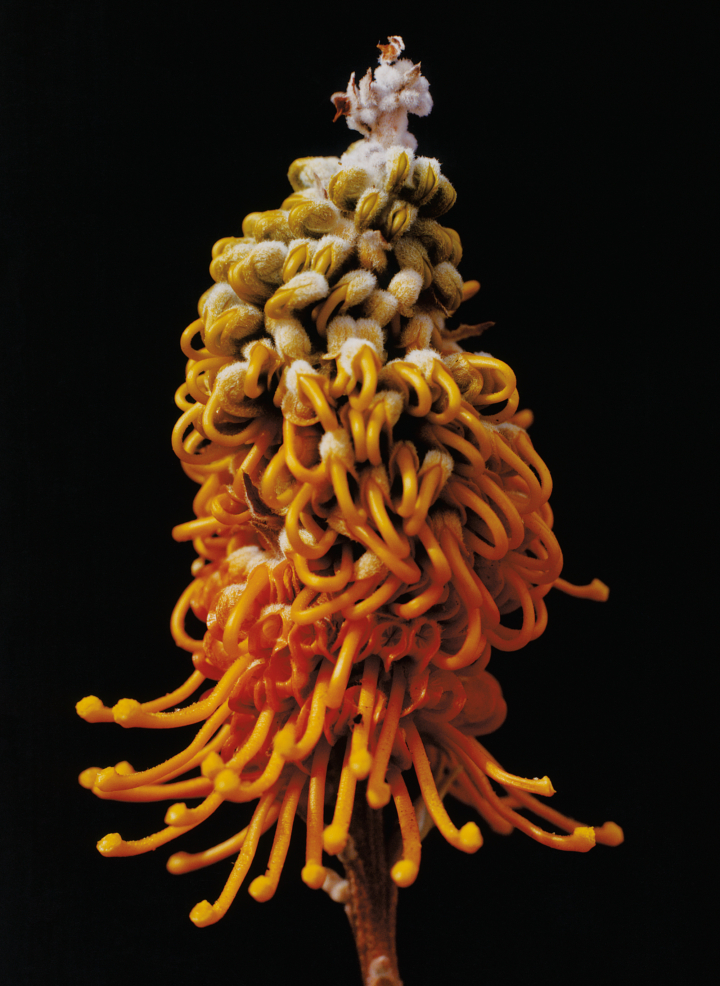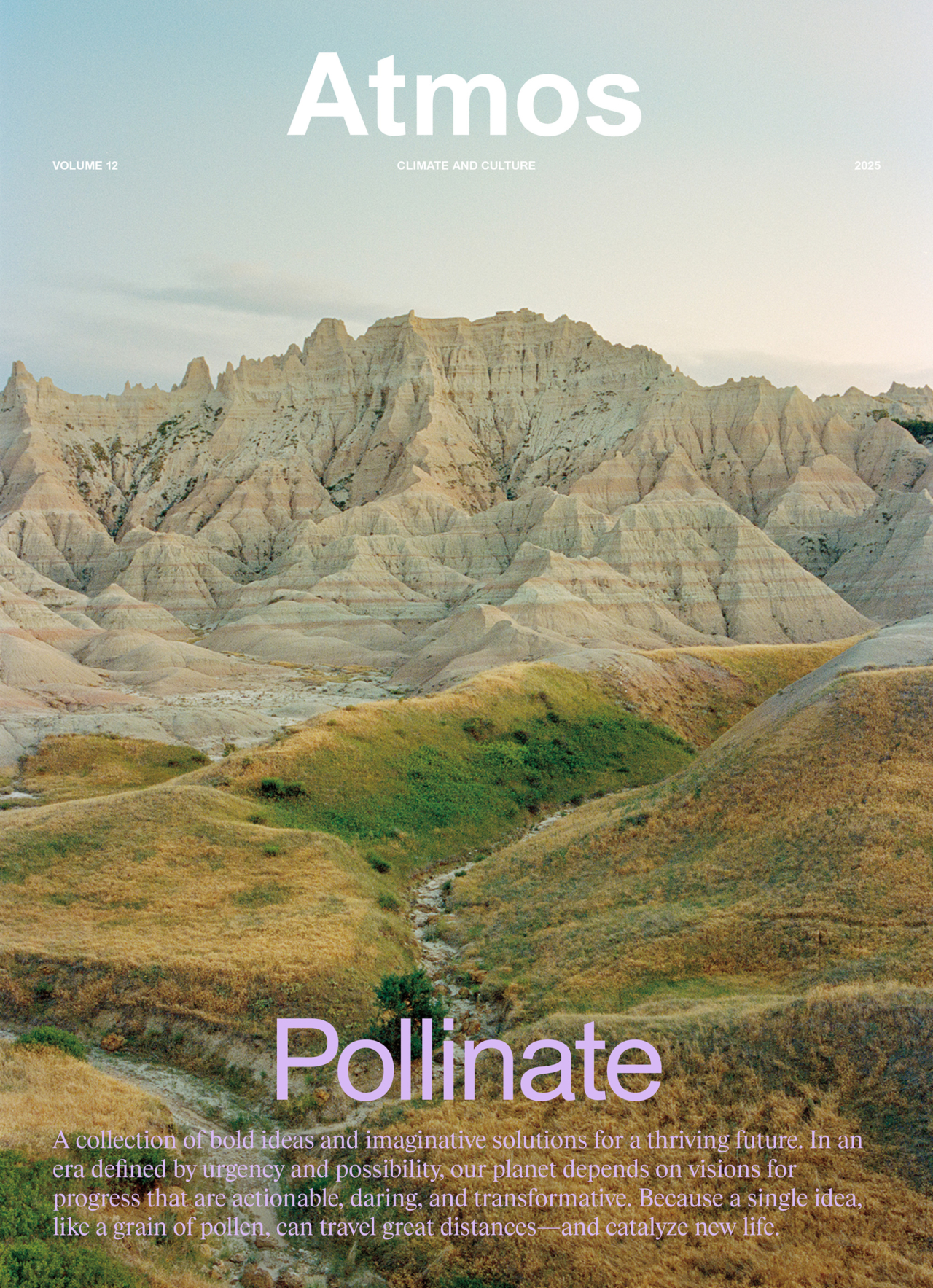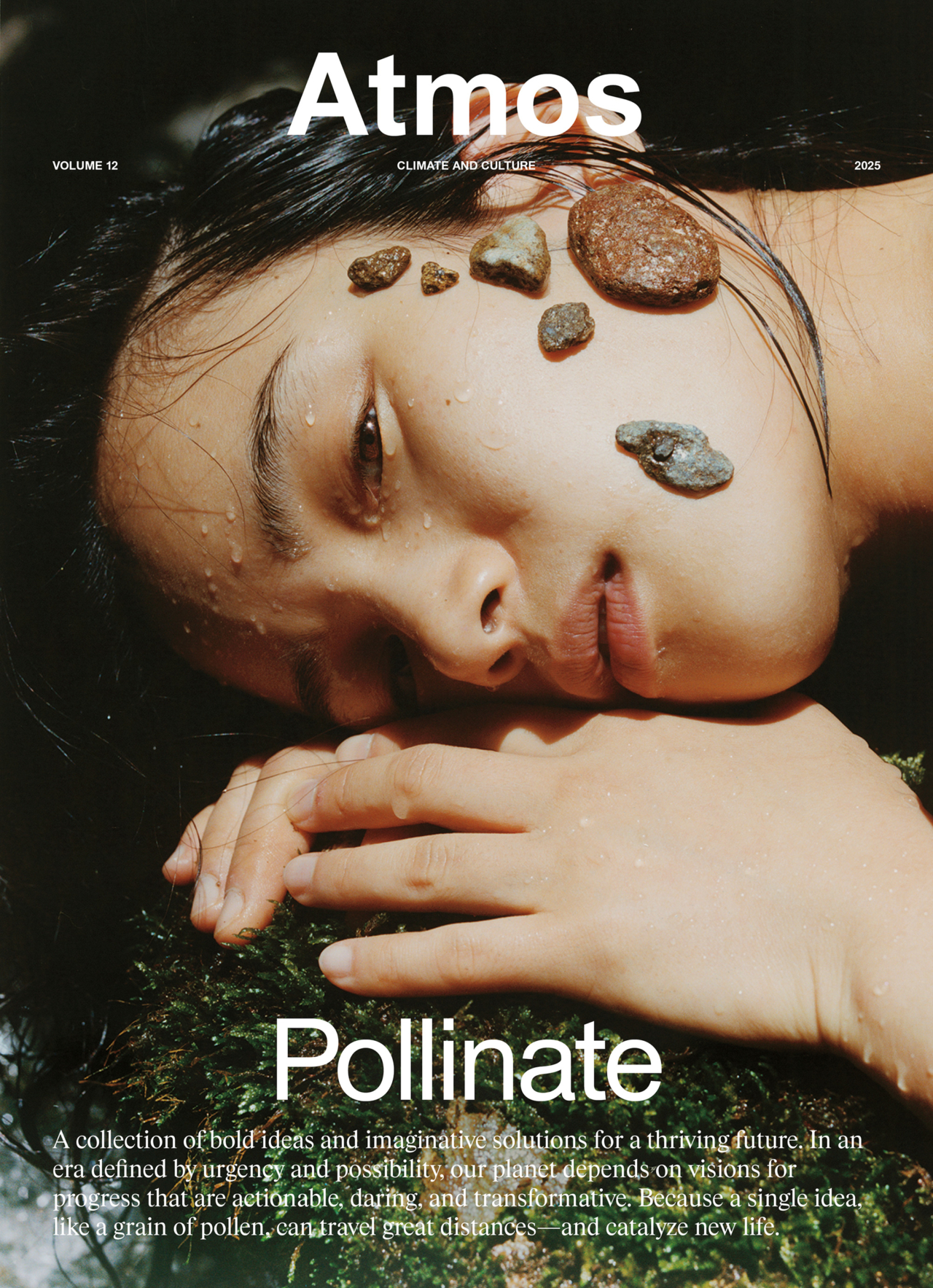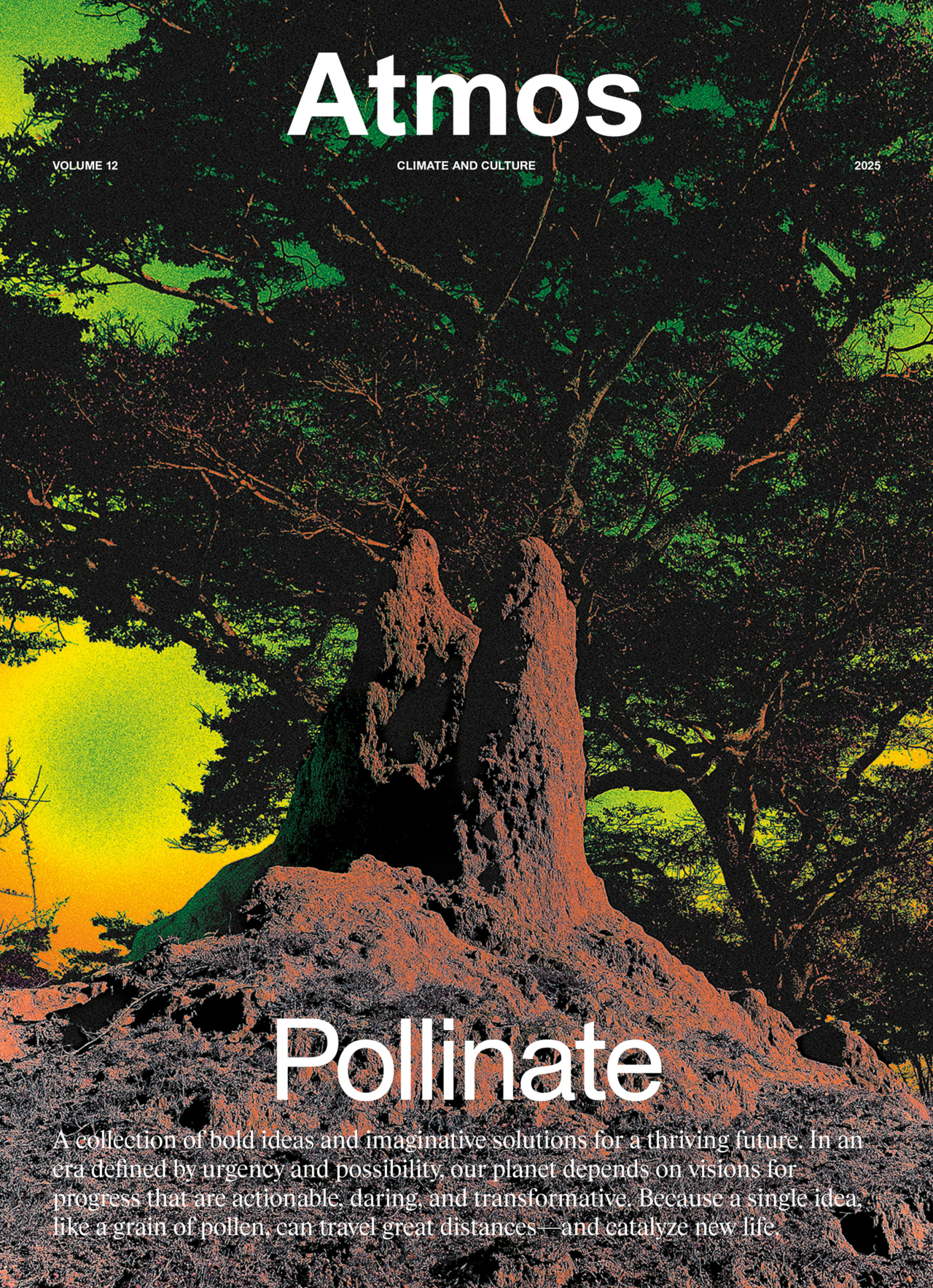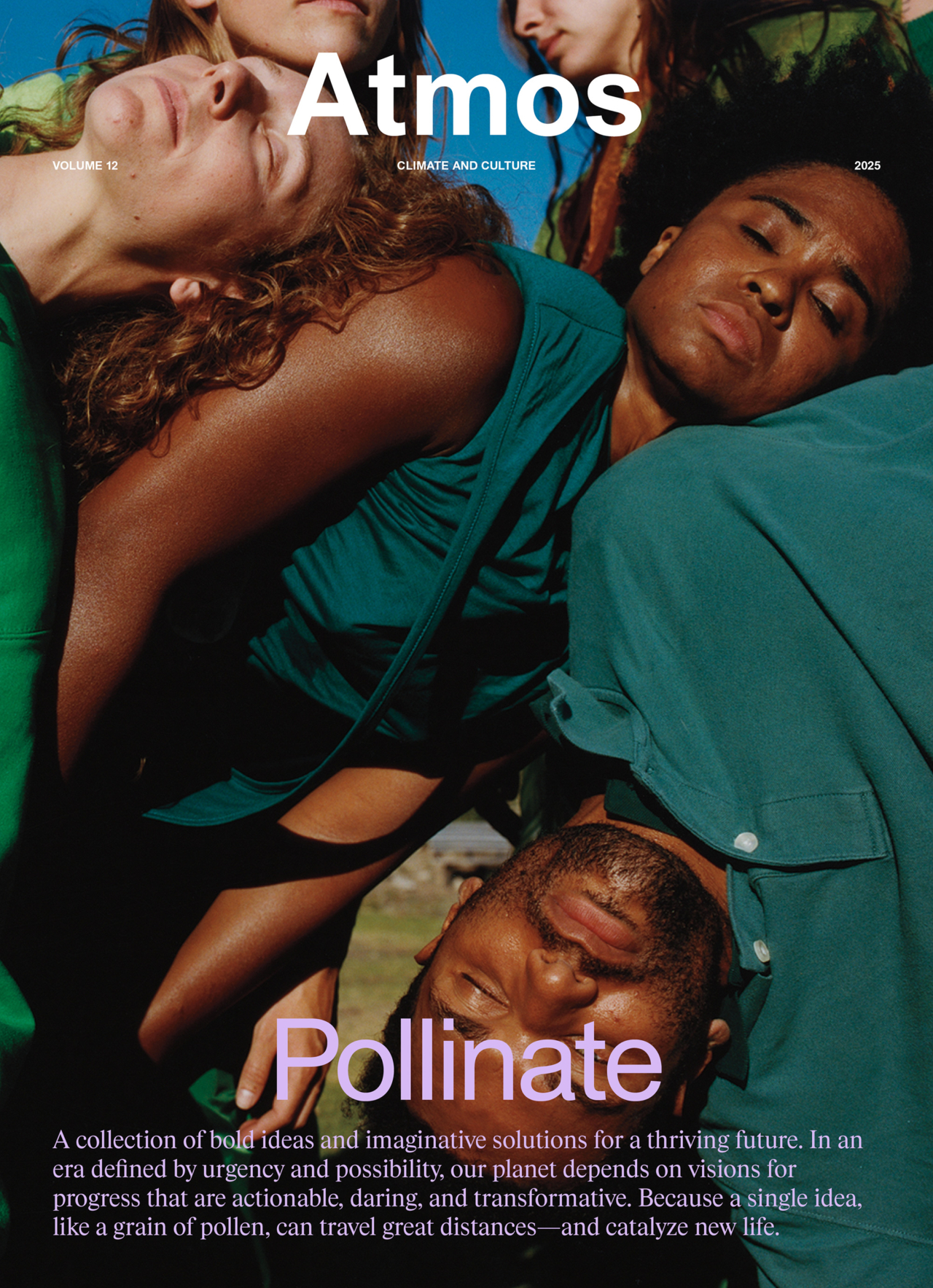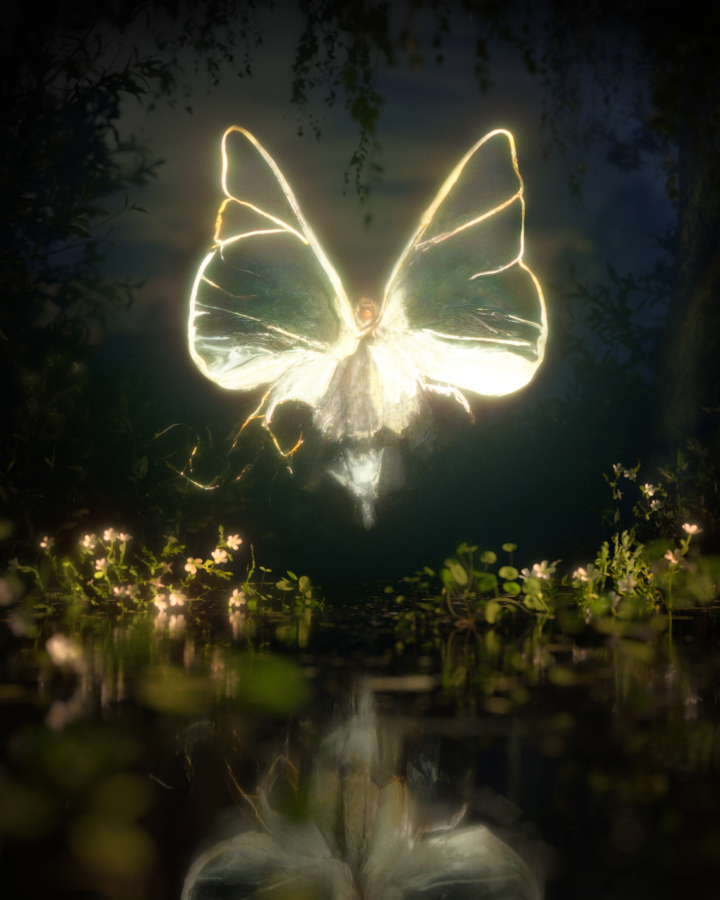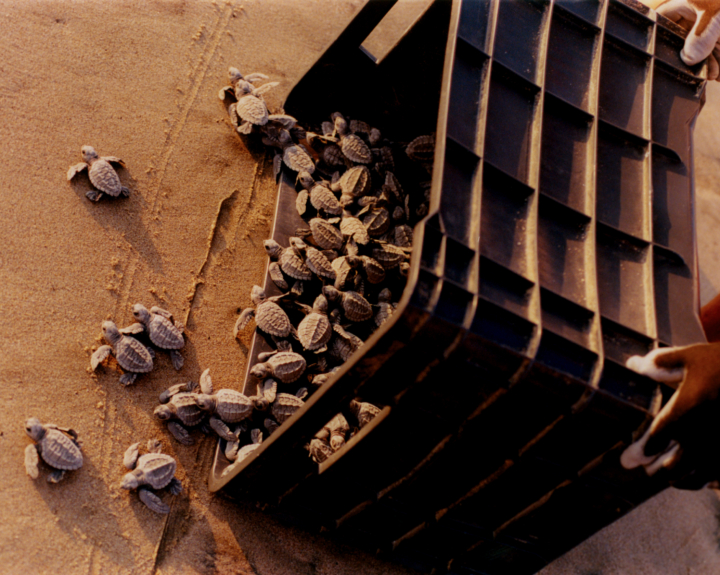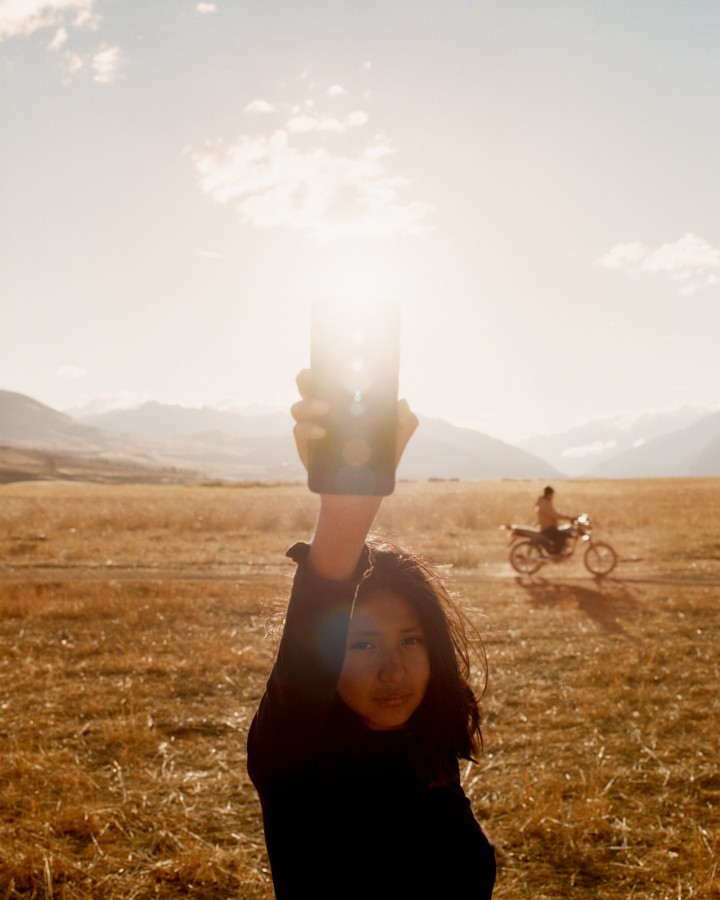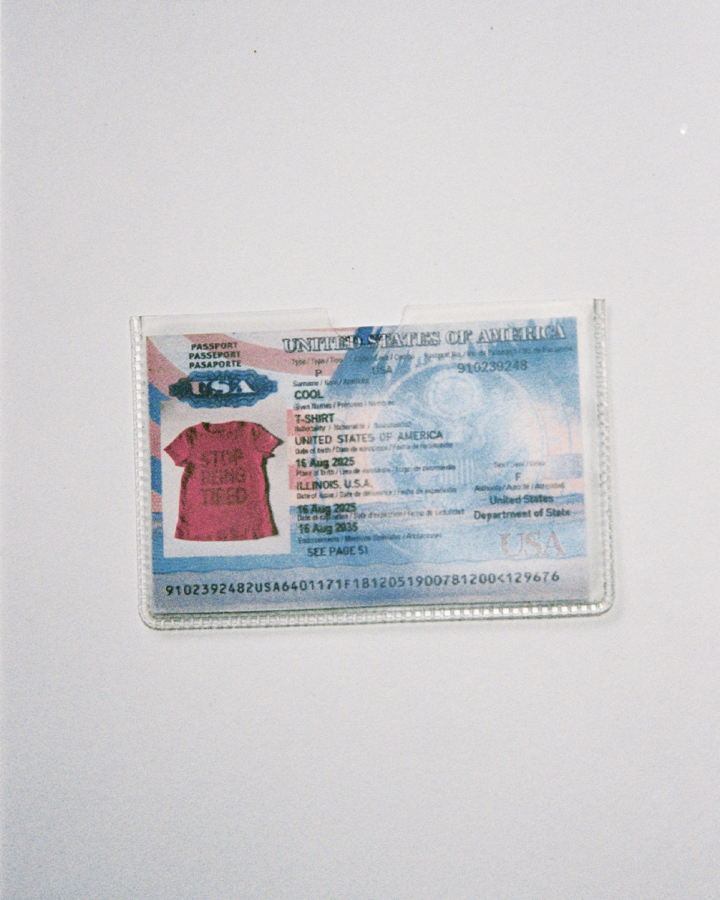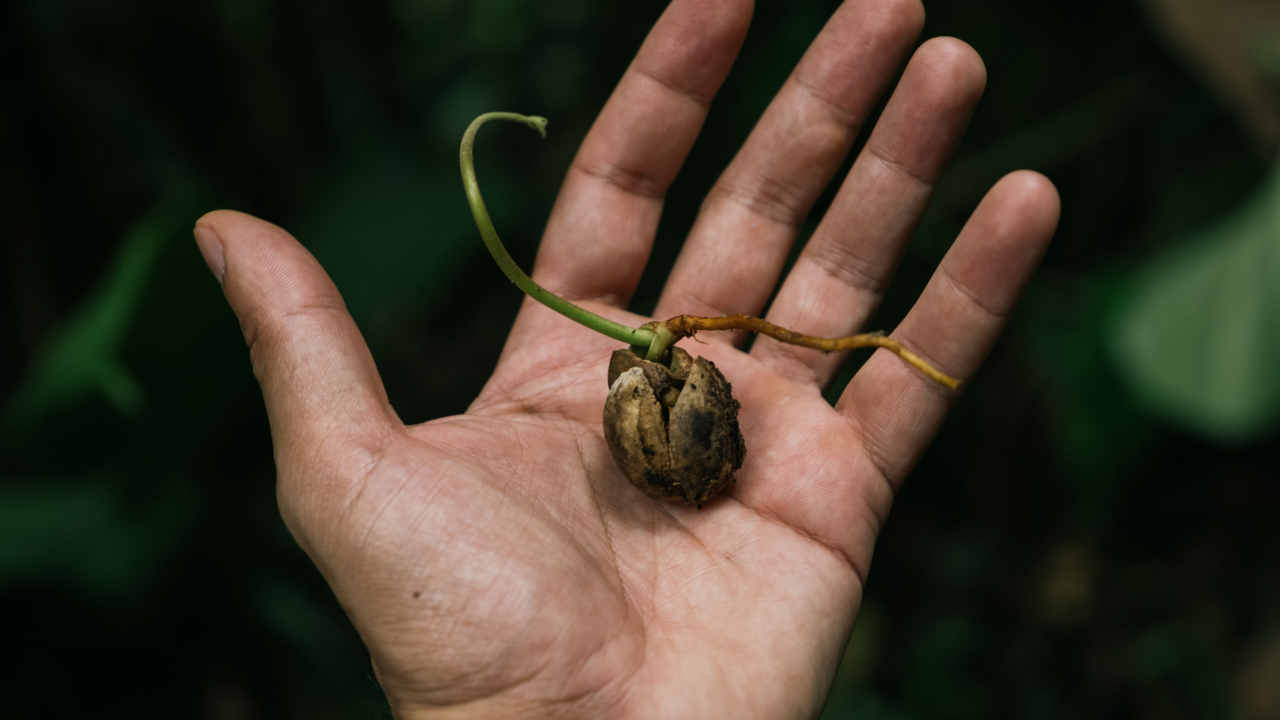
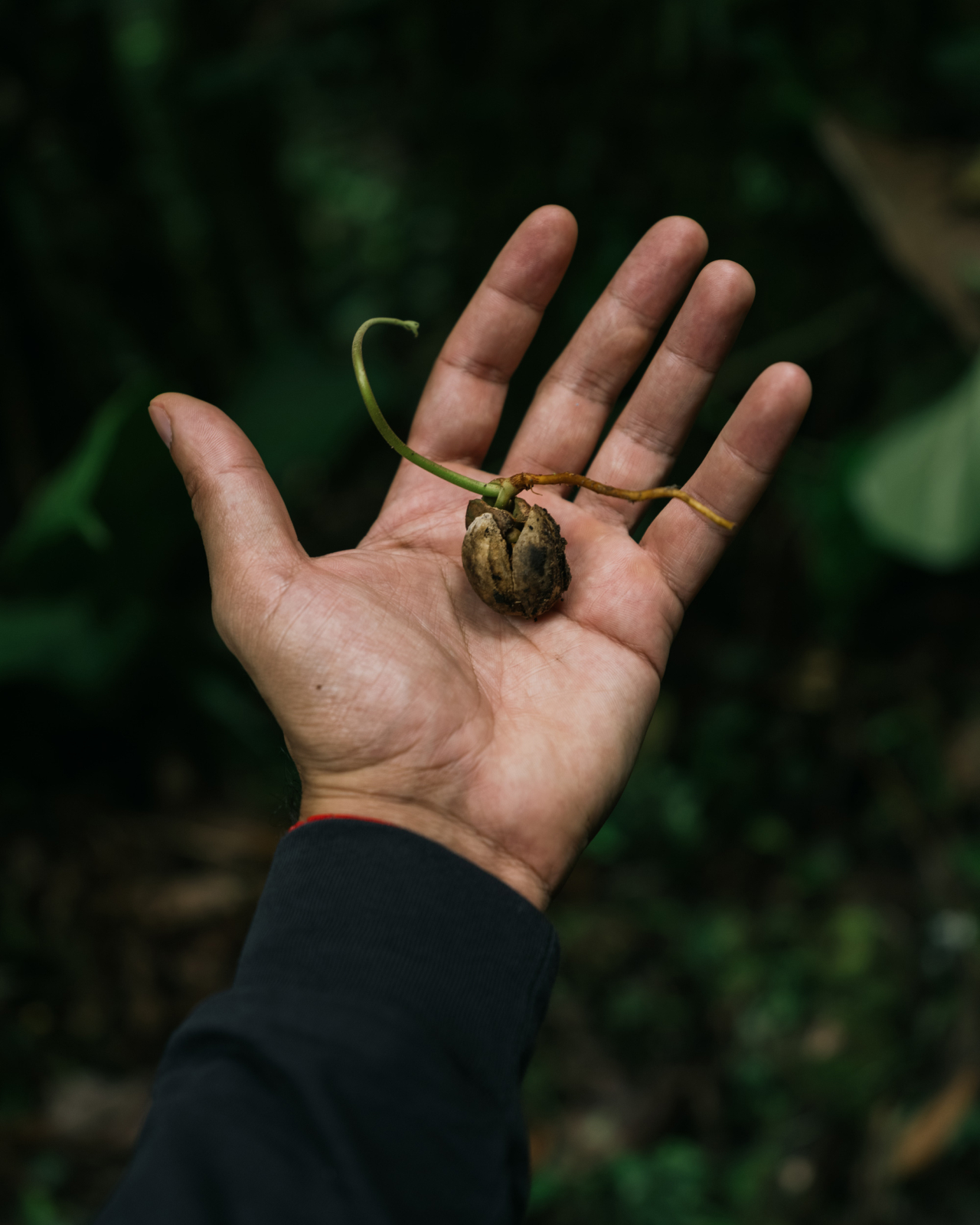
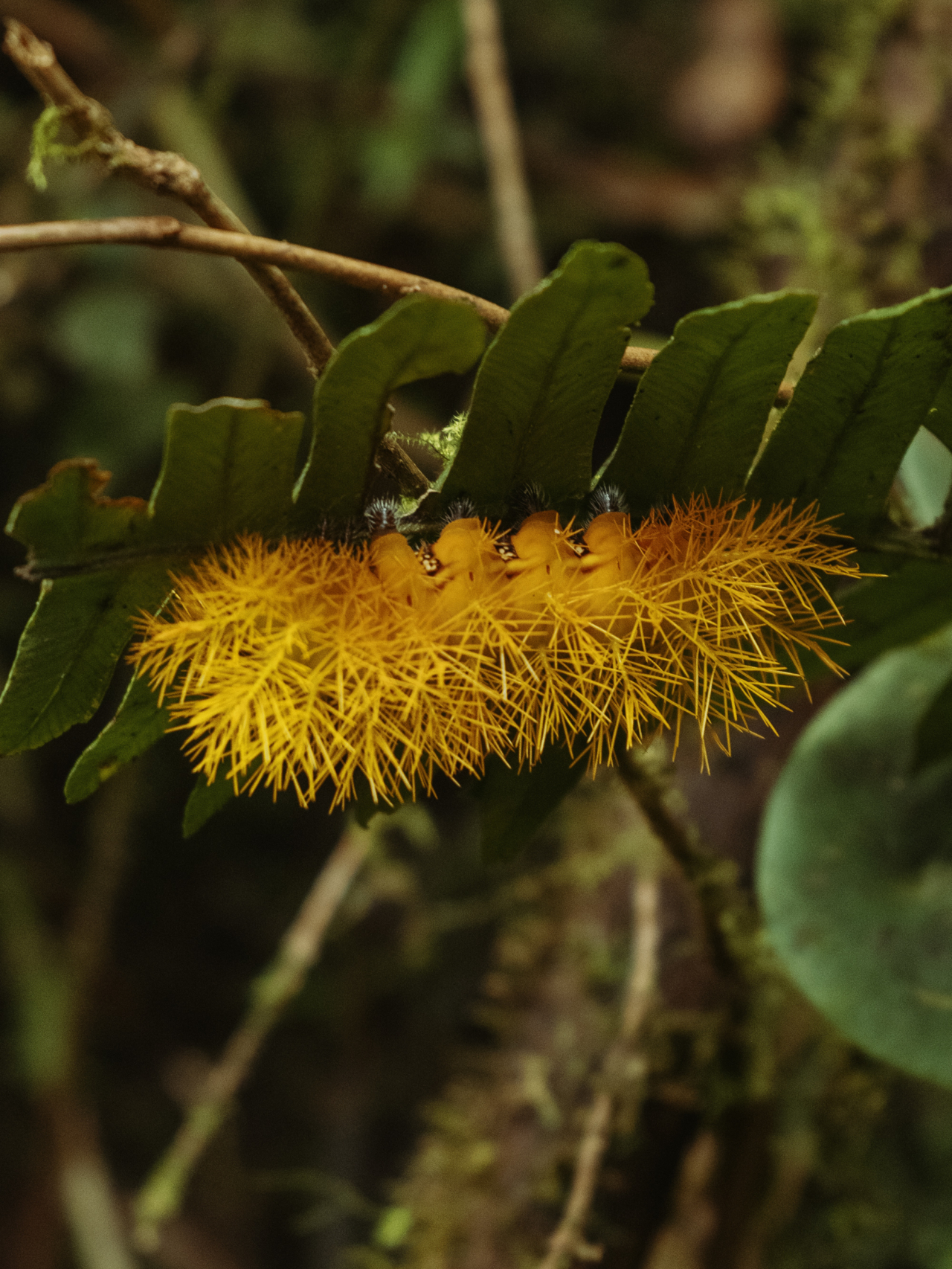
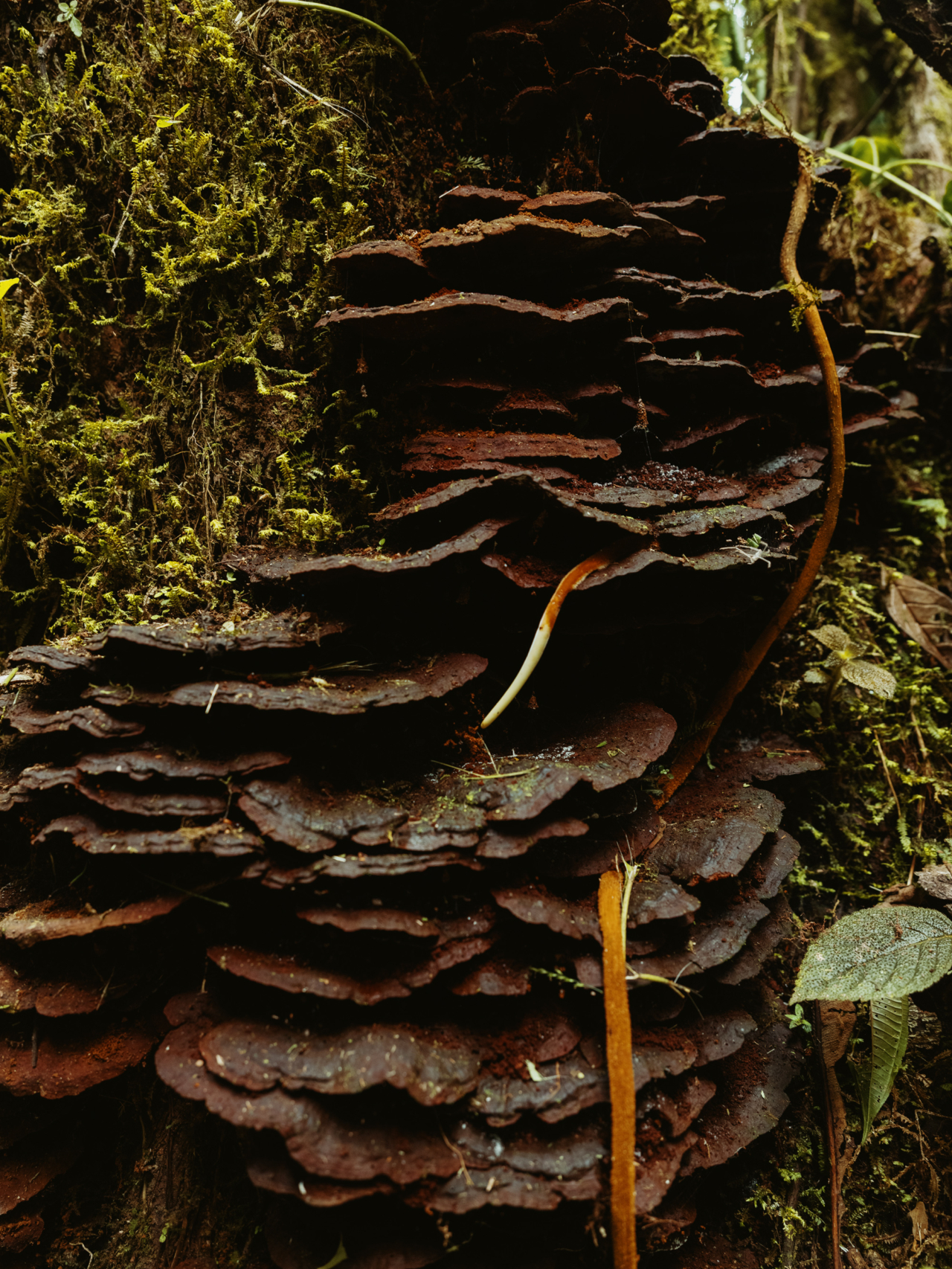
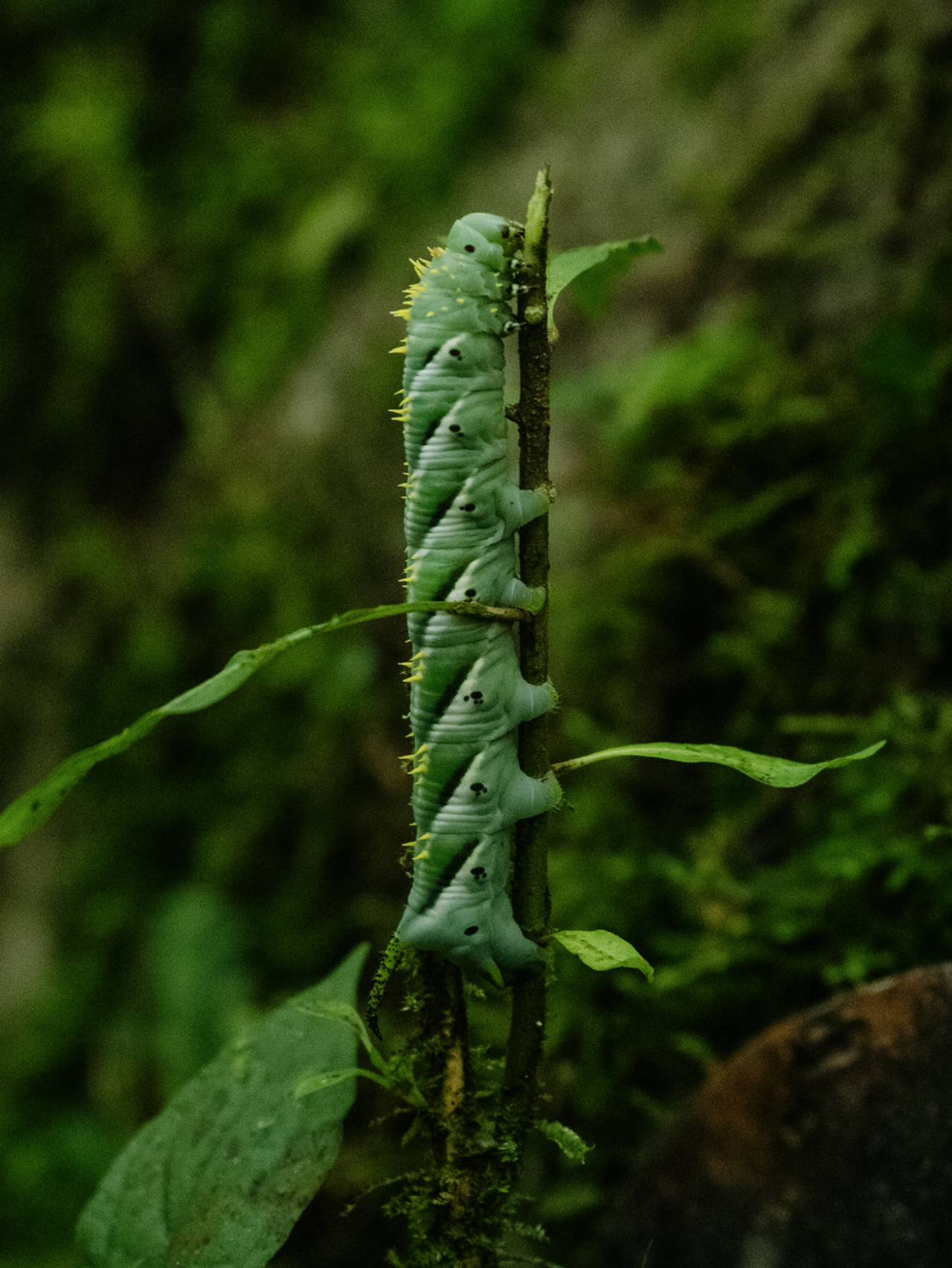
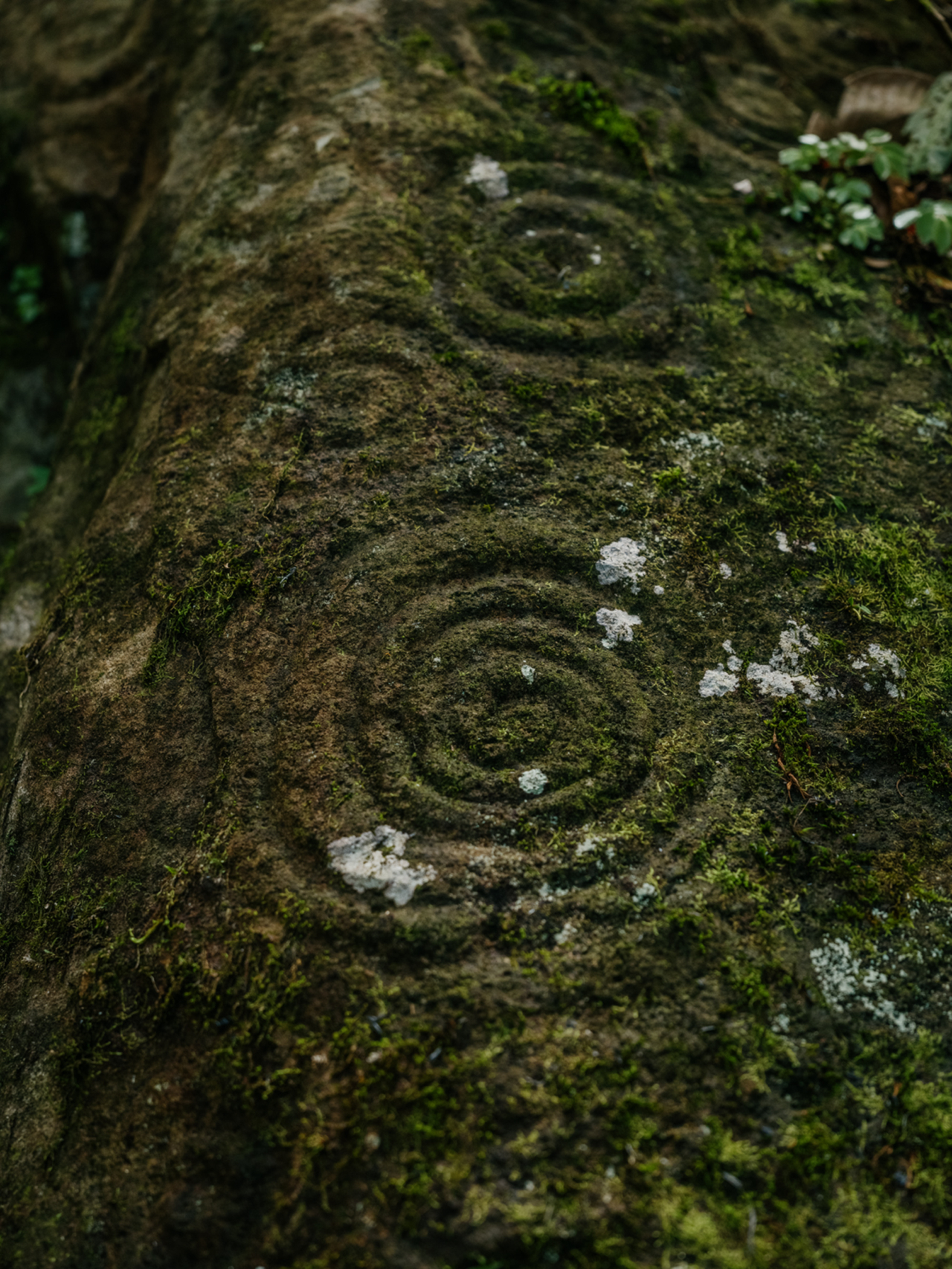
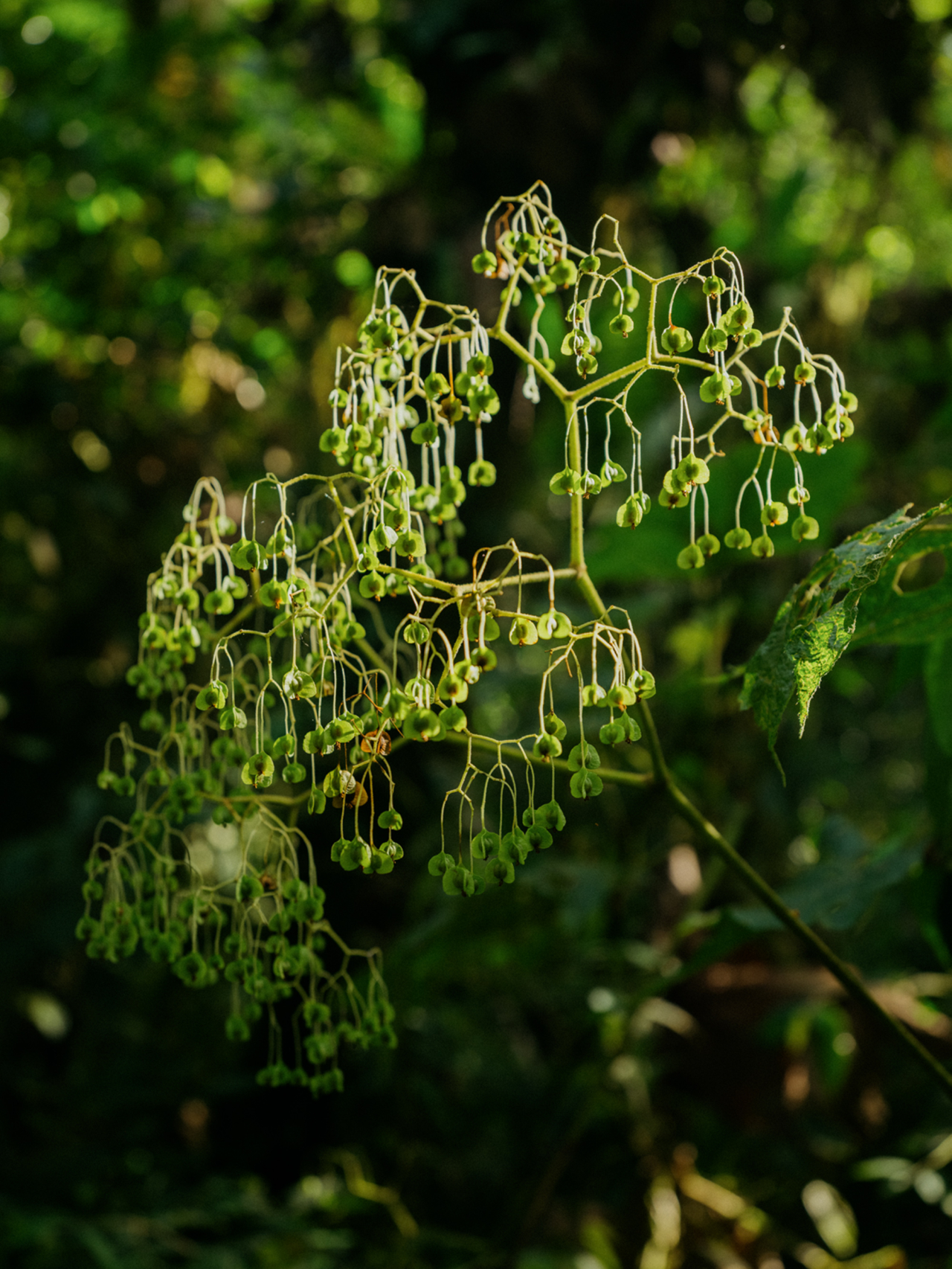
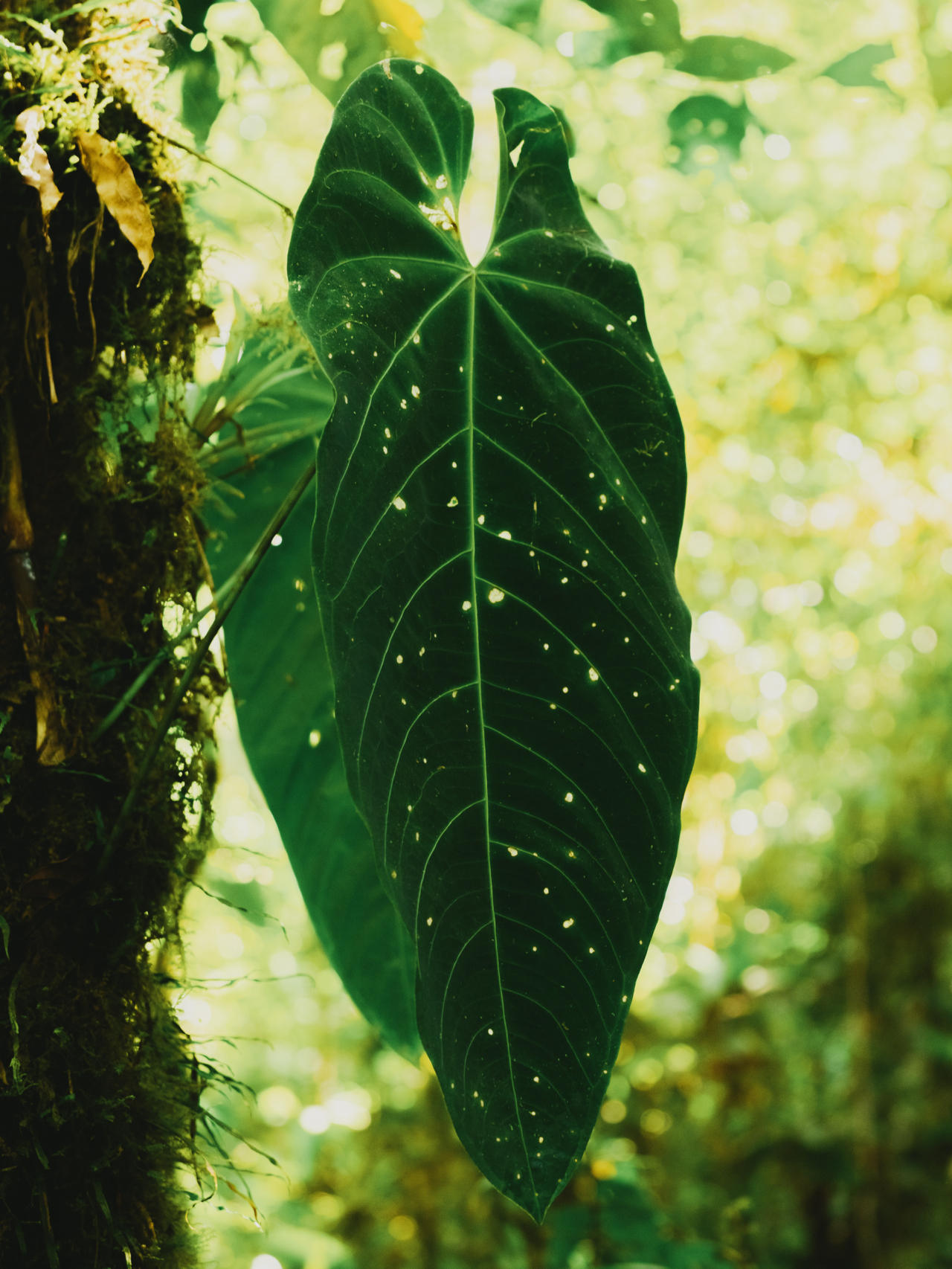
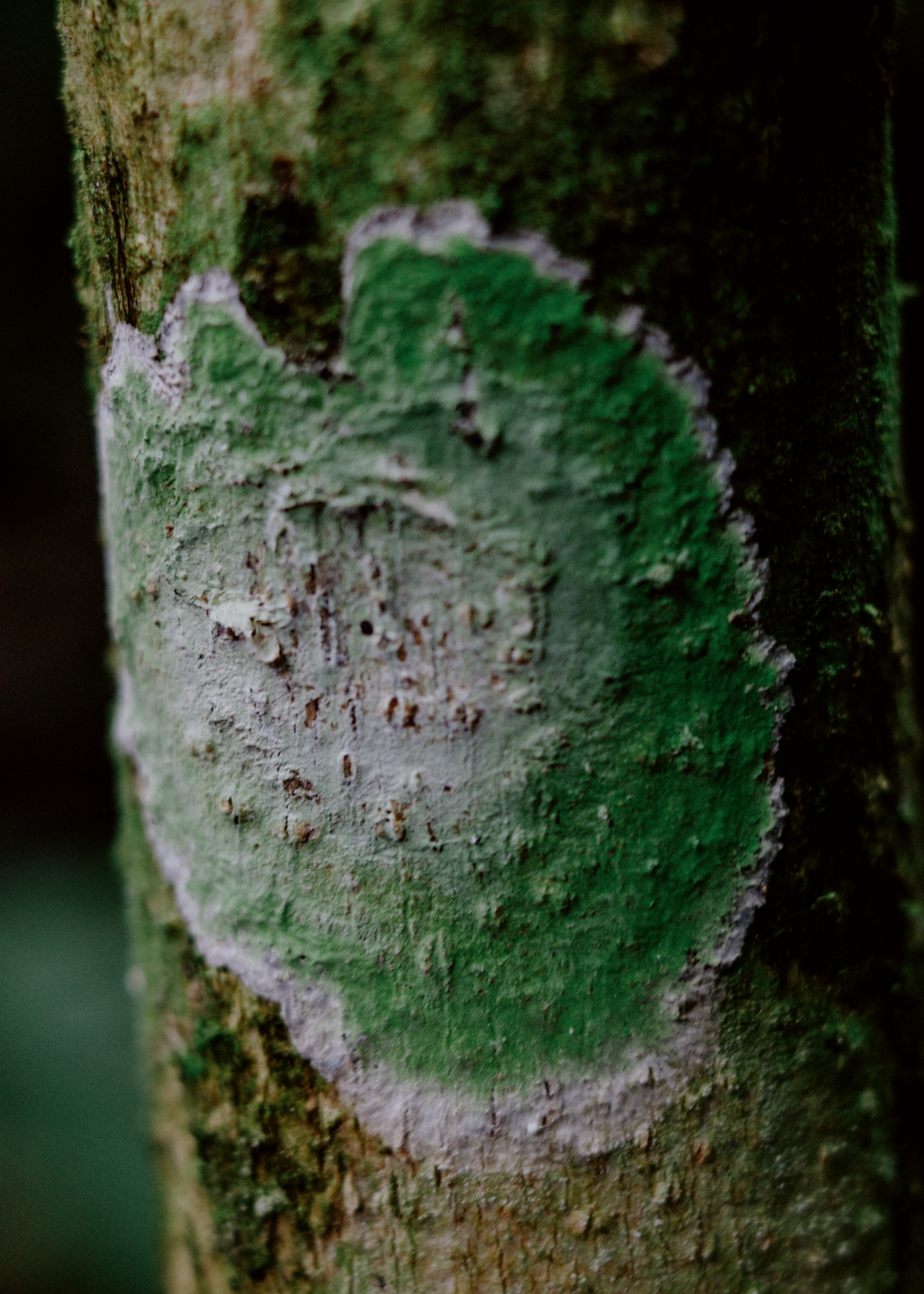
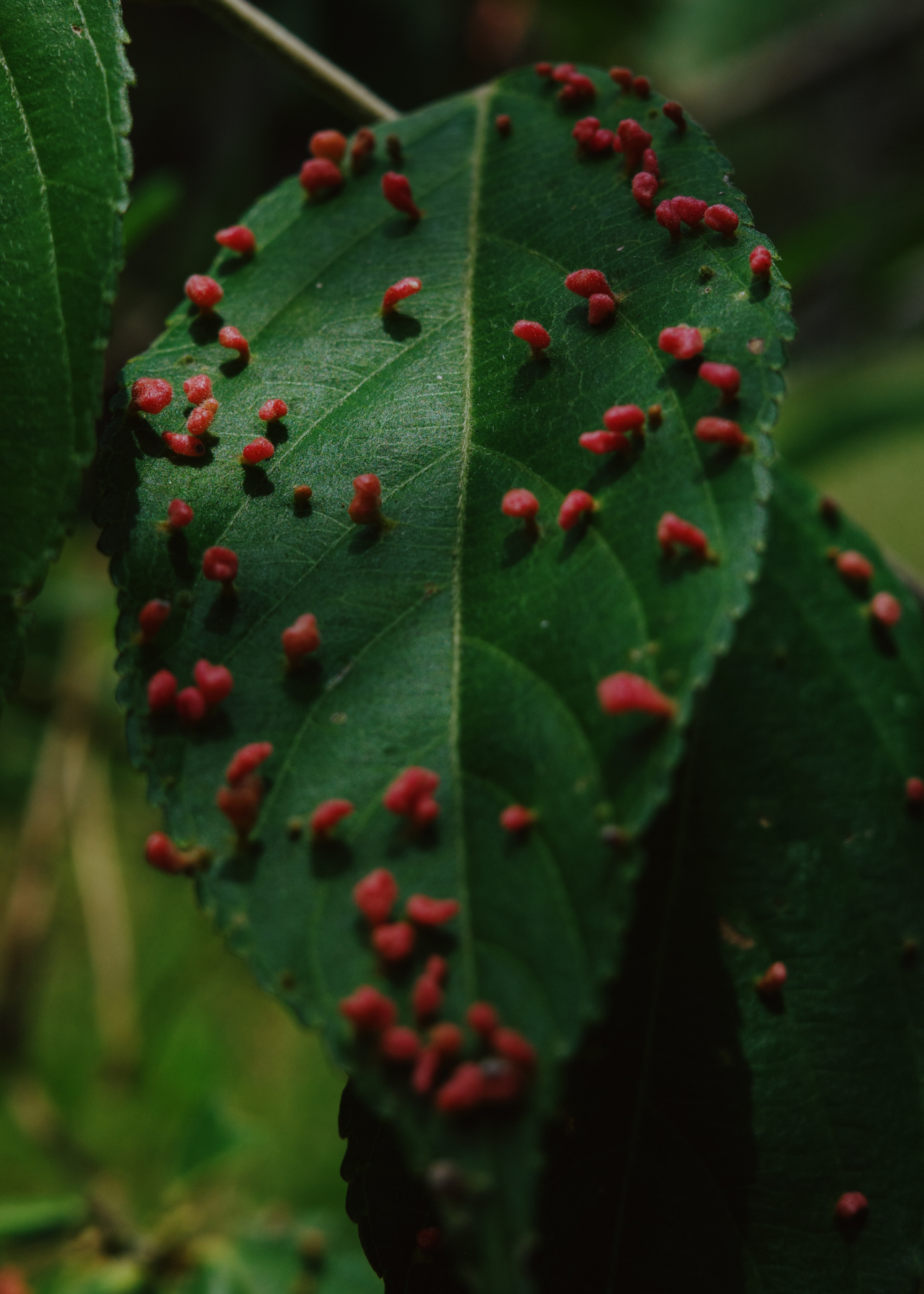
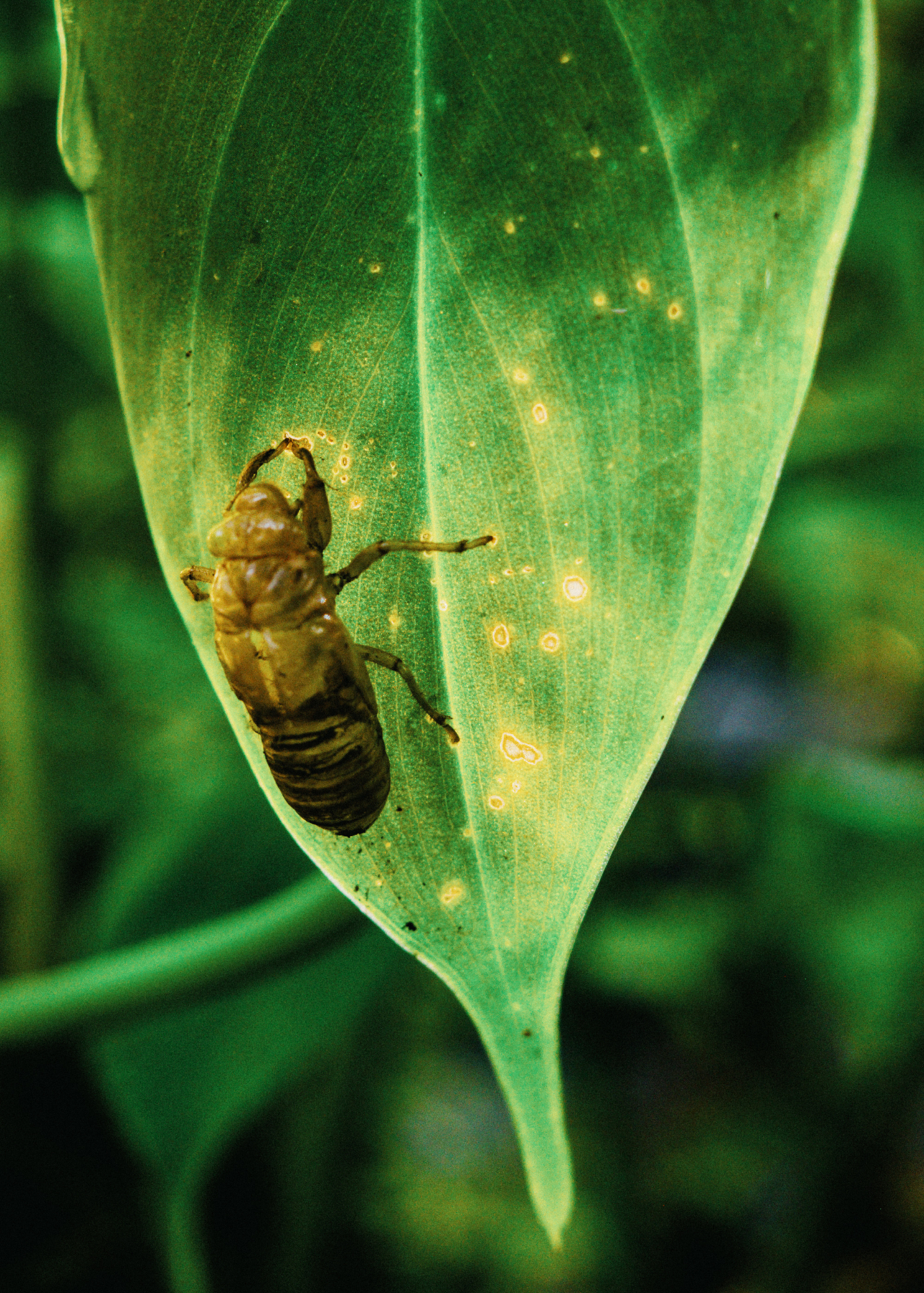
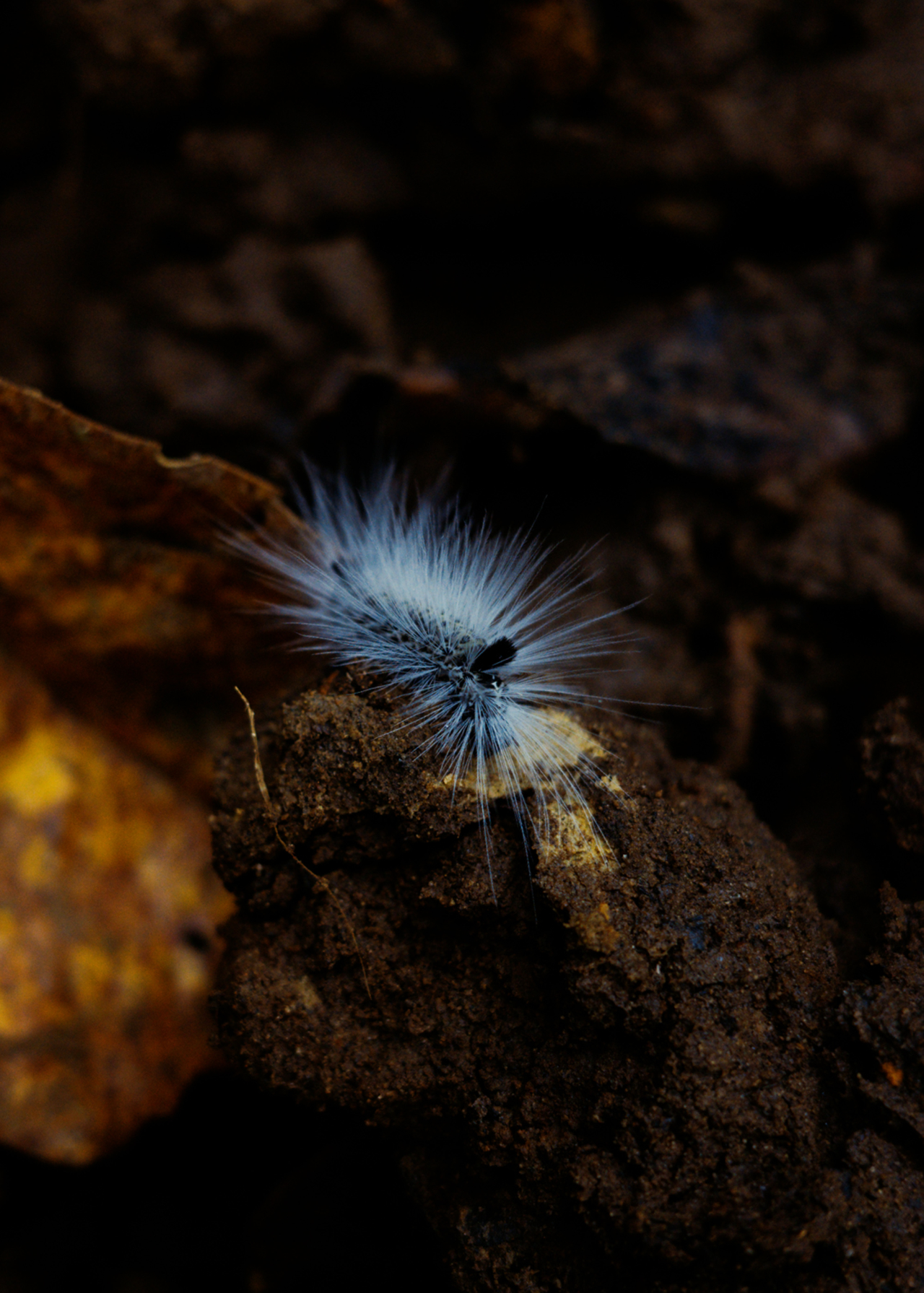
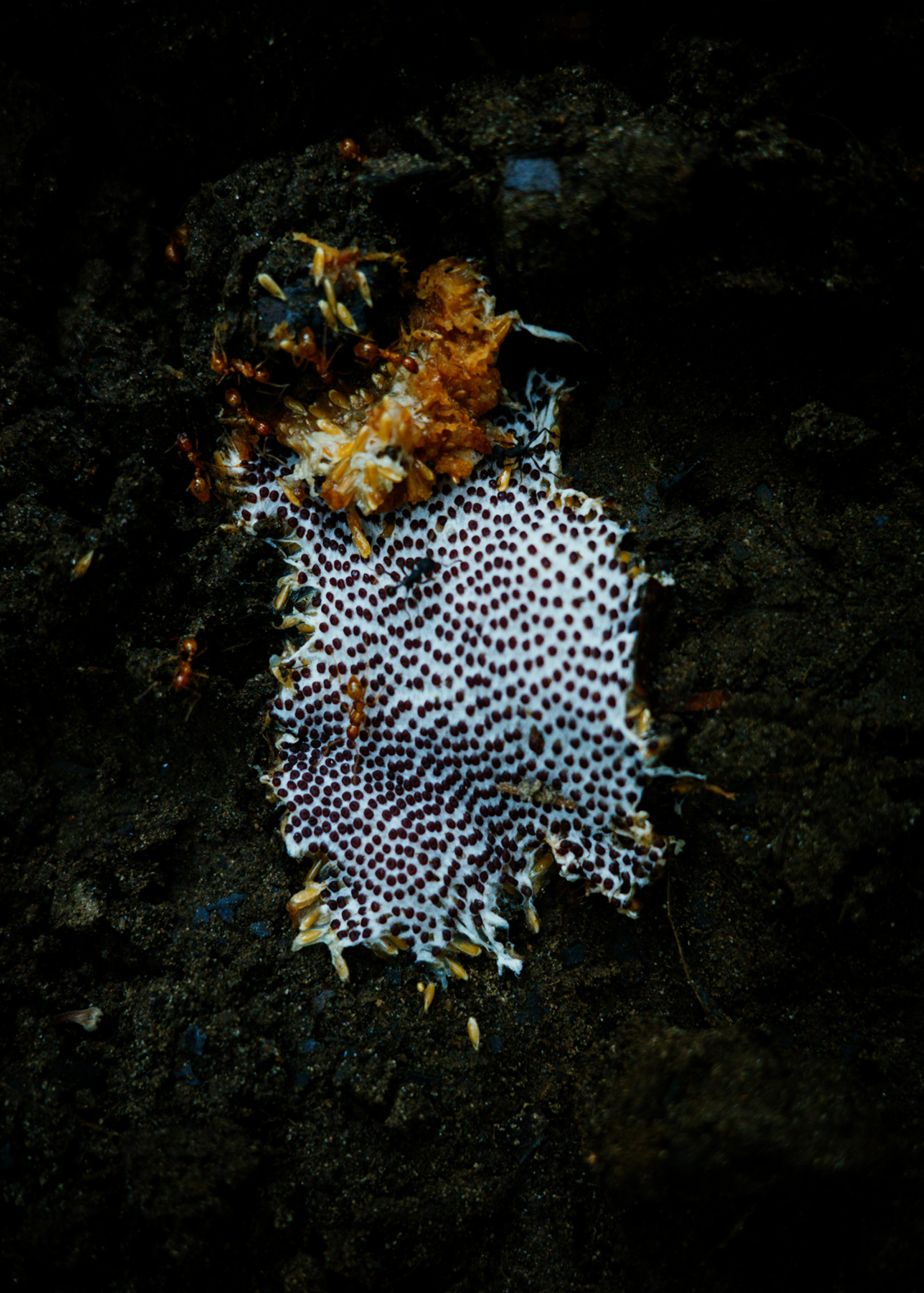
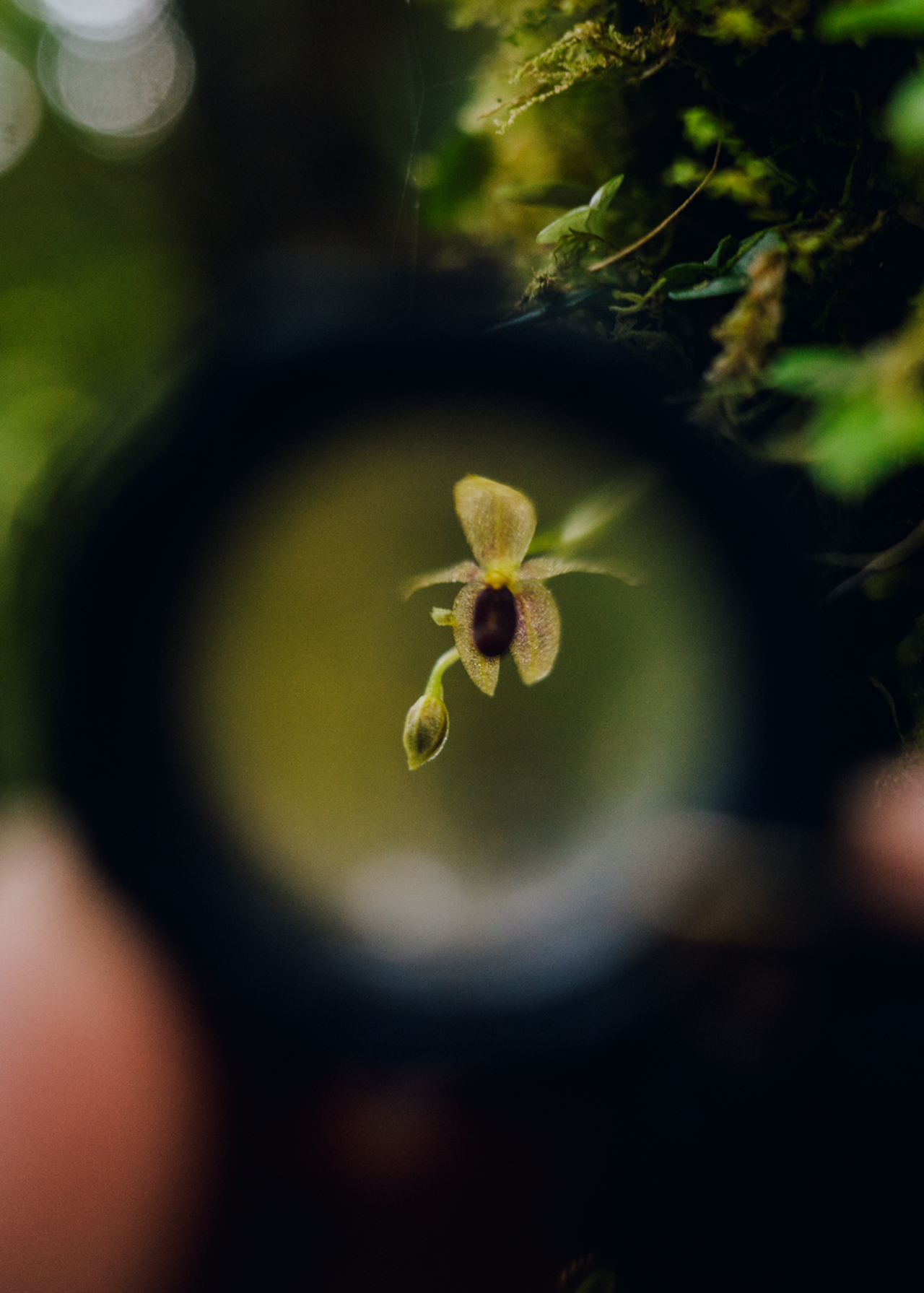
These photographs by Gleeson Paulino were shot in Ecuador’s Los Cedros Forest. The Constitutional Court of Ecuador recognized the cloud forest as a subject of rights in 2021, protecting it from extractive activities and setting a precedent for the Rights of Nature movement across the world.
words by jasmine hardy
photographs by gleeson paulino
If you listen closely, you’ll notice a subtle thrum. Be it in your backyard garden or in the thick of the Amazon rainforest, the natural world around you is humming with animacy—with unabashed life. Listen even closer, and you’ll notice yourself becoming an extension of that life. The rhythm of your breath syncing with that of a nearby ocean tide; your feet fusing with mycelial networks beneath the ground you stand on. A motley group of organisms are communing with you, deeply connected to you.
It is this practice of awareness that César Rodríguez-Garavito and Jacqueline Gallant say is the first step in re-entangling ourselves with nature. Once we recognize our interconnectedness, we can see the Earth as a reflection of ourselves: a living, breathing entity deserving of respect, consideration and—perhaps most importantly—rights.
Advancing these rights for humans, nonhumans, and the entire web of life is at the heart of what MOTH, short for More Than Human Life, does. Rodríguez-Garavito is the founding director of the MOTH project; Gallant is the director of programs. Together, their affinity for rights law and for the well-being of more-than-human life has landed them on the frontlines of nature’s legal defense, also known as the Rights of Nature movement. The movement recognizes that all life and ecosystems on this planet deserve the same inalienable rights we’ve tried to afford ourselves: to exist and flourish without interference.
While Indigenous communities have long believed in the autonomy of rivers, mountains, plants, and rocks, there’s been a conflicting framing of nature, one that posits it as lifeless, only to be exploited and extracted from. For MOTH, the language of legal rights is one way for these entities to be finally heard.
Rodríguez-Garavito and Gallant joined me to discuss past victories for the rights of nature, how to expand our “circle of compassion,” and what it’ll take to move more-than-human rights into the mainstream.
Jasmine Hardy
As two practicing lawyers, what made you both want to use your knowledge of the law to protect all life on Earth, rather than just humans?
Jacqueline Gallant
I think part of what has driven me in this direction is that working on climate change and then doing more work on other ecological emergencies like biodiversity loss and pollution felt like I was addressing the symptoms. I wasn’t necessarily getting at the root of why we had these simultaneous ecological emergencies happening. When thinking about that, it led to thinking more directly about the root of the problem, which is, in my mind, the relationship the dominant culture has with the living world and the more-than-human world. And that dominant cultural perspective has been translated into law and governance and policy.
César Rodríguez-Garavito
For me, my journey into more-than-human rights and Rights of Nature and the type of eco-centric legal work that we’re doing now was through human rights and Indigenous people’s rights. I worked in the Amazon region for a couple of decades, very closely with Indigenous nations. In doing that type of work, I would come across struggles and campaigns that related not only to the well-being and the rights of human communities, but also to the well-being and the rights of nonhumans like animals, forests, rivers. I was intrigued by the idea that a country like Ecuador, in which I’ve lived for many years, could recognize the rights of nature in its constitution. The first time I heard that idea being floated was in an Indigenous territory that I used to work in. It was intriguing, but I didn’t know what to do with it.
Over time, that idea persisted, and it spread around the world. It naturally became entangled with the research and advocacy that I did with Jackie and others on climate—not just in the Amazon, but in other parts of the world, and more recently and decisively with the More Than Human Life project. We launched the More Than Human Life project to directly try to contribute to the wealth of knowledge needed to move that idea from the periphery to the mainstream of legal thought and practice.
Jasmine
Could you both share an example of one of your favorite legal victories for the Rights of Nature movement and what the process looked like getting to that outcome?
César
I’ll start with a case that we’ve participated in and a forest that we visited—Los Cedros. That is, in my mind, the most sophisticated Rights of Nature court ruling anywhere in the world. It was handed down by the Constitutional Court of Ecuador in 2021, 13 years after the adoption of the Rights of Nature language in the Constitution. The Constitutional Court banned mining operations in the forest on the basis of the violation of human rights—the human right to a healthy environment, the human right to access water of the local communities—but also the rights of the beings of the forest and the forest itself to survive and thrive and regenerate. So the forest as such was protected as a subject of rights for the survival of that ecosystem, because if mining had proceeded, that would’ve probably been the end of the clean water sources and many forms of endemic life that we have in the forest.
Jacqueline
One that comes to mind is a recent case from Spain called Mar Menor, where a lagoon was recognized as a legal person through an act of parliament. That act was upheld against a challenge in the Constitutional Court of Spain. And what’s particularly interesting about this case among a number of features is that it shows the relationship between grassroots and democratic action and innovative, creative legal acts to protect the more-than-human world, including recognizing them as legal persons. They were able to do that as an act of parliament, which is a slightly less common route versus in the courts, because they mobilized communities and different constituencies and different stakeholders around the really urgent need to restore a lagoon that had been degraded by agricultural runoff and other forces.
Jasmine
At Atmos, we often cite isolation as a culprit of the climate crisis—isolation from one another and from the natural world. How can the law help bridge that gap to build a more unified global ecosystem?
Jacqueline
Some of what we’re trying to do at MOTH is advance more-than-human rights, but we also need more than rights. We need things like responsibility and reciprocity. The movement to expand the circle of moral and political and legal consideration to more-than-human beings, to ecosystems, to nonhumans, is also a move to try and embed things like responsibility towards the more-than-human world and reciprocity with the more-than-human world into our legal system, and all of our systems. In that sense, law can be a very powerful tool in reducing the type of isolation and atomization we have with the living world. And perhaps an example is the Mar Menor case where people of different constituencies came together in order to work on behalf of this ecosystem. It can also bring different human communities and groups together.
César
The reason why I personally prefer to speak and write about more-than-human rights as opposed to Rights of Nature, although I have nothing against the language of Rights of Nature, is that the more-than-human terminology, which was first offered by the philosopher David Abram, clearly communicates the physical fact of the embeddedness of human beings in nature.
So this is not about human rights versus Rights of Nature, but understanding that unless the biosphere, the Earth as a whole that we’re embedded in, the forms of life that we’re entangled in—unless all of that is protected, we as humans don’t stand a chance of thriving. The idea of more-than-human rights is intrinsically holistic and it is based on a radical realization of interconnectedness. We are entangled with all those other forms of life and we’re inextricably tied with them. So what we’re doing in the legal field is a translation of that realization.
Jasmine
Beyond just protecting more-than-human life, why is it also in humans’ best interest for legal rights to be granted to nature?
Jacqueline
I think it goes back to the reason we talk about more-than-human rights as opposed to Rights of Nature. Humans are interdependent and interconnected with the larger living world. It’s not even just that we’re inconceivable without nature; we literally can’t exist without it, and we don’t exist without it. We’re on a continuum with it. We need law to recognize how dependent we are on the living world—recognizing the Rights of Nature and of the more-than-human world is one important step in a larger process to ensure that law is consistent with how humans are embedded within the more-than-human world. It’s also one step in how we can address these sort of ecological emergencies that stem from the laws and governance and policy that currently does not reflect how embedded humans are within the living world.
César
There’s an objection that is not uncommon: By granting rights to more and more beings, we might be diluting the power and the traction of the rights being granted to vulnerable human groups. That objection has been raised repeatedly against the creation of new rights. In the MOTH book, we have a really great chapter by Will Kymlicka, an animal rights philosopher, who cites studies that show that contrary to what that argument suggests, there is not a zero-sum game in terms of the extension of moral consideration to different groups of beings. So those people who tend to care most about vulnerable groups are also more likely to support the protection of rights of animals and nonhumans. So the circle of compassion gets extended both to more humans and more-than-humans in ways that complement each other. There is no trade-off in terms of the extent to which the care for other human beings may be compromised by caring for nature—not just animals—but for ecosystems and for other forms of life.
Jasmine
Our theme for this issue is Pollinate, as in spreading the ideas that feel most critical for a sweeping change. This notion of recognizing the rights of the living world might seem simple on the surface, yet it requires a deep shift in consciousness across the board. What do you think it’ll take for this shift in how humans see themselves in relation to everything else to really take root?
César
We very deliberately chose MOTH as the name of the whole project because moths are pollinators. In Los Cedros, the forest that’s been very important to our work, we took pictures of moths that had these gigantic fake eyes that scare away their predators because they look like owl eyes. We like the double connotation of the moth being a pollinator and the moth also looking back at us as subjects, looking at us as objects of their gaze. So to your question, one thing that we think is crucial to pollinate different fields and different ideas and different collectives working in different geographies is to try to bridge silos where similar sensibilities have emerged, but that are not necessarily in contact with one another.
Our collective is all about unusual encounters. There is truly kind of a more-than-human turn in many fields and in many places. It’s not just the law; in fact, the law has been a latecomer to this conversation. MOTH has referenced western science, Indigenous knowledge, but also fields like design. So it’s design, it’s literature, it’s journalism, it’s humanities. And trying to do our best to bring those ideas together and those people physically together is something that we believe can advance this more-than-human trend.
Jacqueline
You rightly mentioned that this will require a pretty major shift in public consciousness. And the one thing that is striking is that in some ways, this type of thinking comes very naturally to children. It seems like when children are young, they naturally understand that the world is an animated place full of life, and that for a whole host of reasons, particularly in the West, that is educated out of people as they grow up and acclimate and get older. So one thing that we also focus on is education because we think that that is an important part of building on the field, but also of contributing in a small way to the shift in public consciousness that is necessary to make this a more mainstream idea and movement and vision.
And I think that it also has the chance of reaching a broader audience who are potentially open to these ideas because, in a lot of ways, people might remember being younger and being more open to these ideas.
Jasmine
In a perfect scenario, where all of the goals of MOTH and the larger Rights of Nature movement are achieved, what would that look like?
César
The way that I imagine it, it is a world where the more-than-human world thrives, where life gets nourished, meaning the ecosystems are healthier than they are now, the oceans are less polluted, the forests are less deforested, and the air is cleaner. But also, it is a world where human beings thrive as individuals and as societies—a peaceful world. Not just in terms of the end of human conflicts and human wars, which we very much need, but also this warlike relationship with nature where we’re literally destroying it. So coming to the realization that harming nature is harming ourselves and stopping that harm can turn into a relationship that is generative and that protects us and protects the more-than-human world.
Jacqueline
Yeah, I cosign that. And also the word I think about in this is “flourishing.” I think a world where MOTH achieves its goals is a world where humans and all living beings have the opportunity to flourish on this planet. There’s some sort of recognition that there’s actually freedom and also well-being when we don’t behave like we exist on an infinite planet, but rather recognize that there are boundaries from the living world that we need to better respect and we have some responsibility to maintain.
Special thanks Elisa Levy
This interview has been edited for length and clarity.
This story first appeared in Atmos Volume 12: Pollinate with the headline, “The Earth Demands Counsel.”
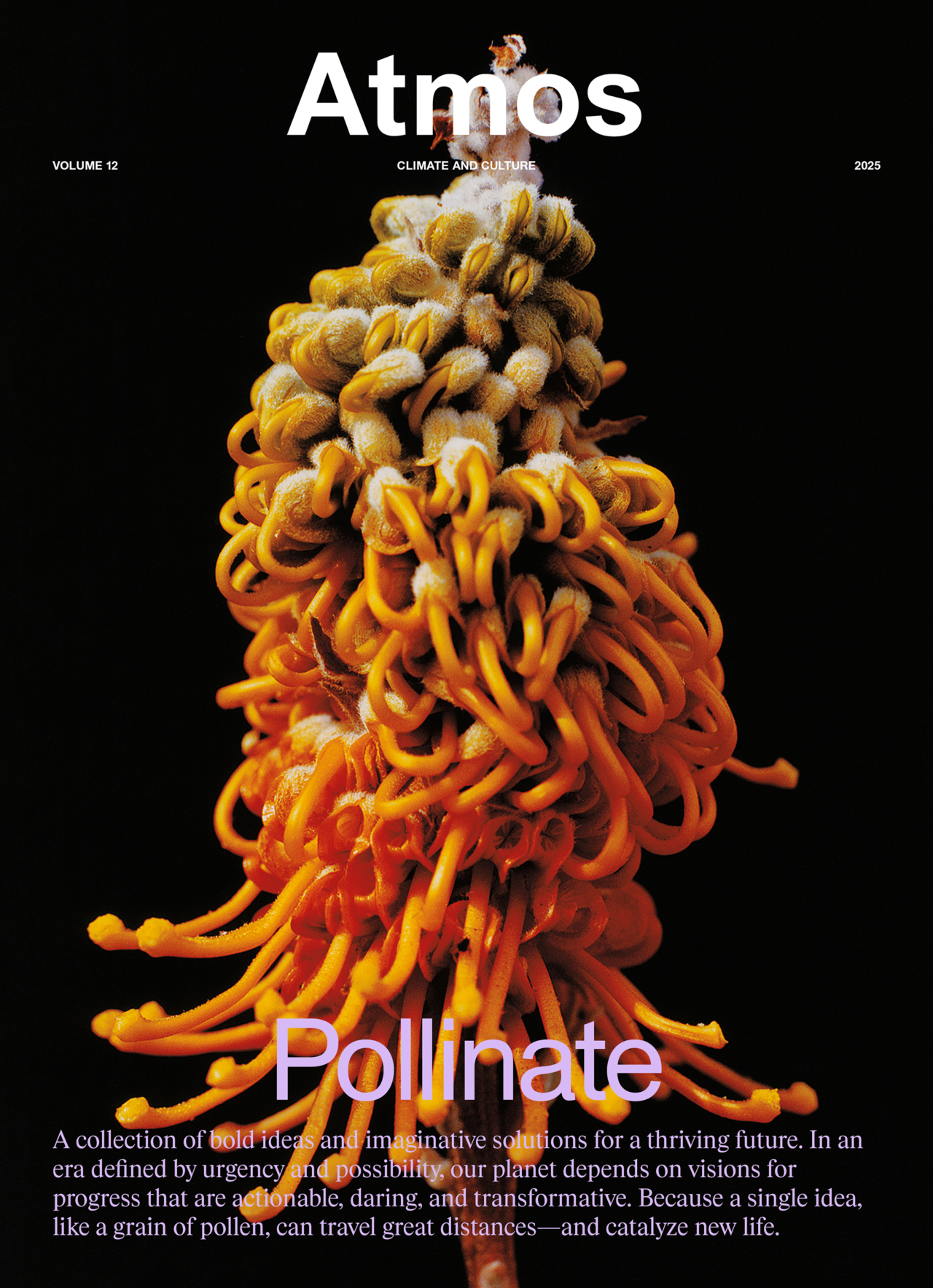
A collection of bold ideas and imaginative solutions for a thriving future. In an era defined by urgency and possibility, our planet depends on visions for progress that are actionable, daring, and transformative. Because a single idea, like a grain of pollen, can travel great distances—and catalyze new life.
The Rights of Nature: Rewriting the Law For a Living Planet