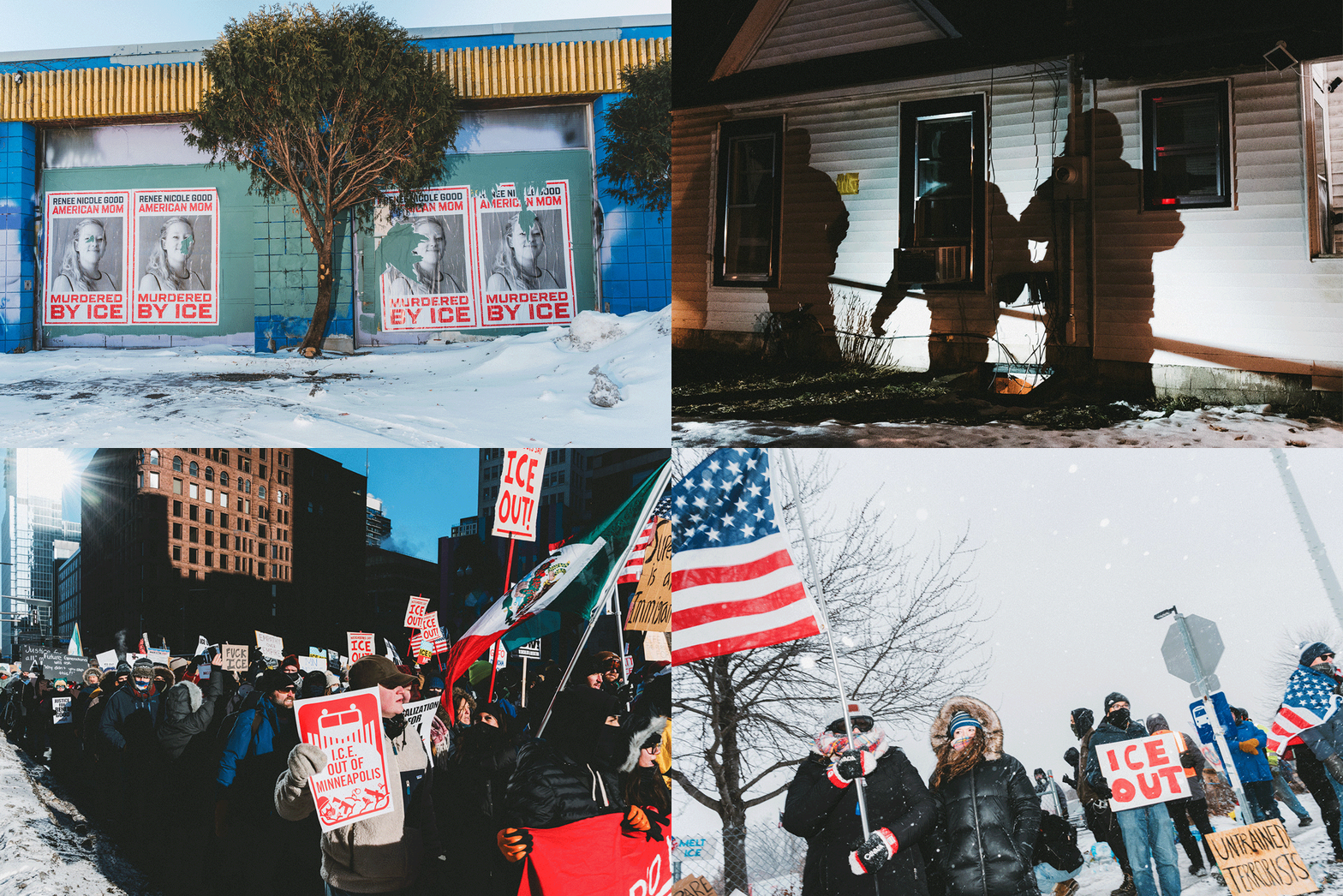
Photographs by Jack Califano
words by ben passer
Ben Passer is a native Midwesterner, a longtime Minnesotan, and the director of the Midwest Climate & Energy program at the McKnight Foundation. This Points of View article reflects his opinions, not necessarily those of Atmos.
If you work on issues related to climate and the environment, like me, you’ve likely heard a powerful phrase: This is the decisive decade.
The expression is intended to invoke urgency and ambition, and rightfully so. We are increasingly seeing the impacts of a changing climate: Extreme weather events are worsening and becoming more frequent. Heat waves and colder winter temperatures are putting immense strain on our already brittle energy infrastructure. My home state, Minnesota, saw its longest-ever air quality alert last year as rampant Canadian wildfires rendered our air unsafe to breathe for seven consecutive days. Minneapolis was even ranked among the most polluted major cities in the world during this time.
Fortunately, a record number of Americans recognize that these climate impacts are likely to affect them, if they aren’t already, and must be addressed. These beliefs are held across state lines and ideologies. The markets recognize this, too: Large-scale solar and wind energy remain the least expensive forms of new energy generation, even before subtracting the significant subsidies that fossil fuels continue to receive. If we were ever going to truly invest in a more sustainable future, the best time was several decades ago. The second-best time is now.
It’s true that this is the decisive decade—but not just for climate.
Our actions to address environmental impacts and protect communities rely on a functioning democracy in which folks can safely exercise their rights to peacefully assemble, speak their opinions without government censorship, and freely publish news and information: all bedrocks of the First Amendment. Without these, individuals and organizations would not be able to educate regulators and lawmakers on the issues facing their communities, such as air pollution, clean water, or energy affordability. Journalists would struggle to report the facts of the health, economic, and social impacts of environmental damage. And community members would be restricted from organizing in support of solutions that improve their quality of life and well-being.
In Minnesota, we have seen these fundamental freedoms tested in real time.
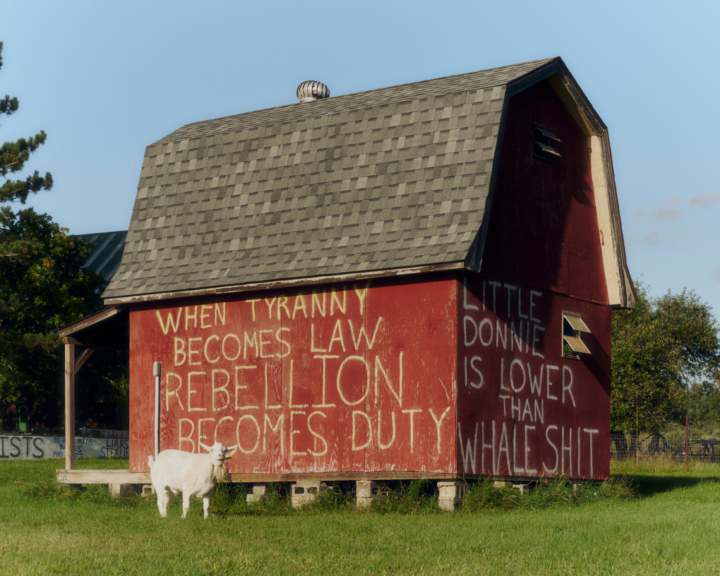
Over the last couple of months, Minneapolis and the entire state of Minnesota have seen an extraordinary presence of federal immigration agents engaging in actions that have not only disrupted our communities but also defied the rule of law and eroded the basic constitutional rights that the United States was founded on. Fortunately, ordinary Minnesotans have been standing up and stepping forward to peacefully insist that our constitutional rights be upheld. Their message is clear: This is not what a functioning democracy looks like.
“Those of us who work on climate issues need to recognize that democracy is more than the ability to vote in free and fair elections. A true democracy is a system that allows many people to hold diverse and different opinions.”
Those of us who work on climate issues need to recognize that democracy is more than the ability to vote in free and fair elections (though that is, of course, an important right). A true democracy is a system that allows many people to hold diverse and different opinions; that preserves and honors independent institutions and actors, such as the judiciary, capable of behaving impartially and in accordance with the law; and that supports broad principles of civic participation, including the ability of everyday individuals to share information, engage in decision-making processes, and have a voice in policies and practices that affect them. Recent examples illustrate the importance of these principles: Nationally, a lack of broad civic awareness undermined the durability of climate-focused policy such as the Inflation Reduction Act; and in states like Ohio, concentrated power and a lack of transparency resulted in laws that cost ratepayers hundreds of millions of dollars and prompted local leaders to build their own solutions.
Our experience in Minnesota should be a clear alarm bell for the rest of the country. If these harmful actions are allowed to continue and spread, and we normalize the unjust targeting of members of our community, we risk the collapse of the institutions and norms that are core to who we as Americans aspire to be. And if those institutions and norms collapse, we risk losing any meaningful ability to address environmental harms and advance positive solutions in our communities in the near-term.
It’s true that this is the decisive decade—but not just for climate. It’s also the decisive decade for the governance framework on which our work depends.
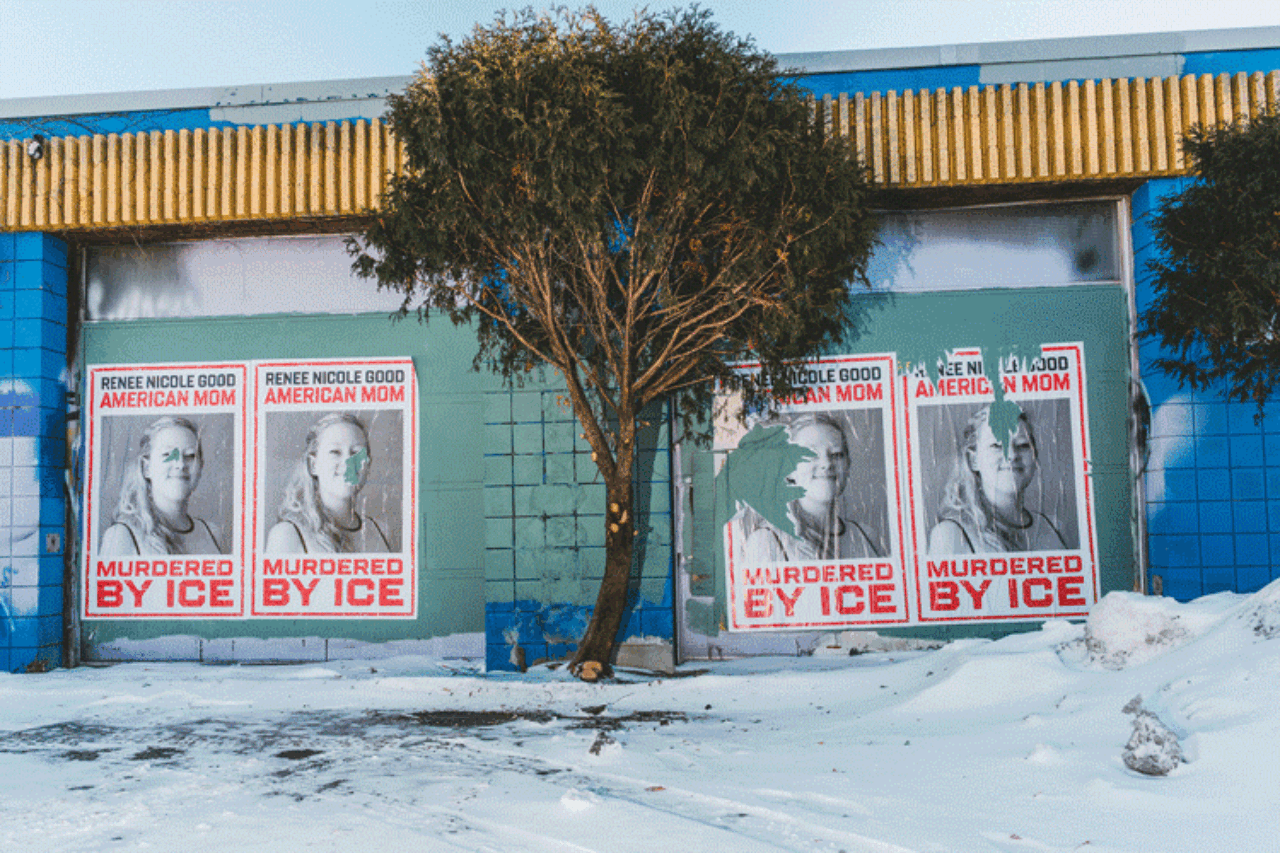
I admit, as I witnessed the horrific events playing out in our communities over the last several weeks, I felt a great deal of mental and emotional dissonance. I believe deeply that protecting our environment is an existential issue—it’s why I do the work that I do. I’m grounded in the belief that if we put everything we have into tackling the sources and impacts of harmful pollution, then all communities will have a better chance to thrive now and for generations to come. As it’s sometimes said, “we can’t live on a burning planet.” But at the same time, it’s undeniable that for many Minnesotans, the hatred and division that has been forced upon us is existential, as well. Our communities have been living in a constant state of fear, loss, grief, and trauma for nearly two months, magnified by the killings of Renee Good and Alex Pretti. How can any of us think about protecting the environment when our daily experience is simply trying to protect ourselves?
“It’s true that this is the decisive decade—but not just for climate. It’s also the decisive decade for the governance framework on which our work depends.”
What good is saving our planet if our neighbors are being robbed of their dignity, and even their lives?
That dissonance evaporated when I realized that it represents a false dichotomy. Those of us who work on climate and environmental issues must acknowledge that the systems on which our work depends are being undermined in this moment—and that we must expand our aperture and our actions as a result. I recognize that many are disheartened after a challenging year (to say the least), and some are likely just trying to get by. But this moment calls on us to push beyond self-preservation and fears of “mission creep.”
To all of my colleagues and peers who have the freedom and privilege to wake up every day and work toward a better, more sustainable future: This is not the time for silos or silence. It is not the time for inaction. Nonprofit organizations can use their public voices to engage their audiences about what is happening and share their capacity in solidarity with direct-service organizations. Funders can move resources to organizations aiding communities and working to ensure our democratic norms are not further eroded. Individuals can also support these organizations, contact elected officials, and use their own voices to activate others. My employer, the McKnight Foundation, has been speaking out and also put together a catalog of resources on how to help.
Maya Angelou once said, “Do the best you can until you know better. Then when you know better, do better.” The evidence is all around us. We can and should do better.
Future generations will remember not only what we did to protect our environment, but also what we did to protect our neighbors and the freedoms we too often take for granted.
This is the decisive decade, in more ways than one. May we all align our actions with that reality before it’s too late.
Join our membership community. Support our work, receive a complimentary subscription to Atmos Magazine, and more.
Lessons from Minnesota: To Preserve Our Planet, We Must Also Preserve Our Democracy